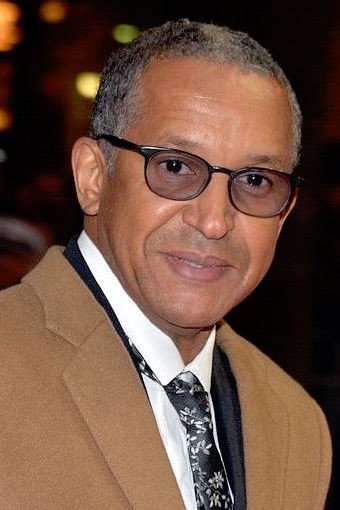
Abderrahmane Sissako gives ordinary lives room to continue under extraordinary pressure. We value his patience and his humour, especially in Timbuktu, though his habit of moving between stories sometimes leaves people behind too soon.
Fi1m perspective
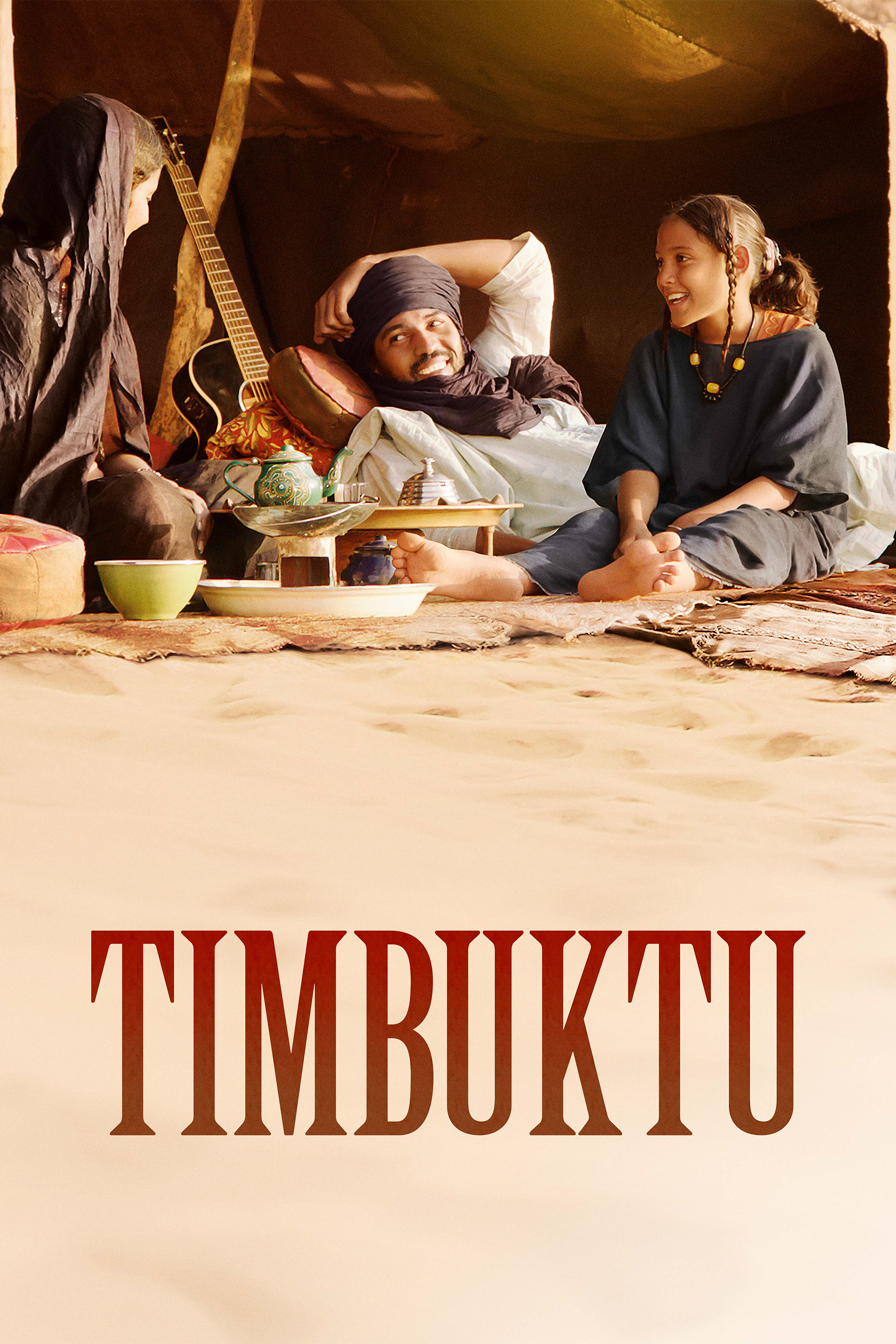
In Timbuktu (2014), men with guns issue instructions to people who already have families, games and conversations to attend to. Sissako lets us take an interest in those lives, so each restriction feels like someone interfering with a person we have begun to know. We were moved by that attention to daily life, which makes the violence harder to bear. This is where we rate him most highly: he gives us reasons to care about people beyond what is done to them.
The early features include La Vie sur Terre (1998) and Waiting for Happiness (2002), the latter exploring exile and return in Mauritania. With Bamako (2006), which brought him wider attention, the setting is a Malian courtyard and the World Bank and IMF face a symbolic trial. His recurring subjects are exile, displacement and the effects of large institutions on daily life.
Timbuktu makes room for the occupiers’ foolishness as well as their cruelty. Sissako and co-writer Kessen Tall allow the men enforcing the rules to have trouble following them, and let the inconsistency become funny. The humour works because their power to punish remains frightening; we are never invited to mistake ineptitude for harmlessness. It takes care to show these men as recognisable human beings without making their conduct any easier to forgive.
The limitation is his habit of moving on. His episodic storytelling allows several lives to occupy the same film, but in Timbuktu some are left behind too quickly. We wanted longer with some of these people, and the film does not always give them enough space. The reservation matters because his attention to individuals is what makes the film so affecting.
With Black Tea (2024), his first feature in a decade, Sissako returned to questions of identity and migration. Those subjects suit a director so attentive to people trying to maintain ordinary lives under pressure. For a first encounter, we recommend Timbuktu, with patience for the quieter conversations as well as the confrontations.
Biography
Abderrahmane Sissako is a Mauritanian-born Malian film director, screenwriter and producer. He was born on 13 October 1961 in Kiffa, Mauritania, and studied at the Gerasimov Institute of Cinematography in Moscow.
His films include Life on Earth (1998), Waiting for Happiness (2002), Bamako (2006) and Timbuktu (2014), on which he served as director and co-writer. Timbuktu was selected for the main competition at the 2014 Cannes Film Festival and received a nomination for the Academy Award for Best Foreign Language Film. Waiting for Happiness won the FIPRESCI Prize in the Un Certain Regard section at Cannes in 2002.
Sissako’s later work includes Black Tea (2024), which he directed and wrote.