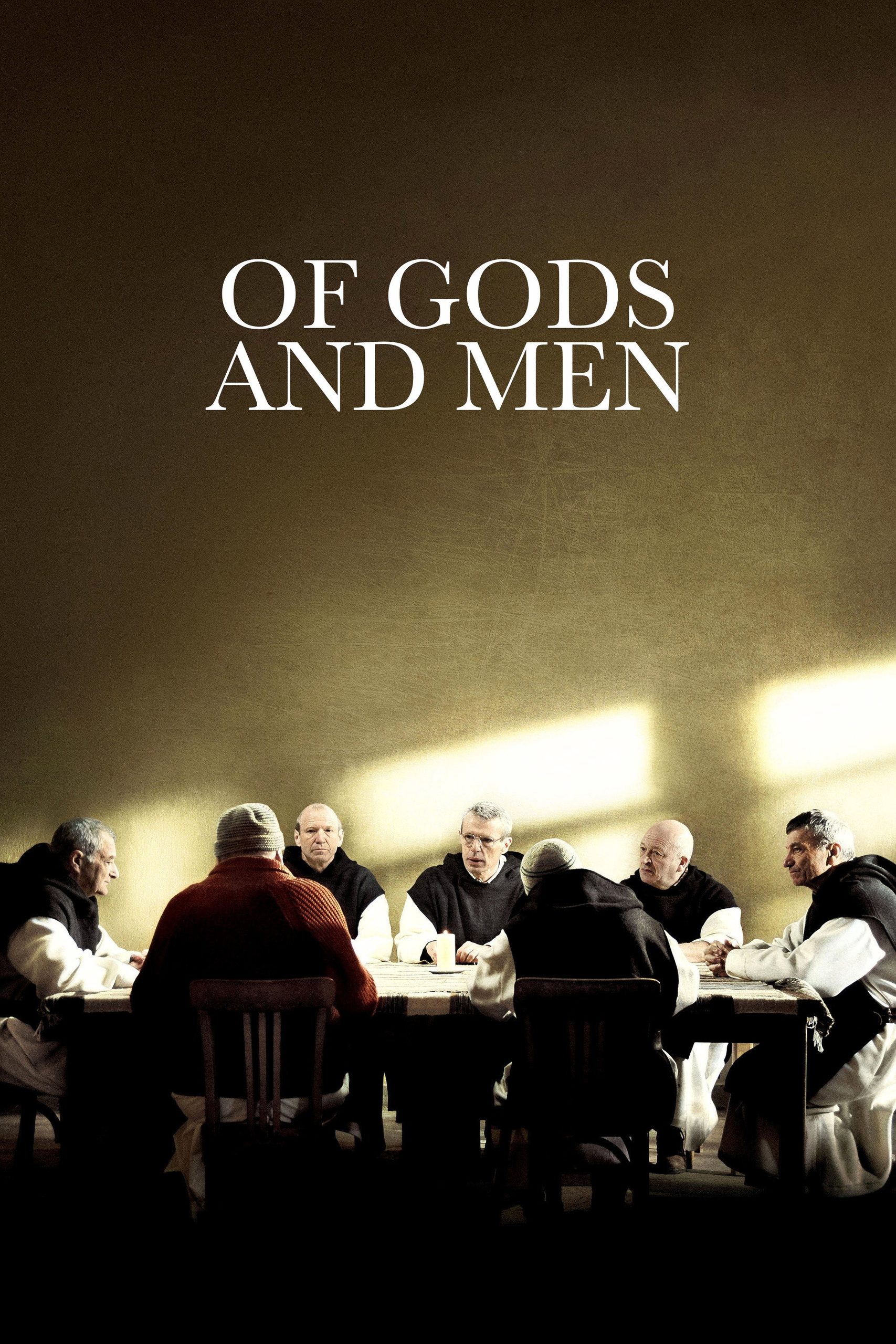
Most critics admire the film, and the praise gathers around the same things. Beauvois’s restraint comes first: the reviews repeatedly note that he refuses sensation and lets the monks’ routines, prayers and arguments carry the drama. The performances come next, with Lambert Wilson as the prior and Michael Lonsdale the names most often mentioned. Several reviewers single out the dinner scene set to Tchaikovsky’s Swan Lake as the moment the quiet approach pays off, and more than one says the film does not need shared belief to work.
The reservations are about pace and solemnity. A minority find it slow and thin, with Paste struggling to locate a plot for much of the runtime. Sight and Sound, otherwise approving, wonders whether it escapes Catholic mythologising. The sharpest dissent is The AV Club, which reads the Swan Lake scene as a failure rather than a triumph. The spread is narrow: nobody is hostile, and the doubters are outnumbered.
E
Evening Standard
10 April 2012
90*
The critic highlights the film's quiet resonance and humanity, noting its exploration of faith through strong performances and its moving depiction of decency amid threat, predicting it will feature in year-end lists.
Read the full review →G
The Guardian
2 December 2010 · Peter Bradshaw
90*
The film is a stunningly passionate and deeply moving modern tragedy that does not require shared belief to appreciate. It is singled out for praise for its overwhelming Last Supper sequence with the monks and Tchaikovsky's Swan Lake.
Read the full review →I
The Independent
5 December 2010
90*
The critic praises the film as a mature, complex meditation on faith, courage and post-colonial issues, calling it commanding and immensely satisfying grown-up cinema with superb performances and a gripping yet low-key approach.
Read the full review →N
The New Yorker
28 February 2011 · Anthony Lane
90*
The review highlights the film's beauty and its rare success in dramatizing faith and interfaith harmony without sentimentality. It singles out the monks' debate on duty and a moving scene with Tchaikovsky's Swan Lake as they face their fate.
Read the full review →N
The New York Times
24 February 2011 · Critic's Pick · A.O. Scott
90*
The critic praises the film as a beautiful, somber and rigorously intelligent drama based on the true story of Trappist monks in 1990s Algeria. It singles out the film's historical authenticity and its focus on spiritual and temporal concerns amid violence.
Read the full review →V
Variety
18 May 2010 · festival review · Jordan Mintzer
90*
The review describes the film as a consummate, transfixing meditation on religious conviction and post-colonial strife. It singles out the performances, especially by Lambert Wilson and Michael Lonsdale, and the atmospheric depiction of monastic life.
Read the full review →L
Los Angeles Times
25 February 2011 · Kenneth Turan
85*
The critic calls the film a thrilling adventure of the spirit that trusts rigor and restraint. It singles out the complex moral decisions faced by the monks and the standout performances, especially Lambert Wilson as the prior.
Read the full review →S
Screen Daily
18 May 2010 · festival review
85*
The review commends Beauvois for maturing into a masterly director with tight control, balancing theological and political dimensions in a thoughtful, non-sensationalist portrayal of monastic life and religious vocation amid violence. It singles out the restrained, life-affirming approach and the cast's subtle performances, especially in building the rhythms of the monks' routines.
Read the full review →S
Slant Magazine
24 September 2010 · festival review · Andrew Schenker
80*
Beauvois’s film is a morally committed work that comes down on the side of progressivism and Christian humanism in the face of geopolitical tensions. It singles out the monks’ spiritual crises and their dedication to duty amid threats from Islamist militants for particular focus.
Read the full review →T
Time Out
18 May 2010 · ★★★★ · Dave Calhoun
80
The critic praises the film's nuanced, humane study of the monks' deliberations and communal life amid threats, highlighting its serene mood and focus on piety over peril. The standout element is the monks' journey toward unity in facing their fate, shown through powerful emotional scenes like their reaction to music.
Read the full review →S
Sight and Sound
festival review · Nick James
75*
The piece describes the film as a superbly crafted and exalting portrait of the monks' lifestyle in harmony with the local community, noting its forgiving and even-handed approach to their martyrdom. It singles out the gentle, serene mood as suiting the subject, though noting it doesn't fully escape Catholic mythologising.
Read the full review →A
The AV Club
25 February 2011 · C+ · Sam Adams
63
The film combines lite formalism and tendentious topicality but mistakes volume for weight in its long scenes and offers little insight into either the monks or the militants. It singles out the Swan Lake dinner scene and the monks’ fatalist hymns as examples of its shortcomings in conveying spirituality or complexity.
Read the full review →H
HeyUGuys
4 November 2010 · festival review · Craig Skinner
75*
The sombre, measured tone effectively draws viewers into the monks' world and highlights the chilling beauty of key sequences like the last supper, though it risks overly venerating its subjects.
Read the full review →E
Eye for Film
23 November 2010 · ★★★½ · Jennie Kermode
70
The film offers a poetic tribute to the monks through its story of faith and principle amid encroaching violence, but its deliberate pace will be too slow for many viewers.
Read the full review →P
The Playlist
19 May 2010 · festival review · Kevin Jagernauth
60*
The film provides an insightful look at faith and tolerance in dangerous times but is overly solemn and heavy-handed, lacking deeper exploration of the characters' doubts.
Read the full review →P
Paste
28 February 2011 · Paste Staff
50*
The film moves at a glacial pace with a threadbare story, making it hard to discern a plot for much of its runtime. While the depiction of the monks is non-exploitative and their sacrifice admirable, the austere minimalism equates to a lack of emotional depth or complexity.
Read the full review →Ordered by the weight we give each publication, then by score. Scores are normalised to 100; * means inferred from an unrated review. Summaries are ours, not quotations; follow the links for the reviews themselves. How we rate