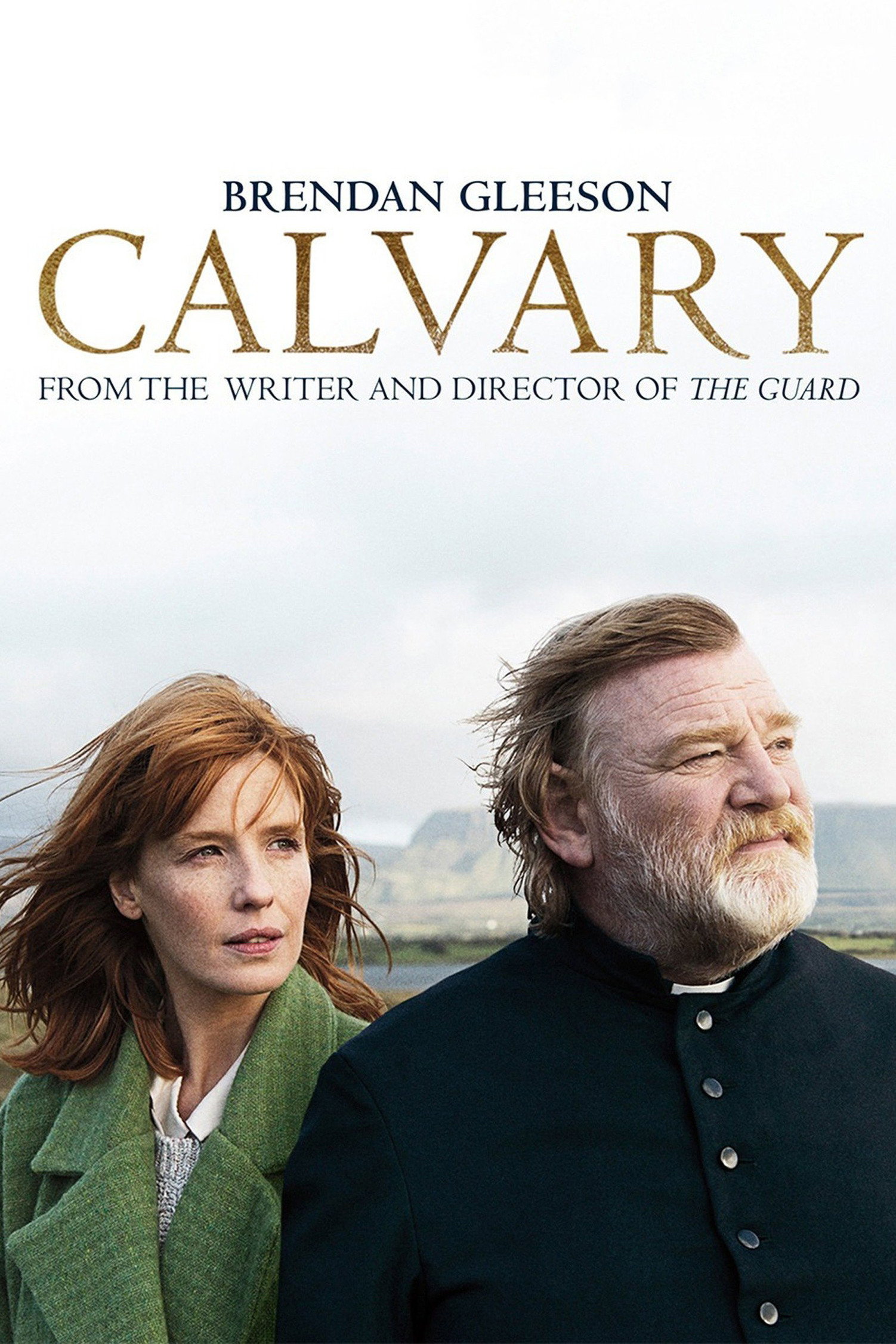
John Michael McDonagh’s second film gives Brendan Gleeson a good priest, a week to live and a parish full of people written to provoke him. Gleeson is superb, the coast is shot without mercy, and the parishioners are the weakest thing in a film we recommend anyway.
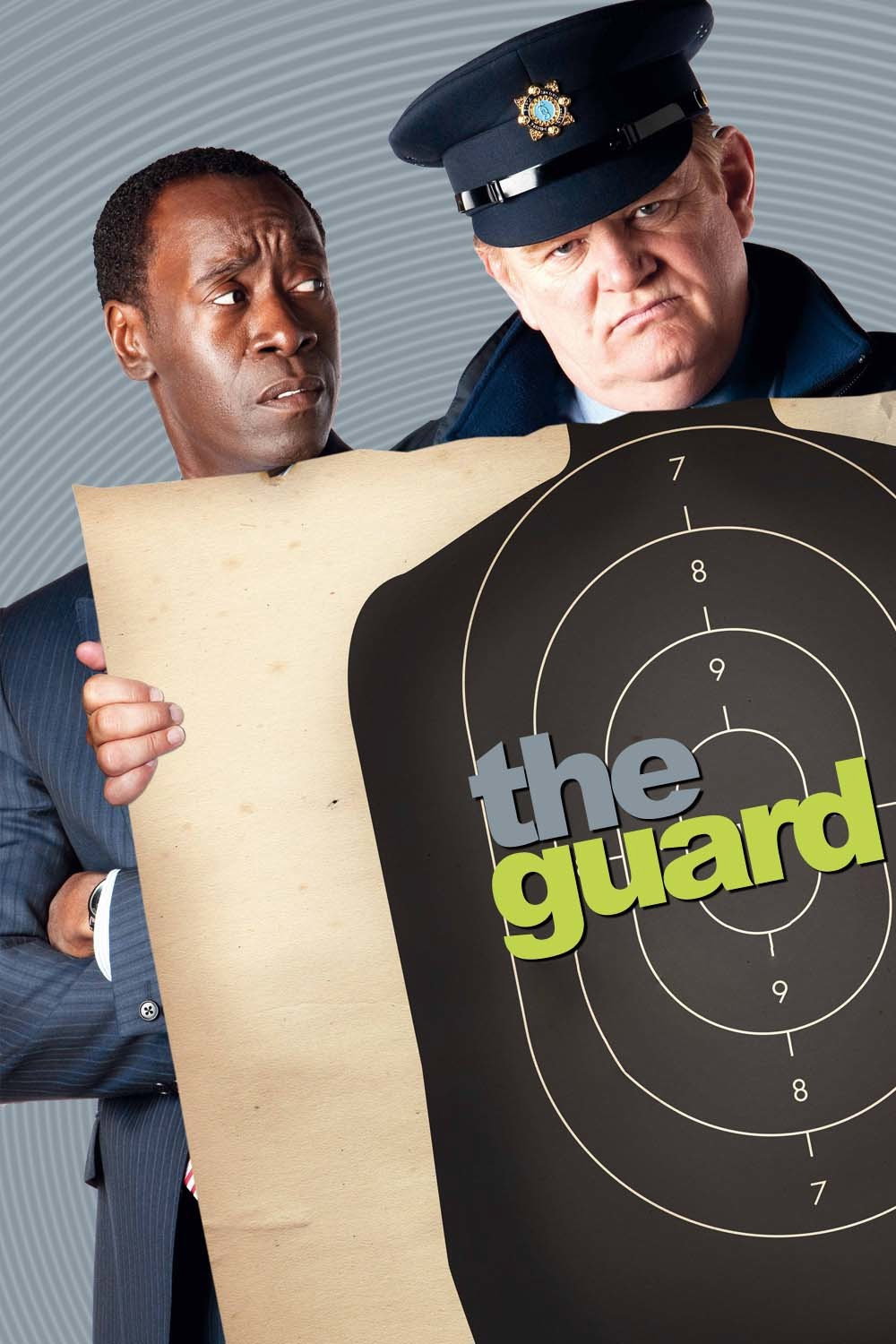
Father James Lavelle (Brendan Gleeson) sits down in the confessional and hears something that is not a confession. The man on the other side of the grille was abused by a priest from the age of seven. That priest is dead, and killing a bad priest would prove nothing, so he intends to kill a good one instead: Father James, next Sunday, on the beach. James recognises the voice. The film is the week in between, and John Michael McDonagh, who wrote and directed it, has made something a good deal angrier than The Guard, the comedy he and Gleeson made together in 2011, and a good deal better.
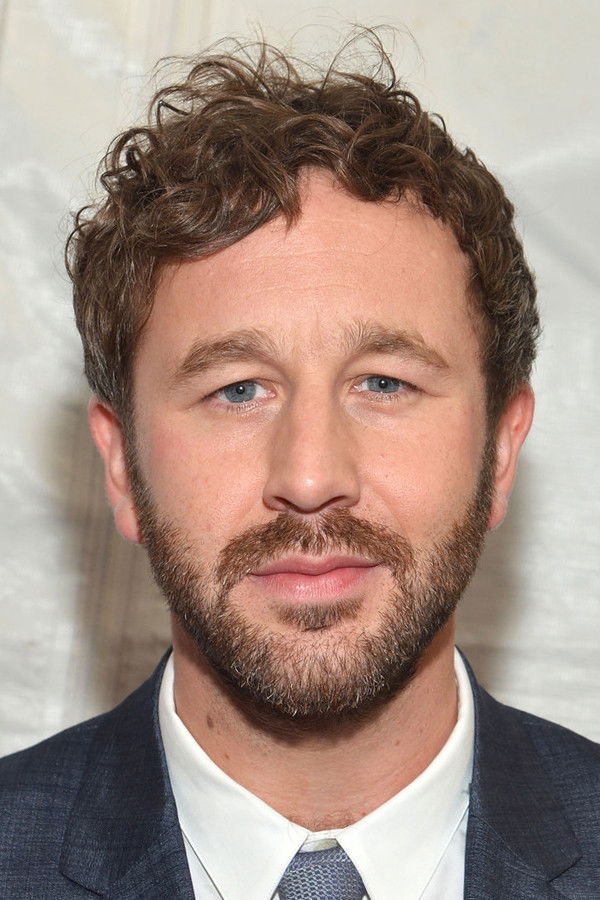
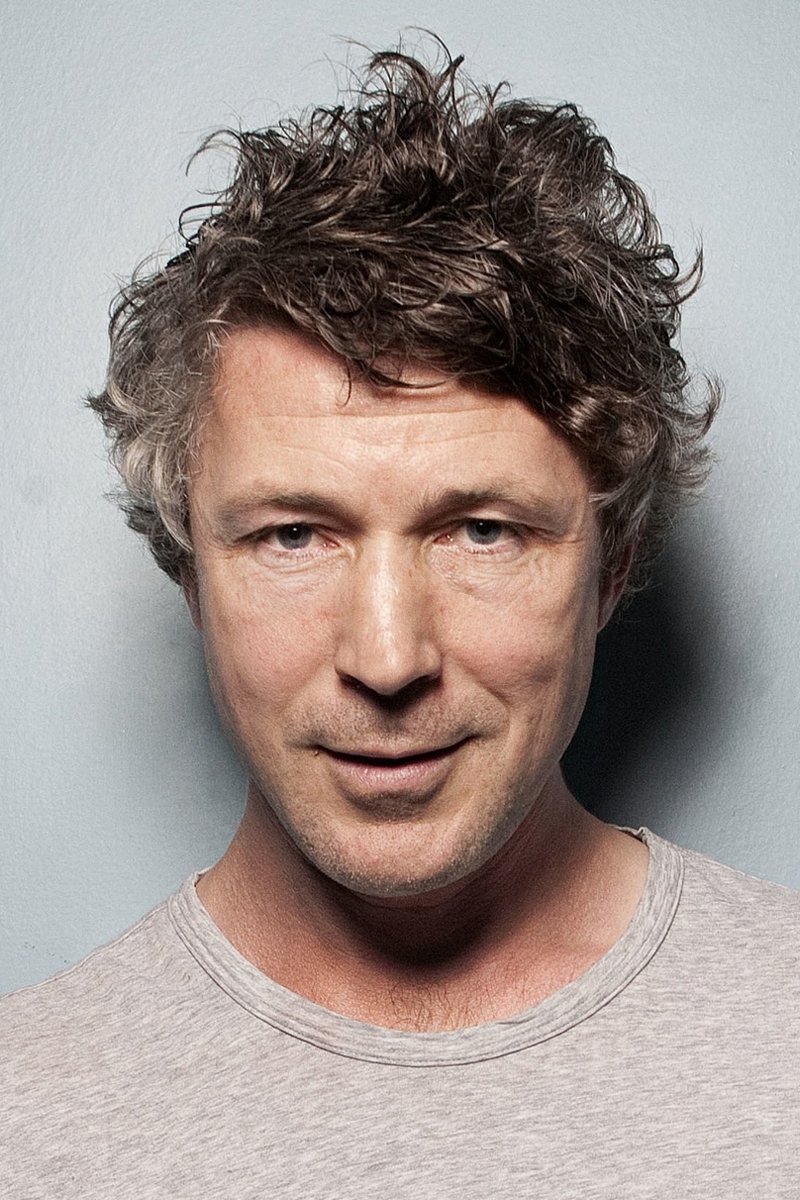
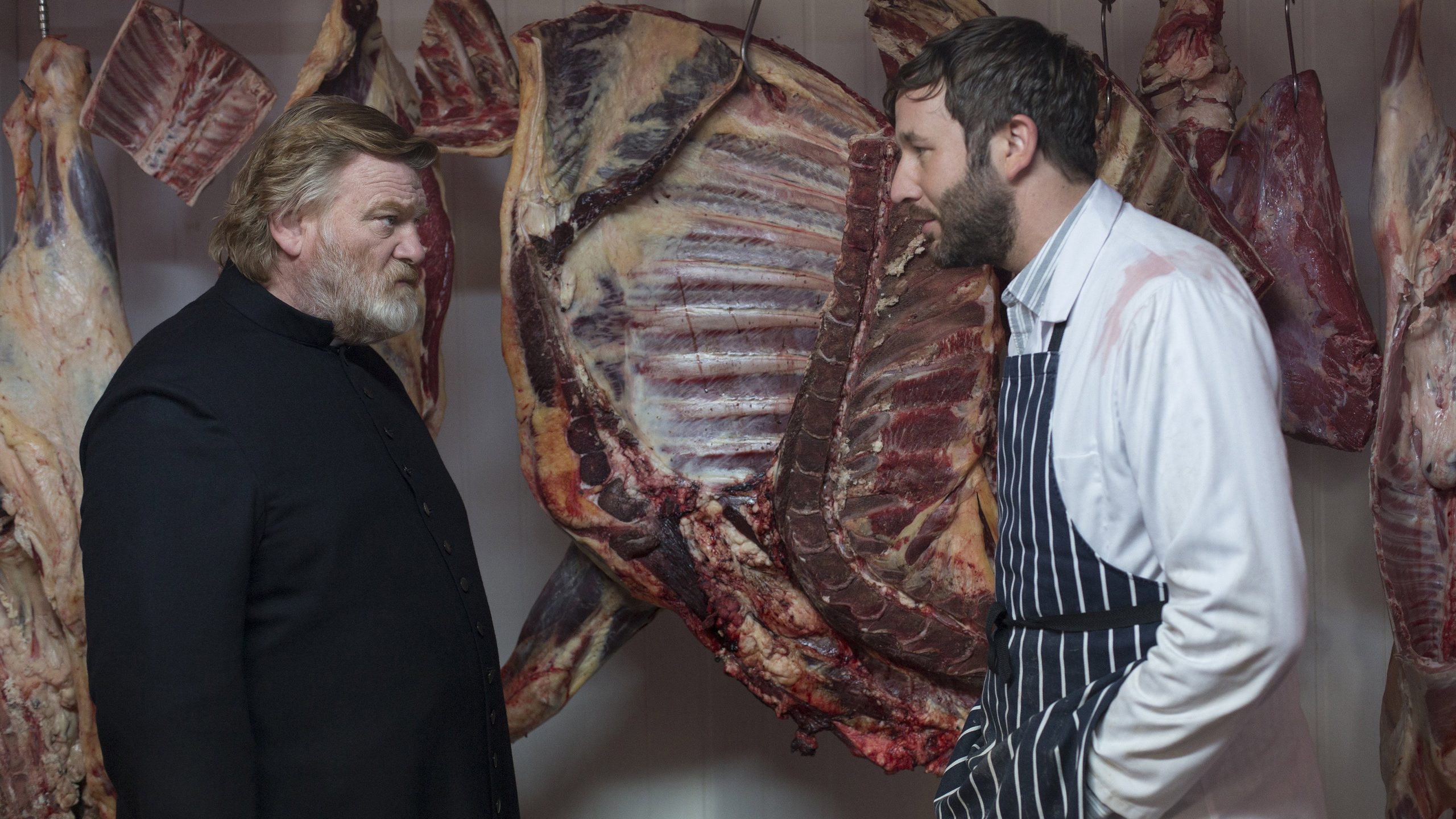
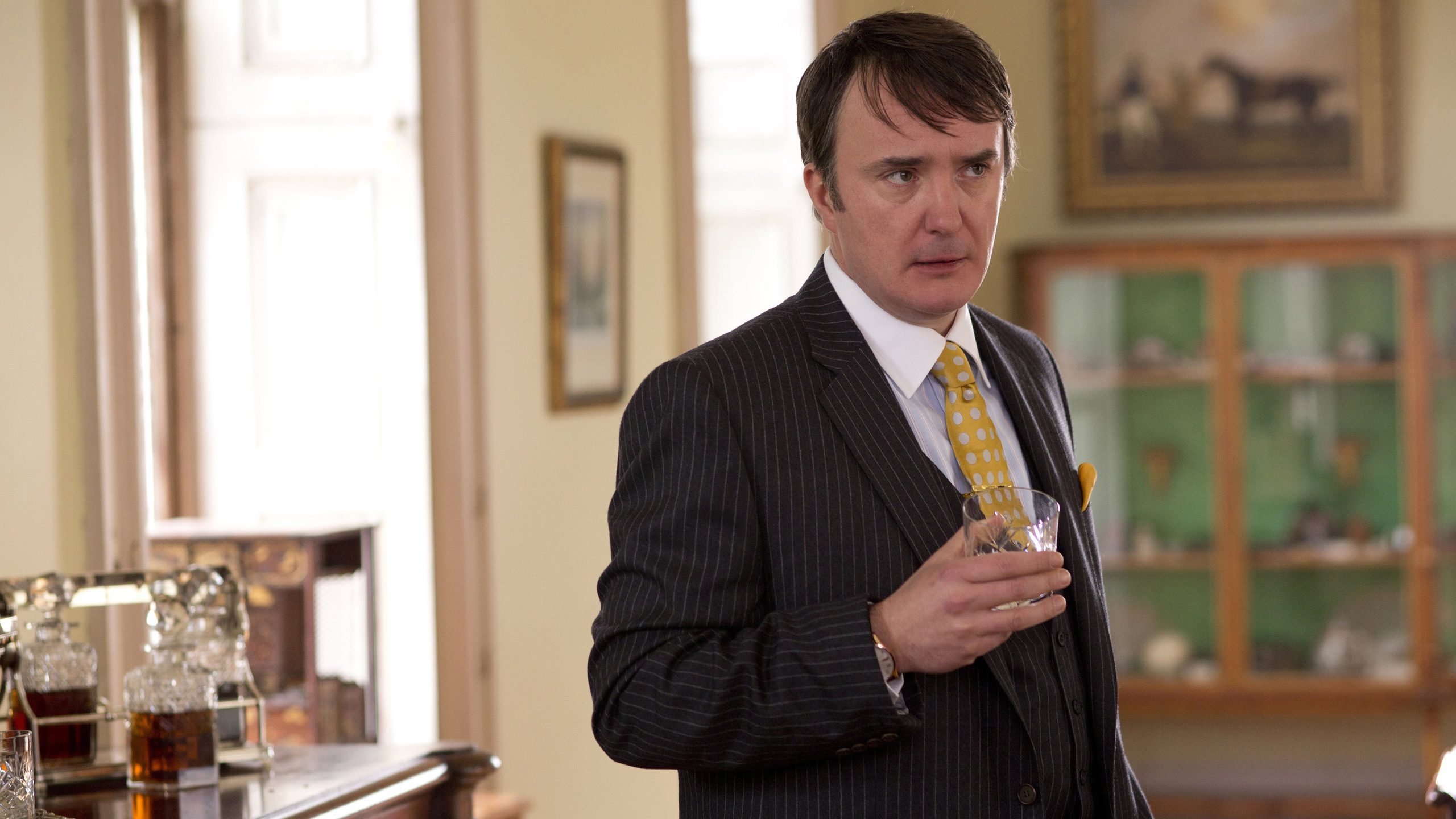
It is a fine film with one large fault, and the fault is the parish. The week is a round of house calls. Jack Brennan (Chris O’Dowd), the butcher, has a wife with a black eye and a lover, Simon (Isaach de Bankolé), who does not want to talk. Dr Frank Harte (Aidan Gillen) believes in nothing and wants the priest to know it. Michael Fitzgerald (Dylan Moran) is rich and alone in a house full of paintings he does not look at. Each gets a scene and a speech; several are sketches of a type rather than people, and we are asked to believe a good man spent years among them without noticing.
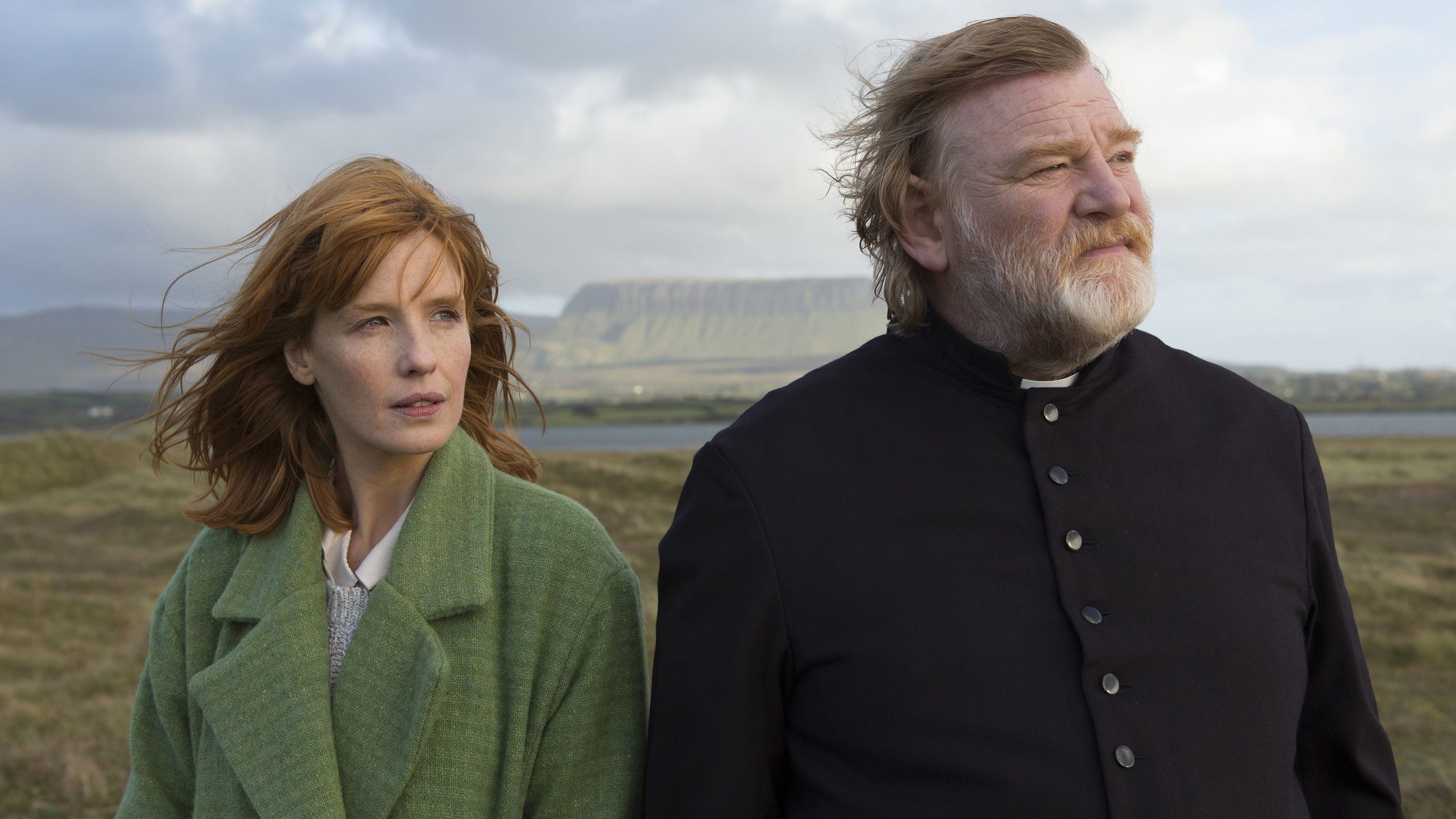
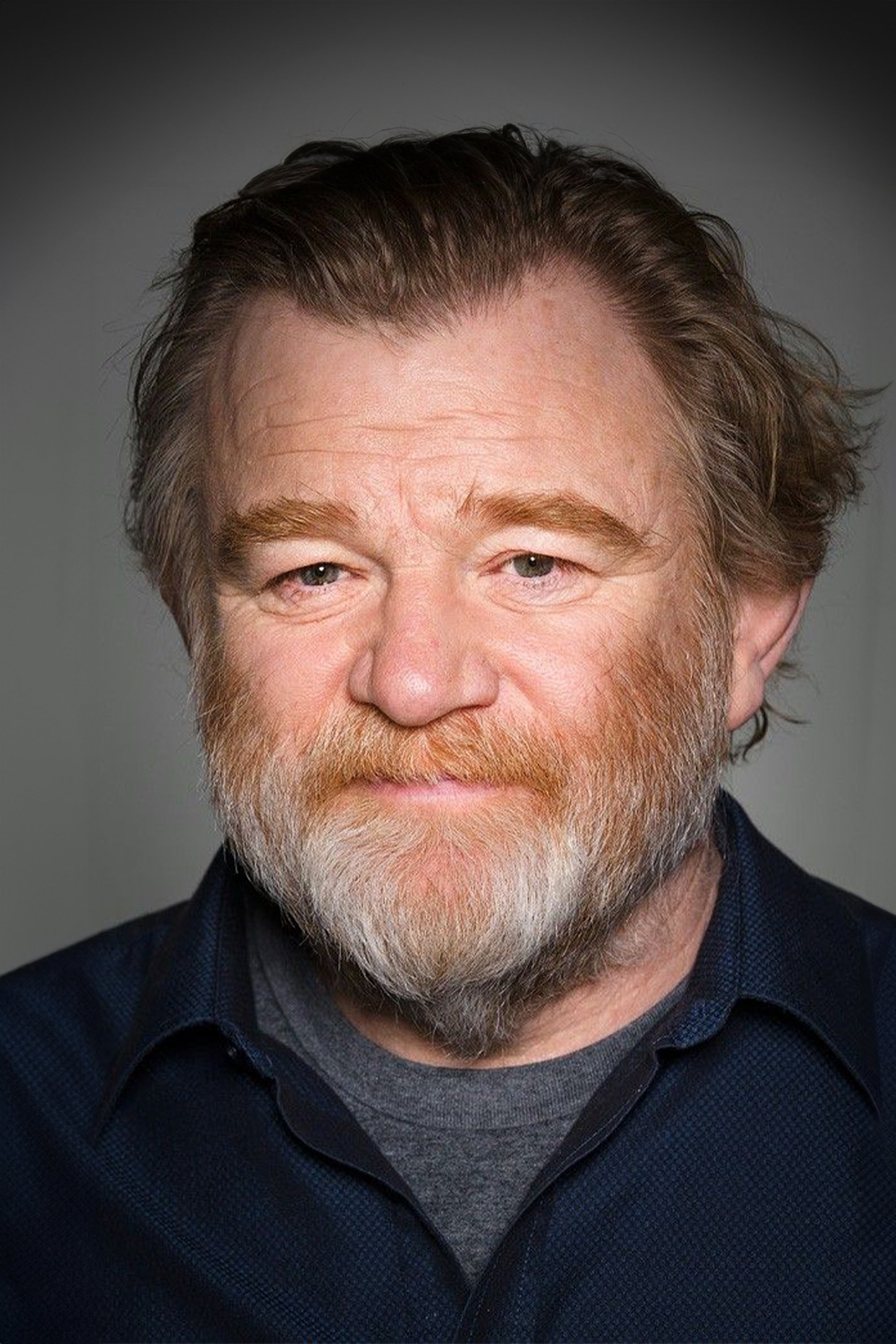
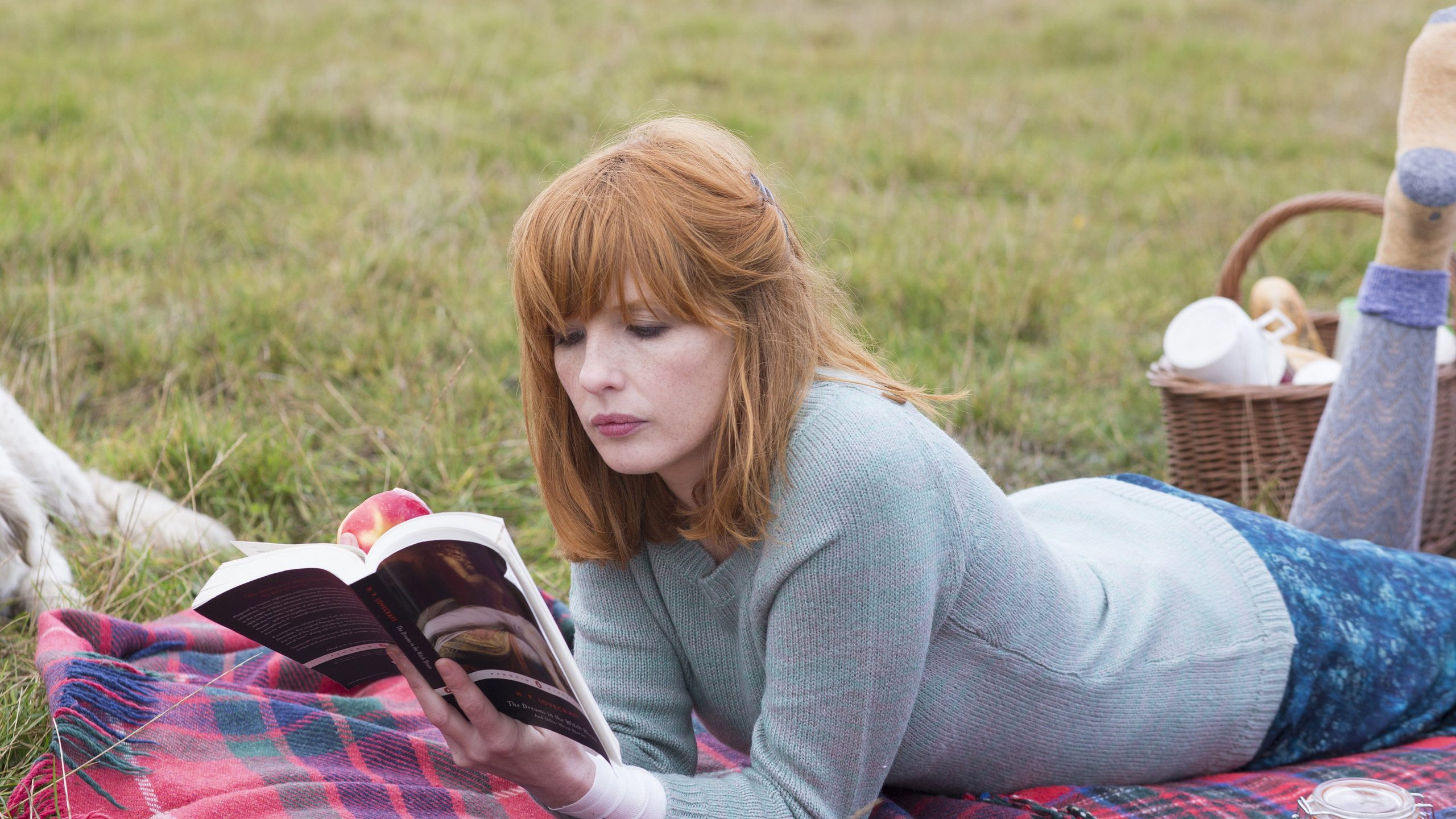
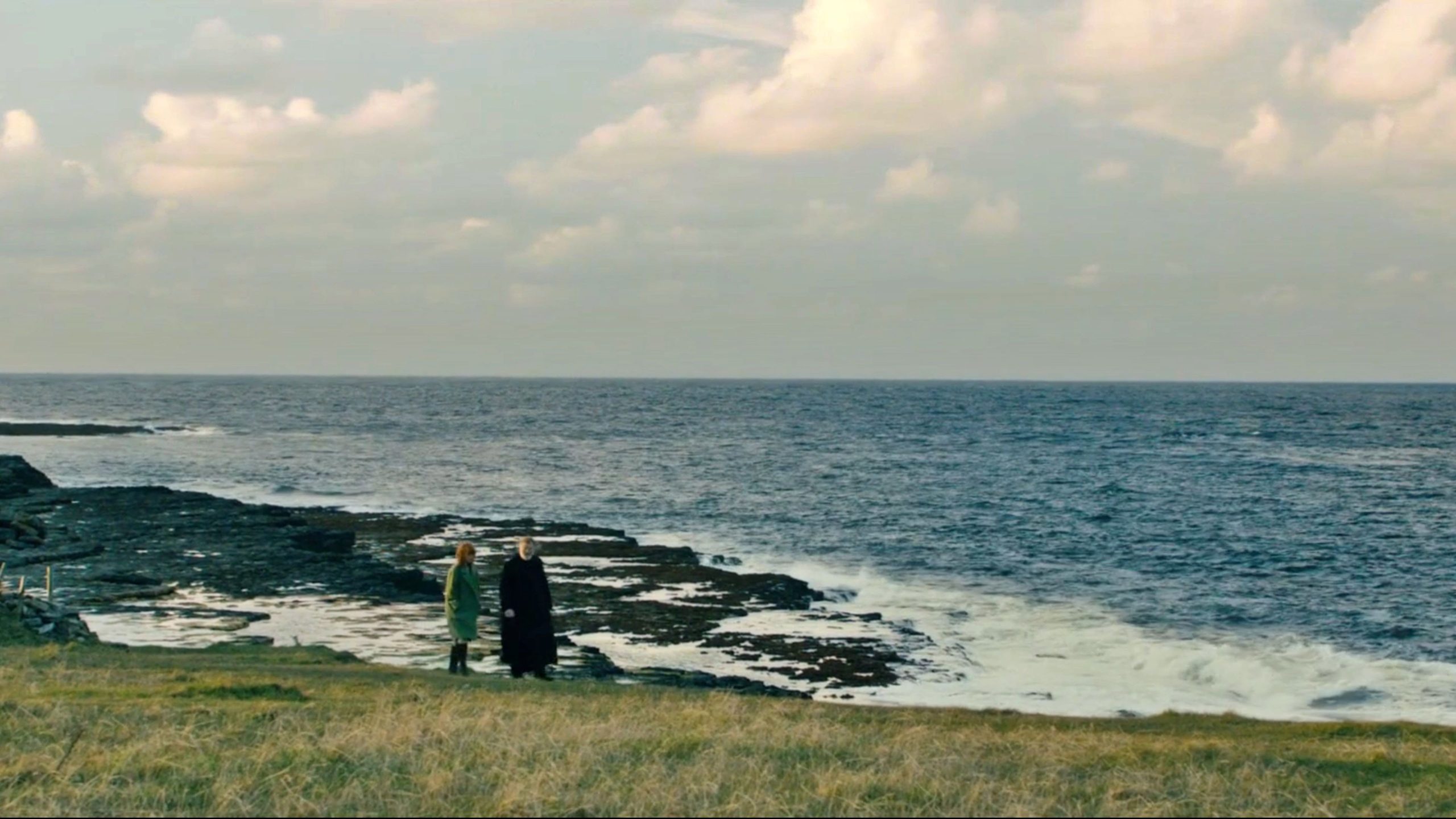
Gleeson is the reason it works anyway. He plays James almost entirely still, taking what is said to him and deciding, visibly, not to answer in kind. When Gillen’s doctor tells a story about a child on an operating table, written to hurt, nothing moves but his eyes, and we watch him lose a little ground. The film’s best scenes are with his daughter Fiona (Kelly Reilly), who arrives with her wrists bandaged and walks the cliff path with him talking about the people who left her. Reilly plays her without self-pity, and Gleeson plays him as a father who knows he was one of them.
The scene that got past our guard came at the hospital. Teresa (Marie-Josée Croze), a French visitor, has lost her husband in a crash on the coast road, and James takes her in to see the body. We expected a scene about grief and got one about faith, from a woman calmer than the priest. Croze plays it dry-eyed; Gleeson listens; Chris Gill holds the shot in the corridor well past where most editors would have cut. It moved us more than anything in the film with a raised voice in it.
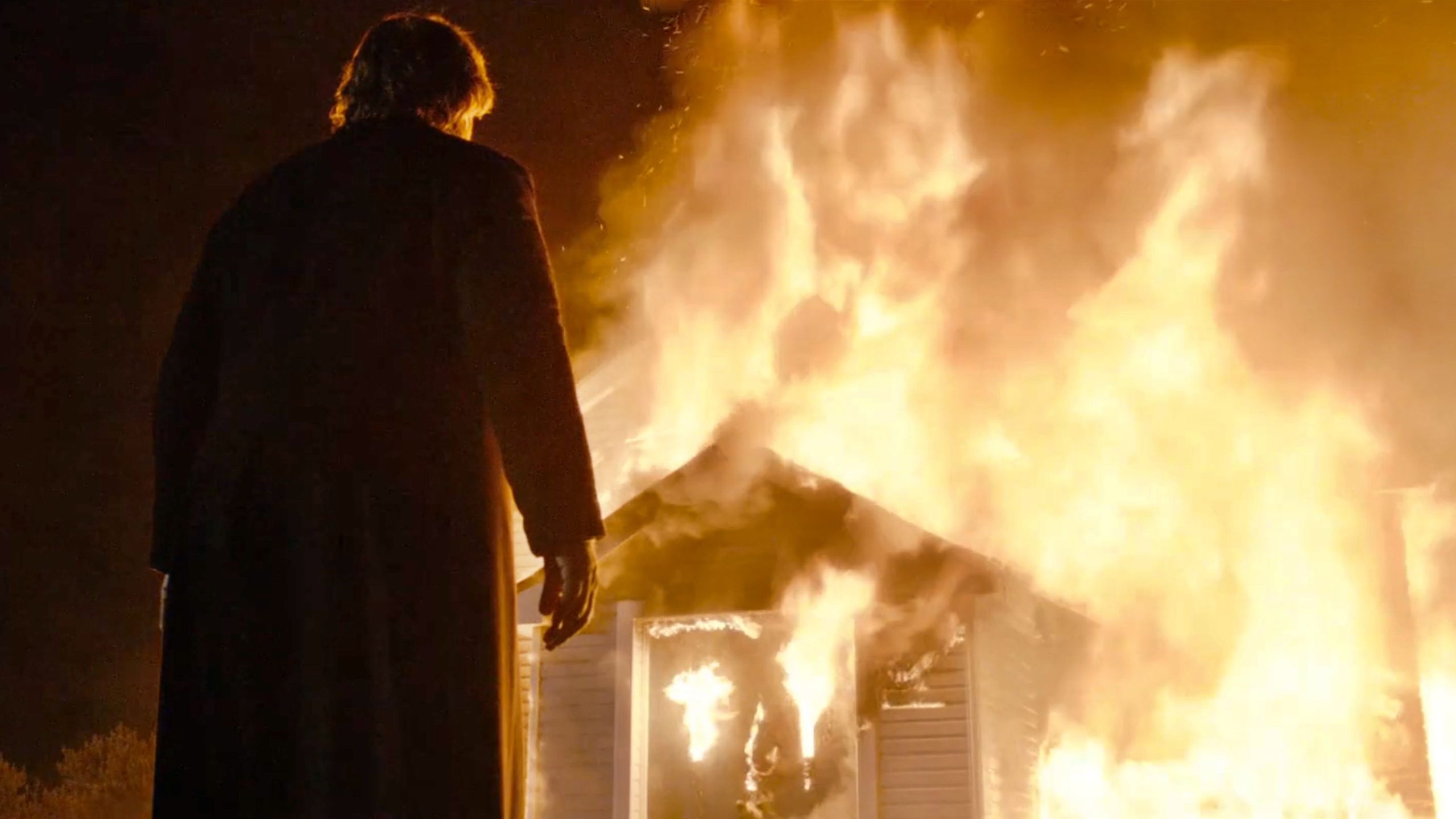
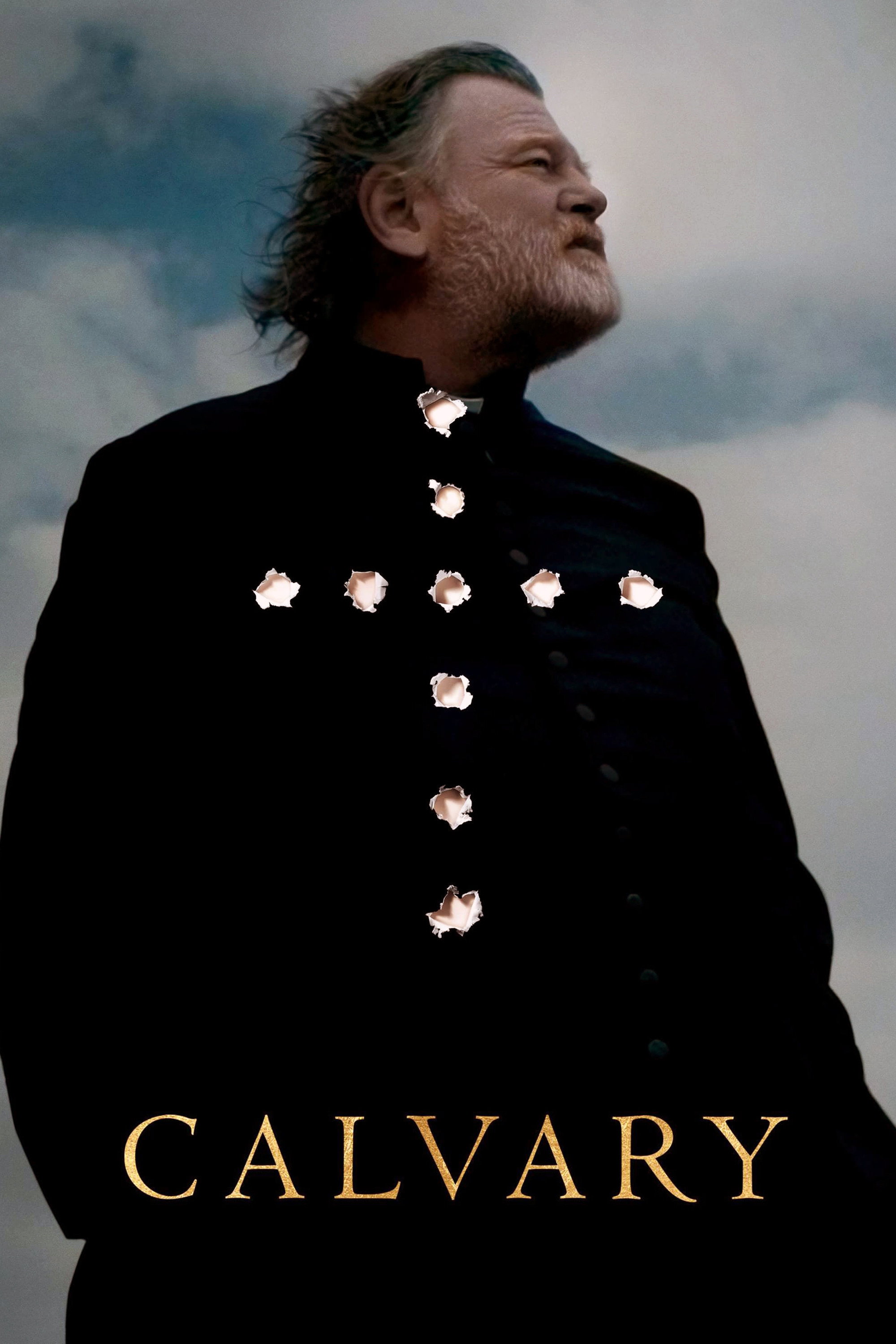
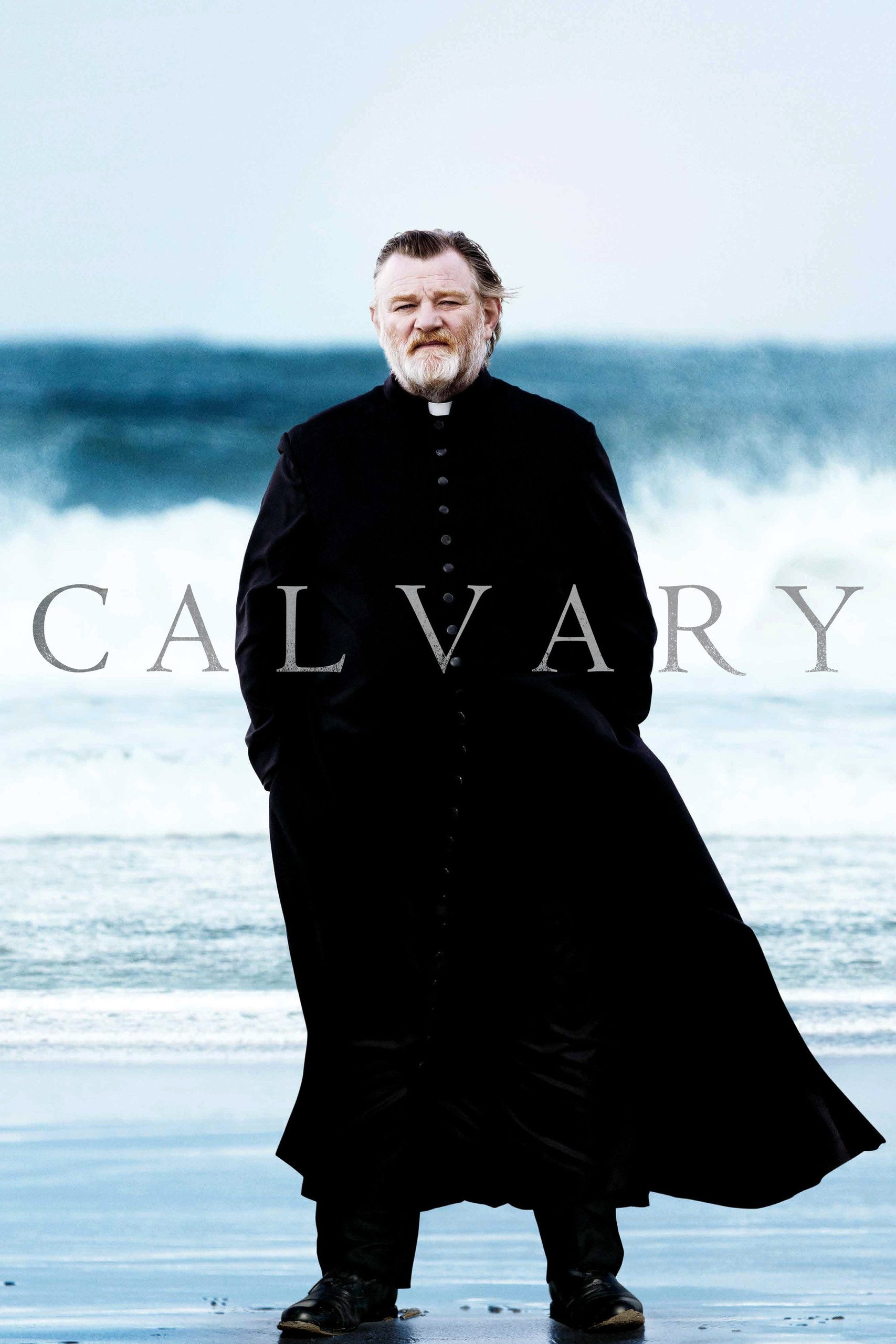
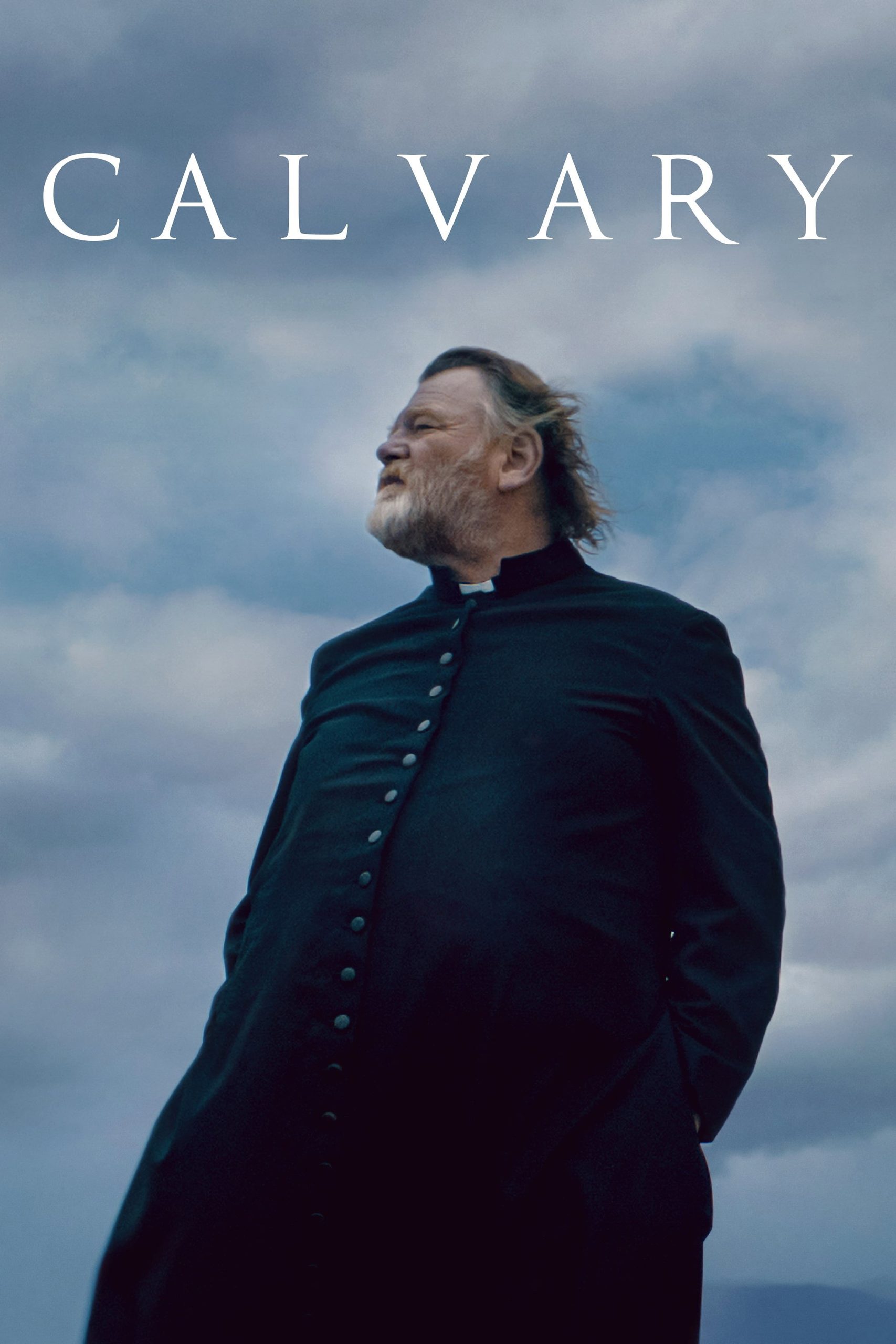
Larry Smith shoots the coast in flat grey light, a flat-topped mountain behind the town in nearly every exterior. Eimer Ní Mhaoldomhnaigh keeps James in his black cassock, so he is the one dark figure against the green and the grey, which says what the film thinks of his chances. Mark Geraghty gives the priest’s house bare walls and one crucifix, and Fitzgerald’s mansion glass, white leather and a painting worth more than the parish. Patrick Cassidy’s score is choral, slow and mournful, and it comes in over the landscape a little too often, telling us this is a passion play in case the title had not.
It had. McDonagh does not trust silence, and the film is weakest when it stops to explain itself: a visit to a prisoner (Domhnall Gleeson) that exists to test whether forgiveness has a limit. The middle third sags because the film is shaped like a whodunnit and has no interest in the answer. Father Leary (David Wilmot), the curate who treats the parish as a job, and Brendan Lynch (Pat Shortt), the barman, are the funniest people in it, and neither would last a minute outside a McDonagh script.
Against McDonagh’s own standard this is a large step up: The Guard was a joke told well, and this is a question asked seriously. The best films about priests and doubt trust a face. Gleeson has the face; McDonagh gives him a paragraph as well, and about half the time that is one too many.
It carries a 15 certificate, and the first spoken line earns it. The last twenty minutes, which we will not describe, are the one stretch McDonagh plays entirely straight, and they are the best thing in it.