Ethan Hawke makes Paul Schrader’s severe drama about faith and environmental despair quietly frightening. We recommend it for the performance and the patient filmmaking, with a caveat about a screenplay that sometimes presses its accusations too hard.
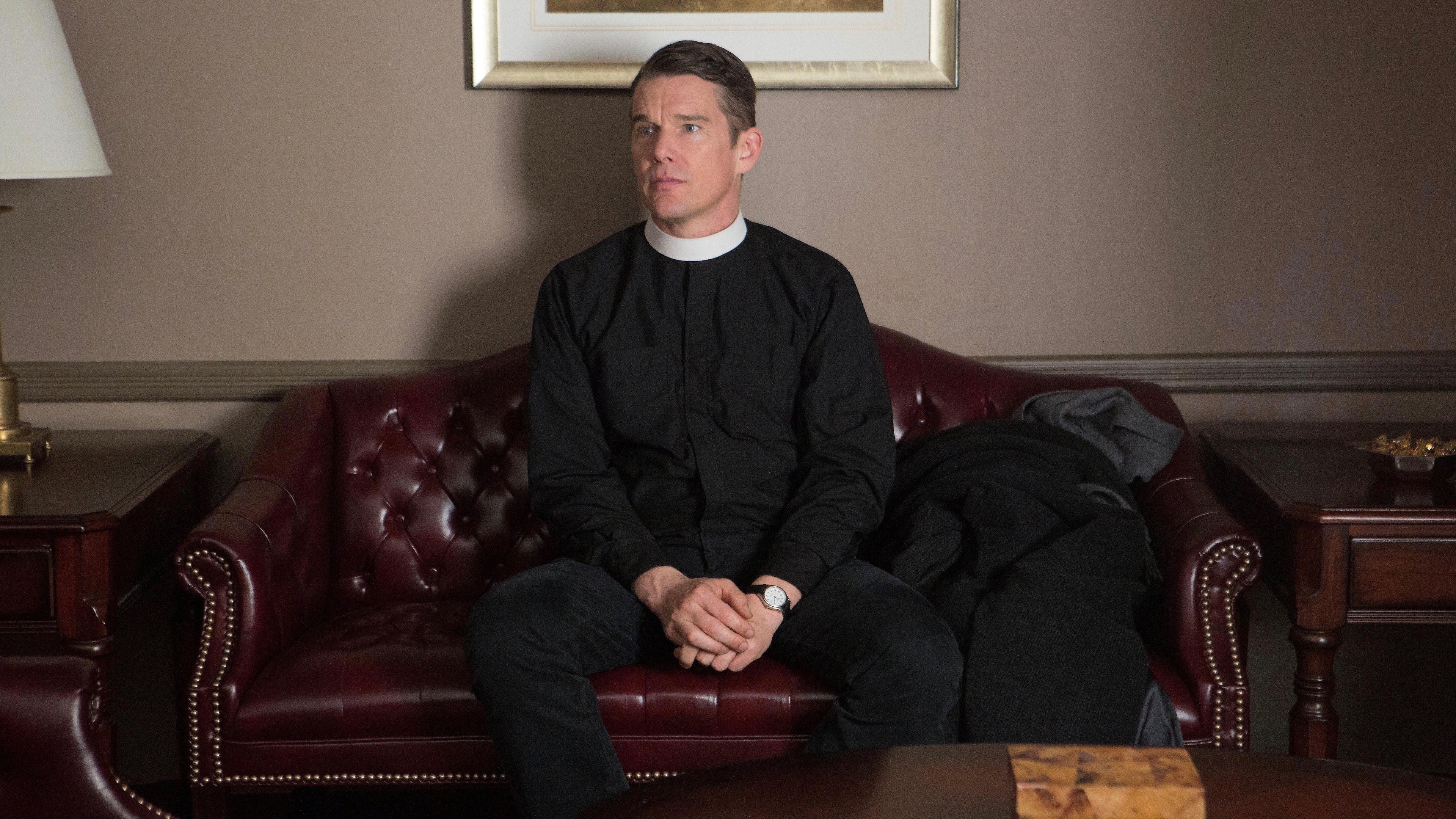
First Reformed is a gripping drama about a pastor whose ability to comfort others is wearing out, and we recommend it with one reservation: Paul Schrader occasionally makes his case too bluntly. Pastor Ernst Toller, played by Ethan Hawke, is struggling with faith, guilt and environmental despair. The film asks what a minister can honestly offer when the future looks intolerable and his own church is implicated in the harm. Paul Schrader gives that question long, quiet scenes in which to become uncomfortable.
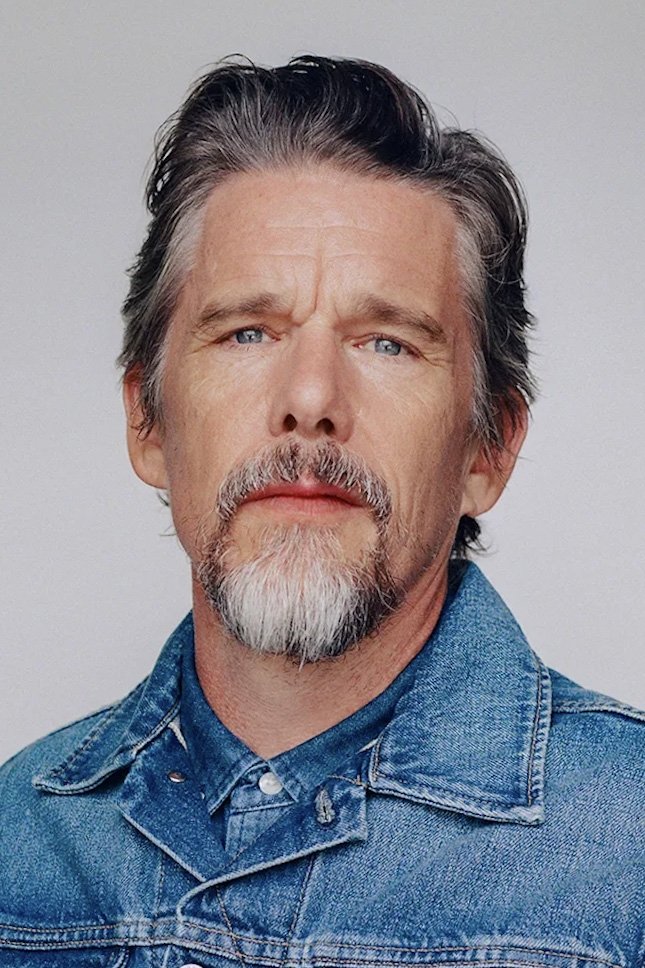
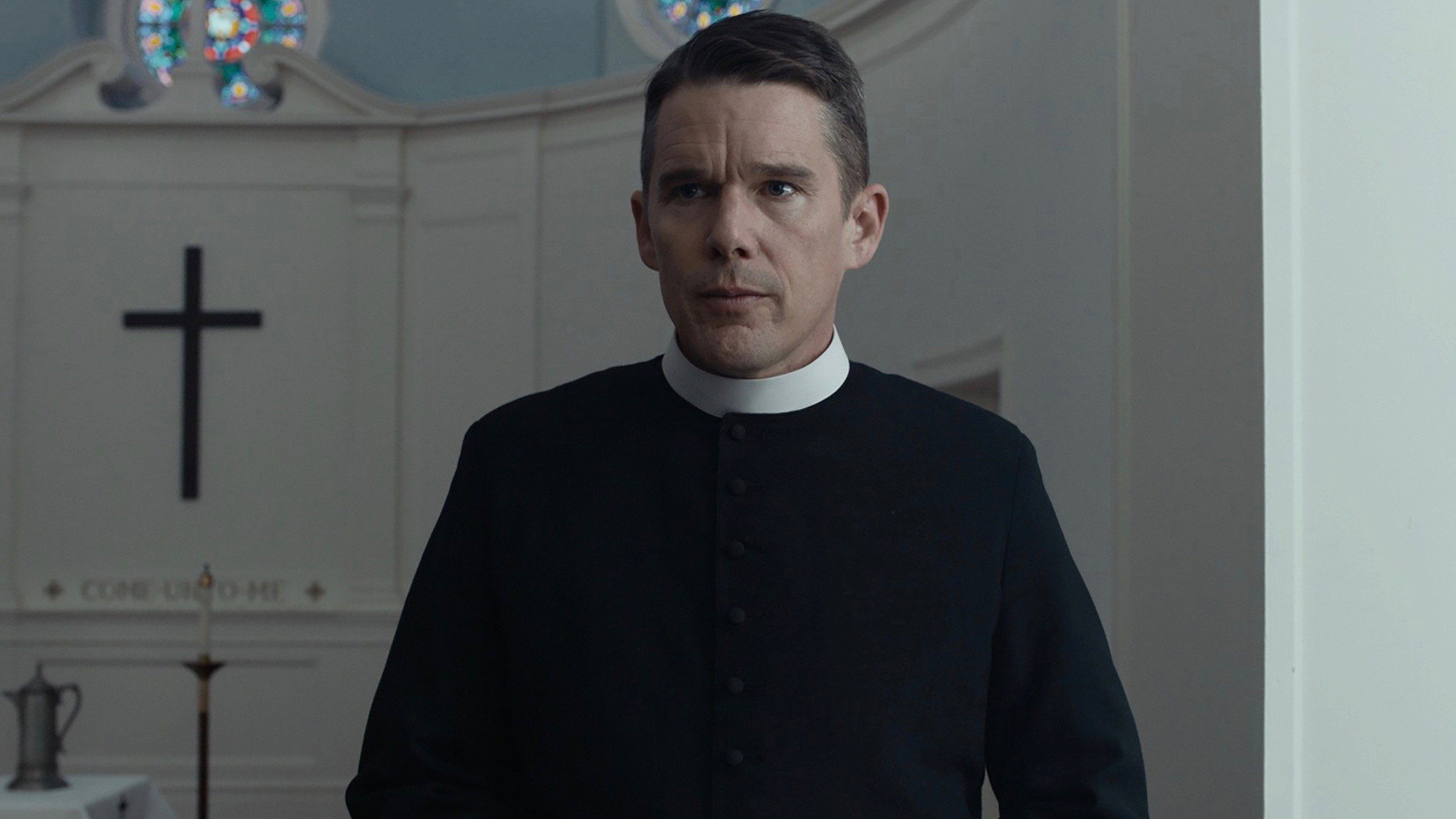
Ethan Hawke’s performance is the reason that severity does not become an exercise. He keeps Toller’s distress close to the surface without making him seem eager to disclose it, and his composure grows harder to watch as we recognise the effort involved. We felt anxious watching him keep his expression under control, because he seemed to be exhausting himself simply by remaining present. This is a minister we can believe would take another person’s suffering seriously. We can also see how poorly equipped he is to bear much more of it.
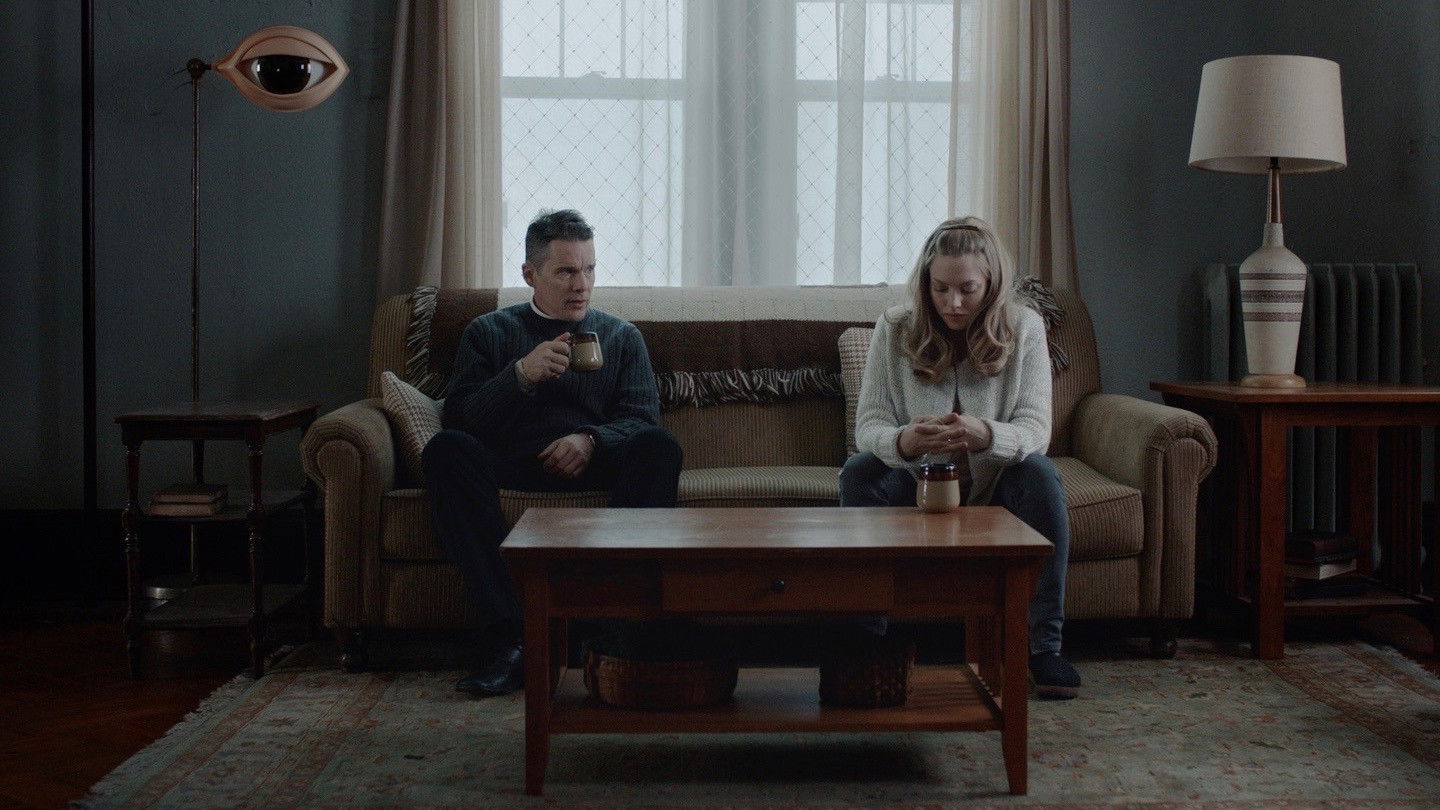
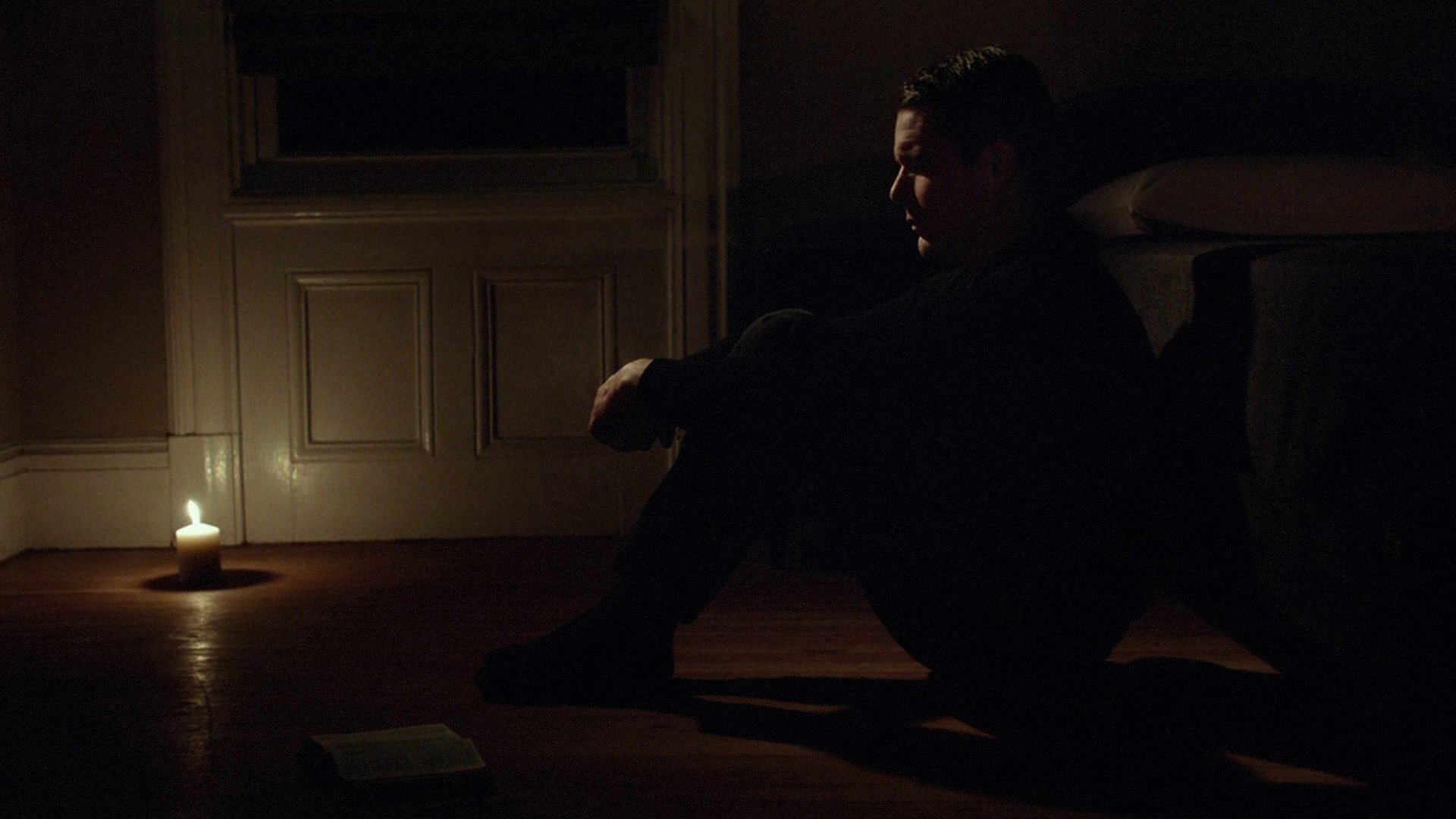
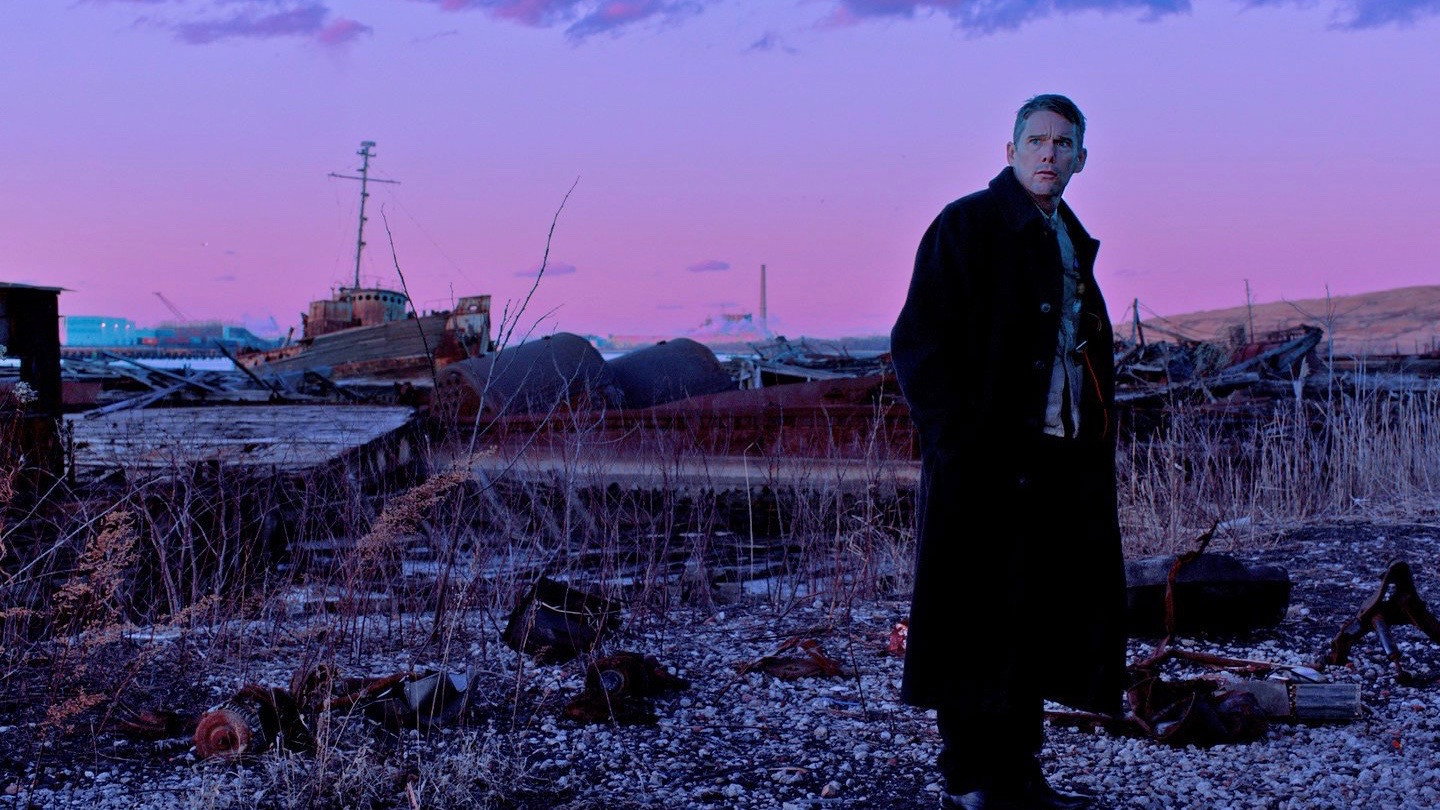
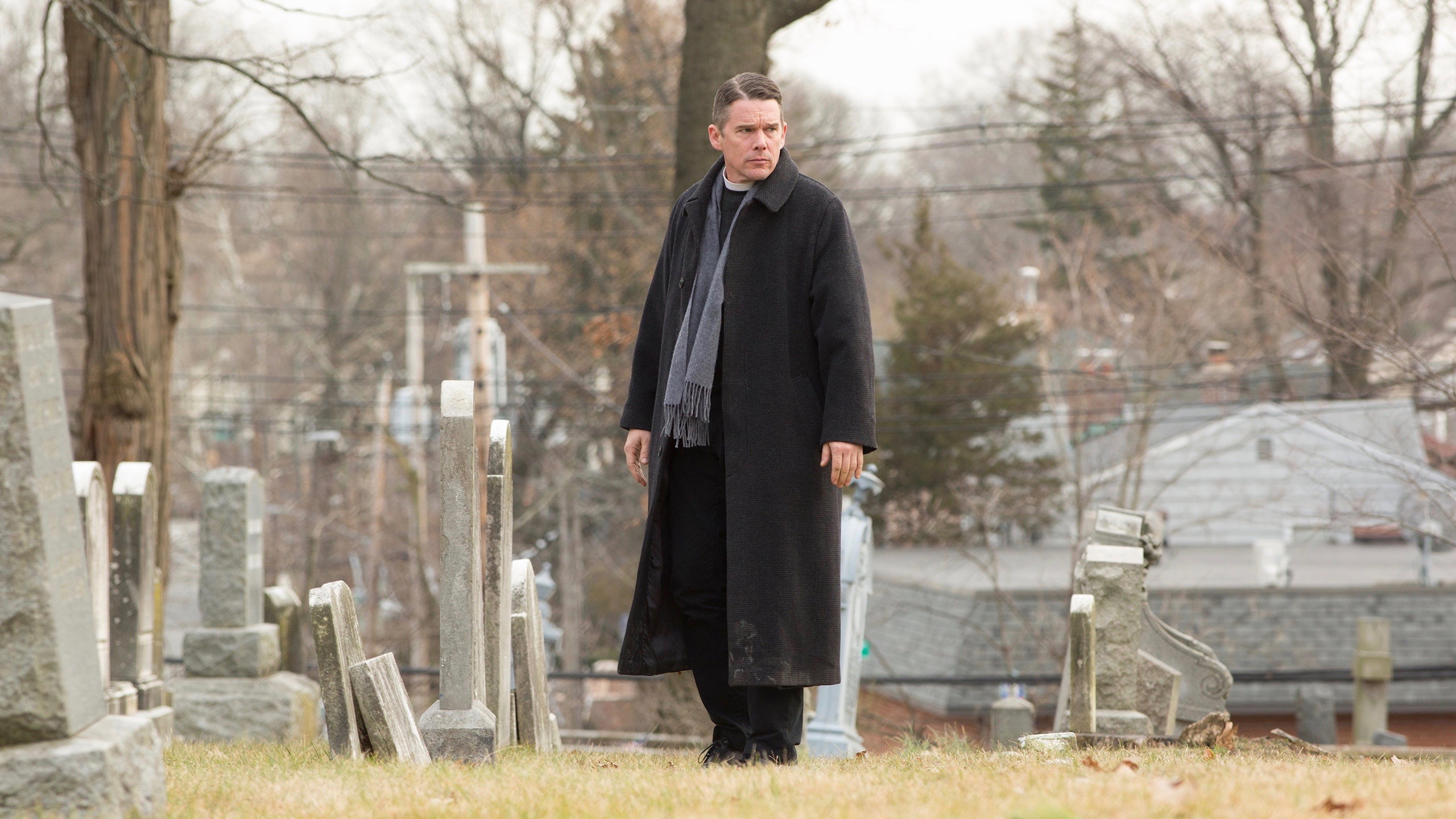
Alexander Dynan’s cinematography favours firm geometric compositions and long fixed-camera scenes. The camera gives us time to examine Toller, then keeps us there after a more accommodating film might have moved on. Grace Yun’s restrained production design suits that approach, leaving the people exposed to prolonged attention. The spareness works because there is something to study within it, especially the small adjustments in Ethan Hawke’s face. We never found the stillness empty, although we can understand why someone else might find it punishing.
Editor Ben Rodriguez Jr. respects the length of those scenes instead of trying to manufacture pace around them. Conversations have enough time for a troubling thought to linger, and the pauses make it harder to treat the questions as somebody else’s problem. Brian Williams’s music adds to the disquiet without making the severity feel grand. It is an effective choice for a film in which spiritual distress could easily invite musical overstatement. The concentration remains on a man struggling to decide what his beliefs require of him.
The weakness lies in Paul Schrader’s screenplay, which sometimes pushes the connection between religious authority, corporate influence and environmental damage too firmly. The film’s anger is understandable, but we are not always given enough room to question the way it assigns responsibility. Some passages feel arranged to secure our agreement before the people in them have had a chance to complicate the case. Its more extravagant choices are also less convincing than the patient scrutiny of Toller. These are meaningful reservations, particularly in a film asking difficult questions, and we would have welcomed less certainty about where some of the answers lie.
Yet a drama about a crisis of faith ought to make belief feel difficult, and this one does. Environmental fear cannot simply be set aside so that Toller can return to his proper work; it makes him reconsider what that work is. That keeps the film pressing on a practical question, even when its methods grow forceful: how does someone offer hope without being dishonest? At 113 minutes, it deserves an uninterrupted sitting, with the patience to let a face hold our attention. Do not choose it because a quiet film sounds restful.