Film review

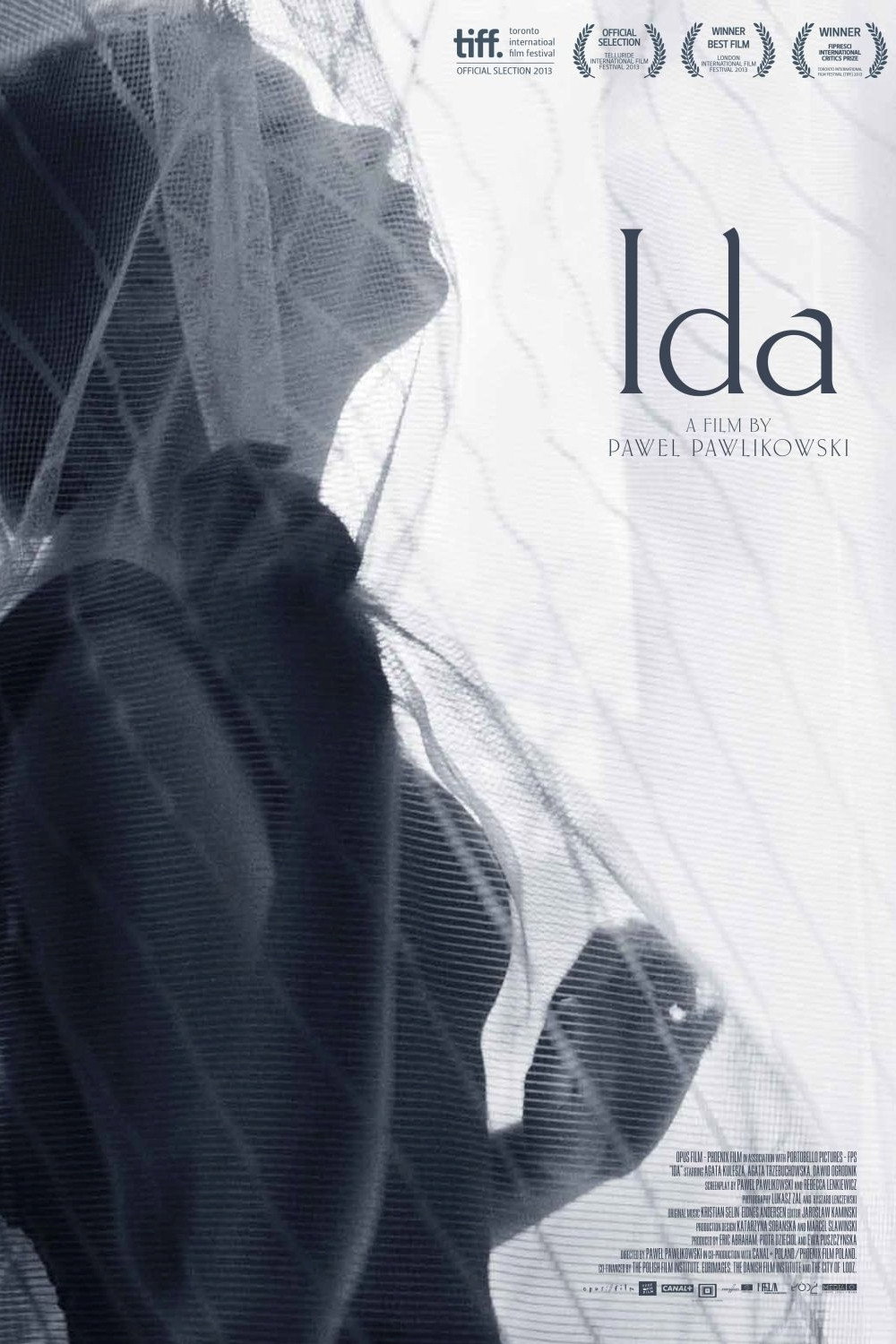
Ida

2013 · Directed by Paweł Pawlikowski · 1h 22m · MPA PG-13

In a sentenceA family visit that makes life in a convent look comparatively straightforward

Drama

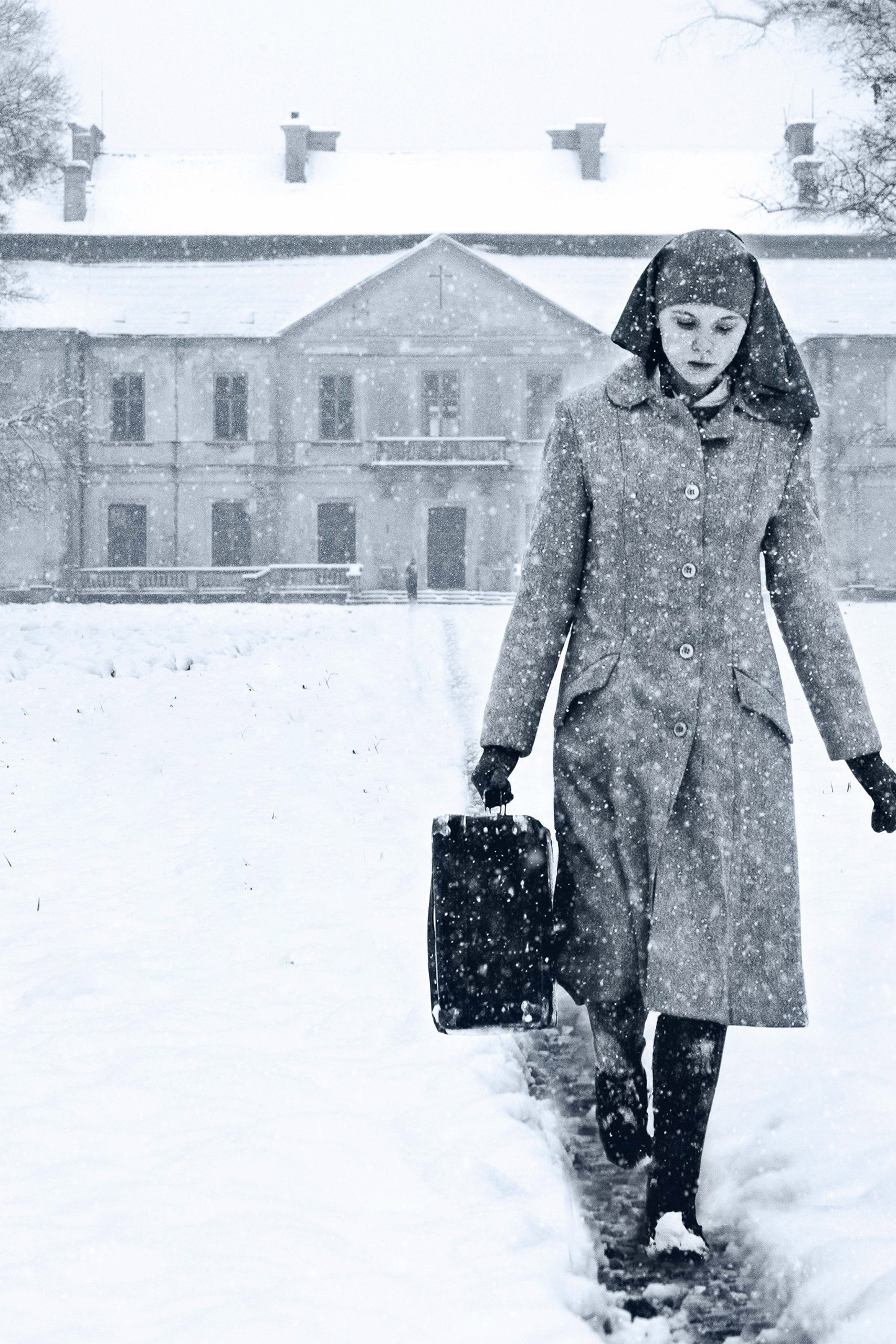
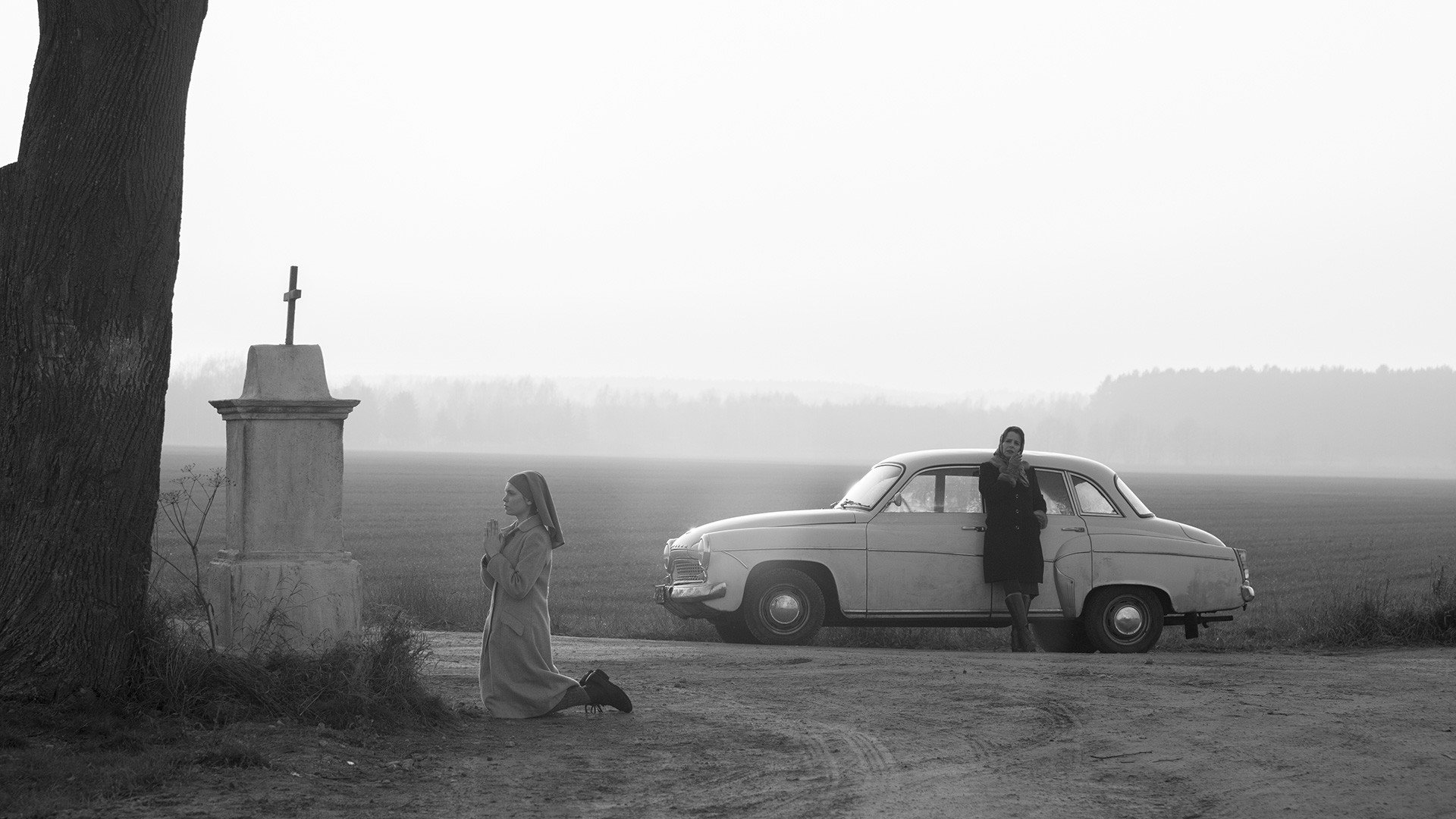
In 1960s Poland, Anna (Agata Trzebuchowska) is an orphan preparing for life as a nun. Mother Superior (Halina Skoczyńska) presides over the convent, while Anna has an aunt outside it: Wanda (Agata Kulesza). Anna discovers her Jewish roots and joins Wanda on a journey into her family’s past. She wants to discover what happened to her parents during the Nazi occupation, but the search also brings questions about her religious vocation. Travelling with her aunt takes her beyond the convent and into a country still living with the consequences of the war.

Plays from YouTube when you press play; nothing loads from them until then.

Fi1m review

Paweł Pawlikowski’s spare drama finds painful feeling in the encounter between a novice nun and her aunt. The two lead performances reward its quiet attention, though the careful framing sometimes keeps us further away than we would like.

Paweł Pawlikowski’s Ida is a moving, sometimes frustratingly spare film about a young woman discovering how little she knows about her own family. Anna has a religious vocation; her aunt Wanda has experience that makes such certainty difficult. Their journey through 1960s Poland gives the director a way to approach wartime history without making either woman deliver a lecture. We recommend it for the performances and the patient attention to faces, with a warning that its reluctance to explain can occasionally leave a character too far away.

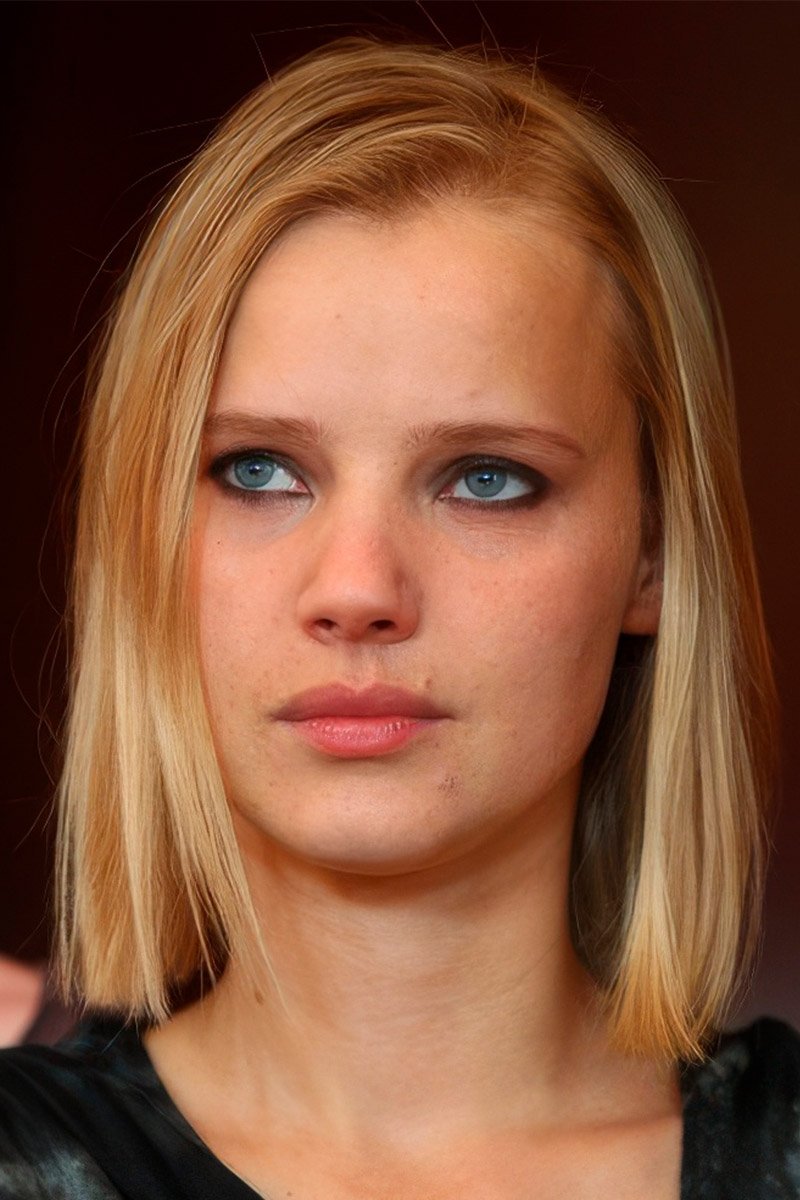
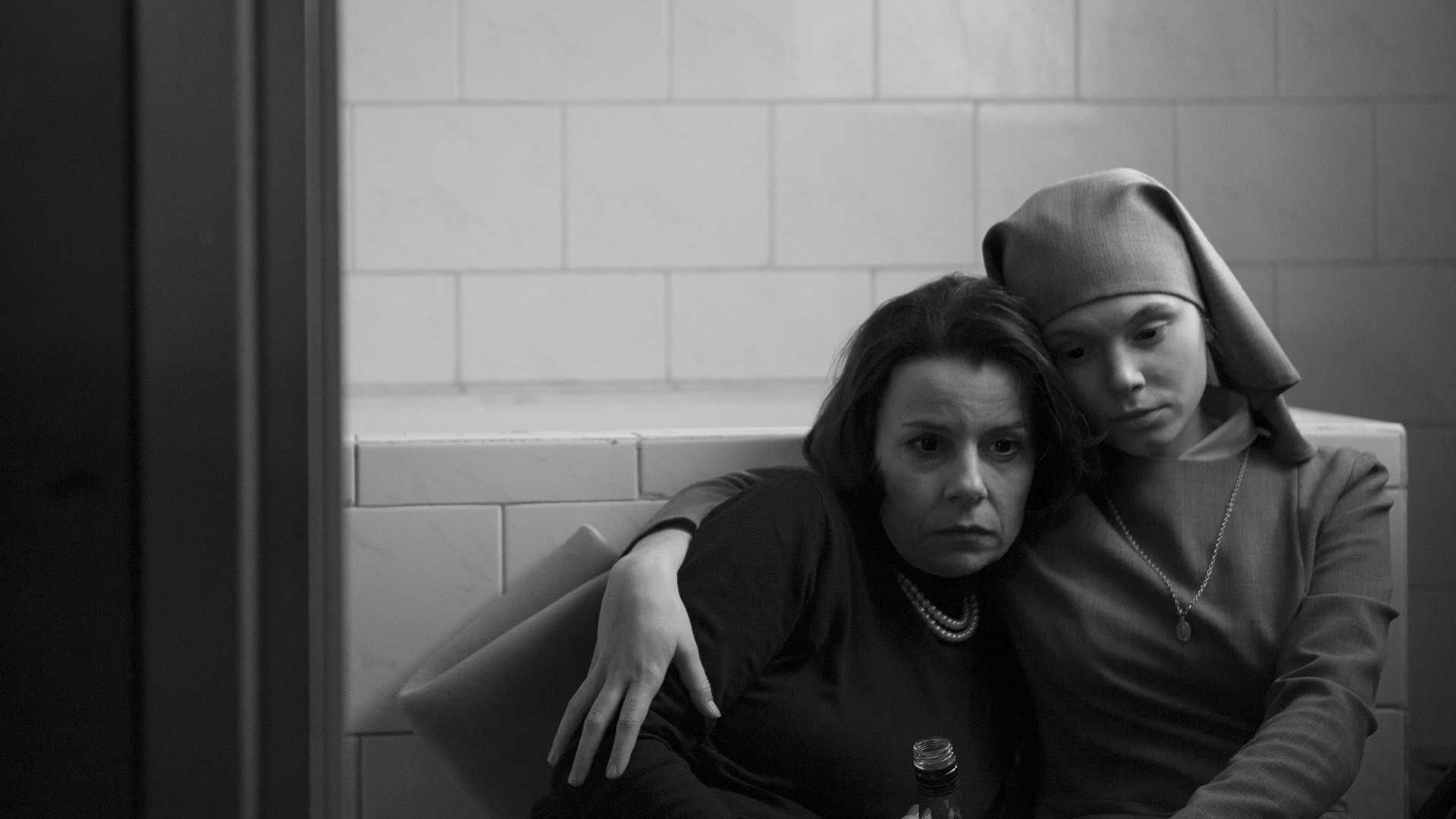
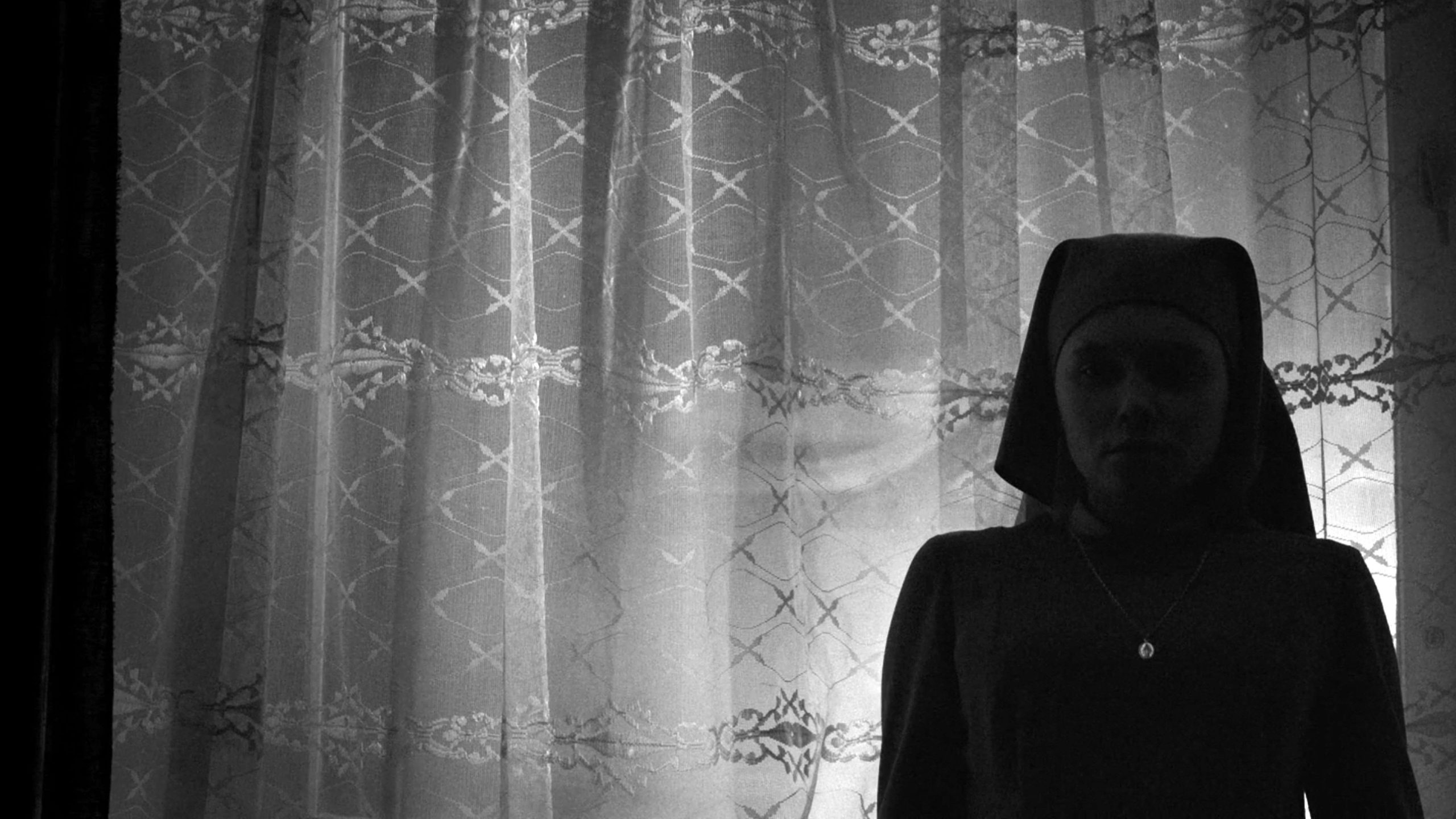
Agata Trzebuchowska plays Anna with a reserve that suits someone confronting a past she did not know was hers. The screenplay, by Rebecca Lenkiewicz and Paweł Pawlikowski, puts questions of Jewish identity and Catholic faith into a family relationship. That helps because Anna has to make sense of Wanda as well as unfamiliar facts about her parents. Her quietness is persuasive, though we sometimes wanted more access to the young woman behind it.

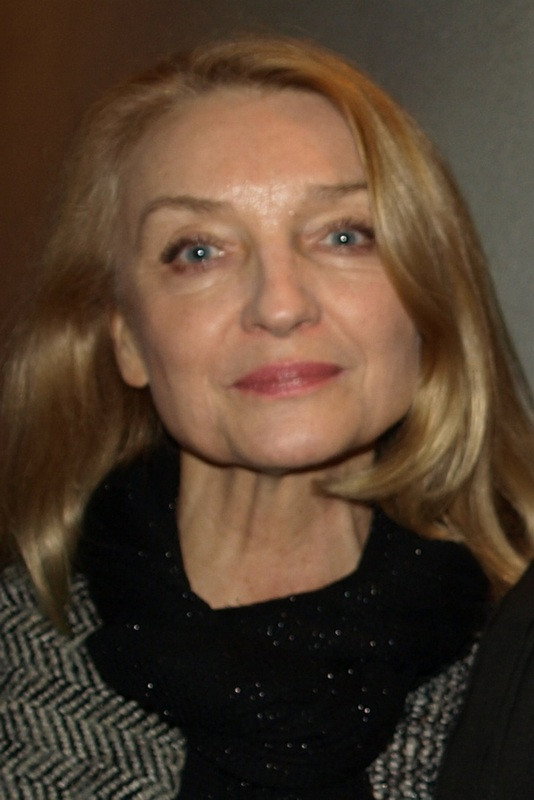
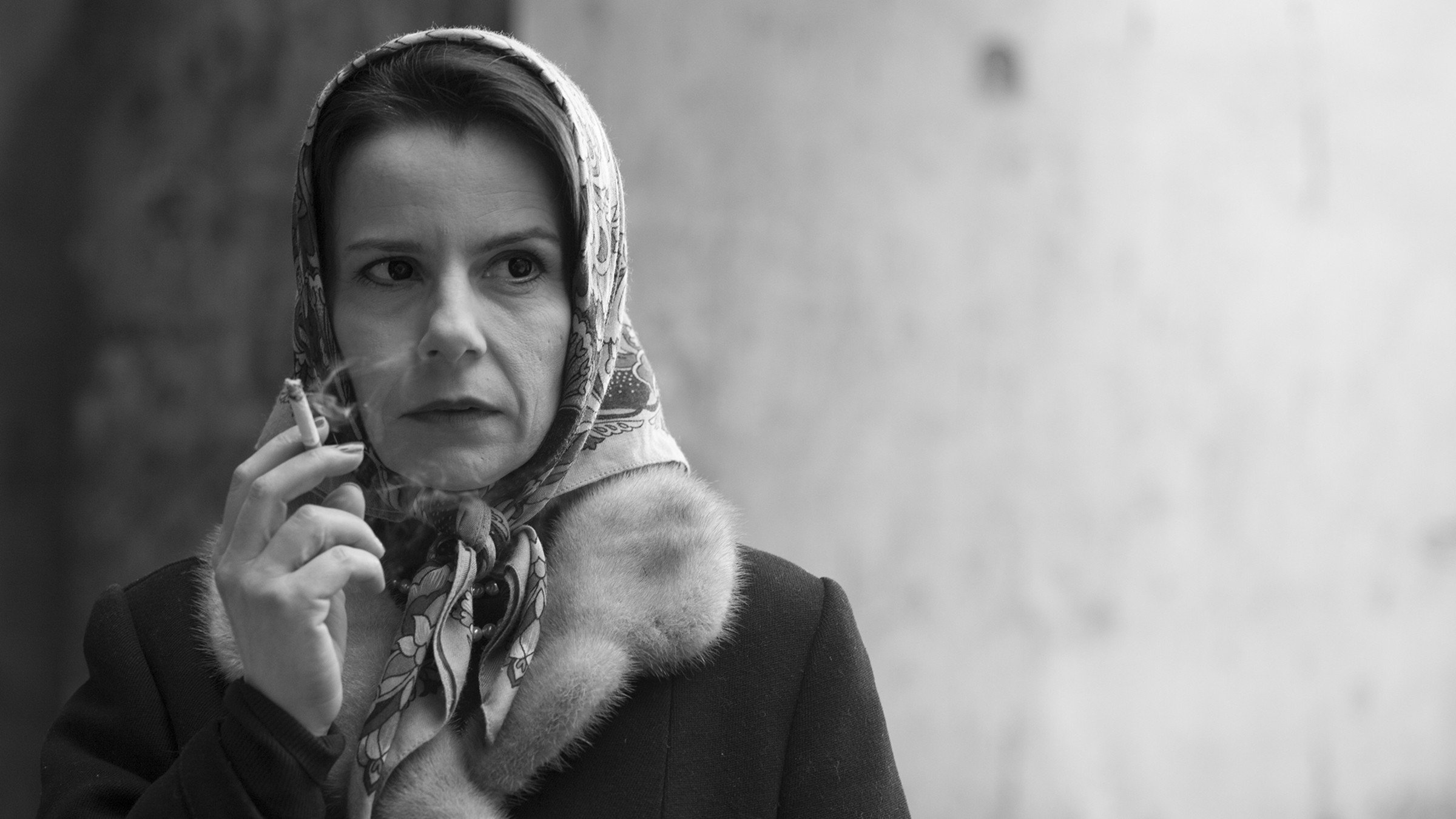
Agata Kulesza gives Wanda enough force to disturb that quiet without overwhelming her companion. The aunt’s self-destructiveness makes her an uncomfortable guide for the novice, and the performance never makes her easier company for our benefit. We found her painful to watch: she can help Anna confront the past and still seem unable to live with it herself. The contrast between the women carries the film through passages where a little more dialogue might have made their history easier to follow.

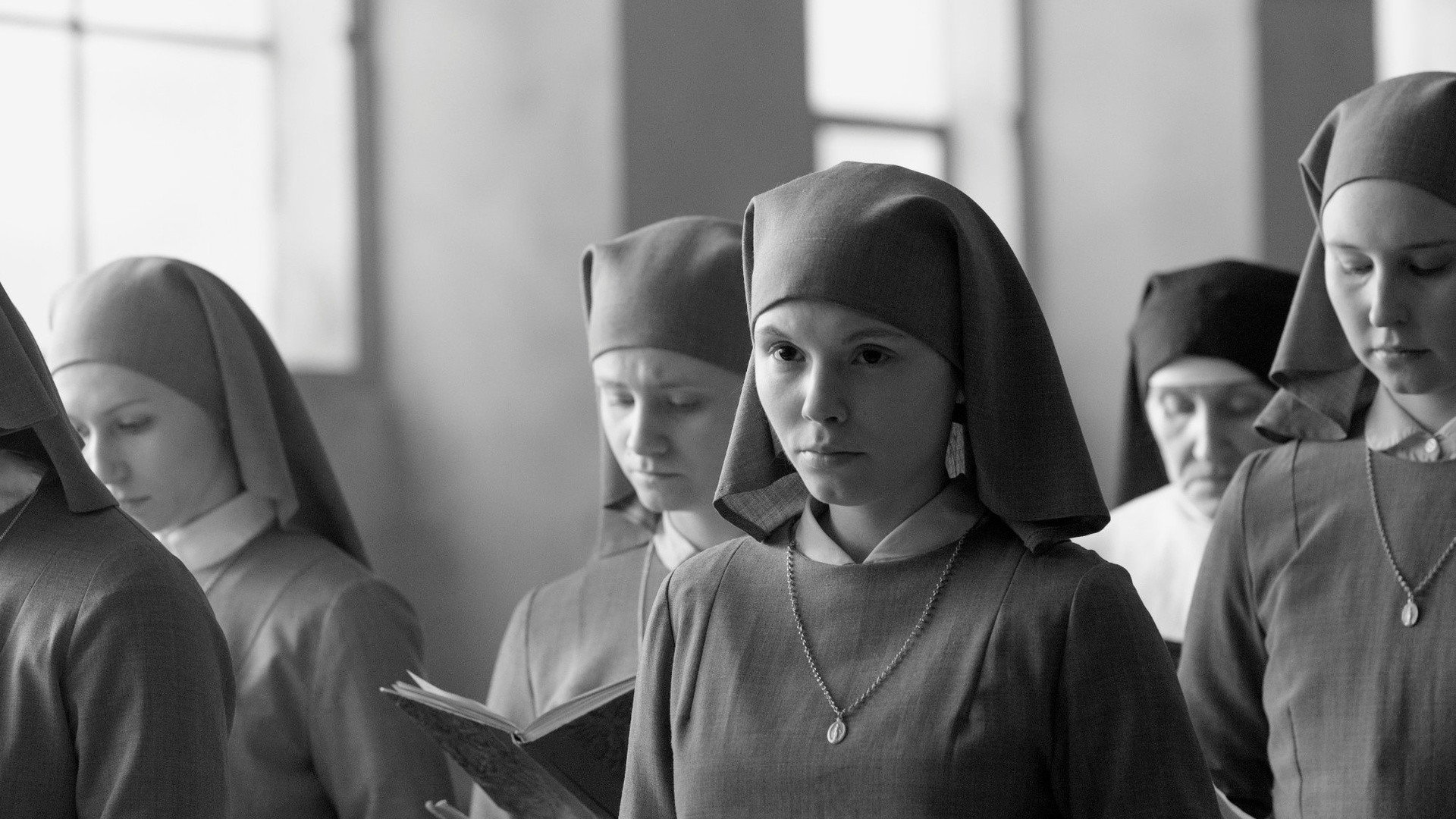
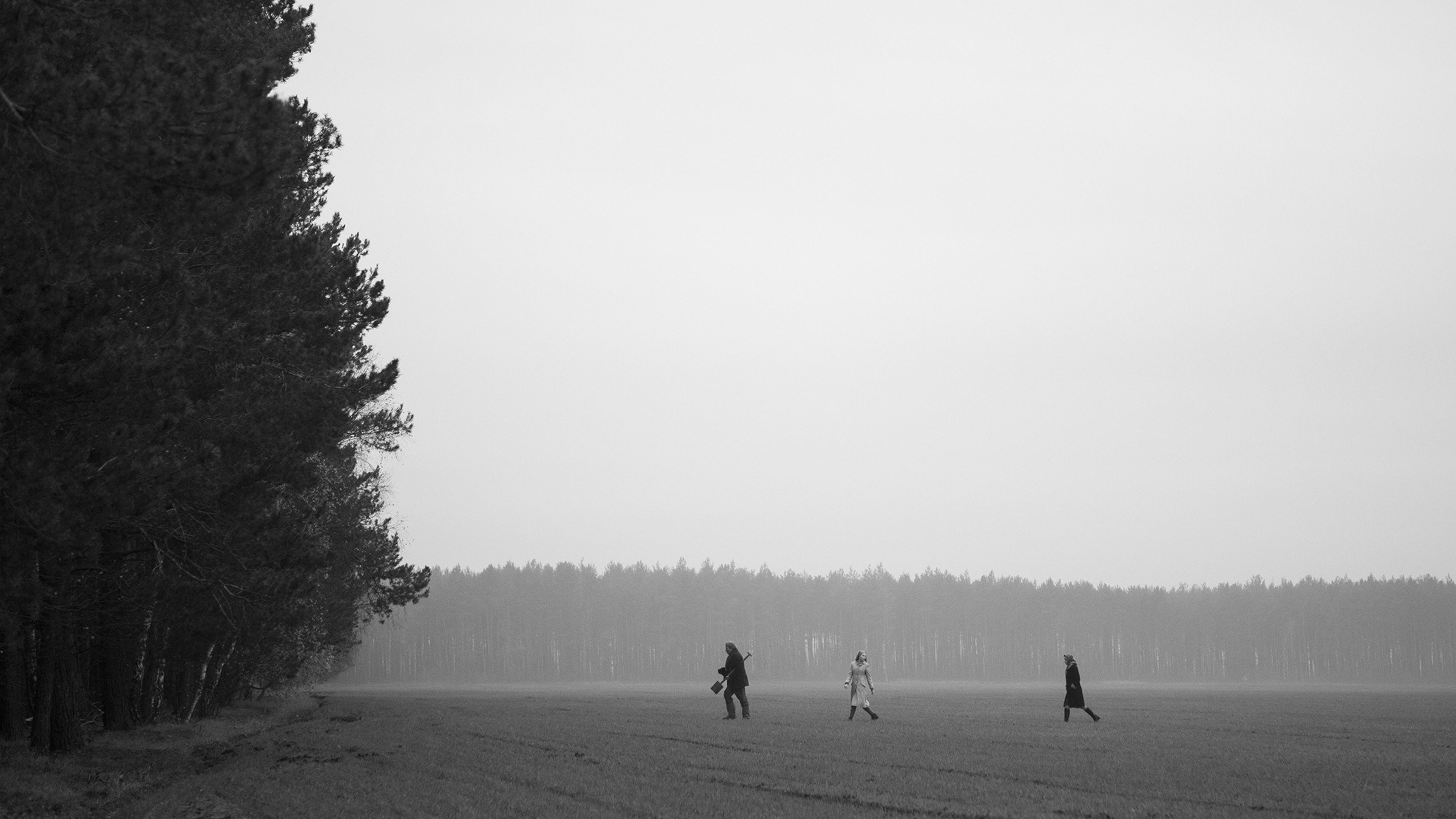
Łukasz Żal and Ryszard Lenczewski photograph the women in black and white, using the narrow Academy frame to make us attend to a face. The off-centre compositions can look severe, and their stillness gives us time to look at both women. Mostly, that patience pays off: a slight difference between their expressions becomes worth noticing. Occasionally the arrangement looks so deliberate that we catch ourselves studying the framing when we should be thinking about Anna.

Production designers Katarzyna Sobańska and Marcel Sławiński keep the surroundings spare, giving the period a convincing everyday plainness. It matters that the places these women pass through do not demand admiration at every stop. Jarosław Kamiński’s editing is similarly economical, getting the film through its journey in 82 minutes without making the central relationship feel hurried. We could have used a little more time with the people outside that relationship, but expanding the film simply to explain its history would have been the wrong remedy.

Kristian Eidnes Andersen’s music belongs to a film willing to leave long stretches to silence, and that restraint is welcome. There is already enough sadness in the women’s faces without further prompting. As a historical drama, Ida trusts a small encounter to matter without having to declare what it represents about an entire country. Anna’s vocation is taken seriously, and learning about her family is allowed to complicate her faith without settling the matter for her.

This is a short film that needs more attention than its running time might suggest. Anyone hoping for a brisk investigation with the comfort of settled answers should approach it cautiously; the interest lies in what Anna and Wanda can bear to understand about each other. Give it an evening when silence is welcome, and leave the phone in another room.

Critical consensus AI synthesised

83
Positive
20
Mixed
0
Negative
0

The consensus on Ida is firmly positive: all twenty reviews favour the film, with praise clustering around its black-and-white photography, precise framing and two lead performances. Most critics find that Pawlikowski’s spare storytelling gives the exploration of faith, identity and Polish history considerable emotional force. Agata Kulesza’s Wanda draws particular praise for her complexity, while the relationship between the two women makes the historical suffering personal rather than remote. The silence and restraint are widely seen as sources of feeling, not obstacles to it.

The differences concern how much that restraint allows through, with enthusiasm ranging from warm approval to emphatic praise. Vulture finds the short running time leaves the story lacking in fullness; The Playlist notes an emotional distance, and Paste suggests the subdued approach limits its resonance. These are reservations within favourable assessments rather than outright dissent: the critics largely agree on the craft, but differ over how deeply it moves them.

Los Angeles Times
1 May 2014 · Kenneth Turan
90*

The critic calls the film spare, haunting, and uncompromising, an exceptional work of artistry with potent emotions and indelibly beautiful images. He praises its pared-down exploration of identity, trauma, and Polish history through a young woman’s search.

Read the full review →
Screen Daily
6 September 2013 · festival review
90*

Pawlikowski returns to his roots with an exquisitely photographed and precisely told story about a young nun's journey of personal and national reckoning in 1960s Poland. It reaffirms his status as an important world auteur through compelling characters and austere black-and-white imagery.

Read the full review →
Sight and Sound
24 September 2014 · Catherine Wheatley
90*

Pawlikowski condenses European and cinematic history into a spare, haunting minimalism that functions as an ineffably potent road movie of the soul. The film is elevated by two extraordinary lead performances, particularly Agata Kulesza as the complex, self-destructive Wanda.

Read the full review →
The Hollywood Reporter
14 September 2013 · festival review · Todd McCarthy
90*

The critic praises Pawlikowski's delicate, quiet handling of heavy historical themes through a young woman's perspective in 1960s Poland. He singles out the stunning black-and-white cinematography and Agata Kulesza's vivid performance as the aunt for particular acclaim.

Read the full review →
The New Yorker
27 May 2014 · David Denby
90*

The critic hails the film as a compact masterpiece defined by silence, portraiture, and fervent austerity that evokes anger and mourning. He singles out its charged return to Polish history and themes of acknowledgment over revenge.

Read the full review →
The New York Times
2 May 2014 · NYT Critic’s Pick · A.O. Scott
90*

The critic praises the film as a concise, folk-tale-like drama about an orphan novice uncovering family secrets in postwar Poland. He highlights its alert handling of historical absurdities and horrors alongside its simple narrative strength.

Read the full review →

Cast

Awards

Academy Awards, 2015

Nominated
Best Cinematography
Won
Best International Feature Film

International Submission to the Academy Awards, 2015

Nominated
International Submission to the Academy Awards

European Film Award for Best Actress, 2014

Nominated
European Film Award for Best Actress

European Film Award for Best Cinematographer, 2014

Won
European Film Award for Best Cinematographer

European Film Award for Best Director, 2014

Won
European Film Award for Best Director

European Film Award for Best Film, 2014

Won
European Film Award for Best Film

European Film Award for Best Screenwriter, 2014

Won
European Film Award for Best Screenwriter

European Film Award – People's Choice Award for Best European Film, 2014

Won
European Film Award – People's Choice Award for Best European Film

Lux Prize, 2014

Won
Lux Prize

If you liked this, try…

Winter Light poster

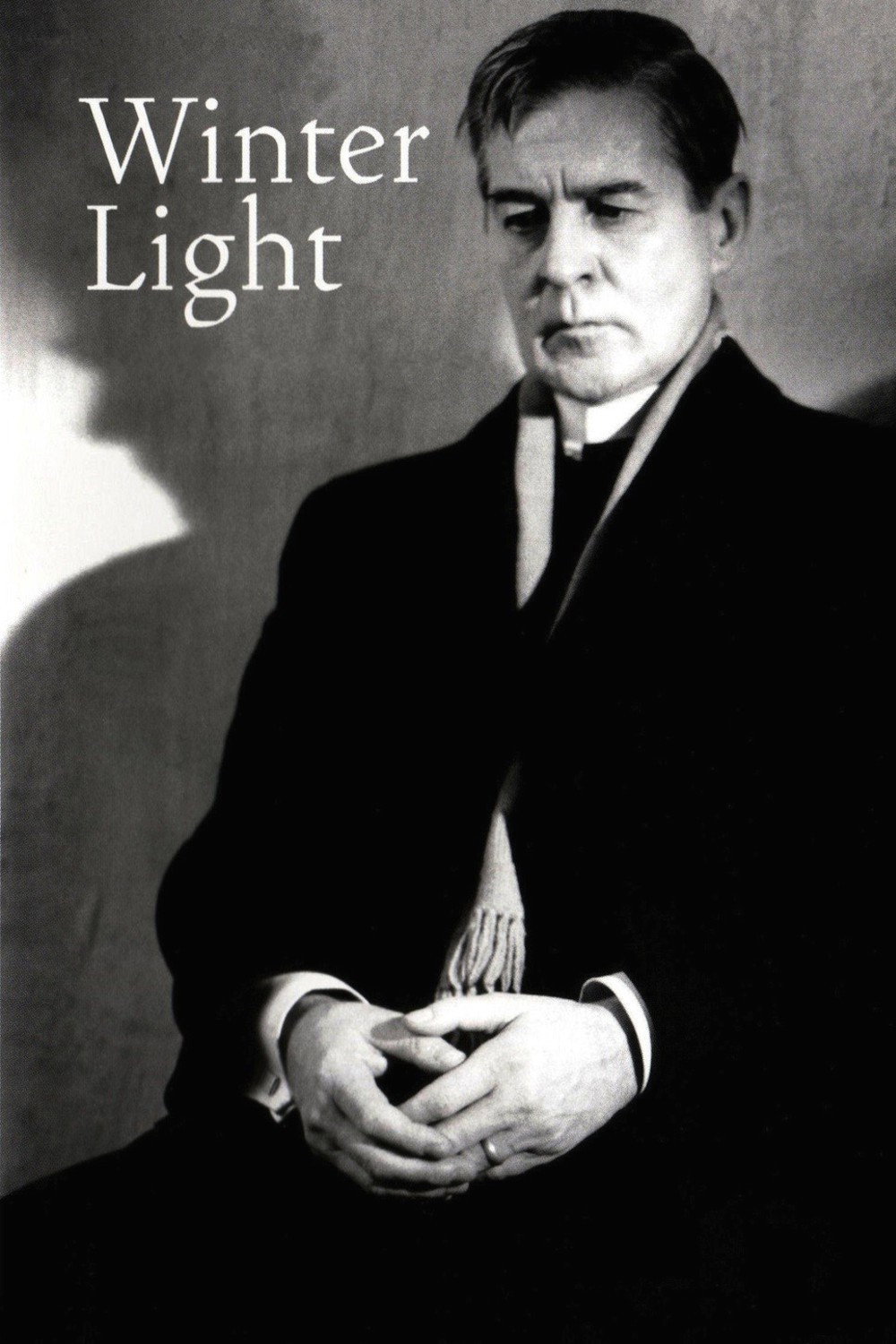
Winter Light

1963 · Another short, unsparing examination of faith, with little comfort offered by certainty.

The Spirit of the Beehive poster87

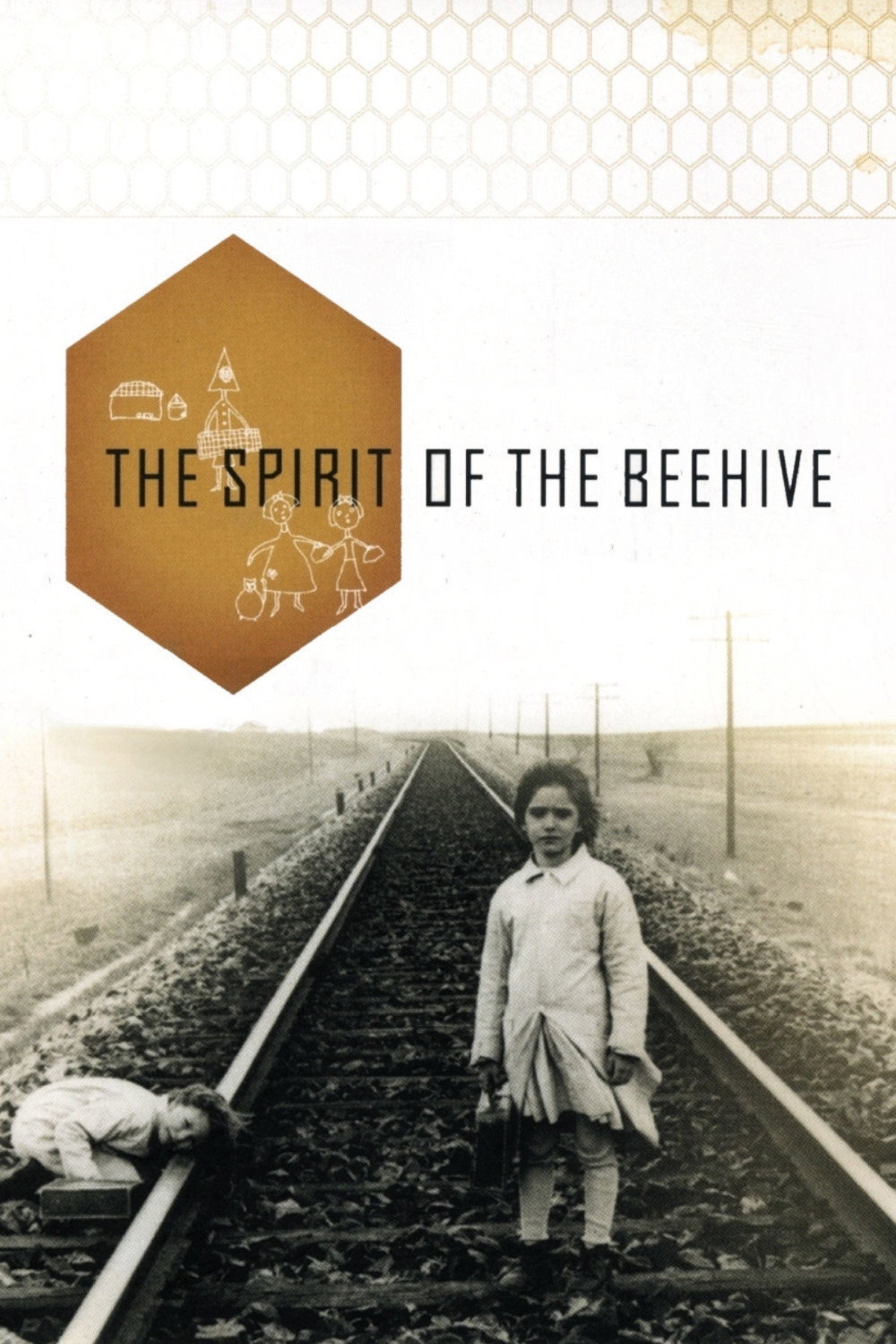
The Spirit of the Beehive

1973 · A child’s watchfulness gives a troubled national past an unsettling domestic scale.

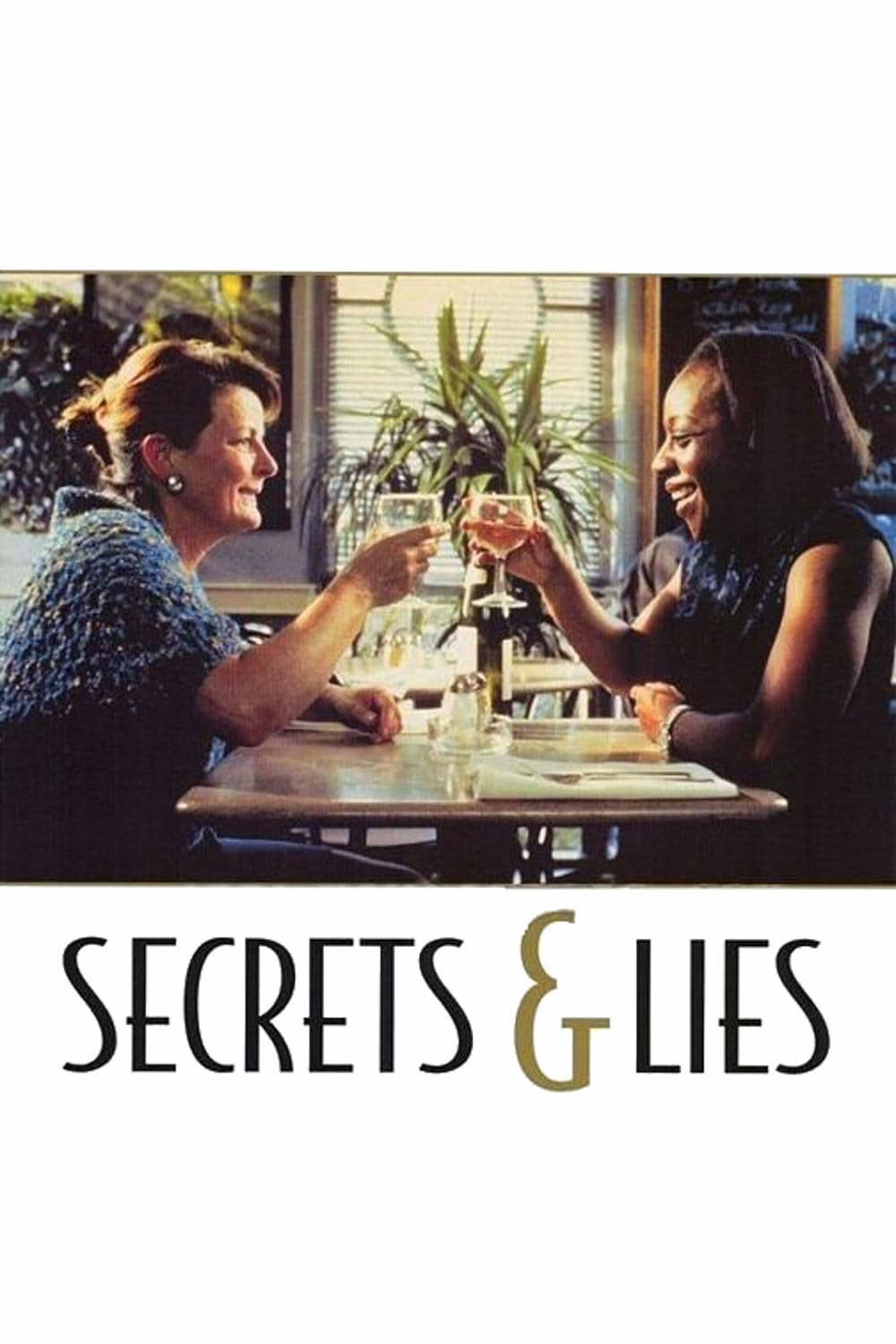
Secrets & Lies poster88

Secrets & Lies

1996 · Family history unsettles another young woman’s identity, with considerably more talking.

Phoenix poster

Phoenix

2014 · For another intimate reckoning with wartime history, carried by a watchful lead performance.

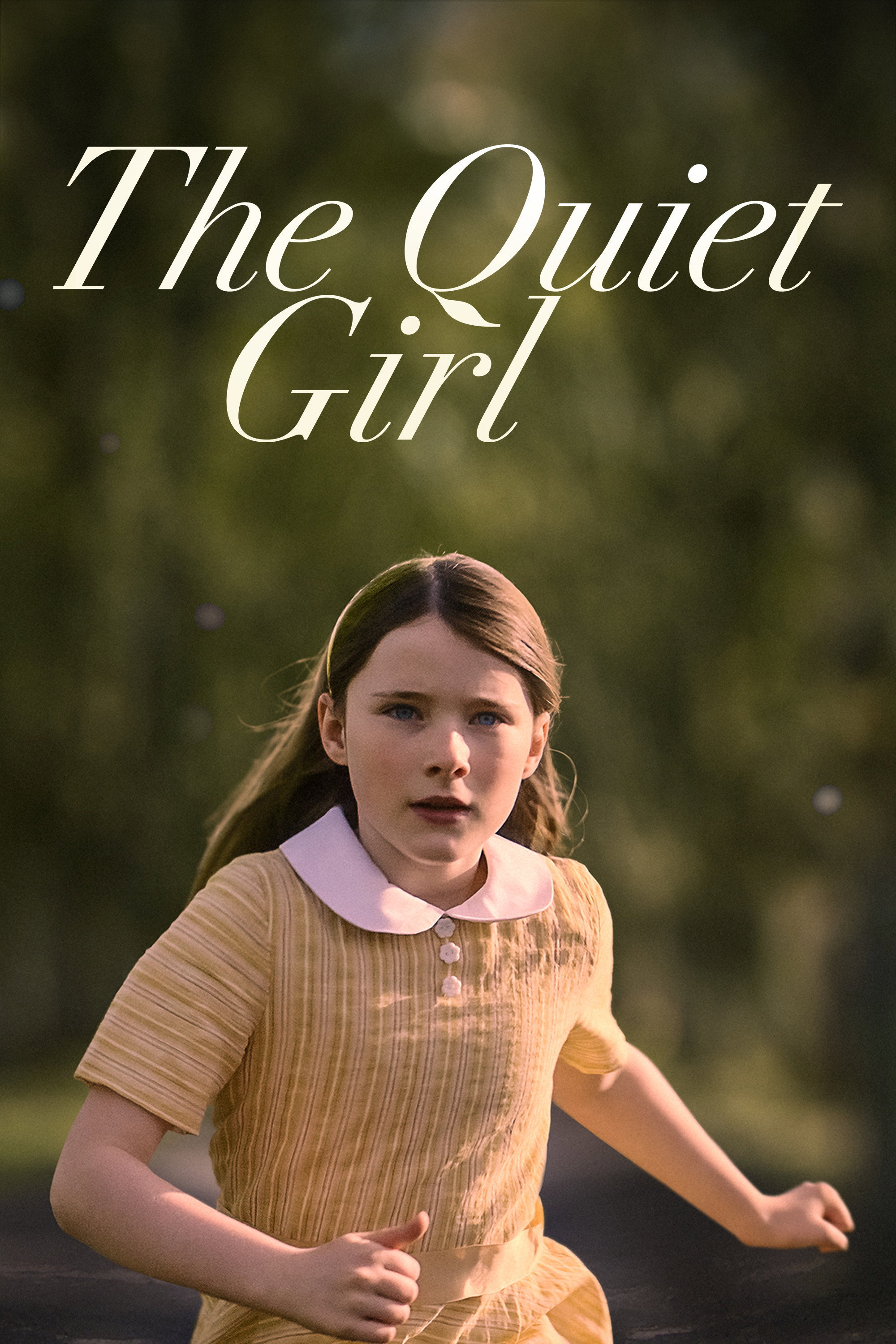
The Quiet Girl poster

The Quiet Girl

2022 · For patient attention to a young face, and feeling that arrives without fuss.