Roland Joffé makes historical upheaval personal, putting friendships and difficult choices at the centre of large-scale dramas. We rate him most highly when he leaves the actors room to work; his determination to move us can become intrusive.
Fi1m perspective
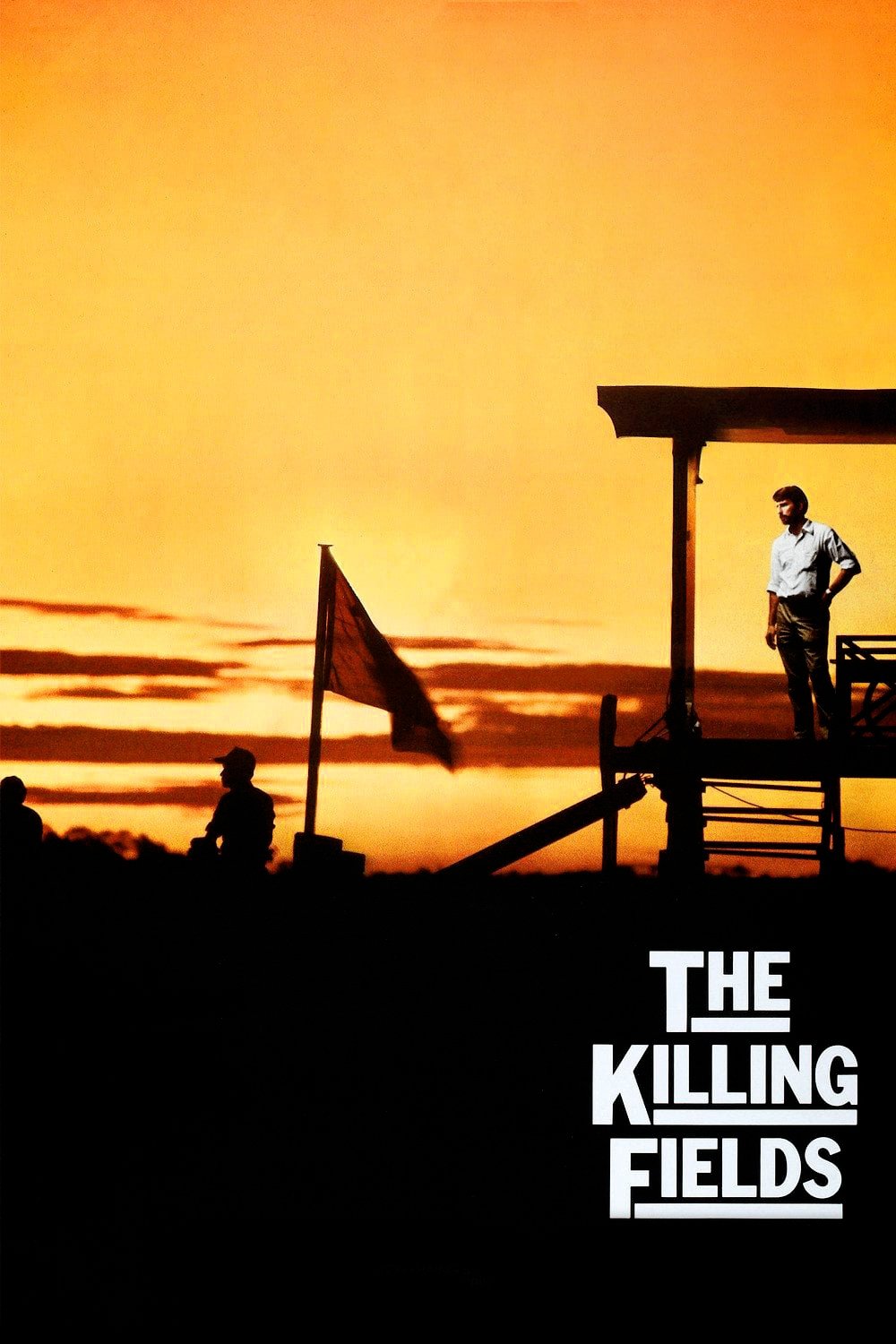
The passages without dialogue in The Killing Fields (1984) show Roland Joffé at his most persuasive. He keeps us watching people struggle to survive, with Haing S. Ngor’s restraint as Dith Pran giving the suffering its force. We were moved by that restraint, because Ngor makes Pran’s fear and endurance plain without asking for our tears. Joffé lets the actors and the camera do work that the script elsewhere insists on doing aloud.
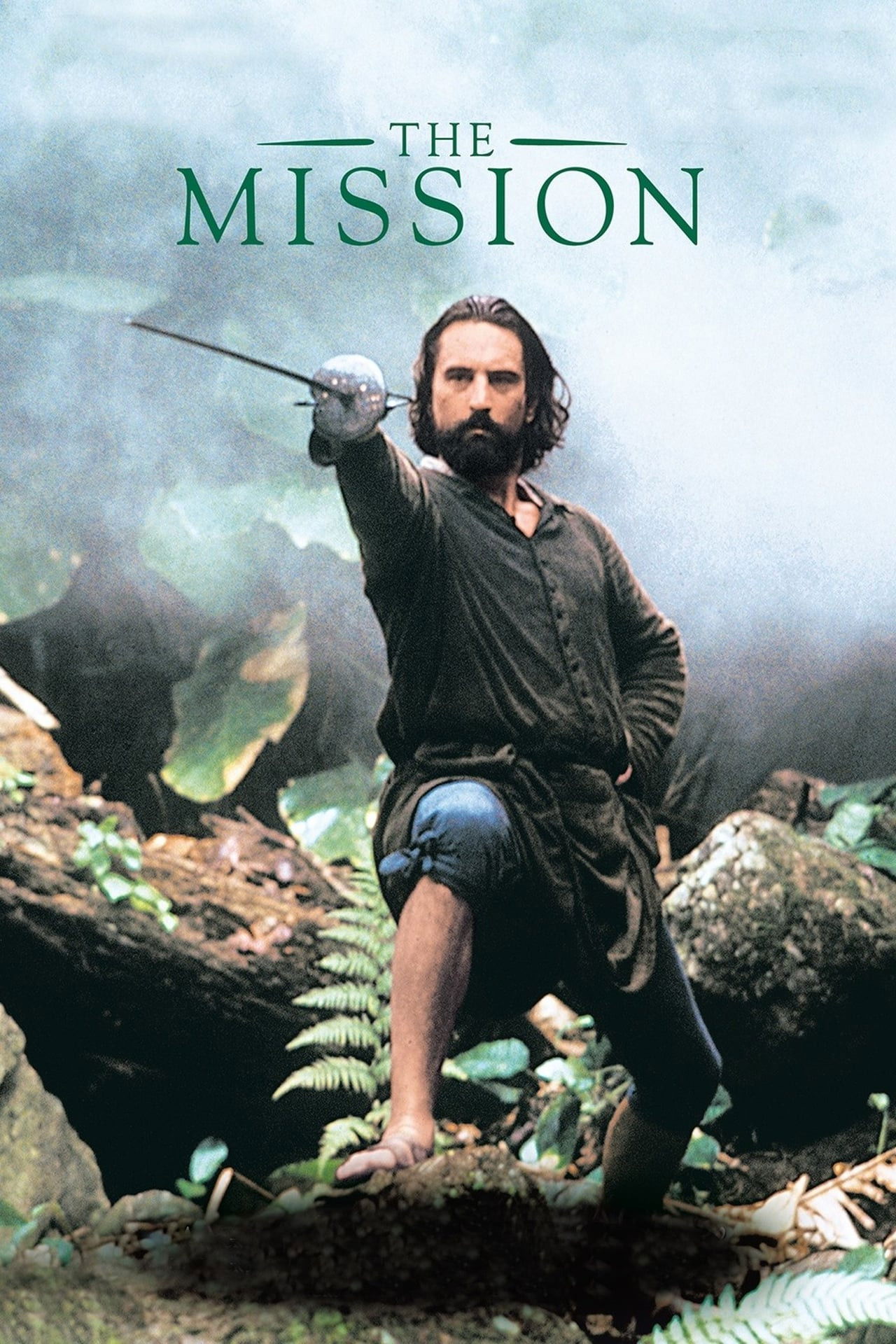
Joffé came to features from television, making his debut with The Killing Fields and producer David Puttnam. Cinematographer Chris Menges worked on that film and The Mission (1986), helping him give large-scale historical dramas carefully composed images. Those settings matter, but it is the attention to individuals that makes the debut worth returning to. Fat Man and Little Boy (1989), about the development of the atomic bomb, and City of Joy (1992), centred on a doctor in Calcutta’s slums, continued his interest in people facing difficult moral choices.
The difficulty is that Joffé does not always leave those choices to speak for themselves. In The Killing Fields, Bruce Robinson’s screenplay asks the friendship between reporter Sydney Schanberg and his guide, Pran, to carry too much explanation. Mike Oldfield’s music compounds the problem, bearing down on distress the performances have already made clear. Beside Ngor’s restraint, the score can feel almost impatient for a response. These are substantial irritations in a film we nevertheless recommend: its sustained attention to fear and endurance earns the difficult evening it asks of us.
Later Hollywood and international productions, including The Scarlet Letter (1995), received mixed or poor reviews. The Forgiven (2018) took up faith and personal reckoning in a South African setting, subjects consistent with his earlier concerns. We would not recommend the later work on the strength of the debut alone, but nor does that uneven reception diminish what he achieved with Ngor. Start with The Killing Fields, on an evening when neither of you needs something easy.
Biography
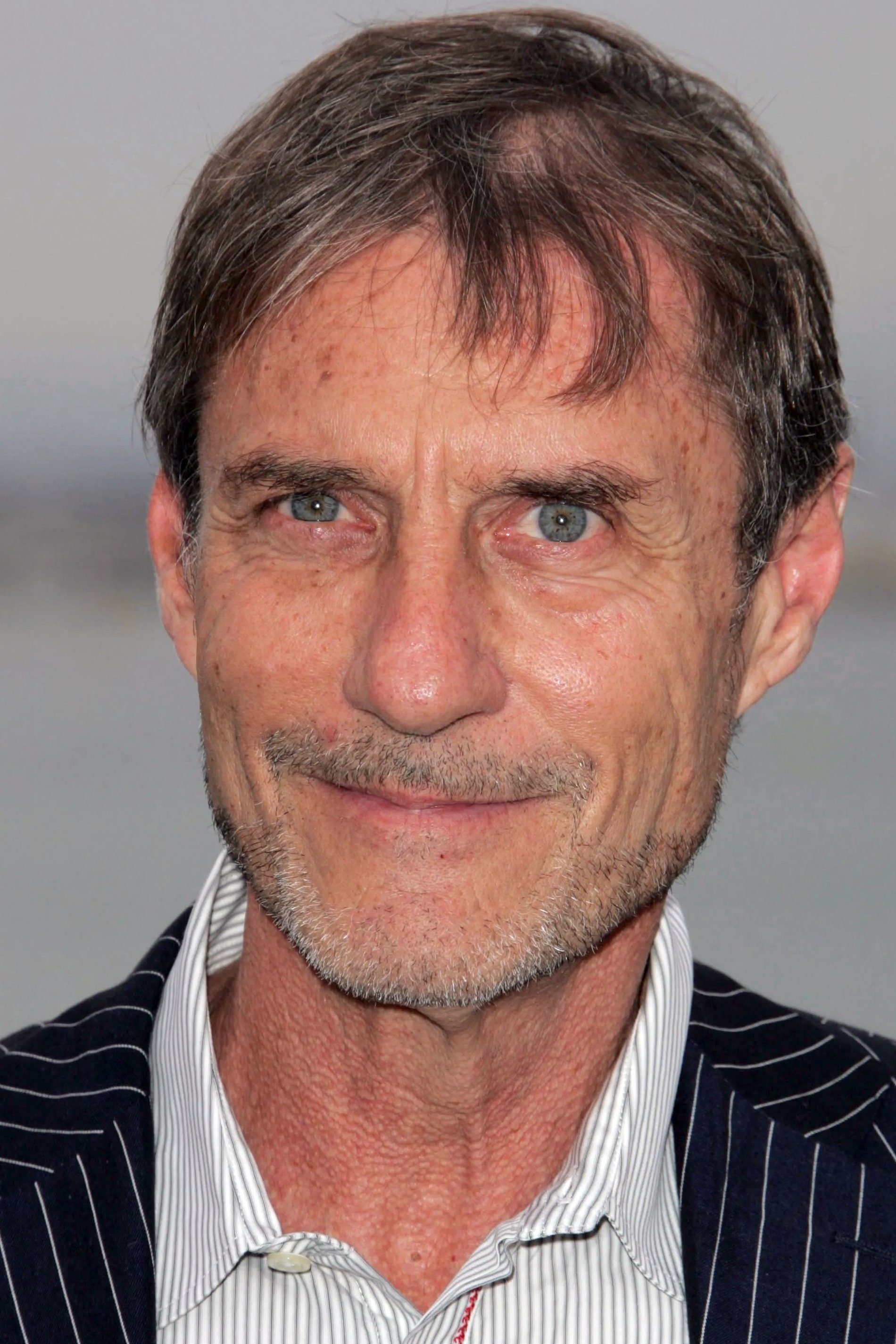
Roland Joffé is an English film and television director, producer and screenwriter. Born in London in 1945, he was educated at the Lycée Français Charles de Gaulle, Carmel College and the University of Manchester. He began his career directing for the theatre and television, including episodes of Coronation Street and the series Bill Brand.
Joffé made his feature film debut with The Killing Fields (1984), which earned him an Academy Award nomination for Best Director. His second film, The Mission (1986), also received an Oscar nomination for Best Director and won the Palme d'Or at Cannes. Later credits include Fat Man and Little Boy (1989), City of Joy (1992), The Scarlet Letter (1995), Vatel (2000), Captivity (2007) and There Be Dragons (2011). In the late 1980s he co-founded the production company Lightmotive.