Roland Joffé’s Cambodian war drama is harrowing and worth the ordeal, chiefly for Haing S. Ngor’s performance. Bruce Robinson’s script occasionally labours the friendship, while Mike Oldfield’s music presses feelings that the images have already earned.
The Killing Fields is a harrowing war film that earns our attention even when it presses too hard for our tears. Roland Joffé approaches Cambodia’s catastrophe through the friendship of reporter Sydney Schanberg and his guide, Dith Pran. He wants us to understand what violence does to those caught in it, and what one person can reasonably expect from another. Bruce Robinson’s screenplay gives that relationship a great deal of explanatory work to do, though the film is most persuasive when the men are occupied with surviving.
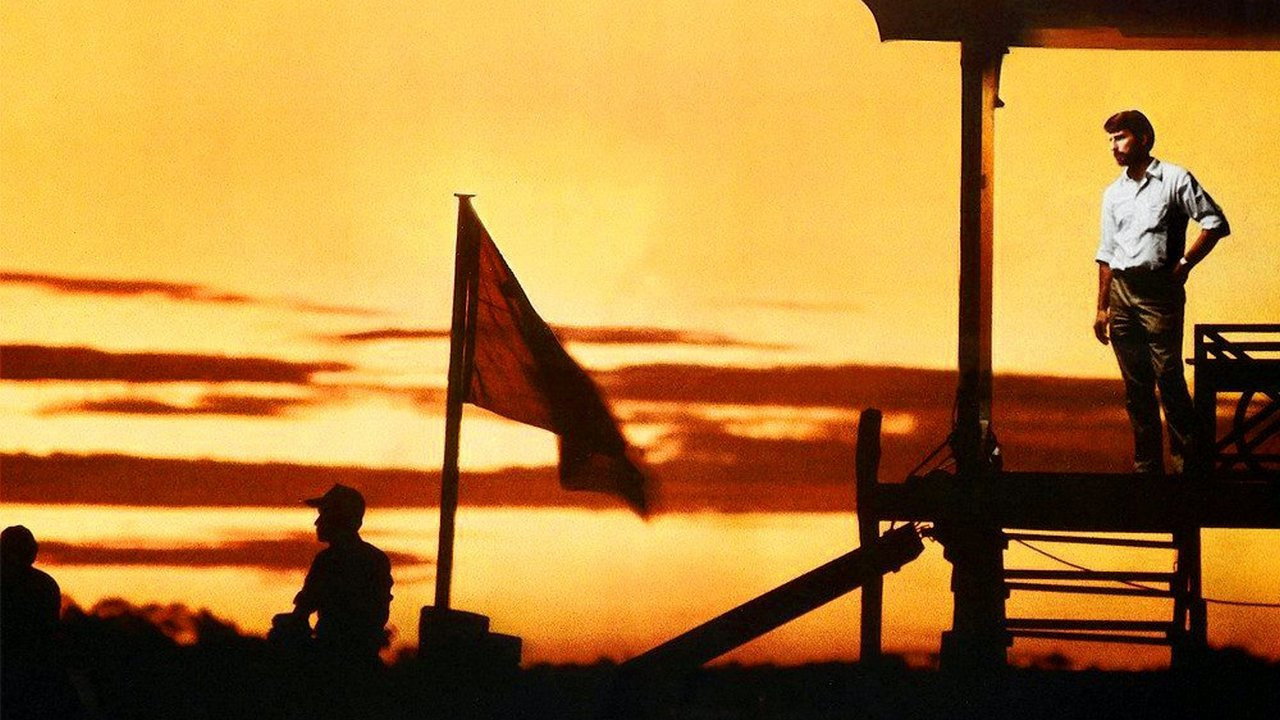
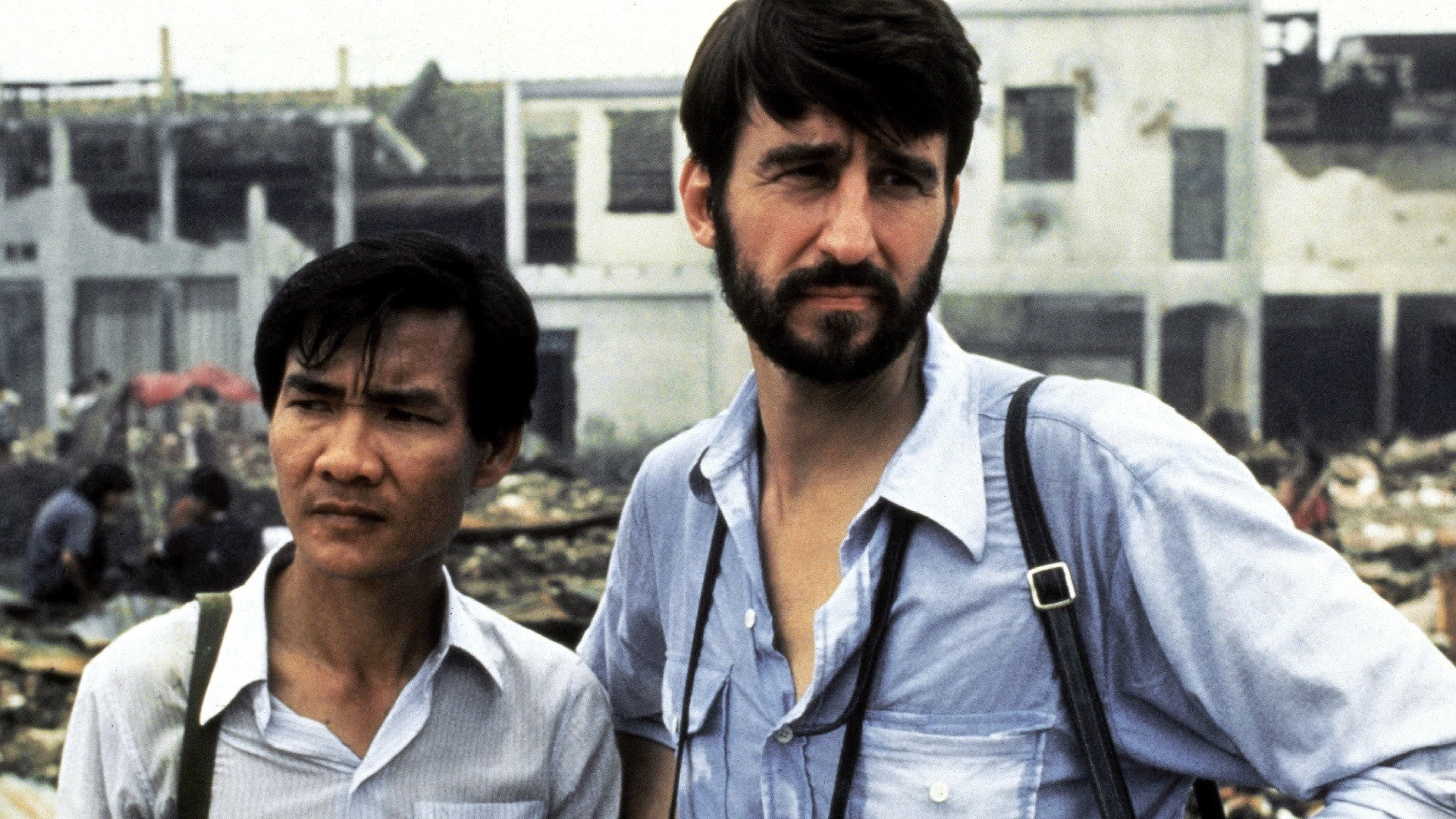
Chris Menges’s cinematography makes the early violence unusually legible, despite the confusion within the scenes. We were horrified by that first hour, because the images let us register the people caught in the violence instead of losing them in a general impression of battle. There is something almost documentary about the camera’s attention to the disorder. The photography gives us enough clarity to understand the danger without making it feel safely organised for the screen.
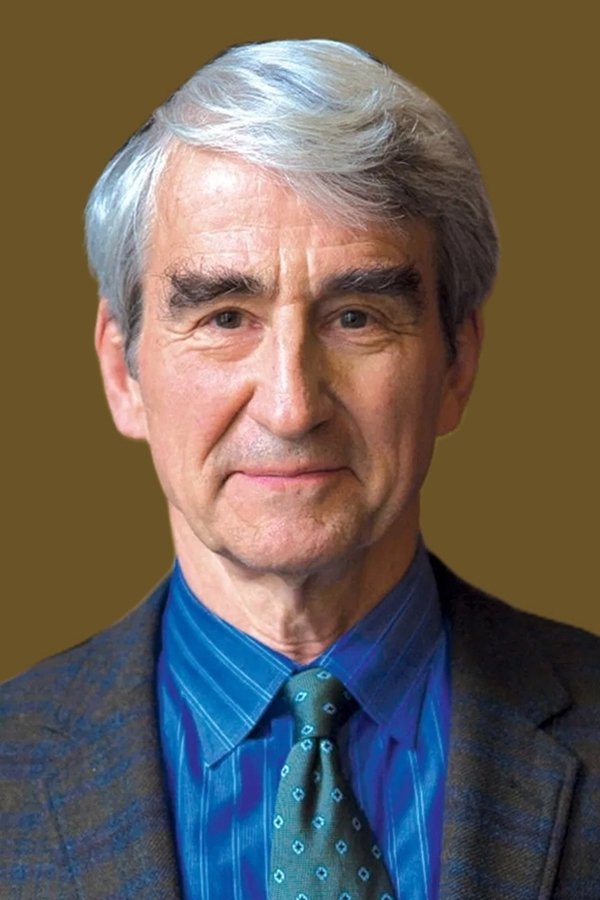
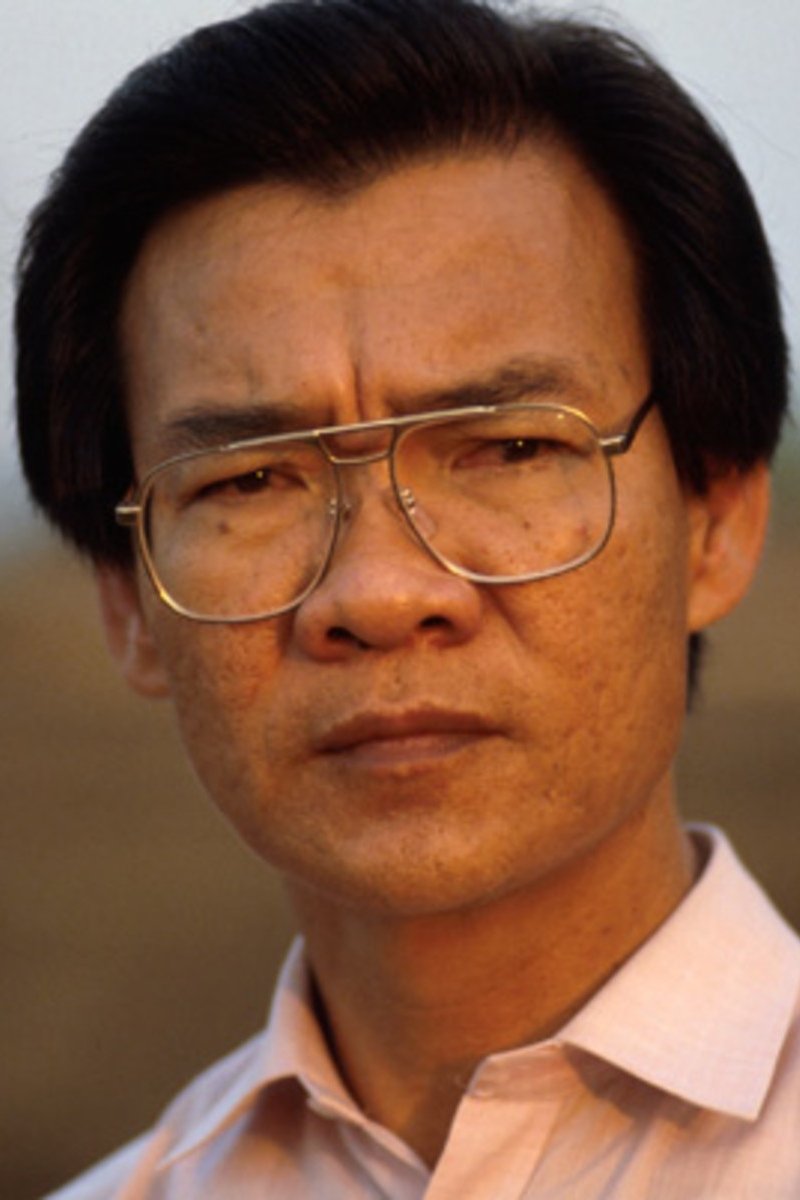
Haing S. Ngor, as Pran, gives the film its strongest reason to keep watching. His performance has a directness that makes the more emphatic writing around him feel unnecessary; we believe in his fear without needing it explained. Sam Waterston has the harder task of making Schanberg’s part in the friendship feel equally substantial, and his earnestness sometimes comes too close to the script’s own. Both performances are sincere, but Robinson does not always make the bond between the men convincing enough to justify the attention it receives.
Roy Walker’s production design helps make the locations feel inhabited rather than prepared for our inspection. The surroundings remain convincing when the drama becomes more insistent, which matters in a film asking us to believe such extreme suffering. Editor Jim Clark is particularly effective in the wordless passages, giving actions enough time to establish what is at stake. These stretches are gripping because our attention stays on what a person must do next, without dialogue interrupting to explain the difficulty.
Mike Oldfield’s music is much less willing to leave us alone. It bears down on scenes whose distress is already plain, and we occasionally wanted it to stop so that we could attend to the people on screen. A war film is allowed to move us, and Joffé repeatedly does. The score’s insistence nevertheless becomes distracting, particularly beside the restraint that Ngor brings to Pran.
The close attention to the friendship leaves much of Cambodia’s political history unexplained. We would have welcomed more of it, though a drama following two people could not reasonably provide a complete account. Among war films built around friendship, this one distinguishes itself through the sustained attention it gives to fear and endurance. Joffé is prepared to let scenes proceed without dialogue, and those passages give the suffering a force that the more explanatory writing struggles to match.
At 142 minutes, it asks for a sustained evening, and the violence warrants taking its 15 certificate seriously. We recommend it for Ngor and for the passages in which Joffé trusts the camera, the actors and our ability to understand what we are seeing. Leave it for a night when neither of you needs something easy.