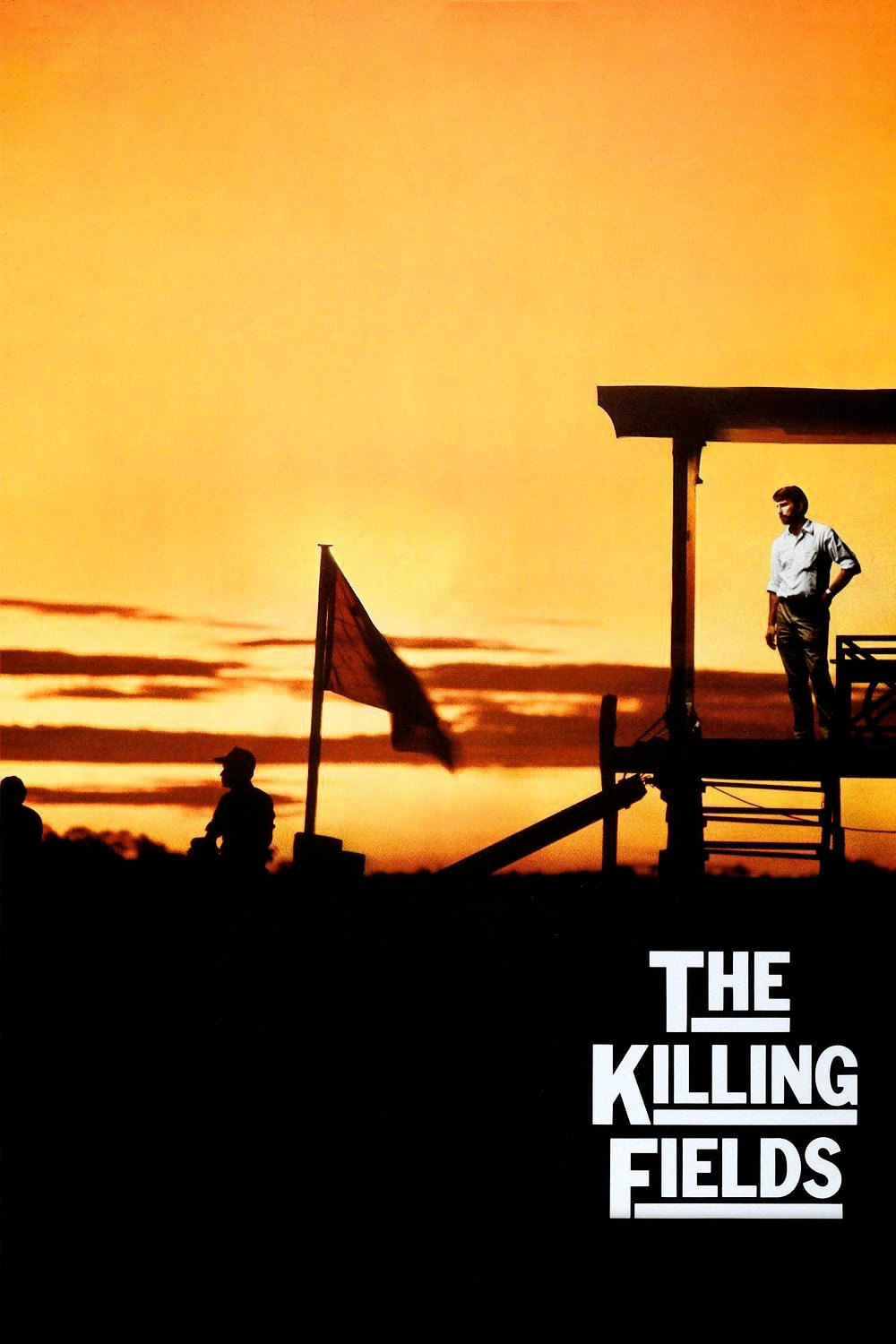
Most critics regard The Killing Fields as a forceful, humane account of Cambodia’s suffering, with praise concentrated on its photography, wordless sequences and Haing S. Ngor’s performance as Dith Pran. The reviews repeatedly find the images of violence and devastated landscapes more persuasive than the dialogue. Ngor’s sincerity gives the personal story weight, while the film’s scale and attention to individual survival earn broad respect.
The central friendship produces the sharpest disagreement. RogerEbert.com sees it as a truthful relationship that avoids Hollywood formulas; Variety and The New Yorker find it underdeveloped or manipulated by the script. Other reservations concern a wandering structure, increasing sentimentality and music that presses too hard for a response. The spread runs from wholehearted admiration to qualified approval rather than outright rejection: even the more doubtful reviews credit the film’s visual force, but disagree about how well its writing supports it.