Film review

Super Mario Bros.

1993 · Directed by Annabel Jankel, Rocky Morton · 1h 45m · MPA PG

In a sentenceThe sets have more personality than Mario Mario and Luigi Mario put together

AdventureFantasyComedyFamily

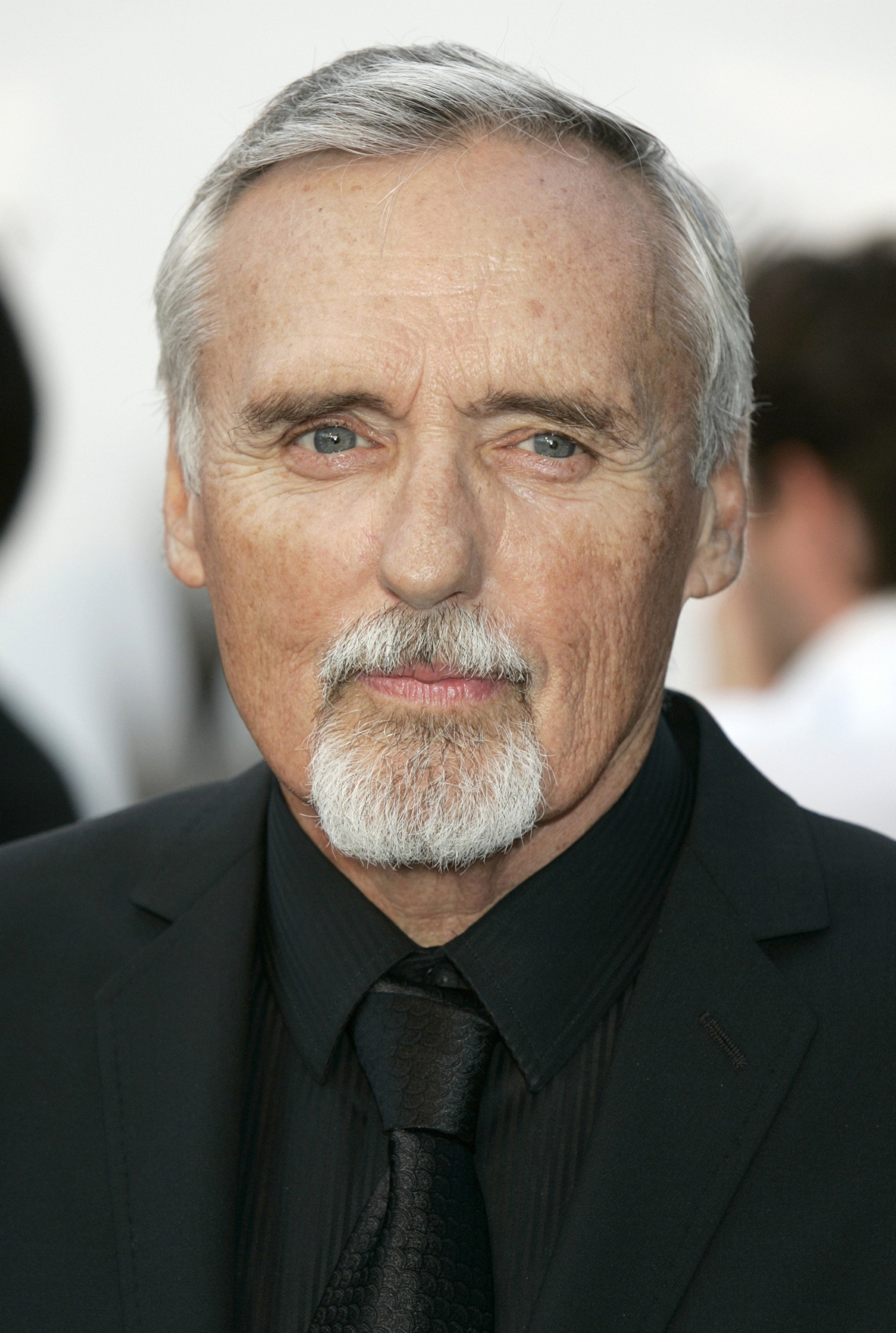
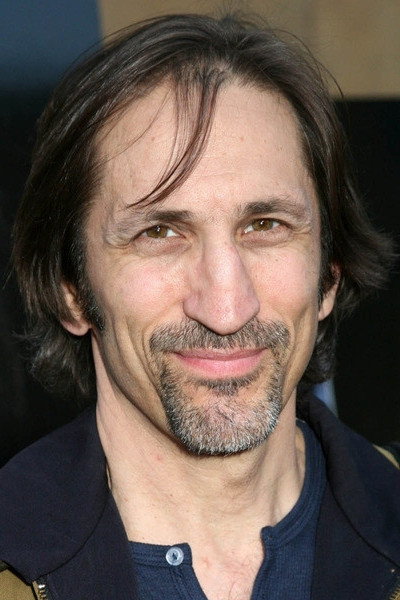
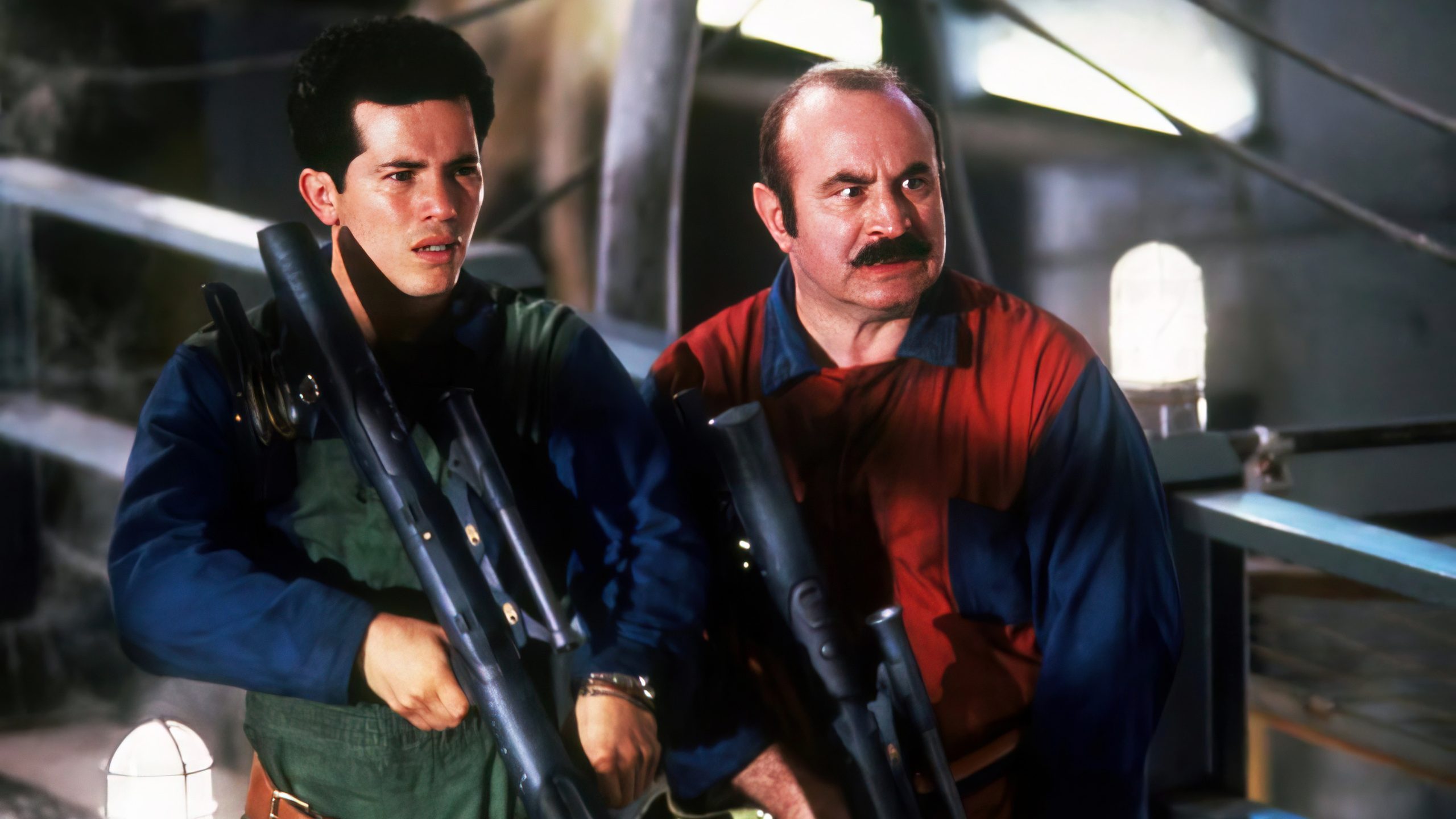
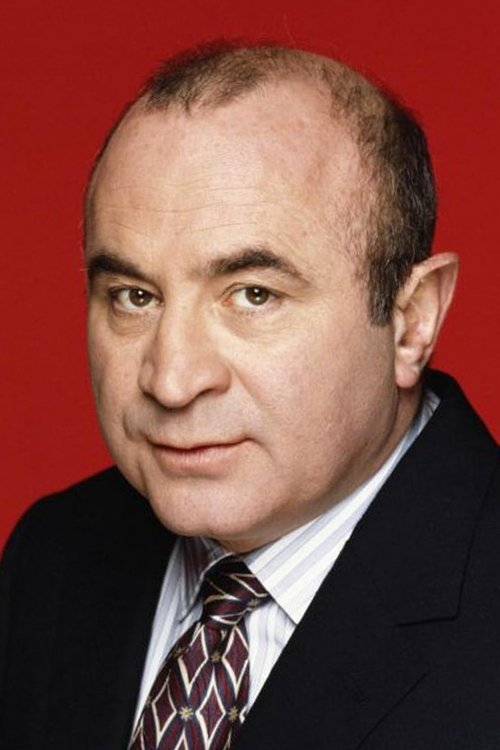
This 1993 fantasy adventure follows Mario Mario (Bob Hoskins) and Luigi Mario (John Leguizamo), with Samantha Mathis as Daisy and Dennis Hopper as King Koopa. Its characters also include Iggy (Fisher Stevens), Spike (Richard Edson) and Lena (Fiona Shaw), alongside Daniella (Dana Kaminski) and Toad (Mojo Nixon). Gianni Russo plays Scapelli, Francesca Roberts plays Bertha and Lance Henriksen plays The King. The film combines adventure, fantasy and comedy, runs for 105 minutes and carries a PG certificate.

Plays from YouTube when you press play; nothing loads from them until then.

Fi1m review

Annabel Jankel and Rocky Morton’s family adventure has inventive sets and a dispiriting shortage of good jokes. David L. Snyder’s production design rewards a look, but the muddled storytelling makes sustained attention hard work.

Super Mario Bros. is a poor family adventure with inventive sets and too few good jokes. Annabel Jankel and Rocky Morton aim for a strange, busy fantasy, and their willingness to make something peculiar deserves some credit. But the characters are thin, the story is difficult to follow and the comedy repeatedly falls flat. At 105 minutes, it is a long time to spend waiting for the people to become as interesting as their surroundings.

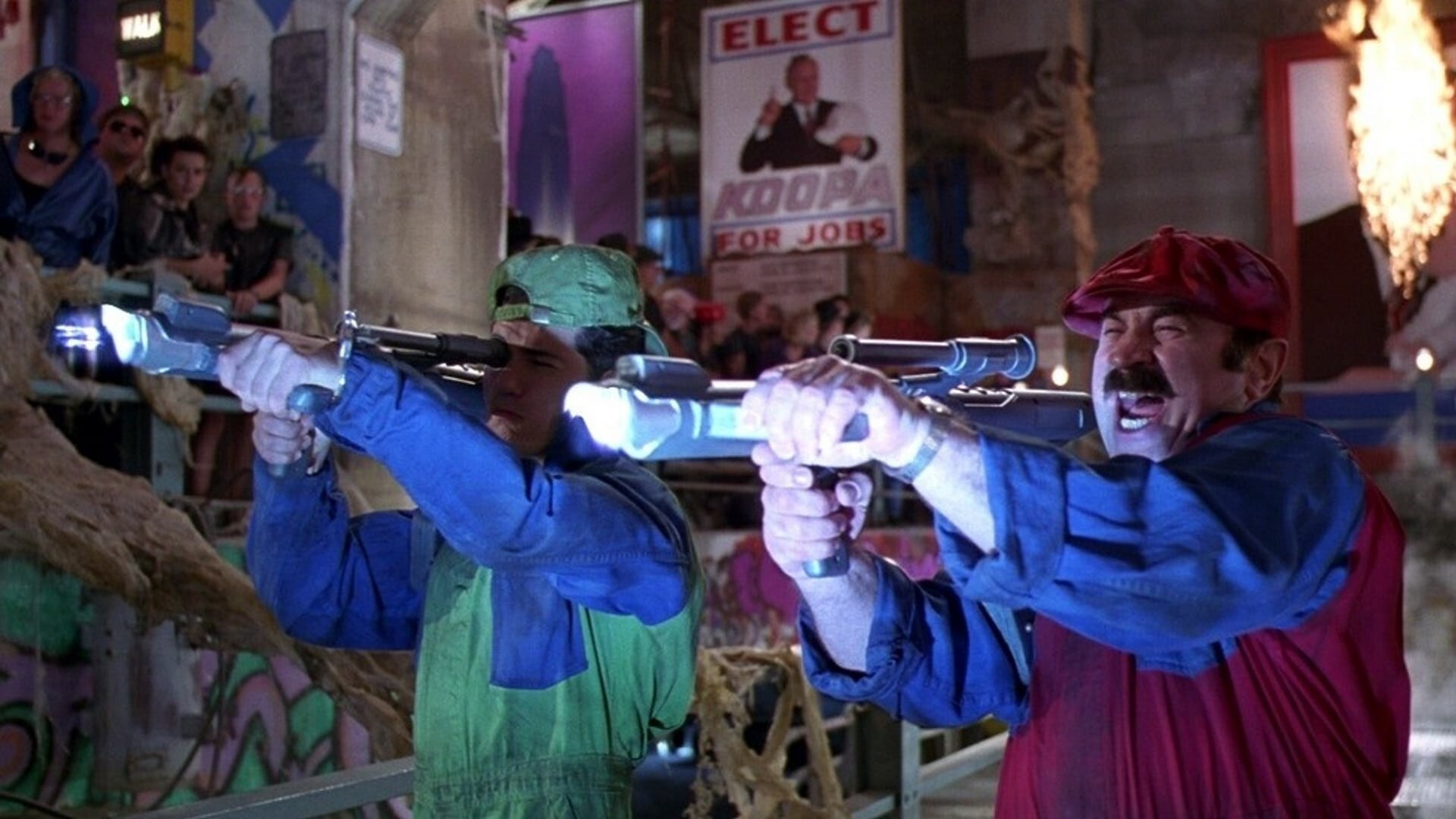
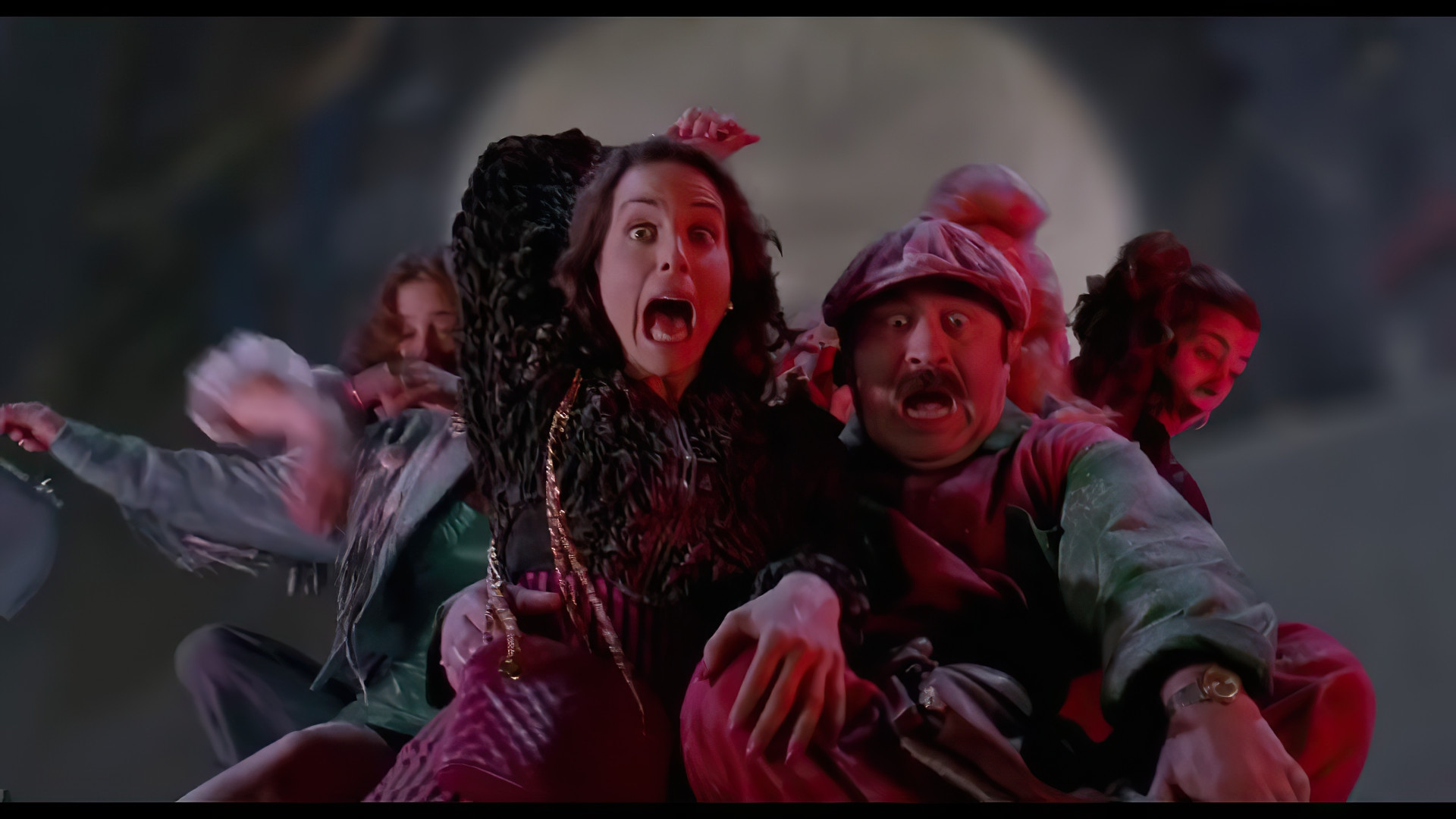
David L. Snyder’s production design provides the strongest reason to persist. The sets have a pleasing solidity, and their elaborate construction gives us something to examine when the comedy has stalled. Dean Semler’s cinematography makes good use of that physical detail; the scenery remains interesting through some otherwise tedious stretches. There is considerable care here, and the photography allows us to appreciate the work that has gone into the surroundings.

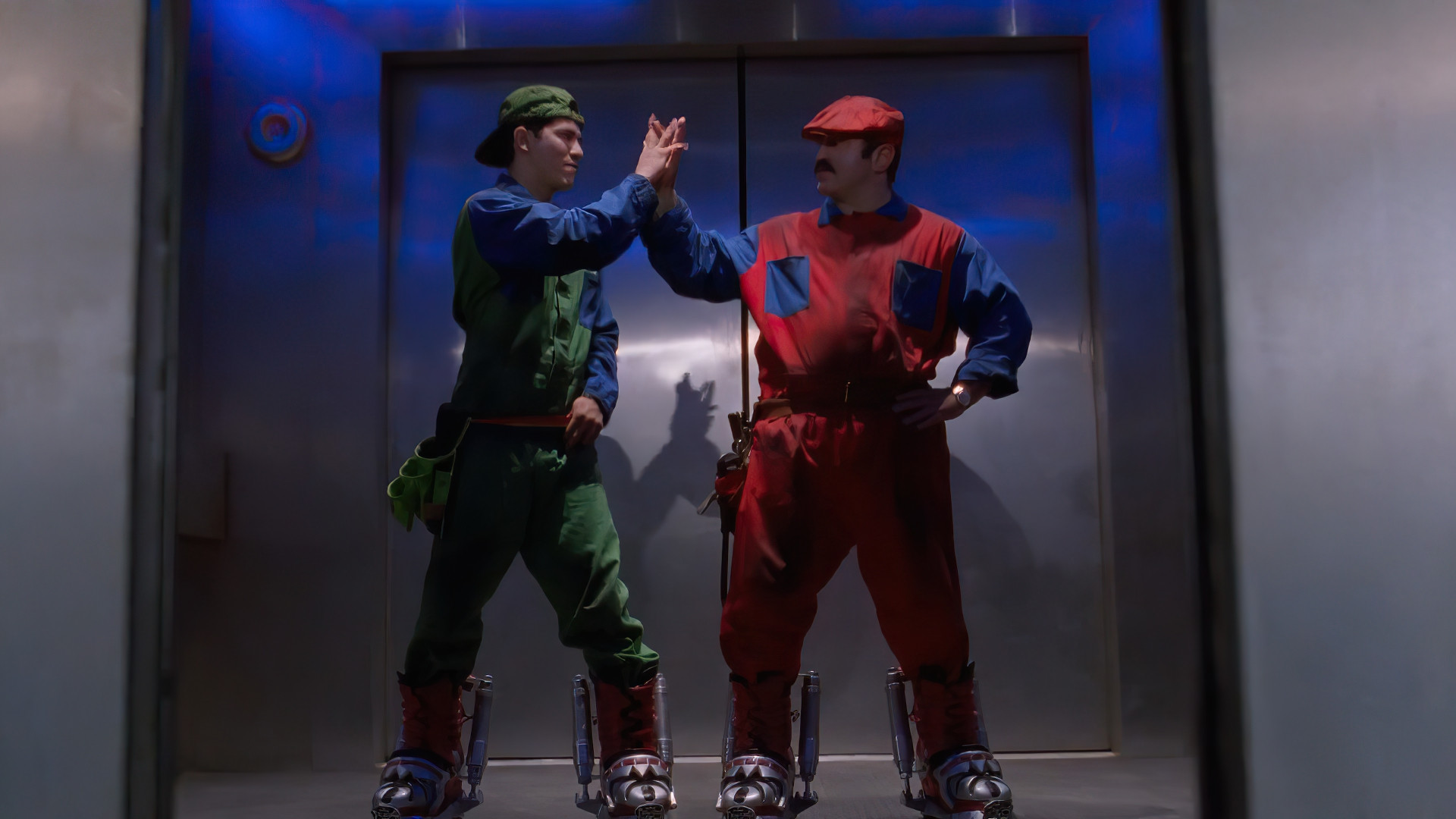
The screenplay, credited to Parker Bennett, Terry Runté and Ed Solomon, does much less for its human inhabitants. Mario Mario and Luigi Mario have personalities in outline and a supply of comic business, but too little that makes their company appealing. Bob Hoskins and John Leguizamo work hard at material that keeps asking effort to do the job of wit. We were bored by their exchanges because the wisecracks arrive without the character detail that might make them funny.

Dennis Hopper’s King Koopa is more diverting. The performance is excessive enough to put some life into the thin writing, and for a while we can enjoy the sheer insistence of it. That does not make the villain much of a character, but it does give the comedy something to work with. Fiona Shaw also finds some pleasure in Lena, though neither performance can compensate for how little interest the film generates in its leads.

Mark Goldblatt’s editing leaves too much of the story’s muddle intact, so following the adventure becomes a chore. Individual visual effects make an impression, though they never add up to a sustained sequence of excitement. Alan Silvestri’s score has the same problem: it cannot supply an emotional interest that the script has neglected to establish. There is only so much the music can do for people we have scarcely been encouraged to like.

A family fantasy can be peculiar, frightening or even confusing for a while, provided there is somebody worth following through it. Here the mixture of child-friendly comedy and less welcoming imagery never settles into a convincing tone. The strange visual ideas deserve better jokes, and more warmth from the leading characters. The effects offer intermittent pleasures, but they cannot make an adventure exciting when its characters remain this unengaging.

The appeal is narrow, and it lies chiefly in the work of David L. Snyder and Dean Semler. Anyone curious about elaborate fantasy production design will find things worth studying, though there is no need to pretend the story improves while doing so. For an evening’s family entertainment, we would choose something else.
Critical consensus AI synthesised

42
Positive
2
Mixed
3
Negative
6

Most critics find Super Mario Bros. muddled and short on laughs, though praise for its physical world runs through even the negative reviews. The sets, creature designs, photography and effects earn more approval than the storytelling, with several critics admiring the inventiveness of its dystopian setting. Performances divide opinion: Dennis Hopper’s King Koopa and Fiona Shaw’s villainess attract praise, while the central characters are often judged thin, charmless or poorly served by the script.

The sharpest reservations concern the garbled plot, strained humour and uneasy mixture of adult and children’s imagery. Several reviews also find little of the game’s energy or spirit. The spread is wide, however, and later assessments offer no uniform rehabilitation. Collider makes the strongest positive case, valuing the film’s political themes and practical craft; Paste finds personality and integrity in its unruly sets despite artistic failings. Both value qualities that the harsher reviews find insufficient to rescue the film.

The Guardian
8 November 2014 · Charlie Lyne
55*

The critic describes the 1993 film as a noble failure whose flaws were overstated at the time by commentators wary of game adaptations. The accompanying making-of documentary is singled out for providing a comprehensive portrait of the production's descent into disaster.

Read the full review →
Los Angeles Times
29 May 1993 · Michael Wilmington
50*

The critic sees the film as a split endeavor, wildly accomplished visually but wildly deficient in writing and story, resulting in a bright, clamorous extravaganza that knocks the eyes out while dulling the mind. Praises the visual coups, effects, cinematography, production design and maniacal impressiveness; complains about the obvious script, flat wisecracks, thin characters and commercial reassurance over challenge.

Read the full review →
Sight and Sound
24 September 2021 · Ben Thompson
50*

The critic praises the inventive production design and Dennis Hopper’s deranged performance as villain King Koopa, but is less forgiving of Mario and Luigi.

Read the full review →
Slant Magazine
12 April 2013 · Steve Macfarlane
35*

The critic calls the film a jaggedly ambitious catastrophe whose production history and bizarre reinterpretation of the source material doomed it, despite impressive production design and visual ideas. He singles out the uncomfortable mix of adult and kiddie imagery plus the directors' failure to capture any gameplay energy or tone.

Read the full review →
The New York Times
29 May 1993 · Janet Maslin
30*

The critic finds the film a bizarre, effects-heavy sci-fi adventure lacking the game's jaunty spirit but notes it has selling points in its intense, crazy energy from trying hard to flesh out a thin story. Praises the vigorous live-action comic strip and expense put into it; complains about the marketing-driven nonstory and total superfluity.

Read the full review →
Time Out
10 September 2012 · SGr
30*

Praises the set design, photography, effects and giant Goombas but calls the film a dog overall, citing the garbled storyline and mugging performances that will baffle kids, bore adolescents and depress adults.

Read the full review →

Cast

Stills

If you liked this, try…

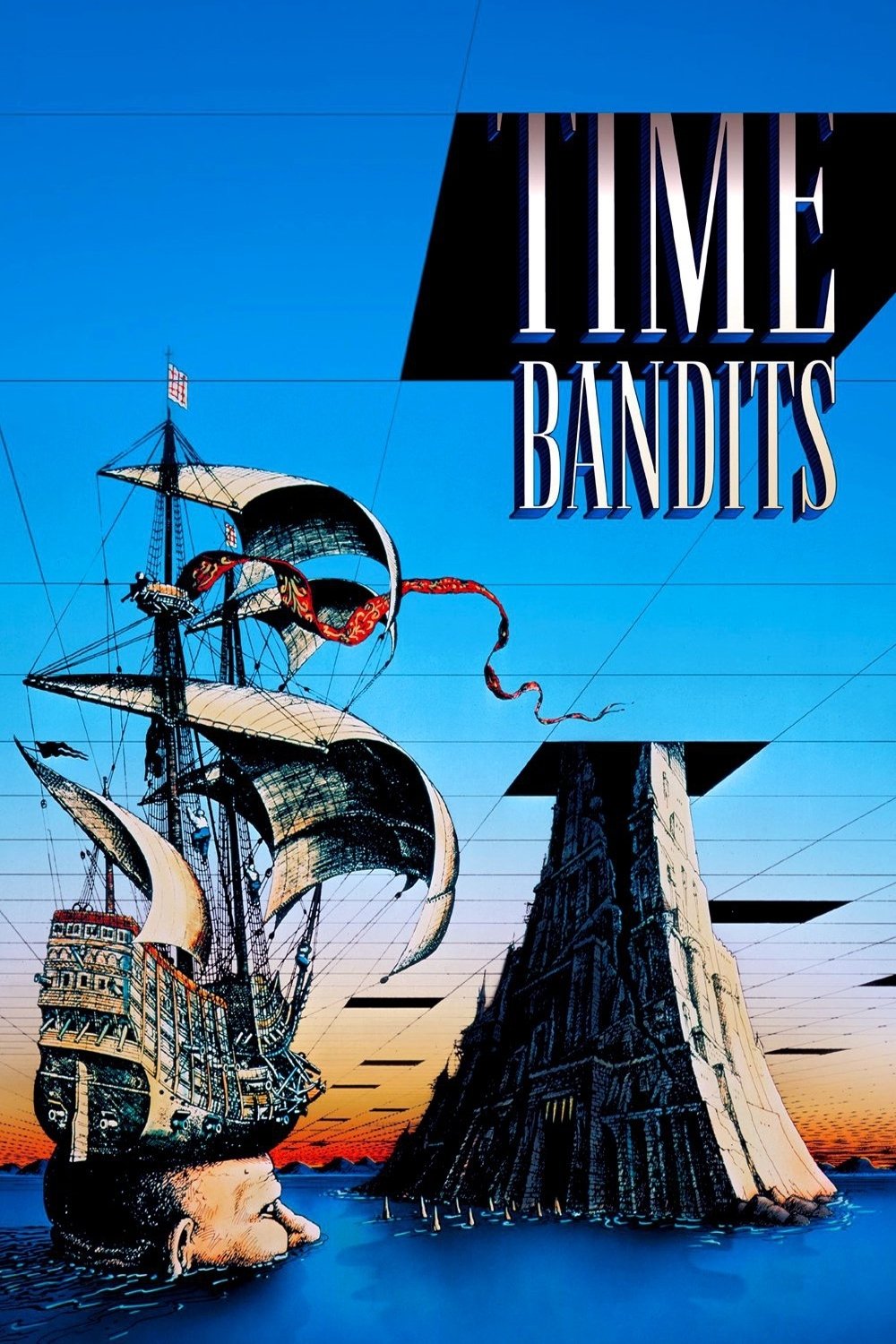
Time Bandits poster

Time Bandits

1981 · A stranger, funnier fantasy that gives its characters something worth doing.

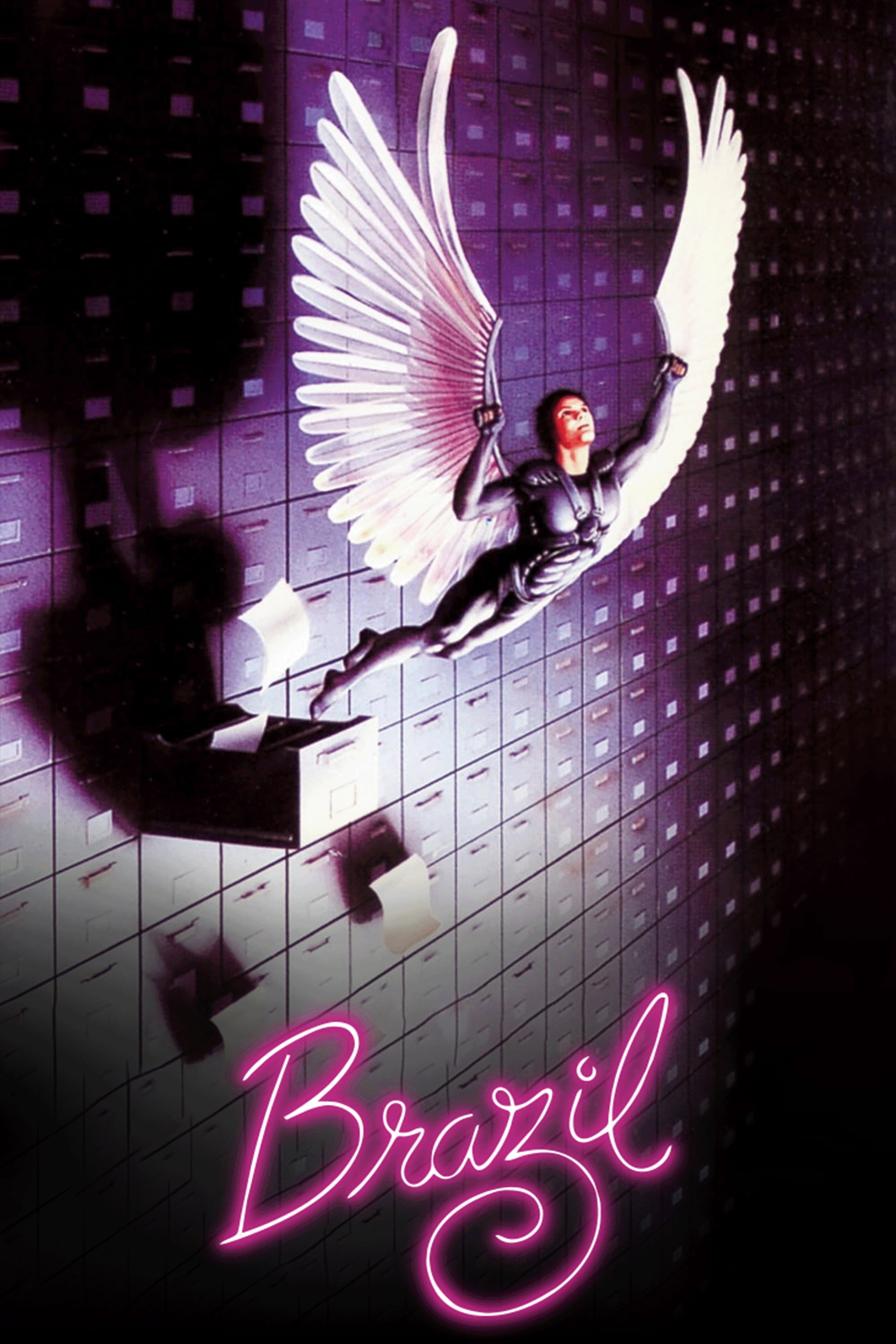
Brazil poster83

Brazil

1985 · Elaborate dystopian sets with a sharper sense of what makes them frightening.

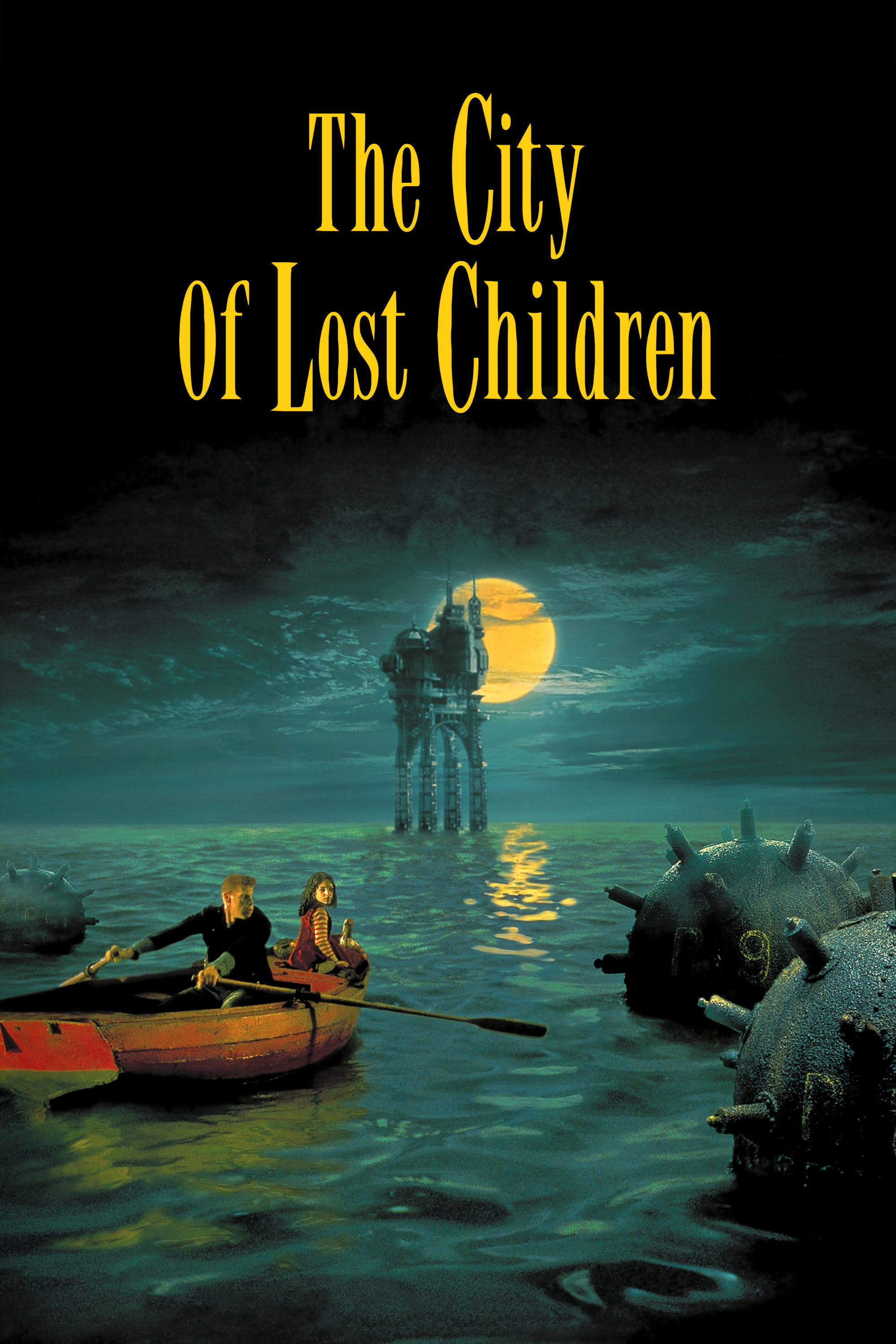
The City of Lost Children poster

The City of Lost Children

1995 · Another peculiar city, with more feeling for the people lost inside it.

Kung Fu Hustle poster

Kung Fu Hustle

2004 · Cartoon absurdity translated into physical comedy with the energy missing here.

The Boxtrolls poster

The Boxtrolls

2014 · Grubby inventions and creature comedy that work as a family adventure.