Dennis Hopper brought an unsettling intensity to villains, and we value it most when a director gives it a clear purpose. Speed puts that menace to practical use; Blue Velvet makes it much harder to sit comfortably.
Fi1m perspective
In Speed (1994), a bomb on a bus is enough to keep us occupied, but Dennis Hopper gives it an owner worth worrying about. His Howard Payne demonstrates how well his menace could serve a straightforward thriller. Jan de Bont keeps the film engrossing, even when the plot overreaches. Hopper belongs in that calculation alongside Keanu Reeves and Sandra Bullock, whose work gives us reasons to care beyond the next stunt. The part needs his intensity without needing him to dominate everything around it.
The later character actor is worth considering separately from the countercultural figure associated with Easy Rider (1969). He co-wrote, directed and played Billy in that film. Work was sporadic through the 1970s and early 1980s, with the photojournalist in Apocalypse Now (1979) belonging to that leaner stretch. Blue Velvet (1986) and Hoosiers (1986) revived his career, and action and crime films subsequently made regular use of him.
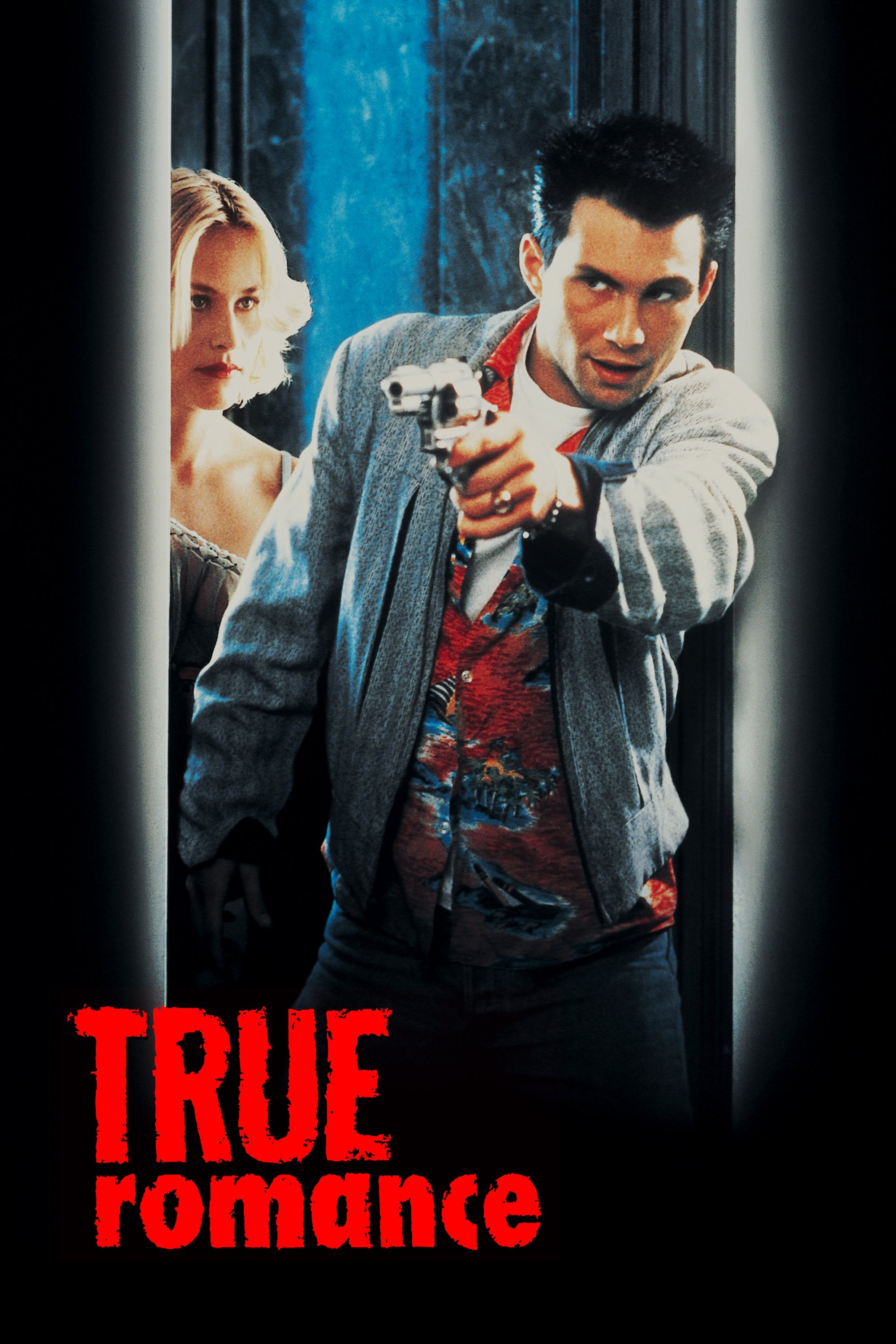
David Lynch's Blue Velvet shows why the casting could be so unsettling. We were unnerved by Frank Booth's gas inhalation, because it makes his menace strange even before we consider what he might do. Hopper's frequent casting as intense or eccentric men is understandable after that performance, though it can narrow the view of him. Clifford Worley in True Romance (1993) also gave him a paternal role, worth remembering alongside the more obvious monsters.
The limitation is that menace can become the whole attraction. In Speed, that does not much matter: the bomb-maker has a clear function, and de Bont has Reeves and Bullock to do the work of keeping us involved. We would still like the plot to know when it has gone far enough. Hopper's casting helps sustain the threat, but it cannot make every escalation sensible. Start here for the actor serving an engrossing thriller, then try Blue Velvet when an agreeable evening is less important.
Biography
Dennis Hopper was an American actor, filmmaker and artist. Born in Dodge City, Kansas, he trained at the Actors Studio and made his screen debut in the mid-1950s.
He appeared in Rebel Without a Cause (1955) and Giant (1956), then gained prominence with Easy Rider (1969), which he directed, co-wrote and starred in. Later roles included the Photojournalist in Apocalypse Now (1979), Frank Booth in Blue Velvet (1986) and Howard Payne in Speed (1994). He received an Academy Award nomination for Best Supporting Actor for Hoosiers (1986).
Hopper died in 2010.