Nicholas Ray’s teenage drama still hurts, chiefly because James Dean, Natalie Wood and Sal Mineo make the unhappiness so particular. The parents are drawn too simply, but we warmly recommend it for the young cast.
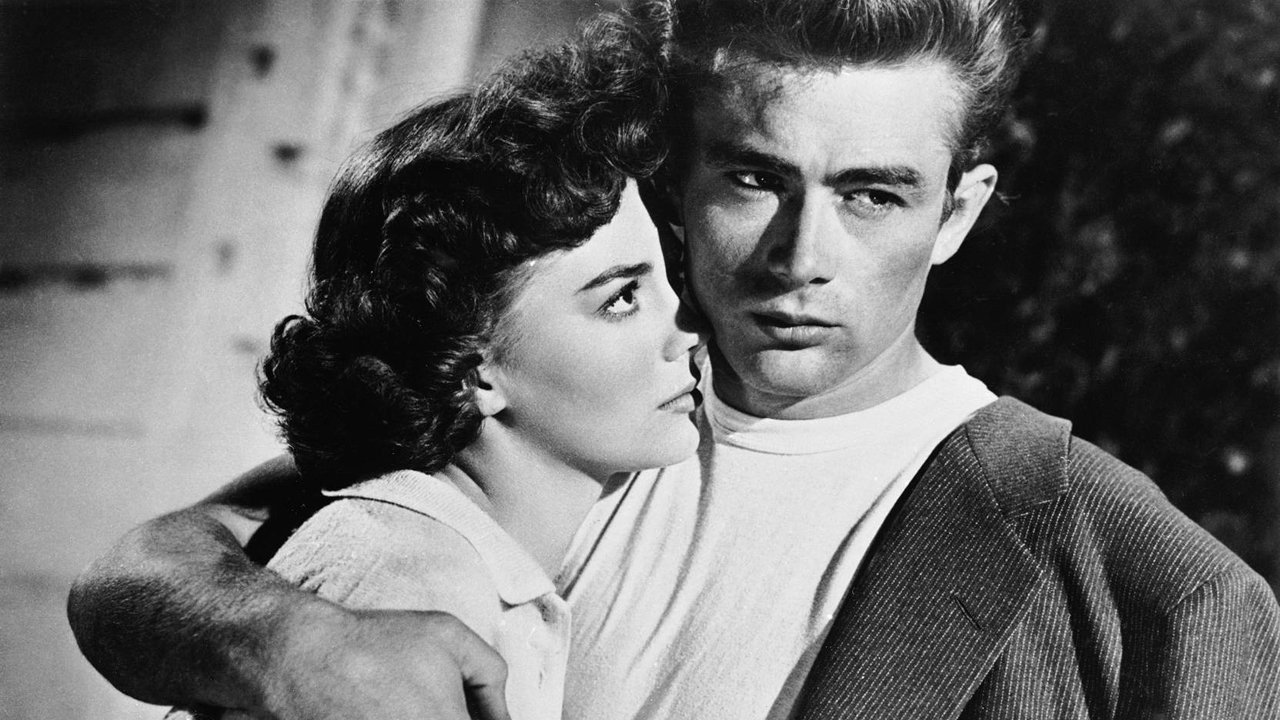
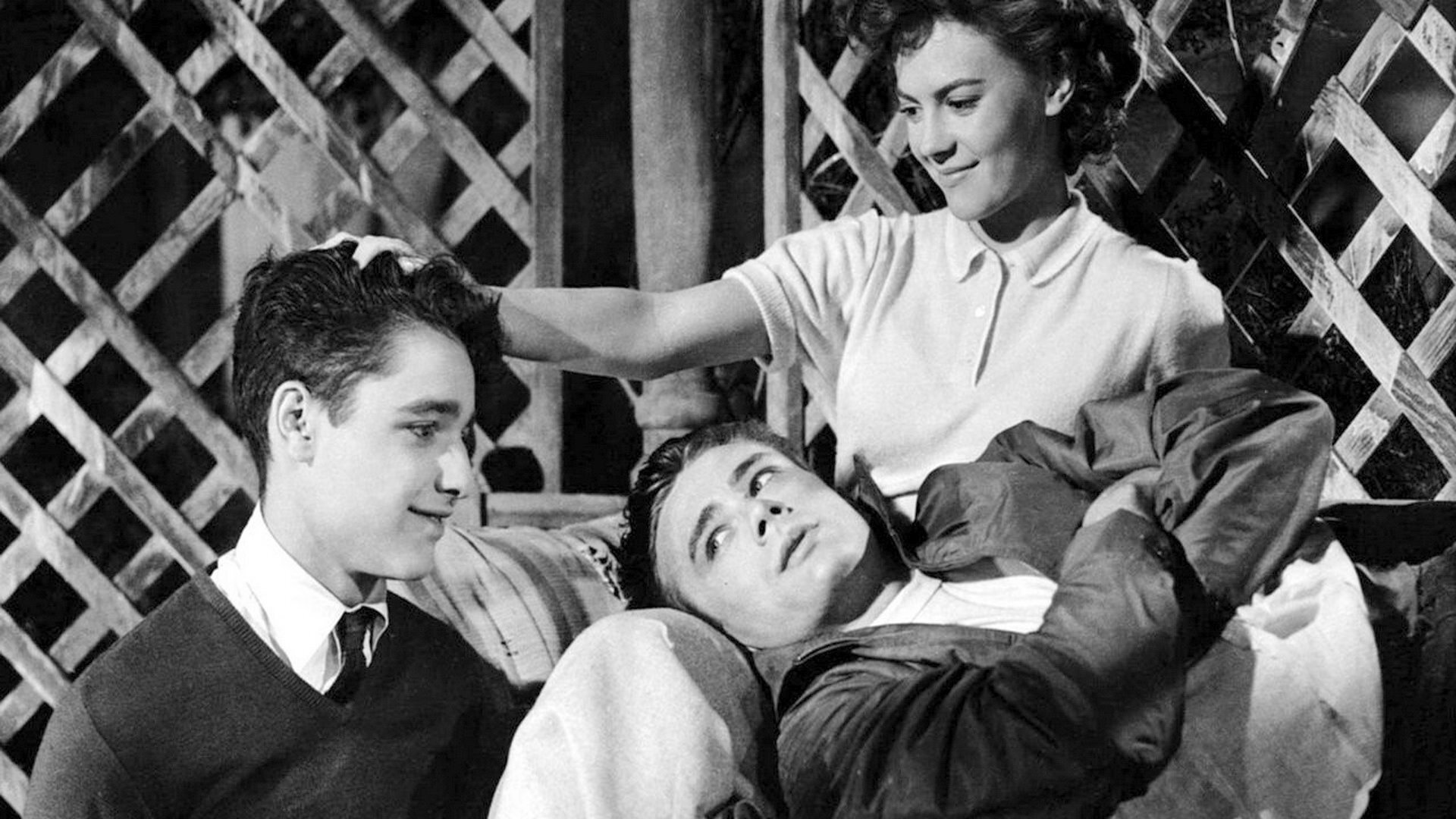
Rebel Without a Cause is a moving teenage drama, weakened by its habit of making the parents responsible for almost everything. Nicholas Ray takes the feelings of Jim Stark (James Dean), Judy (Natalie Wood) and John ‘Plato’ Crawford (Sal Mineo) seriously, including feelings they cannot explain or sensibly act upon. That patience makes the film worth seeing even when Stewart Stern’s screenplay makes the adults seem almost professionally unhelpful. The director allows distress to look awkward, and the young cast keeps that awkwardness from becoming something we can comfortably dismiss.
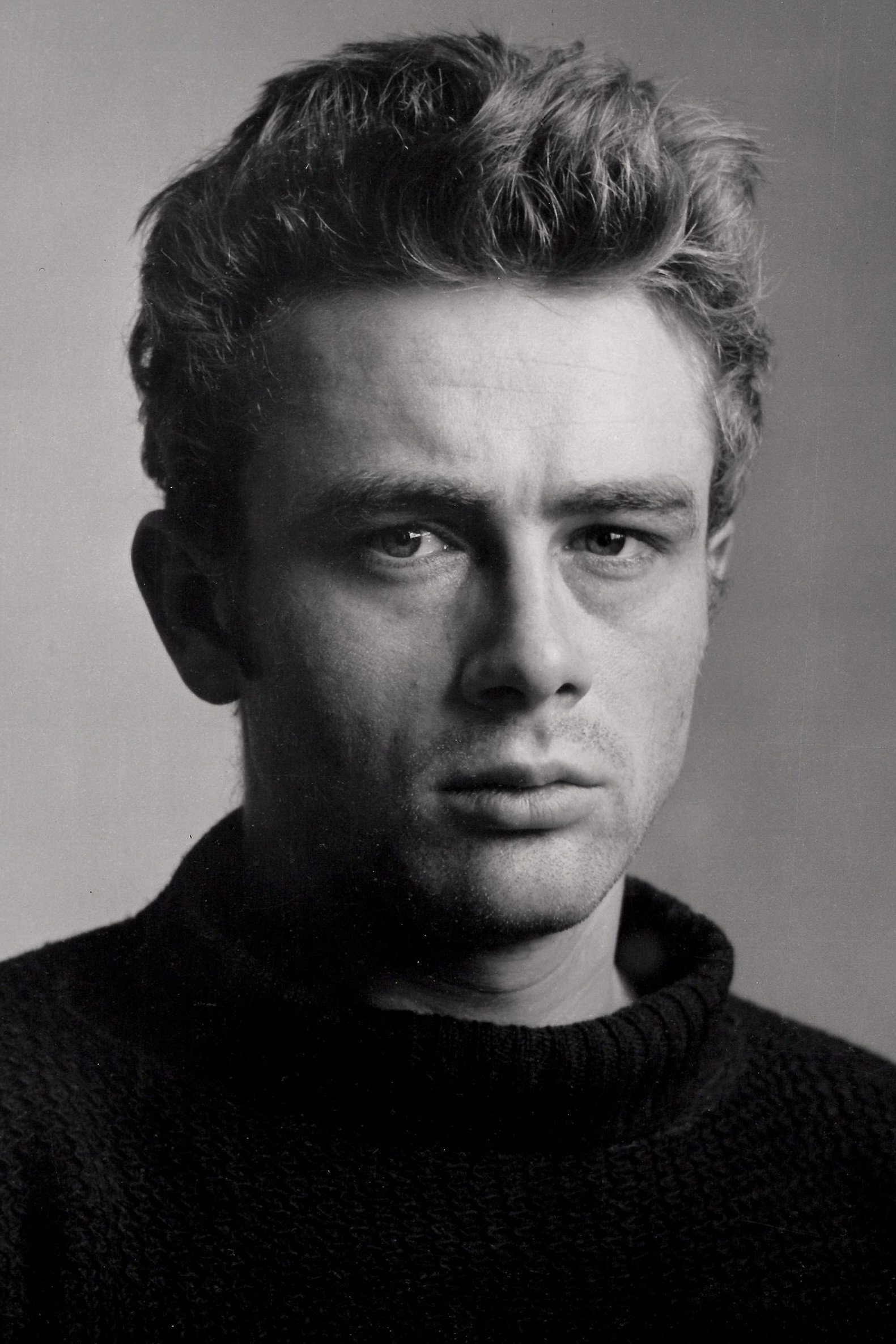
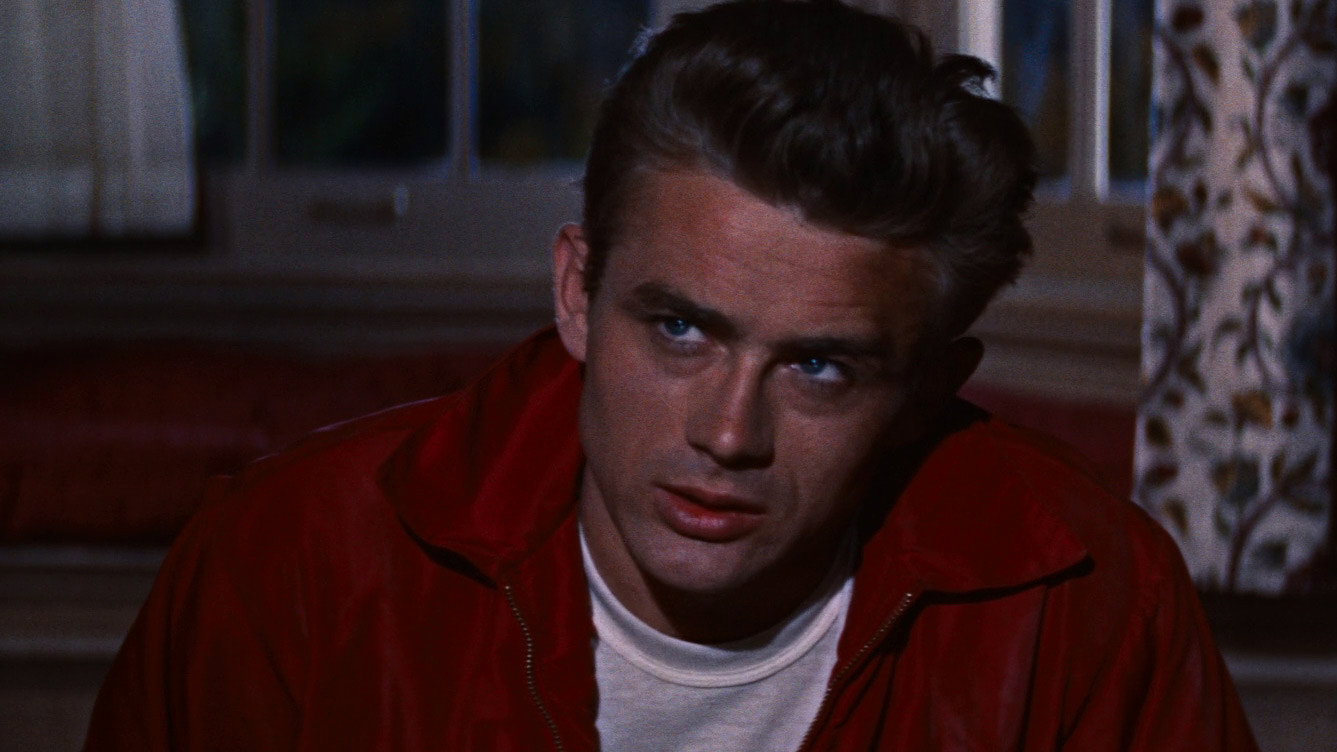
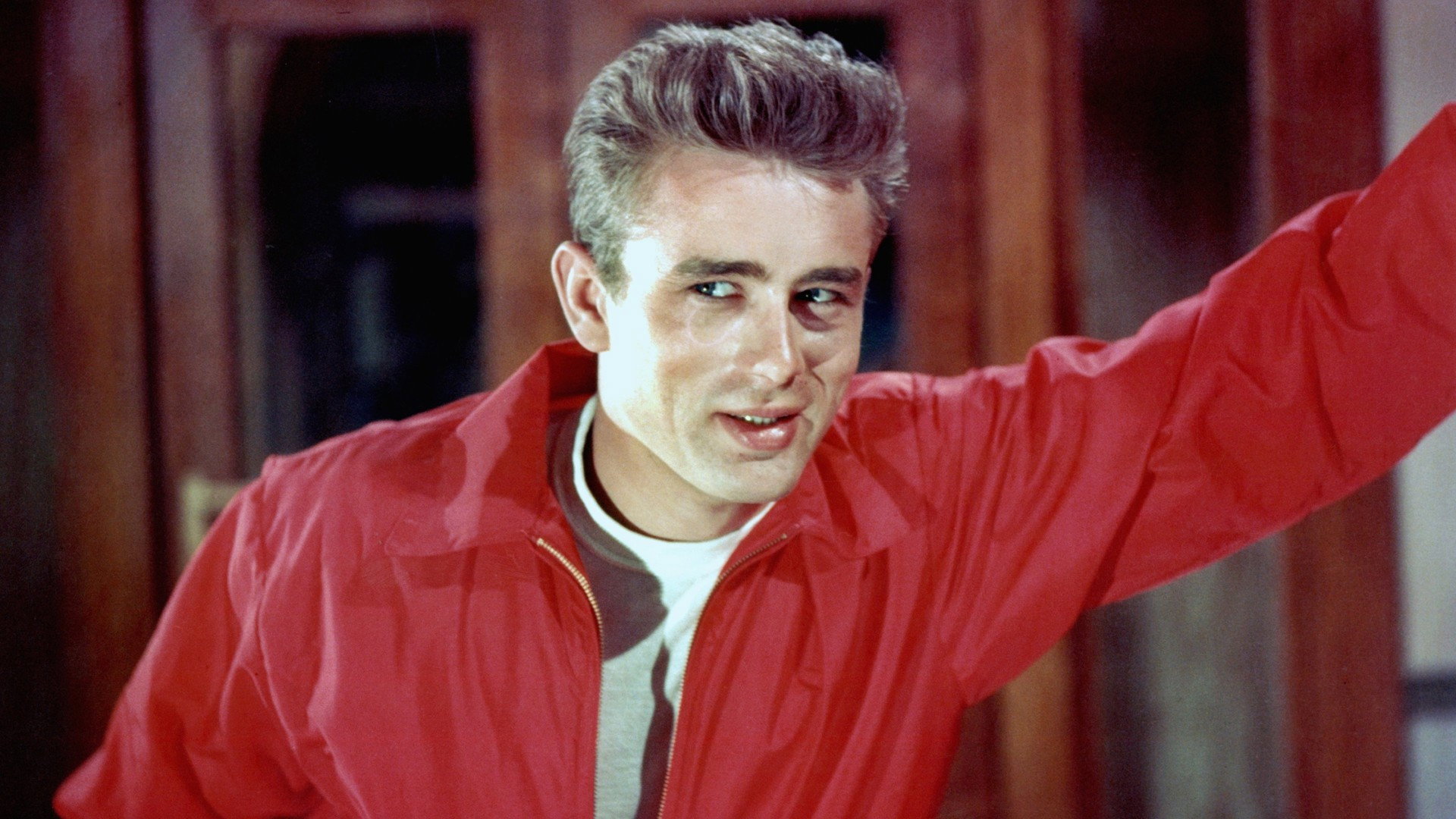
James Dean is funny as well as hurt, which matters in a film so ready to treat a teenager’s crisis as an emergency. His performance can seem excessive, but the excess feels like a young man failing to control how much he gives away. We were moved by Jim Stark in the opening police station scene, because the effort to be understood seems so humiliating. William H. Ziegler’s editing gives those encounters time to become uncomfortable; the opening introduces several unhappy people without making them feel like cases presented for discussion.
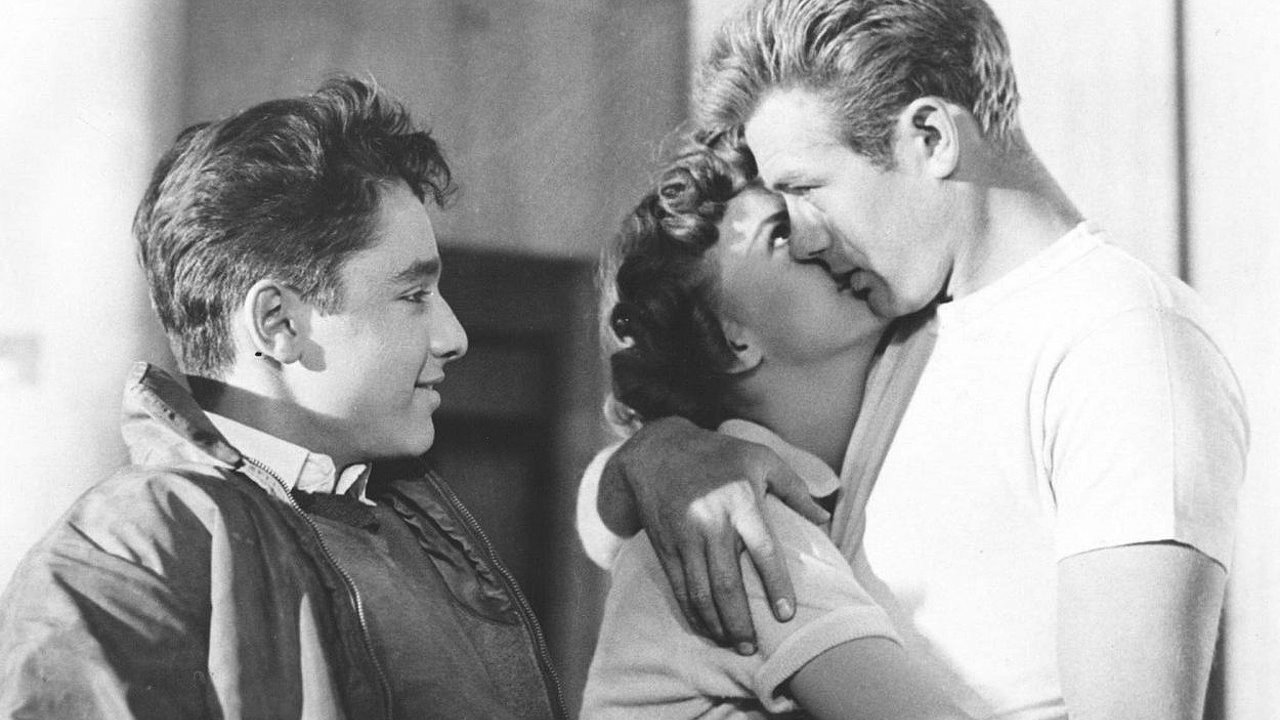
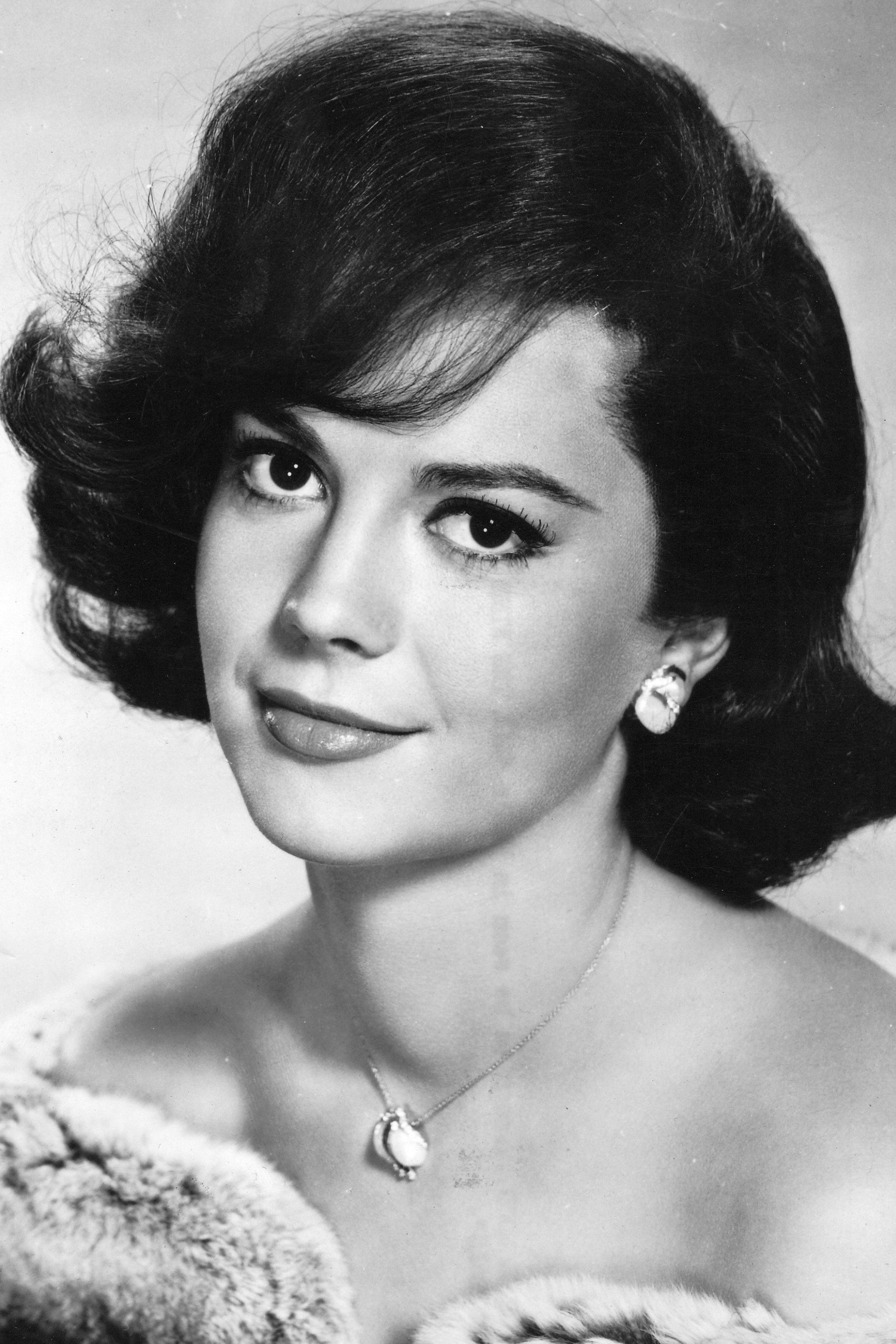
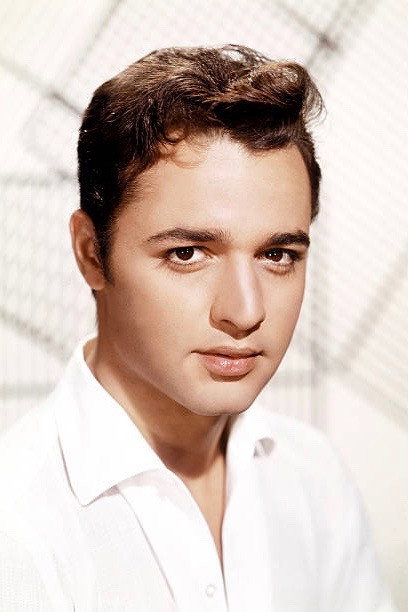
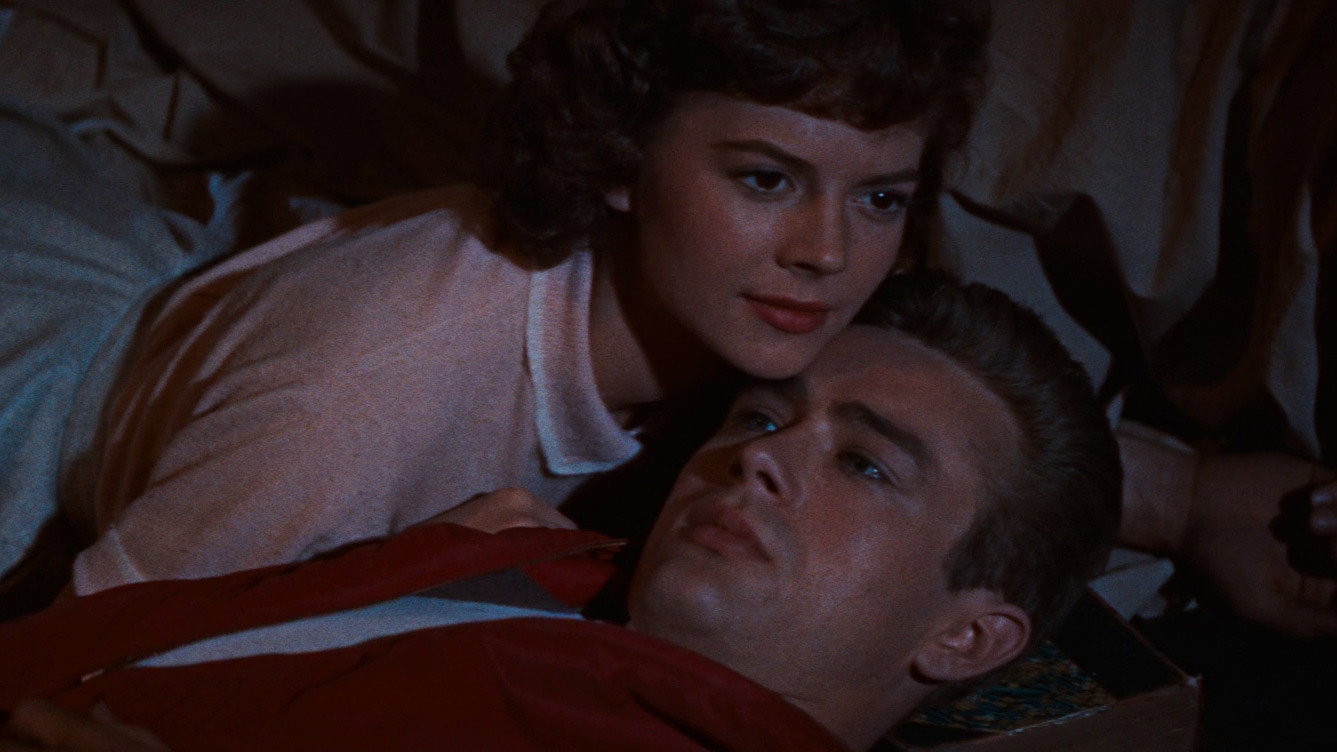
Natalie Wood gives Judy enough hurt and impatience to keep her from seeming merely available for the hero. The writing is less curious about her than it is about Jim Stark, and the performance has to make up some of that difference. Sal Mineo makes John ‘Plato’ Crawford’s need for affection especially hard to watch without wanting to protect him. Together, the three actors suggest attraction and sexual uncertainty without making every look easy to explain, and their wish for companionship feels urgent.
Ernest Haller’s colour photography uses the wide CinemaScope frame to keep us aware of how the young people fit together. The planetarium sequence is particularly effective, its large space adding to the unease rather than offering a pleasant diversion. Nicholas Ray’s fluid camera movement keeps the cast from looking like illustrations in a lecture about delinquency. Even in this imposing setting, the scene holds our attention through the discomfort of the people within it.
The trouble comes when the film tries to explain the children through their parents. Jim Backus plays Frank Stark and Ann Doran plays Carol Stark, and both suggest people with troubles of their own, despite the narrow way the roles are written. Even so, the adults are too often assembled to demonstrate what a family should not do, with too little curiosity about how they became that way. Leonard Rosenman’s score can also press too insistently on pain the actors have already made clear. A little less emphasis would have left more room for us to respond.
Among dramas about troubled teenagers, this remains worth returning to for how seriously it takes the need to belong. The teenagers can be foolish and exhausting, and Nicholas Ray lets them stay that way without withdrawing his affection. The fear of being thought a coward can sound a thin basis for a crisis, but James Dean makes the pressure to prove himself credible. We need not accept the film’s account of parenting to recognise the loneliness of these young people. Watch it for the three leads, and allow the parents a defence the screenplay is reluctant to provide.