Critics’ reviews

Rebel Without a Cause (1955)

14 reviews from 14 publications. Critics’ score 74: 11 positive, 1 mixed, 2 negative.

Back to our review of Rebel Without a Cause

74
Positive
11
Mixed
1
Negative
2

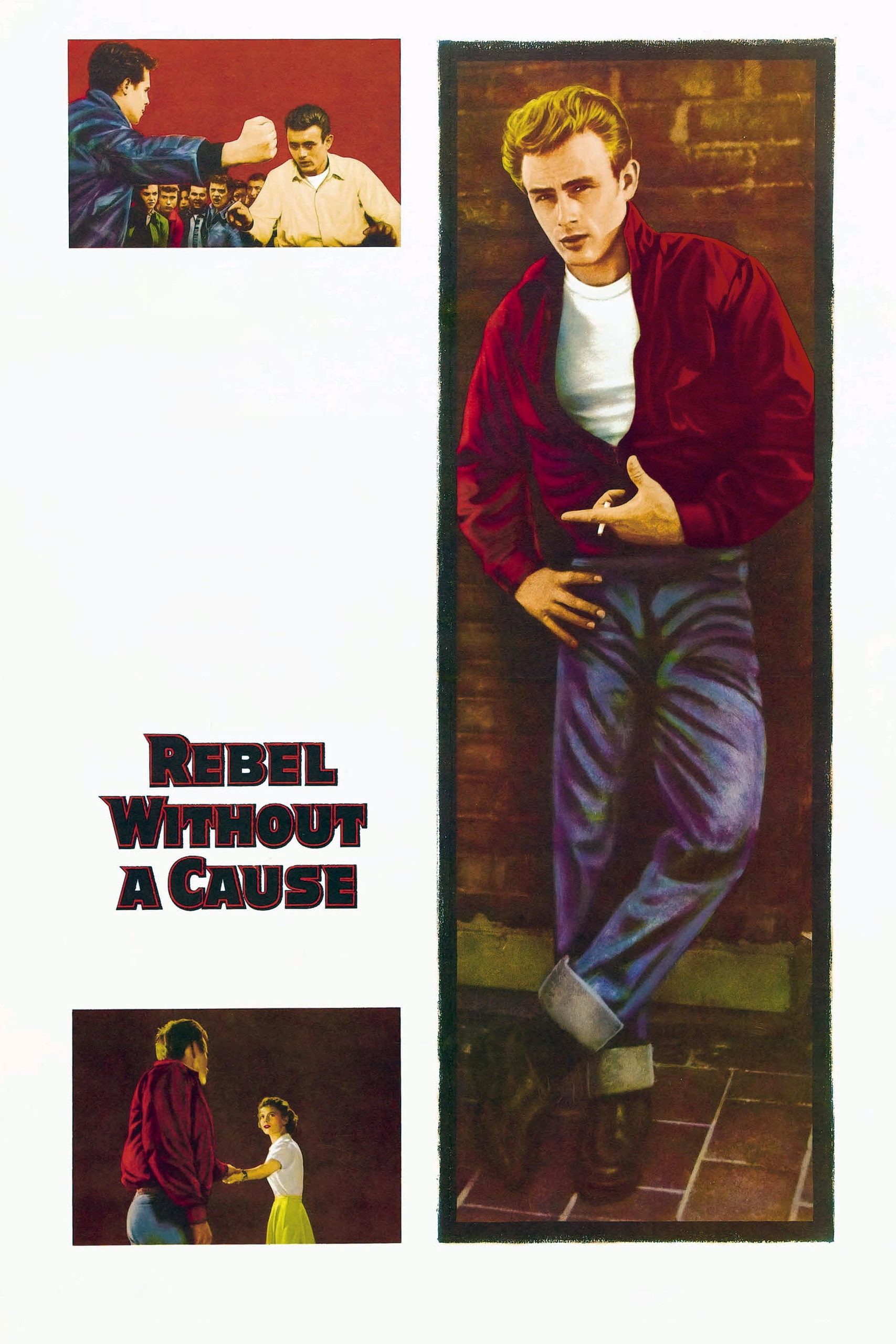
Most critics respond warmly to Rebel Without a Cause, with praise centred on James Dean’s emotionally exposed performance and Nicholas Ray’s sympathetic direction. The young ensemble also earns strong notices, particularly for the uneasy intimacy between Dean, Natalie Wood and Sal Mineo. Across the favourable reviews, Ray’s camerawork, use of colour and attention to adolescent longing keep the drama forceful, even where its attitudes show their age.

The spread is wide, however, and the disagreements concern more than dated manners. Reservations cluster around caricatured parents, overheated melodrama and a superficial explanation of juvenile delinquency. The Hollywood Reporter admires the acting and direction but questions the blame placed on parents. The New York Times takes that objection further, finding the account of troubled youth dangerously distorted. The New Yorker is colder still, treating the rebellious behaviour as tedious and the film as badly in need of discipline itself.

Radio Times
★★★★★ · Tom Hutchinson
100

The theme of the alienated teenager has never been done better in this classic drama, with superb performances from the youthful cast under Ray's control. Dean's heartfelt portrayal is especially memorable.

Read the full review →
Slant Magazine
16 April 2023 · Dan Callahan
90*

The critic calls the film profoundly romantic and lacerating, James Dean’s best work and high in Ray’s canon, praising its timeless poetic longing, Dean’s emotionally direct performance, Ray’s affectionate direction of the young cast, the primal mansion sequence, and the devastating tragic ending. He notes some dated elements like cartoonish parents but highlights the film’s insight into adolescence and sexuality.

Read the full review →
Empire
11 April 2014 · David Parkinson
85*

The critic calls it a teenpic landmark and the best-directed film in the genre, noting its empathetic insight into juvenile alienation that remains relevant. They single out James Dean's scene-stealing Method performance and the exemplary ensemble playing.

Read the full review →
Time Out
· GA
85*

The film is Dean's finest, powered by Ray's precise expressionist direction that serves the characters' emotions and depicts the central trio as an alternative family. It remains the best of the youth movies.

Read the full review →
Evening Standard
17 April 2014
80*

The critic praises the recently restored 1955 teen classic for looking and sounding exceptionally vivid, making the heart thump with its intensity. They highlight James Dean's comedic and tortured performance as Jim Stark, along with the edgy chemistry and sexual confusion among the young cast including Sal Mineo and Natalie Wood.

Read the full review →
RogerEbert.com
19 June 2005 · Roger Ebert
80*

Ebert observes that the film has not aged especially well and Dean's performance feels like a lesser version of Brando, yet notes its enormous influence on depictions of youth culture at the time. He singles out the subversive energy bubbling beneath the melodramatic surface and the urgent but unexamined emotions that give the film lasting fascination despite its flaws.

Read the full review →
The Times
5 May 2005 · Wendy Ide
80*

This re-release highlights James Dean's mesmerising performance as the standout element in the story of disaffected youth. Nicholas Ray's fluid camerawork makes the film feel alive and unpredictable.

Read the full review →
The Hollywood Reporter
27 October 2016 · Jack Moffitt
70*

The critic praises the film's extraordinarily good acting by James Dean, Natalie Wood, and Sal Mineo, Nicholas Ray's outstanding direction, realistic police station scenes, and accurate dialogue capturing youth, while noting it should be a commercial success. He criticizes the superficial treatment of juvenile delinquency and the implication that parents bear sole responsibility for the problem.

Read the full review →
Variety
26 October 1955 · Robert J. Landry
70*

Landry describes it as a fairly exciting, suspenseful and provocative melodrama of unhappy youth, praising director Nicholas Ray for bringing out redeeming touches of human warmth and James Dean for an effective performance as a boy groping for adjustment. He notes it may draw criticism from civic groups like similar delinquency films.

Read the full review →
The Guardian
17 April 2014 · ★★★ · Peter Bradshaw
60

The 1955 teen drama has some stuffy, faintly reactionary elements but James Dean delivers an extraordinary performance with feline potency. The opening police station scene and planetarium sequence stand out as brilliant and charged.

Read the full review →
The New York Times
30 October 1955 · Bosley Crowther
40*

Crowther views the film as a desperate and dangerous distortion of disturbed youth by placing nearly all blame on parents and police for failing to understand the characters. He finds the central story of a teen's phobia about being called 'chicken' dramatically potent but excessively sensationalized.

Read the full review →
The New Yorker
29 October 1955 · John McCarten
30*

McCarten finds the delinquents a terrible lot whose antics with switchblades become tedious, and suggests the real problem is lack of discipline rather than insufficient parental love. He notes that the two hours the film takes to exhaust itself pass slowly.

Read the full review →
Digital Spy
13 April 2014 · Stella Papamichael
90*

The critic calls it a timeless classic that still captures teenage angst and defiance, praising the digitally restored print and James Dean's iconic, wave-like performance as the embodiment of youthful rebellion. Ray's direction is highlighted for its psychological depth and classical tragic structure.

Read the full review →
Eye for Film
23 December 2006 · Chris
85*

The critic finds the film remains dynamic and edge-of-the-seat viewing decades later, crediting its expert psychological profiling, distinguished Method acting and evocative use of Cinemascope and colour. They single out James Dean's iconic performance as the launch of an enduring symbol of teenage angst and non-conformist masculinity.

Read the full review →

Ordered by the weight we give each publication, then by score. Scores are normalised to 100; * means inferred from an unrated review. Summaries are ours, not quotations; follow the links for the reviews themselves. How we rate