Andrea Arnold’s teenage drama is tense, compassionate and carried by Katie Jarvis’s unforced performance. The writing sometimes makes Mia’s troubles too pointed, but the dance scenes and fraught encounters with Michael Fassbender make this worth the discomfort.
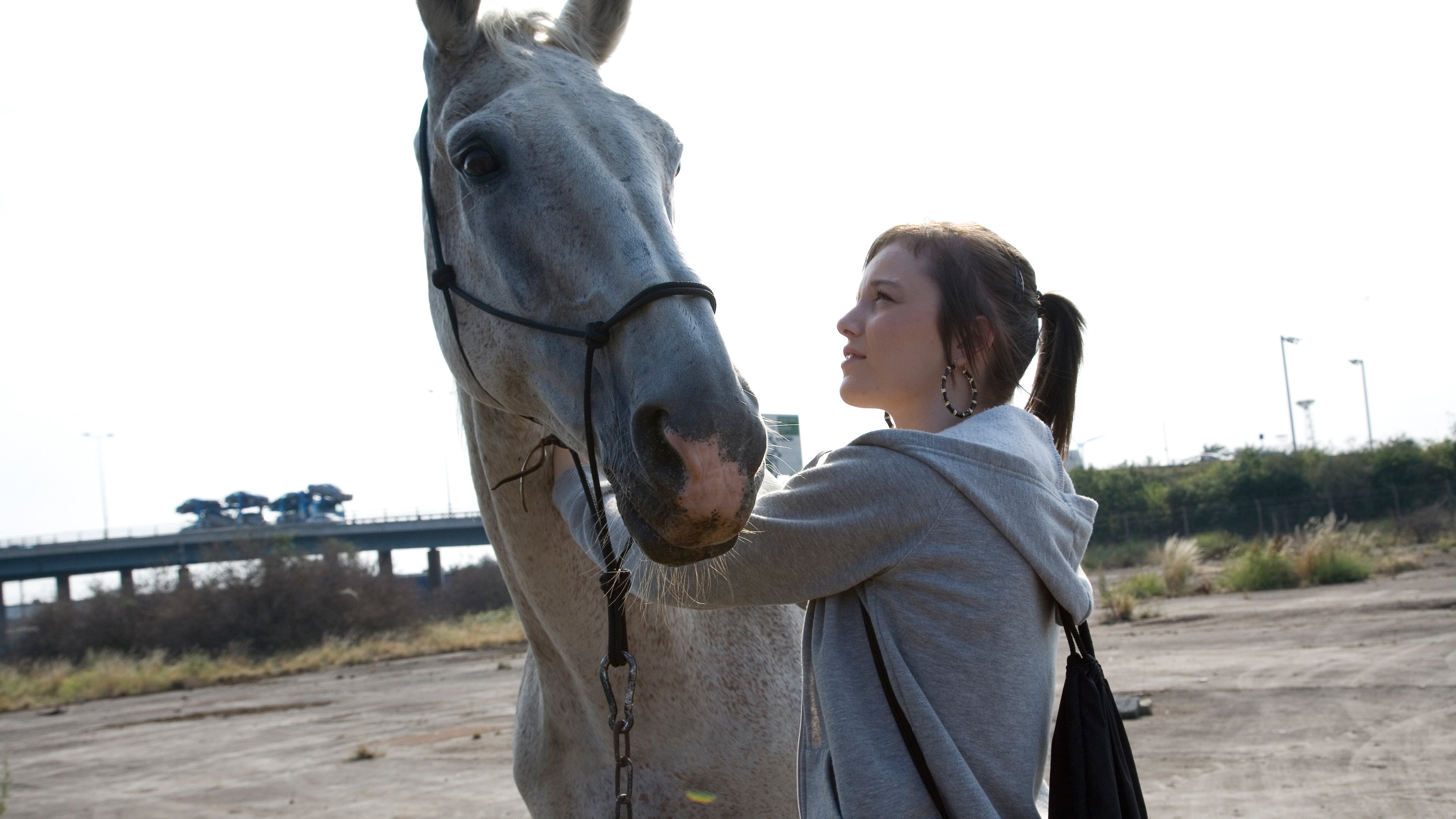
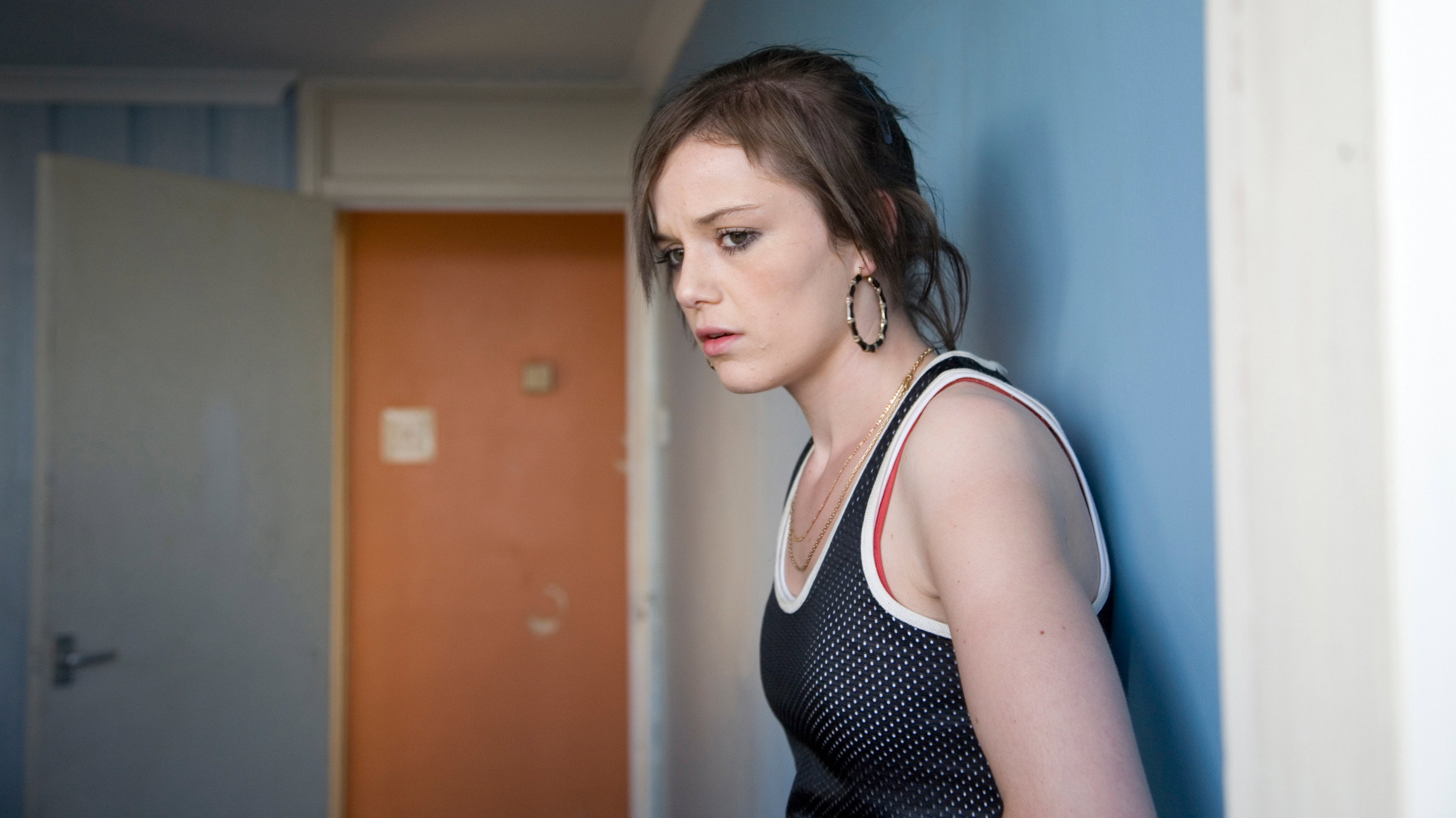
Andrea Arnold’s Fish Tank is a tough, moving drama that understands how much a teenager can conceal by being difficult. Katie Jarvis plays Mia Williams, growing up on an Essex estate among adults whose attention is not always something to welcome. We recommend it warmly, despite writing that occasionally works too hard to make her circumstances worse. Arnold writes and directs with a closeness to Mia that makes even her least appealing behaviour worth watching.
Jarvis is especially good at letting embarrassment and defiance coexist. The dance scenes moved us more than we expected. Jarvis makes Mia’s effort look so personal that judging her ability feels beside the point, and the awkwardness gives those scenes their ache. Arnold allows her to want something without promising that wanting it will be enough, and Jarvis makes that desire convincing without asking for our sympathy.
Michael Fassbender’s Connor O’Reily gives the film a different sort of tension. His scenes with Jarvis are charged because adult attention can feel flattering before its dangers are understood, and Arnold is alert to the confusion that creates. Fassbender makes those exchanges unsettling without treating every moment as a warning. Kierston Wareing, as Joanne Williams, contributes to family scenes in which affection and hostility can be hard to distinguish.
Robbie Ryan’s cinematography keeps us close enough to Mia to notice the uncertainty beneath her aggression. The cramped estate feels inhabited, with people who demand attention even when they are behaving badly. Helen Scott’s production design supports that intimacy, giving the domestic scenes a convincing sense of restricted space. The stretches of countryside offer a welcome change of scale, but Arnold does not suddenly turn the film into a promise of escape.
Phonso Martin is credited for music, and the dance scenes are where the film’s use of music matters most. They let Mia occupy our attention without having to provoke somebody first. Nicolas Chaudeurge’s editing gives Jarvis welcome room, but is less successful at keeping the drama from labouring its point. At 123 minutes, the film could lose some of its insistence without losing its closeness to her.
Arnold’s writing is most convincing when the relationships are allowed to stay untidy. When she makes Mia’s difficulties accumulate so deliberately, the girl begins to seem less free to surprise us. That is a familiar risk for social-realist drama, and the film does not entirely avoid it. Jarvis keeps the frustration manageable, because her awkwardness and vulnerability make more persuasive sense than some of the plotting.
Allow for a difficult evening, and for a film that sometimes takes too long to say something we have understood. There is enough tenderness here to keep the experience from becoming punishing. We recommend it to anyone willing to give Mia more patience than she is likely to give them.