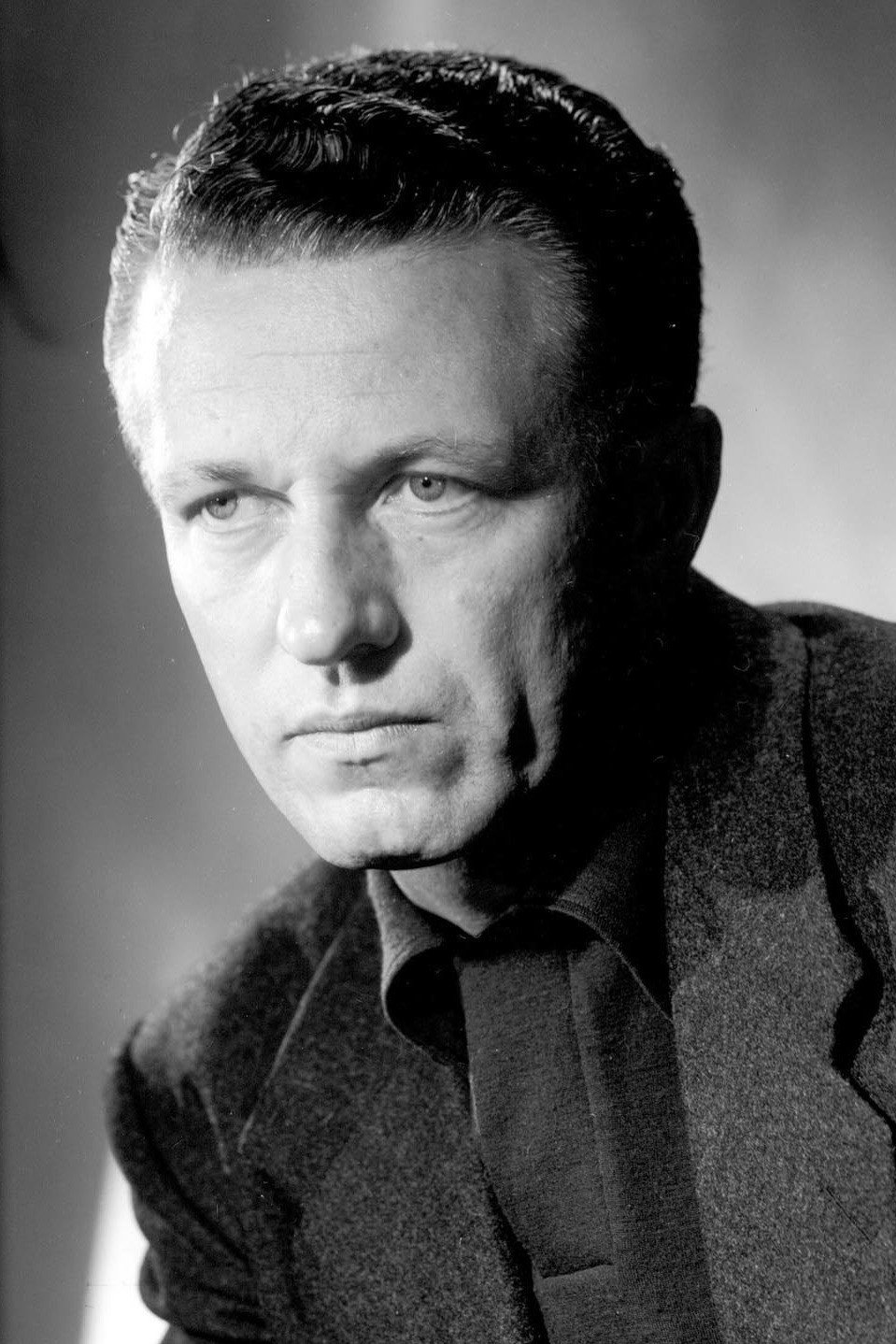
Nicholas Ray makes lonely, difficult people worth our patience, using colour and space to show their struggle to belong. We recommend his work for that sympathy, with reservations when the people around his outsiders are drawn too simply.
Fi1m perspective
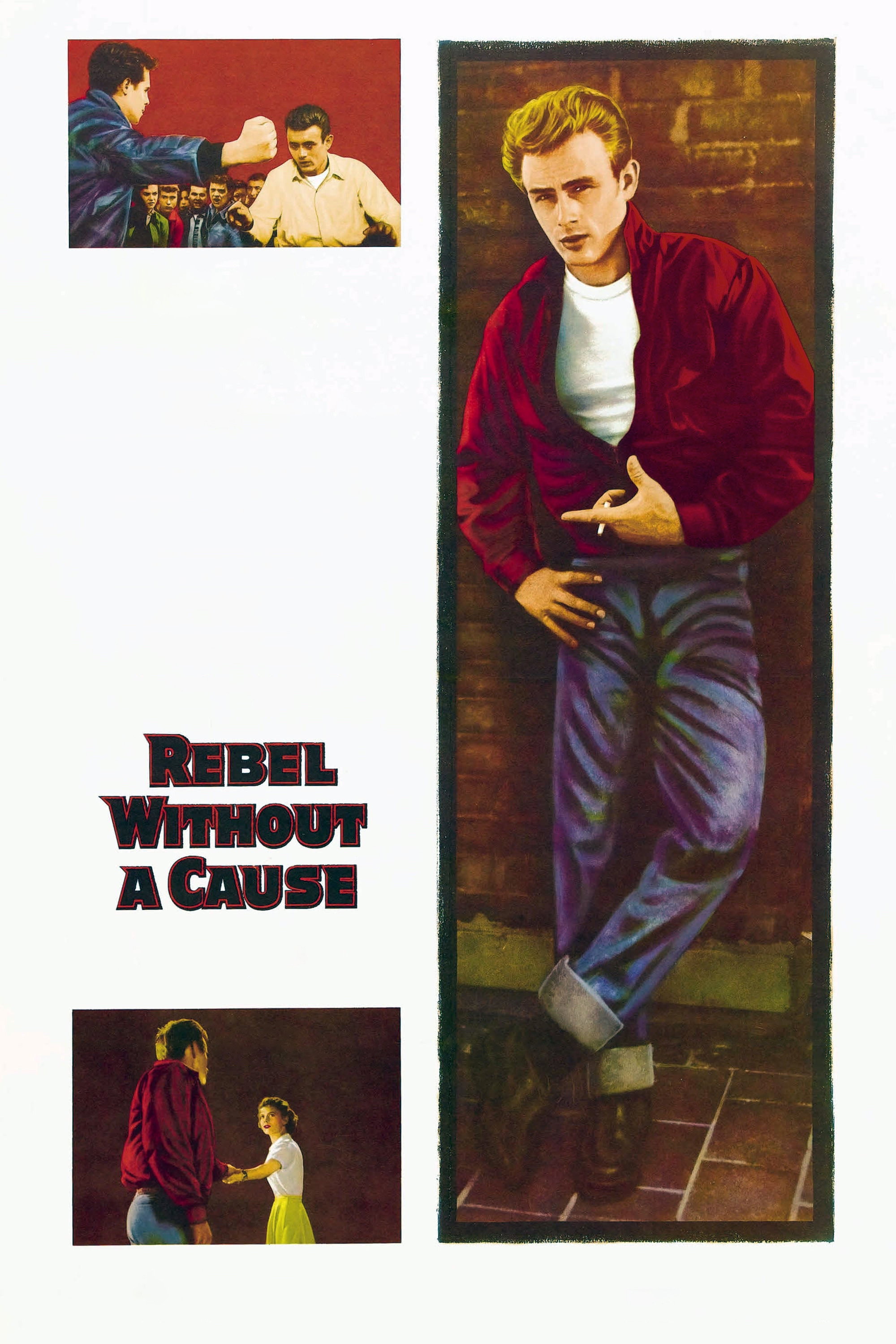
The planetarium in Nicholas Ray’s Rebel Without a Cause (1955) gives the teenagers plenty of room without making them any more comfortable. Cinematographer Ernest Haller’s colour photography uses the wide CinemaScope frame to make us notice how the young people fit together. Ray keeps the camera moving, holding our attention on their discomfort rather than inviting us to admire the building. We were moved by James Dean, Natalie Wood and Sal Mineo because their need to belong remains awkward, sometimes foolish, and recognisable. Ray lets them be exhausting without suggesting that their unhappiness deserves less attention.
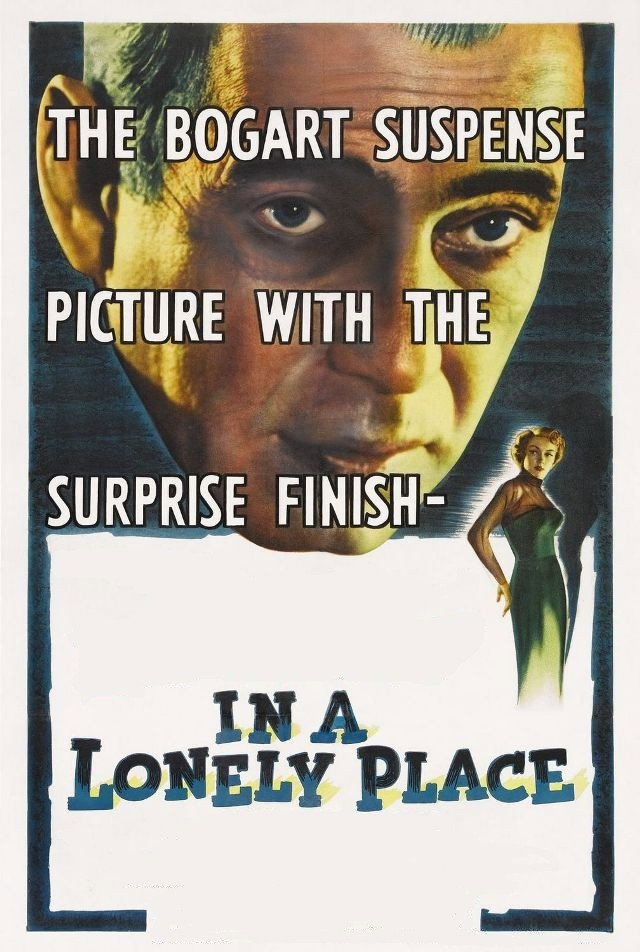
His first feature, They Live by Night (1949), already put young outsiders at the centre. The productive Hollywood run of the 1950s took that concern through noir, westerns and melodrama. In a Lonely Place (1950) approaches isolation through a troubled romance, while Johnny Guitar (1954) makes bold use of colour within a western. The settings change, but Ray keeps returning to people who cannot settle into the lives expected of them.
The parents in Rebel Without a Cause deserve more patience than Ray gives them. Stewart Stern’s screenplay makes the adults responsible for almost everything, and their persistent failure to help starts to look convenient. Dean makes Jim Stark’s fear of being thought a coward credible enough to carry the drama through these simplifications. Ray takes Jim’s feelings seriously even when the boy cannot explain them or act sensibly upon them. We recommend the film warmly, but its account of parenting is much less convincing than its three young leads.
The later studio productions King of Kings (1961) and 55 Days at Peking (1963) brought his commercial career to an end. Teaching and experimental work followed. Start with Rebel Without a Cause, and give its teenagers the patience they seldom receive from the adults on screen.
Biography
Nicholas Ray (born Raymond Nicholas Kienzle Jr.; 7 August 1911 – 16 June 1979) was an American film director and screenwriter. He was born in Galesville, Wisconsin, and studied briefly at the University of Chicago and at Frank Lloyd Wright’s Taliesin.
Ray assisted Elia Kazan on A Tree Grows in Brooklyn (1945) before making his directorial debut with They Live by Night (1948). His credits include In a Lonely Place (1950), Johnny Guitar (1954), Rebel Without a Cause (1955, for which he received an Academy Award nomination for Best Story), Bigger Than Life (1956), King of Kings (1961) and 55 Days at Peking (1963). He also contributed to the experimental film We Can't Go Home Again in the 1970s.