Francis Ford Coppola’s war film is frightening, absorbing and worth the discomfort. We recommend it without hesitation, though its later stretches sometimes labour over thoughts that the fighting has already made horribly clear.
We would recommend Apocalypse Now even to people who generally avoid war films. That is no promise of an easy evening. Francis Ford Coppola wants the fighting to disturb our judgement as well as our nerves, and for long stretches he manages both. The Vietnam War becomes frightening partly because the men carrying it out can seem so assured. We keep looking for someone whose authority deserves our confidence, and the performances keep making that difficult.
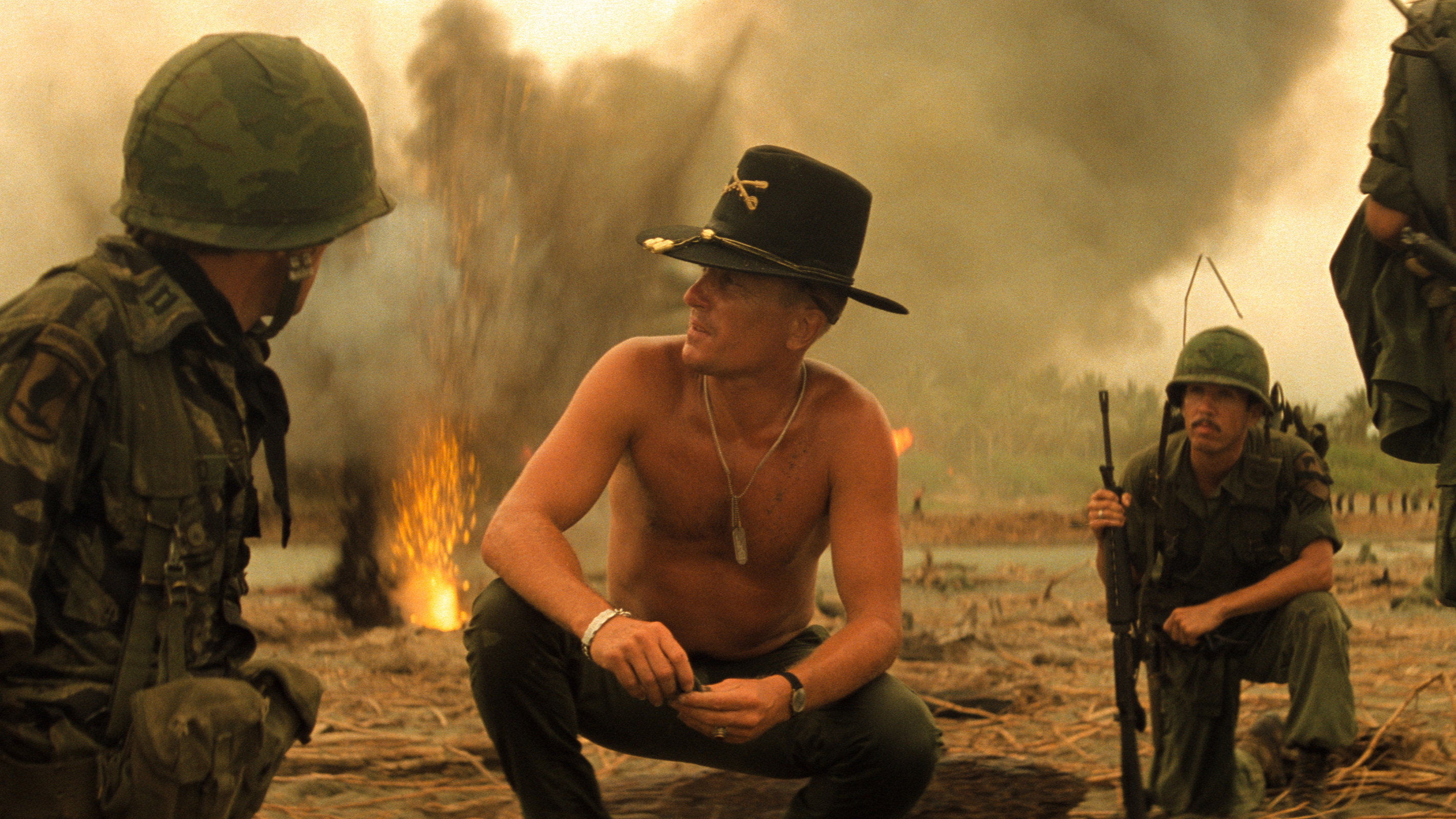
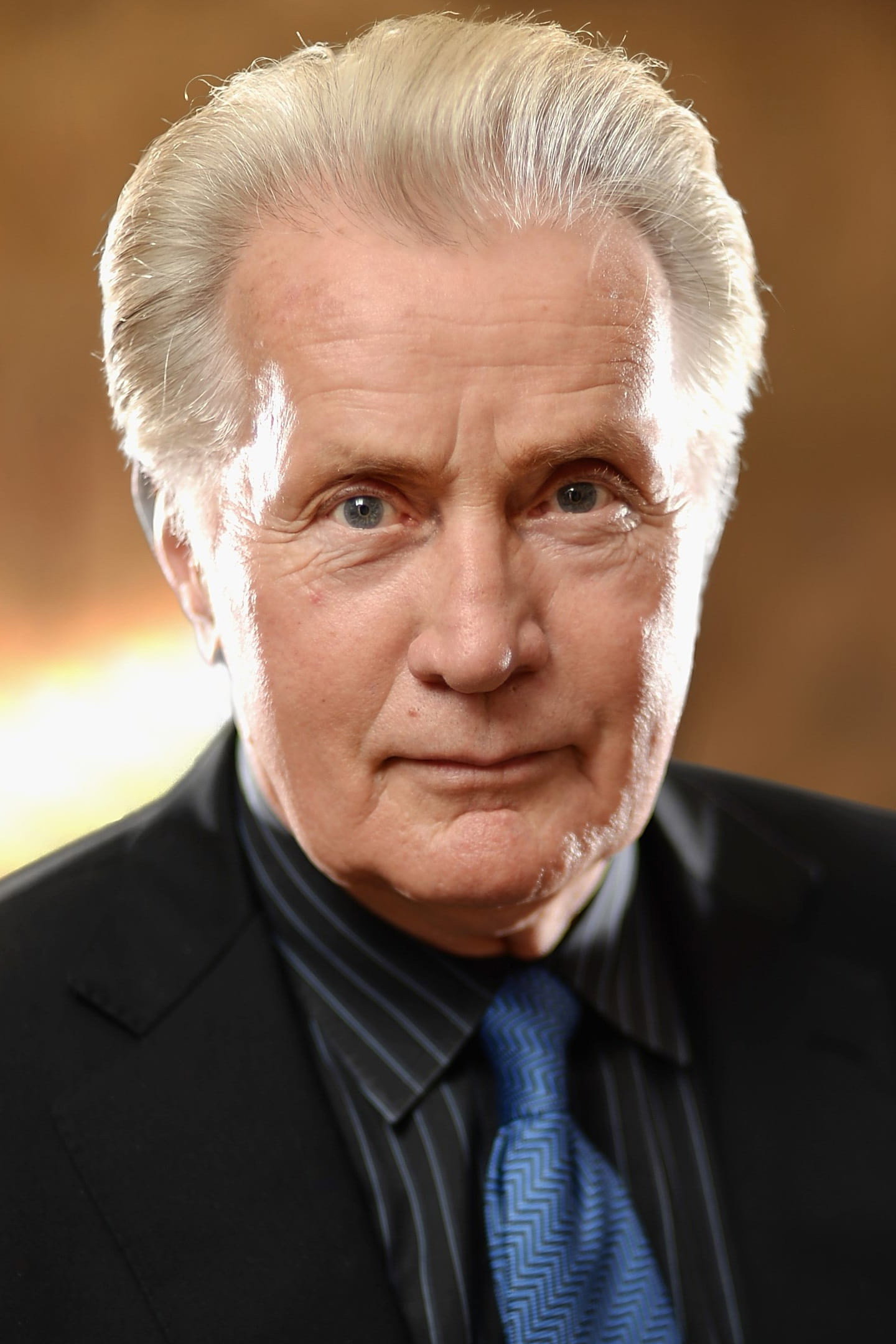
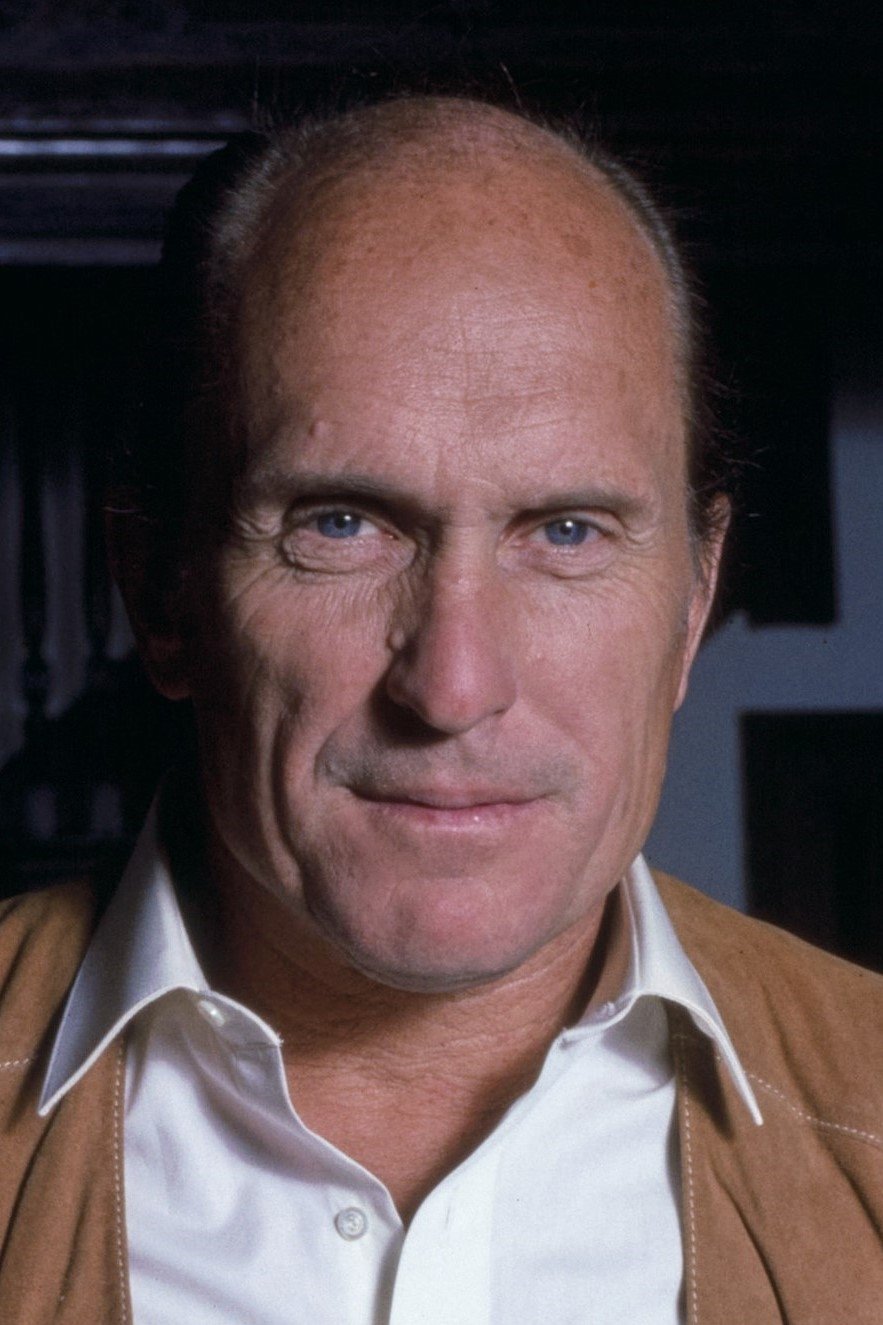
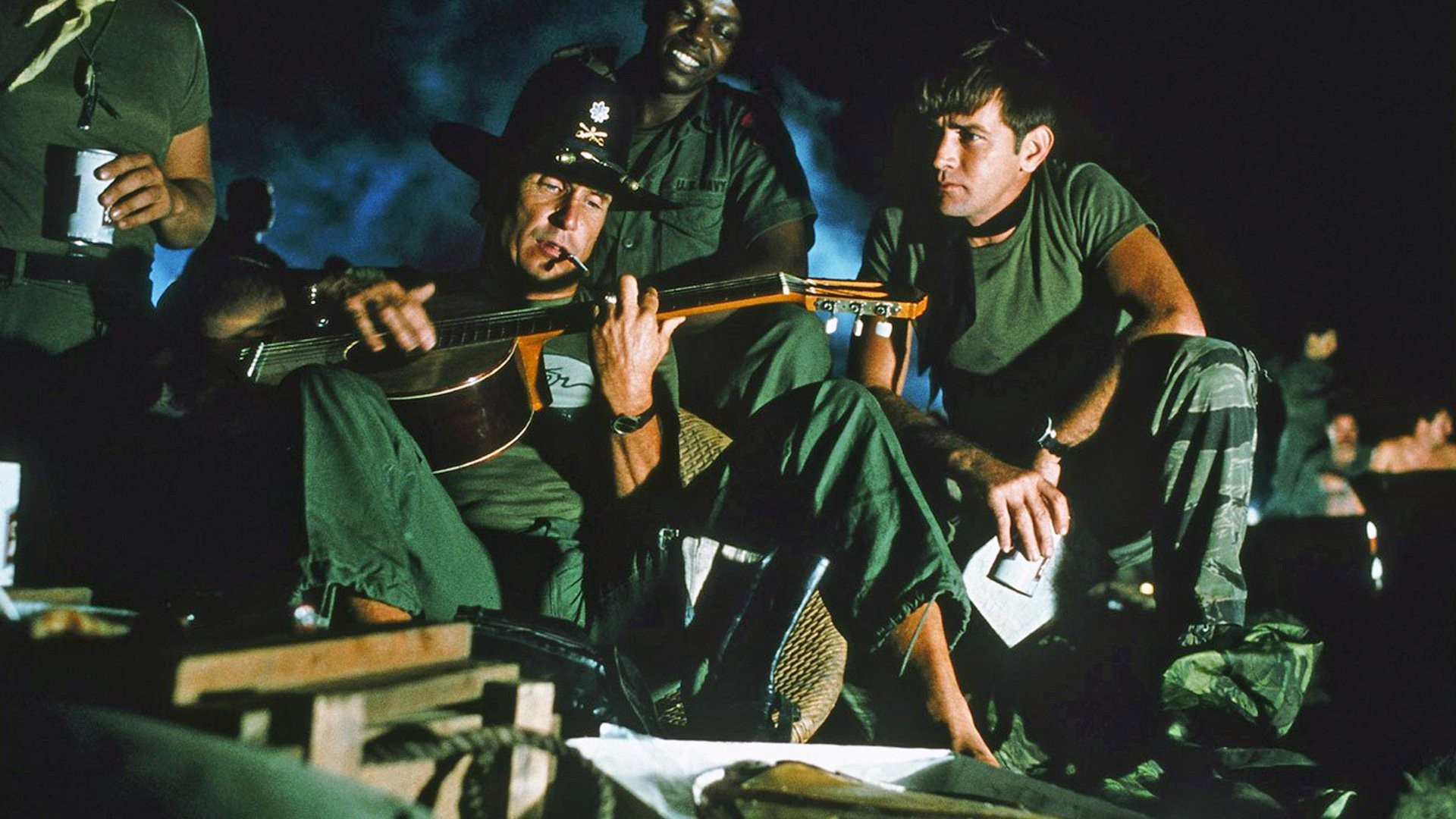
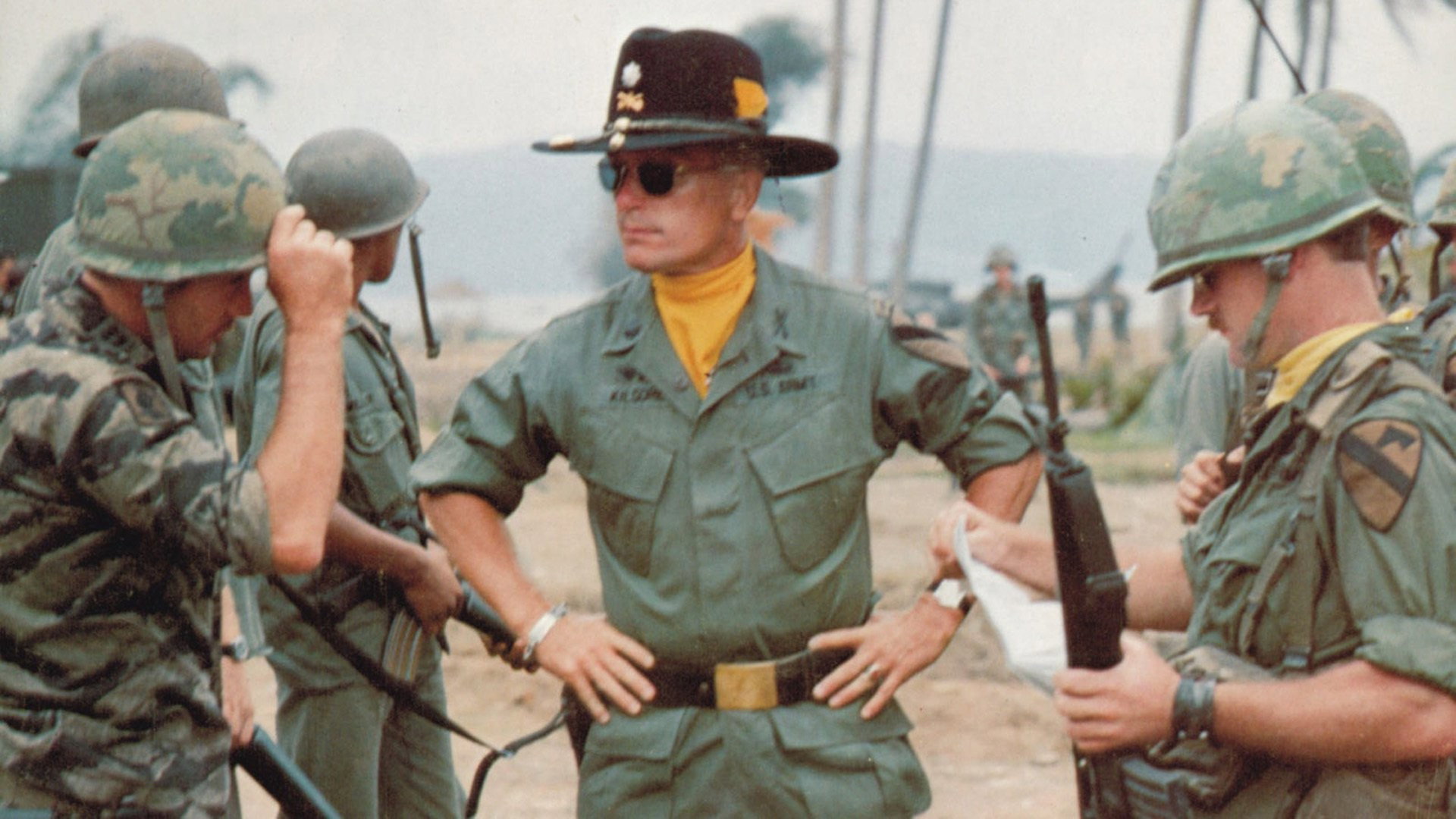
Martin Sheen’s Captain Benjamin Willard gives us a face we can keep watching when the film threatens to become too much. Sheen keeps the performance contained, making attention itself seem exhausting; he does not compete with everything Coppola puts around him. Robert Duvall takes the opposite approach as Lieutenant Colonel Bill Kilgore, making certainty so forceful that it becomes alarming. Duvall is funny without making the officer harmless. The humour unsettles because the confidence behind it is also entirely convincing.
Vittorio Storaro’s photography makes the Air Cavalry assault look orderly enough to admire before its violence has properly registered. We were horrified by the attack, and disturbed by how eagerly we had watched its approach. The careful arrangement of the aircraft makes the destruction harder to dismiss as somebody else’s madness. Coppola understands the appeal of military power well enough to make it dangerous to watch. That does not excuse every beautiful image here, but the assault gives this troubling way of photographing warfare a purpose.
Editors Walter Murch, Gerald B. Greenberg and Lisa Fruchtman give the action enough clarity for that response to develop. We can take in the size of an assault without the cutting turning every movement into another jolt. The difficulty comes in sustaining attention once spectacle gives way to more deliberate, troubled encounters, and the editing mostly lets the actors set the pace. The music by Francis Ford Coppola and Carmine Coppola adds a further unease, making the fighting difficult to settle into as entertainment. The sound keeps us tense through passages where the pace slows.
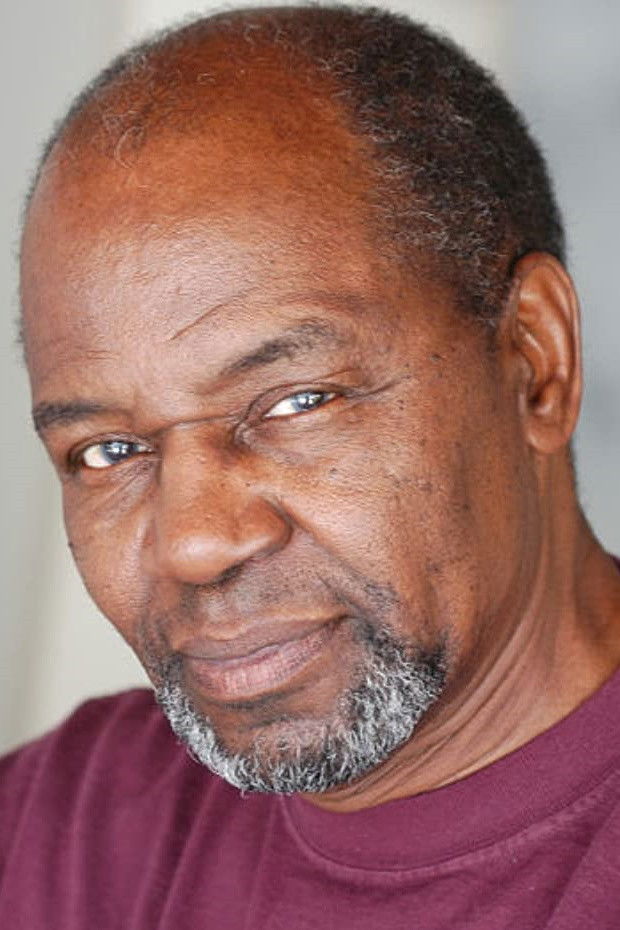
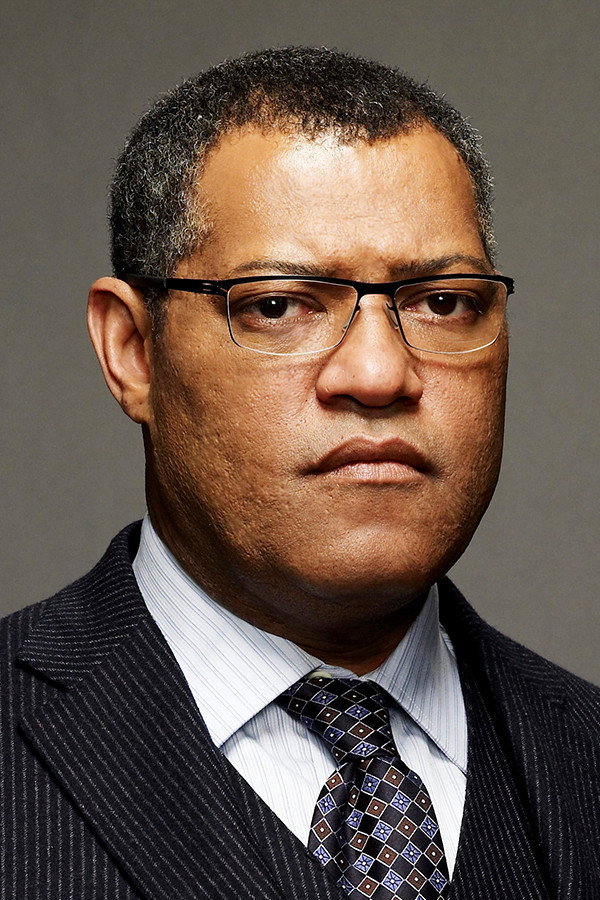
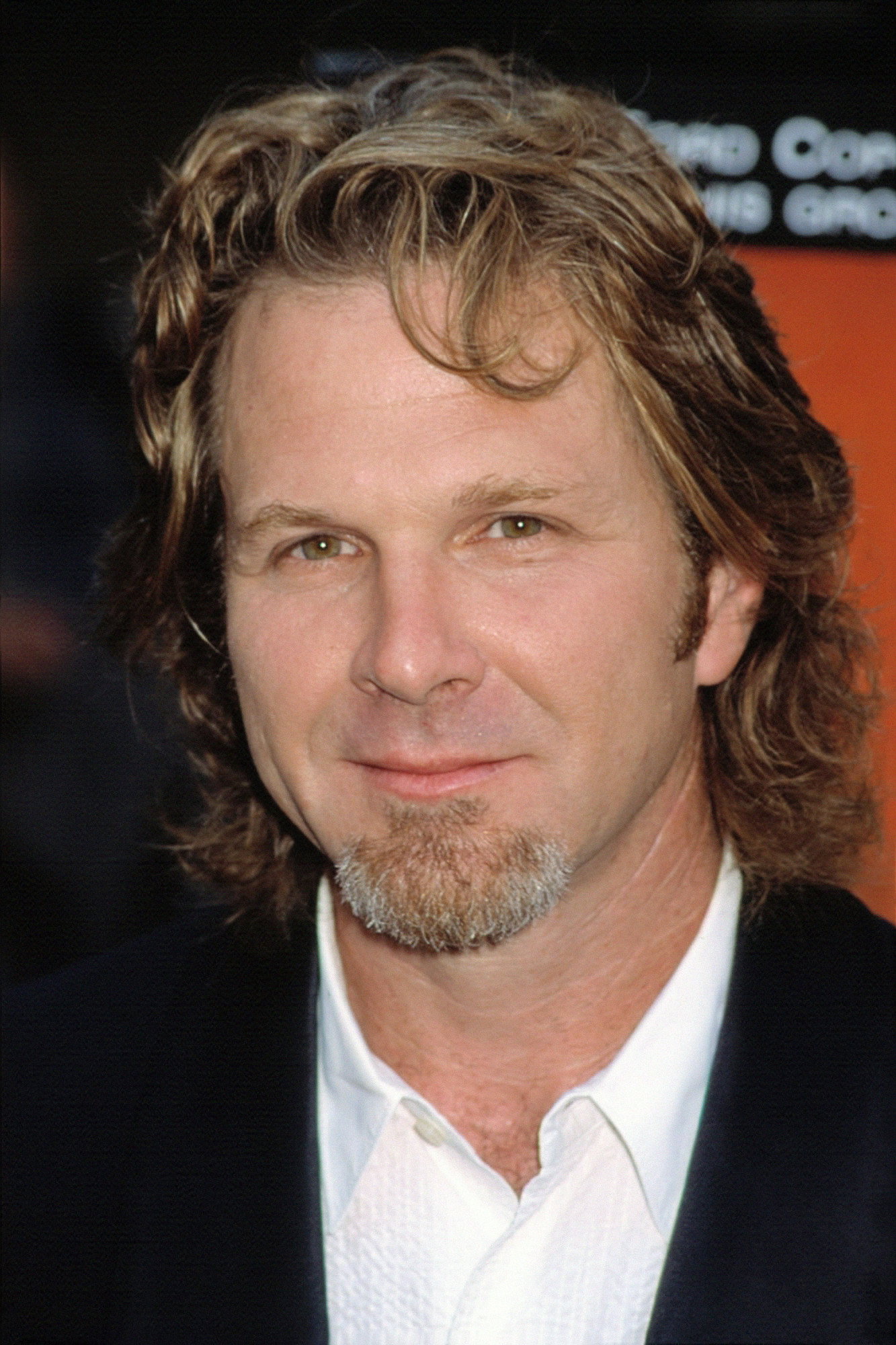
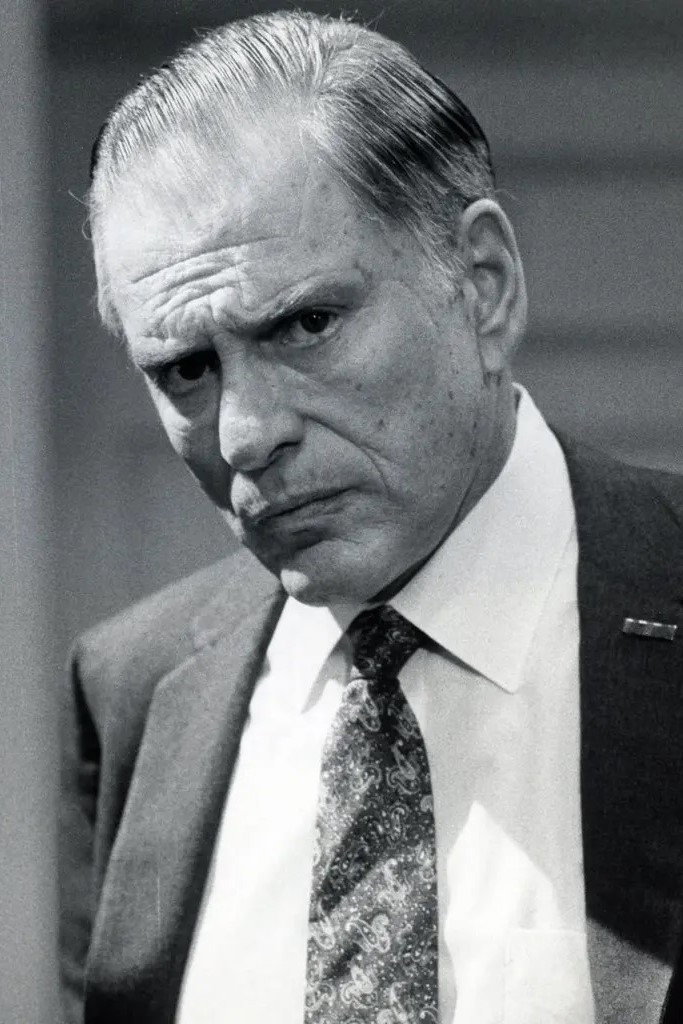
Dean Tavoularis’s production design gives the warfare a physical weight that holds up against Coppola’s increasingly strange way of presenting it. There is enough disorder in the surroundings to keep the soldiers from looking like actors placed in front of an impressive backdrop. Albert Hall, Frederic Forrest, Laurence Fishburne and Sam Bottoms help for much the same reason. Their performances give the film people worth attending to beyond its officers, and make its talk about damaged humanity feel earned.
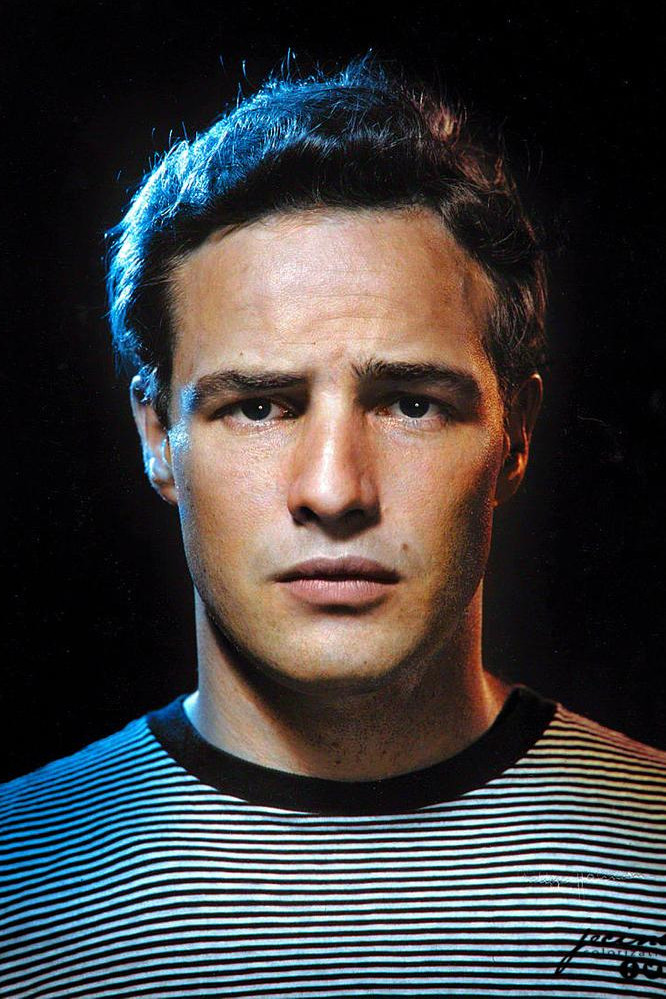
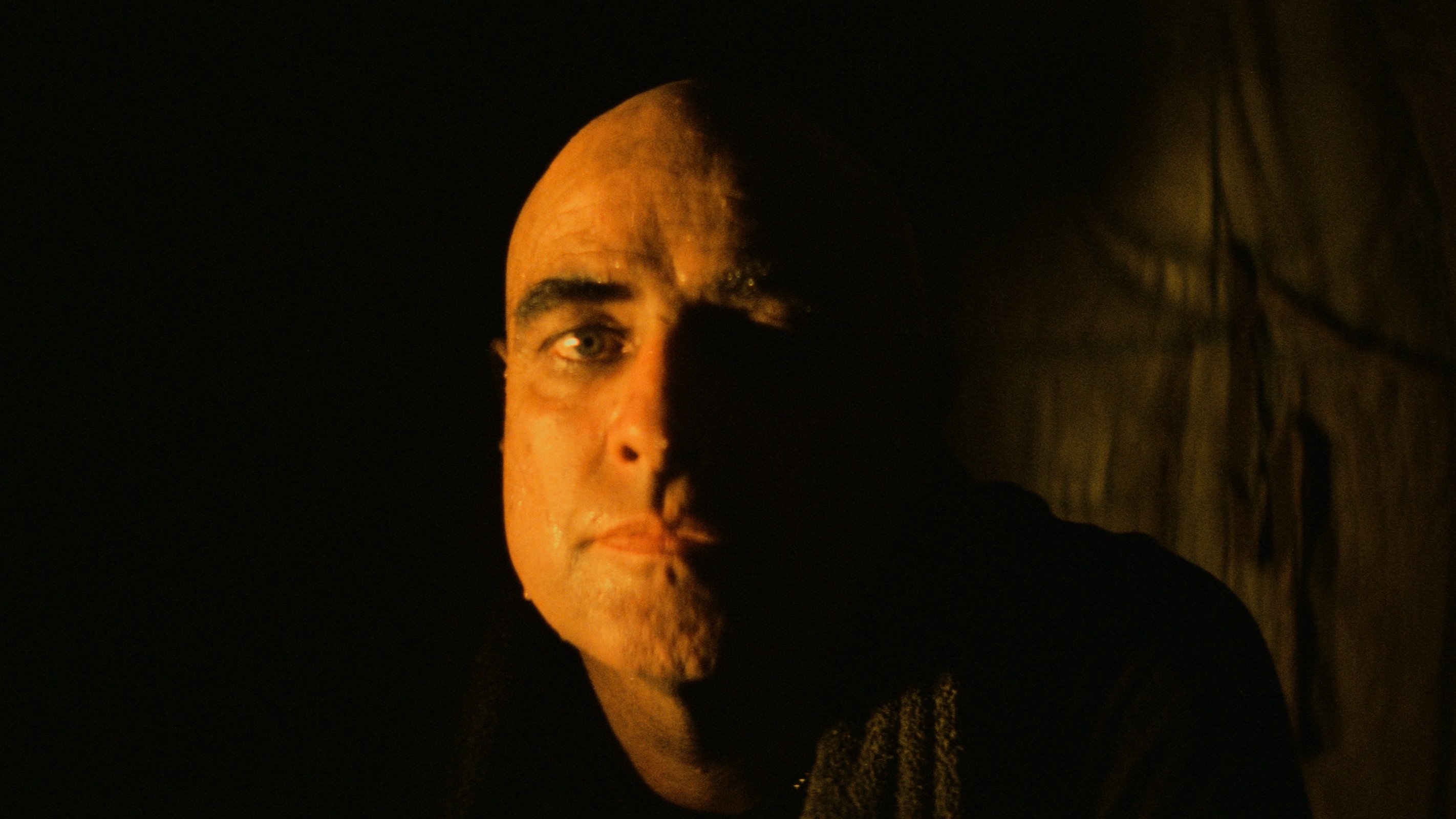
The reservations arrive when John Milius and Coppola’s writing becomes more insistent about what the war means. The debt to Joseph Conrad’s Heart of Darkness is understandable, but the later solemnity sometimes makes a thought feel important simply because we are being made to wait over it. Marlon Brando’s Colonel Walter Kurtz has enough presence to hold our attention through much of this, though presence cannot make every line worth the time it takes. Some of the words could go without costing the performances anything.
Those passages are frustrating because Coppola has already shown how much he can do without spelling things out. Among war films, this is unusually alert to the pleasure an audience takes in watching an operation carried out well, and unusually willing to make that pleasure uncomfortable. The 147 minutes demand attention, including during the passages that strain for depth. Give it an uninterrupted evening, and do not expect the spectacle to make for easy company.