Werner Herzog’s jungle adventure is an unnerving study of greed, carried by Klaus Kinski’s frightening performance and the physical force of the river journey. The supporting characters can be thin; we would recommend it without hesitation.
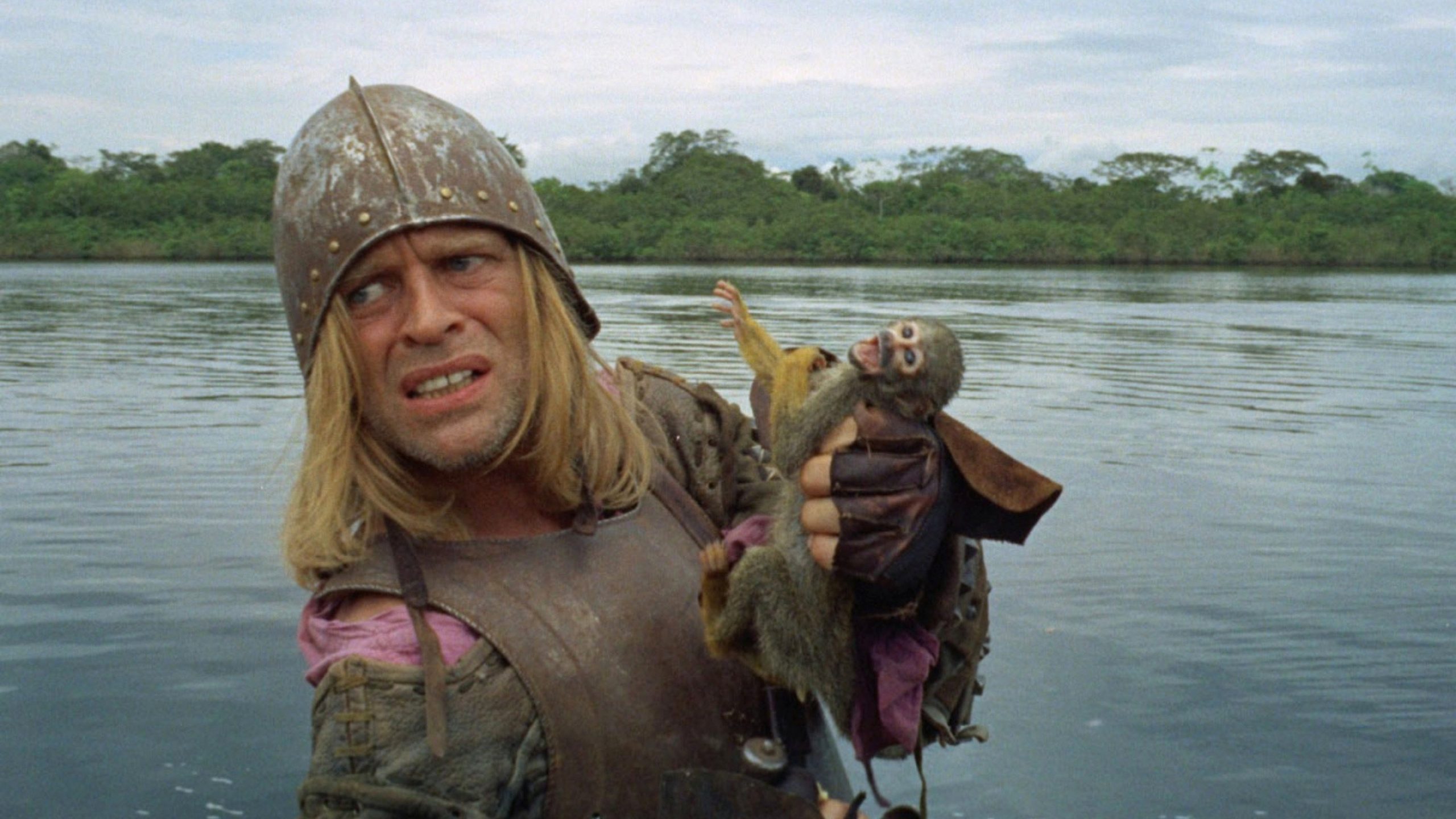
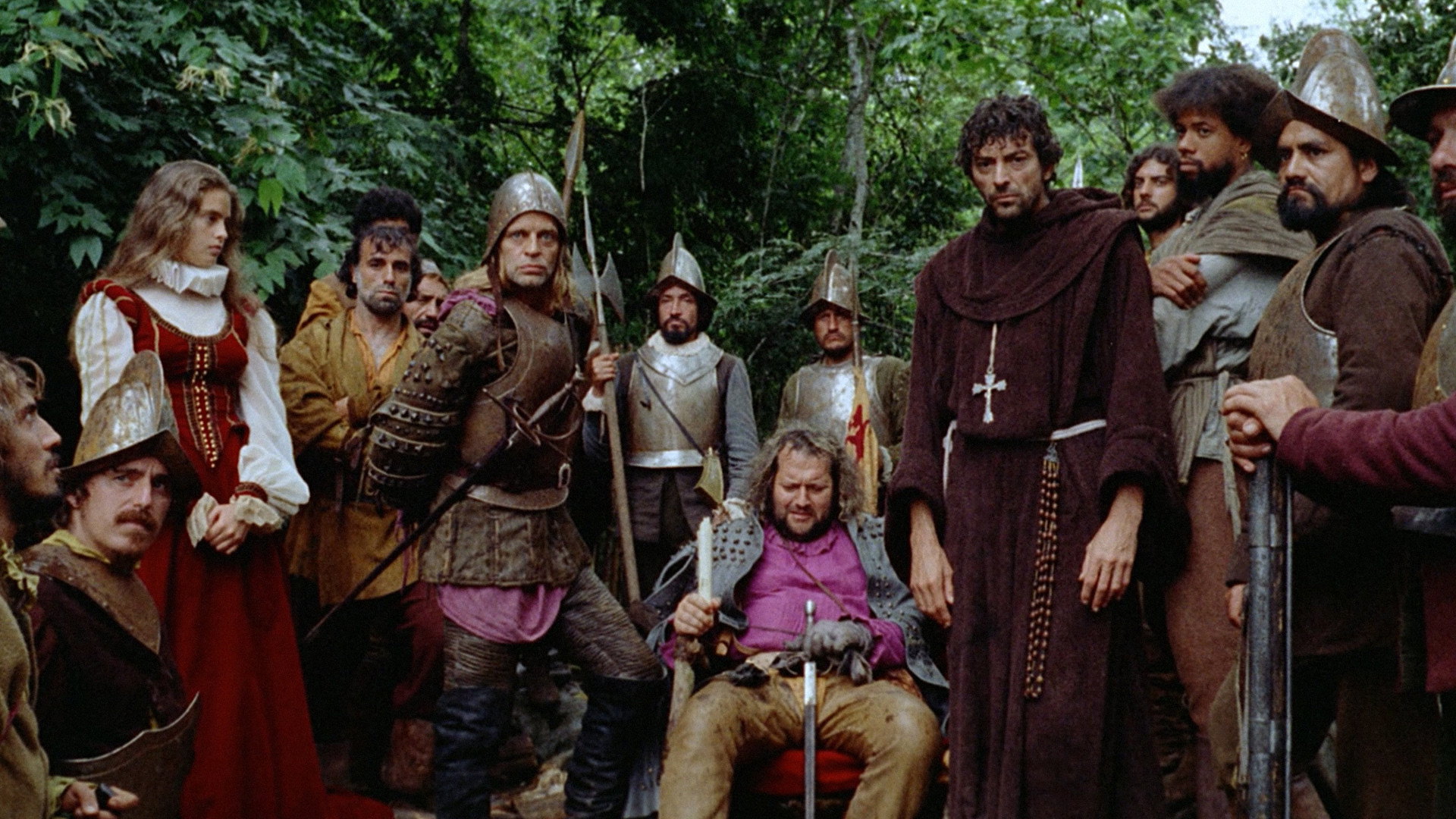
Werner Herzog sends a Spanish expedition into the Amazon in search of El Dorado and gives us little reason to envy anyone on it. Aguirre, the Wrath of God is a gripping adventure about greed, with an unusual understanding of how ridiculous the greedy can look. We would tell a stranger to see it. Its 95 minutes are enough to make the journey oppressive without exhausting our interest in the people attempting it.
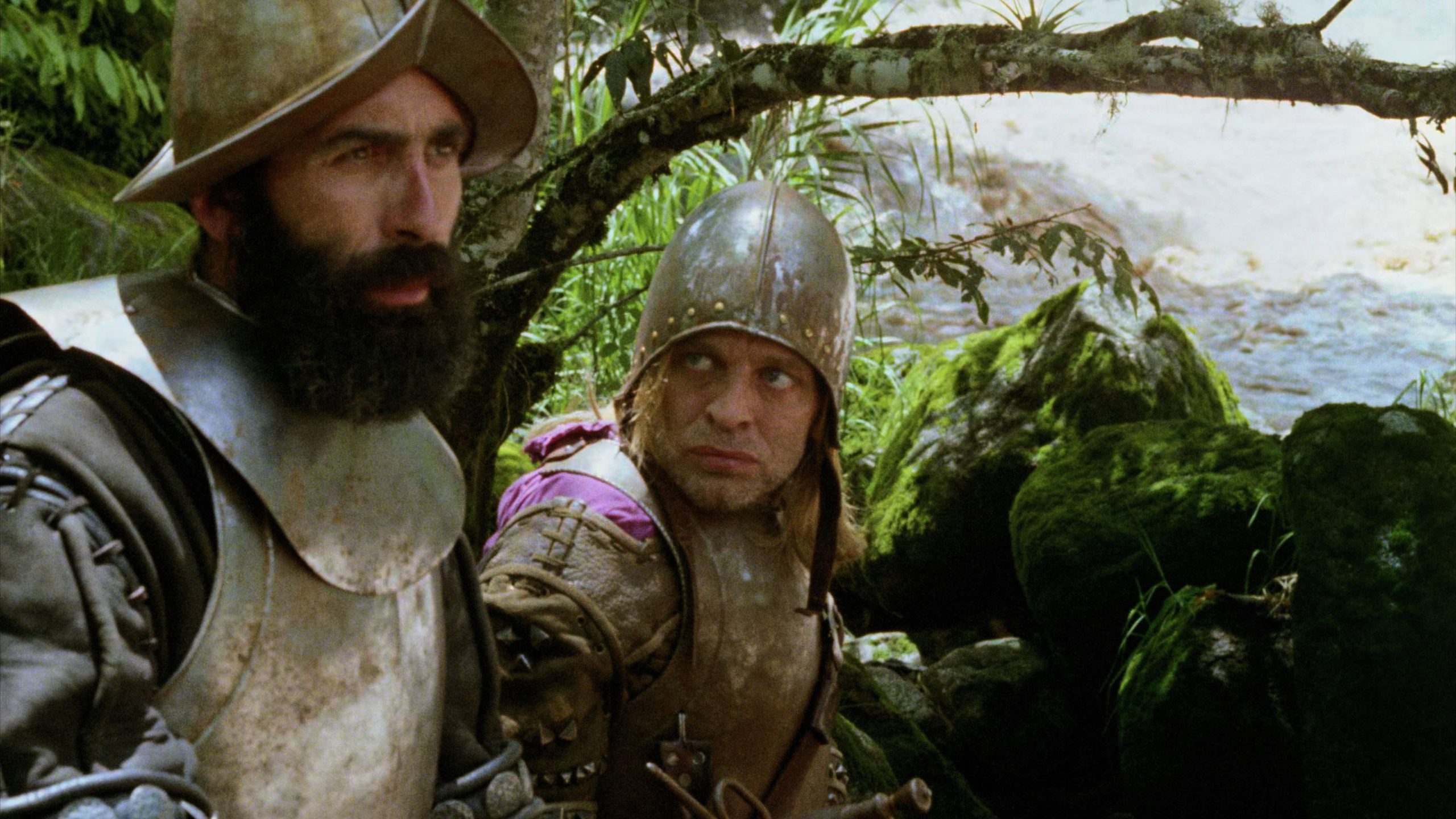
Cinematographer Thomas Mauch gives the jungle and river a physical presence that makes the expedition seem pitifully small. The images have the rough immediacy of footage taken by someone negotiating the same difficult ground as the people in front of the camera. The water looks dangerous in its own right; it does not need a villain placed beside it. We keep registering the effort of travelling through this place, which stops the scenery becoming a pleasant distraction.
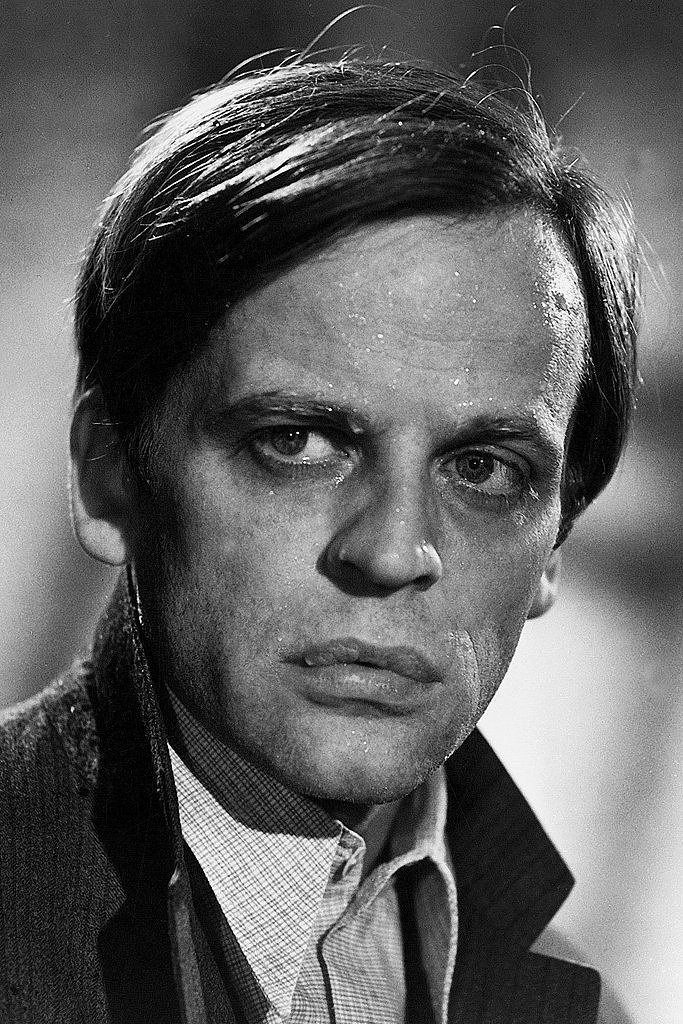
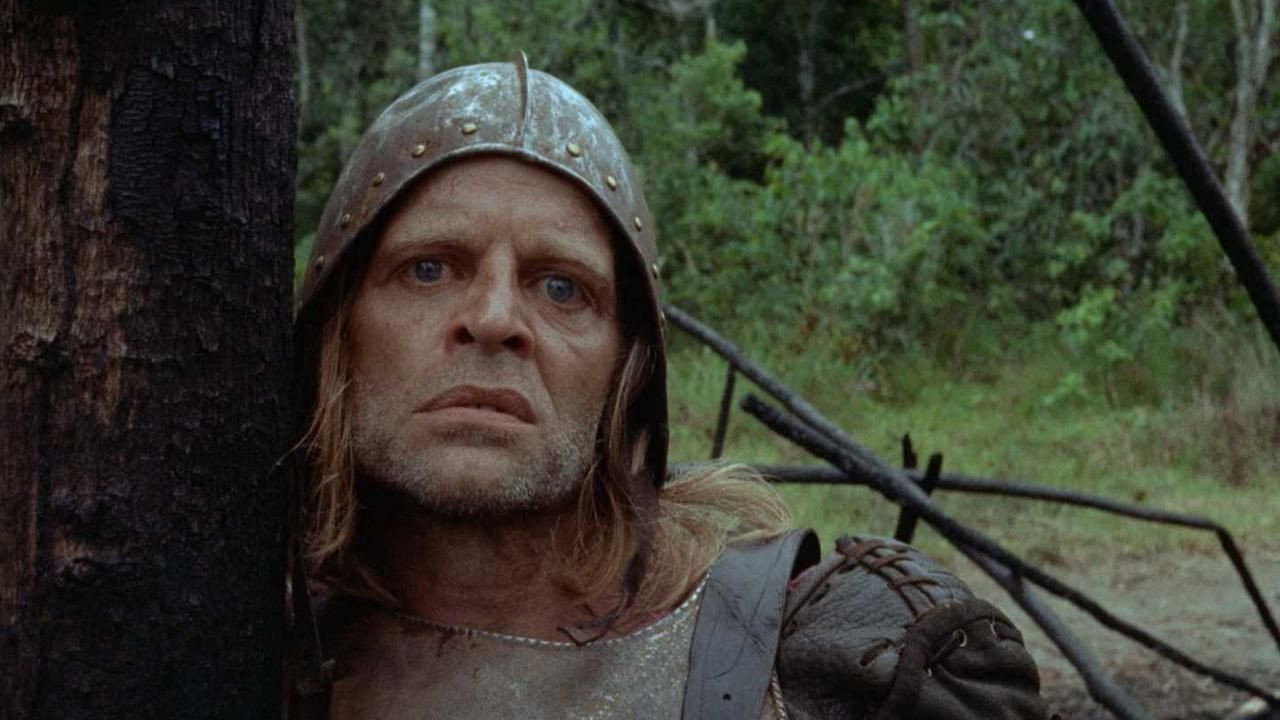
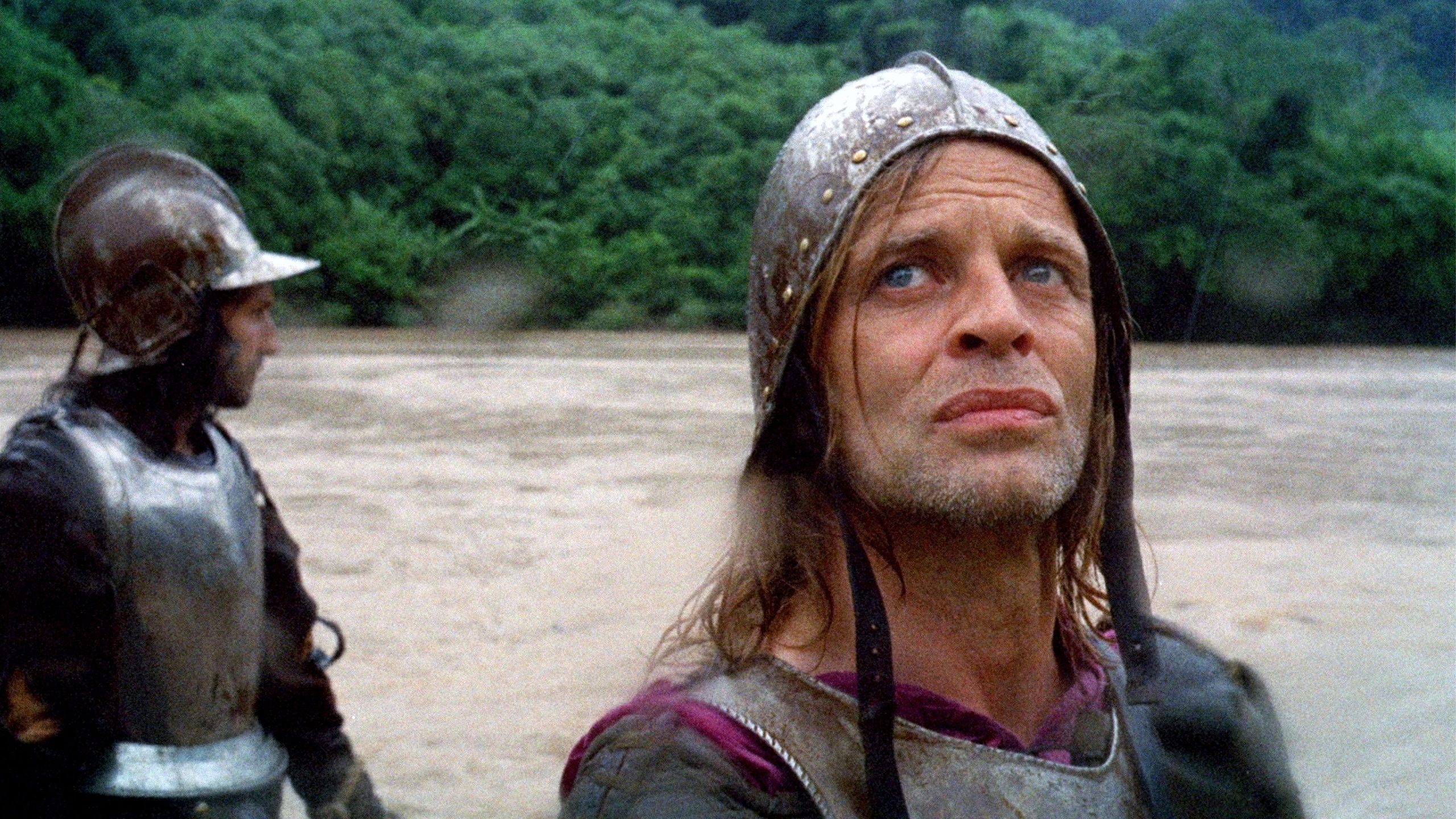
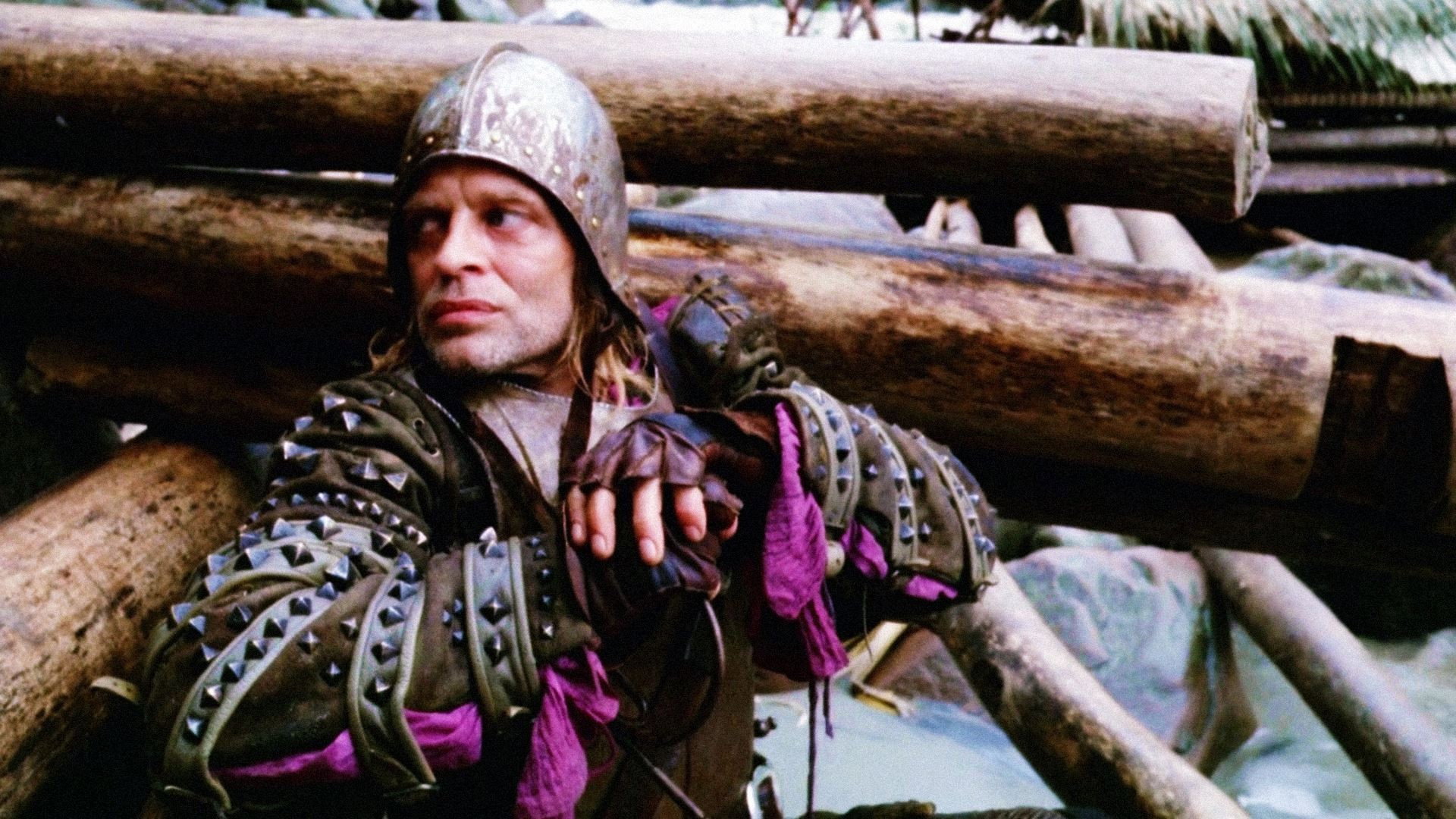
Klaus Kinski makes Don Lope de Aguirre difficult company simply by being there. The feverish eyes and the performance’s intensity leave little space for an ordinary exchange between people. We found his stare frightening. It suggests a man so convinced of his right to command that another person’s objection would scarcely count as speech. This is large, conspicuous acting, and it works particularly well against surroundings that remain indifferent to all that furious human effort.
Beate Mainka-Jellinghaus’s editing gives the journey an uncomfortable duration: we feel the travelling as well as the danger. That matters in a film where the physical difficulty of getting anywhere must remain convincing. Popol Vuh’s music deepens the unease instead of promising the release an adventure score often supplies. It makes these already inhospitable surroundings feel stranger, without diminishing the impression that the river could hurt someone quite independently of the drama being performed upon it.
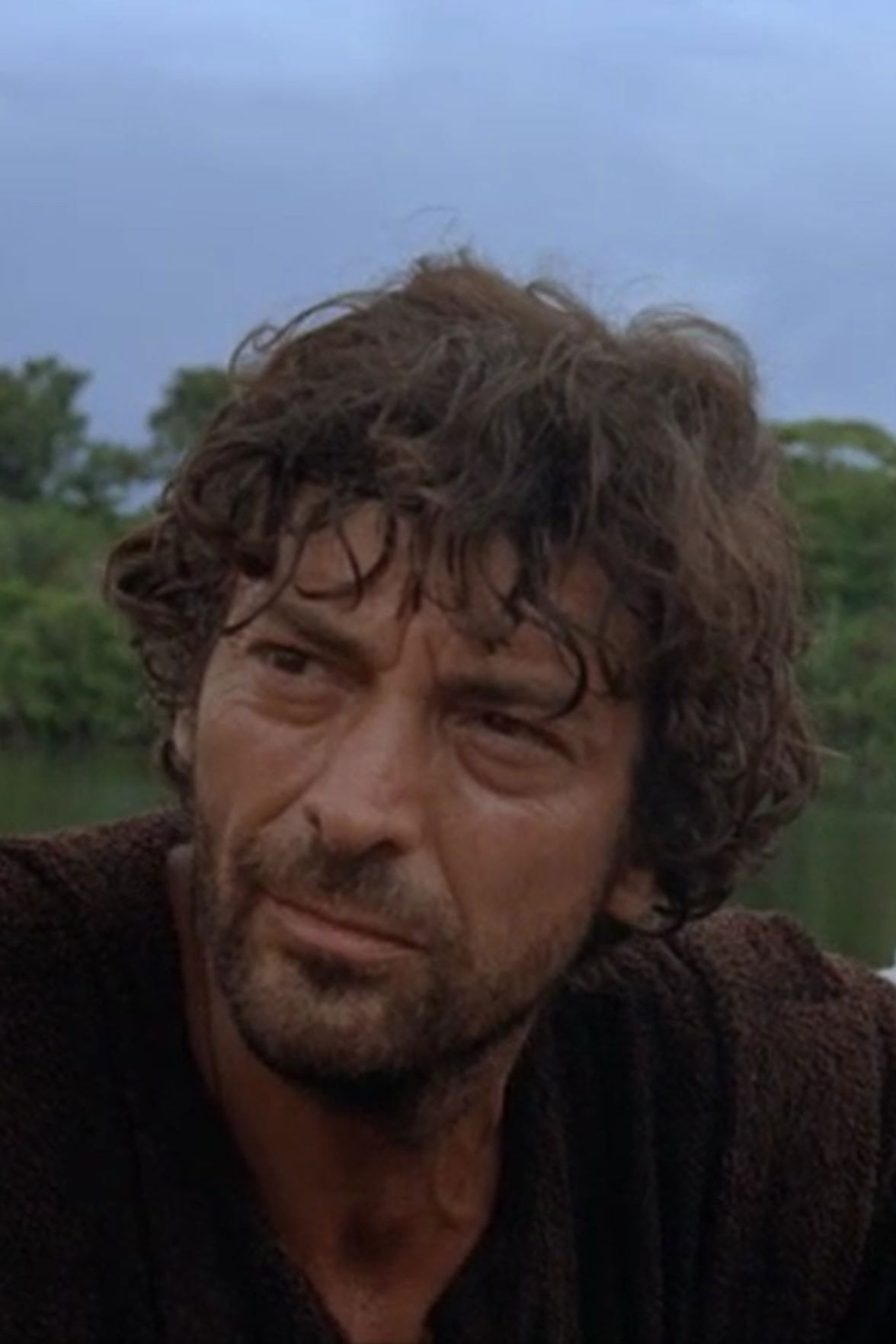
There is a cost to concentrating so much attention on Aguirre. Helena Rojo’s Inés de Atienza and Ruy Guerra’s Don Pedro de Ursúa have less room to hold our interest, though both give the expedition a necessary human presence beyond its most alarming member. Del Negro, as Brother Gaspar de Carvajal, also registers distinctly, but the people surrounding Aguirre are not always allowed much life beyond their place in the expedition. That narrowness is the film’s chief weakness, particularly when the journey begins to feel repetitive.
Adventure films often reward persistence, and this expedition has plenty of that. Werner Herzog makes such persistence look increasingly deranged when it serves the conquest of a place its visitors scarcely understand. The conquistadors’ claim to importance becomes difficult to take seriously, even while their capacity to frighten remains. There is grim humour in their self-importance, and Klaus Kinski’s excess belongs in that humour.
The disturbing thing is how much attention Aguirre can still demand once we have recognised his delusions. Werner Herzog understands the attraction of watching such a figure, and allows us to become uncomfortable with our own fascination without labouring the point. See it when you can give the river as much attention as the leading man.