Kelly Reichardt turns pioneer hardship into a quietly gripping western, with Michelle Williams giving its uncertainty a firm human centre. Some supporting characters remain thin, and the deliberate pace needs a patient evening.
Meek’s Cutoff is a patient, unsettling western that makes getting through another day feel difficult enough to sustain a film. Kelly Reichardt takes the lost-pioneer story seriously as a matter of physical work, rather than hurrying towards the next danger. We recommend it, with a warning that its attention to routine sometimes outlasts what the routine can tell us. Reichardt keeps the women at the centre of the journey.
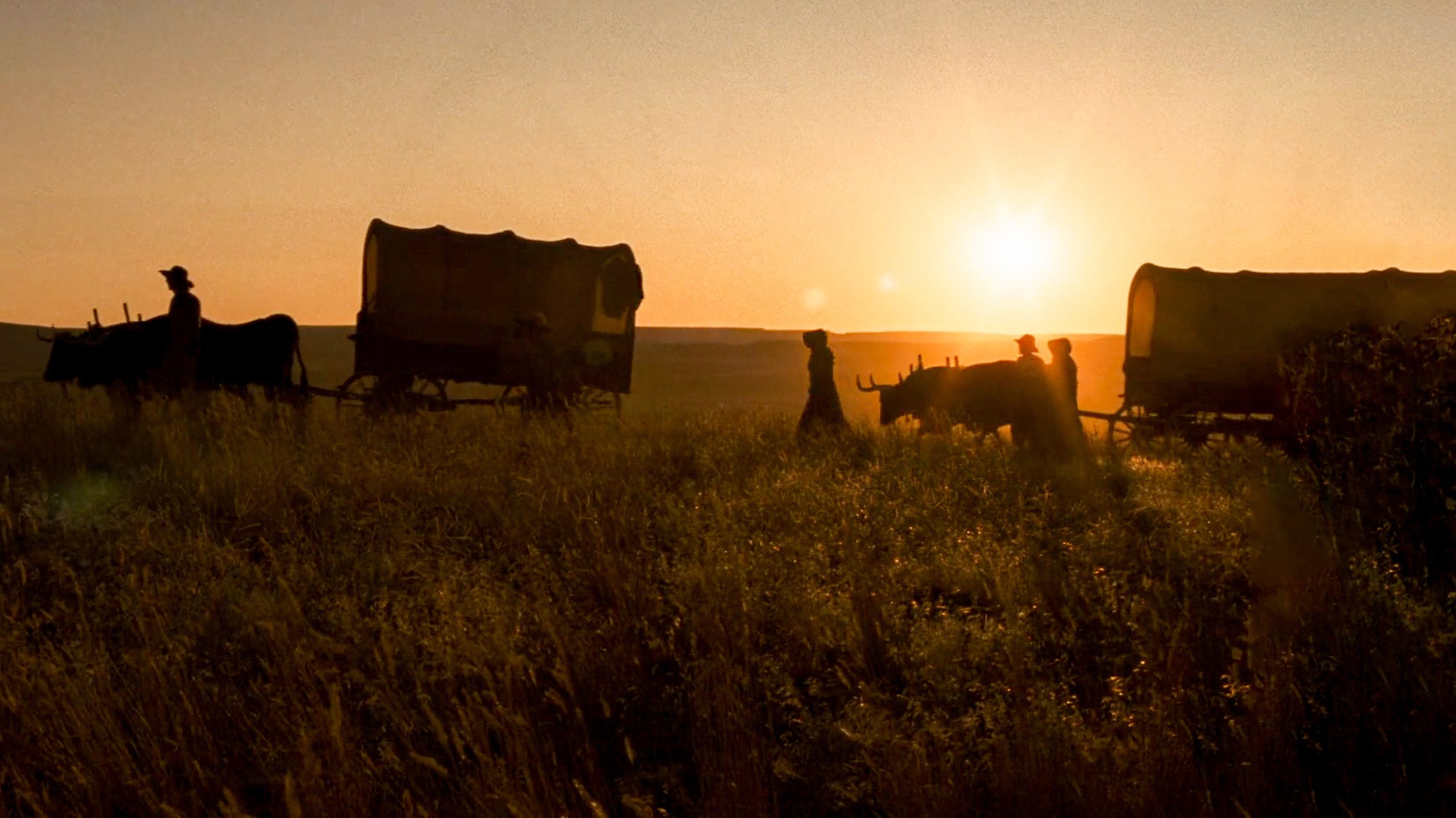
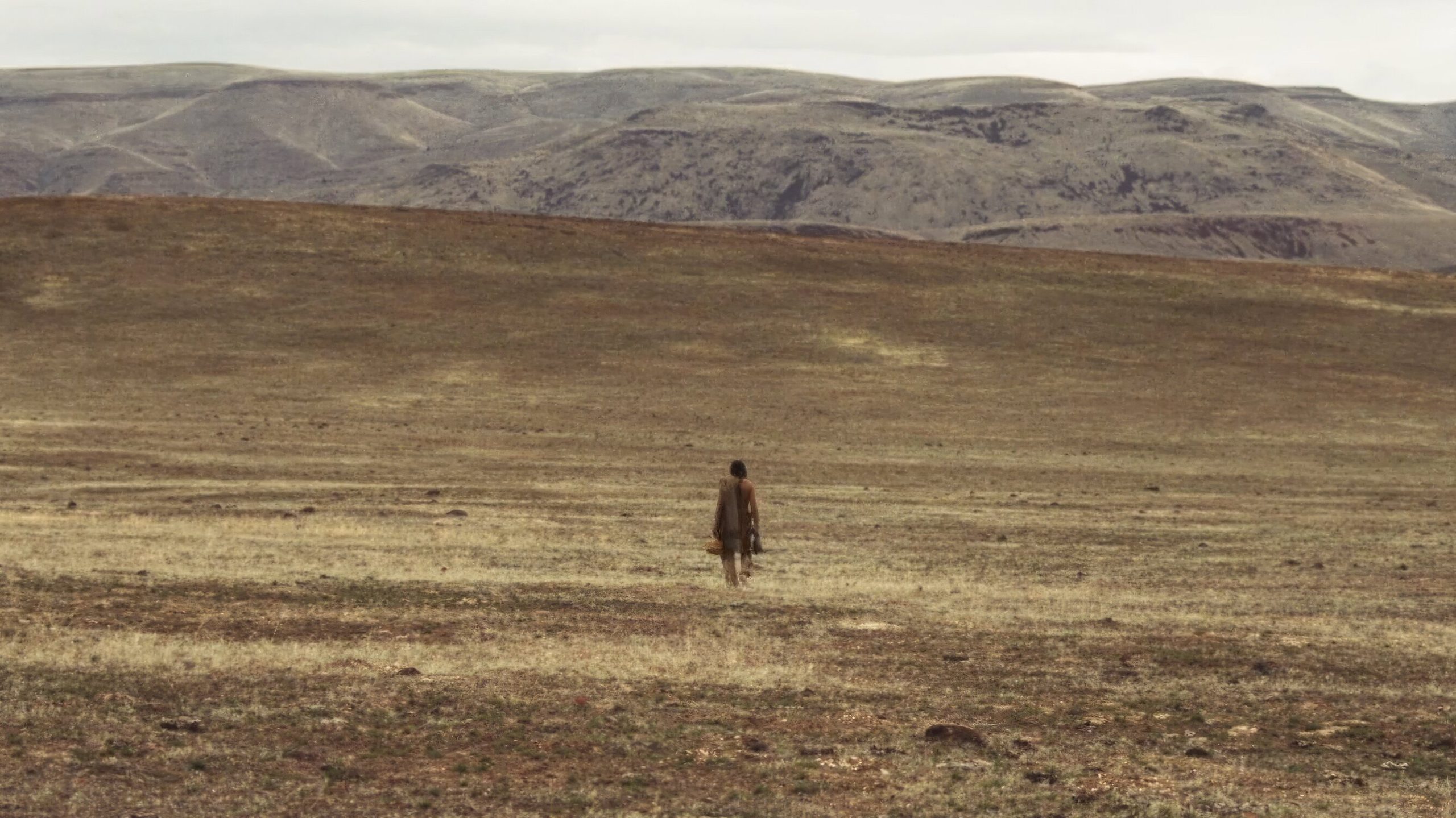
Christopher Blauvelt’s square framing makes open country feel alarmingly difficult to read. The picture gives us enough land to register its severity, but little of the broad, comfortable view from which we might imagine choosing a route. We felt anxious watching the travellers struggle to keep moving; the cramped image makes their lack of direction our problem too. The composition keeps us searching the landscape without giving us much reassurance about what lies ahead.
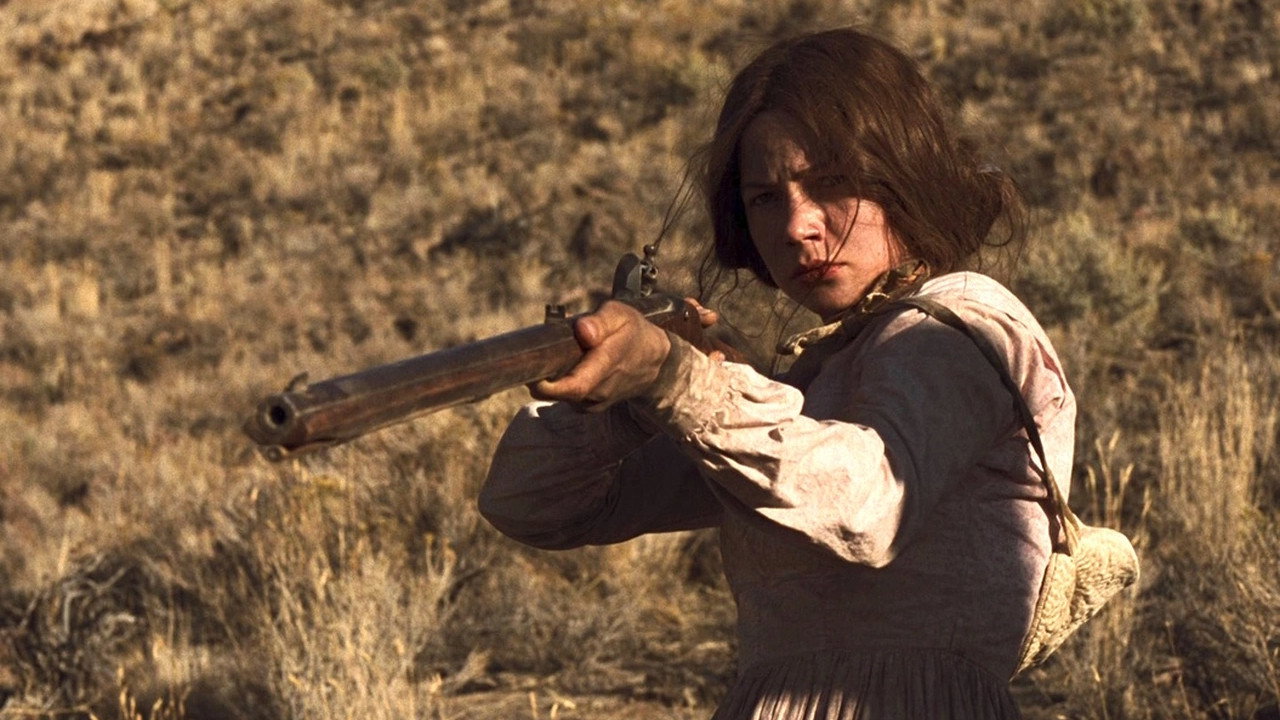
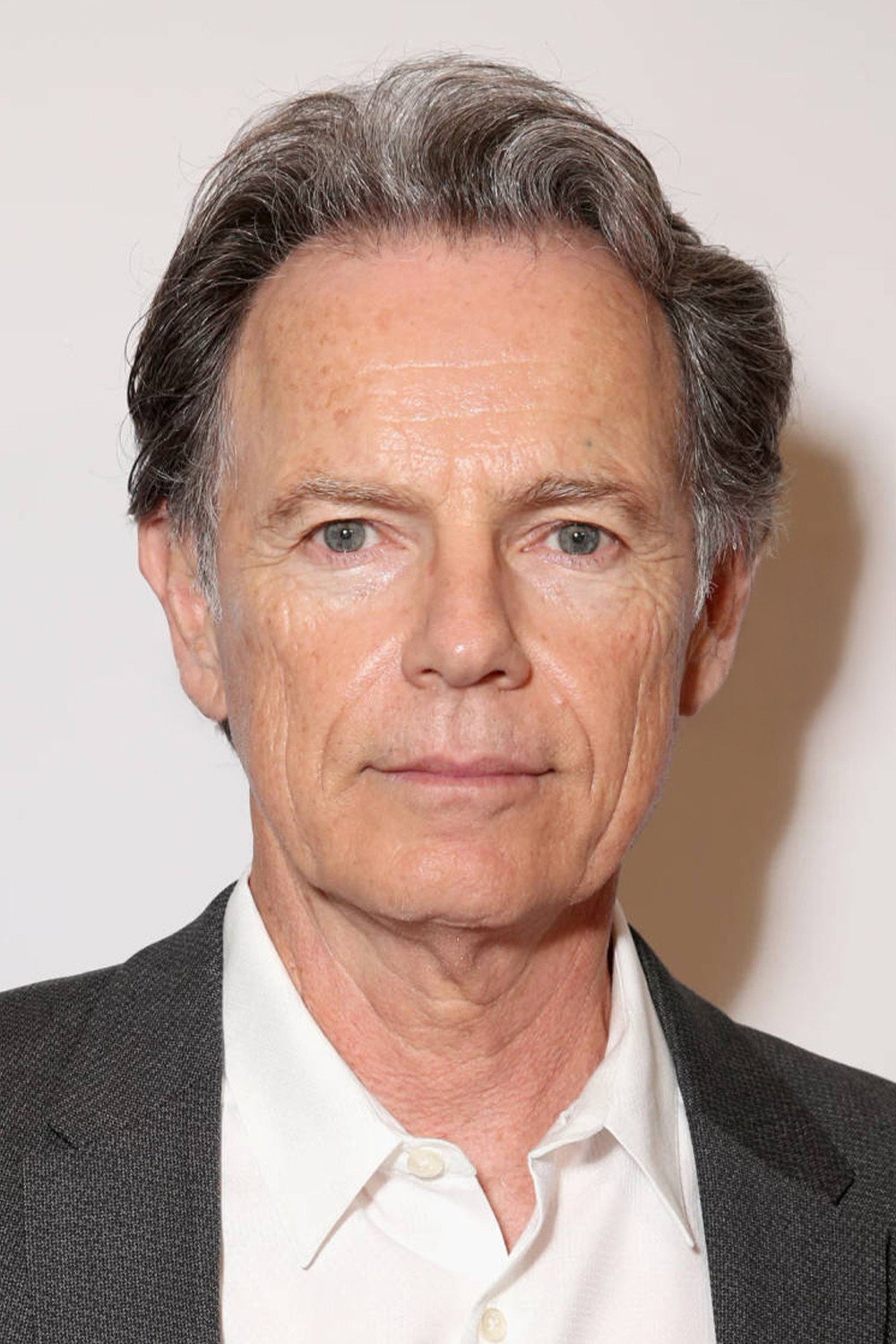
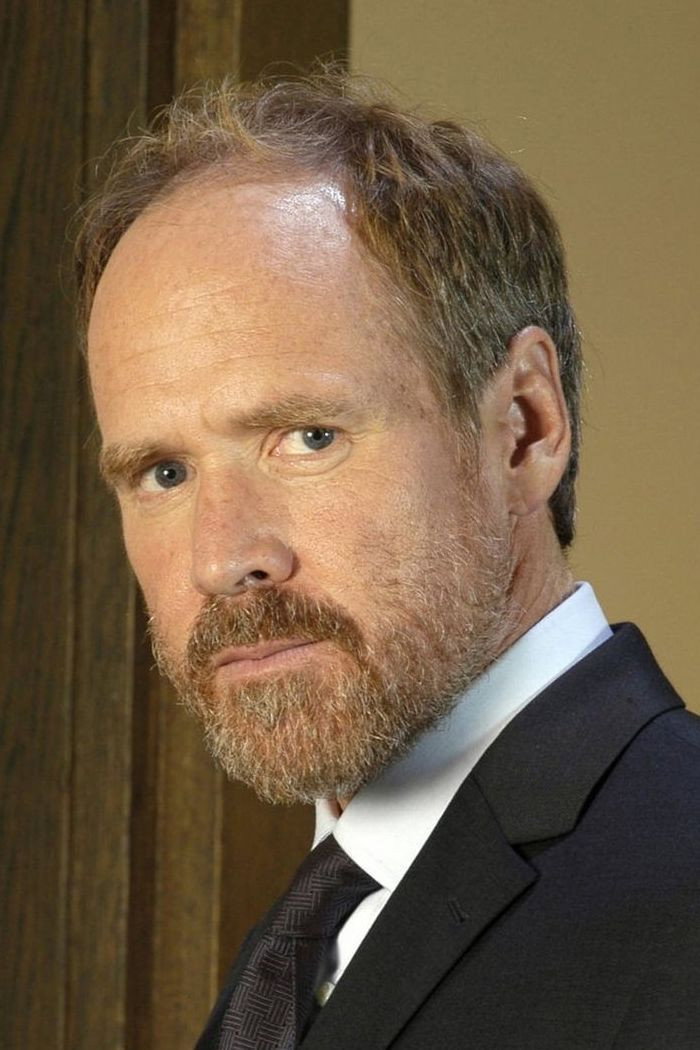
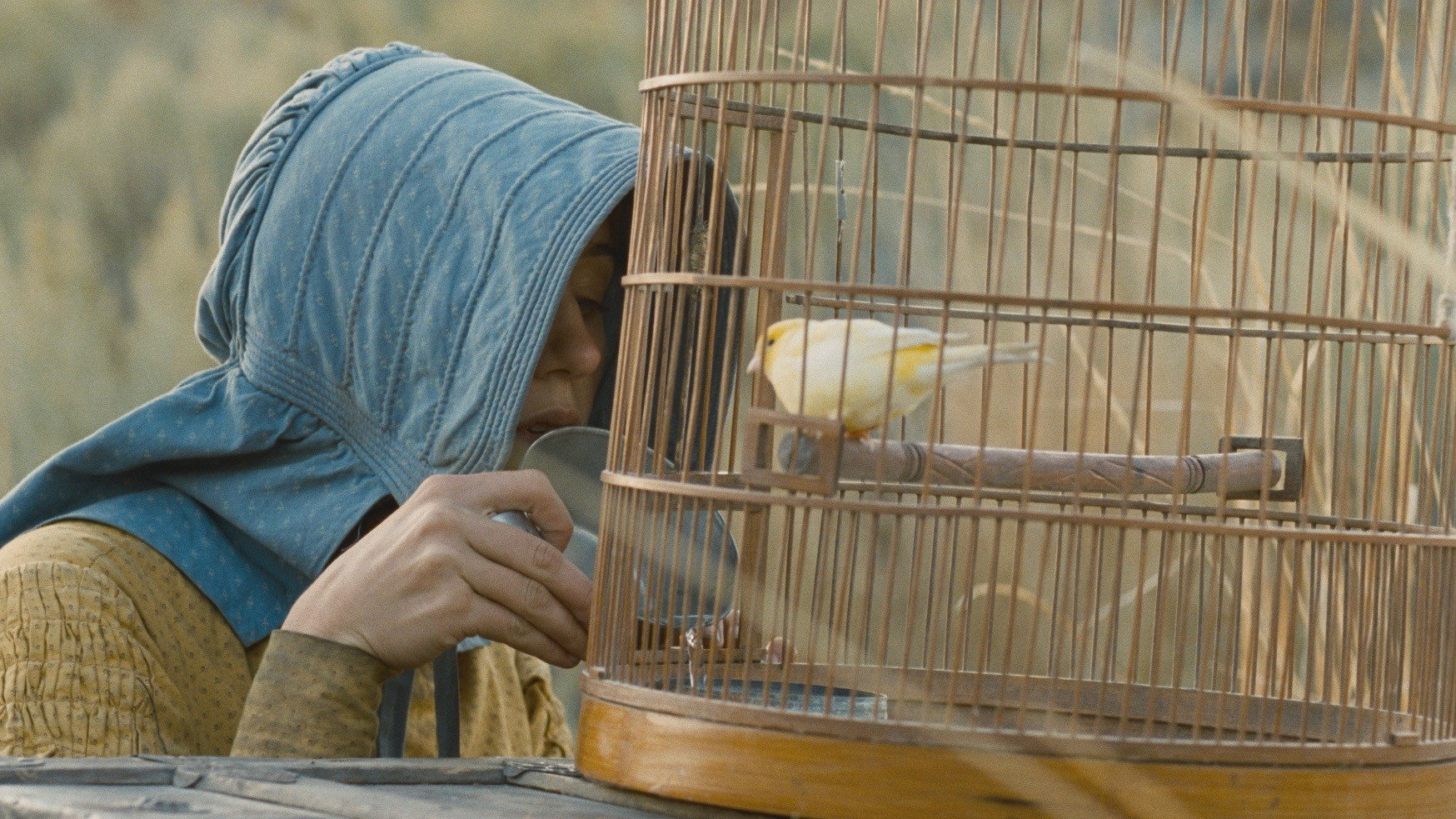
Michelle Williams gives Emily Tetherow a practical firmness that keeps the film from becoming a succession of picturesque hardships. Her performance suggests someone assessing what can actually be done, even when there is little to choose between bad possibilities. Bruce Greenwood makes Stephen Meek forceful enough for us to understand why he commands attention, and troubling enough for us to question it. Jonathan Raymond’s screenplay makes trust an urgent concern: the travellers need to act before they can be sure whom to believe. Much of the suspense comes from watching them assess each other.
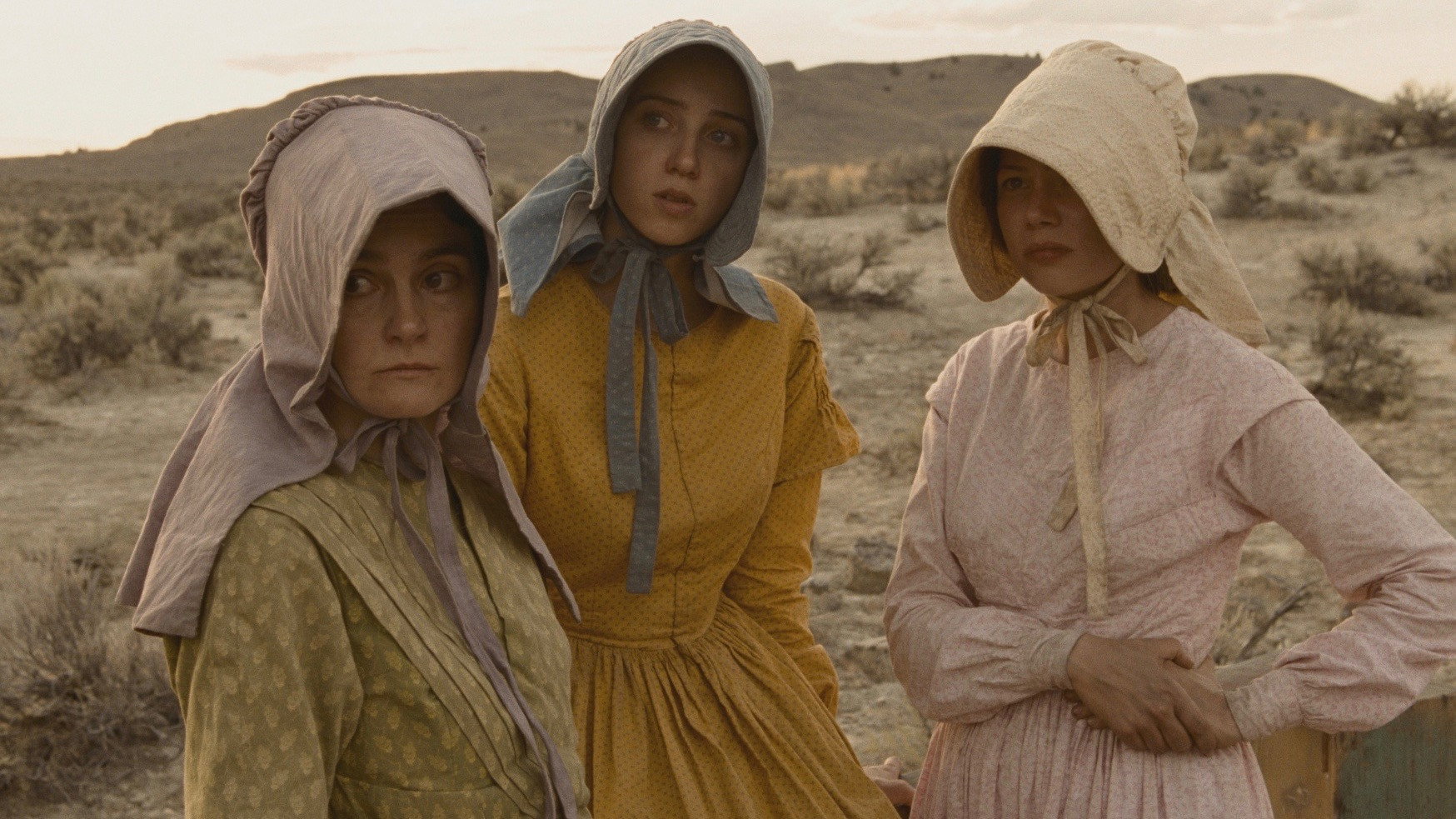
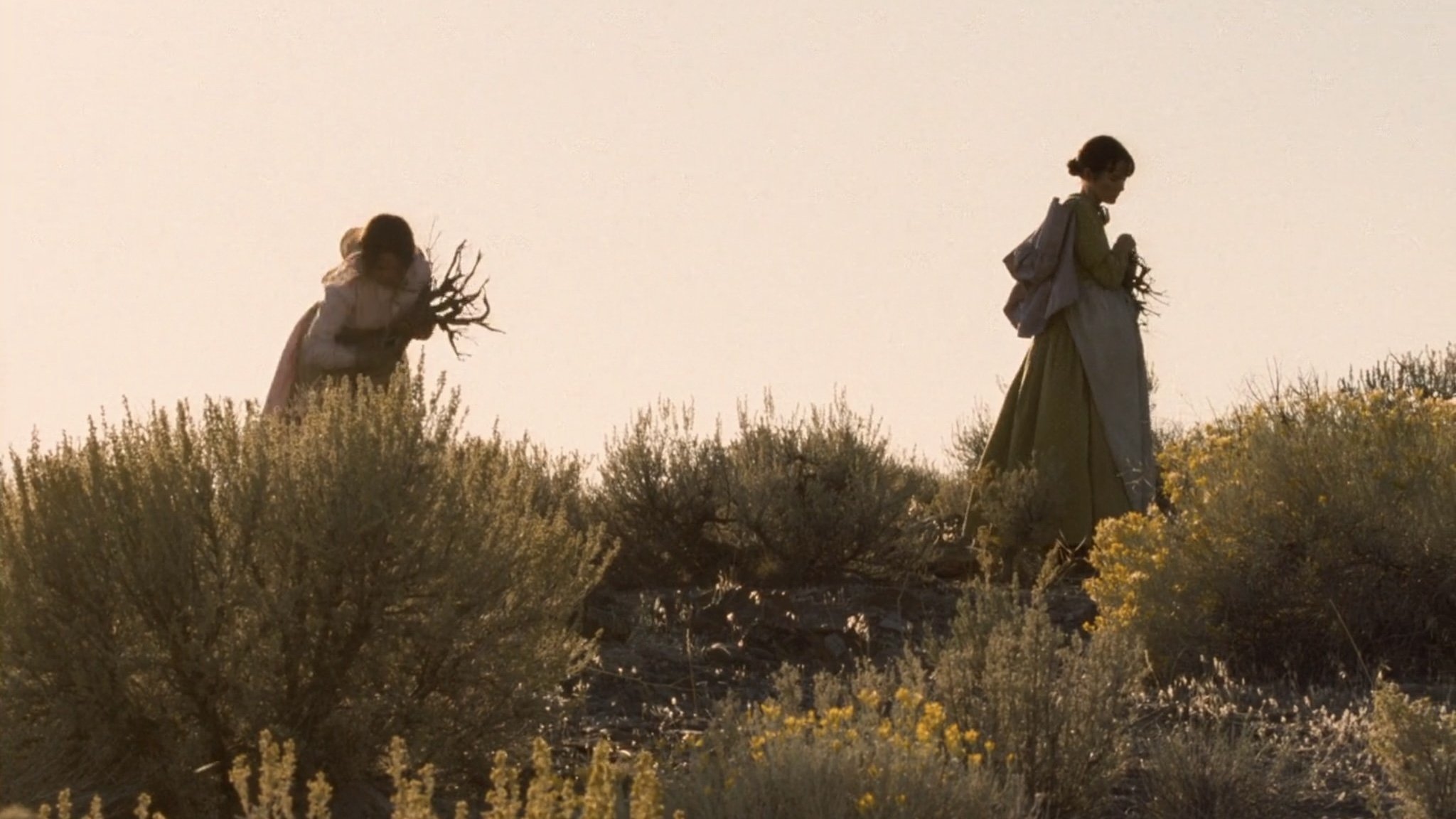
David Doernberg’s production design makes the wagons and provisions seem awkward to manage and necessary to preserve. Vicki Farrell’s costumes contribute to the same sense of physical inconvenience. This is where the film’s account of pioneer life convinces us most, in the attention paid to managing what the travellers wear, carry and eat. Reichardt allows these ordinary necessities to occupy scenes that a busier western might cut short.
Kelly Reichardt’s editing gives those routines time to become uncomfortable. There are stretches when the pace seems immovable, and that can be effective: we begin to feel the effort of continuing without much encouragement. Jeff Grace’s music helps sustain the unease, while the detailed sound makes the surroundings feel insistently present. The sound and cutting work particularly well together because they keep our attention on the effort of travelling, even during the slowest passages.
The patience is not equally rewarding throughout. A few passages repeat an impression of hardship that is already clear, and some supporting travellers remain easier to recognise by their place in the group than by a distinct personality. The emphasis on Emily helps, but it cannot supply everyone else with an inner life. A little more variation in the company would have helped those slower stretches, giving us something new to notice about people whose predicament we already understand.
The film earns its place among westerns by taking the difficulty of settlement seriously, down to work that more eventful stories can hurry past. It makes us consider who gets listened to when nobody knows enough. Choose it for an evening when there is time to adjust to its pace.