Ciro Guerra’s Amazon journey, shot in pewter black and white by David Gallego, follows two scientists decades apart and the shaman who reluctantly guides both. It is grave, strange and often beautiful, and it says its point out loud too often.
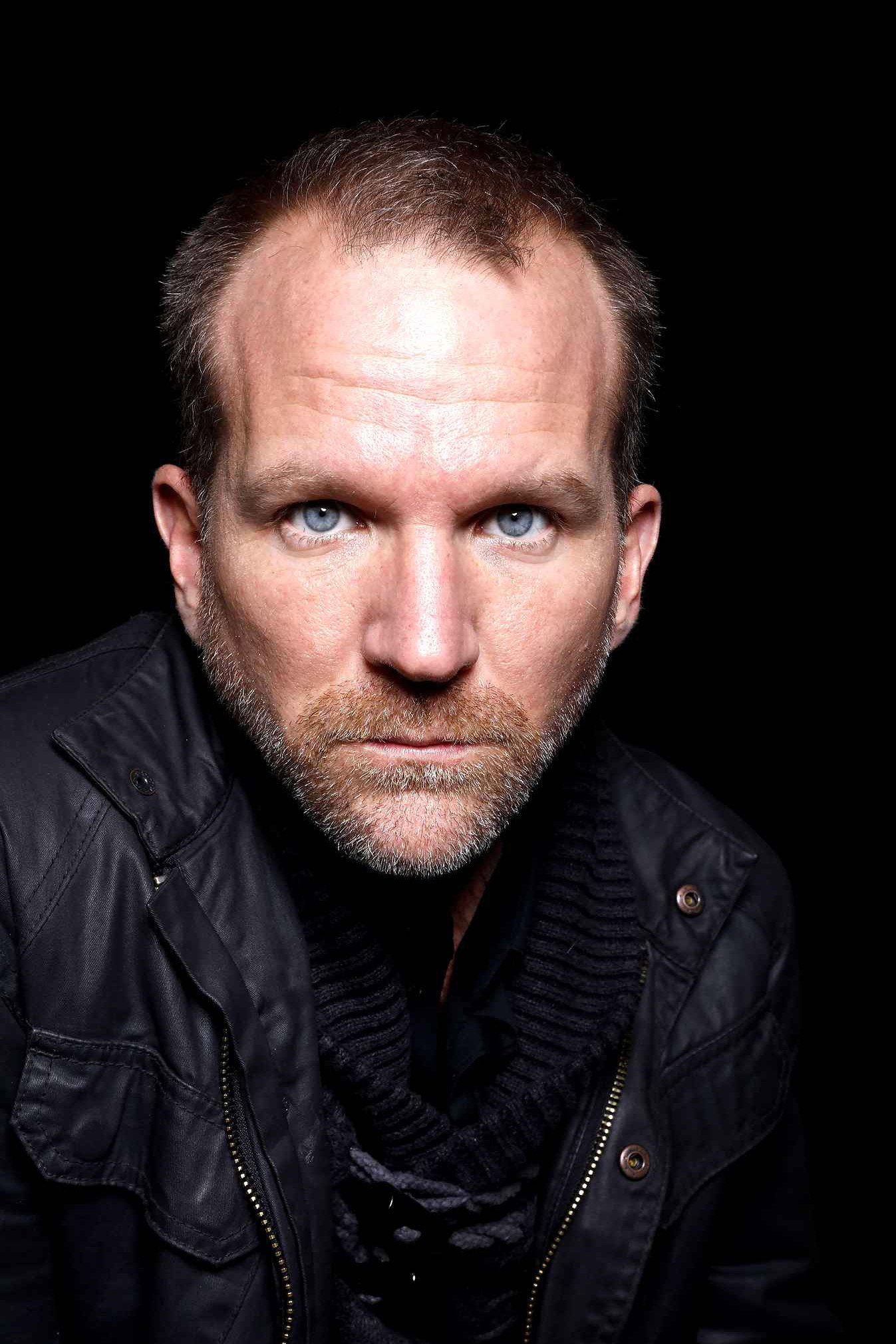
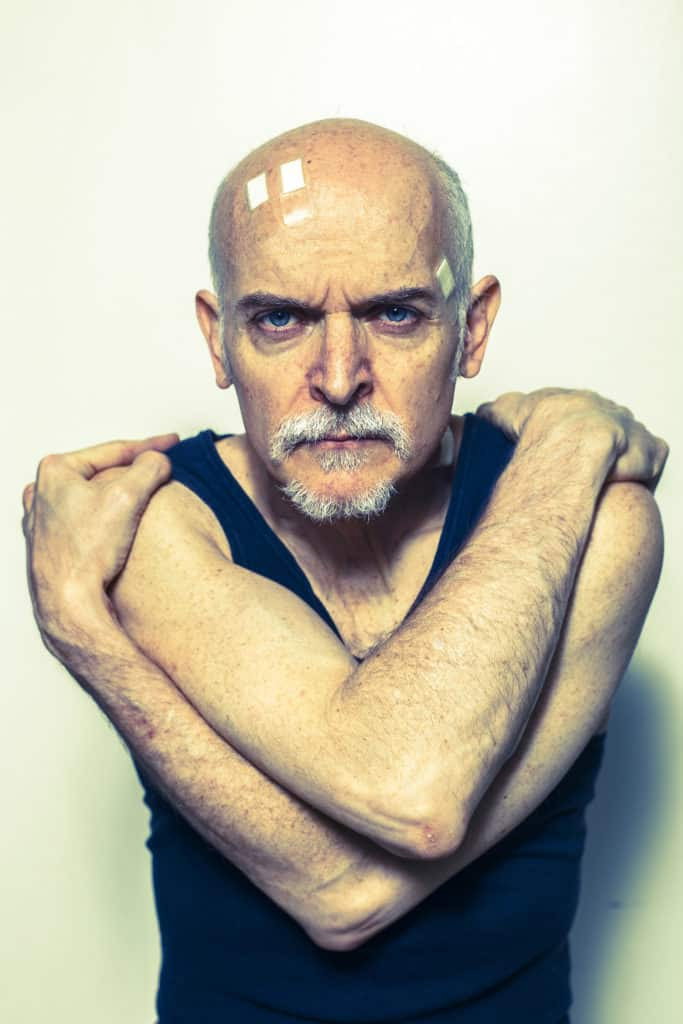
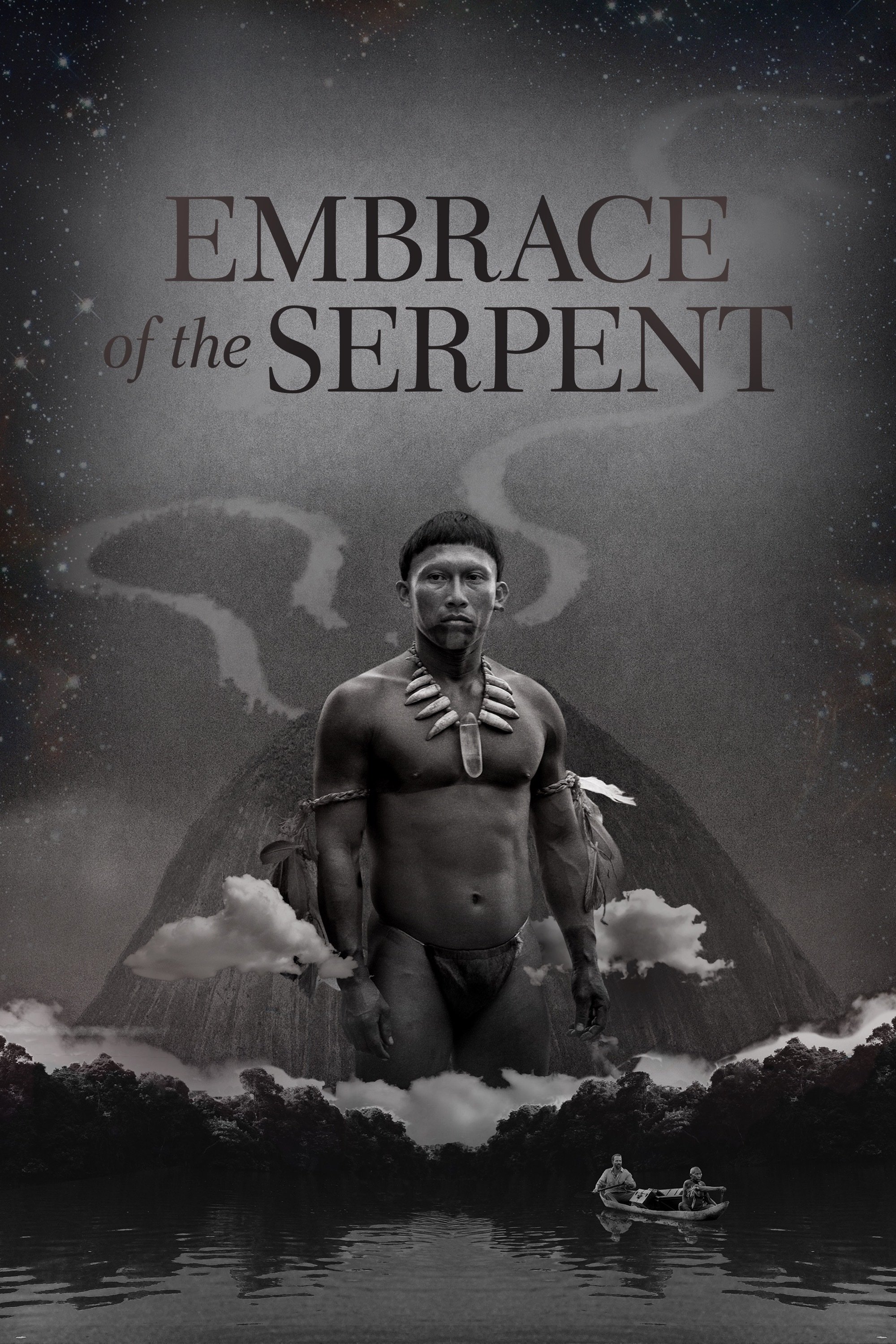
Ciro Guerra’s Embrace of the Serpent takes the oldest story in the jungle-adventure book, a white man going upriver in search of something he cannot find alone, and gives the film to the man in the front of the canoe. Written by Guerra with Jacques Toulemonde Vidal and drawn from the diaries of two real scientists, it runs two journeys side by side. In one, the young shaman Karamakate (Nilbio Torres) guides the dying German ethnographer Theodor Koch-Grunberg (Jan Bijvoet) towards a curative plant. In the other, decades later, an old Karamakate (Antonio Bolívar) makes the same trip with the American botanist Richard Evans Schultes (Brionne Davis), who has read Theo’s diary. We recommend it, and warmly, with one caveat that grew on us as the film went on.
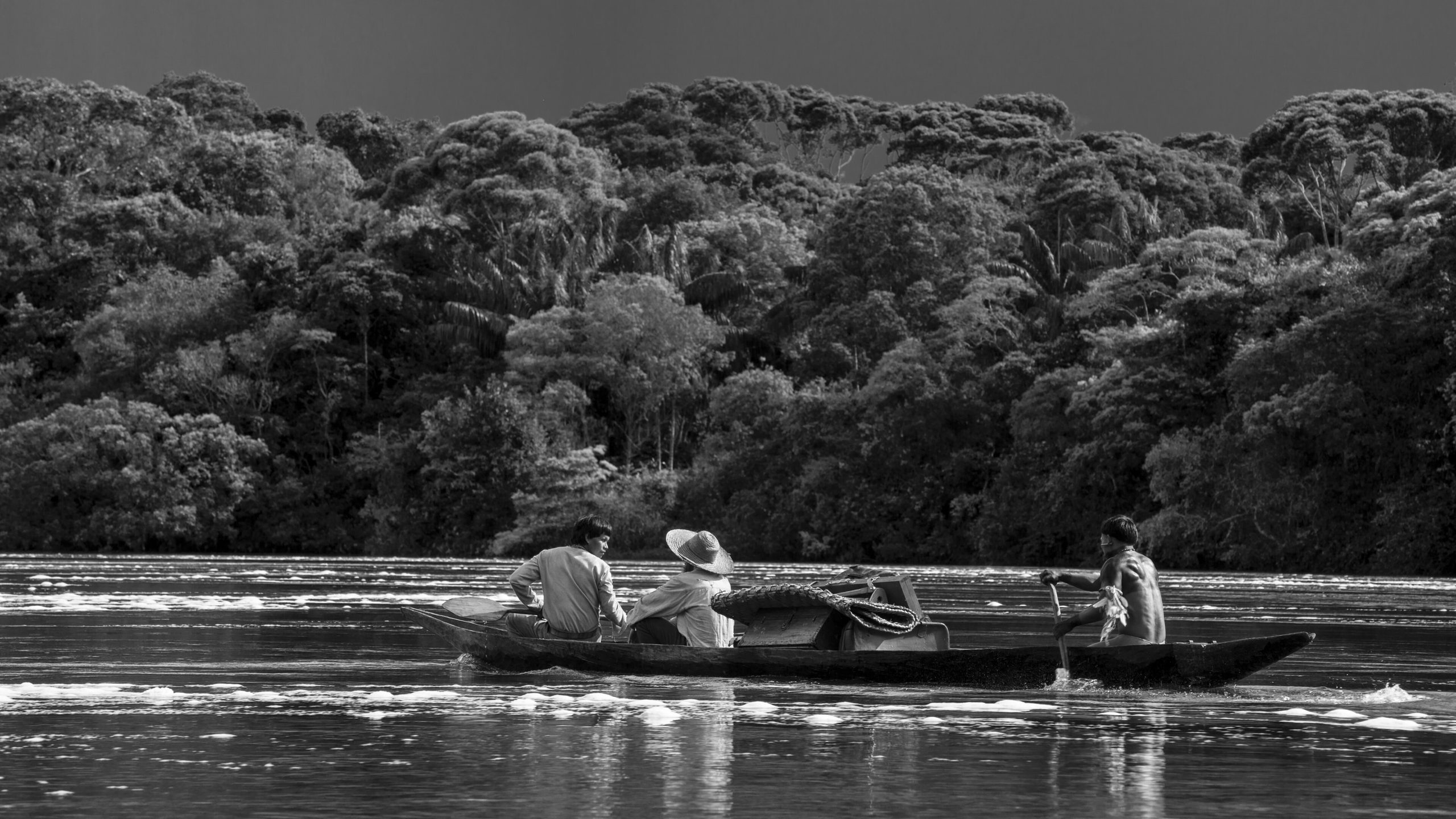
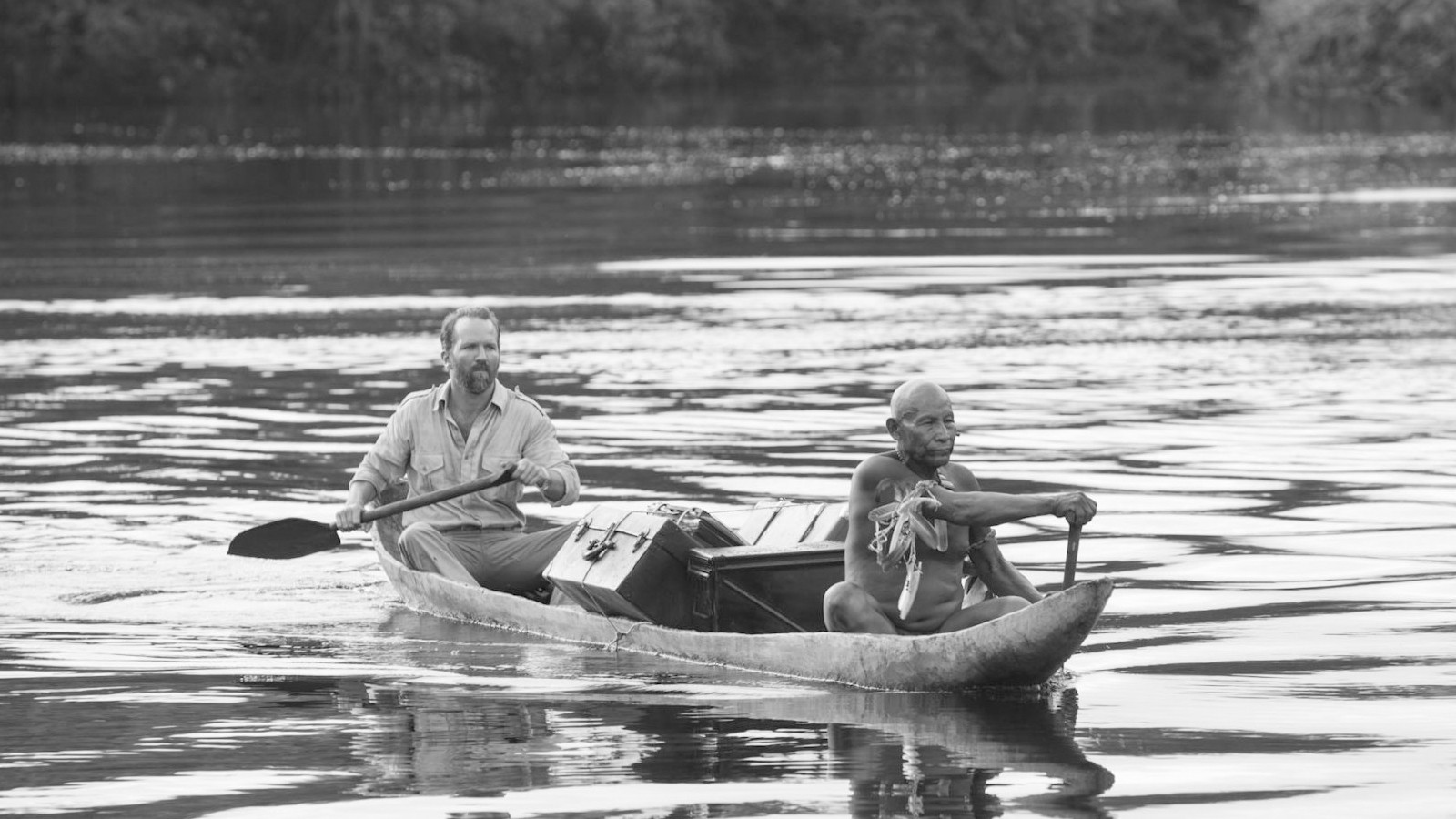
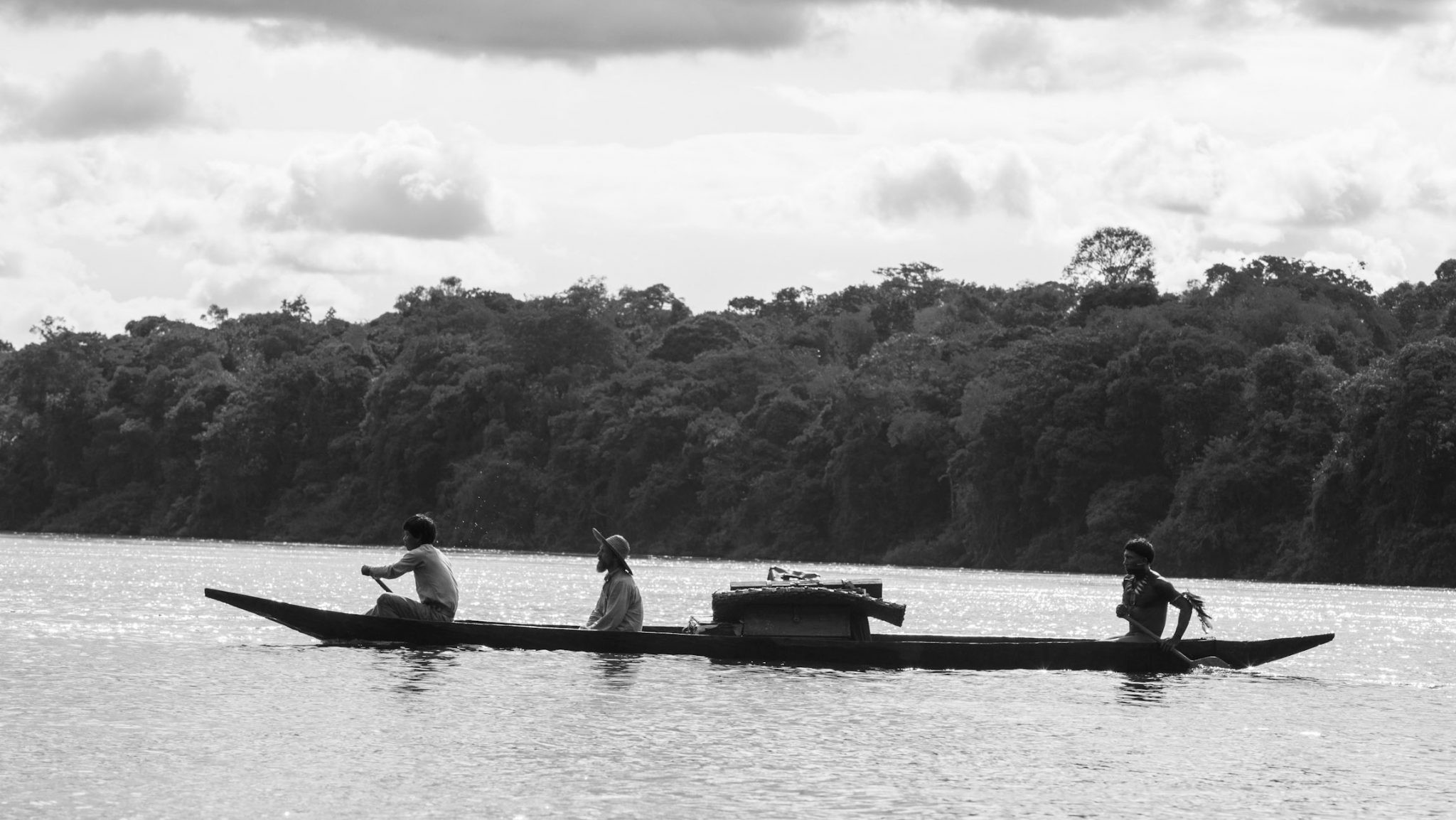
Etienne Boussac cuts between the two journeys on the river itself. A bend, a rock, a stretch of flat water, and the canoe that comes round it carries a different white man and a different Karamakate. Nobody explains the device and nobody needs to. The river has not changed and everything on its banks has, and the cutting keeps saying so without a word of dialogue.
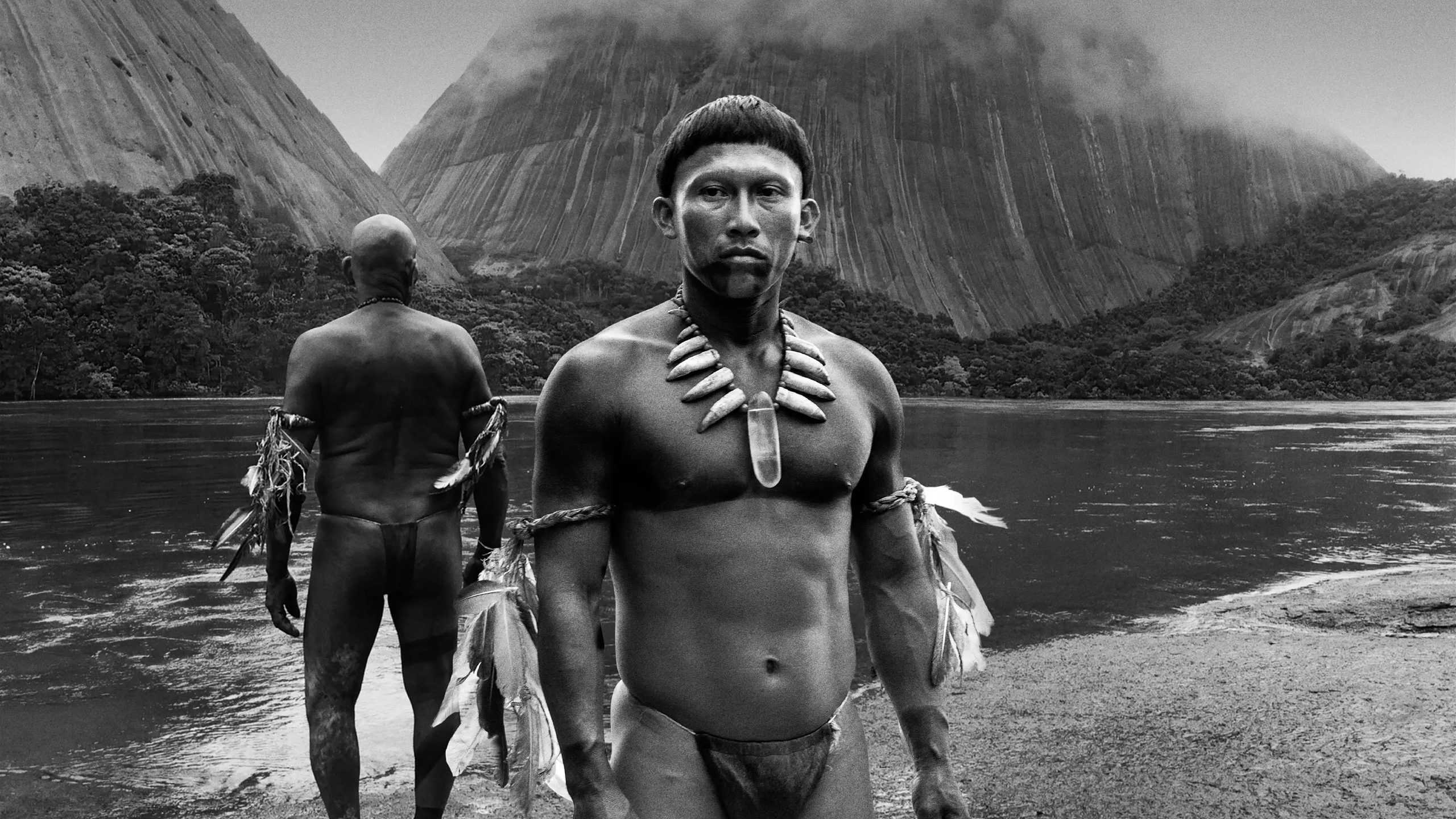
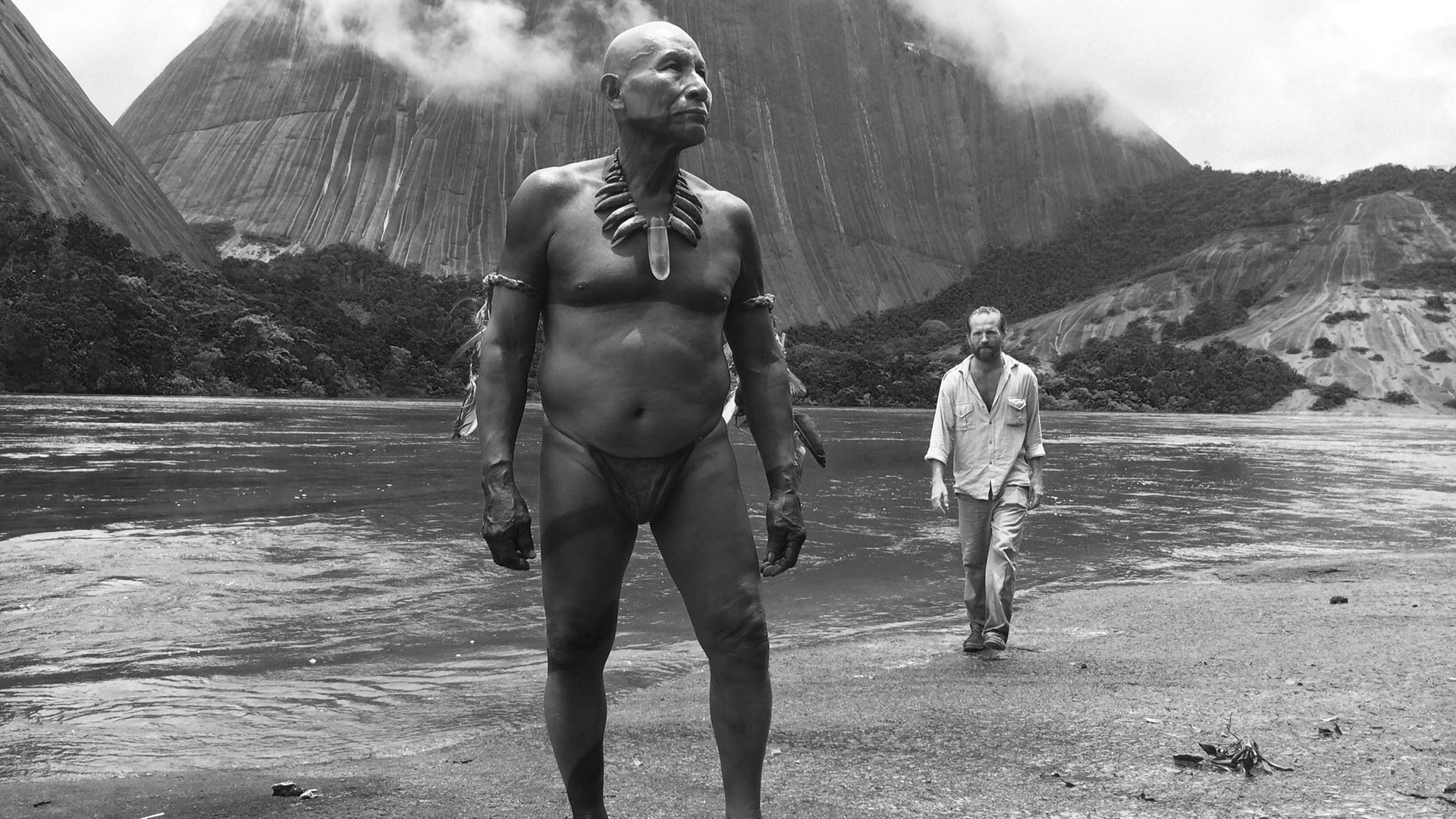
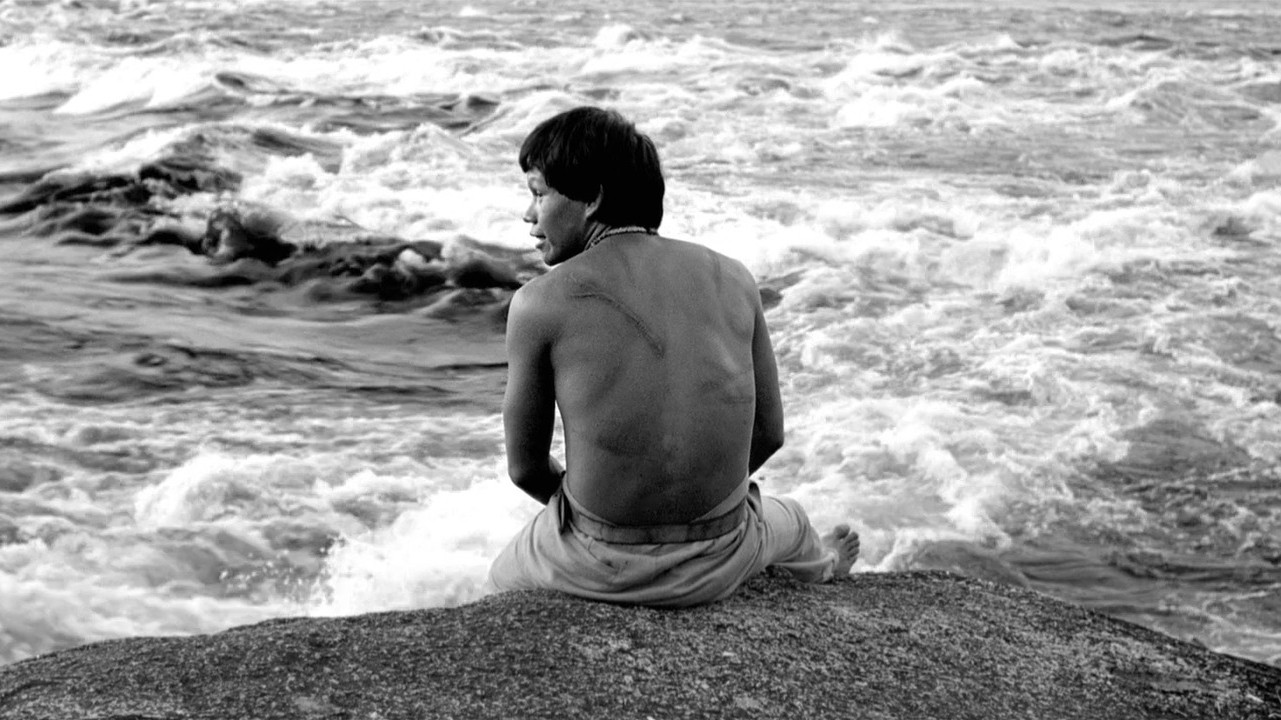
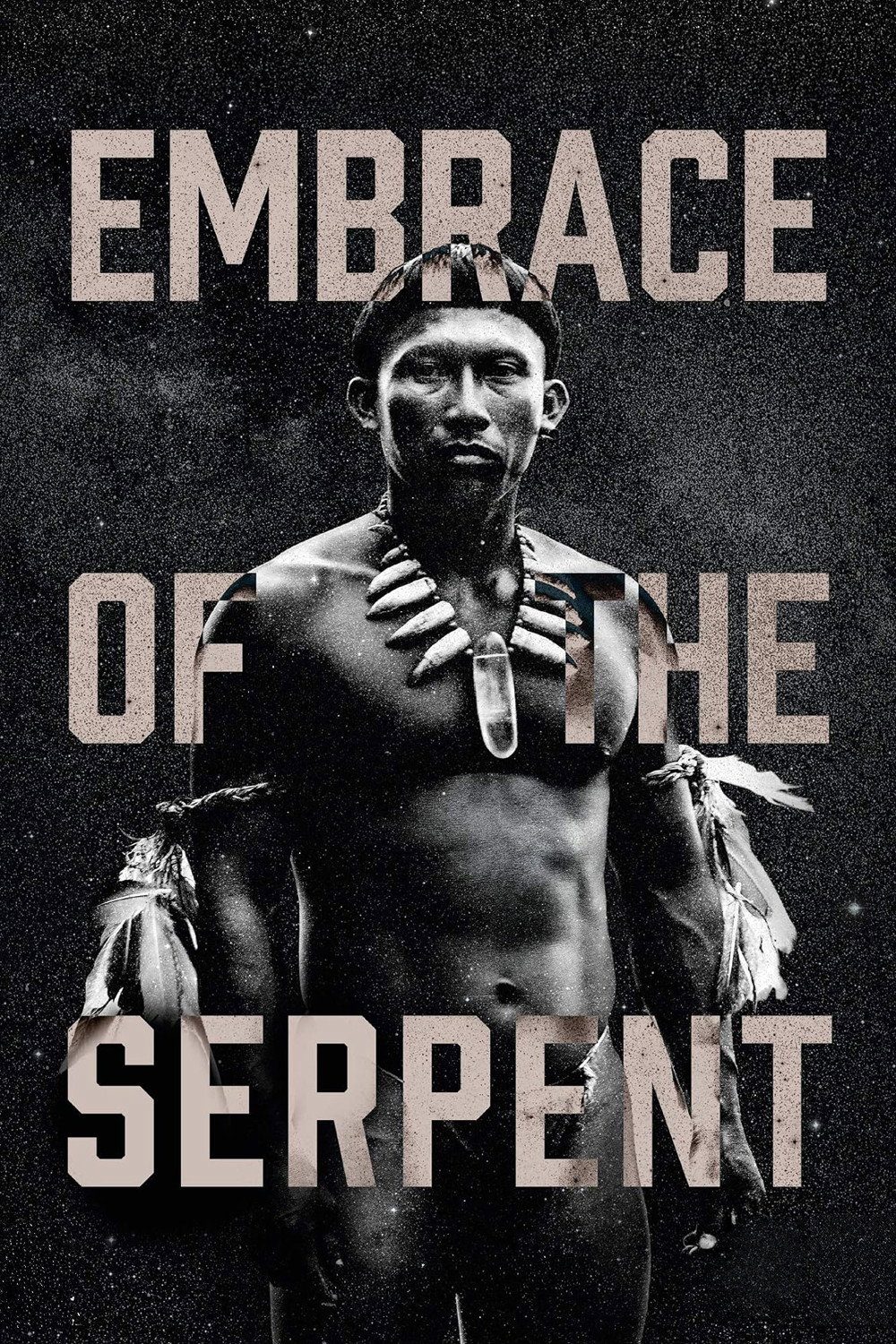
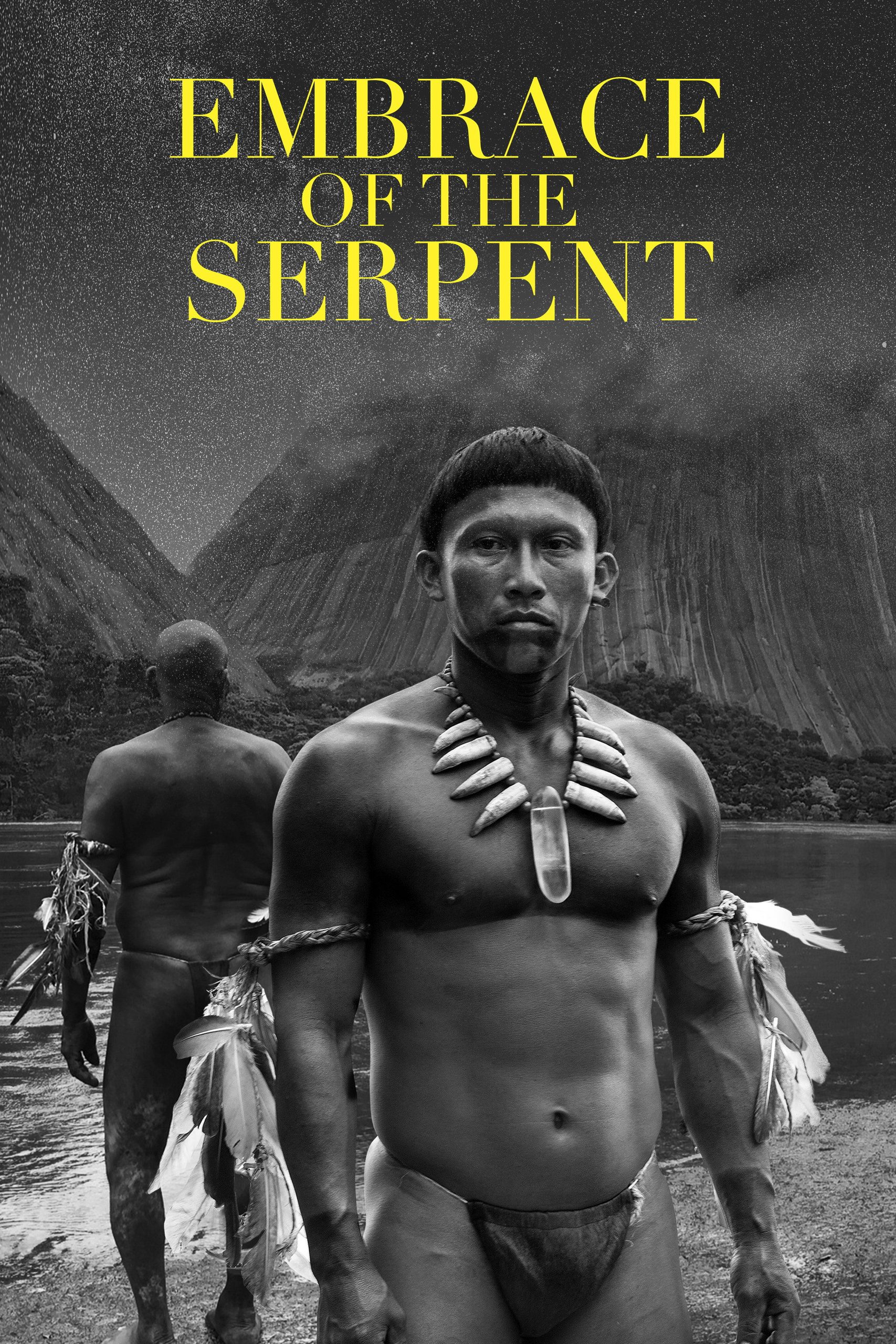
David Gallego shoots it in black and white, and the choice is the making of the film. The forest is not green; it is a grey wall, and the river is a sheet of pewter with the sky in it. Skin is lit so that Karamakate, in the paint and feathers Catherine Rodríguez gives him, looks carved rather than photographed, while Theo’s linen and boots read as a costume he cannot take off. Nascuy Linares mostly stands aside for insects, water and birds, and when his score does arrive it is low and held. The Amazon never once looks like a holiday.
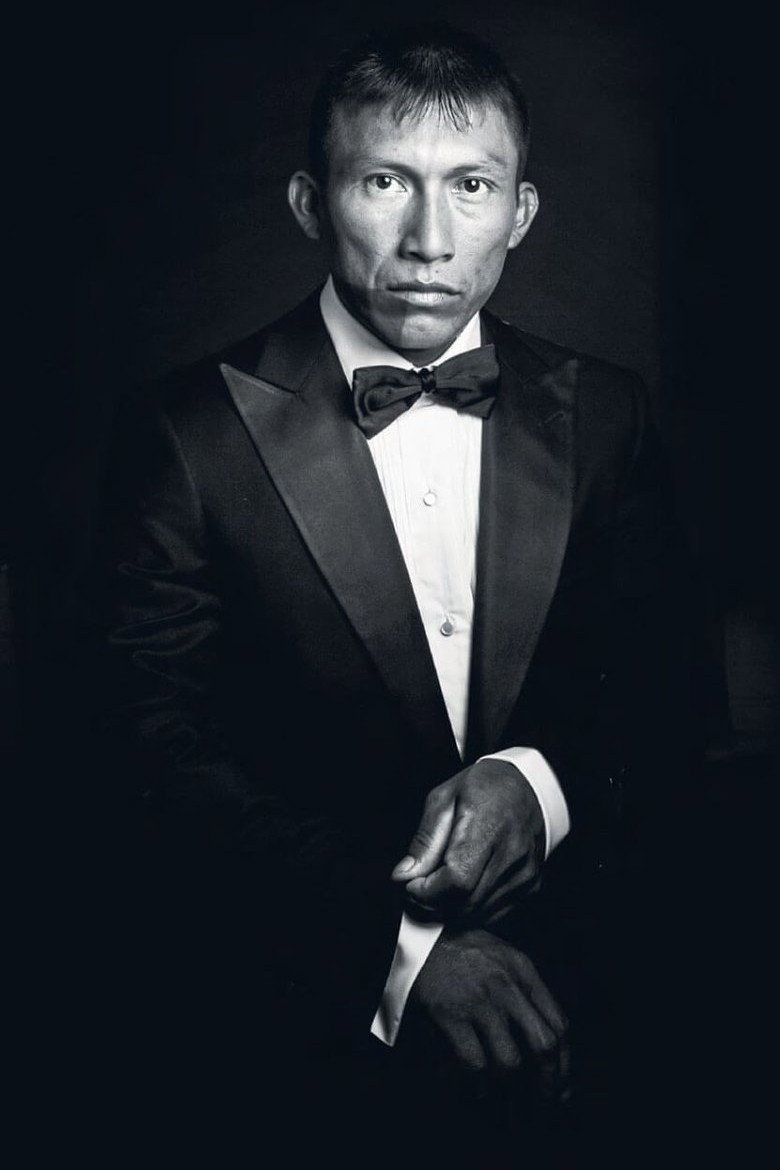
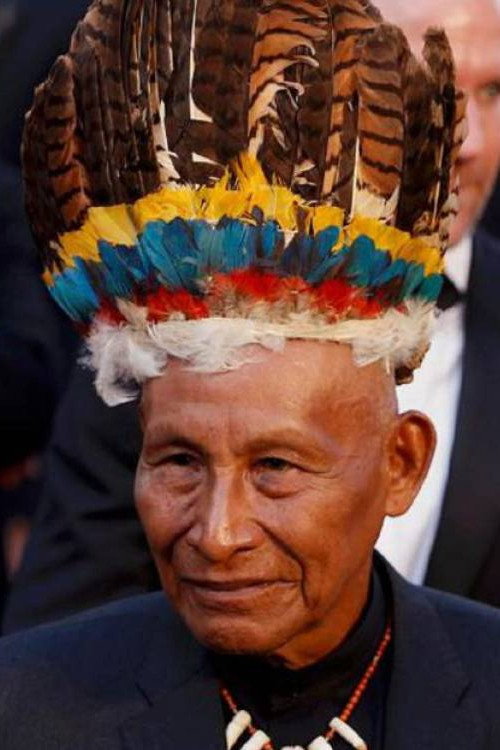
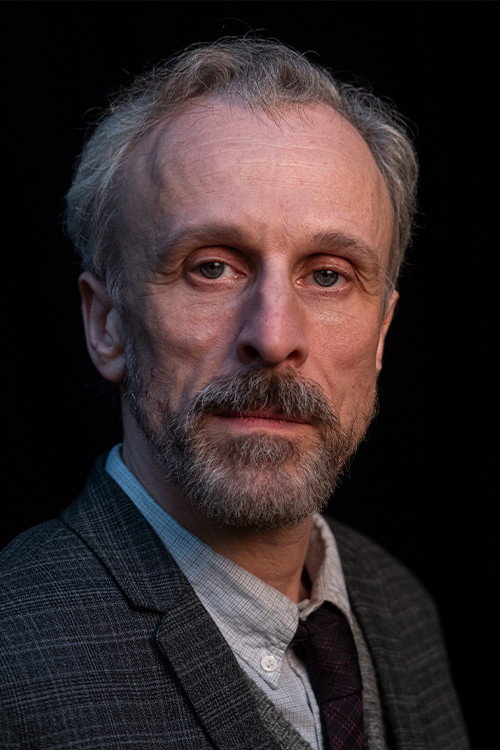
Torres plays the young Karamakate as a furious man who has decided the whites deserve nothing and keeps being surprised into giving them something. He looks at Theo’s trunks of specimens the way we might look at a burglar’s sack. Bolívar’s old Karamakate is the better performance and the sadder one: he calls himself a chullachaqui, a hollow copy of a man who wanders the forest without memories, and he plays it with a stillness that takes a while to read as grief. Bijvoet gives Theo a real decency, a man who loves the people he is cataloguing and still cannot leave a single box behind. Davis has the thinner part, and Schultes stays a stiff, courteous outline; his half of the film is where we occasionally checked the time.
The first act has a scene we have not shaken. The canoe pulls in at a rubber station, the trees scored and bleeding white, and a one-armed man (José Sabogal) crawls out of the undergrowth and begs to be killed. We were horrified, and what did it was how little the film shows: the quiet, the wrecked trees, and the way Karamakate looks at him before he answers. Shortly afterwards the travellers reach a mission where Luigi Sciamanna’s missionary keeps indigenous boys in white smocks, forbids their language and beats them for using it. Angélica Perea’s production design makes the mission a whitewashed compound in a clearing, and it looks like a prison.
Now the caveat. The film says its point out loud, and then says it again. Karamakate tells Theo he is the sickness he has come to cure; later somebody explains that the white man cannot listen; later still the jungle is credited with knowing what the visitors do not. The best of these exchanges, an argument over whether Theo should let a village keep the compass they have taken from him, works because both men are right. By the third pronouncement we had understood, and the handful of mixed reviews make the same complaint. We think they undersell how much else is here, but they have a point.
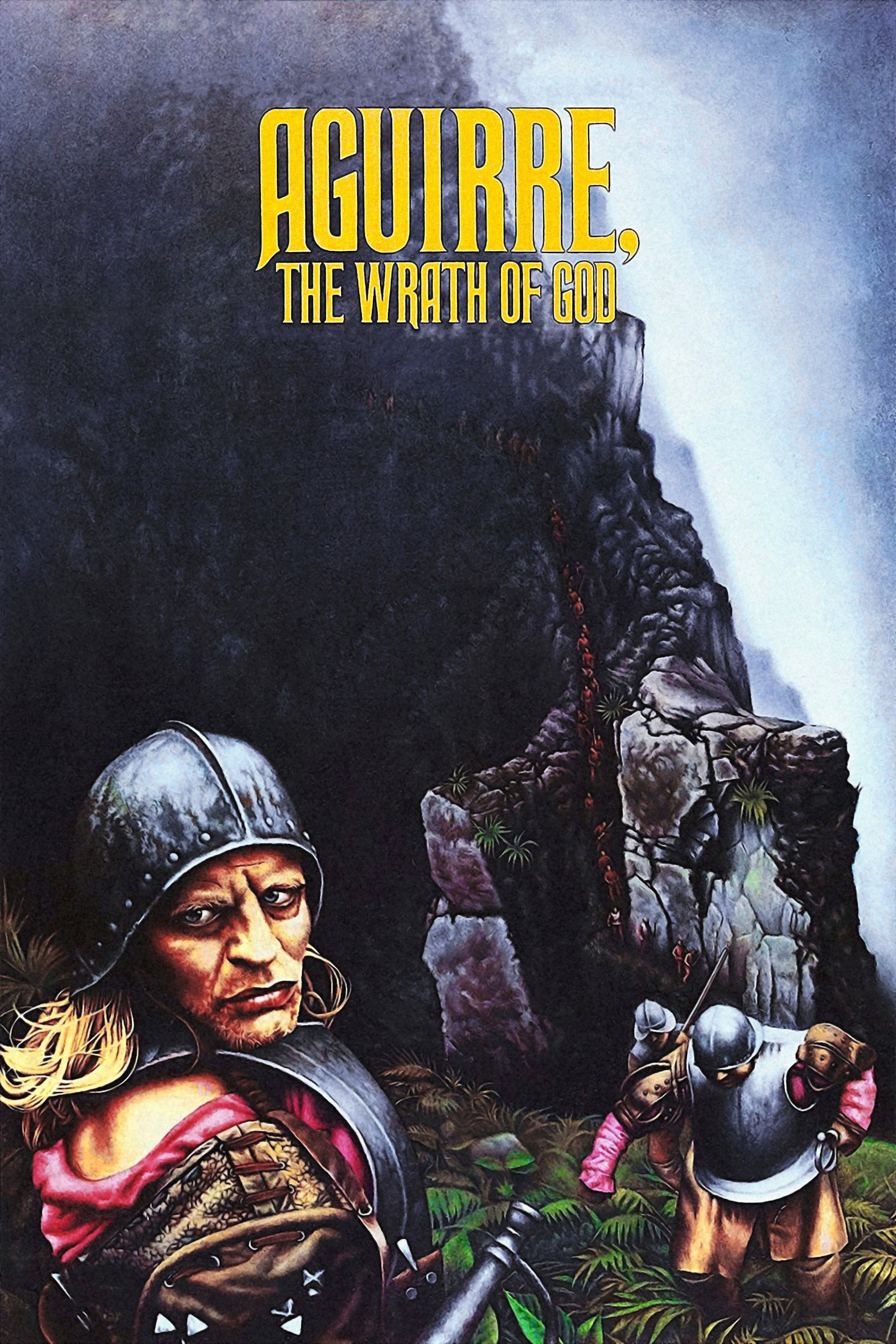
Set against Herzog’s Aguirre, the Wrath of God, the standard for films about Europeans coming apart on a South American river, this is calmer, and its subject is theft. At 125 minutes it is a little long in the second half, and there is a stretch late on, which we will not describe, that some viewers will find silly. We did not.
It is a 15 certificate. The violence is brief and mostly off screen, and it hurt more for that. Watch it in as dark a room as you can manage; Gallego’s greys need it.