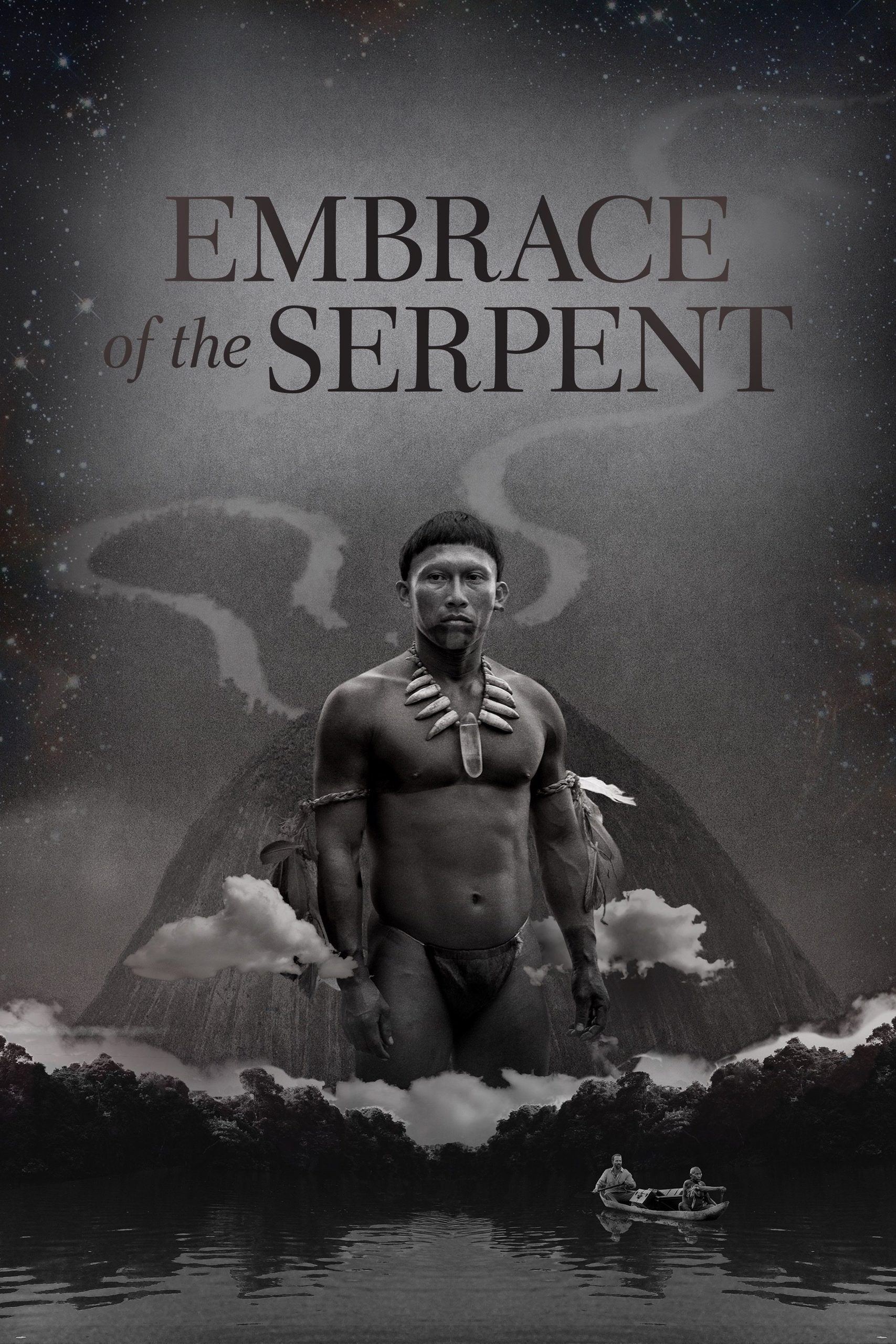
The reviews are almost unanimous in their approval. Most critics praise the black-and-white photography of the river journeys above everything else, and nearly as many single out the decision to tell an Amazon adventure story from the point of view of the shaman Karamakate rather than the European explorers he guides. The two timelines are widely admired for how they are cut together, and several critics pick out the closing colour sequence as the moment the film pays off its long, slow build.
The reservations are small and cluster in two places. Several find the second half too long and the structure loose, closer to a string of episodes than a story. A smaller group thinks the film underlines its anti-colonial point too often: The Times gives it three stars for saying the same thing repeatedly, and The AV Club calls it an academic exercise. The spread is narrow, with no negative reviews and only one mixed.
S
Sight and Sound
1 December 2016 · Demetrios Matheou
90*
The critic calls the film a near-faultless anthropological adventure and character mystery that offers a poignant condemnation of colonialism as a teemingly rich tribute to a lost world. It singles out the indigenous shaman protagonist and the crisp, sumptuous black-and-white photography for particular praise.
Read the full review →G
The Guardian
17 February 2016 · festival review · Peter Bradshaw
90*
The critic praises the film's dreamlike, psychedelic exploration of two parallel expeditions through the Amazon, reversing typical imperialist perspectives via the shaman Karamakate as guide. It highlights the rich character of Karamakate and the film's evocative black-and-white imagery and cultural commentary.
Read the full review →N
The New York Times
16 February 2016 · NYT Critic’s Pick · Stephen Holden
90*
The critic praises the film as majestic and spellbinding for its deconstruction of colonial horror through the eyes of a shaman confronting the despoliation of the Amazon. It singles out the striking black-and-white cinematography of the river journeys and the morally complex central figure of Karamakate.
Read the full review →E
Empire
6 June 2016 · Will Lawrence
85*
The film is a haunting, beautifully shot work that blends mystical and surreal elements with real-life explorer journals. It contrasts Western and indigenous views of time through two journeys along the Amazon.
Read the full review →L
Los Angeles Times
18 February 2016 · Kenneth Turan
85*
The critic calls the film beautiful, strange, and disturbing as a lament and warning about destroyed Amazon tribes, blending a passionate attack on invasive capitalism with an adventure story. It singles out the strikingly photographed black-and-white epic and the charisma of the actors playing the shaman across two timelines.
Read the full review →E
Evening Standard
10 June 2016 · Charlotte O'Sullivan
80*
Watching the film is like flicking through a family album while on drugs: intimate and bizarre. Guerra uses humour and elegant monochrome visuals to portray a complex shaman who is the last of his tribe.
Read the full review →F
Film Comment
1 January 2016 · Violet Lucca
80*
The film turns the traditional Amazon adventure yarn on its head by centering an indigenous protagonist and shooting in black and white. It offers a poetic corrective to colonialist images while depicting the ravages of rubber barons and ending on a visually striking note.
Read the full review →L
Little White Lies
8 June 2016 · 4/4/4 · Matt Thrift
80
The critic hails the film as one of the year’s most potent and strikingly original, an exquisitely rendered study of colonialism, memory and cultural erasure. It singles out the complex dual-timeline structure and the mind-expanding final colour sequence for praise.
Read the full review →S
Slant Magazine
17 February 2016 · Steve Macfarlane
80*
The critic highlights the film's ambitious scope tracing the domino effects of colonial violence across generations and its just and angry correctivism, while noting excesses in arthouse symmetry.
Read the full review →N
The New Yorker
18 February 2016 · Richard Brody
80*
The critic describes the film as fanatically detailed and starkly visionary in dramatizing a shaman's encounters with European explorers. It singles out the poised black-and-white images and the soundtrack evoking the harsh environment alongside sharp dialogue on clashing worldviews.
Read the full review →T
Time Out
6 June 2016 · ★★★★ · Tom Huddleston
80
The critic describes the film as unique and intoxicating, an art movie that grips like a thriller and plays like Apocalypse Now in a dugout canoe. It singles out the dreamlike, episodic road movie structure and the cosmic, mind-expanding finale for praise.
Read the full review →V
Variety
2 June 2015 · festival review · Justin Chang
80*
The critic lauds the visually majestic film for paying tribute to lost Amazon cultures through its bifurcated narrative of colonial destruction. It singles out the transfixing power of the black-and-white imagery and the film's moral conviction while noting some narrative longueurs.
Read the full review →S
Screen Daily
16 May 2015 · festival review
70*
The critic finds the sublime and the insane engaging traveling companions in this widescreen black-and-white odyssey that slowly transitions from realism to the fantastical. It singles out the interweaving narratives and hypnotic grandeur for praise while noting slow pacing early on.
Read the full review →A
The AV Club
16 February 2016 · B- · Ignatiy Vishnevetsky
70
The film is a head trip that explains itself too much, shrewd at tweaking colonial fantasy clichés but ultimately an academic exercise full of stand-ins and signifiers.
Read the full review →H
The Hollywood Reporter
15 May 2015 · festival review · Jordan Mintzer
70*
The critic praises the visually mesmerizing exploration of man, nature and the destructive powers of colonialism along with knockout black-and-white cinematography. It notes the film runs a tad too long in its second half but remains absorbing.
Read the full review →The critic finds it an entrancing odyssey with an invigorating reverse-angle perspective on colonialism's poisonous effects, though it wobbles like a shaggy-dog story whose detours prove the real story; praises the astounding images.
Read the full review →T
The Times
10 June 2016 · ★★★☆☆ · Kevin Maher
50*
The critic finds the film breathtakingly gorgeous in monochrome but criticizes it for repeatedly hammering home the message that colonialism is bad. It notes the historical basis and strong visuals while finding the messaging overly familiar.
Read the full review →P
The Playlist
18 February 2016 · A · The Playlist Staff
95
The critic calls the film a work of art and one of the most singular cinematic experiences, praising its unearthly beauty, ancient wisdom, and intimate portrayal of colonialism's impact through individual stories.
Read the full review →The critic praises the film's surreal and transformative journey through the Amazon, highlighting its poetic imagery and exploration of memory, identity, and humanity's destructive impact. They single out the black-and-white cinematography and the focus on the indigenous protagonist Karamakate as elements that make it a powerful, belief-shaking experience.
Read the full review →E
Eye for Film
10 April 2016 · Rebecca Naughten
85*
The critic praises the film's skilful entwining of two eras from the shaman's perspective, giving history back to indigenous people and serving as a testament to lost cultures and traditions.
Read the full review →H
HeyUGuys
8 June 2016 · ★★★★ · Stefan Pape
80
The critic finds the film a tremendously absorbing and mesmeric affair, spellbinding in its monochrome presentation and intelligent interweaving of parallel expeditions, though loose on narrative structure.
Read the full review →Ordered by the weight we give each publication, then by score. Scores are normalised to 100; * means inferred from an unrated review. Summaries are ours, not quotations; follow the links for the reviews themselves. How we rate