Biography
Beate Mainka-Jellinghaus is a German film editor. Born on 27 July 1936 near Oppeln (now Opole, Poland), she trained as an editor at a private film school in Wiesbaden after secondary education that included ballet and acting. Her first solo editing credit came in 1958 on the television production Ein gewisser Judas.
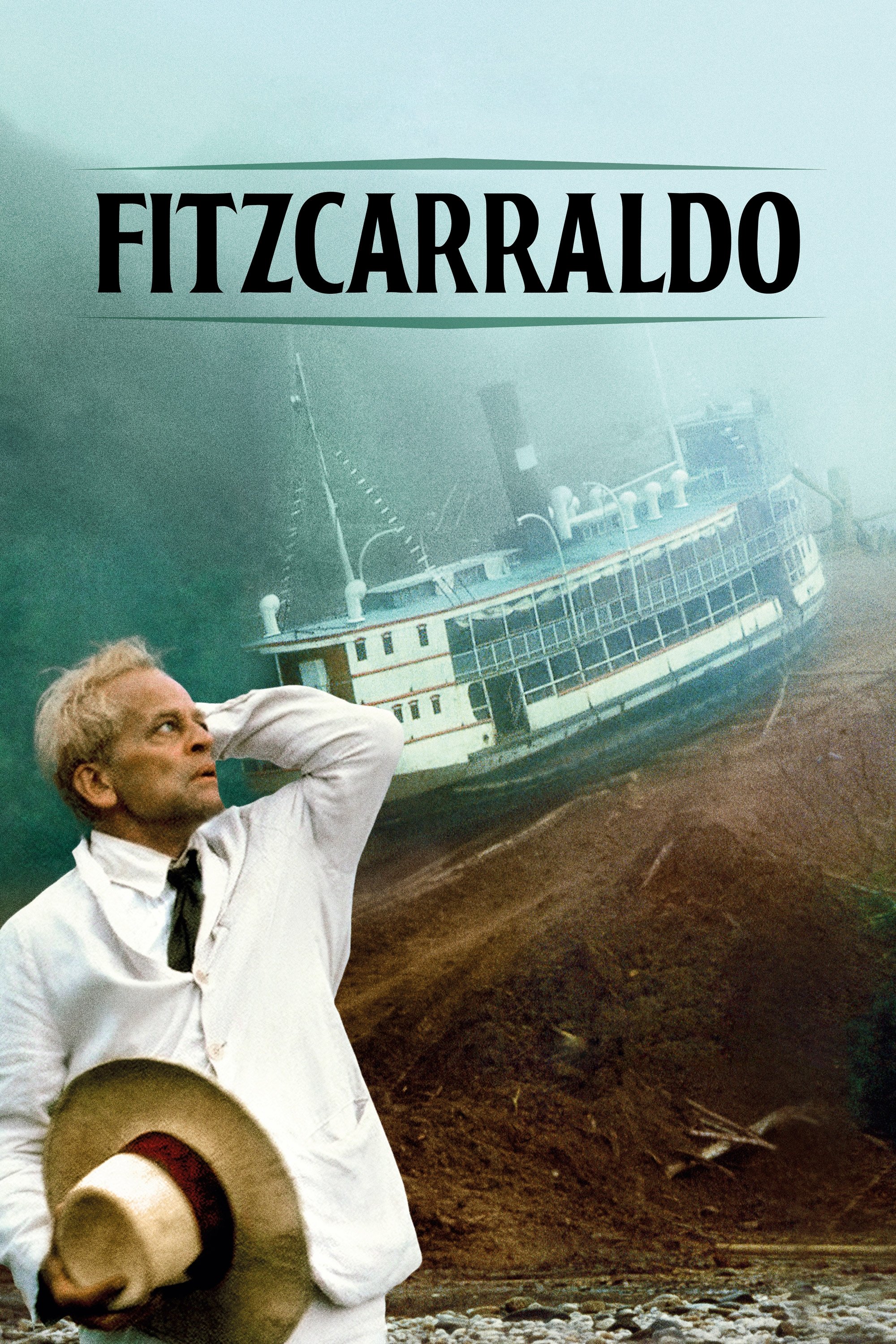
She became associated with the New German Cinema movement through early work with Edgar Reitz and a long collaboration with Alexander Kluge from the mid-1960s, including Yesterday Girl (1966) and Artists Under the Big Top: Perplexed (1968). From 1968 she edited twenty films for Werner Herzog, among them Signs of Life (1968), Aguirre, the Wrath of God (1972), The Enigma of Kaspar Hauser (1974), Nosferatu the Vampyre (1979) and Fitzcarraldo (1982). She also contributed to Germany in Autumn (1978).
Mainka-Jellinghaus received the German Gold Film Ribbon for editing on The Enigma of Kaspar Hauser and Kluge’s In Danger and Deep Distress, The Middleway Spells Certain Death (both 1975). Her credited work spans more than twenty-five feature films and documentaries between 1966 and 1986.