Film review

Fitzcarraldo

1982 · Directed by Werner Herzog · 2h 37m · MPA PG

In a sentenceOpera is a demanding hobby once a steamship gets involved

DramaAdventure

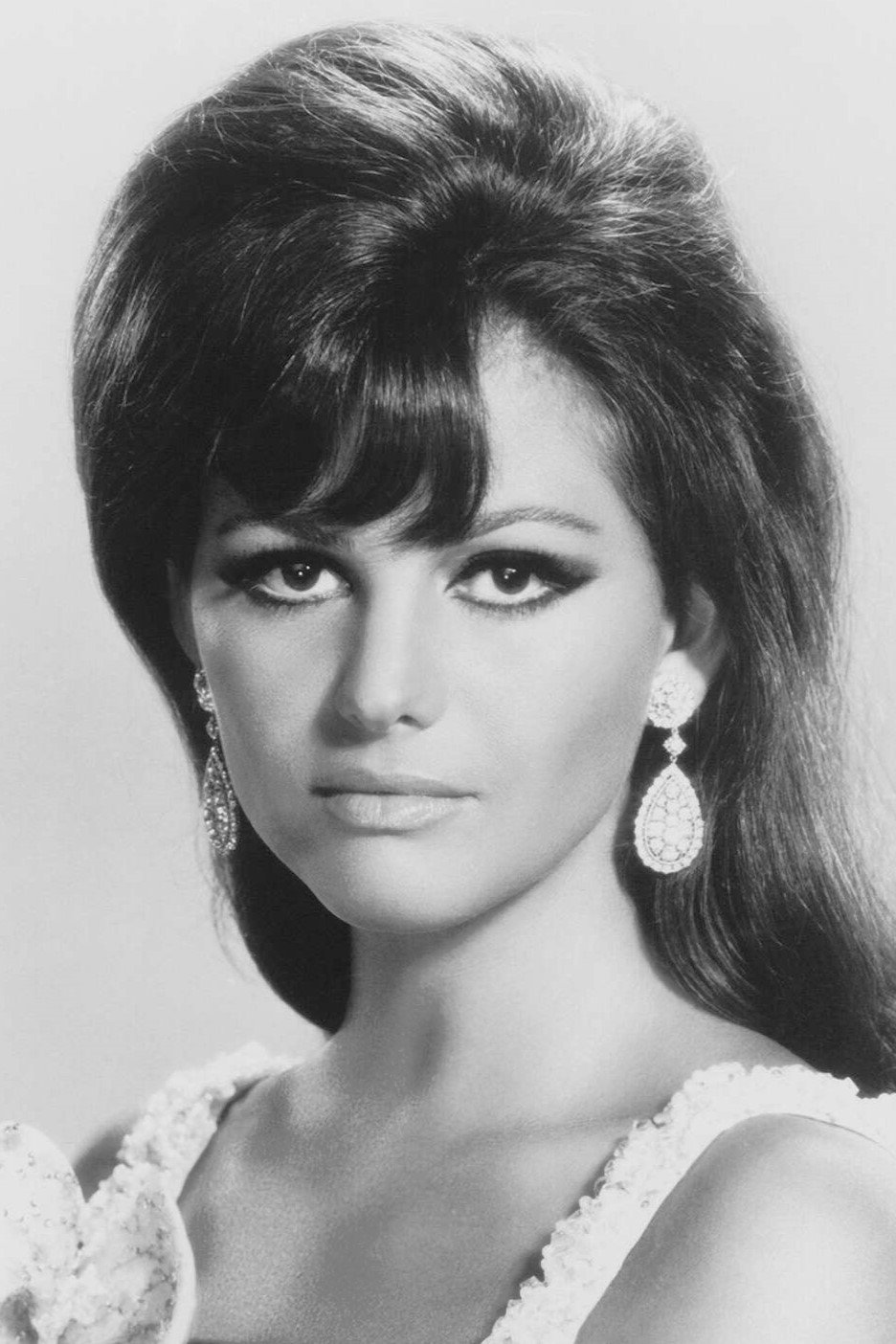
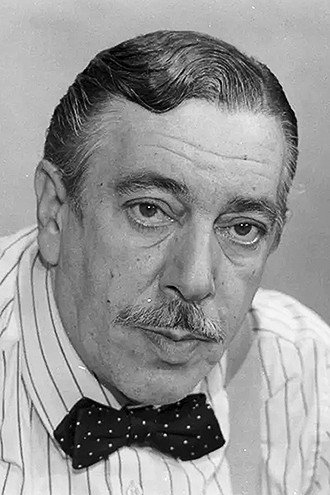
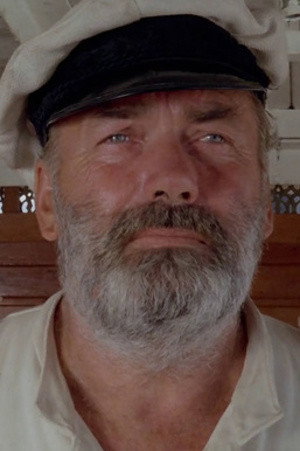
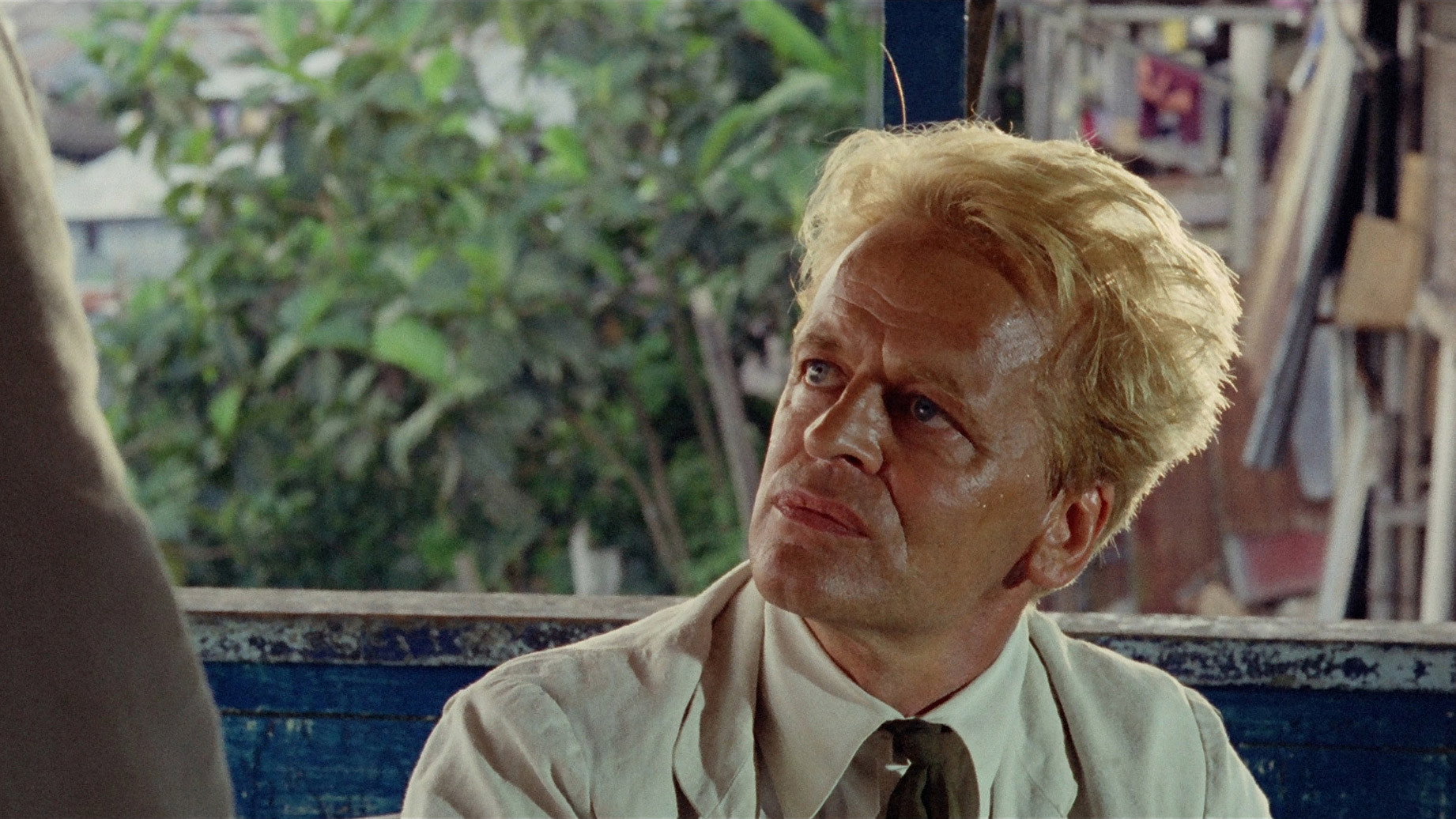
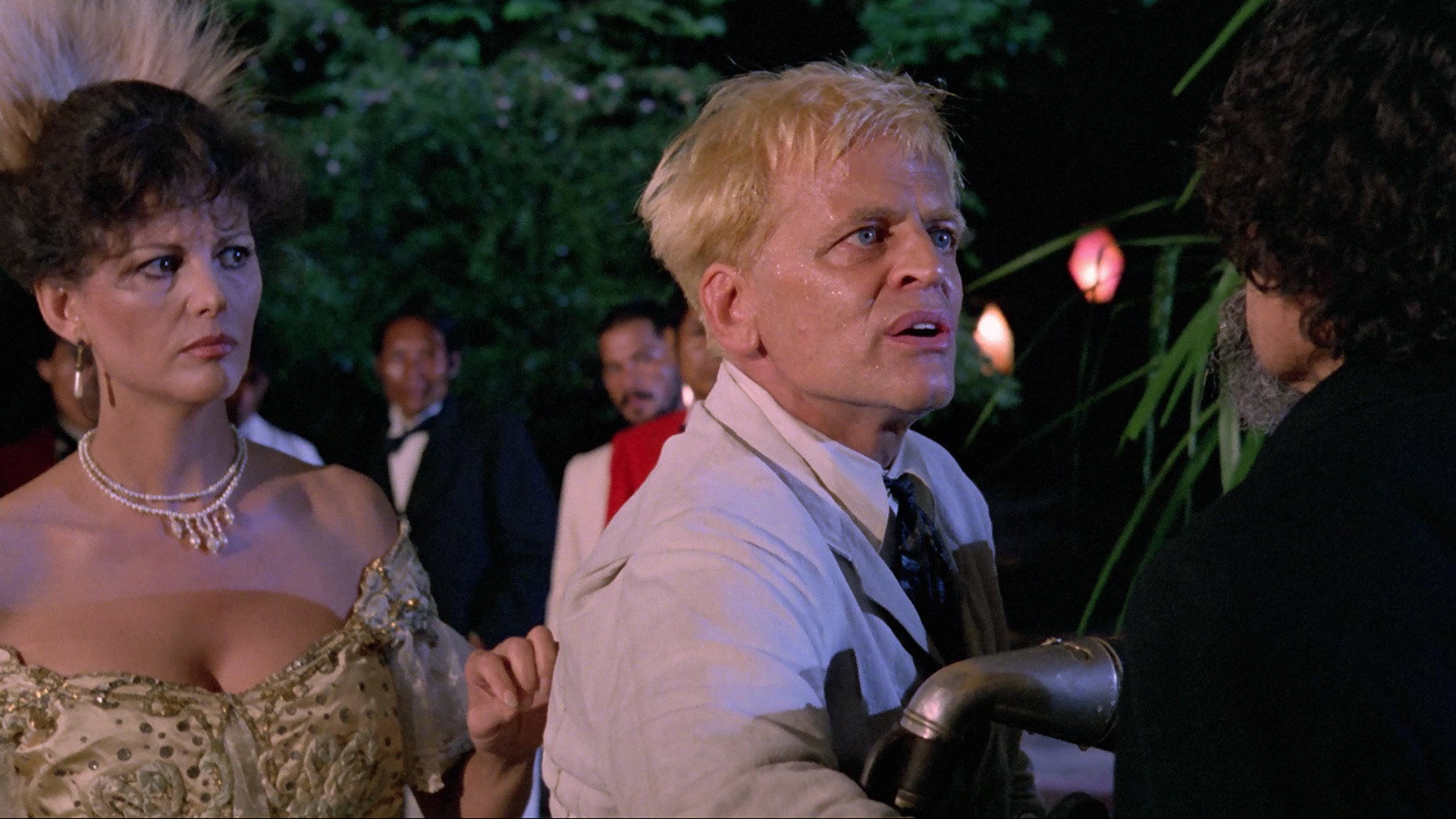
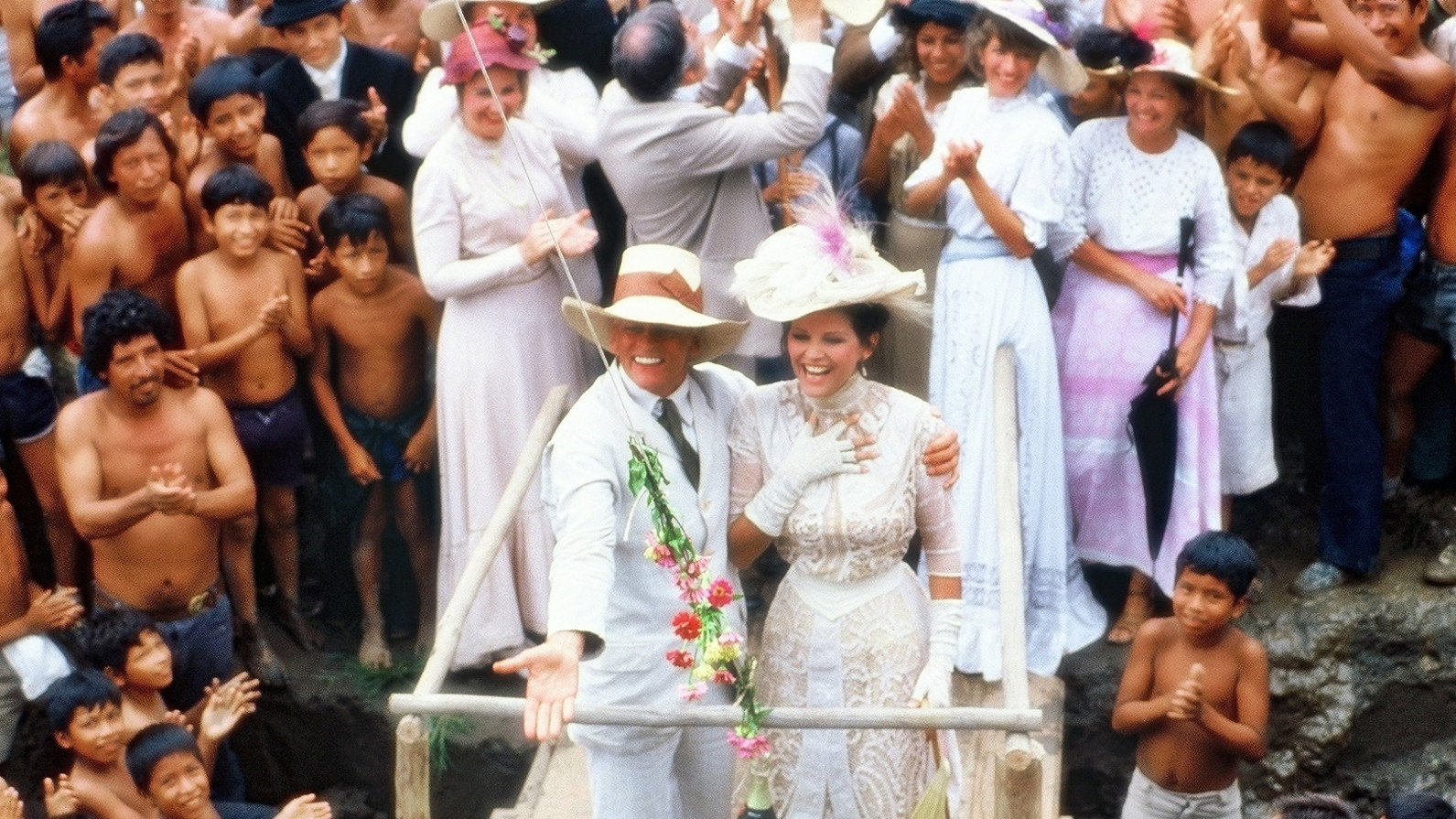
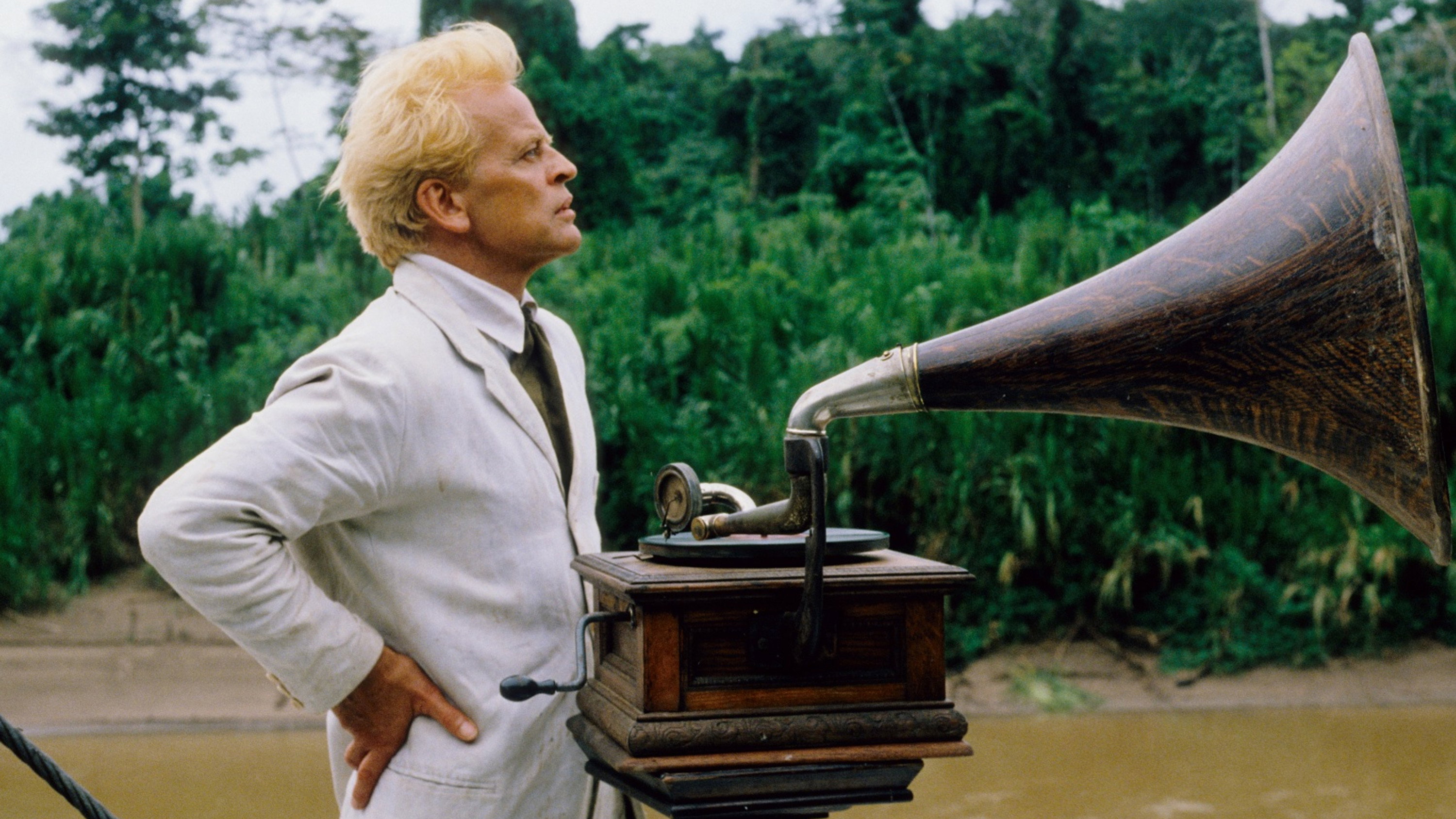
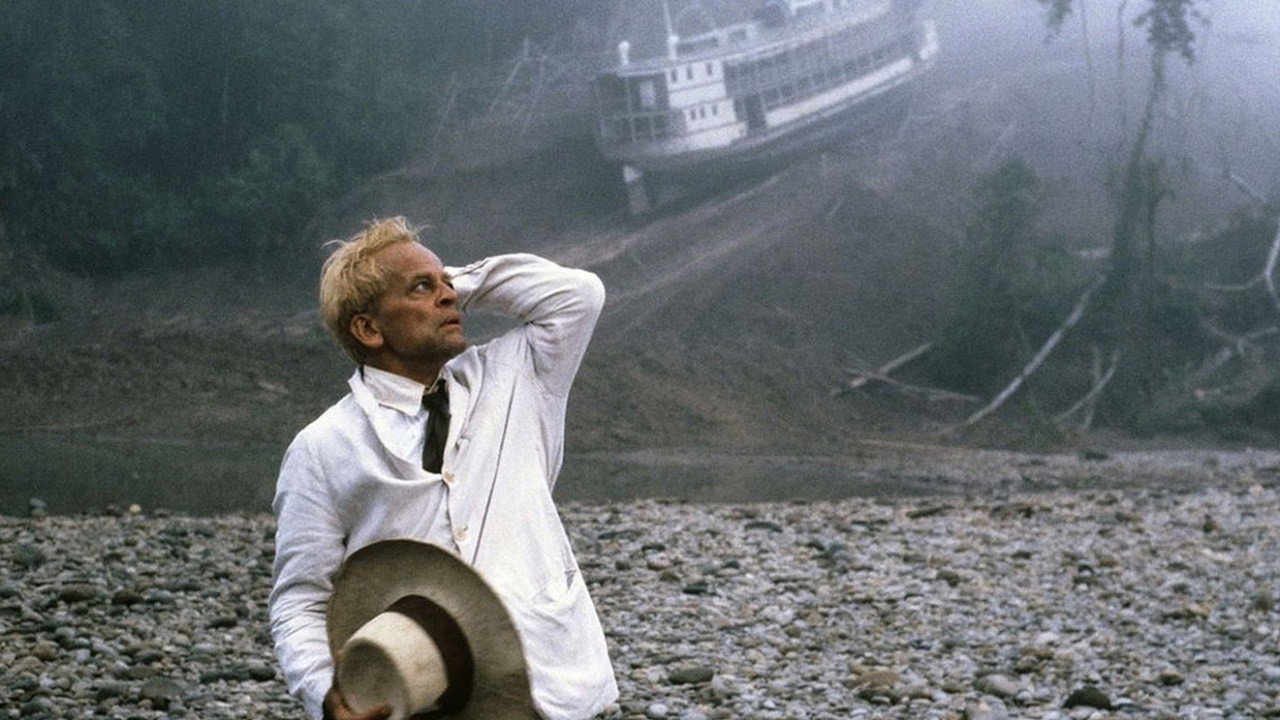
Fitzcarraldo (Klaus Kinski) wants to bring opera to the Amazon jungle. Pursuing that ambition means attempting a venture on a scale few people would consider practical, with a steamship at the centre of his plans. Werner Herzog’s adventure drama follows a man whose enthusiasm leaves little room for doubt as he sets his wishes against the demands of the landscape. Claudia Cardinale plays Molly, with José Lewgoy as Don Aquilino, Miguel Ángel Fuentes as Cholo and Paul Hittscher as Orinoco Paul.

Plays from YouTube when you press play; nothing loads from them until then.

Fi1m review

Werner Herzog’s Amazon adventure rewards patience with Klaus Kinski’s fierce conviction and landscapes that make the whole enterprise look unreasonable. The wandering narrative tests that patience, but the film earns an uninterrupted evening.

Werner Herzog’s Fitzcarraldo is a rewarding adventure that takes too long to get where it is going. Its opera enthusiast wants to bring his passion to the Amazon jungle, an ambition Klaus Kinski makes both absurd and difficult to dismiss. Herzog, who also wrote the screenplay, takes that wish seriously enough to give it 157 minutes. The patience required is considerable, but so is the pleasure of watching a film pursue something so impractical without apologising for it.

Kinski does much of the persuading. His Fitzcarraldo has the concentration of a man who has stopped distinguishing between wanting something and having a right to it. Yet the desire for opera gives that intensity an unexpectedly gentle purpose. We were moved by the seriousness Kinski gives this improbable wish; he makes us believe that Fitzcarraldo needs opera to live.

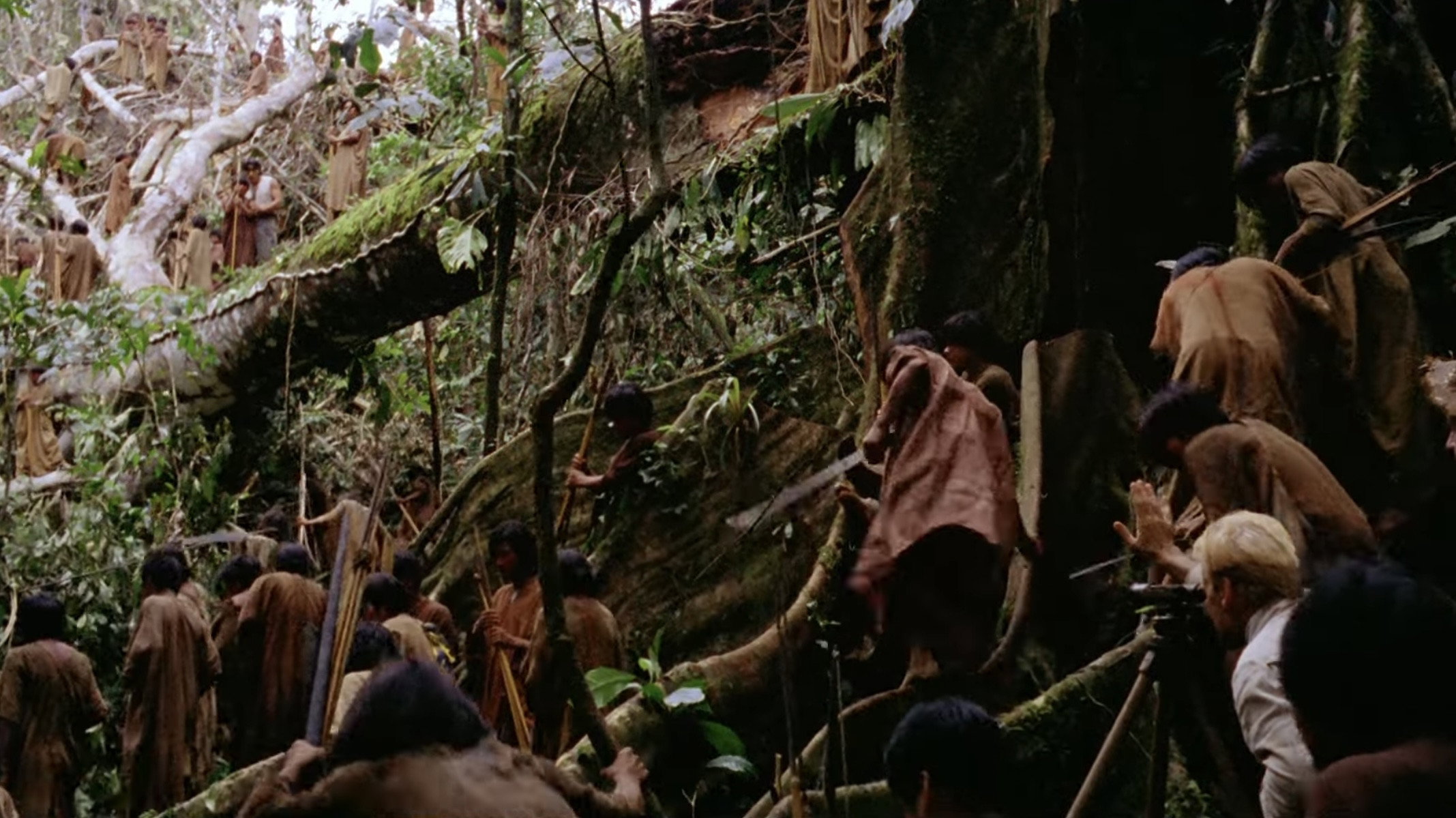
Thomas Mauch’s cinematography gives the Amazon scenery enough force to compete with him. We were awed by the scale of the landscape, which makes Fitzcarraldo’s determination look a little ridiculous. Mauch gives the jungle enough prominence to distract us from Kinski, and the film benefits whenever our attention wanders towards it. There is a pleasure in looking that survives even the stretches when the story has stopped making much progress.

Ulrich Bergfelder and Henning von Gierke’s production design is persuasive in its sense of weight, particularly the steamship’s awkward bulk. Simply looking at that vessel makes Fitzcarraldo’s enthusiasm seem insufficient, which is exactly the difficulty the adventure needs us to understand. The boat never feels like a prop that can be tidied away when it has served the story. Popol Vuh’s music gives the journey an eerie calm, a welcome relief from the protagonist’s insistence.

Beate Mainka-Jellinghaus’s editing is less consistently persuasive, though the willingness to linger plainly belongs to Herzog too. The long stretches give the landscape time to register, but the narrative also wanders after we have understood the protagonist’s determination. The repeated insistence begins to feel redundant, and some passages demand patience without adding much to our knowledge of the man. We would hesitate to recommend this to anyone who needs an adventure to keep advancing from one clearly defined task to the next.

As an adventure, it is unusually willing to leave its central enterprise looking unreasonable. The wish to bring opera to the jungle has charm, though charm does not settle every question about a man who expects the world to accommodate his taste. Herzog’s screenplay could look harder at that expectation, and the film sometimes seems too impressed by determination itself. Kinski keeps the character interesting through those indulgences, but the attention paid to his conviction can leave little space to question it.

At 157 minutes, this needs more than a casual slot between other things. We would give it an uninterrupted evening, and accept that some of that evening will involve waiting. Choose a night when nobody is going to ask how much longer it has left.
Critical consensus AI synthesised

82
Positive
6
Mixed
0
Negative
0

The reviews are consistently positive, with praise centring on Herzog’s ambition, the physical demands of the location filming and Kinski’s performance as an opera enthusiast pursuing an extravagant Amazonian scheme. Critics repeatedly connect the director’s determination with his protagonist’s obsession. The scenery and the practical scale of the production draw particular admiration, while Empire places Kinski at the centre of the film’s achievement, crediting him with carrying much of the story.

The differences concern how readily critics accept the length and wandering narrative. The AV Club finds the slow progress rewarding, treating it as part of the film’s account of obsession. Eye for Film is more reserved, finding the storytelling meandering and sometimes difficult to follow, and questioning its plausibility. Even that assessment praises the authentic production and Amazonian scenery: the spread runs from qualified approval to considerable enthusiasm, rather than outright dissent.

RogerEbert.com
28 August 2005 · Roger Ebert
90*

The critic calls it one of the great visions of the cinema and one of the great follies, possible only because of the other. He singles out the real, dangerous location shooting of hauling the massive boat up the hill without effects and Herzog's obsessive commitment to it.

Read the full review →
Empire
1 January 2000 · Justin Bowyer
85*

The film is the greatest achievement of the Herzog/Kinski partnership. Kinski carries the tale of an opera fan's determination almost single-handedly, with the beautiful scenery as his main co-star.

Read the full review →
Slant Magazine
13 June 2003 · Rumsey Taylor
85*

The film stands as the preeminent testament to Herzog’s labor as a filmmaker. The critic singles out the iconic climactic image of the steamship on the mountainside as the pinnacle of the director’s ambition and the defining visual of his career.

Read the full review →
The AV Club
29 March 2002 · Keith Phipps
80*

Herzog’s decision to replicate the protagonist’s obsession by literally dragging a steamboat over a mountain results in a long, slow, rewarding film. The critic praises Kinski’s monomaniacal performance as a benevolent variation on his Aguirre role and notes the film’s indelible imagery of men pitting their dreams against nature.

Read the full review →
Time Out
10 September 2012 · PT
80*

The film is an eccentric and monumental marvel of operatic excess, with Kinski's obsessed adventurer pursuing grandiose schemes to bring opera to the Amazon jungle.

Read the full review →
The New York Times
10 October 1982 · NYT Critic’s Pick · Vincent Canby

The critic calls it a madman's dream but also a fine, quirky, fascinating movie and a stunning spectacle unlike any other. He singles out its benign take on 19th-century capitalism running amok and the way it succeeds despite production hardships.

Read the full review →

Cast

Stills

Awards

International Submission to the Academy Awards, 1983

Nominated
International Submission to the Academy Awards

If you liked this, try…

Aguirre, the Wrath of God poster

Aguirre, the Wrath of God

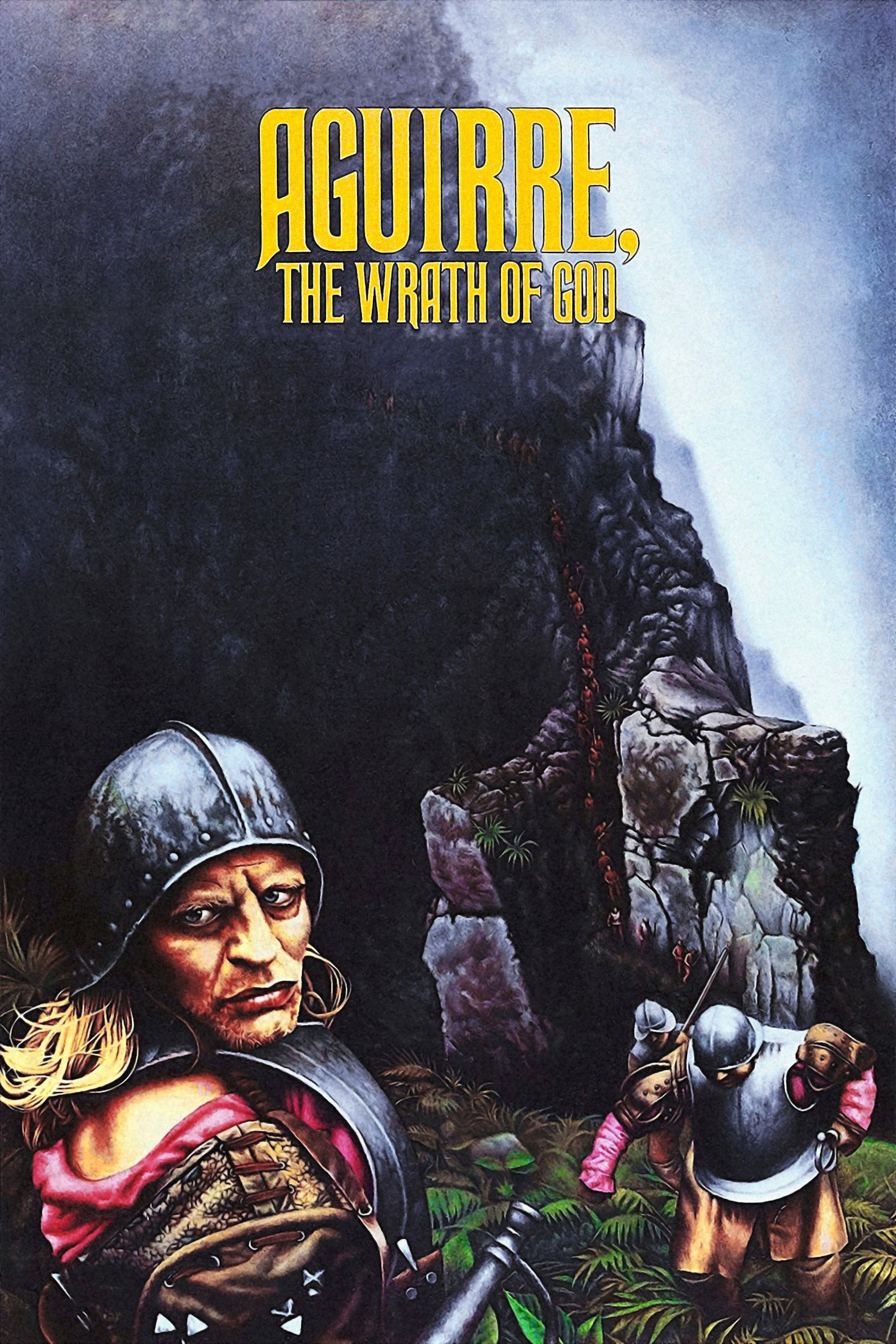
1972 · Herzog and Kinski pursue a harsher obsession through another indifferent jungle.

The Wages of Fear poster

The Wages of Fear

1953 · Heavy machinery, dangerous terrain and men whose plans depend on both.

The Mosquito Coast poster

The Mosquito Coast

1986 · Another determined dreamer discovers that the jungle does not require his improvements.

The Wind Rises poster

The Wind Rises

2013 · A gentler account of consuming ambition, with difficult questions about its cost.

Dersu Uzala poster

Dersu Uzala

1975 · For the vast landscapes, and a wiser approach to living among them.