Film review

The Wind Rises

2013 · Directed by Hayao Miyazaki · 2h 06m · MPA PG-13

In a sentenceThe prettiest film ever made about a fighter plane, and it would rather you didn’t mention the fighter

AnimationDramaHistoryRomance

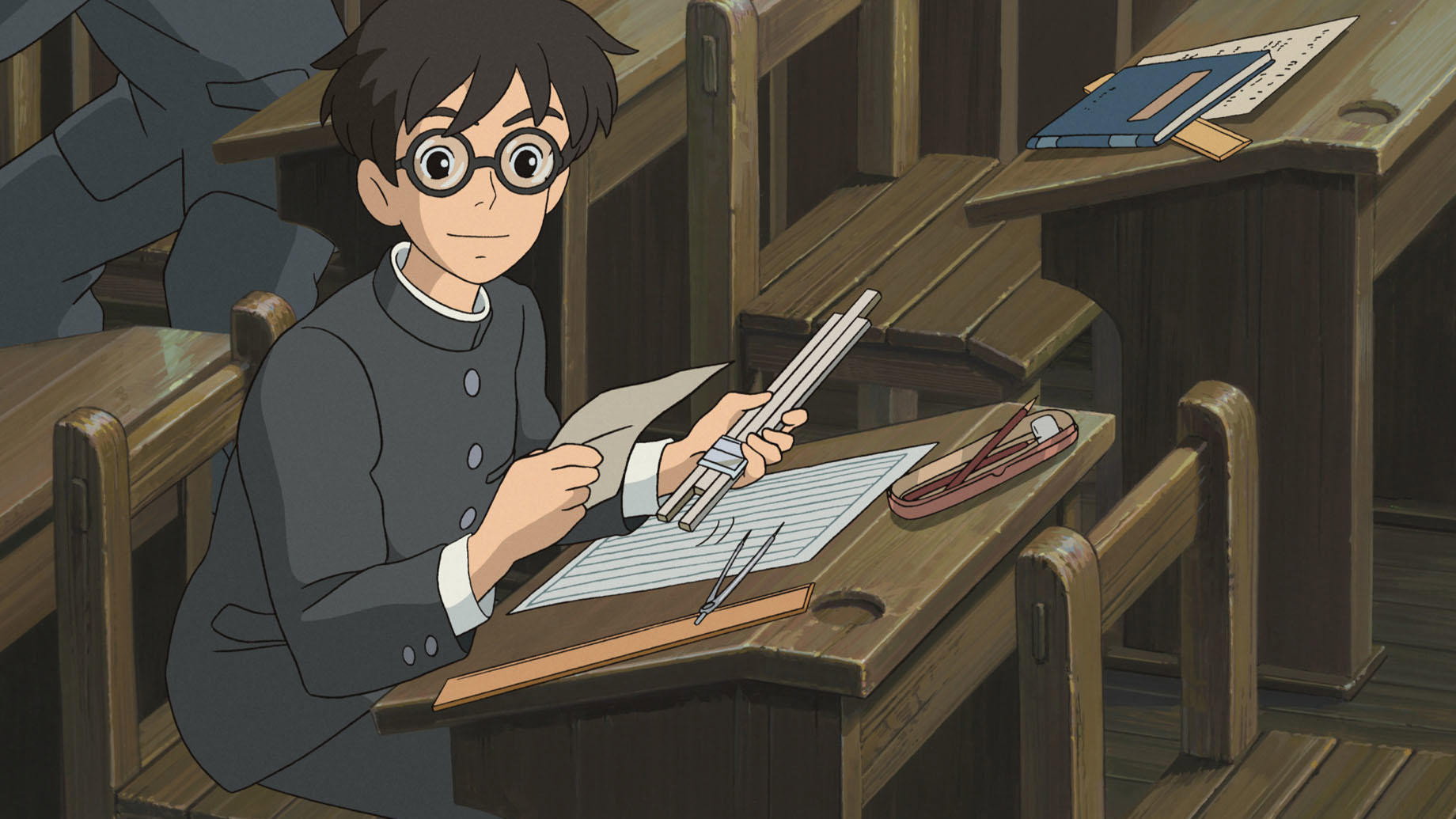
Japan in the 1920s and 1930s. Jiro Horikoshi (Hideaki Anno) is a short-sighted schoolboy who dreams of aeroplanes and cannot be a pilot; in his sleep the Italian designer Giovanni Battista (Mansai Nomura) tells him that building them is the better calling. In 1923 the train carrying him to university in Tokyo is caught in the Great Kanto Earthquake, and he carries a stranger’s injured maid through the burning city, lending his slide rule as a splint and leaving without giving his name. The stranger is Naoko Satomi (Miori Takimoto). Years later Jiro joins an aircraft company under the small, shouting Kurokawa (Masahiko Nishimura), beside his blunt friend Honjô (Hidetoshi Nishijima), and is told to design a fighter for a country that, as Honjô keeps saying, is poor and behind.

Plays from YouTube when you press play; nothing loads from them until then.

Fi1m review

Hayao Miyazaki’s fictionalised life of Jiro Horikoshi, who designed the Zero, is as lovely as anything Studio Ghibli has drawn, and its earthquake is its finest sequence. It also keeps being asked what its hero’s planes are for, and keeps changing the subject.

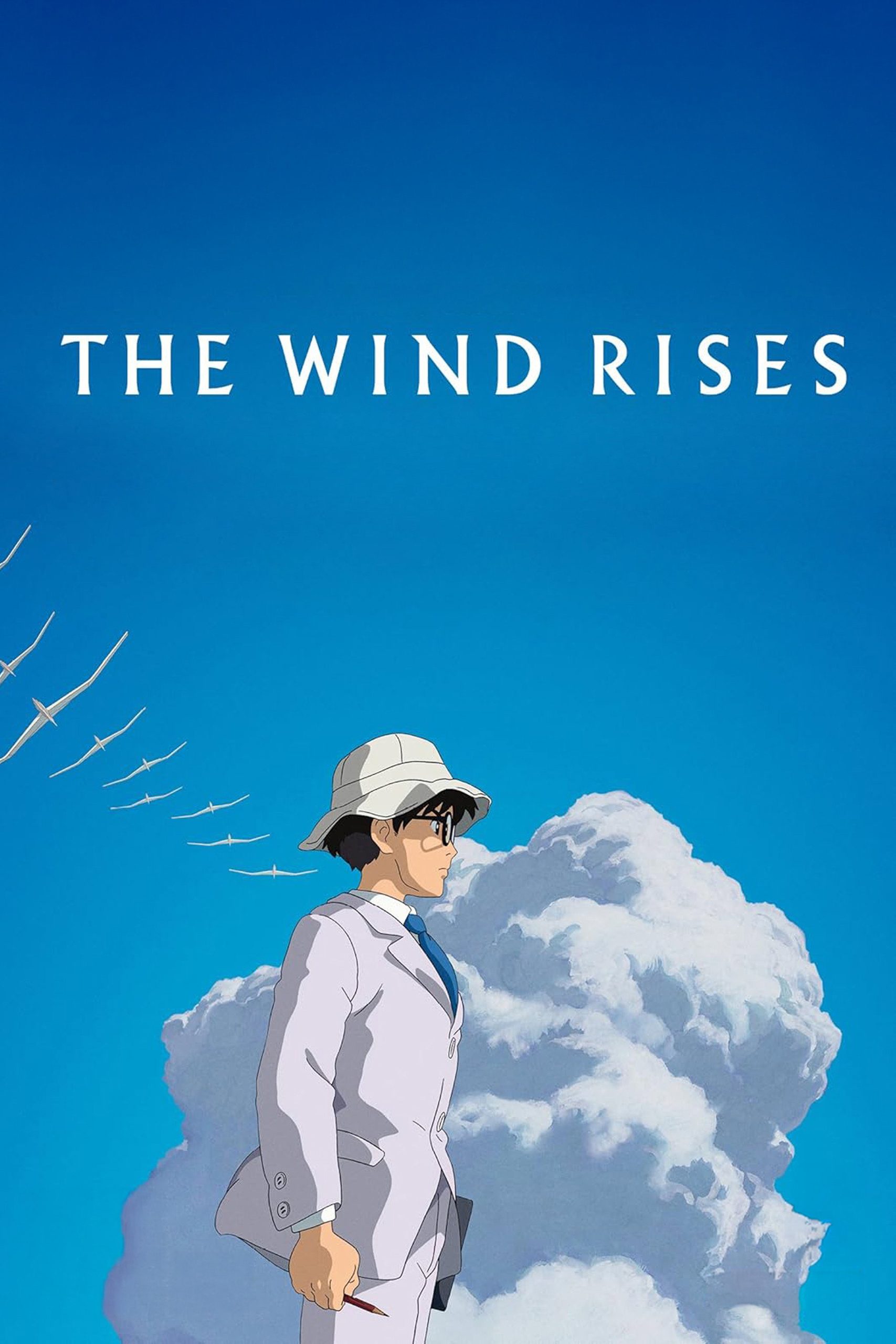
Hayao Miyazaki had never made a film about a real person before The Wind Rises, and he picked a hard one. Jiro Horikoshi designed the Zero, the fighter Japan flew through most of the Second World War, and Miyazaki, who has spent a career hating war and adoring aeroplanes, puts both into one quiet man. The result is as lovely as anything his studio has drawn. It is also a film that keeps being asked what its hero’s planes are for, and keeps changing the subject. We recommend it, with that reservation kept in view.

The Great Kanto Earthquake of 1923 arrives early and is the finest thing in the film. Jiro (voiced by Hideaki Anno) is on a train to Tokyo when the ground lifts beneath it in a slow wave, and the sound is not a rumble but a groan. Roofs slide, the city burns orange under a brown sky, and Atsushi Okui’s photography layers the smoke so thickly that the crowds on the bridges seem to wade through it. We sat still and forgot to breathe. It was the quiet of the first second that did it, the moment before anyone on the train understands.

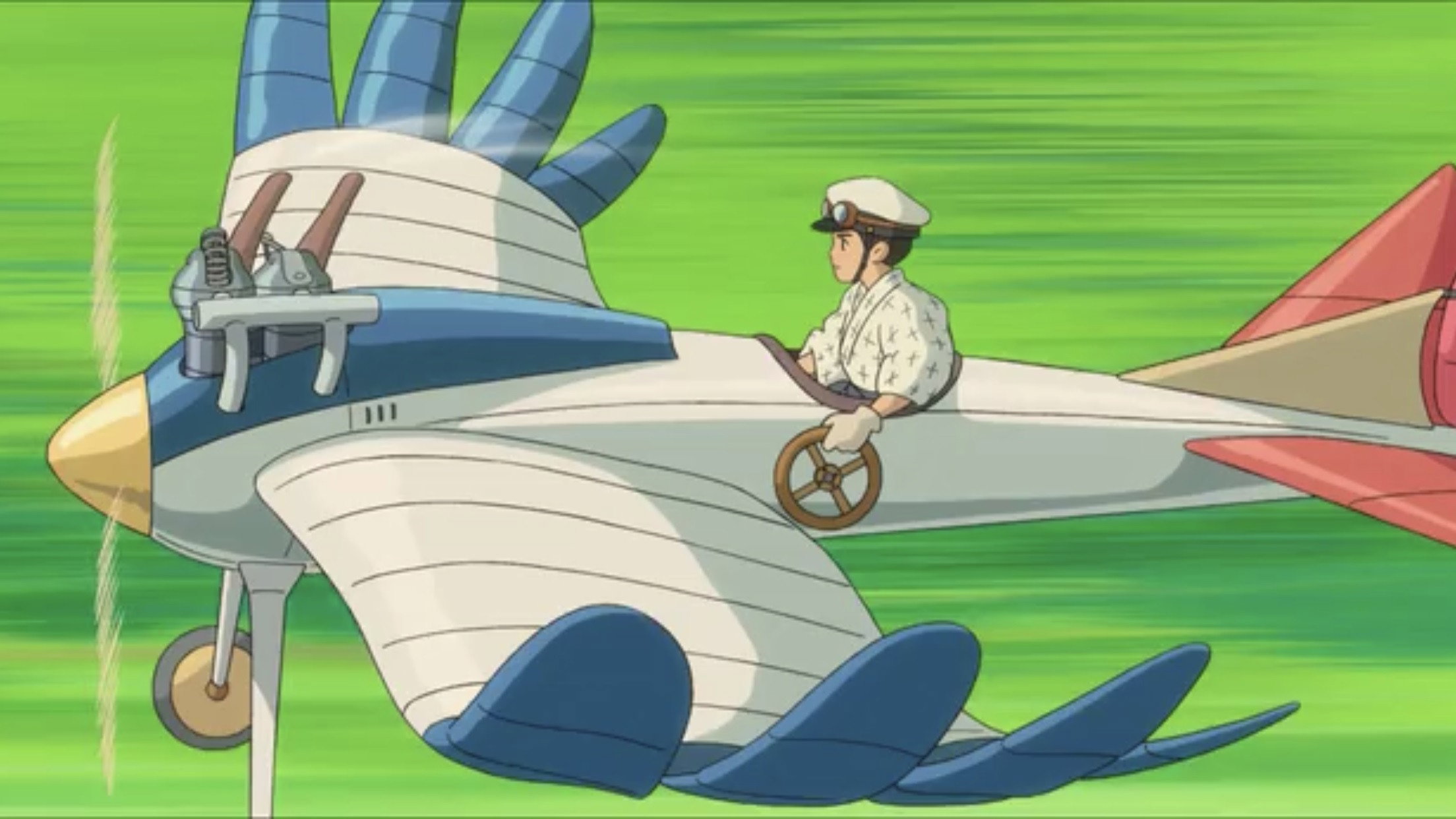
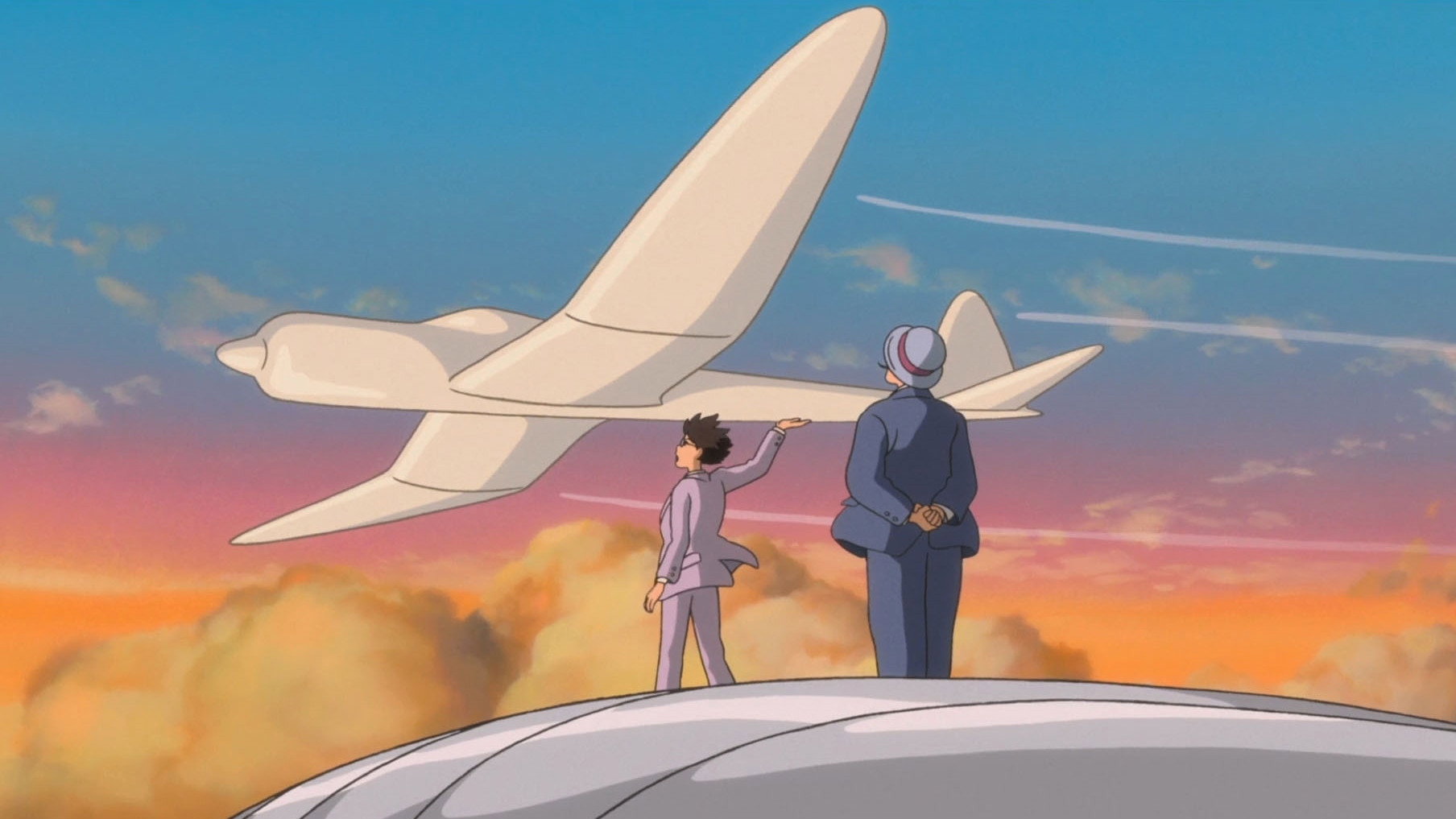
Against the earth Miyazaki sets the sky. Jiro’s dreams are visited by Giovanni Battista (Mansai Nomura), an Italian designer who builds aeroplanes with wings stacked like shelves and flies him over green fields and a warm sea. Joe Hisaishi scores these scenes for accordion and strings, and the theme is the most hummable thing he has written for Miyazaki in years. The Italian knows his planes are impossible. He asks Jiro whether he would rather live in a world with pyramids or without them, and the question hangs over the rest of the film.

The waking scenes are harder work, for Jiro and for us. He joins an aircraft company under Kurokawa (Masahiko Nishimura), a small furious man drawn to the height of a filing cabinet, beside his friend Honjô (Hidetoshi Nishijima), who says aloud what Jiro will not: that the country is poor, behind, and buying fighters it cannot afford. Takeshi Seyama cuts all this at a walking pace, and at 126 minutes the middle hour sags. Anno gives Jiro a flat, unhurried voice that suits a man who only comes alive over a drawing, and leaves the rest of the cast to carry him.

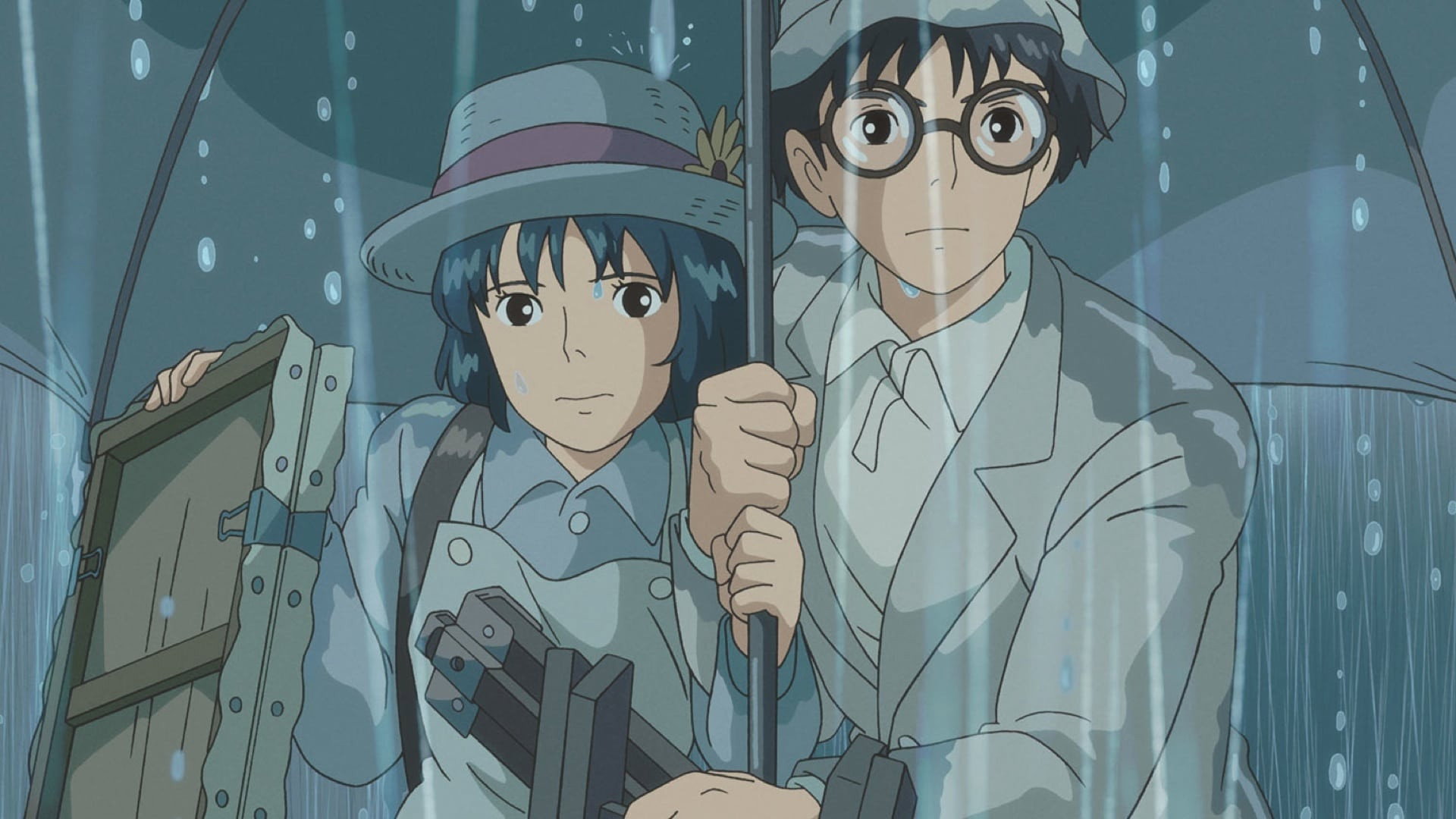
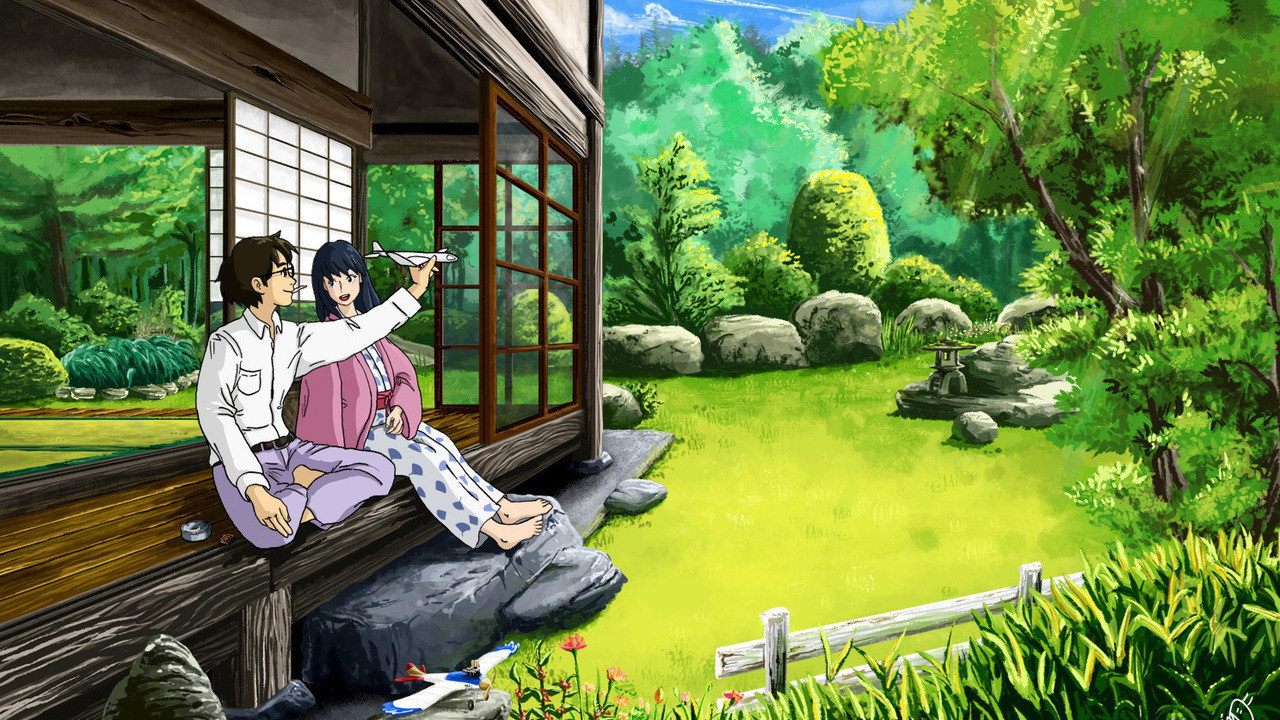
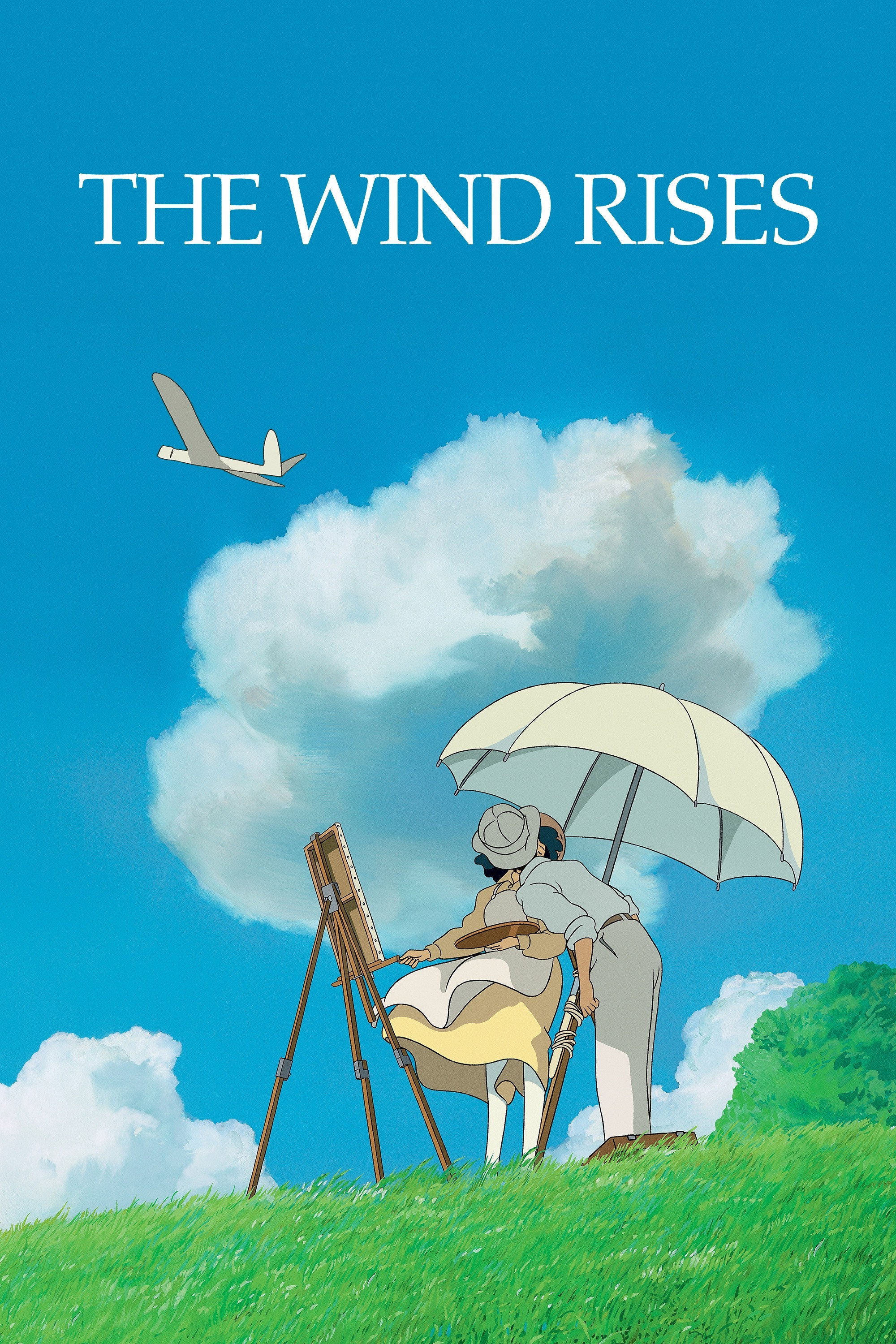
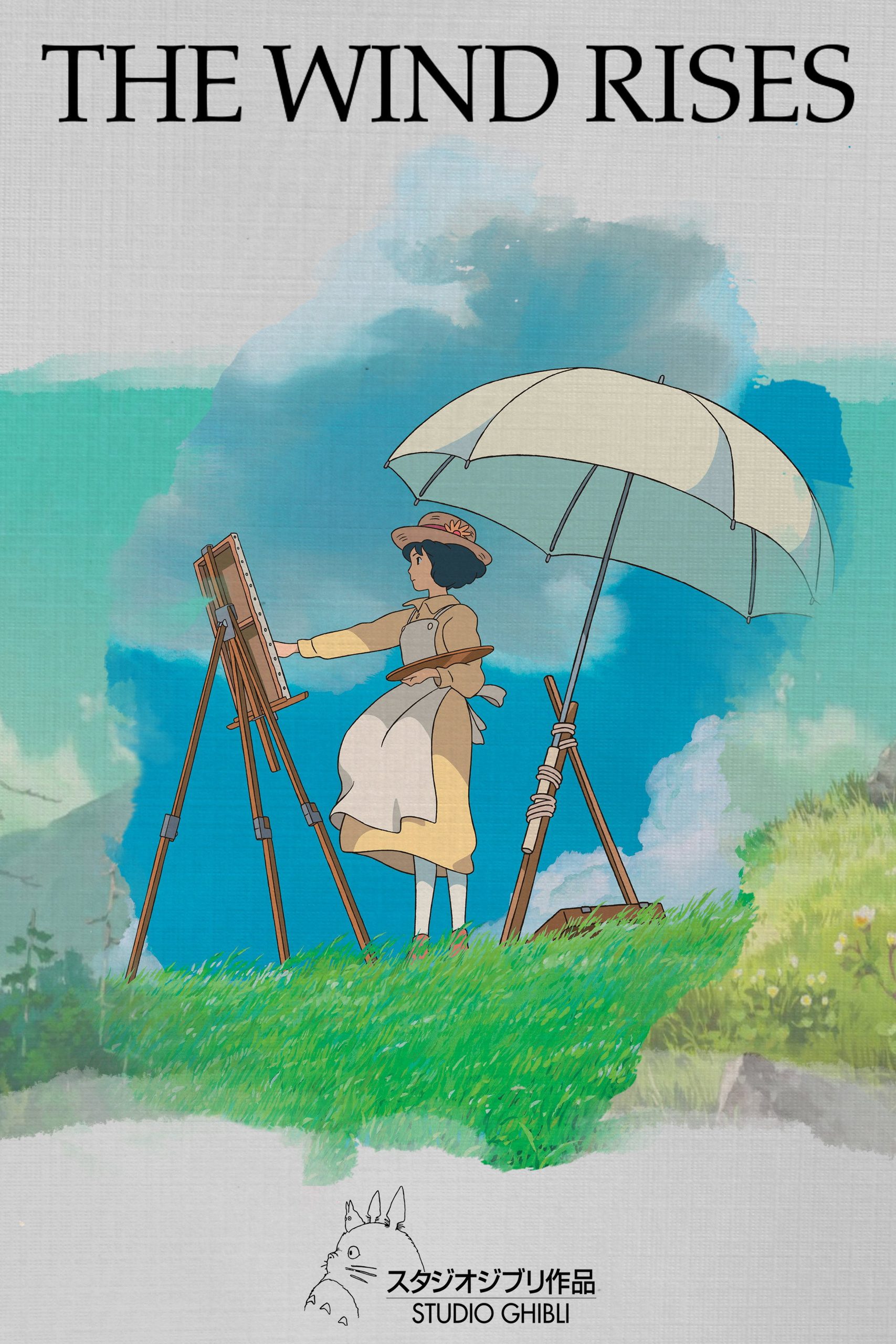
The second half belongs to Naoko Satomi (Miori Takimoto), the girl from the train, met again at a mountain hotel where she paints in a meadow and he launches paper aeroplanes at her from a balcony. It is a love story, and a sad one, for a reason we will let the film give you. Naoko is drawn with such care that it took us a while to notice she has no faults, no temper and no wants of her own. Jiro’s sister Kayo (Mirai Shida), who scolds him for forgetting his family, is the sharper woman and gets a fraction of the time. At the hotel a German called Castorp (Stephen Alpert) plays an old Werner R. Heymann song on the piano and remarks, between verses, that Japan and Germany are both about to blow up. Nobody argues with him.

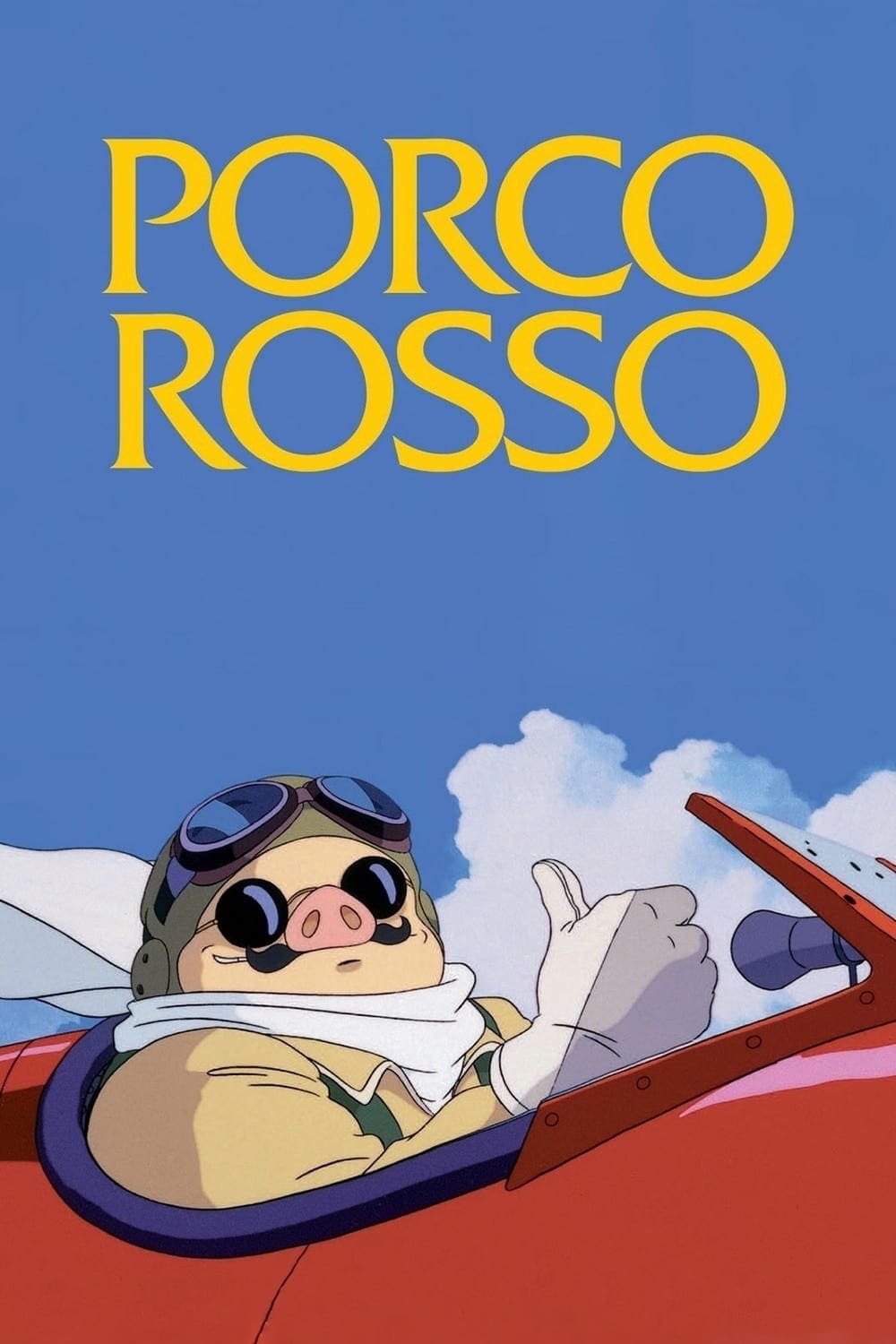
That is how the film handles the war. Honjô says it, Castorp says it, the Italian asks it, and Jiro never answers, and Miyazaki does not make him. It is a film about a man who makes weapons and would rather talk about the wind. We think Miyazaki meant the sadness. We do not think he meant the evasion; it is the reason we put it below Porco Rosso, which had the same planes and the same decade and the nerve to laugh.

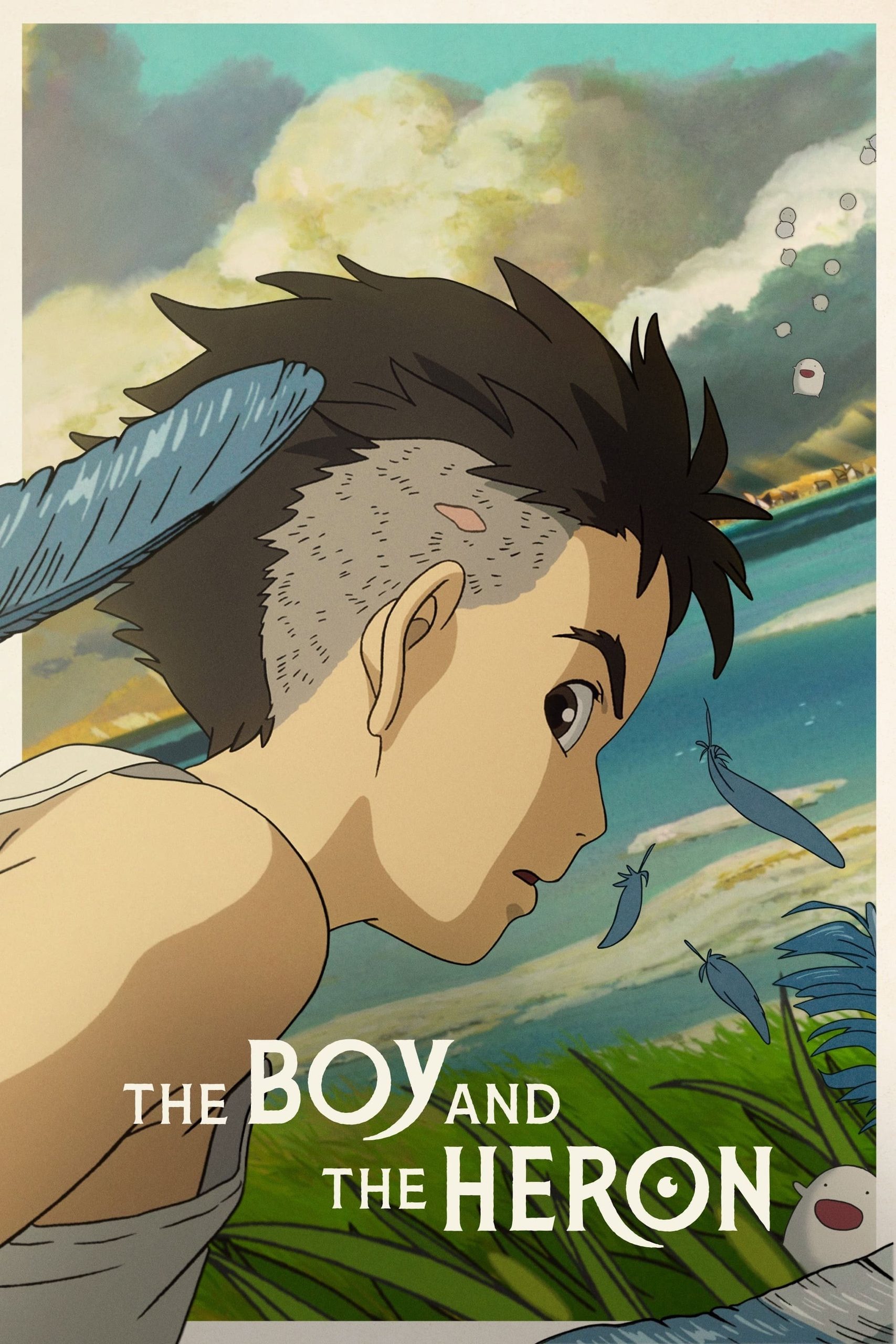
It was announced as Miyazaki’s last film, and was widely read as a will. It was not his last; The Boy and the Heron came ten years later. What remains is a middle hour that asks for patience and perhaps twenty minutes, spread across the earthquake and the dreams, that we would put beside anything the studio has made. Watch it subtitled, and notice how often the wind is doing the acting.

Critical consensus AI synthesised

75
Positive
17
Mixed
2
Negative
2

Most critics take The Wind Rises as Miyazaki’s farewell and judge it warmly on those terms: a personal, grown-up film about an aircraft designer that trades his usual fantasy for a sober picture of pre-war Japan. The praise clusters on the hand-drawn animation, which several reviews call the most detailed Studio Ghibli has produced, and on the Great Kanto Earthquake sequence, repeatedly named as the film’s high point. The love story and the attention to wind and movement in nature draw almost as much affection.

The reservations are about pace and politics. Several critics find the engineering scenes leisurely to the point of drag, and a few think the film skates over what Horikoshi’s planes were built to do. Two reviews dissent outright: the Evening Standard finds the story inert and the romance creepy, and Collider calls it the weakest Miyazaki film, lifeless without the fantasy. Both are outliers, but they name faults the admirers also notice.

Los Angeles Times
7 November 2013 · Kenneth Turan
90*

The critic marvels at Miyazaki's masterful visual storytelling and idiosyncratic take on the romance of flight and personal dreams in what may be his final film, singling out the stunning earthquake sequence and the emotional depth of the characters' pursuits.

Read the full review →
Slant Magazine
21 September 2013 · Jesse Cataldo
90*

The Wind Rises establishes itself as a bold, startling endpoint to Miyazaki's career, a mature work of bittersweet realism that incorporates ethical contradictions into a mournful worldview without denying them. It singles out the film's precise animation and focus on movement in nature as suffused with immense detail and feeling, even as it presents a resigned distress at the weight of political systems.

Read the full review →
Total Film
5 May 2014 · Kevin Harley
85*

The critic describes it as a wise, wistful summation of Miyazaki's career that revisits core themes with elegance, standing as a loving testimony to a career well-spent and a fitting farewell.

Read the full review →
Variety
29 August 2013 · festival review · Scott Foundas
85*

The critic lauds the hauntingly beautiful historical epic for its sober portrait of pre-WWII Japan and masterful blend of visual fancy with social insight, highlighting the earthquake sequence and the personal connection to the director's themes of dreams and technology.

Read the full review →
Empire
1 April 2014 · Dan Jolin
80*

The critic calls it Miyazaki's most nakedly personal film and a stunningly wrought farewell from an imaginative master, praising its visual craftsmanship and sly charm despite being less fantastical than his other works.

Read the full review →
Film Comment
· Max Nelson
80*

The critic views the film as a delicate, rueful, and achingly sad meditation on the power and moral risks of dreams, centering on the life of aircraft designer Jiro Horikoshi. It singles out the finely etched details of Jiro's storybook romance for praise.

Read the full review →

Cast

Awards

Academy Awards, 2014

Nominated
Best Animated Feature

Annie Award for Best Animated Feature, 2013

Nominated
Annie Award for Best Animated Feature

Critics' Choice Awards, 2013

Nominated
Best Animated Feature

If you liked this, try…