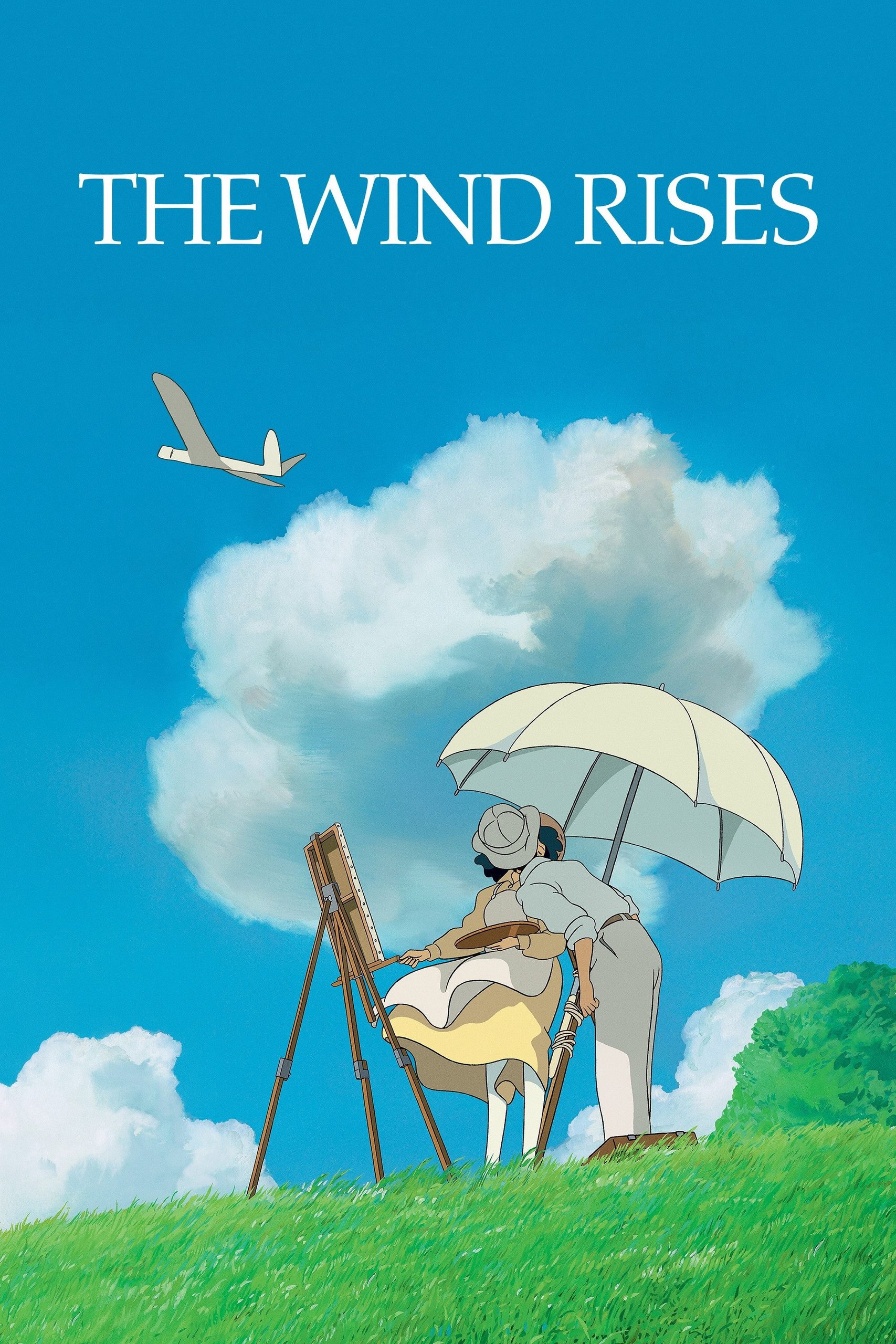
Most critics take The Wind Rises as Miyazaki’s farewell and judge it warmly on those terms: a personal, grown-up film about an aircraft designer that trades his usual fantasy for a sober picture of pre-war Japan. The praise clusters on the hand-drawn animation, which several reviews call the most detailed Studio Ghibli has produced, and on the Great Kanto Earthquake sequence, repeatedly named as the film’s high point. The love story and the attention to wind and movement in nature draw almost as much affection.
The reservations are about pace and politics. Several critics find the engineering scenes leisurely to the point of drag, and a few think the film skates over what Horikoshi’s planes were built to do. Two reviews dissent outright: the Evening Standard finds the story inert and the romance creepy, and Collider calls it the weakest Miyazaki film, lifeless without the fantasy. Both are outliers, but they name faults the admirers also notice.
L
Los Angeles Times
7 November 2013 · Kenneth Turan
90*
The critic marvels at Miyazaki's masterful visual storytelling and idiosyncratic take on the romance of flight and personal dreams in what may be his final film, singling out the stunning earthquake sequence and the emotional depth of the characters' pursuits.
Read the full review →S
Slant Magazine
21 September 2013 · Jesse Cataldo
90*
The Wind Rises establishes itself as a bold, startling endpoint to Miyazaki's career, a mature work of bittersweet realism that incorporates ethical contradictions into a mournful worldview without denying them. It singles out the film's precise animation and focus on movement in nature as suffused with immense detail and feeling, even as it presents a resigned distress at the weight of political systems.
Read the full review →T
Total Film
5 May 2014 · Kevin Harley
85*
The critic describes it as a wise, wistful summation of Miyazaki's career that revisits core themes with elegance, standing as a loving testimony to a career well-spent and a fitting farewell.
Read the full review →V
Variety
29 August 2013 · festival review · Scott Foundas
85*
The critic lauds the hauntingly beautiful historical epic for its sober portrait of pre-WWII Japan and masterful blend of visual fancy with social insight, highlighting the earthquake sequence and the personal connection to the director's themes of dreams and technology.
Read the full review →E
Empire
1 April 2014 · Dan Jolin
80*
The critic calls it Miyazaki's most nakedly personal film and a stunningly wrought farewell from an imaginative master, praising its visual craftsmanship and sly charm despite being less fantastical than his other works.
Read the full review →F
Film Comment
· Max Nelson
80*
The critic views the film as a delicate, rueful, and achingly sad meditation on the power and moral risks of dreams, centering on the life of aircraft designer Jiro Horikoshi. It singles out the finely etched details of Jiro's storybook romance for praise.
Read the full review →L
Little White Lies
9 May 2014 · 4/4/5 · David Jenkins
80
The review calls it a brilliant swansong and complex, swooning melodrama on aviation and the caveats of creativity, unlike any prior Ghibli film. It singles out its earnest, adult-oriented melodrama, lack of contrivance, and morbid curiosity in juxtaposing mechanical dreams with human disintegration.
Read the full review →R
RogerEbert.com
24 February 2014 · Sheila O'Malley
80*
The critic praises the film's breathtaking images and personal resonance as Miyazaki's likely final work, while noting its mild anti-war stance and the beauty of its portrayal of dreams turning into reality; single out the Great Kanto Earthquake sequence and the poetic wind motifs for praise.
Read the full review →The film is a tribute to aeronautical engineer Jiro Horikoshi with wonderful gentleness and intelligent idealism. It is visually exquisite and emotionally charged, though arguably naive in its treatment of the subject.
Read the full review →T
Time Out
6 May 2014 · ★★★★ · Alex Dudok de Wit
80
It describes the film as both a fitting and uneasy swansong, a loose biopic that validates the director’s independent path while skating over wartime politics. The critic praises its glorious, exquisitely detailed animation as the most ravishing yet from Studio Ghibli and calls it a dark, disturbing, deeply moving full stop to a glittering career.
Read the full review →S
Screen Daily
1 September 2013 · festival review
70*
The review highlights the 2D cine-painting joy and ravishment expected from Miyazaki but notes that the precise historical setting and partial exclusion of fantasy causes some loss of imaginative force. It admires the animation and visual skill while suggesting the mechanical focus and leisurely plot may bore younger viewers.
Read the full review →S
Sight and Sound
9 May 2014 · Andrew Osmond
70*
The critic views the film as Miyazaki’s most personal and atypical work, a portrait of the artist as a myopic dreamer that abstracts its historical subject into a paean to flight and creativity. It praises the animation and autobiographical resonance while noting some narrative drag in the work scenes and the film’s ambiguous stance on historical responsibility.
Read the full review →R
Radio Times
★★★ · Damon Wise
60
The review notes it is markedly more realistic than Miyazaki’s usual fantastical films and may not suit newcomers, but praises the high-quality hand-drawn art and personal elements of what the director declared his final film. It finds older viewers and fans will be enchanted by this modest entry in the canon.
Read the full review →H
The Hollywood Reporter
3 September 2013 · festival review · THR Staff
50*
The film is an ambitious special case that will divide audiences, with some finding it an unforgettably beautiful and poetic ode to life while others may find the slow-moving second act wearing. It honestly handles the daring subject of engineering war planes and features amazingly detailed visuals that immerse viewers in the protagonist's dream world.
Read the full review →E
Evening Standard
16 February 2015 · Charlotte O'Sullivan
40*
The critic finds the hand-drawn animation full of life but faults the inert story and lack of dramatic tension in this saccharine biography, calling the romance creepy and the politics clumsily handled.
Read the full review →E
Eye for Film
21 September 2013 · festival review · Anne-Katrin Titze
90*
The critic praises Miyazaki's poetic and optimistic handling of heavy themes like war, aviation dreams, and personal loss. The film is singled out for its blend of factual biography with dreamlike sequences and a tender love story.
Read the full review →P
The Playlist
19 February 2014 · A- · The Playlist Staff
90
The critic calls it a fascinating and beguiling departure, a grounded biopic elevated by animation's visual poetry. It singles out the personal parallels to Miyazaki's own artistry and the delicate love story.
Read the full review →The critic calls the film a gorgeous, haunting biopic that shows Miyazaki going out on top if it is indeed his last. They single out its rare celebration of the imagination and groundbreaking work of engineers, alongside the director's signature beauty and hopefulness.
Read the full review →D
Den of Geek
28 April 2014 · ★★★★ · Ryan Lambie
80
The critic calls the film a beautifully animated swansong that blends intimate drama with grand themes, praising its sound design, character work, and poetic eye for relationships and flight. It notes the focus on the beauty of design over the planes' destructive use.
Read the full review →H
HeyUGuys
8 May 2014 · ★★★★ · Gary Green
80
The critic views the film as a mature, melancholic swan song that explores the pursuit of dreams amid harsh realities. It singles out the engineer's personal drive and the contrast between naive optimism and the weight of history.
Read the full review →C
Collider
11 September 2013 · D+ · Matt Goldberg
43
The critic finds it the weakest Miyazaki film, restrained and lifeless without fantasy elements, with only dream sequences providing spark. Praises the attempt at something new but criticizes the lack of emotional impact in the realistic story.
Read the full review →Ordered by the weight we give each publication, then by score. Scores are normalised to 100; * means inferred from an unrated review. Summaries are ours, not quotations; follow the links for the reviews themselves. How we rate