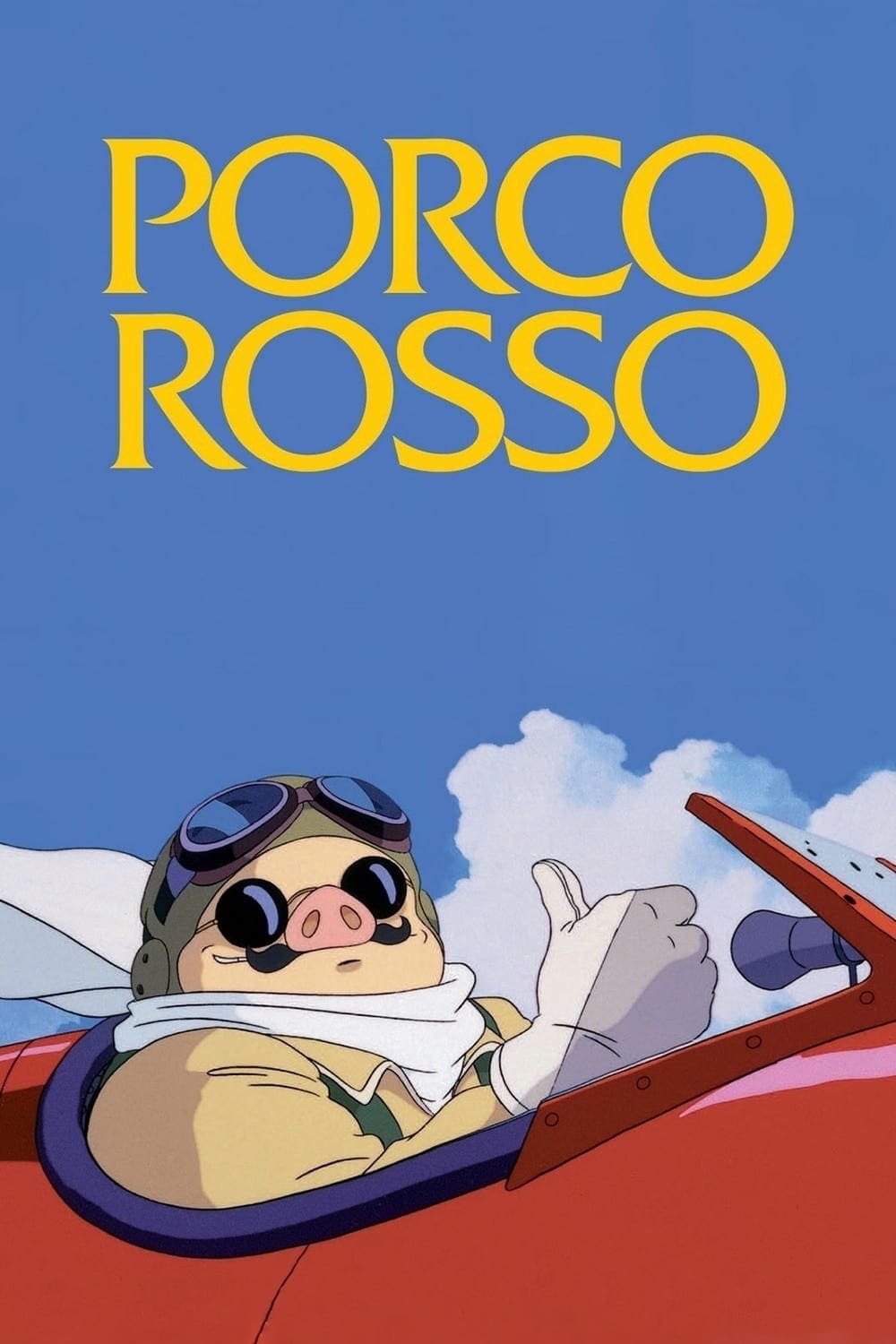
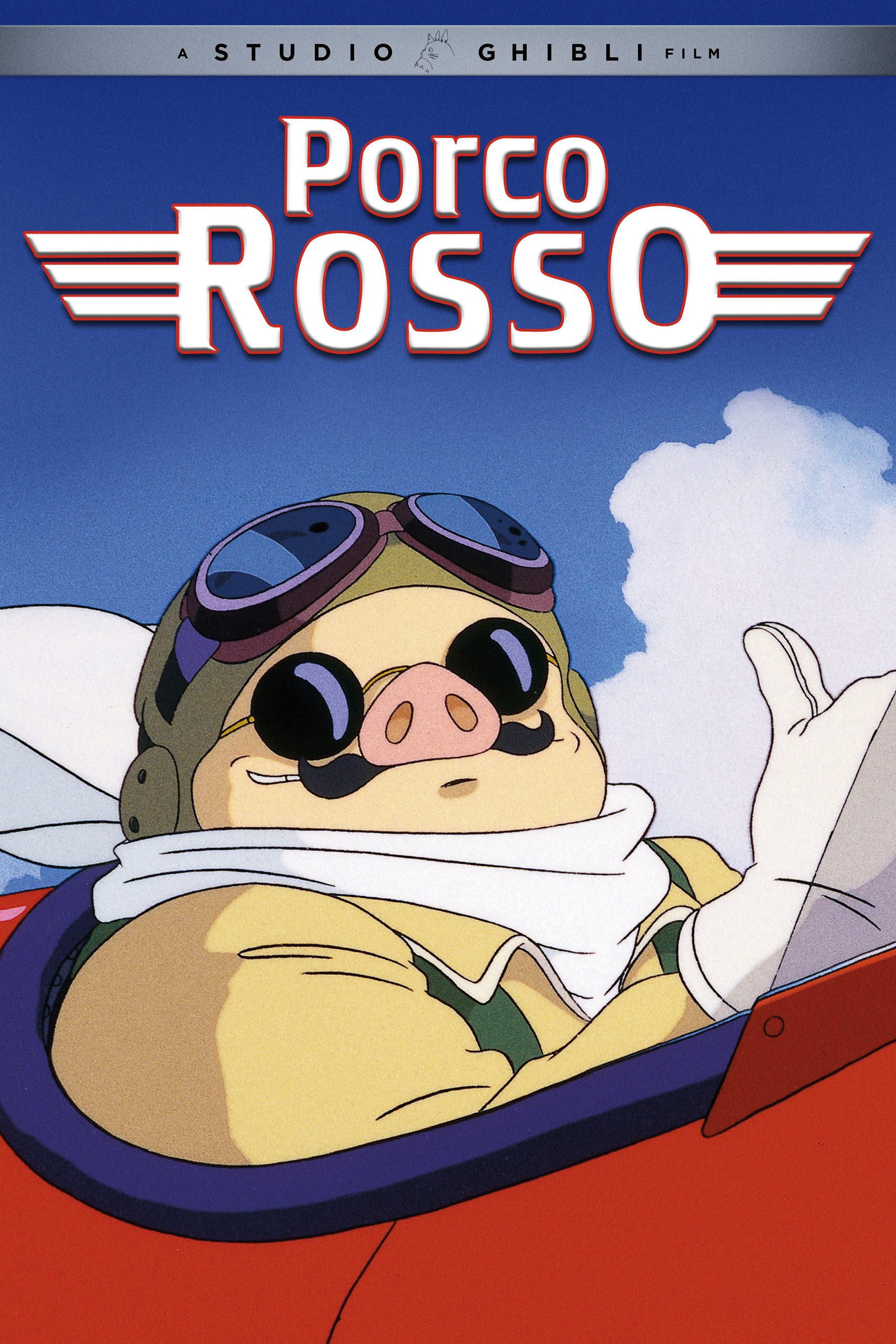
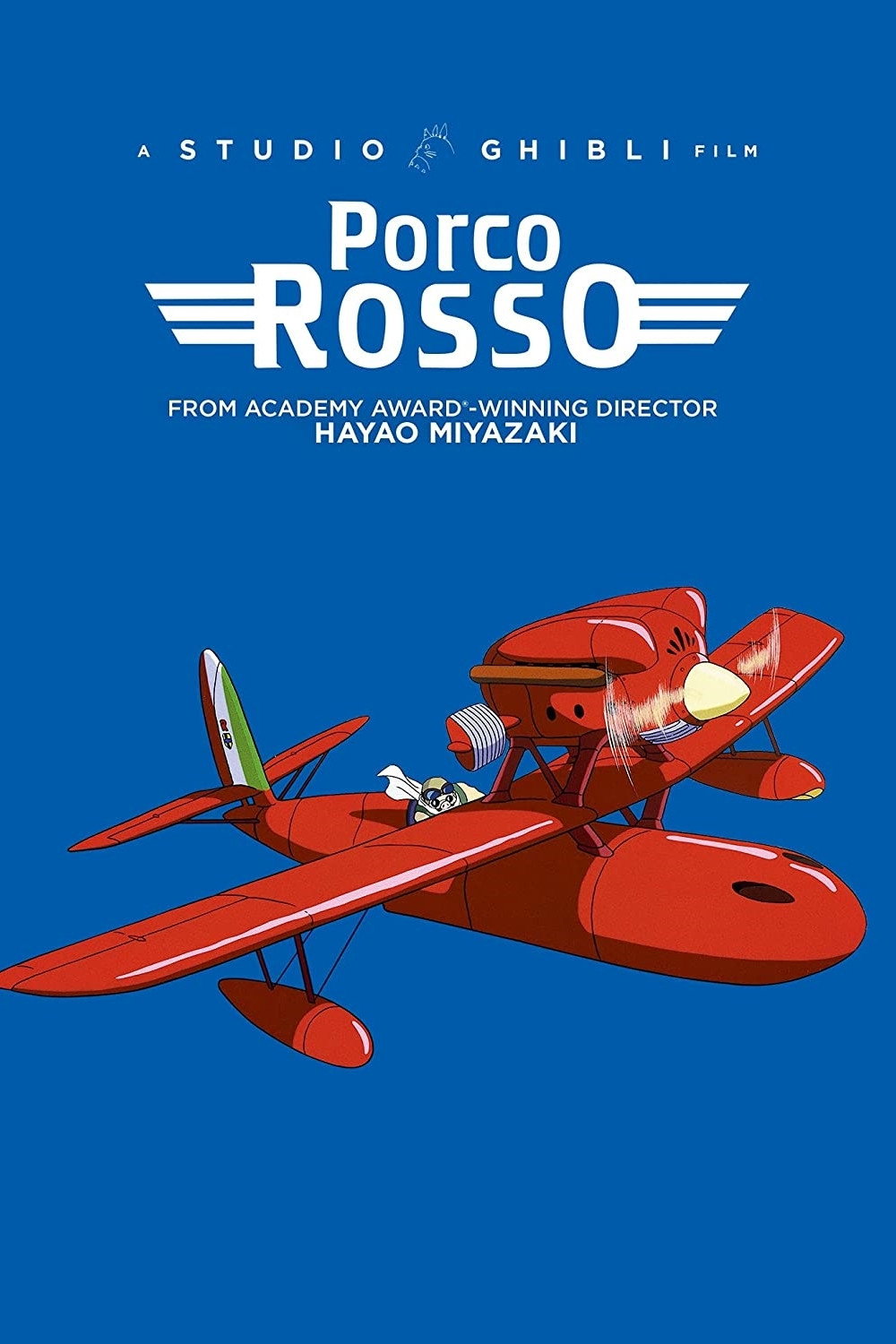
Hayao Miyazaki’s film about a cursed air ace hunting pirates over the Adriatic is his most relaxed and his most grown-up, and the plot barely troubles it. We recommend it warmly, with the caveat that the ending is a cartoon and knows it.
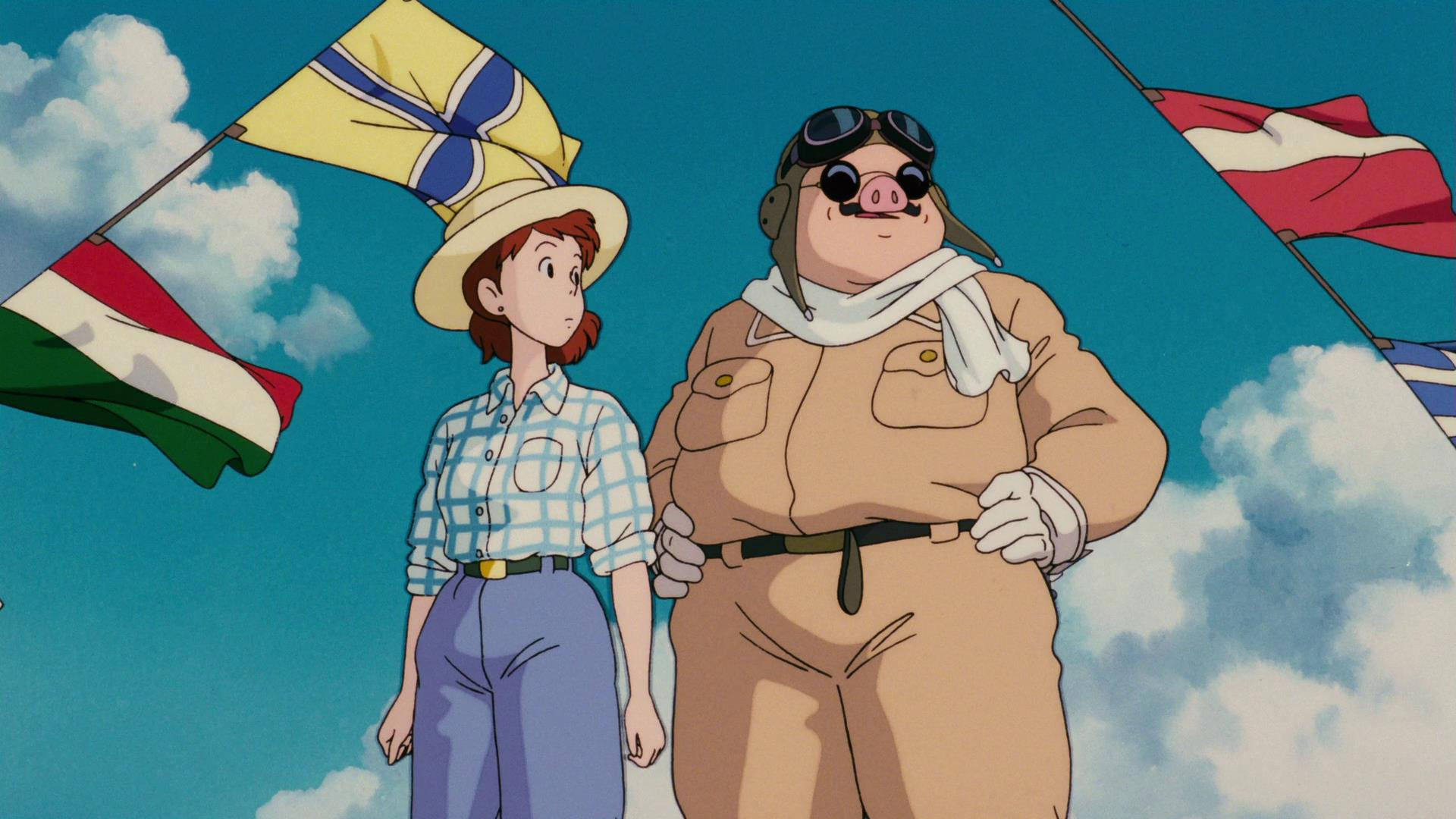
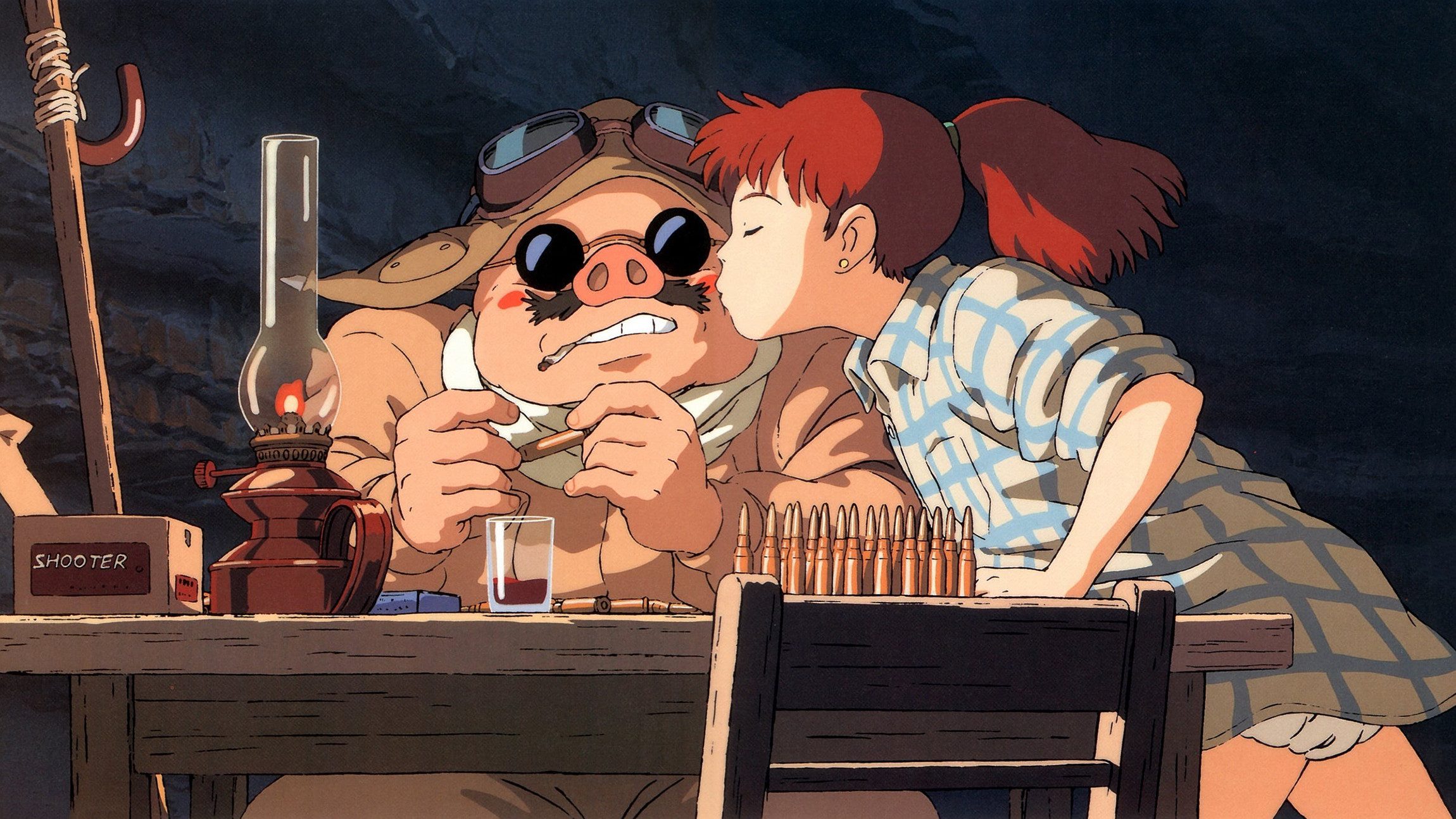
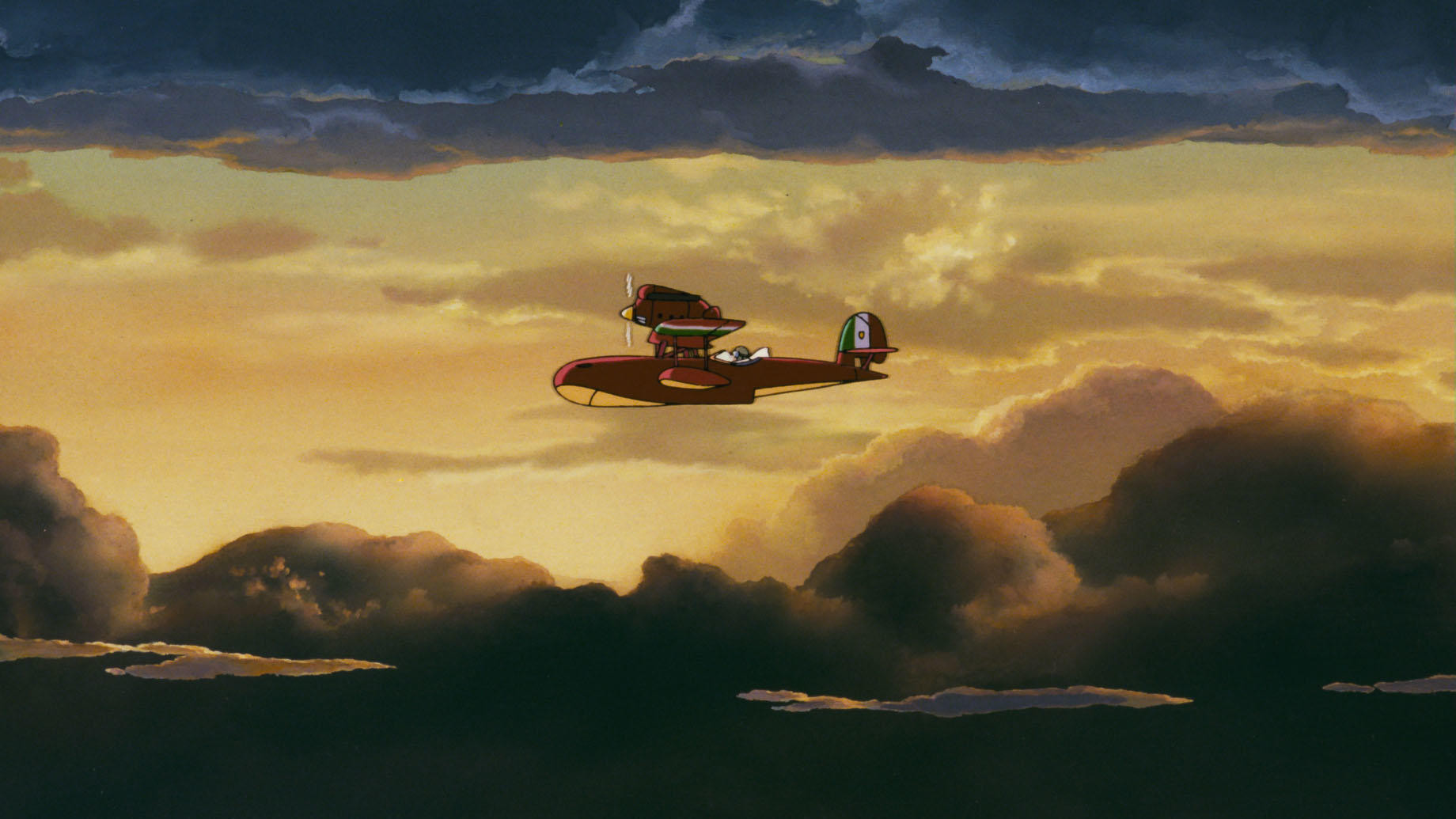
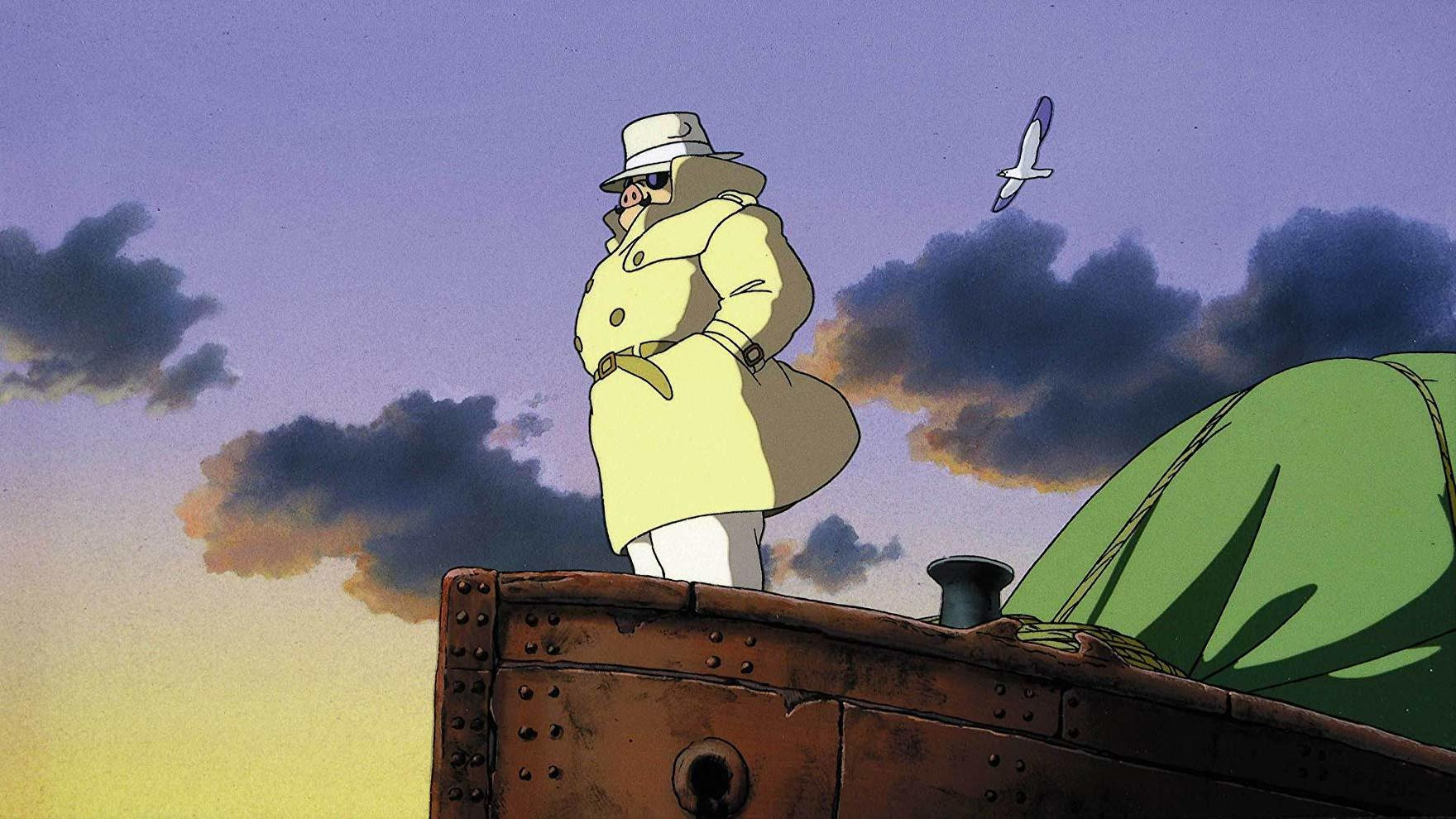
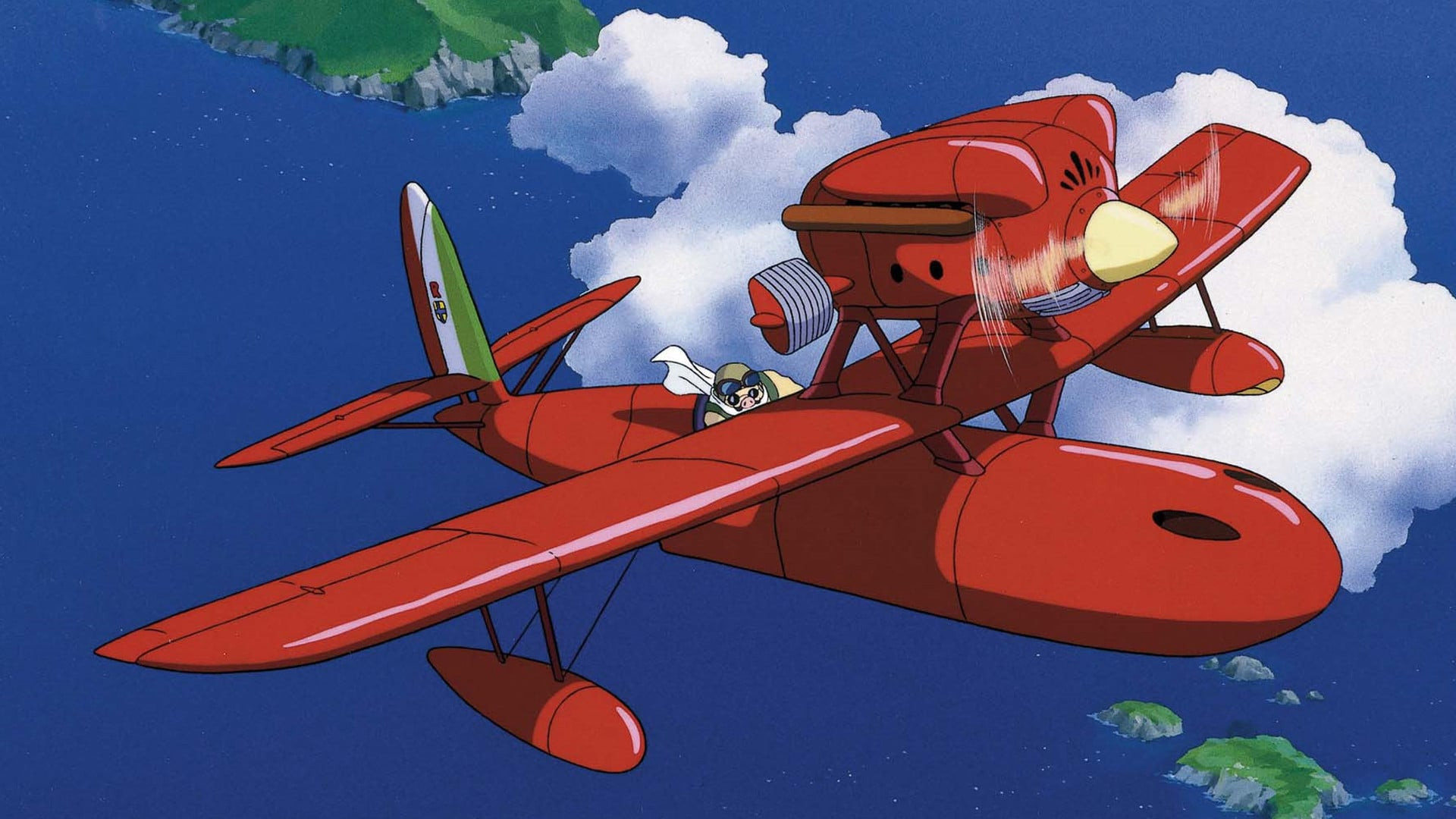
Hayao Miyazaki made Porco Rosso after Kiki’s Delivery Service, and it began as a short meant to be shown to airline passengers. It grew into a 93-minute adventure about a former Italian air ace who has been turned into a pig and now flies a red seaplane over the Adriatic between the wars, shooting down air pirates for the reward money. It is the loosest film he has directed and the only one whose hero drinks, smokes and carries a past. We liked it a great deal, and not for the plot, which barely exists.
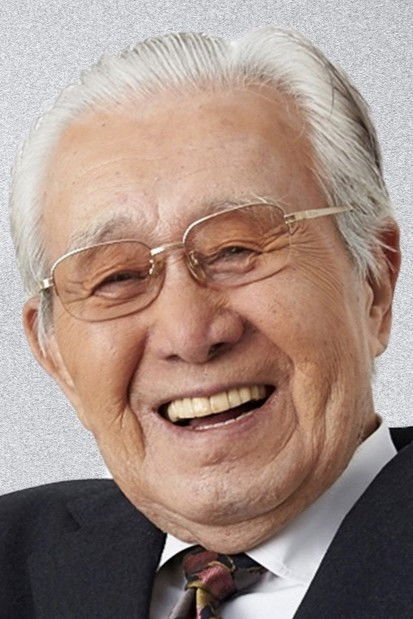
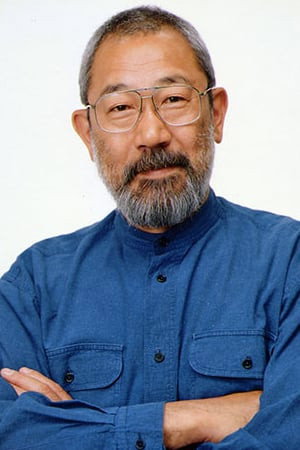
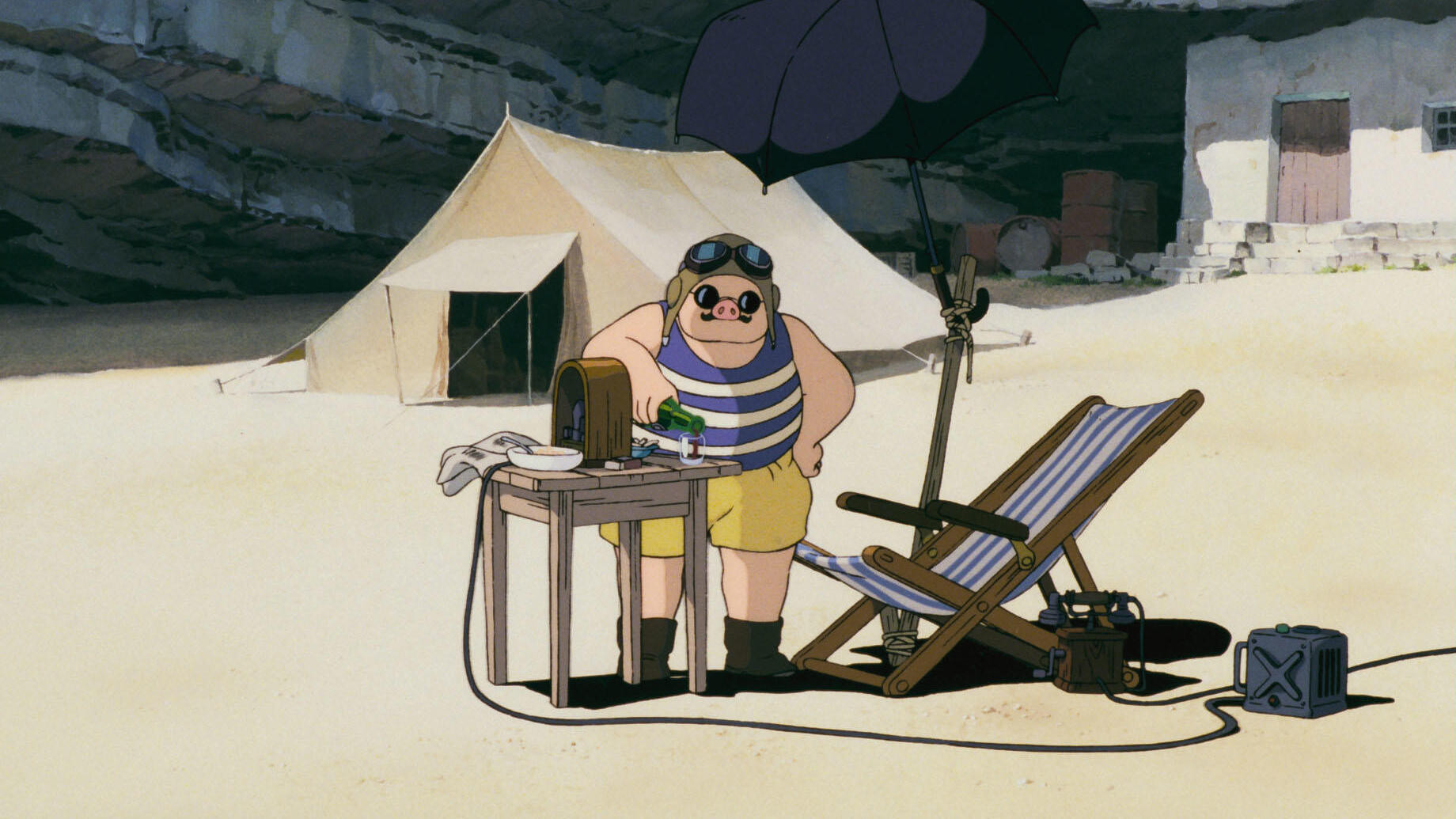
The first ten minutes set the tone. Porco (Shūichirō Moriyama) lies in a deckchair in a cove with a magazine over his snout and lets the telephone ring. The Mamma Aiuto gang, meanwhile, are kidnapping a party of schoolgirls from a liner and cannot agree how many to take. The girls treat it as an outing and climb about the aircraft while the boss (Tsunehiko Kamijô) tries to look fierce. We laughed, because Miyazaki draws the pirates as large, stupid, decent men, and the dogfight that follows is played for pleasure rather than danger: planes bank and stall, engines cough, spray comes off the water in sheets.
Kazu Hisamura’s production design gives the film three places to live: the cove; the Hotel Adriano, on an island reached by a pier, with a walled garden where Gina (Tokiko Kato) waits for men who mostly do not come back; and the Piccolo workshop on a Milan canal, all timber and pulleys. Atsushi Okui photographs the water in pale blues that darken towards evening, and sets the terracotta of the buildings against it. Joe Hisaishi’s score is piano and accordion, the sound of a café at four in the afternoon, and Kato herself sings “Le Temps des Cerises” in the hotel bar, and the bar goes quiet. Takeshi Seyama cuts the flying with room to breathe.
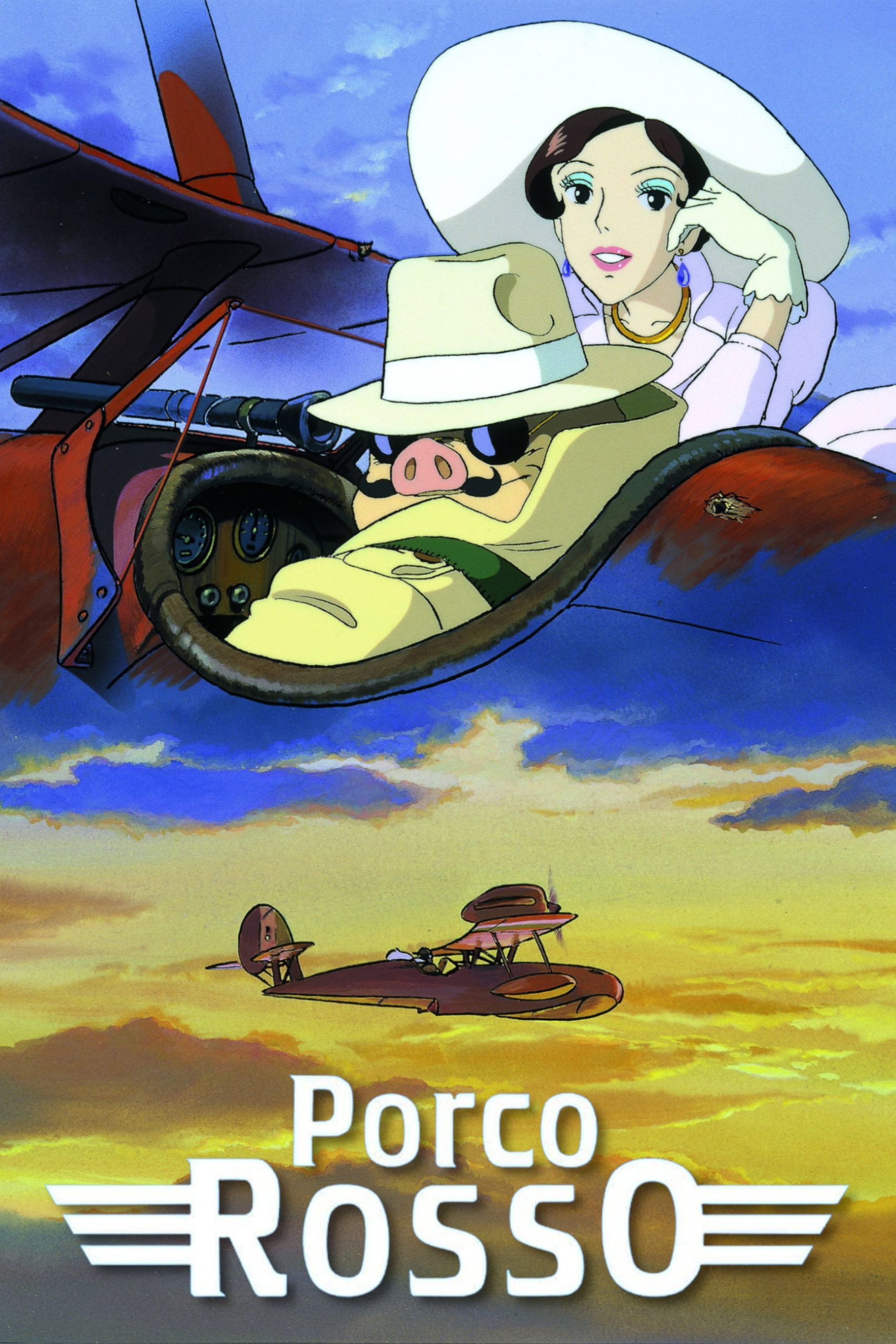
The women run the picture. Gina has buried three husbands, all pilots, and Kato plays her with a tired good humour we have not met elsewhere in Miyazaki. Fio (Akemi Okamura), old Piccolo’s seventeen-year-old granddaughter, redesigns Porco’s aircraft herself because the men of the family have gone away to find work, and the workshop that rebuilds it is staffed by grandmothers and aunts. Piccolo (Katsura Bunshi VI) apologises for the arrangement. Porco pays the bill and stops complaining. Fio is the best thing in the film, one more in the line of Miyazaki girls who are competent before they are charming.
There is a scene, told to Fio at night beside the plane, in which Porco remembers the war. It moved us more than we had expected. He describes a dogfight and what he saw afterwards: the fallen aircraft rising past him towards a pale band of cloud, hundreds of them, the pilots small and still in their seats. Miyazaki draws it as a white river across the sky, and Moriyama tells it in a flat, gravelly voice with no catch in it, which is why it lands. The film never says why Porco is a pig. He says he would rather be one than a fascist, and that is as close to an answer as we get.
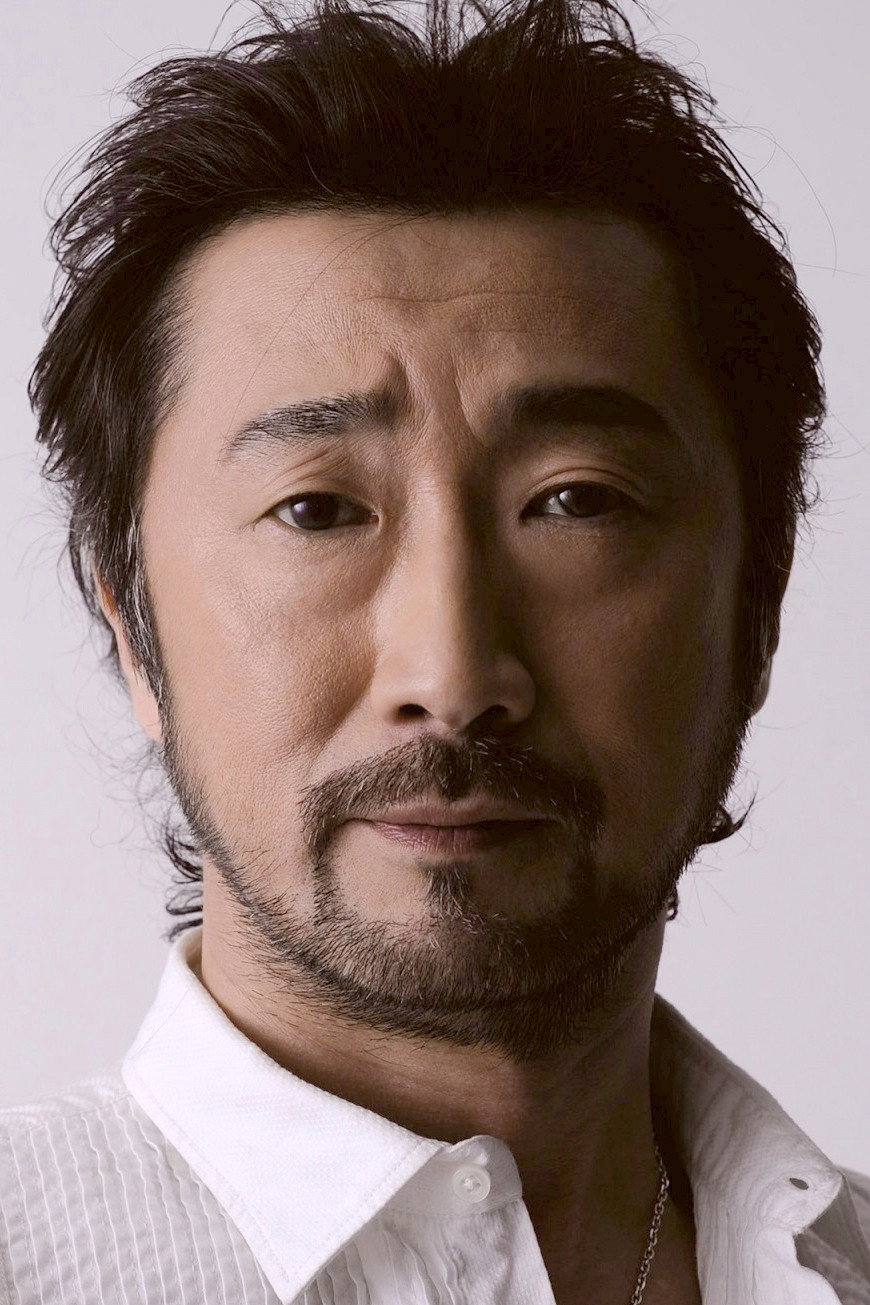
The flaws are those of a film that does not much care about story. The fascist secret police are introduced, chase Porco through Milan, and are then forgotten. Donald Curtis (Akio Otsuka), the American the pirates hire to shoot Porco down, is a good joke, a Texan who wants to act in pictures and then run for president, and he stays a joke. Gina’s story is left where it is. And the finale, which we will not describe, turns the air war into a brawl and the drawing goes deliberately silly. Miyazaki is telling us not to take it seriously, and after the cloud of pilots we rather wanted to.
Against his own standards it is a small film, with none of the scale of Nausicaä of the Valley of the Wind or Princess Mononoke. Most critics rank it below his major work, and so do we, but we like it more than they seem to, because it is the one film in which he lets his love of aircraft show without disguise. Watch it in Japanese, with a drink you would not offer a child.