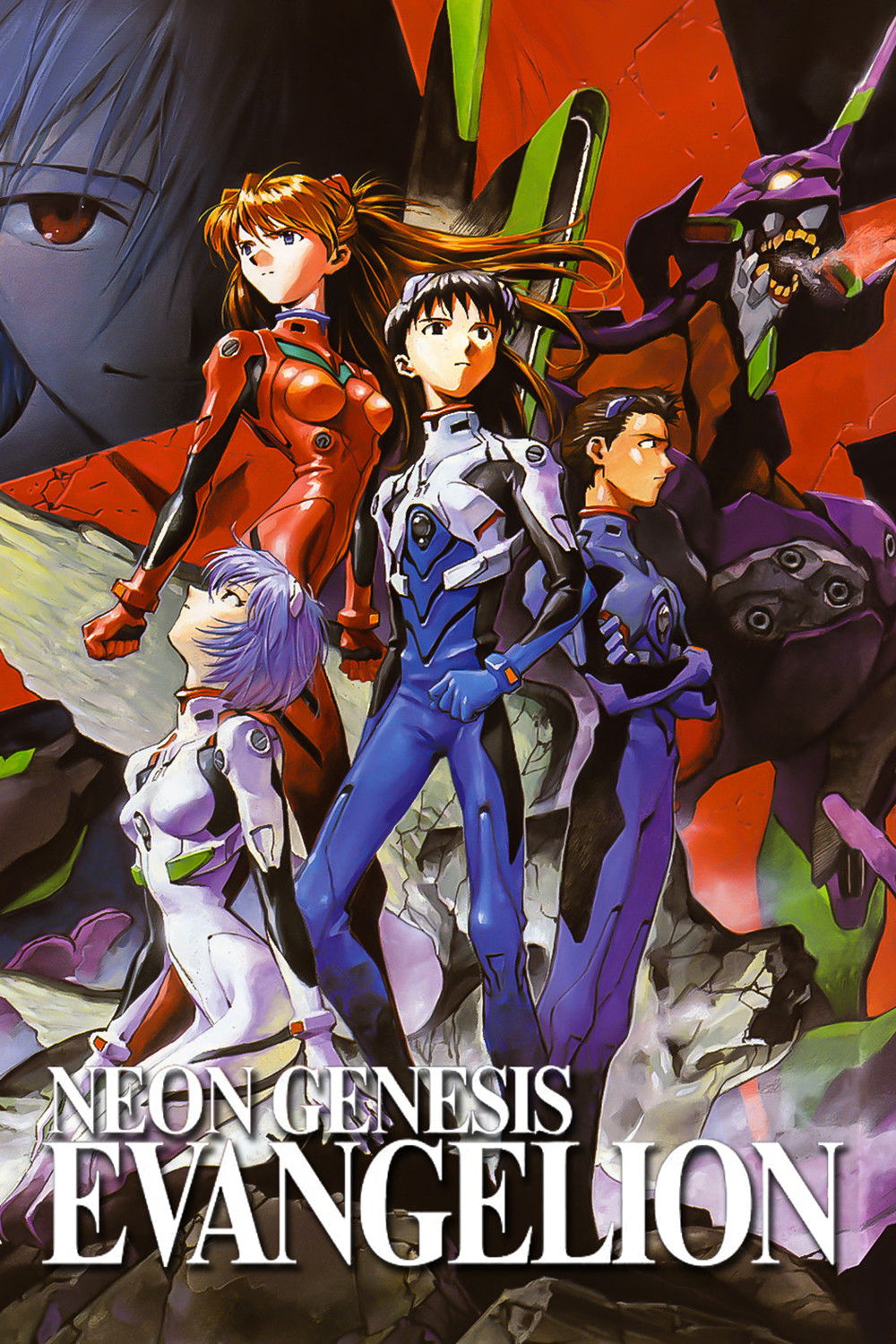
Hideaki Anno makes giant-robot and monster stories and then turns them inward, towards the frightened people inside the machines. Neon Genesis Evangelion is the proof, and by his own account it was made without a plan; he has spent much of the years since trying to finish it.
Fi1m perspective
In the second episode of Neon Genesis Evangelion (1995), a giant robot gets up without its pilot's say-so and tears a monster open with its hands and then its teeth. Most directors would show the fight. Anno keeps cutting to the cockpit, to Shinji's face, a boy watching something he is inside do things he has not asked it to do. We were horrified, and we had sat down expecting a robot programme. That cut, from the machine to the frightened person inside it, is what Anno does in everything he makes.
He came up as an animator, a key animator on Nausicaä of the Valley of the Wind (1984), and co-founded the Gainax studio the same year. Gunbuster (1988–89) and Nadia: The Secret of Blue Water (1990–91) followed, and then Evangelion, 26 episodes from October 1995 that start as an adventure serial and end as a nervous breakdown. The last two episodes drop the plot for introspection, and many viewers who wanted their story resolved felt short-changed. Anno's answer was The End of Evangelion (1997), an ending for the cinema. He told an interviewer in 1996 that he made the characters "without a plan", and the series shows it: uneven, sometimes plainly unfinished, and the better for the risk.
He left Gainax and founded Khara in 2006–07, and spent the next fourteen years remaking the thing that made his name. The four Rebuild films run from Evangelion: 1.0 You Are (Not) Alone (2007) to Evangelion: 3.0+1.0 Thrice Upon a Time (2021), and the early ones, condensed from hours of television into a feature, lose the slow pacing and small character work the series was built on. In between he turned to live action. Shin Godzilla (2016), co-directed with Shinji Higuchi, plays a monster attack as a problem of government and procedure, and spends much of its time on how the state answers it. Shin Ultraman (2022) and Shin Kamen Rider (2023) give the same treatment to two more national properties.
Fifteen names share the directing credit on Evangelion, Kazuya Tsurumaki and Masayuki among them, and the temperament is Anno's throughout: the interest in why anyone would put a child in the machine rather than in what the machine can do. What works is that interest, and the way he takes giant-robot and monster genres seriously enough to ask what they do to the people in them. What does not work, reliably, is the last act. He has now ended Evangelion three times, in 1996, 1997 and 2021. We would not bet against a fourth.
Biography
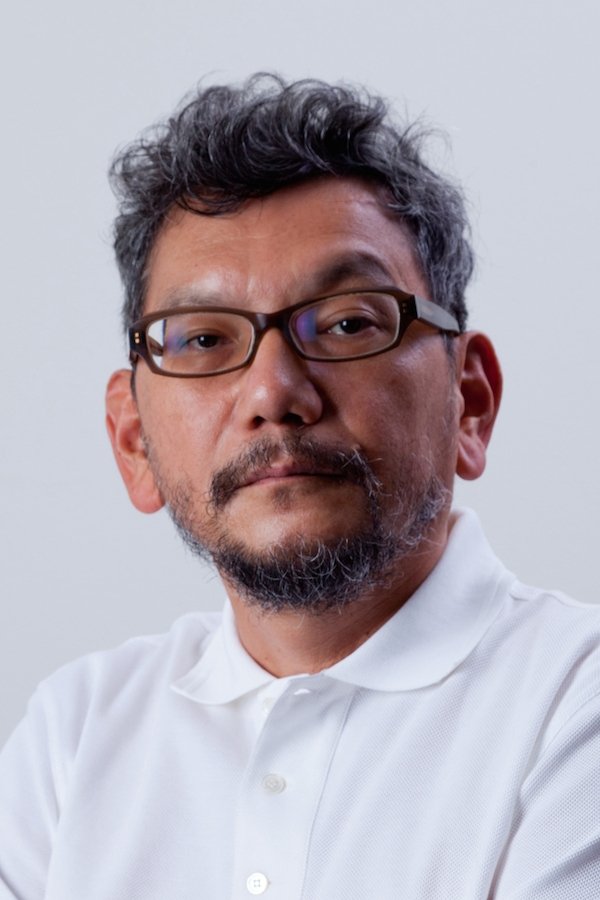
Hideaki Anno is a Japanese animator, director and screenwriter. Born on 22 May 1960 in Ube, Yamaguchi, he was one of the founding members of the Gainax studio.
Anno directed and wrote the anime series Neon Genesis Evangelion (1995–1996). He has also directed its related films, including Neon Genesis Evangelion: The End of Evangelion (1997) and the Rebuild of Evangelion series (2007–2021), as well as live-action films such as Shin Godzilla (2016) and Shin Ultraman (2022). He married manga artist Moyoco Anno in 2002.