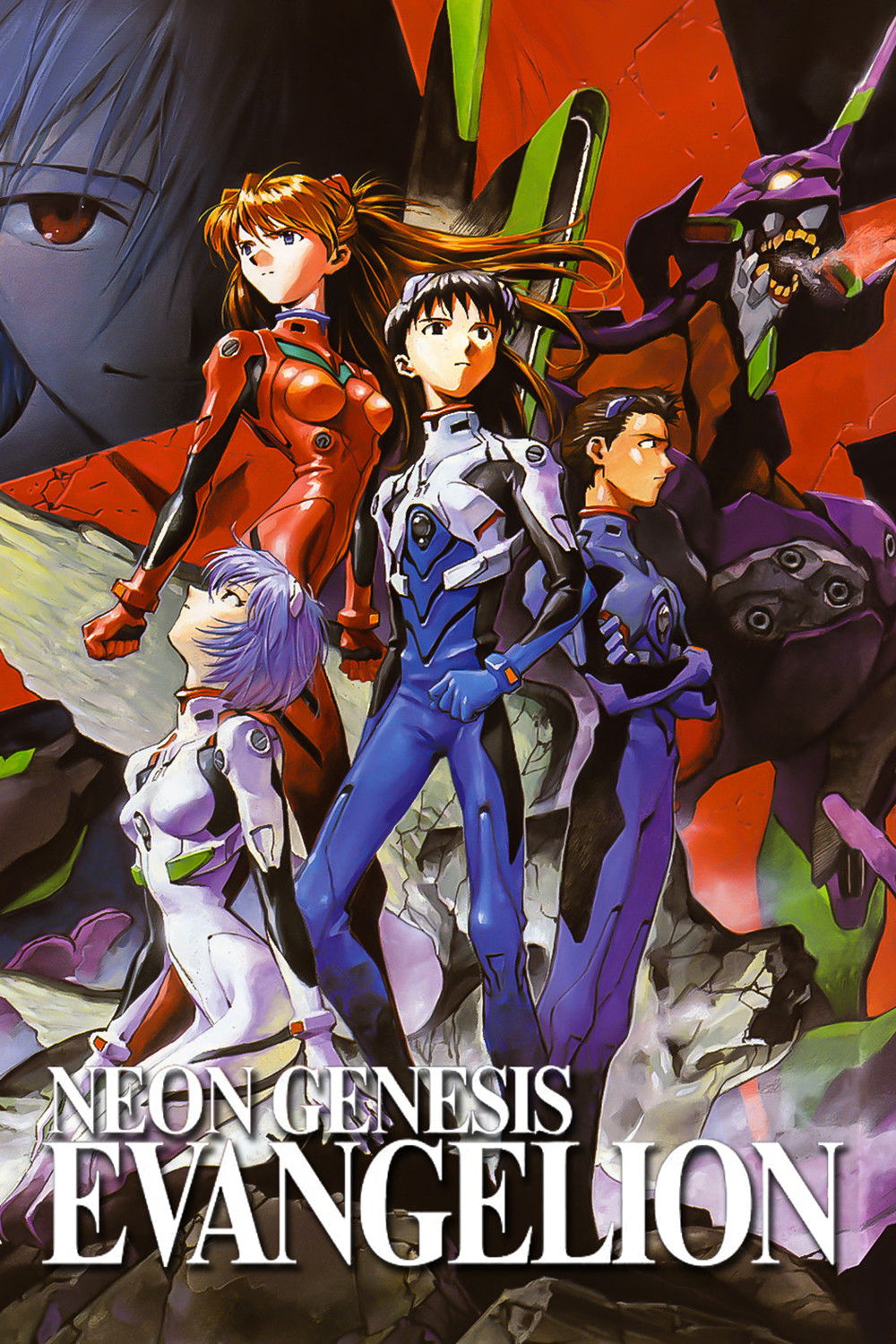
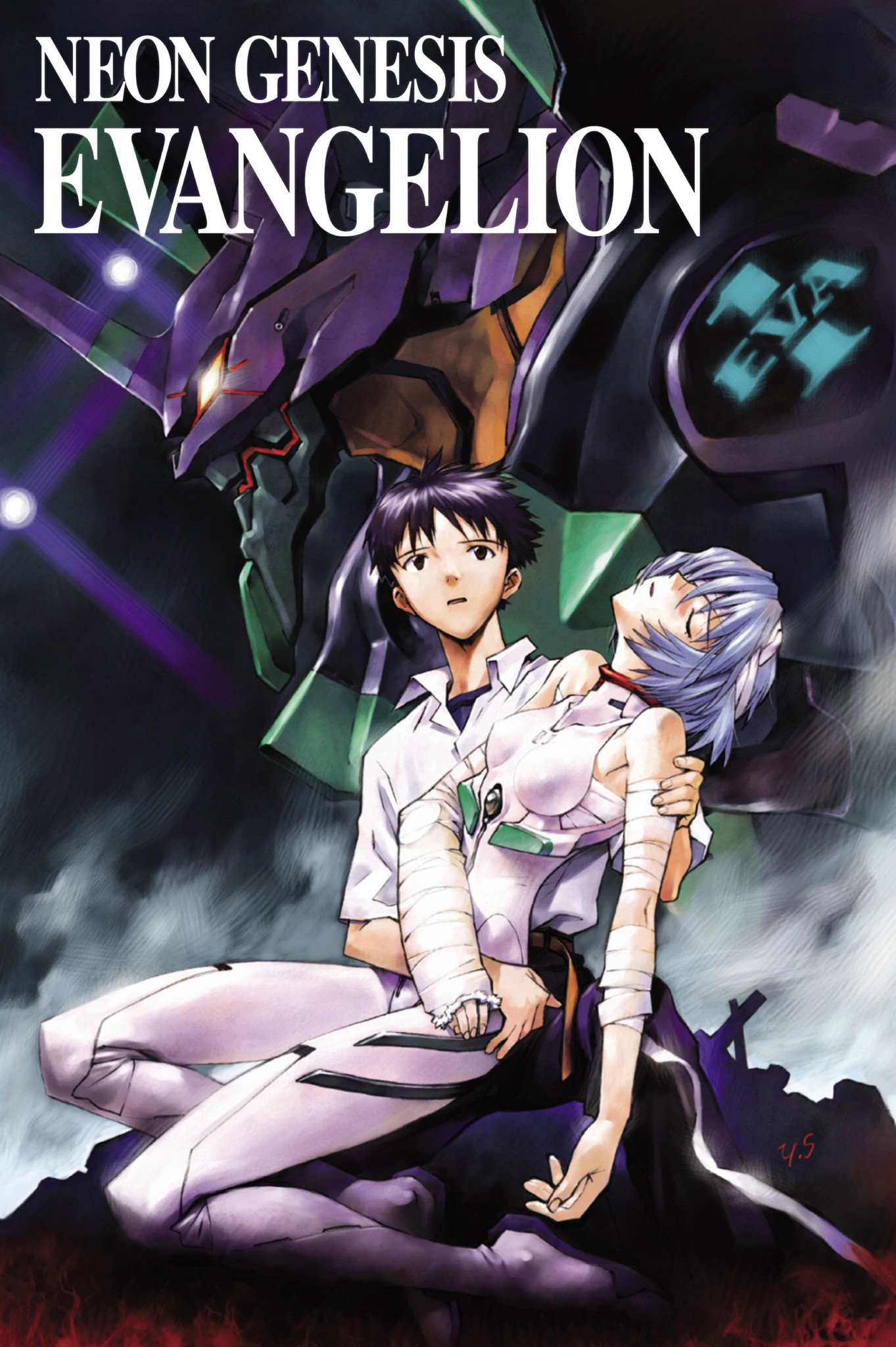
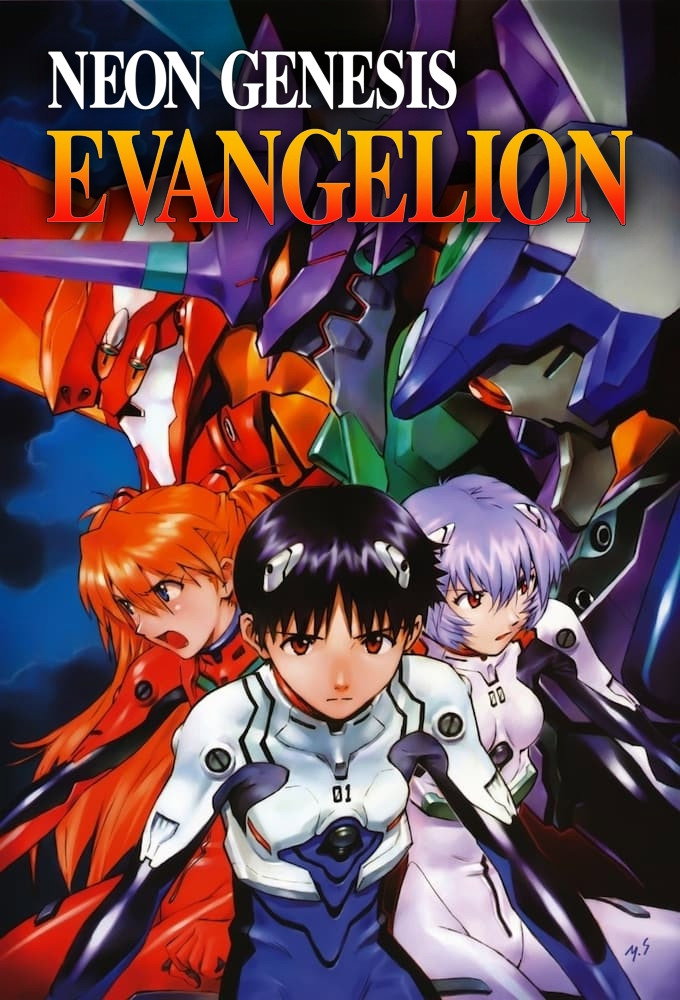
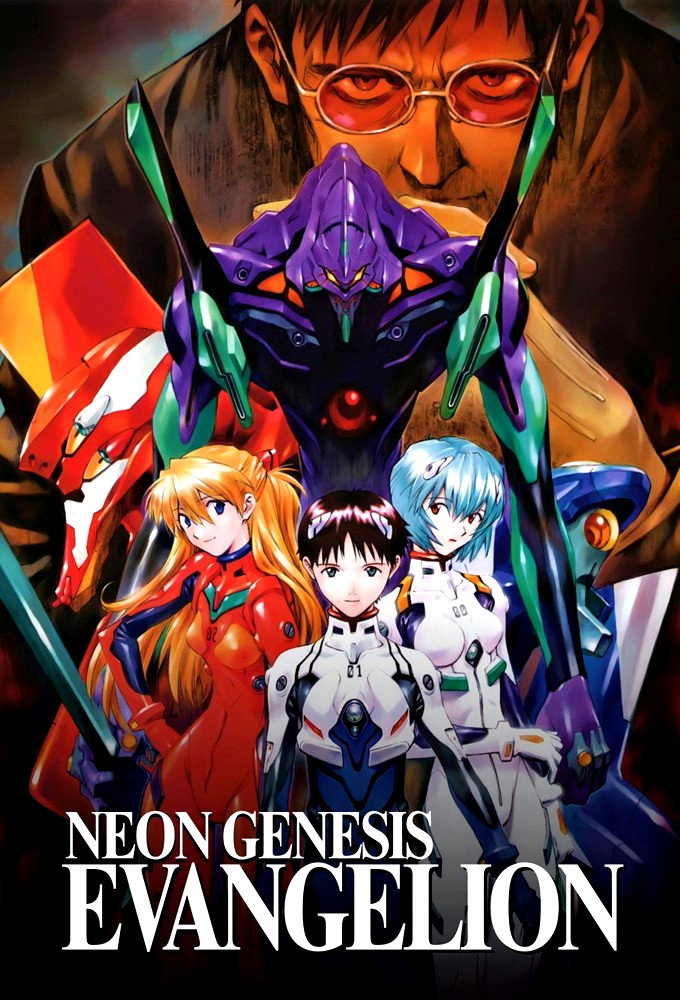
Hideaki Anno’s 26 episodes begin as a giant-robot programme and end somewhere much stranger, inside the head of a boy who does not want to be there. It is uneven, at times plainly unfinished, and we have not been able to leave it alone.
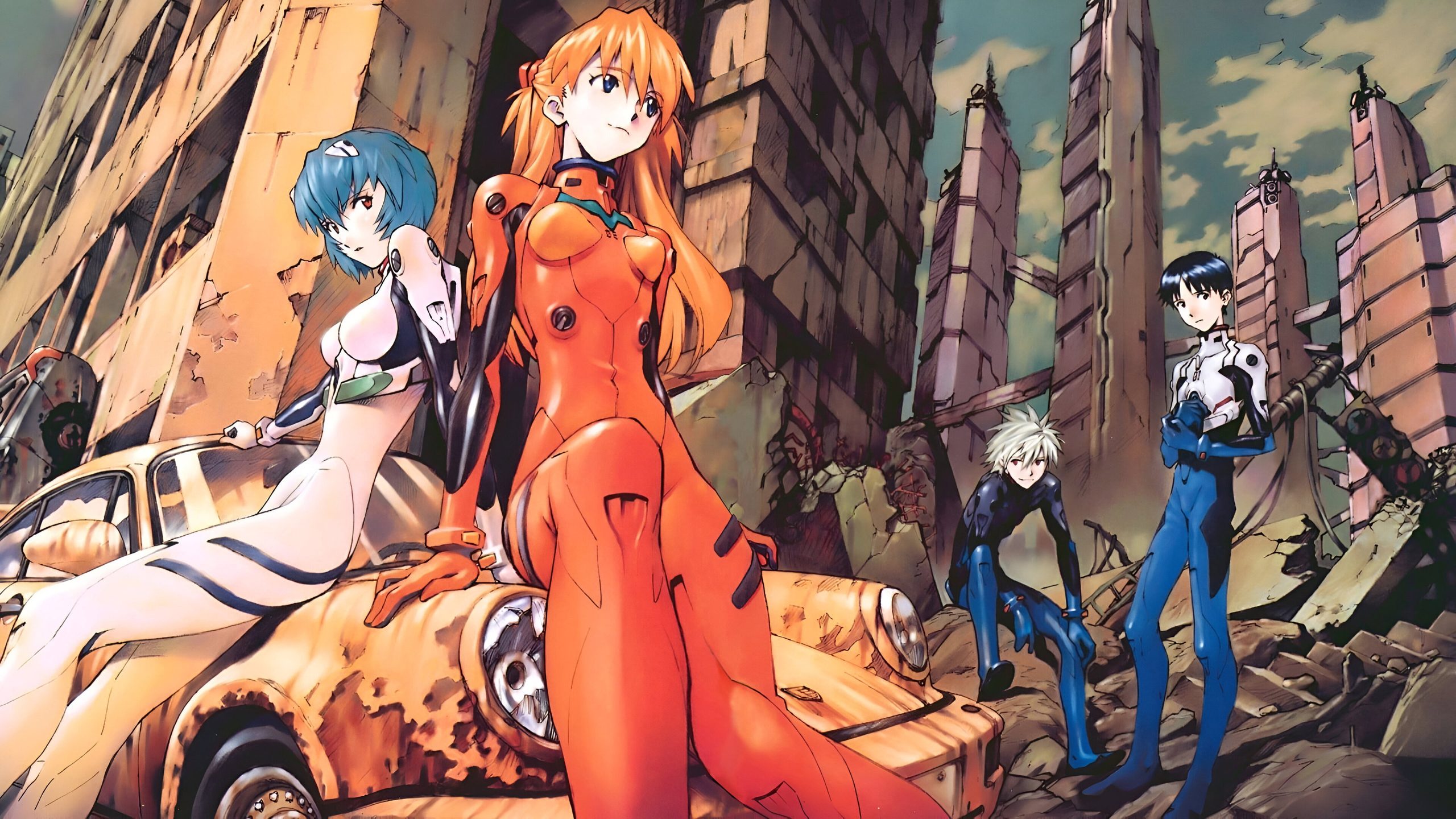
Hideaki Anno’s series arrived on Japanese television on 4 October 1995 looking like the programme its title promises: teenagers, giant robots, a monster most weeks, a city built to fight them. For roughly a dozen episodes it is that programme, and a good one. Then it starts to lose interest in the monsters and to take a much closer interest in the people inside the robots, and by the end it has turned into something we had not seen a cartoon attempt: an adventure serial that becomes, over 26 episodes and without ever quite announcing it, a nervous breakdown.
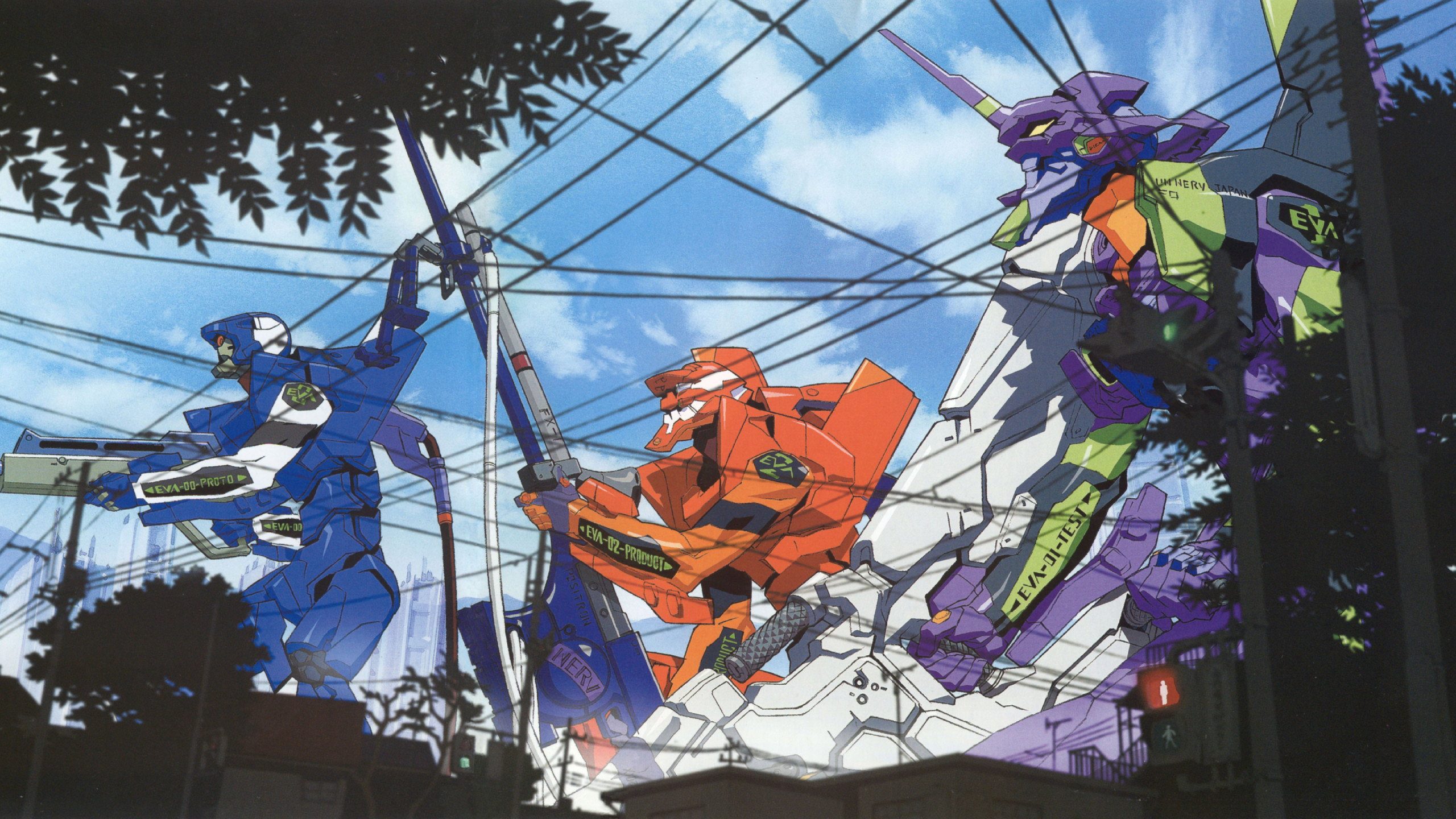
Tokyo-3 is a city of office blocks that sink into the ground when the sirens sound, leaving a plain of concrete for the fighting, and the Evangelions are lanky, hunched things with insect faces and the posture of a sulking adolescent. Yoichi Kuroda is credited with the photography, and the series is unusually interested in light for an animation: long orange afternoons on grey walls, power lines against a white sky, a railway carriage in which the sun never moves. Shots are held far past the point where television would normally cut, and Sachiko Miki’s editing makes the stillness work, dropping white text on black between scenes so that a conversation can end before anyone has finished it.
The moment the series showed its hand to us comes early. In the second episode Shinji is beaten down by an Angel, and the Evangelion gets up on its own. What follows is not a robot fight. The machine tears the creature open with its hands and then its teeth, a severed arm grows back on screen, and Anno keeps cutting to Shinji’s face in the cockpit, a boy watching something he is inside do things he has not asked it to do. We were horrified, and we had sat down expecting to be entertained. Everything the series does afterwards is, one way or another, about what that felt like to him.
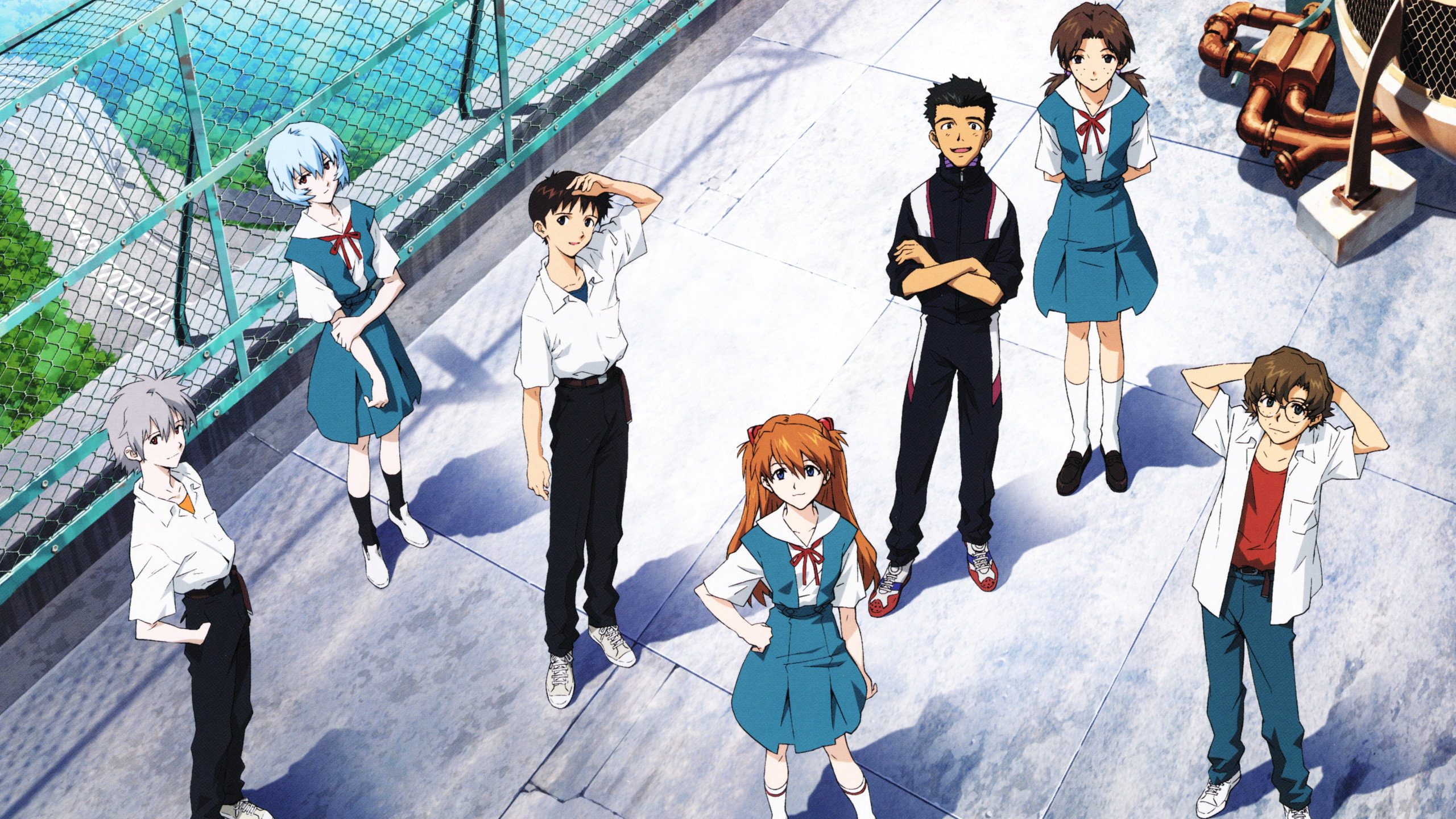
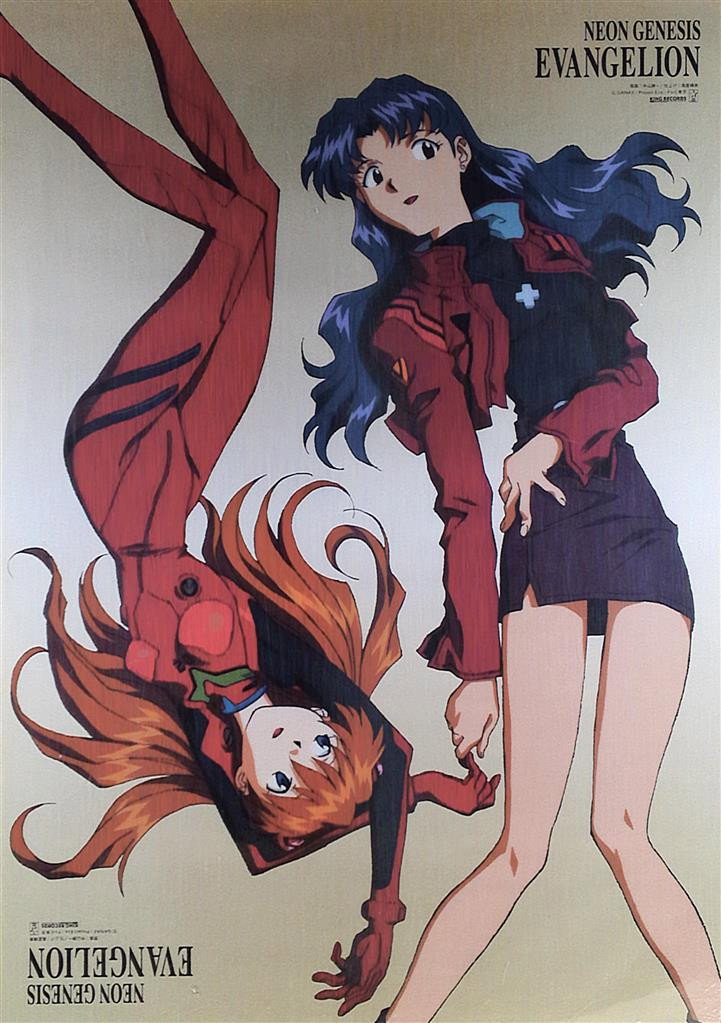
The Japanese cast is the one to hear. Megumi Ogata plays Shinji with a voice that keeps failing him, apologies trailing off into nothing, and she never once lets him be cool. Kotono Mitsuishi’s Misato is loud and lewd in company and someone else entirely in her flat, among the beer cans and the penguin. Megumi Hayashibara gives Rei almost nothing, so that the rare sentence with feeling in it lands hard. Fumihiko Tachiki’s Gendo speaks so low and so seldom that each line seems to cost his son something. Yūko Miyamura arrives some weeks in as Asuka and shouts for the rest of the run; the programme needed the noise.
Shirō Sagisu’s score is brassier than the pictures, big-band cues and choirs laid under what is often two people failing to talk, and the mismatch is the idea: the music keeps promising an adventure the episodes have stopped delivering. Ludwig van Beethoven is also in the music credits, and earned his place, though we will not say where.
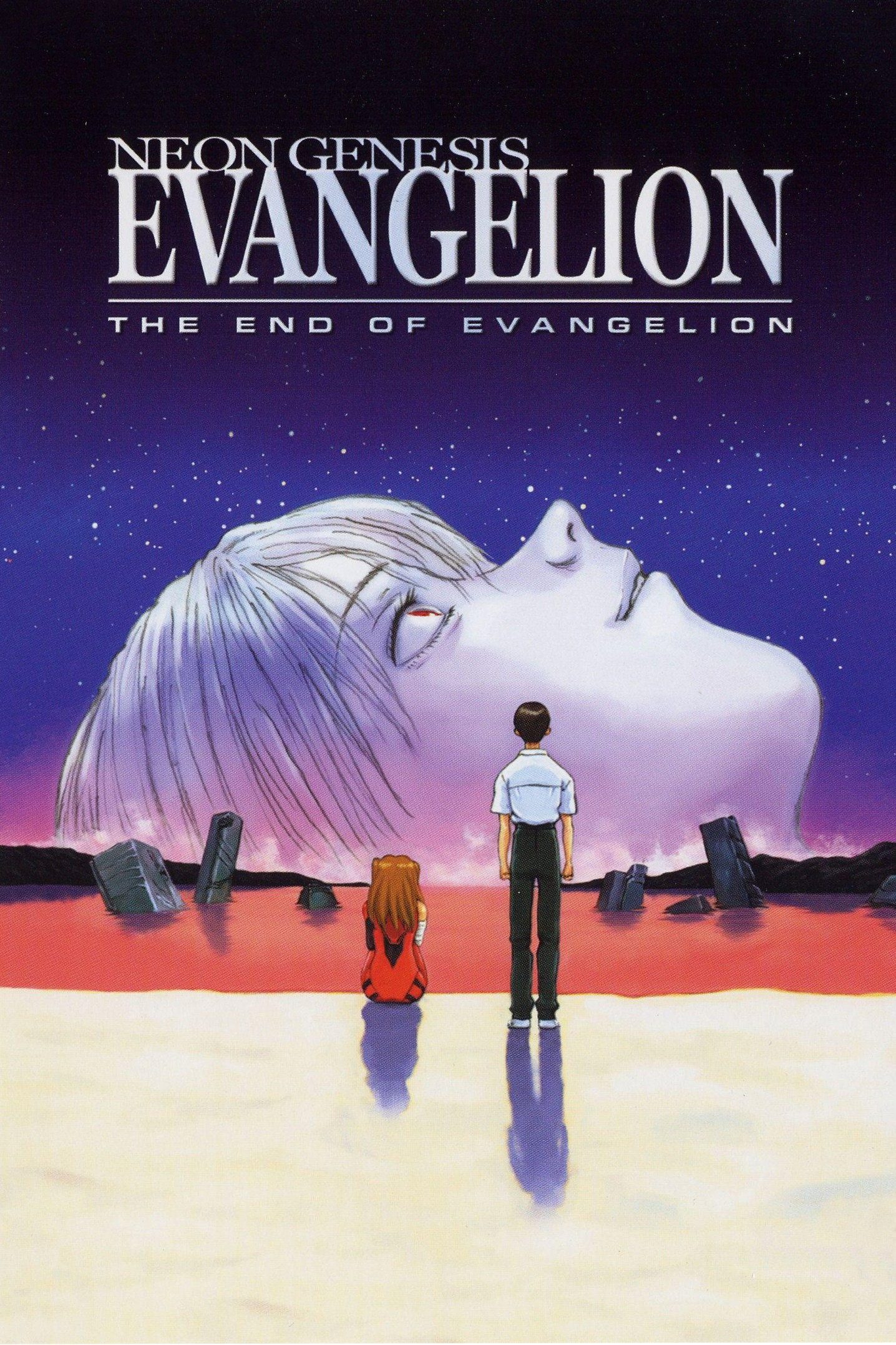
What does not work is easy to name. The middle stretch has episodes that mark time: a monster, a plan, a deadline, a joke about Misato’s cooking. Backgrounds and whole shots come round again often enough that you start to recognise them. The last two episodes are the famous problem, and we will describe only their form: finished animation gives way to pencil sketches, storyboard frames, stills and white text on black, and the characters spend long stretches questioning themselves in an empty room. Some of it is remarkable. Some of it looks like a programme that could not finish what it started and chose to say so on screen rather than pretend. We were moved and exasperated within the same ten minutes.
Fifteen names share the directing credit across the run, Kazuya Tsurumaki and Masayuki among them, but the temperament is Anno’s throughout. Most giant-robot programmes ask what the machine can do. This one asks why anyone would put a child inside it, and does not care for the answer. Certificate 12, which strikes us as generous for the final third. Watch it in order, in Japanese, two or three episodes at a time, and do not let anyone tell you how it ends.