Robert Redford’s moving family drama gives Mary Tyler Moore, Donald Sutherland and Timothy Hutton the attention they deserve. The screenplay explains more than it needs to, but Moore makes its troubled mother impossible to dismiss.
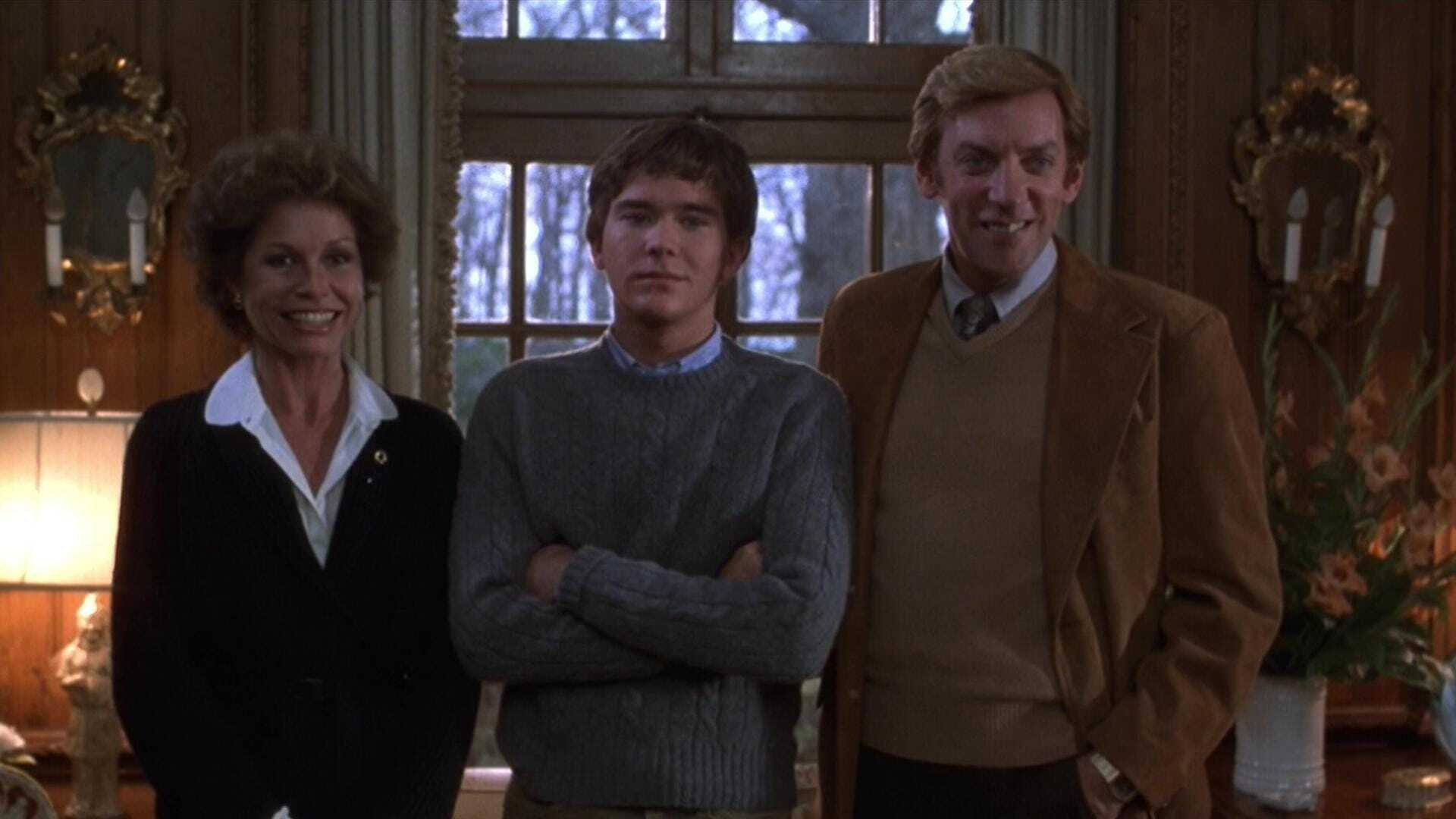
Robert Redford’s Ordinary People is a moving family drama, weakened a little by its eagerness to explain what is wrong. The Jarretts struggle to acknowledge painful feelings, and Redford takes their difficulty seriously without treating them as an exceptional case. He is interested in what living together demands of people who cannot readily give each other what they need. Mary Tyler Moore, Donald Sutherland and Timothy Hutton make those demands matter.
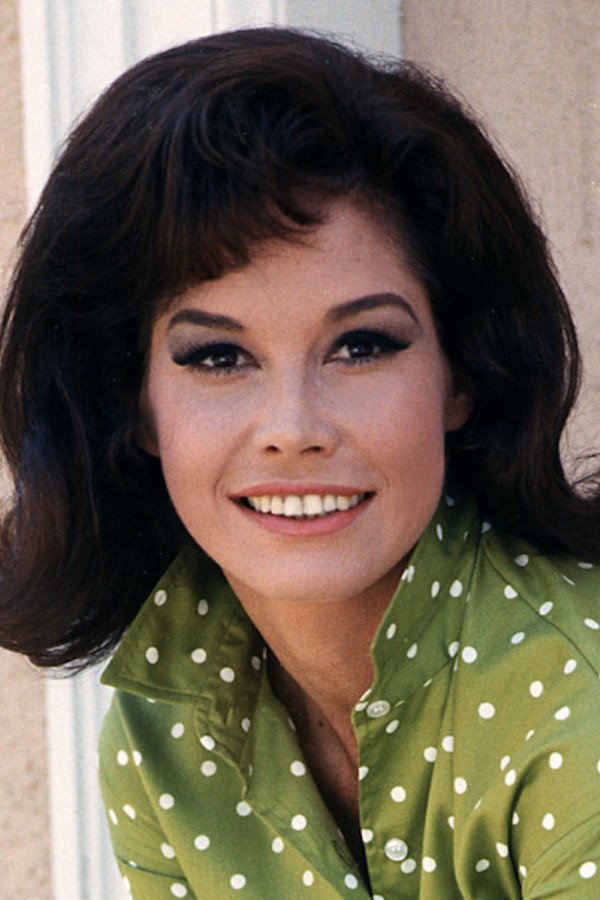
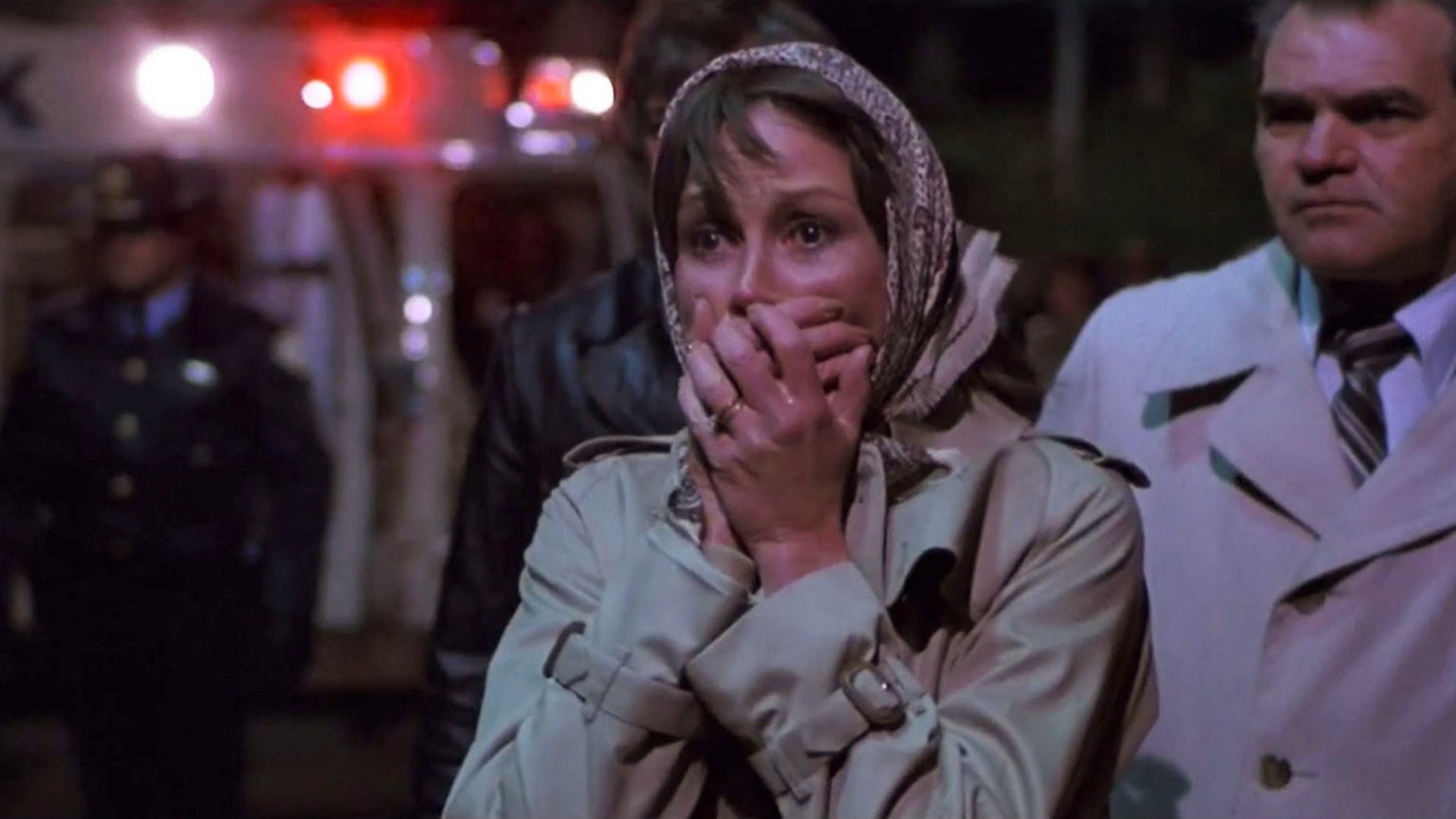
Mary Tyler Moore’s Beth Jarrett is the reason to stay with it. Moore makes being tightly controlled look like hard work, and being near Beth look harder still. We found her painful to watch, because the effort she puts into containing herself leaves so little ease for anyone else. There is cruelty in this performance, but also enough fear to prevent Beth becoming merely the difficult mother. Moore makes us want to challenge her without feeling entitled to dismiss her.
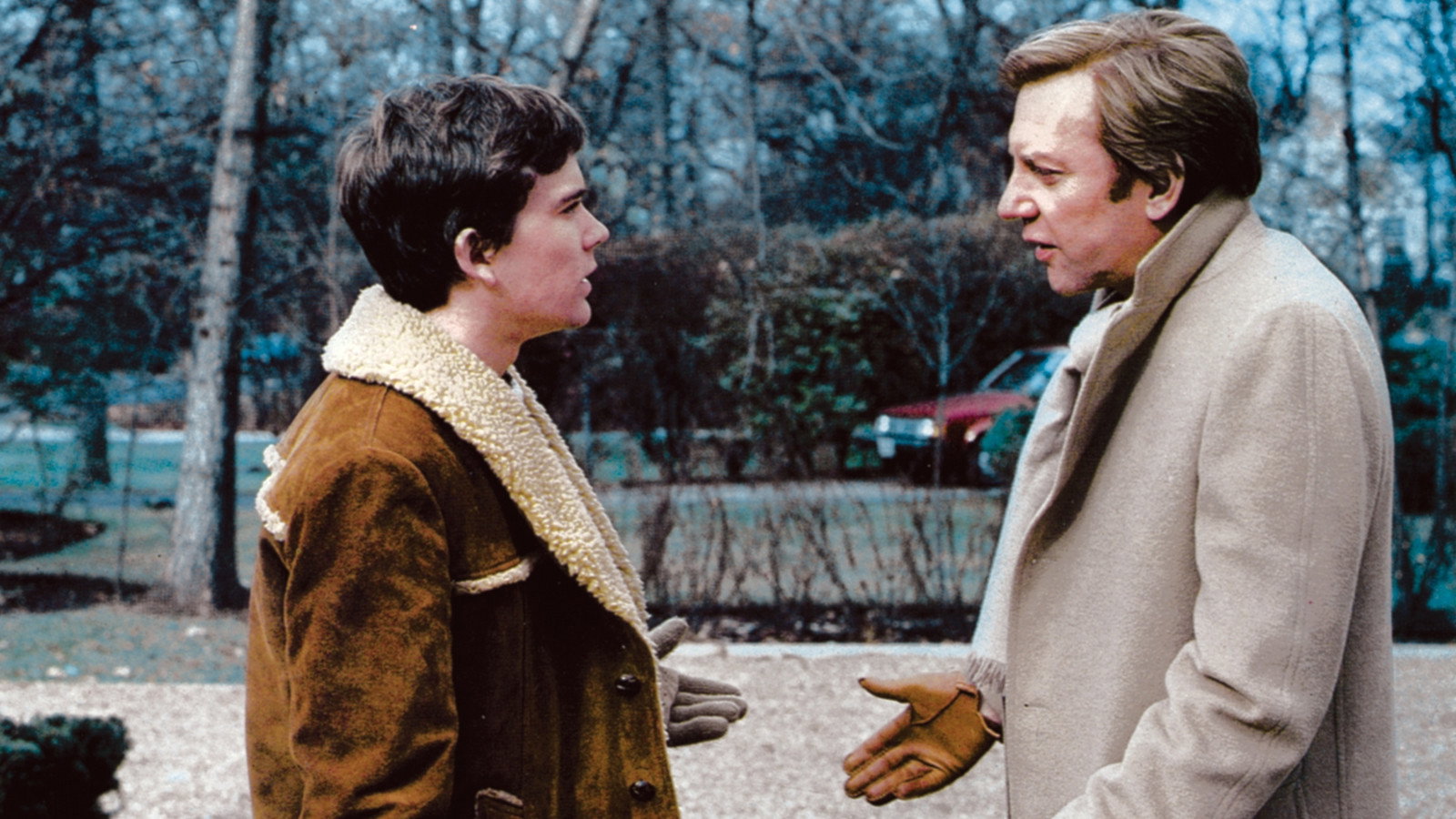
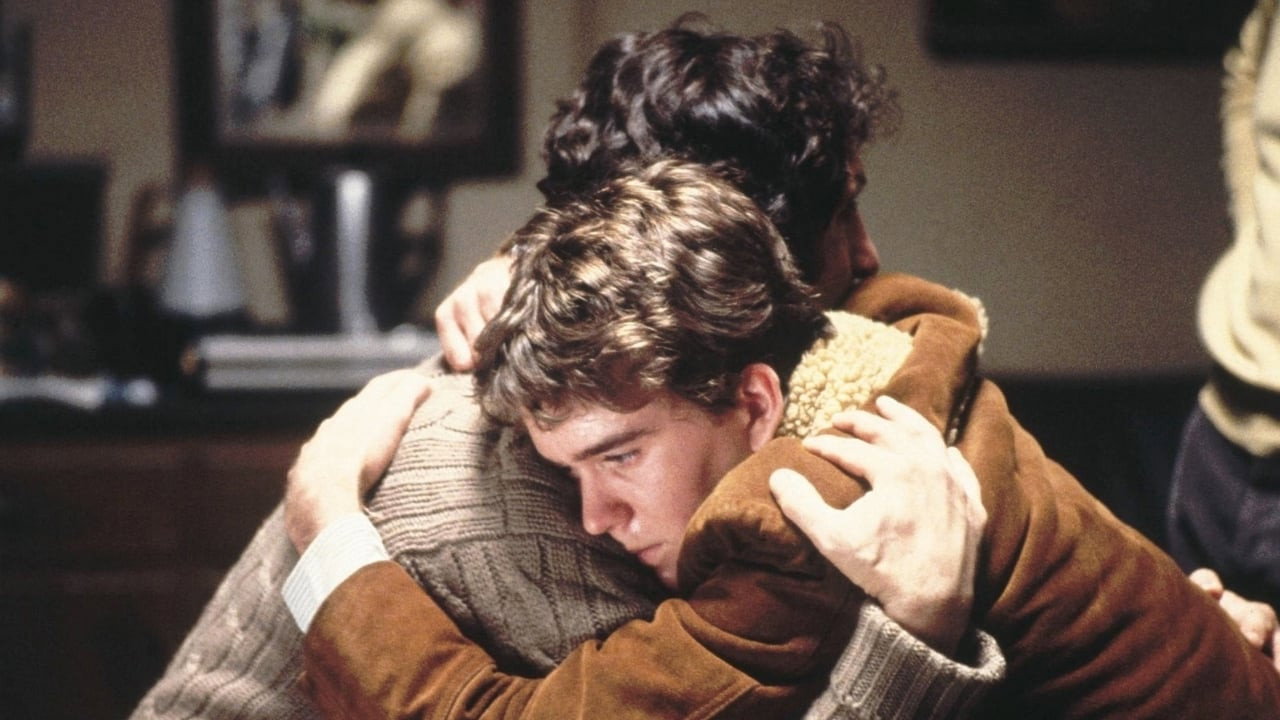
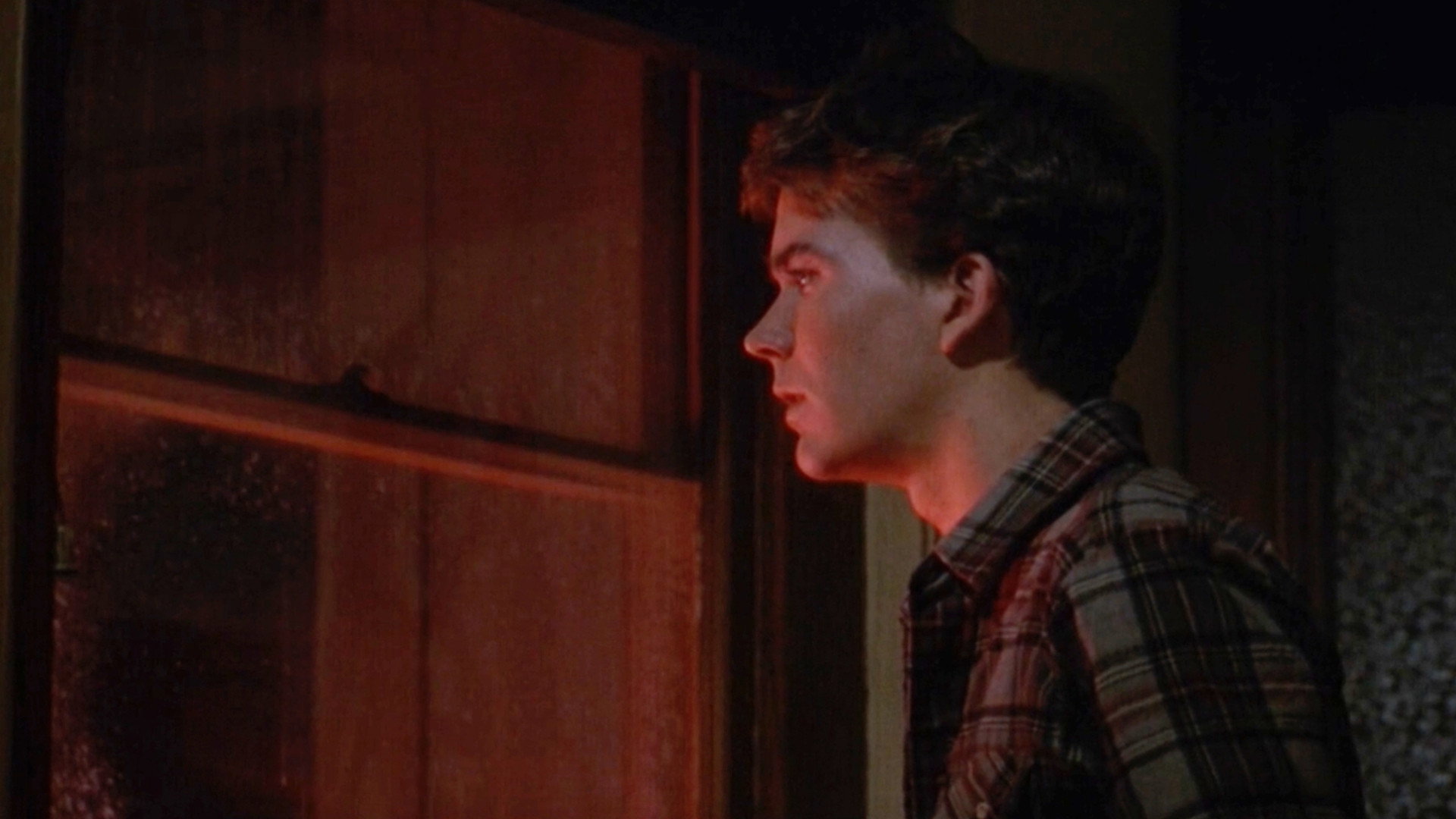
Donald Sutherland’s Calvin Jarrett supplies a warmth that could easily have become an excuse to prefer him. Sutherland is more interesting than that: his gentleness makes us consider how little kindness can accomplish when a family has stopped understanding itself. Timothy Hutton’s Conrad Jarrett is more openly vulnerable, and Hutton never lets that vulnerability become a plea for indulgence. He makes Conrad someone we care about without making the people around him seem irrelevant. Redford gives all three performances the attention they need.
Alvin Sargent’s screenplay, adapted from Judith Guest’s novel, is sometimes too eager to explain their behaviour. Its treatment of therapy has a welcome seriousness, and Judd Hirsch gives Dr Berger the presence the part needs. Yet the explanations can become too tidy, particularly beside Moore’s stubbornly uncomfortable work. We do not need every painful response explained before we can care about it. The writing sometimes tells us what the actors have already made us feel.
John Bailey’s cinematography contributes to the handsome finish, which suits the family’s determination to remain composed but occasionally makes their distress too comfortable to look at. Jeff Kanew’s editing is most effective when the pace lets us attend to the performances without pressing for the next explanation. Marvin Hamlisch’s music can feel more solicitous than necessary; these actors need little help securing our sympathy. The care is evident throughout, although a rougher edge here and there would have served the material.
The Jarretts’ comfortable circumstances might make their troubles easy to dismiss, and Redford refuses that easy response. Their unhappiness receives the close attention a family drama owes its people, however well they live. The film is less convincing when it seems to rank them according to how well they can talk about themselves. That risks making Beth’s restraint look like an offence for which she alone should answer. Moore keeps us considering what this family asks of her.
The reservations matter, but they need not keep anyone drawn to domestic drama away. Redford gives the actors enough room to make these people worth thinking about after the film has stopped explaining them. Watch it for Moore in particular, and allow yourself to feel more sympathy for Beth than the screenplay always seems to invite.