Ang Lee’s family drama is funny, uncomfortable and quietly moving, with Joan Allen particularly good at showing how hard composure can be. The weather symbolism is overworked, but the performances make it worth the discomfort.
Ang Lee’s The Ice Storm takes the newly negotiable rules of family life in 1973 and watches people make an awkward business of them. It is a perceptive, often funny drama, and the cast makes its sadness matter. The Hoods and the Carvers live in suburban Connecticut, where personal freedom seems to involve a good deal of consideration for oneself. Lee is alert to the hypocrisy, but he does not treat unhappiness as a punishment these people have earned. That generosity is the main reason to watch.
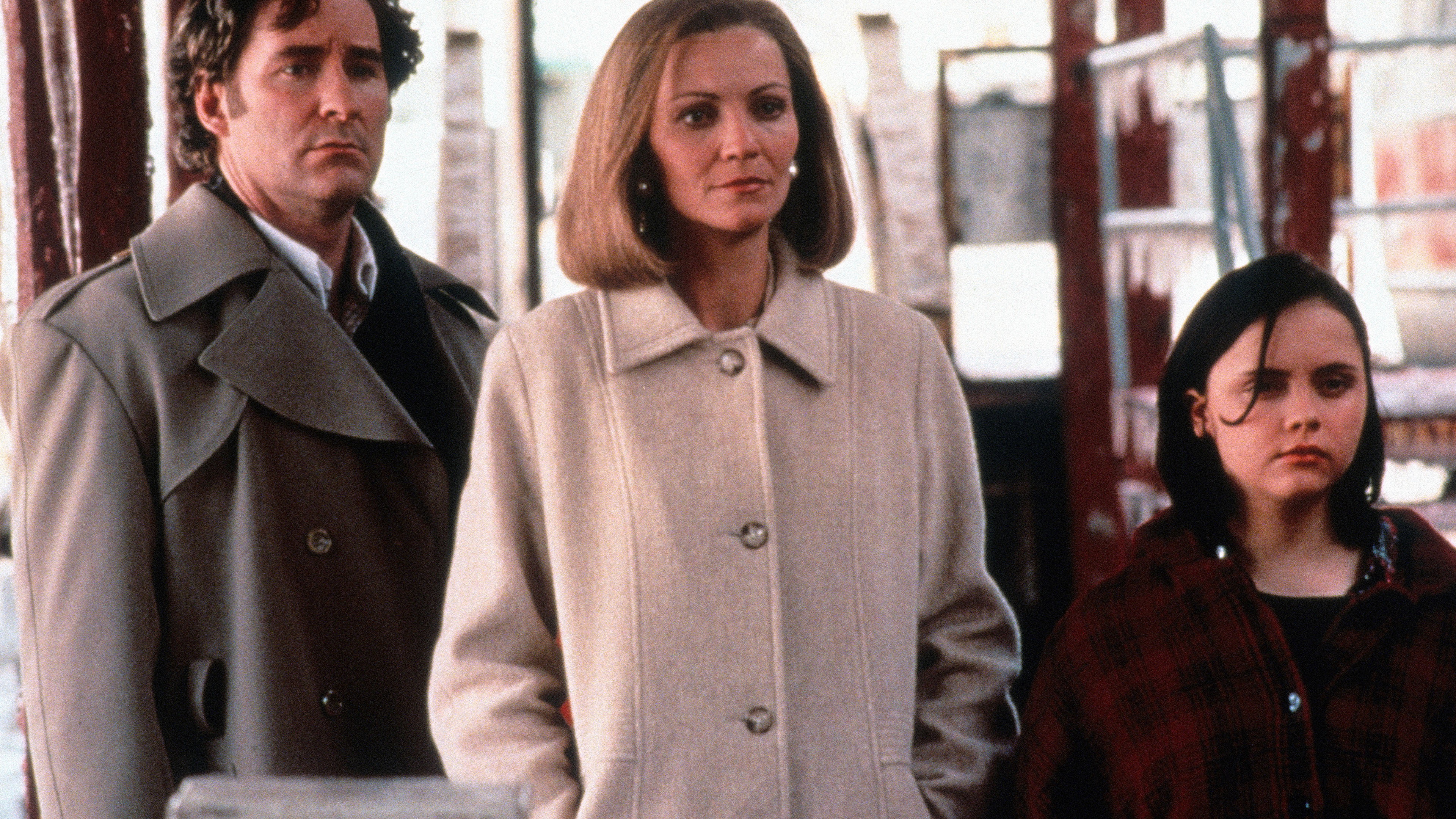
James Schamus’s screenplay, adapted from Rick Moody’s novel, gives the adults enough intelligence to explain themselves without necessarily understanding themselves. Kevin Kline’s Ben Hood is especially good at making confidence look like something that might not last through the next conversation. Sigourney Weaver’s Janey Carver is harder to read, and Weaver makes that reserve interesting without inviting us to congratulate it. The comedy comes from people wanting to seem more comfortable with their choices than they are.
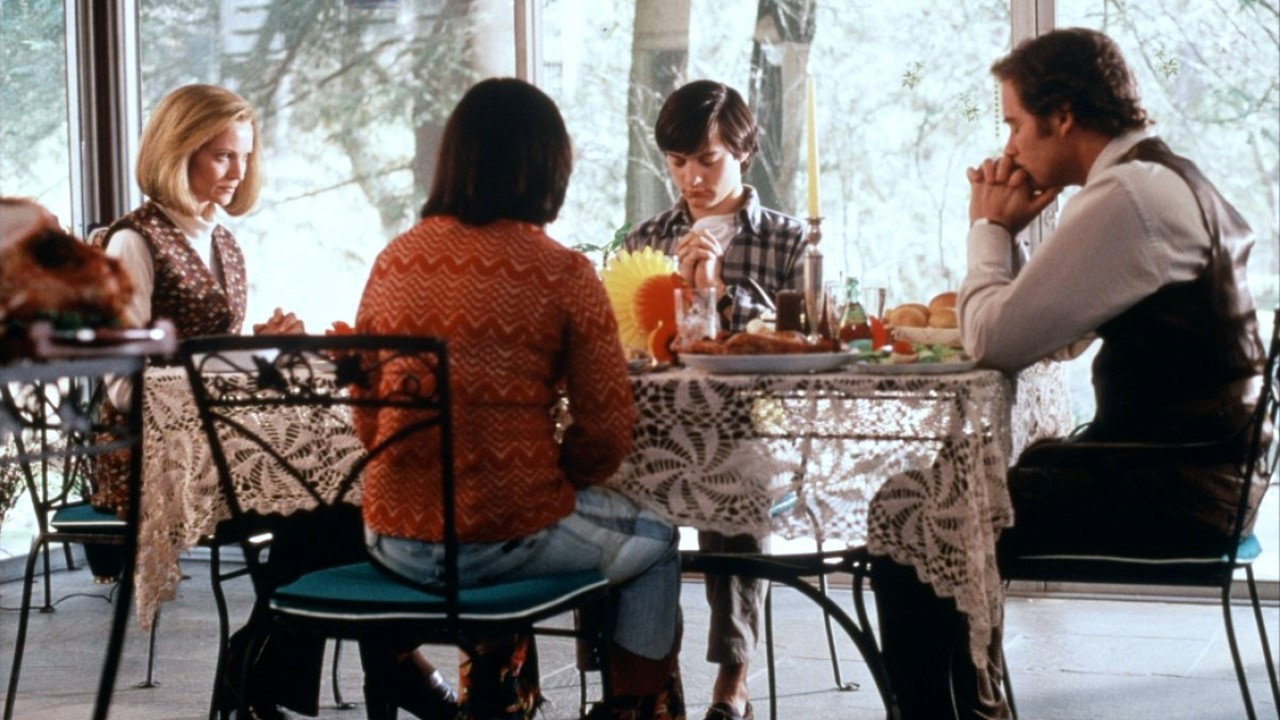
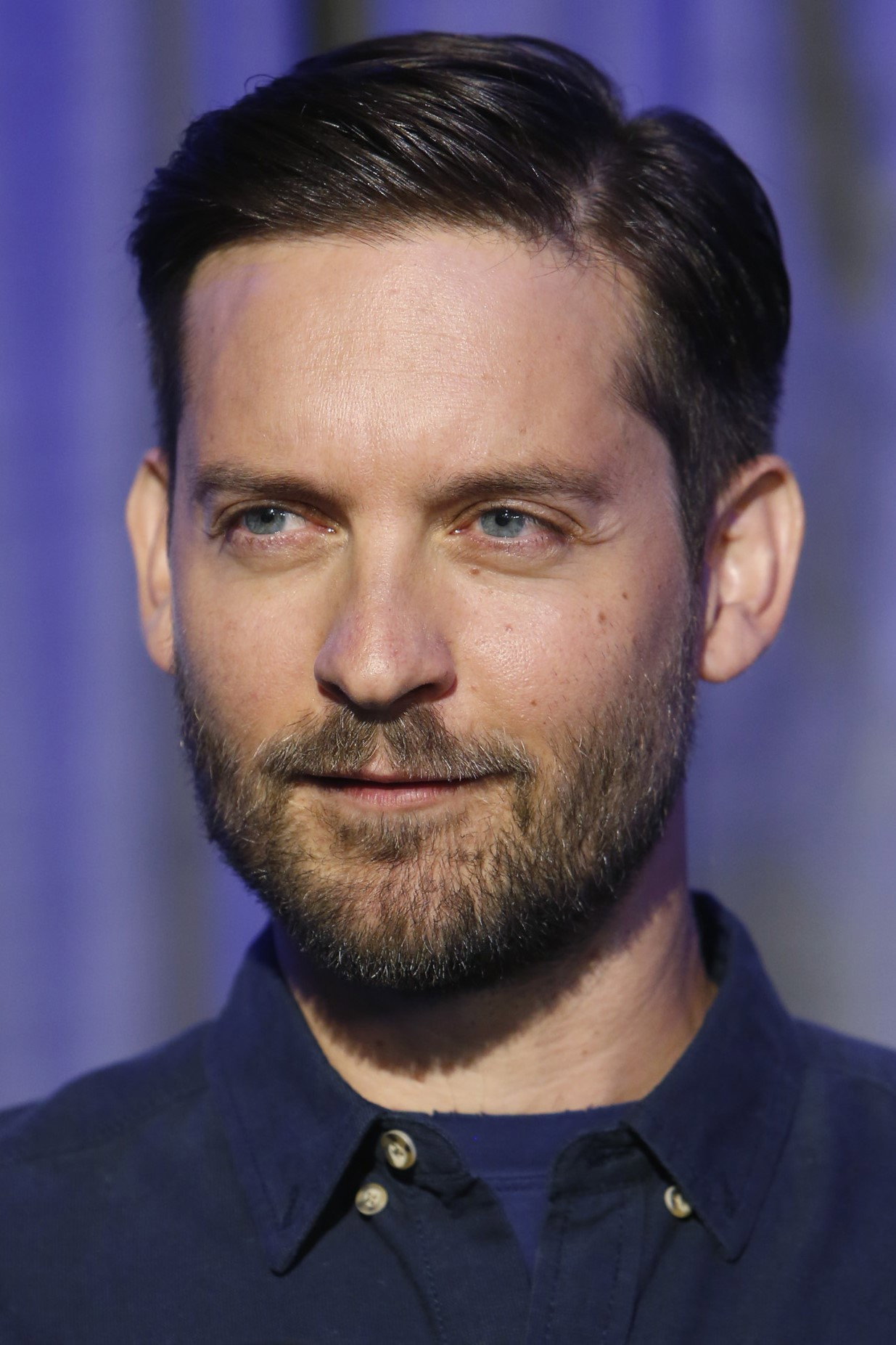
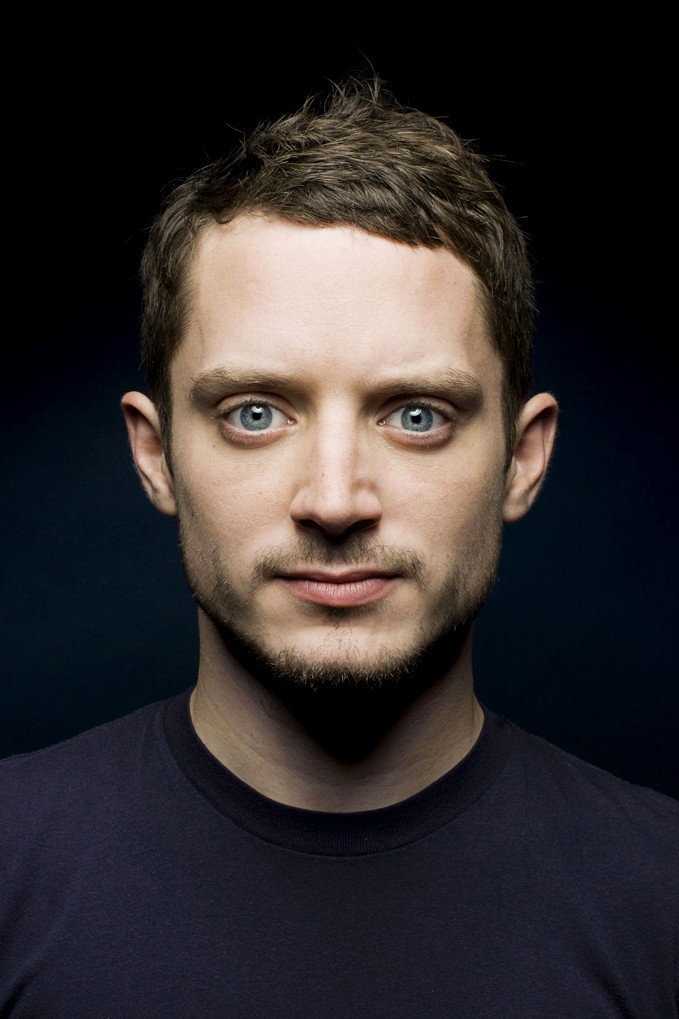
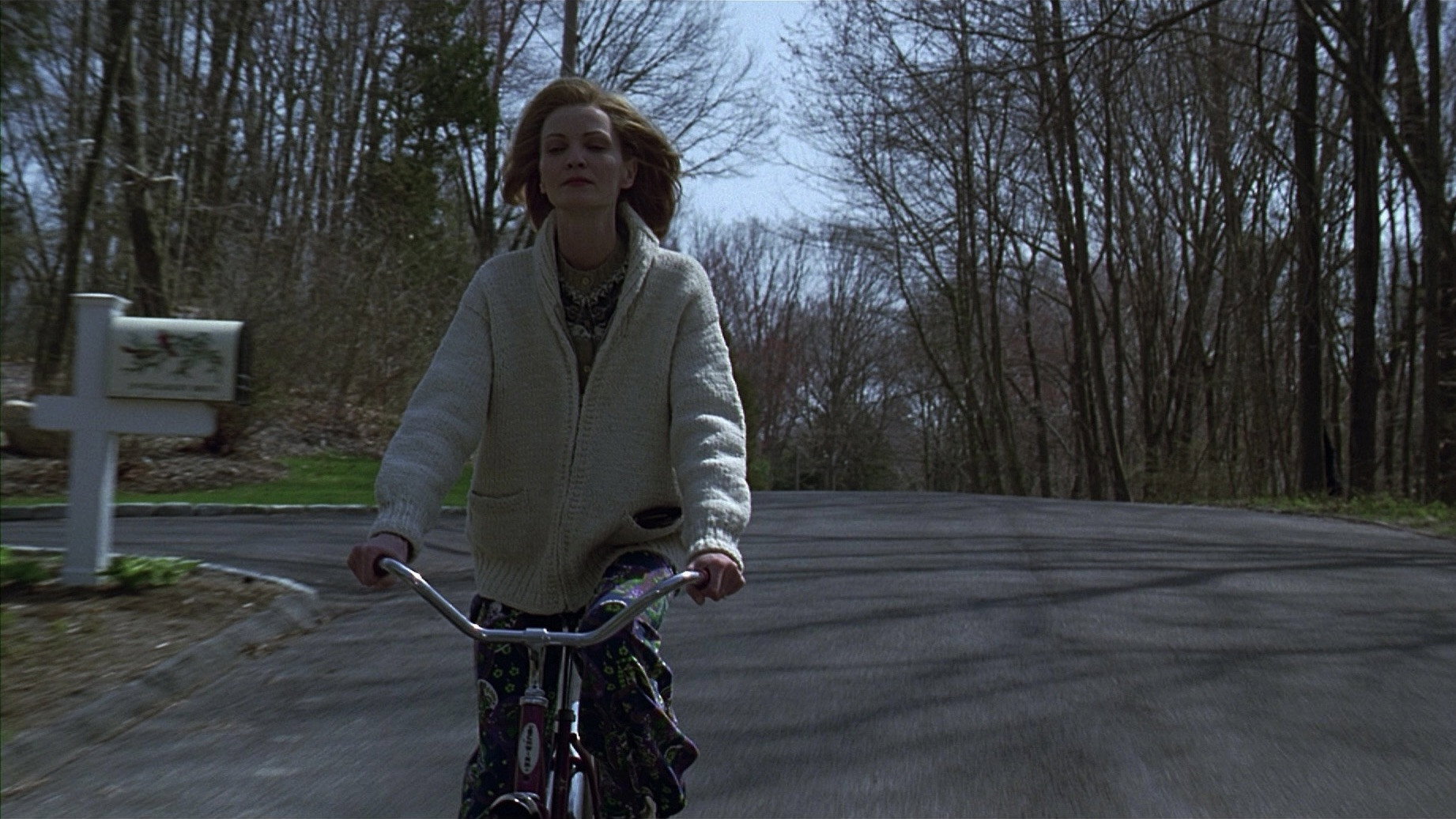
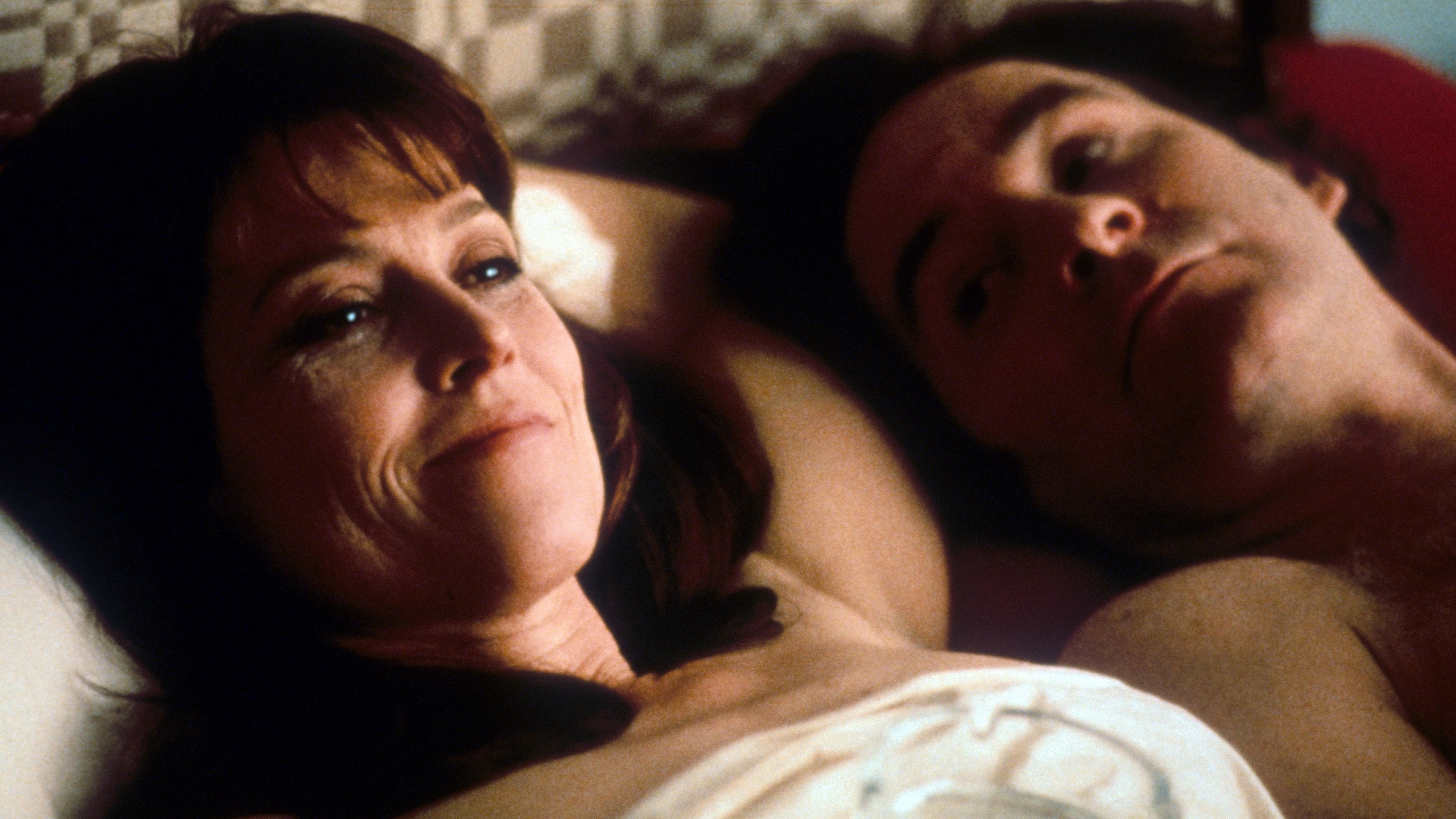
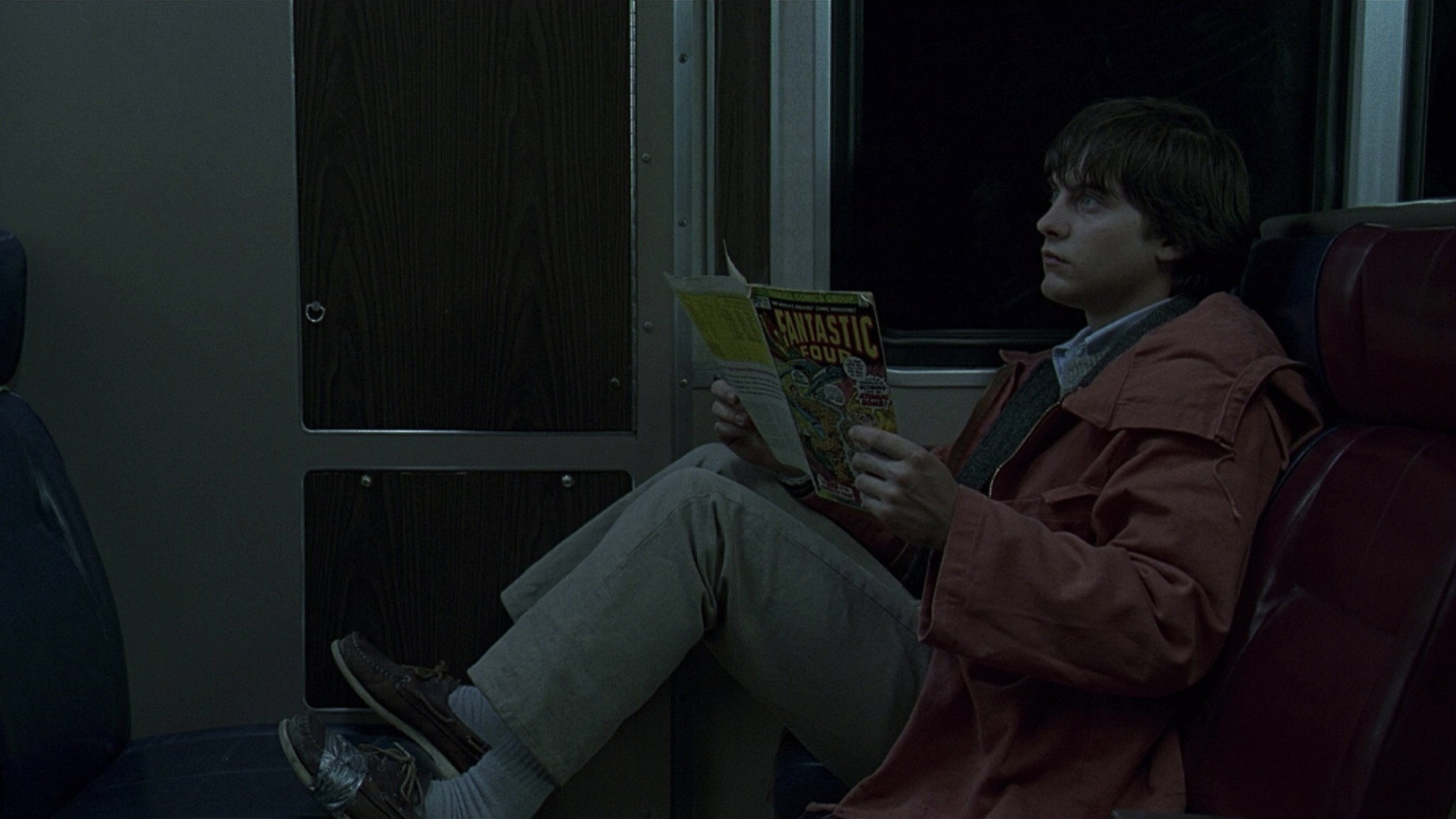
We were moved by Joan Allen’s Elena, because Allen makes keeping her face composed look like hard work. She gives the film someone to care about without asking us to excuse everyone else. Christina Ricci’s Wendy brings a more abrasive watchfulness to the younger generation. With Tobey Maguire, Elijah Wood and Adam Hann-Byrd, she helps stop the children becoming a convenient group of innocents against whom the adults can be judged.
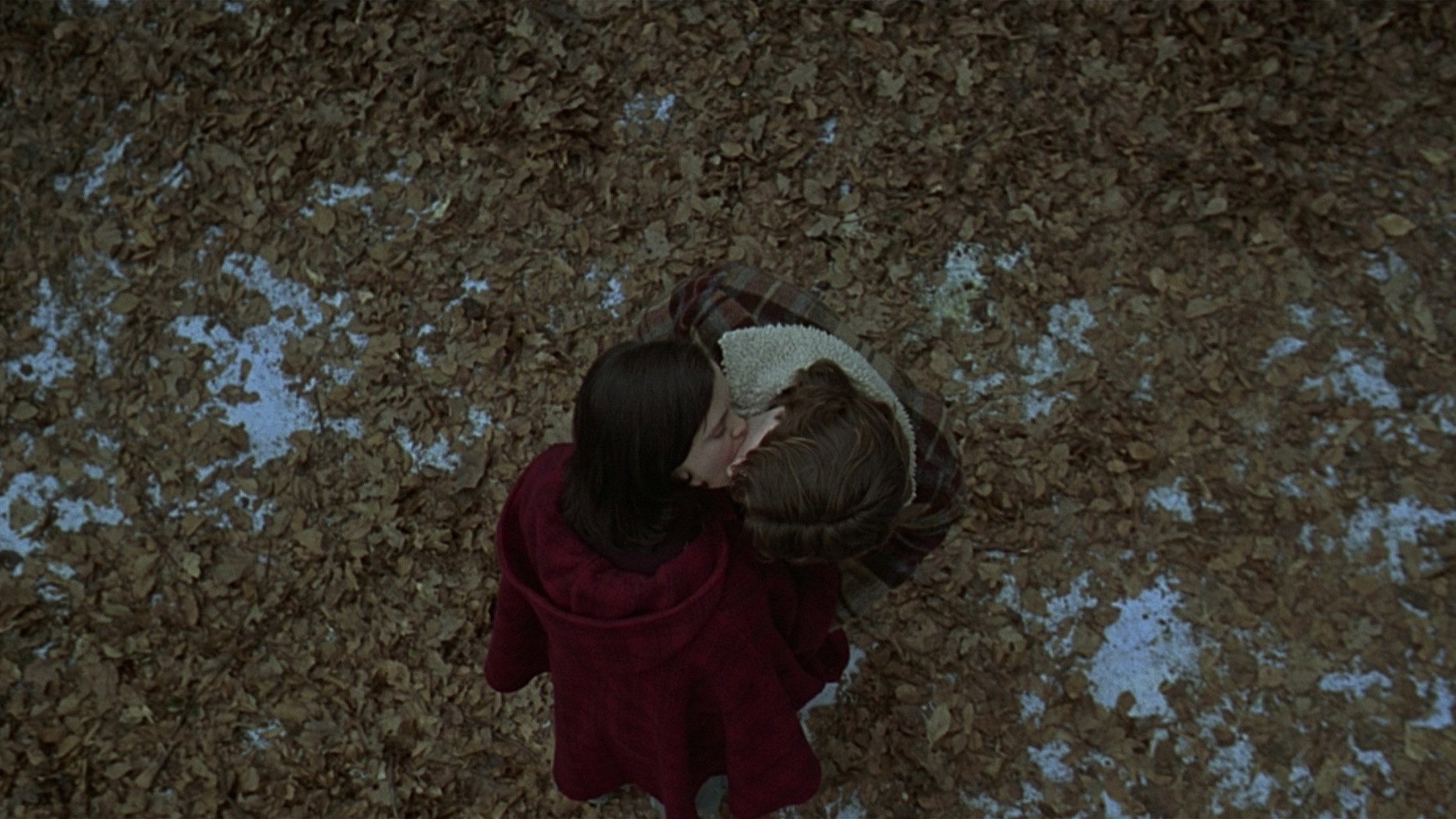
Frederick Elmes’s photography gives the frozen landscape an eerie beauty, though it never makes the place inviting. Mark Friedberg’s production design establishes the early-1970s surroundings without making the homes feel like displays, and Carol Oditz’s costumes have the same lived-in quality. The fashions are sometimes funny, but we are never merely waiting for the next unfortunate outfit. Lee lets the period detail remain ordinary to the people who live among it, which keeps us looking at their behaviour.
Mychael Danna’s score is quietly troubling, and its sadness stays with us after the more comic behaviour has passed. Tim Squyres’s editing keeps the households and generations in contact without making every connection laborious. The movement from social comedy into sorrow is handled with particular care, with enough continuity in the performances to prevent the change feeling imposed. Lee continues to pay attention to the awkward people who made us laugh when their unhappiness becomes harder to bear.
The reservation is that Lee and Schamus sometimes press the connection between the weather and these unhappy households too firmly. We have understood the title before the film has finished making sure we have understood it. That emphasis can make the drama feel more arranged than the acting deserves, and the coolness of Lee’s approach sometimes keeps us at a distance. A little less insistence would give us more room to attend to the faces without being reminded what the ice represents.
Among dramas about dissatisfied suburban families, this one is unusually willing to let foolish people remain worthy of attention. Its patience can be mistaken for indifference, though Allen and the younger cast make that a difficult reading to sustain. At 113 minutes, it gives a sizeable ensemble enough space without turning every character into a separate case study. Watch it for the actors, and allow for the occasional explanation of something they have already made clear.