Critics’ reviews

The Ice Storm (1997)

9 reviews from 9 publications. Critics’ score 80: 6 positive, 0 mixed, 0 negative.

Back to our review of The Ice Storm

80
Positive
6
Mixed
0
Negative
0

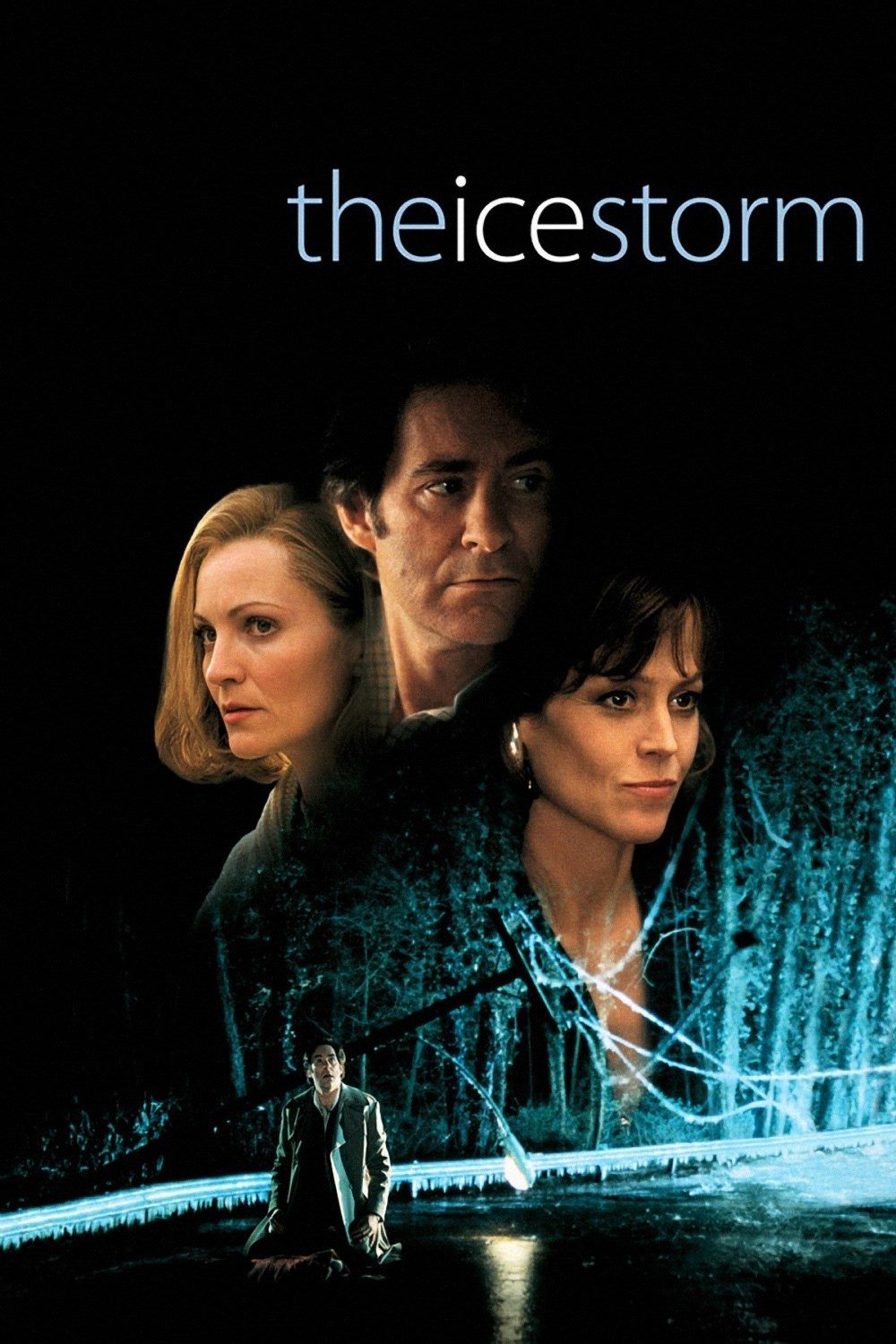
The reviews are consistently positive about The Ice Storm, with praise centred on Ang Lee’s controlled direction, the ensemble performances and the precise recreation of 1970s suburban life. Most critics find the portrait of family dysfunction both perceptive and quietly affecting, with social satire sharpening its account of frustrated desires and generational strain. The script and period detail draw repeated approval for making the families’ awkwardness and hypocrisy feel specific to their surroundings.

The differences concern how close the film lets its audience get. The New Yorker finds its neutral, clinical approach intelligent but emotionally remote, while other reviews find sadness and empathy in that restraint. The AV Club admires the performances and period detail but considers the metaphors heavy-handed. The spread is otherwise narrow: reservations qualify a broadly shared appreciation of the film’s wit, careful observation and refusal of easy reassurance.

Empire
1 January 2000 · Angie Errigo
85*

The critic praises Ang Lee's outstanding direction in adapting the novel, highlighting the film's sharp social satire, universal details of longing, and seamless tonal shift from farce to profound tragedy, supported by a dazzling ensemble cast.

Read the full review →
The AV Club
19 March 2008 · B+ · Scott Tobias
83

The film captures the awkward transition of the American family in 1973 suburbs, highlighting hypocrisy in the counterculture's influence more than loose morals. It excels in strong performances, period detail, and a poignant coda despite heavy-handed metaphors.

Read the full review →
Slant Magazine
24 March 2008 · Arthur Ryel-Lindsey
80*

Ang Lee's film examines tradition versus change and societal expectations versus individual desires through intertwined family conflicts in 1973 Connecticut. It succeeds as a period piece thanks to Lee's outsider perspective, strong period recreation, and masterful handling of the storm-night climax.

Read the full review →
Time Out
7 January 2015 · GA
80*

The critic calls the film a gem of witty, perceptive observation in its tragi-comic portrait of two Connecticut families. They single out the meticulous script, strong performances, elegant direction and spot-on recreation of early-1970s fads and socio-political atmosphere.

Read the full review →
The New Yorker
22 September 1997 · Daphne Merkin
70*

The film is intelligent but curiously remote in documenting suburban anomie and family dysfunction without assigning blame. Its scrupulously neutral, clinical approach makes it intriguing though somewhat baffling.

Read the full review →
The Independent
7 February 1998 · HHHH · Ryan Gilbey

The critic finds the film a compelling, bleak portrait of dysfunctional families in 1970s suburbia, praising its European-style acting, haunting score, and refusal to offer easy resolutions or transformations.

Read the full review →
The New York Times
26 September 1997 · festival review · Janet Maslin

The critic praises the film's haunting capture of 1970s suburban unease and social upheaval. Particular empathy is shown for the women characters through strong performances.

Read the full review →
Variety
25 May 1997 · festival review · Todd McCarthy

The film is a well-observed and deftly performed examination of upper-middle-class emotional deep freeze, an intelligent adult drama. Strong ensemble acting and insightful look at family and generational strains are highlighted.

Read the full review →
Eye for Film
23 November 2025 · Donald Munro
80*

The critic finds the film a gentle, sad and witty portrait of 1970s suburban malaise and family dysfunction. The sharp script, strong performances (especially from the younger cast) and especially the stunning cinematography of the frozen landscape are singled out for praise.

Read the full review →

Ordered by the weight we give each publication, then by score. Scores are normalised to 100; * means inferred from an unrated review. Summaries are ours, not quotations; follow the links for the reviews themselves. How we rate