Film review

Empire of the Sun

1987 · Directed by Steven Spielberg · 2h 33m · MPA PG

In a sentenceThe adults have Christian Bale outnumbered, but that is about the only advantage they have

DramaHistoryWar

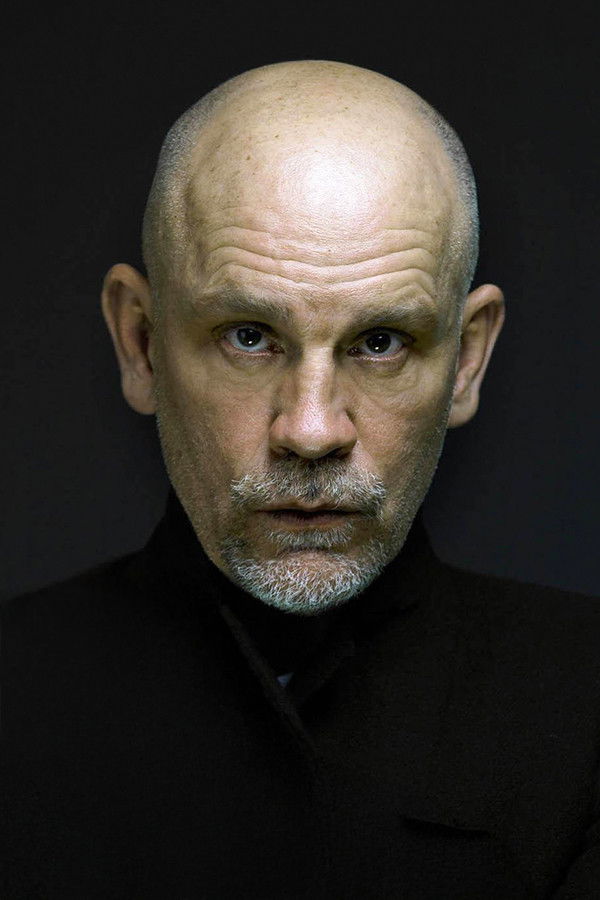
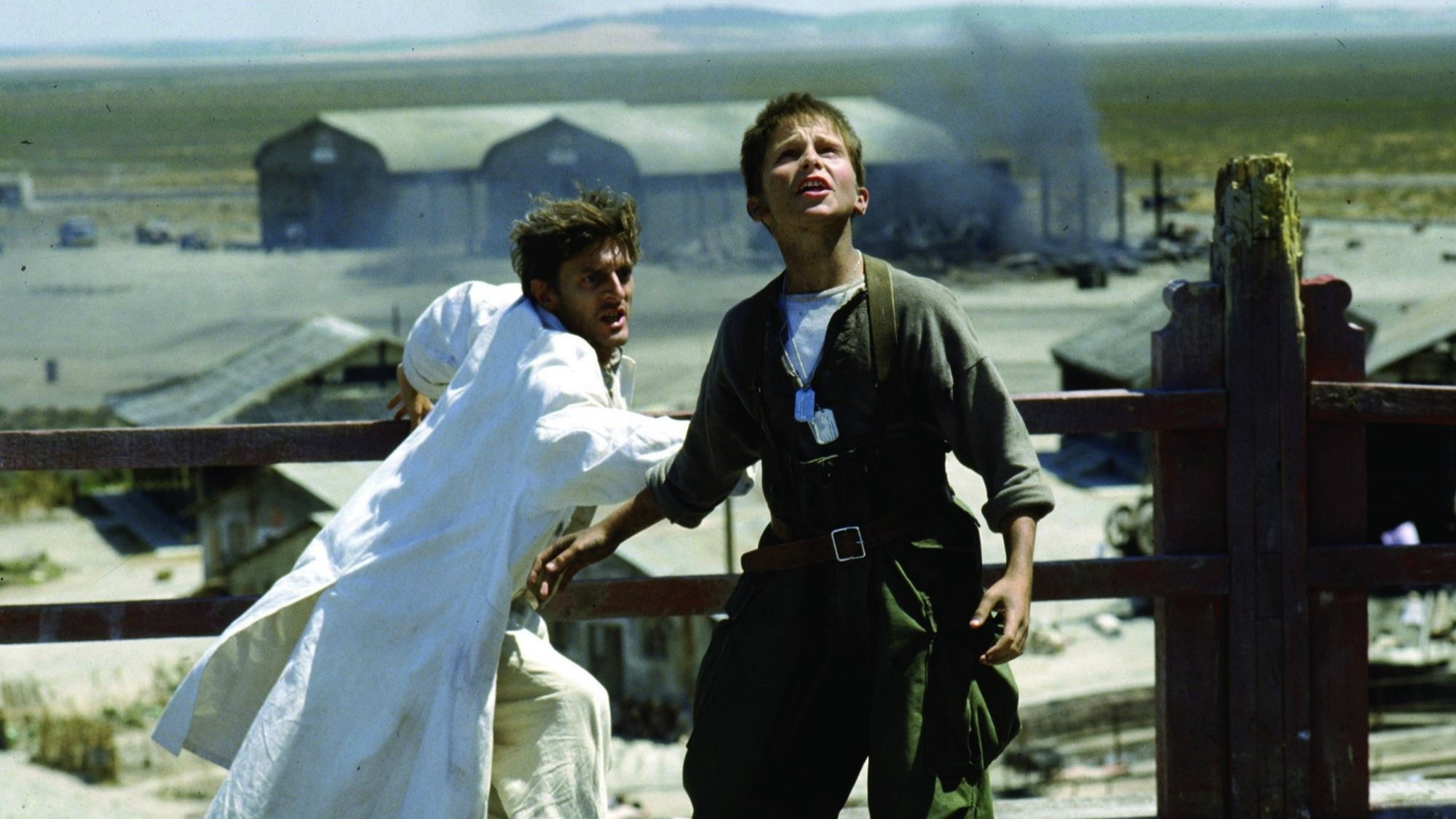
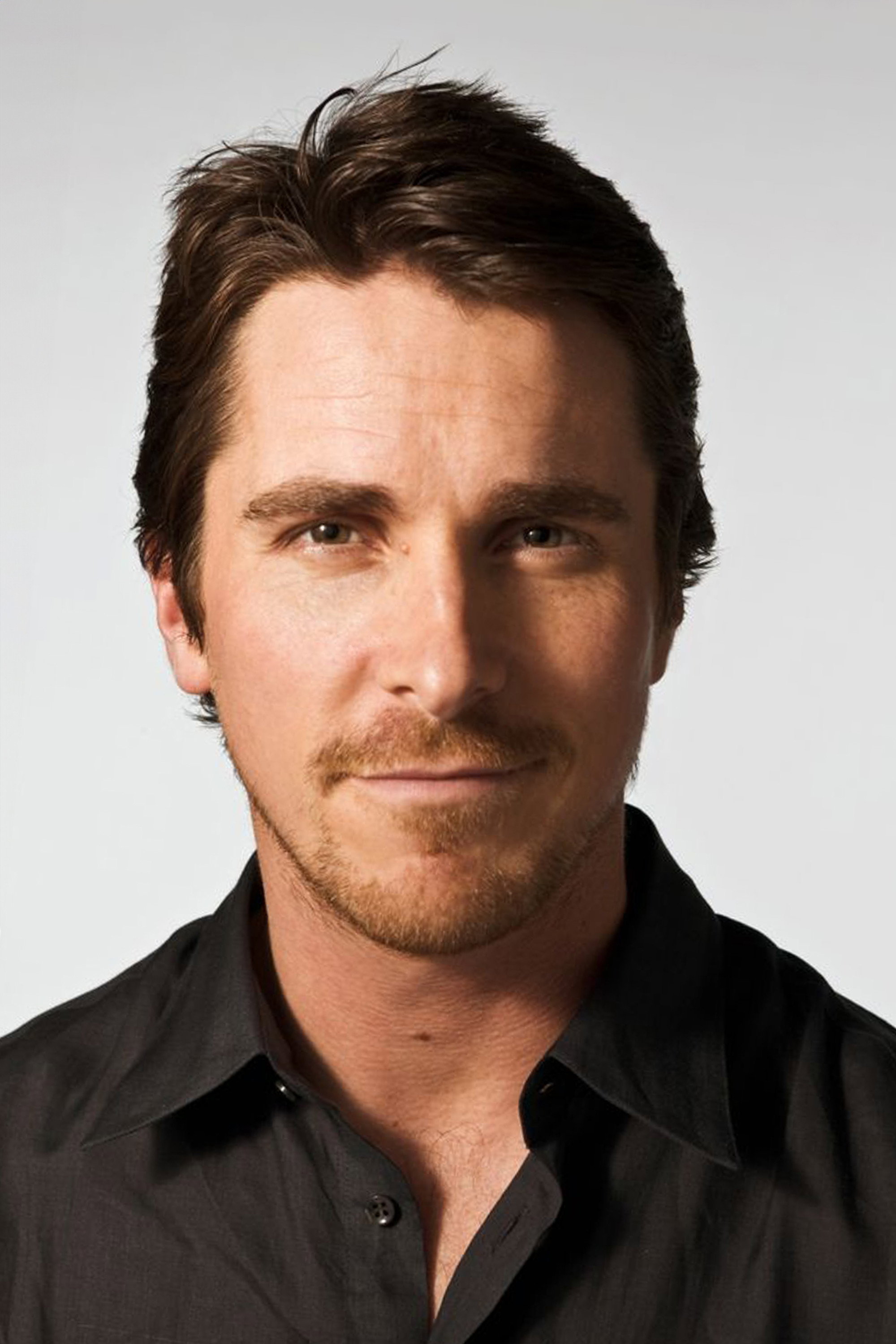
Christian Bale plays Jim, a boy in Shanghai whose life is broken apart by the Second World War. Separated from his family, he is interned and must learn how to survive without the adults he knows. Among the people he encounters is Basie (John Malkovich), who becomes a substitute for the family Jim has lost. Miranda Richardson and Nigel Havers appear as Mrs. Victor and Dr. Rawlins. Steven Spielberg directs Tom Stoppard’s adaptation of J.G. Ballard’s novel, following the war through a child’s limited understanding of the people and events around him.

Plays from YouTube when you press play; nothing loads from them until then.

Fi1m review

Steven Spielberg’s war drama is moving and troubling, led by a Christian Bale performance that keeps Jim’s need to survive painfully clear. The grand presentation sometimes softens the horror, and the supporting characters deserve more attention.

Empire of the Sun is a moving, uneven war drama, worth seeing above all for Christian Bale. Steven Spielberg, directing Tom Stoppard’s adaptation of J.G. Ballard’s novel, follows Jim through family separation and internment in Shanghai during the Second World War. He is interested in how a child adjusts to things an adult would know to resist. Bale makes that adjustment convincing enough to justify the film’s grand scale, though not every flourish helps.

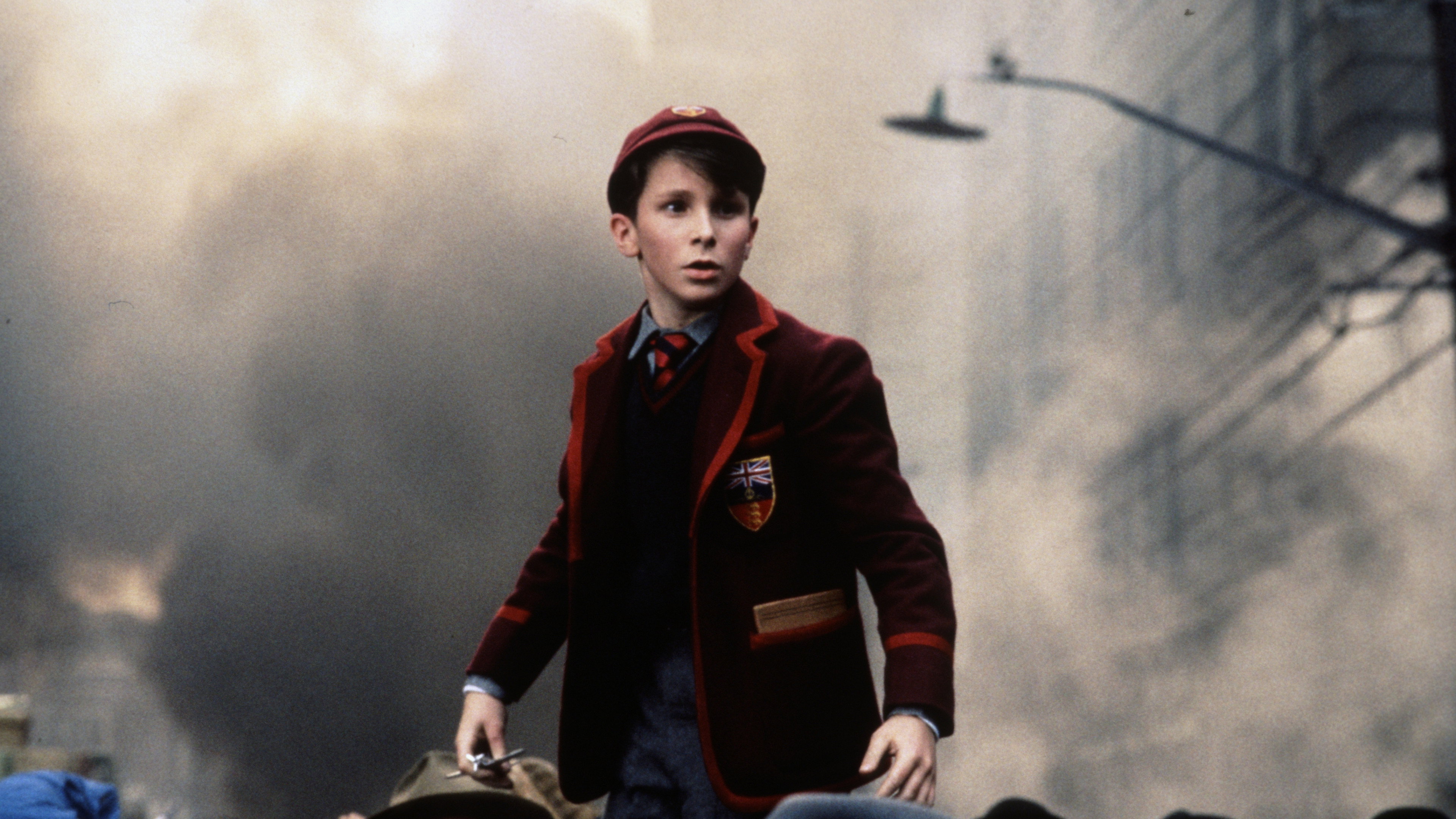
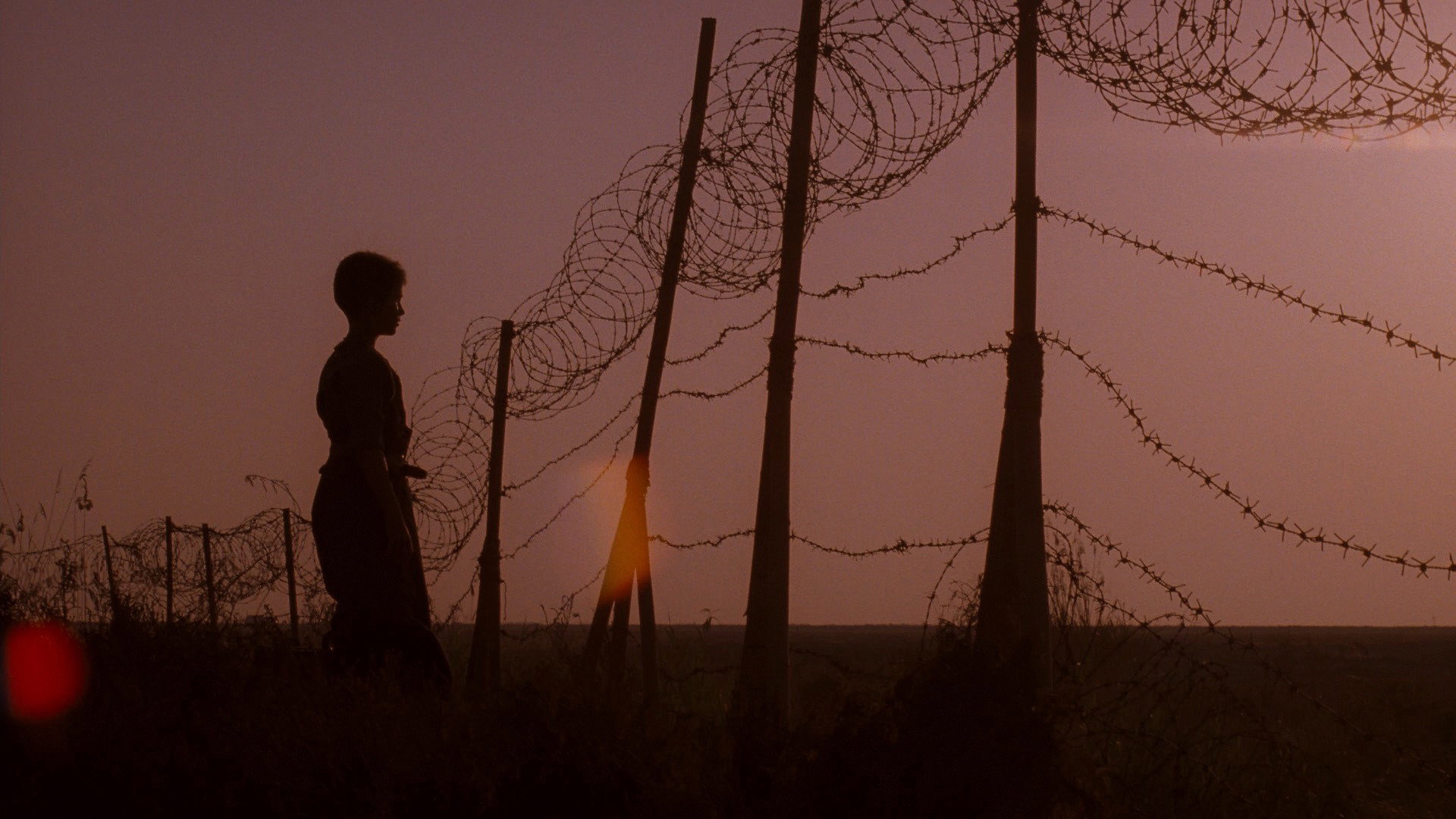
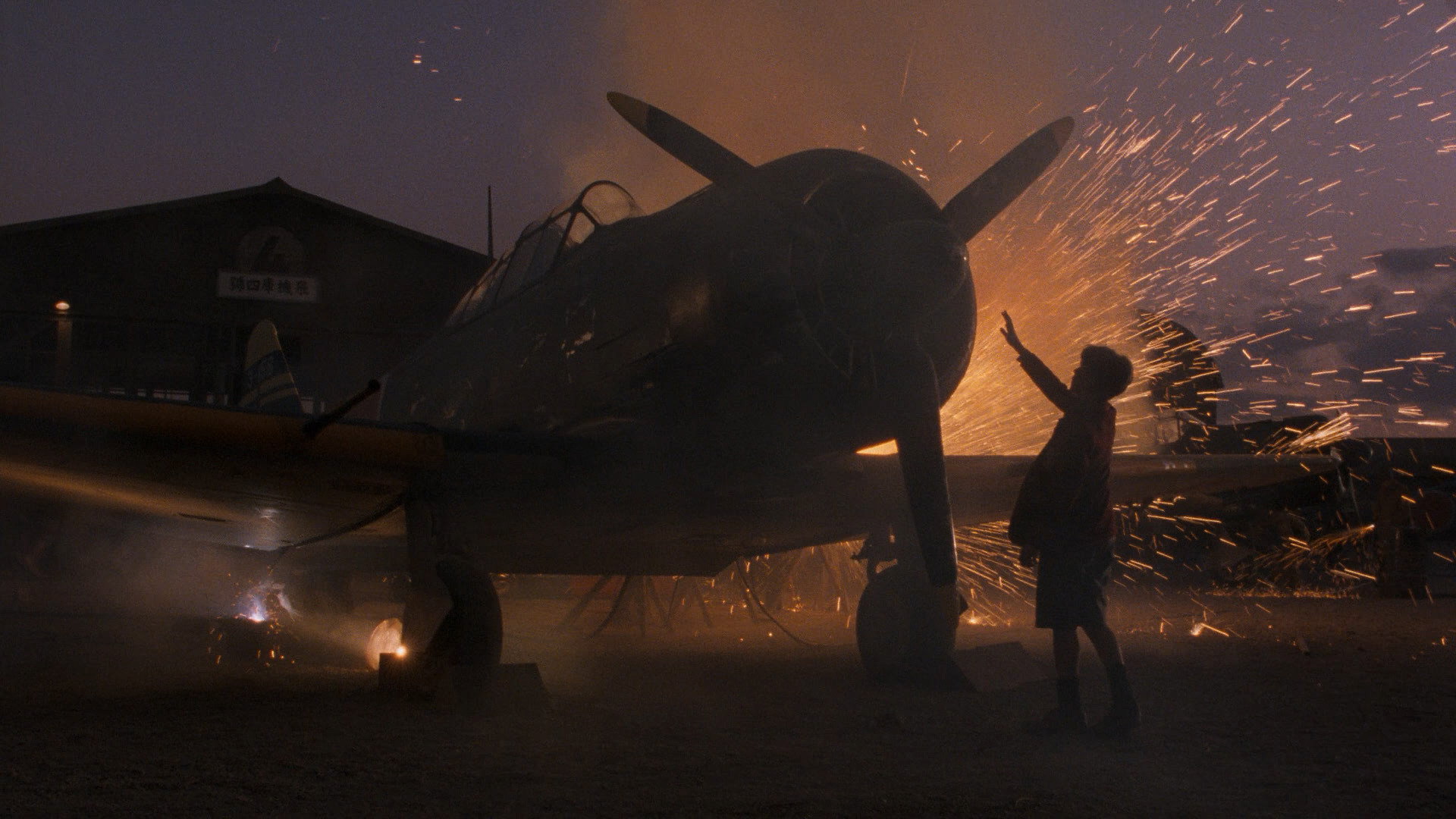
Allen Daviau’s cinematography gives the Shanghai sequences a gloss that both helps and troubles the film. The scale of the city and the chaos of separation explain Jim’s helplessness without requiring him to announce it. Norman Reynolds’s production design makes that scale persuasive, though the richness of the surroundings can distract from the boy’s predicament. We were frightened for Jim when he was separated from his family; Spielberg makes being unable to find the people who protect him more immediate than the larger war.

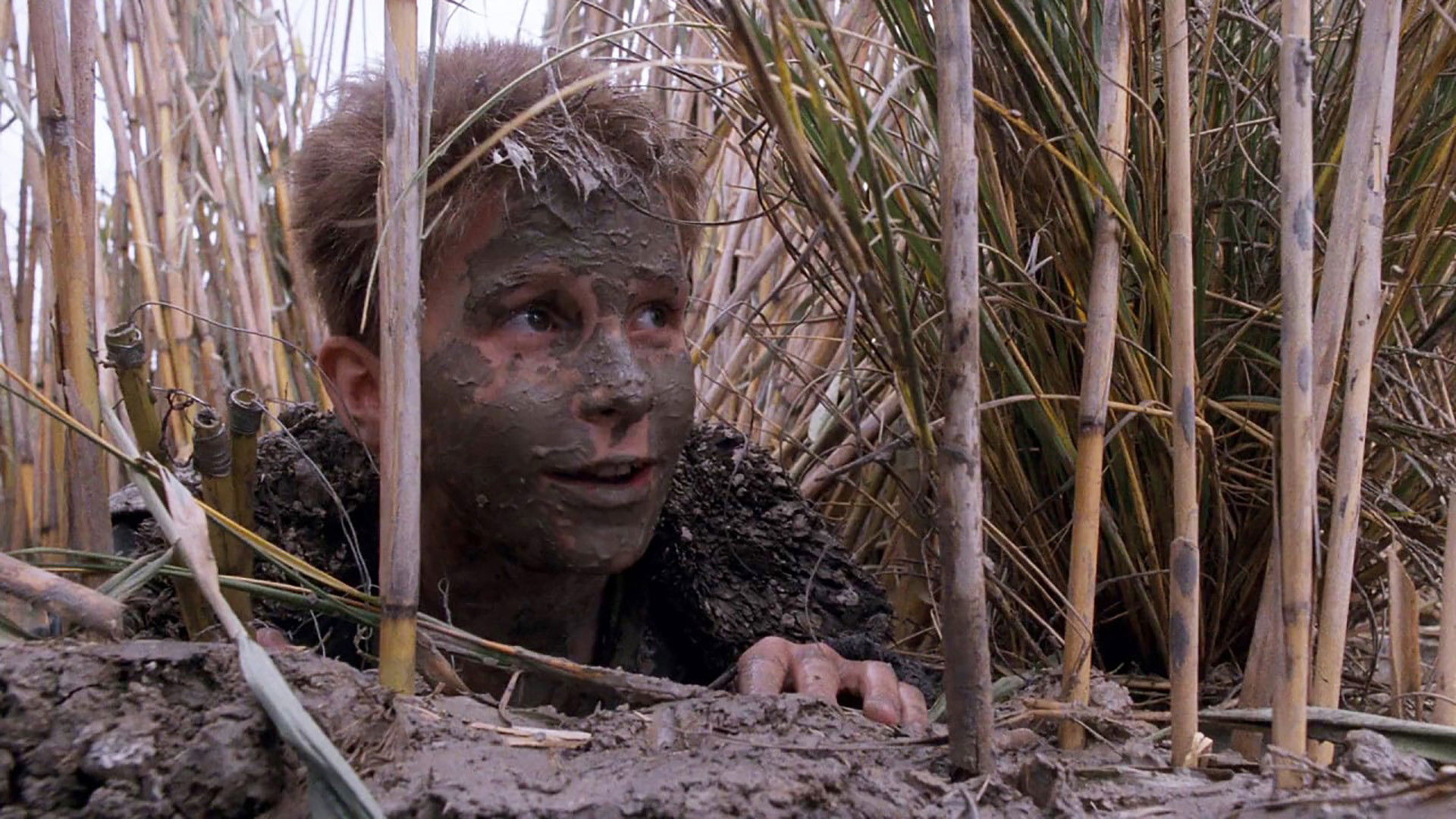
Bale does not ask for sympathy by making Jim agreeable. There is something unnerving about the energy he gives the part, because it makes the boy’s adjustment to captivity seem possible. We can understand why a child might cling to any available adult, while still wanting him to stop accepting so much as normal. That is a difficult feeling for a performance to sustain, and Bale sustains it without making Jim seem implausibly wise about what is happening to him.

John Malkovich’s Basie gives that need for an adult somewhere to go. Jim’s need for a substitute parent gives their scenes an uneasiness that Malkovich handles well. Stoppard’s screenplay is less successful at allowing the surrounding people lives of their own. Miranda Richardson’s Mrs. Victor and Nigel Havers’s Dr. Rawlins belong to a supporting cast the film does not explore enough. The actors provide human company, but too often Jim seems to be the only person whose experience matters.

Michael Kahn’s editing keeps the large-scale sequences intelligible, so the activity around Jim does not overwhelm our sense of his predicament. His work helps Spielberg sustain the child’s viewpoint across a long film. John Williams’s music is more debatable: its encouragement towards heroism sometimes softens the hardship that Bale conveys. A quieter accompaniment would have served those moments better.

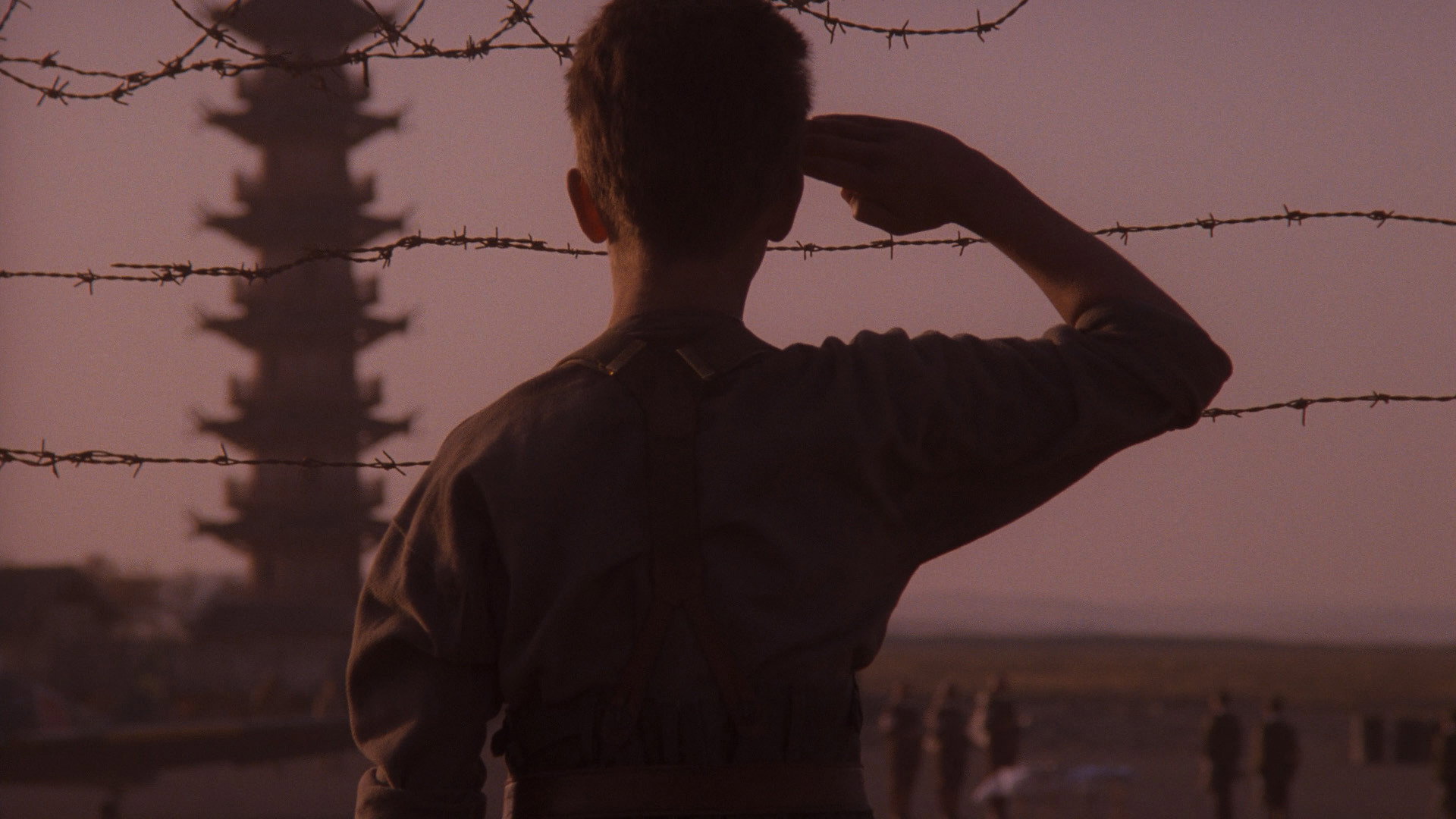
As a war film, this gives a narrow account of occupation, and anyone looking for a wider history will find gaps. Most critics disagree with us about how well it works, finding the polish and the heroic touches too reassuring. We think that underestimates Bale’s performance: Jim’s growing ability to cope is troubling because he is still a child. Spielberg does soften some of the material, but the performance keeps the cost of that adjustment visible.

The reservation is that 153 minutes leaves ample room to deepen the people around Jim, and the film does not always use it. Still, anyone interested in war films that stay close to one person’s experience should find enough here to justify the length. Watch it for Bale, with the caveat that Williams sometimes sounds more reassured than we feel.
Critical consensus AI synthesised

4 of 6
Positive
1
Mixed
3
Negative
0
Empire
1 January 2000 · Damon Wise
80*

The film is one of Spielberg's most fascinating and an important transition to his darker later works, though it does not fully capture the novel's broader themes. It excels in its visual storytelling of a child's loss of innocence and features a strong performance from young Christian Bale.

Read the full review →
Radio Times
★★★ · Joanna Berry
60

Spielberg directs a glossy and rather tame adaptation of J.G. Ballard's novel about a boy separated from his family and interned during WWII in Shanghai. It offers heroic moments and war horrors seen through a child's eyes but remains a superficial look at life under occupation despite strong supporting cast.

Read the full review →
RogerEbert.com
11 December 1987 · Roger Ebert
55*

Ebert finds the film narratively interesting with strong staging and performances but criticizes its lack of overall direction and emotional resonance, noting it turns wartime horror into nostalgia.

Read the full review →
Time Out
11 March 2016 · JG
50*

Ballard's novel is already a mild version of events witnessed; Spielberg's adaptation is milder still, with a strand of populist heroism that fails to dent the awful message about survival turning people into shits. The budget is evident, though Christian Bale's performance as Jim stands out.

Read the full review →
Los Angeles Times
9 December 1987 · Sheila Benson

Benson admires the thrillingly staged early sequences and technical craft but faults the film for lacking emotional warmth and fully developed characters to connect with.

Read the full review →
Slant Magazine
11 October 2006 · Martyn Bamber

The film blends Spielberg's escapist and mature sides as a key coming-of-age work for both director and protagonist, with peerless visual storytelling and an ambiguous, unreassuring conclusion. It singles out the child's-eye view of war's horrors and loss of innocence for praise.

Read the full review →

Cast

Stills

Awards

Academy Awards, 1988

Nominated
Best Cinematography
Nominated
Best Costume Design
Nominated
Best Film Editing
Nominated
Best Original Score
Nominated
Best Production Design
Nominated
Best Sound

BAFTA Film Awards, 1988

Nominated
Best Costume Design
Nominated
Best Production Design
Won
Best Cinematography
Won
Best Original Music
Won
Best Sound

If you liked this, try…

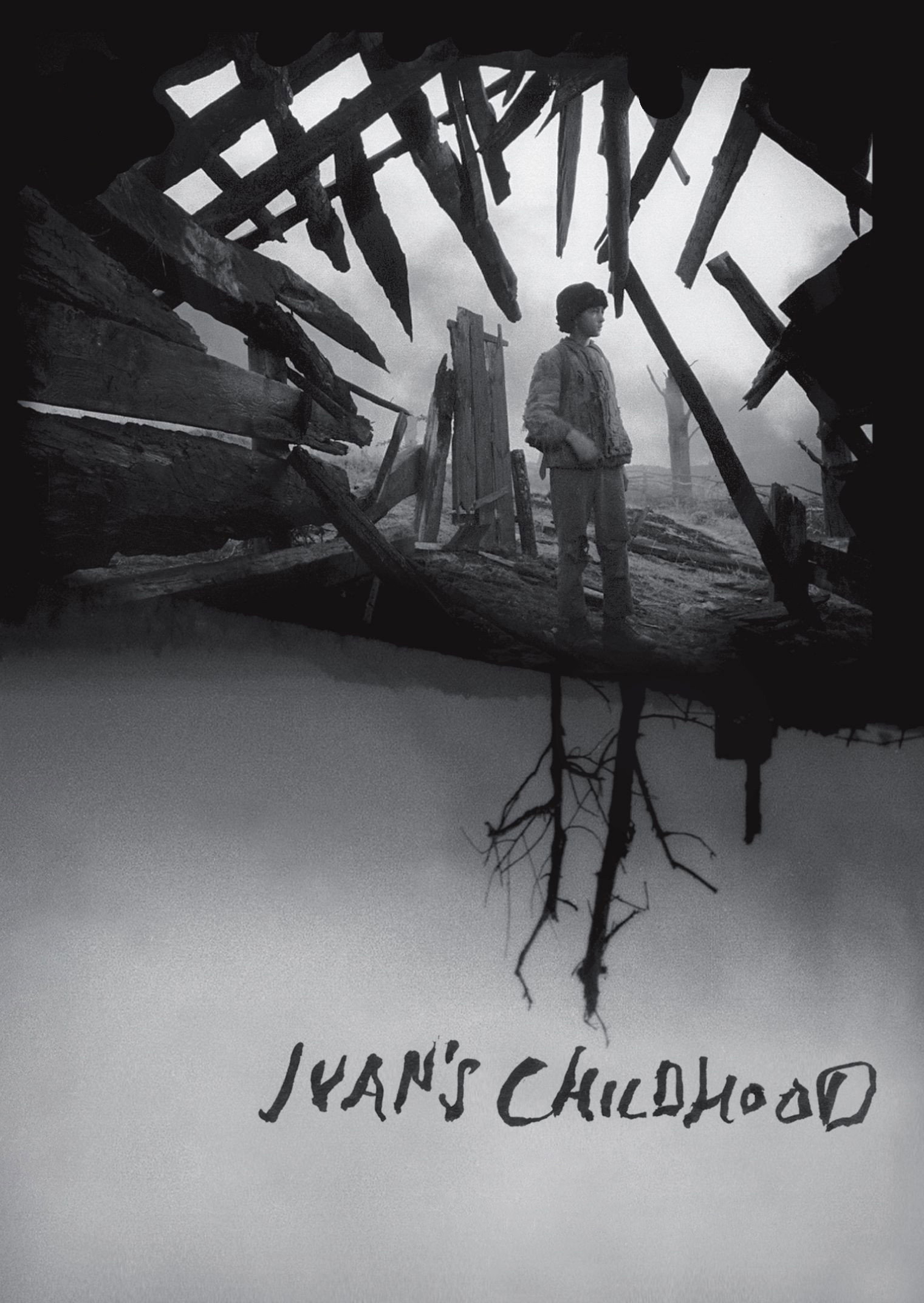
Ivan's Childhood poster

Ivan's Childhood

1962 · Another child at war, with far less comfort in the images.

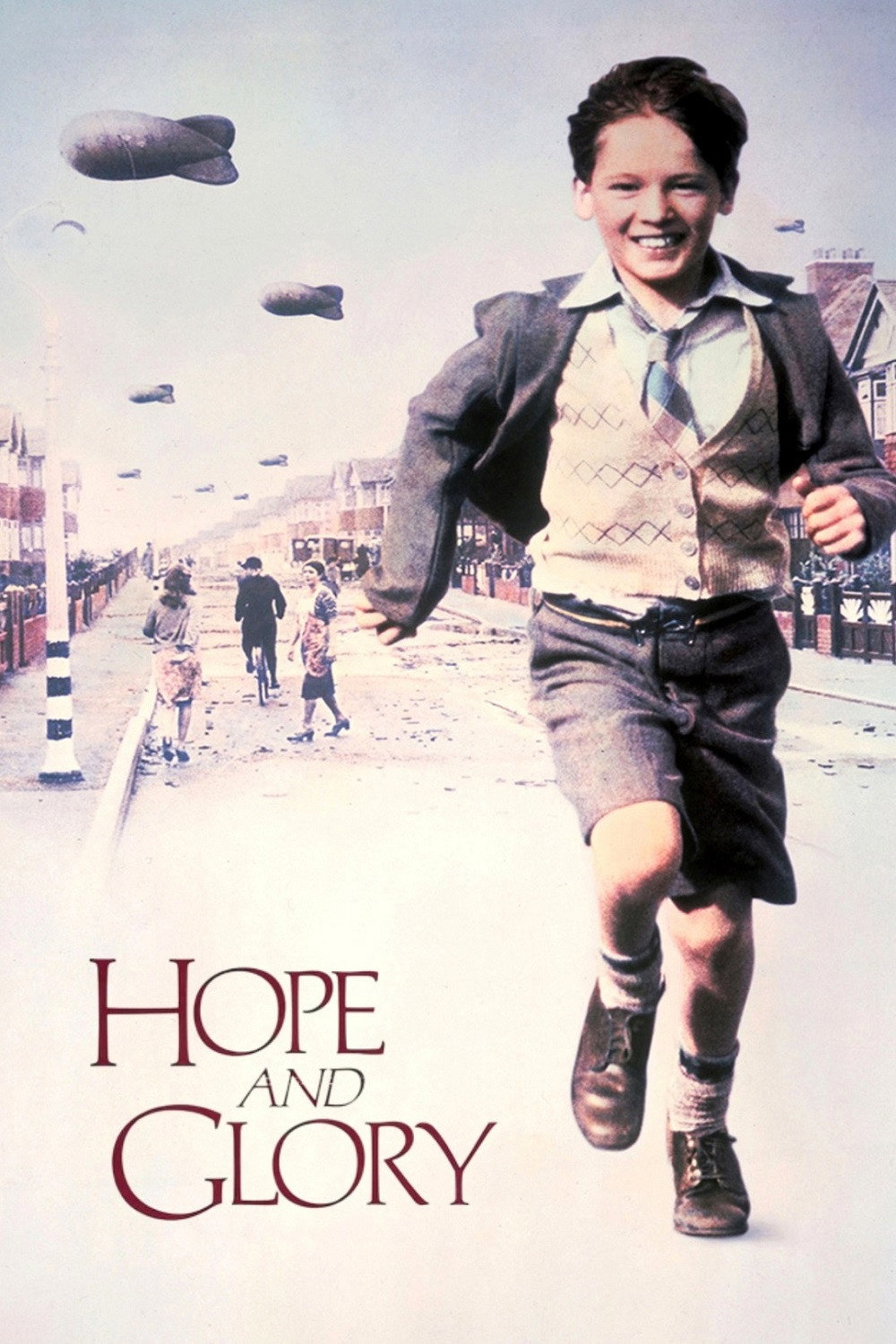
Hope and Glory poster82

Hope and Glory

1987 · Childhood curiosity makes wartime danger unsettlingly exciting, with more room for laughter.

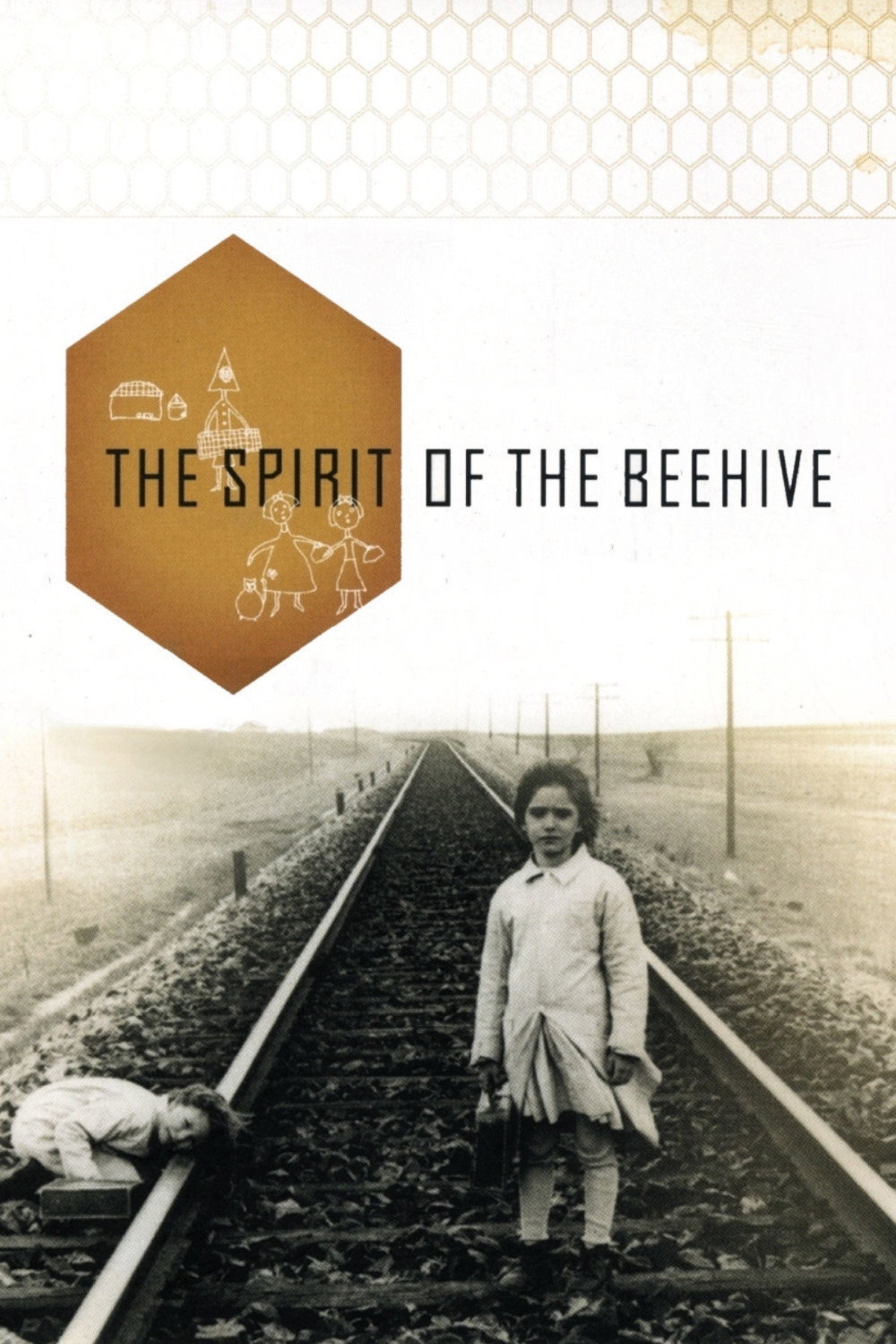
The Spirit of the Beehive poster

The Spirit of the Beehive

1973 · A child’s private understanding of frightening adults, told with patience and restraint.

Grave of the Fireflies poster94

Grave of the Fireflies

1988 · Children face wartime deprivation without the reassuring promise that resourcefulness will suffice.

The Quiet Girl poster

The Quiet Girl

2022 · For another young performance that makes adult failures quietly painful to watch.