Film review

Hope and Glory

1987 · Directed by John Boorman · 1h 53m · MPA PG-13

In a sentenceThe children think the Blitz has improved the neighbourhood

DramaWarFamily

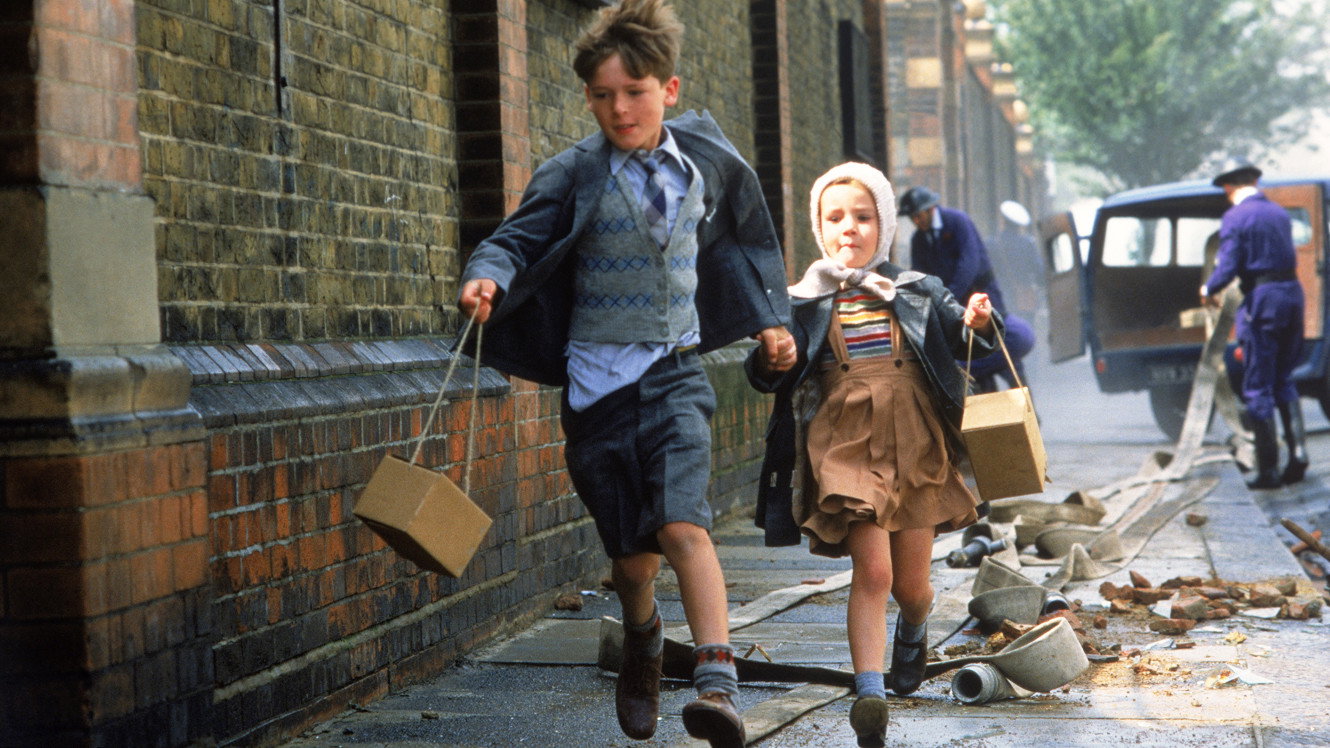
Bill (Sebastian Rice-Edwards) is a boy growing up in suburban London during the Blitz, watching the war change the streets around him. Where adults face danger and disruption, he finds opportunities for play, with bomb-damaged neighbourhoods becoming places to explore. Family life continues around him, with Sarah Miles as Grace, David Hayman as Clive, Sammi Davis as Dawn and Geraldine Muir as Sue. Written and directed by John Boorman, this semi-autobiographical drama follows wartime childhood through a boy’s incomplete understanding of what is happening to his family and the country.

Fi1m review

We recommend John Boorman’s funny, affectionate account of a wartime childhood, chiefly for the children themselves. The nostalgia sometimes softens things too much, but their pleasure in the disruption is both convincing and quietly troubling.

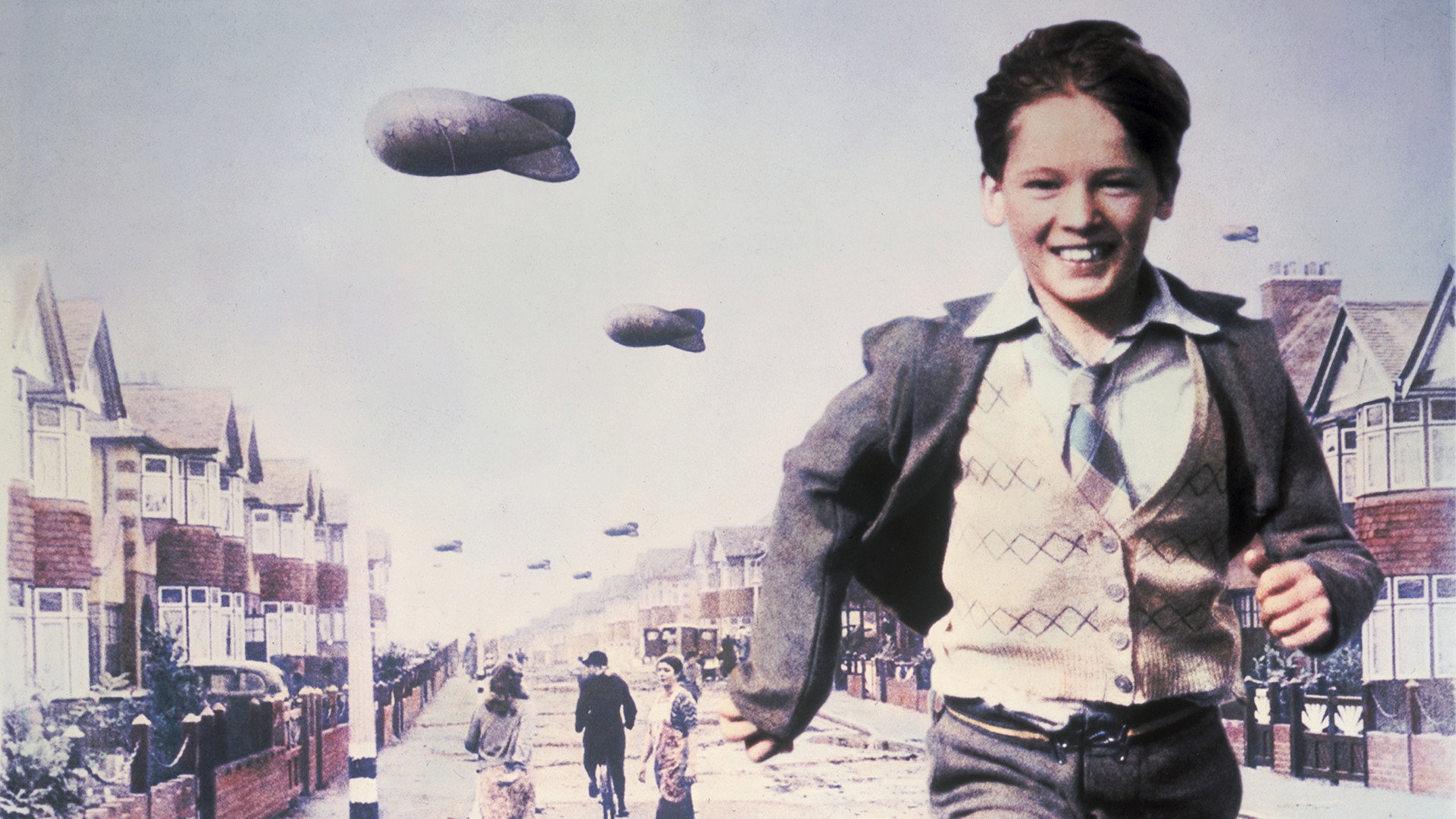
John Boorman’s Hope and Glory is a warm, funny film about a child enjoying circumstances that ought to frighten him. Bill, played by Sebastian Rice-Edwards, sees the Blitz as an interruption of ordinary life with several advantages. Boorman writes and directs from his own childhood memories, and he allows the boy an awkward amount of pleasure. There is no attempt to give him the solemn appreciation of history that adults tend to want from children in war films.

Rice-Edwards makes Bill’s curiosity convincing without asking us to find him adorable. Geraldine Muir’s Sue is equally unforced, and the children’s interest in what is happening around them can be cheerfully heedless of anyone else’s distress. We laughed at their pleasure in treating bomb damage as a playground. Then we felt ashamed of how readily we had joined them. Boorman gets that response by staying close to what the children enjoy, long enough for us to forget what their new freedom has cost.

Anthony Pratt’s production design makes the suburban streets feel lived in, and that matters when they become places for children to explore. The period detail works because it gives Bill somewhere credible to play. Philippe Rousselot’s photography encourages us to share his fascination with the changed surroundings. We can understand why the boy keeps looking, even when the fondness of the images threatens to make the damage too inviting.

Sarah Miles gives Grace enough strength to keep the domestic scenes from being swallowed by Bill’s adventures. Miles makes carrying on seem tiring, even within this affectionate account of family life. Sammi Davis’s Dawn also helps sustain our interest in the family beyond the boy. These performances matter because the film is fond enough of almost everyone to risk making their troubles seem more manageable than they are.

The weakness is the way the anecdotes accumulate. Ian Crafford’s editing gives the individual episodes room to settle, but the joins between them sometimes feel loose. At 113 minutes, the film has stretches in which another colourful recollection adds little to what we already know about Bill. Some of the eccentric behaviour also seems included because it was remembered fondly, without telling us much about the person involved.

Peter Martin’s music suits the affectionate mood, although it leaves us wishing for something less reassuring in the cosier passages. That is the larger reservation too: Boorman sometimes seems so pleased to revisit this childhood that adult suffering is acknowledged and then hurried past. A child’s limited understanding is a sound reason for leaving things out. Even so, a little more fear would give the pleasures more weight, without requiring a catalogue of wartime horrors.

War films often ask children to make adult suffering easier to grasp. Here, the child’s failure to grasp it is allowed to be funny, even a little cruel. That willingness to leave Bill with feelings we might disapprove of gives the film more life than its occasional quaintness suggests. Choose it for that unruly childhood, with a warning that Boorman sometimes remembers the grown-ups rather too kindly.

Critical consensus AI synthesised

3 of 6
Positive
3
Mixed
0
Negative
0
Radio Times
★★★★★ · Peter Freedman
100

War is a wheeze for a nine-year-old boy in suburban London during the Blitz in Boorman's whimsical, funny, nostalgic semi-autobiographical memoir. Strong performances, especially from the young leads, make it a delightful movie despite some episodic qualities and minor quibbles with eccentric portrayals.

Read the full review →
Time Out
22 February 2012 · BC
80*

Boorman's autobiographical film about family life during the Blitz is subversively light on the blood, sweat, tears and sacrifice, and a joy throughout. It communicates the affectionate poetry of a long-lost England through the eyes of a nine-year-old seeing the war as a wonderland of fireworks and adventure playgrounds.

Read the full review →
Empire
1 January 2011 · William Thomas
70*

John Boorman's semi-autobiographical story of a young boy growing up in wartime Britain is more of an idealised remembrance than a historical snapshot. The streets are convincingly evocative of the period but there is little to none of the regular horrors that citizens had to face, with the film showing twee leanings aside from its warmth.

Read the full review →
Los Angeles Times
30 October 1987 · Sheila Benson

The critic calls the film brilliantly evocative and warmly comic, shifting the point of view to a 7-year-old boy for whom the war is liberation in its most glorious and frightening form. Boorman captures every contradictory nuance of the experience with an irresistible salute to women's strength and England's resilience.

Read the full review →
Sight and Sound
· Charles Barr

Boorman has written a childhood autobiography on film that confirms him as the great risk-taking romantic of British cinema. The child's-eye view of family life during the Blitz paints an unexpectedly warm picture, blending domestic drama with surreal flashes.

Read the full review →
The New York Times
9 October 1987 · festival review · Janet Maslin

The critic finds John Boorman's autobiographical film a radiant remembrance of World War II as seen through the eyes of a young boy who savors its adventure. It has an invitingly nostalgic spirit with a fine eye for magical details a child might notice.

Read the full review →

Cast

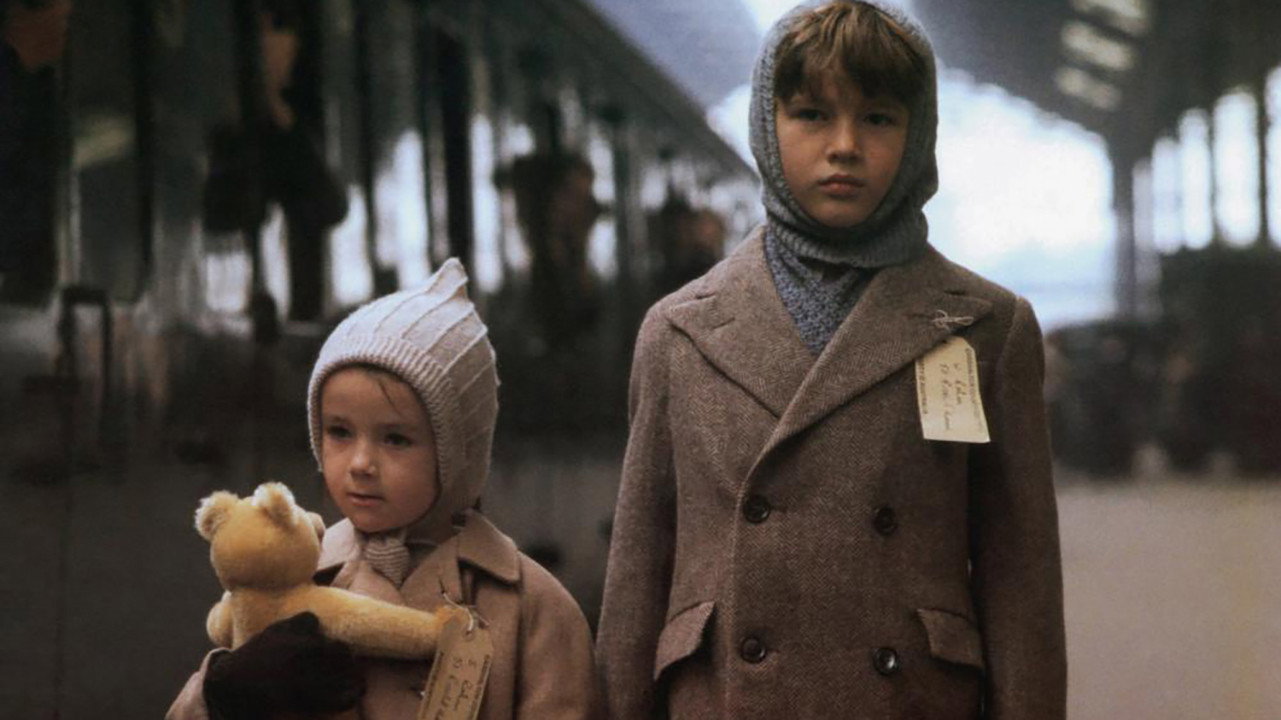
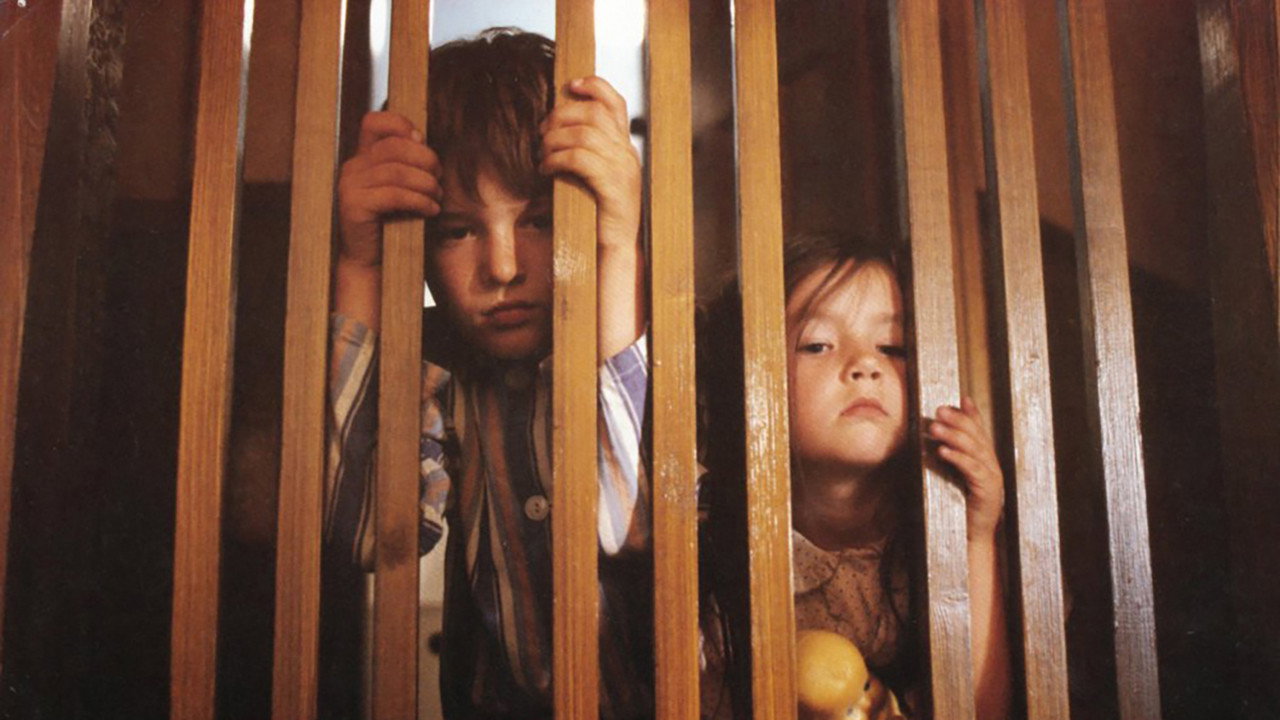
Stills

Awards

Academy Awards, 1988

Nominated
Best Cinematography
Nominated
Best Picture
Nominated
Best Production Design

If you liked this, try…

Small Change poster

Small Change

1976 · Children make their own rules while adults struggle to understand the game.

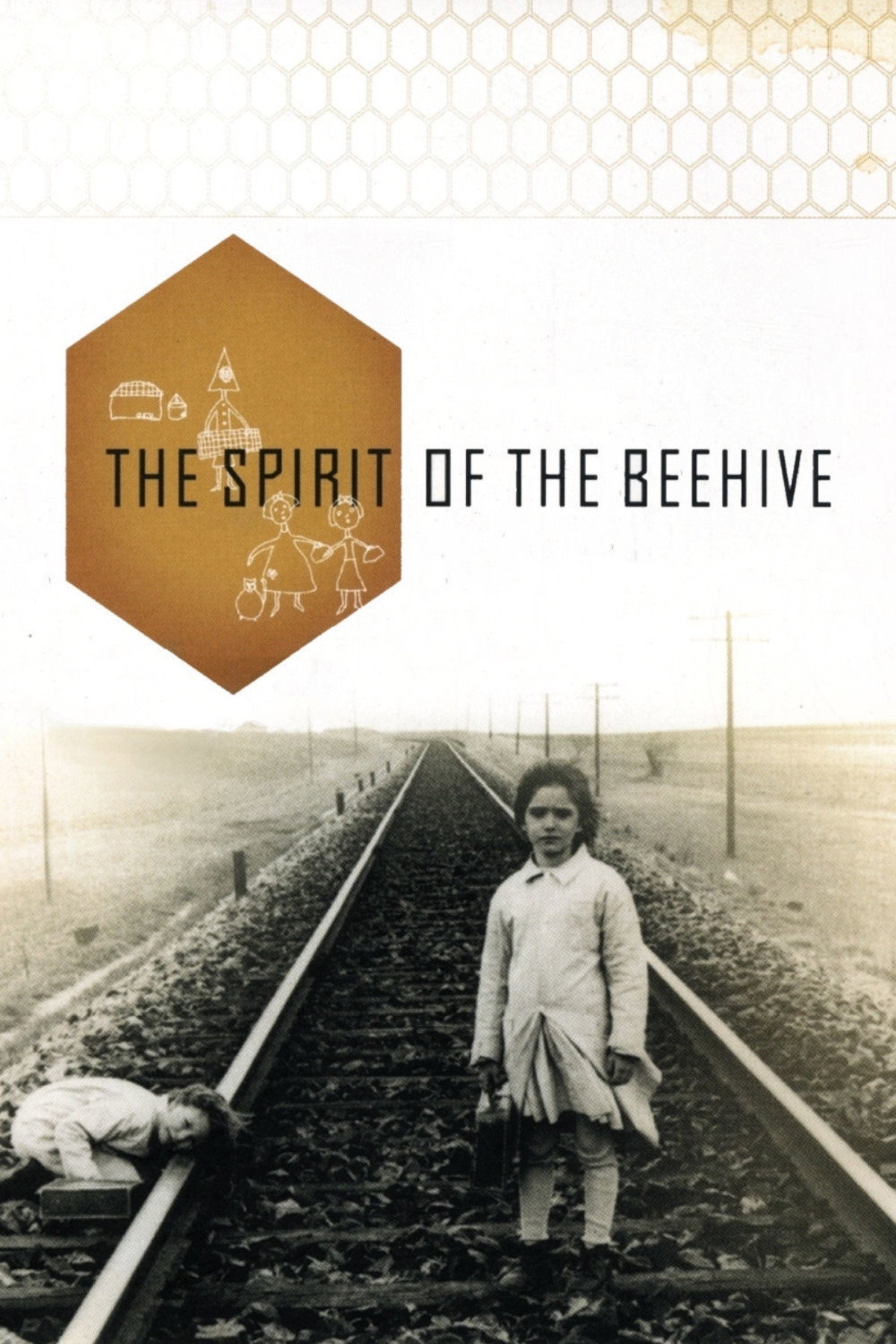
The Spirit of the Beehive poster

The Spirit of the Beehive

1973 · Another child’s incomplete understanding of adult troubles, though the mood is quieter.

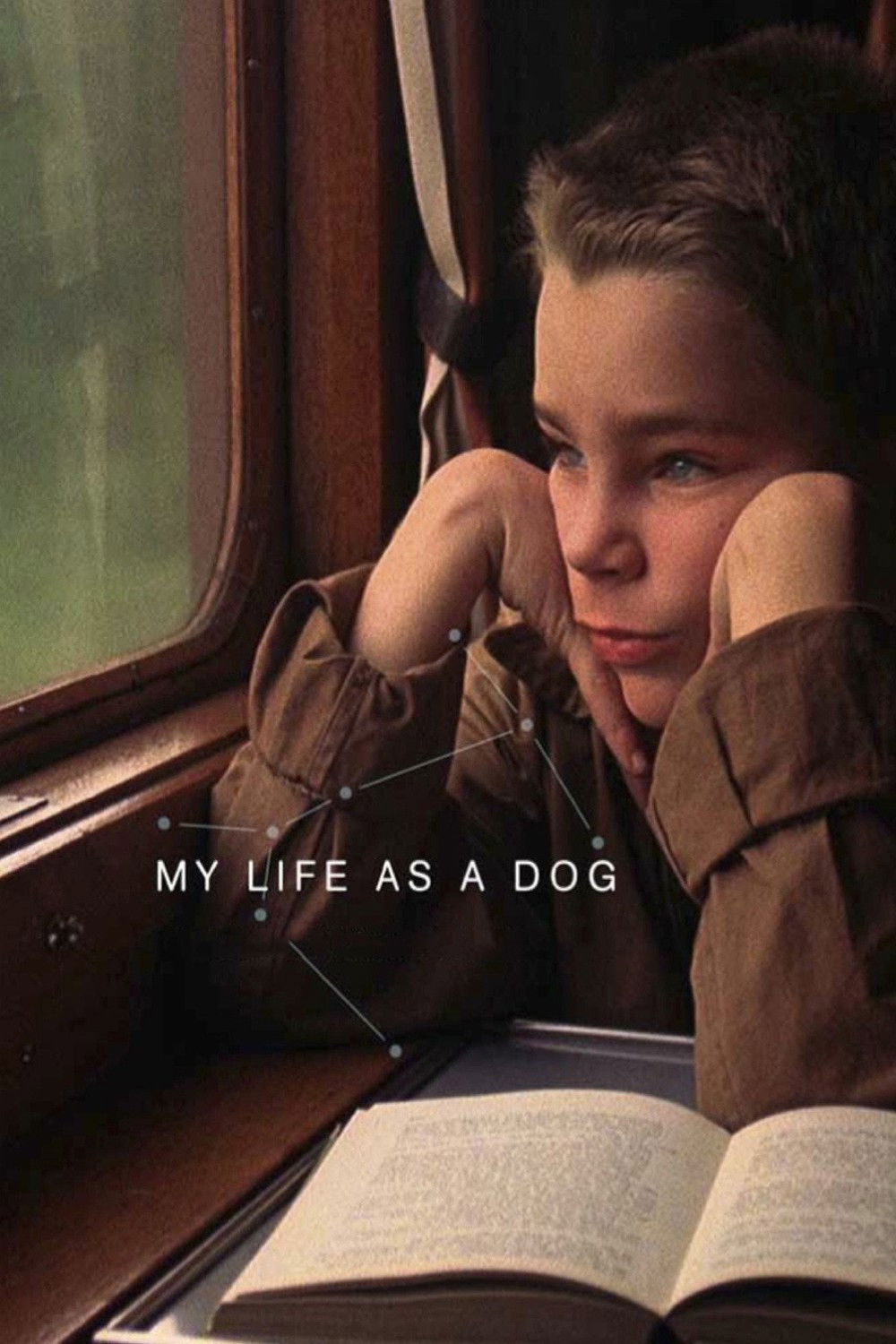
My Life as a Dog poster

My Life as a Dog

1985 · Childhood grief and bewilderment handled with humour that never cancels the hurt.

The Railway Children poster

The Railway Children

1970 · Family upheaval seen by children, with warmth and a firmer sentimental streak.

Good Bye, Lenin! poster78

Good Bye, Lenin!

2003 · Family comedy finds absurdity in political upheaval without forgetting what change costs.