Film review

Good Bye, Lenin!

2003 · Directed by Wolfgang Becker · 2h 01m · MPA R

In a sentenceKeeping Mum happy apparently requires a state television service

ComedyDrama

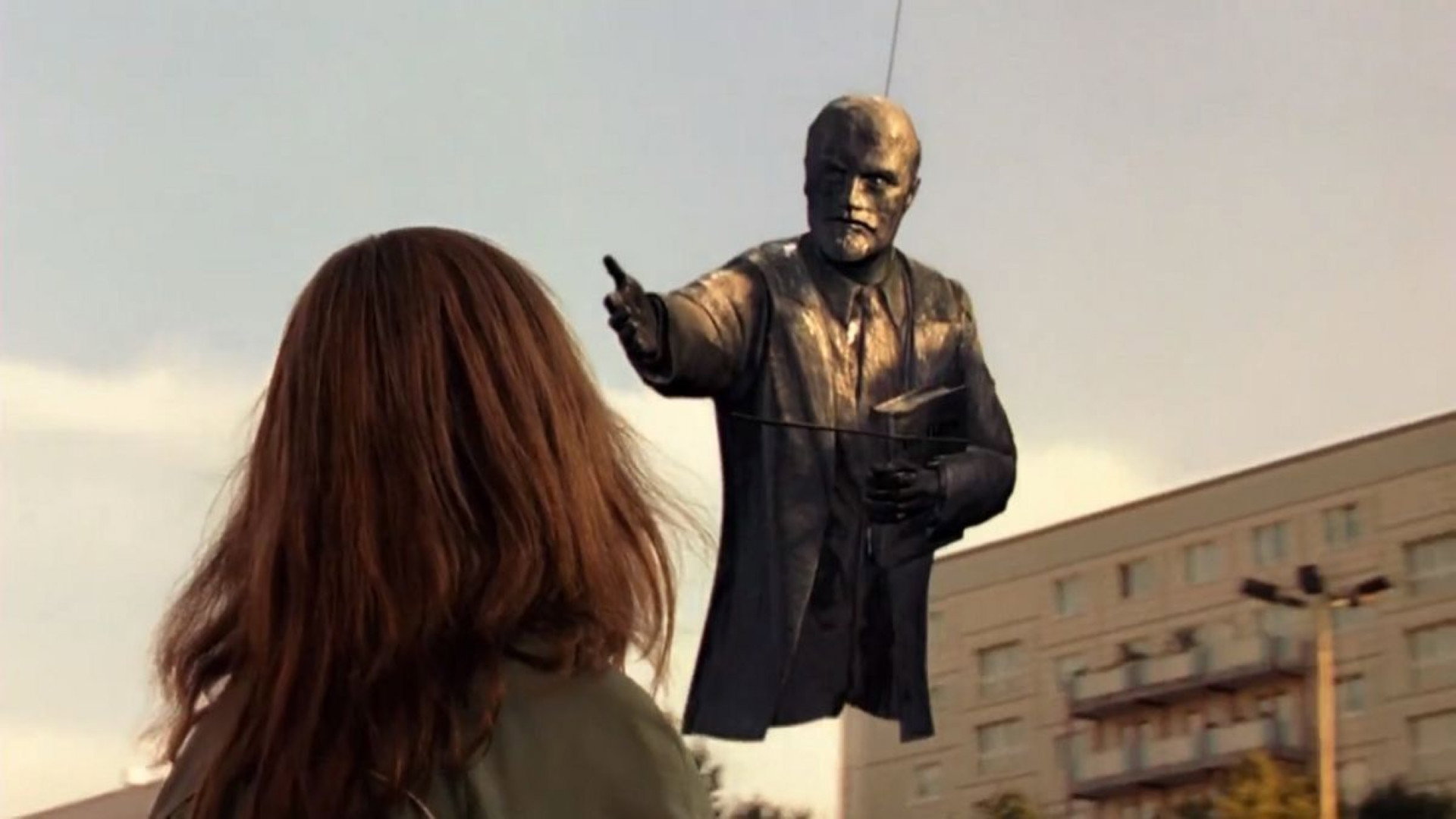
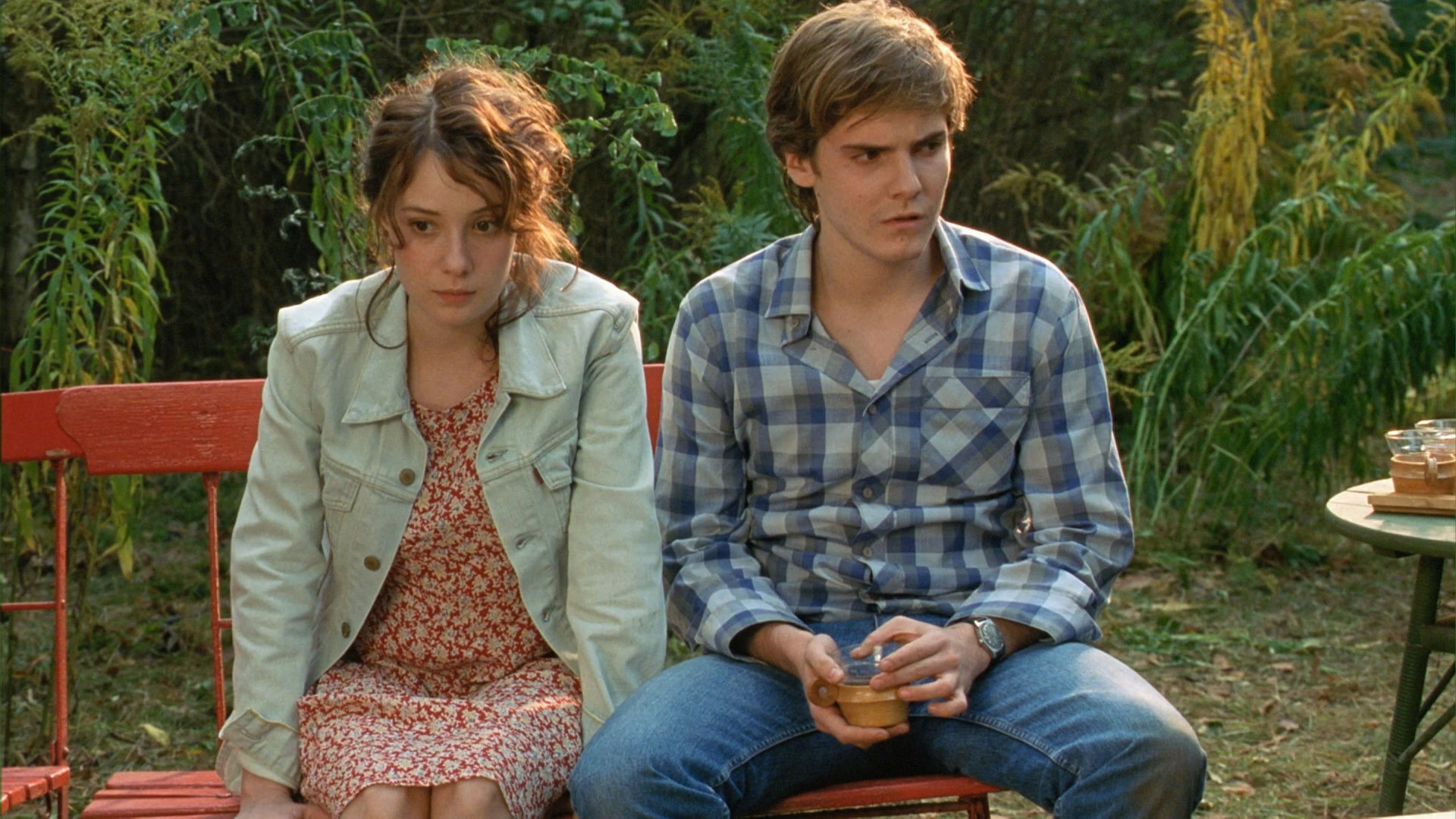
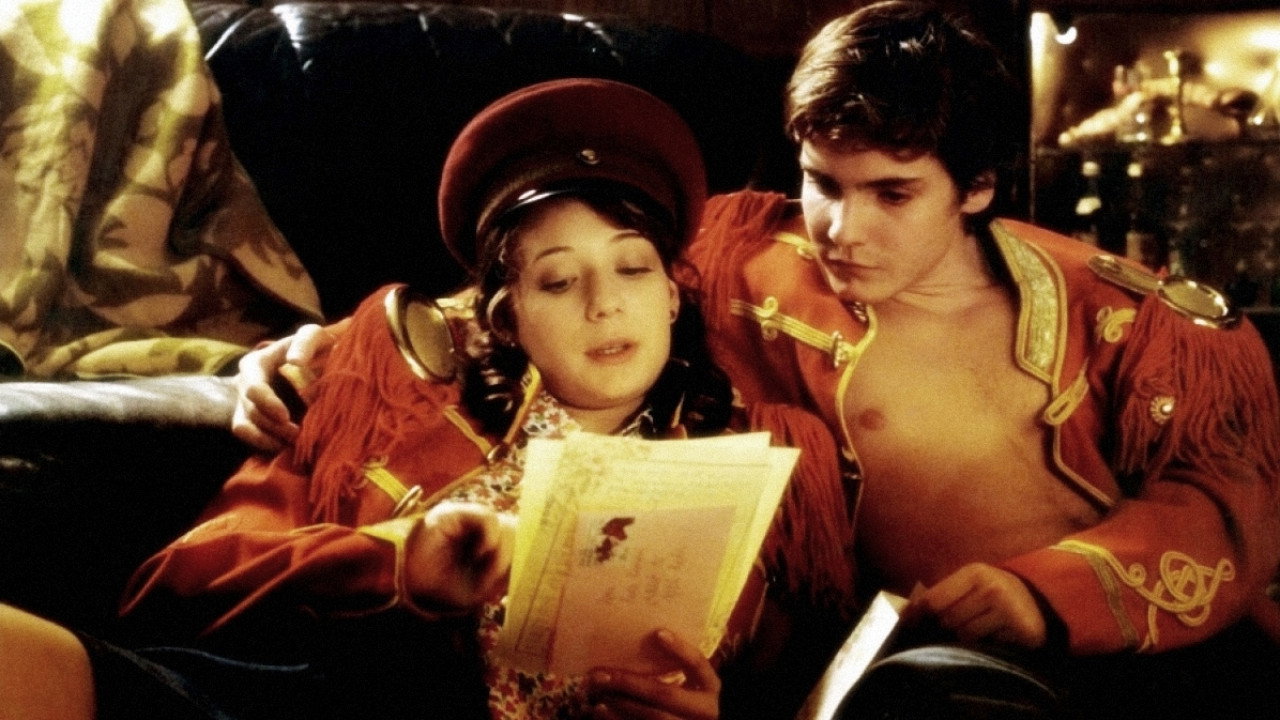
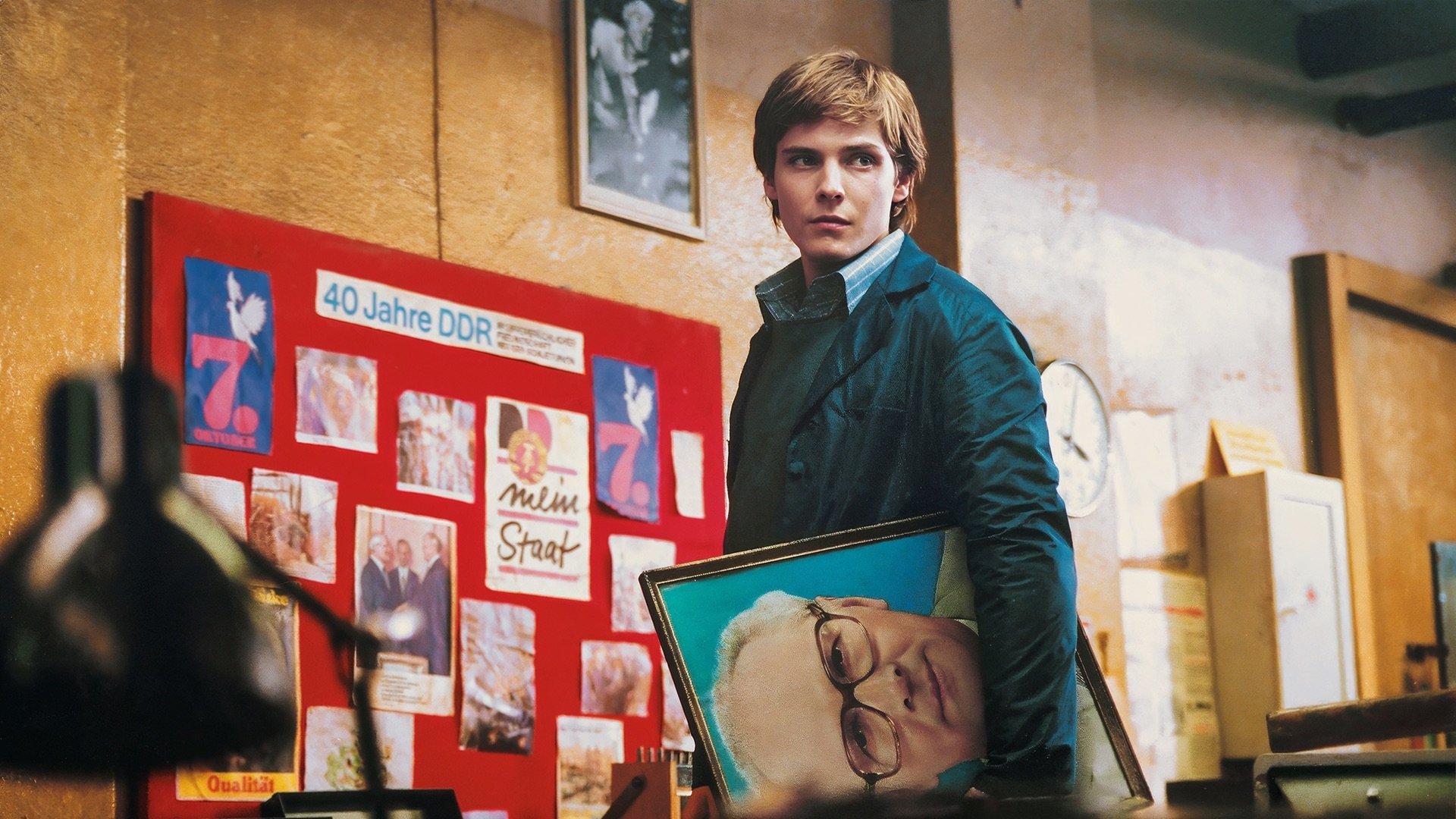
Alex (Daniel Brühl) wants to protect his mother (Katrin Sass) from the changes overtaking East Germany. As the Berlin Wall falls and reunification reshapes daily life, he tries to preserve the country she knows rather than let her discover what is happening. Recreating East German life becomes an increasingly elaborate undertaking, with fabricated television reports helping him sustain the deception. His mother’s view of events depends on what he lets her see, while the family has to contend with changes he cannot stop. Wolfgang Becker directs this comedy-drama about political upheaval, family loyalties and a son’s efforts to keep his mother sheltered from history.

Fi1m review

Wolfgang Becker makes a funny, affecting family comedy from a son’s attempt to hide political upheaval from his mother. Daniel Brühl and Katrin Sass keep it believable, though the story stretches further than the premise comfortably allows.

Wolfgang Becker starts with a son’s wish to protect his mother and gives him an entire country to maintain. East Germany is disappearing, but Alex intends to keep it going for her benefit, including its television news. The premise makes a good comedy, and Becker finds enough love and worry beneath it to make the family matter as much as the deception. We recommend it for those performances, with some patience required when the elaborate pretence begins to repeat itself.

Daniel Brühl makes Alex’s devotion persuasive without asking us to approve of everything he does. There is something troubling in a son deciding how much of the world his mother can be allowed to know, and his performance leaves that question open. Katrin Sass gives the mother enough dignity that we never feel invited to laugh at a foolish woman who has failed to keep up. Their scenes give the political jokes a consequence: each successful deception lets this unequal arrangement continue.

The fabricated news reports are the funniest part, borrowing the authority of official television for a household deception. We laughed, then felt unexpectedly fond of Alex for going to such trouble to spare his mother distress. The imitation of state broadcasting is sufficiently convincing to make the dishonesty uncomfortable as well as amusing. Becker gives these reports enough attention to make them enjoyable even before we consider the effort of producing them for one person.

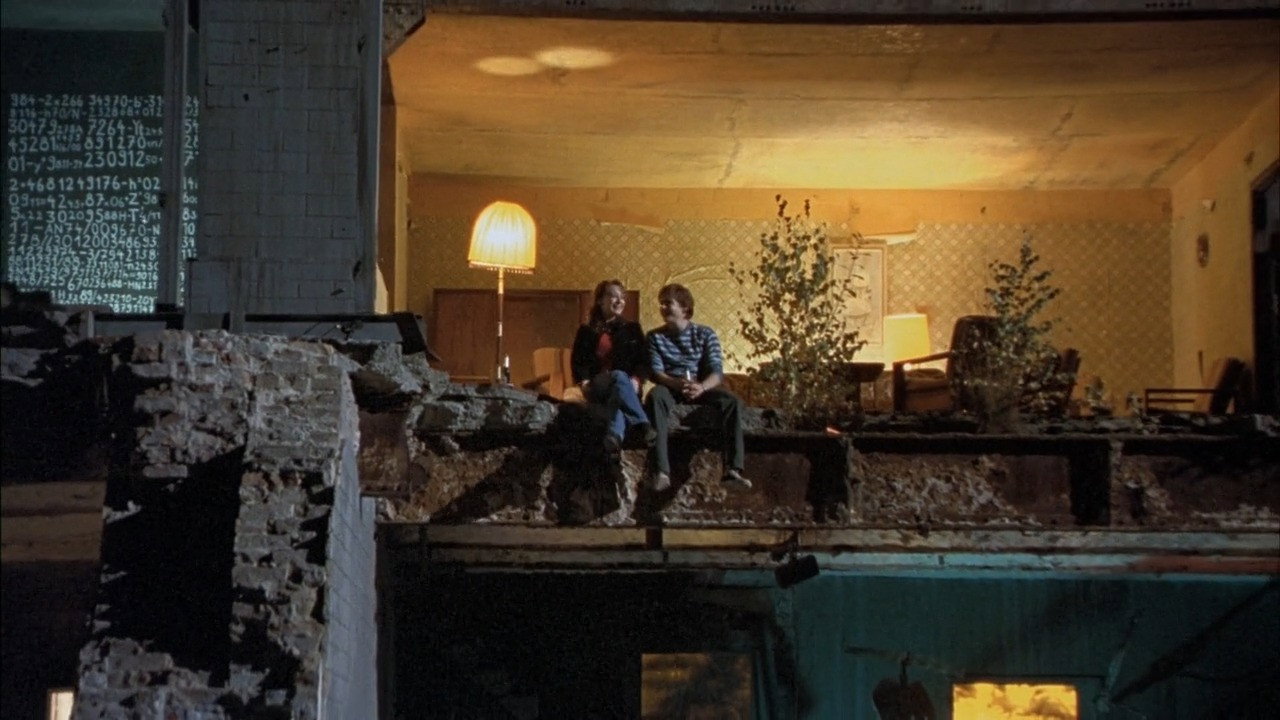
Martin Kukula’s cinematography favours drab colour and lighting, which sometimes makes the comedy look less lively than it feels. It is a defensible choice for a story about attachment to an ordinary, familiar world, though the images need not be quite so dull to make that point. Lothar Holler’s production design does more to explain the appeal of Alex’s task: the recreated East Germany feels like somewhere people have lived. The period detail helps us understand why losing familiar surroundings might hurt, even when the political change is welcome.

Yann Tiersen’s score makes the tenderness explicit, sometimes more insistently than the performances require. Brühl and Sass have already done enough to make us care, and the musical prompting can feel unnecessary. Peter R. Adam’s editing allows the complications to accumulate for too long, rather than keeping the central deception brisk. At 121 minutes, the film needs a firmer cut; its explanatory voice-over also tells us things the acting has made clear.

Becker and his fellow screenwriters are better at small human observations than at finding fresh uses for the premise. Yet the film earns its place among political comedies by keeping ordinary attachments in view. It can acknowledge what was wrong with the old state without treating everybody who misses something about it as a fool. That generosity matters when the story considers the disappointments brought by Western change, giving the satire something to address beyond the absurdities of the old regime.

Becker takes seriously the discomfort of seeing familiar ways of living disappear. There is no need to share the mother’s loyalties to recognise that discomfort, and the comedy never requires us to dismiss it. Choose it for the family story, and allow for a stretch in which Alex has more stamina for his scheme than we do.

Critical consensus AI synthesised

72
Positive
8
Mixed
0
Negative
1
Empire
· Olly Richards
80*

The film offers an inspired comic premise of a son shielding his mother from the fall of the Berlin Wall, handled with delicate humour rather than farce. It is charming and original, though it slightly overextends in the third act.

Read the full review →
The AV Club
24 February 2004 · Nathan Rabin
80*

The film is a successful blend of goofy political farce and sober family drama that mourns the end of a noble social experiment while acknowledging its failures. It singles out the hilarious videotaped faux-newscasts that mimic Cold War-era communist television.

Read the full review →
Time Out
25 October 2012 · TCh
80*

Calls the film touching and beautifully acted, noting it establishes political context and family dynamics despite a farcical conceit. Highlights the surprisingly moving final act and sardonic take on the fall of the Wall.

Read the full review →
Evening Standard
10 April 2012 · Neil Norman
75*

Wolfgang Becker's political satire is refreshing, funny and surprisingly moving despite ultimately outstaying its welcome. Its real success lies in the human comedy and peripheral observations rather than the central one-joke premise.

Read the full review →
Slant Magazine
8 January 2004
75*

Becker’s playful film examines the effects of American globalization abroad through a son’s elaborate scheme to shield his mother. It singles out the hopeful symbolism likening Germany’s political upheavals to family traumas and evokes a happy in-between state.

Read the full review →
Radio Times
· Jason Caro
70*

Notes the quirky and amusing perspective on reunification with big laughs and nicely done social comment, though some subplots are less skillfully integrated. Highlights it as a critical and commercial smash.

Read the full review →

Cast

Stills

Awards

César Award for Best Film from the European Union, 2004

Won
César Award for Best Film from the European Union

International Submission to the Academy Awards, 2004

Nominated
International Submission to the Academy Awards

European Film Award for Best Actor, 2003

Won
European Film Award for Best Actor

European Film Award for Best Actress, 2003

Nominated
European Film Award for Best Actress

European Film Award for Best Director, 2003

Won
European Film Award for Best Director

European Film Award for Best Film, 2003

Won
European Film Award for Best Film

European Film Award for Best Screenwriter, 2003

Won
European Film Award for Best Screenwriter

European Film Award - People's Choice Award for Best Director, 2003

Won
European Film Award - People's Choice Award for Best Director

Jameson People's Choice Award for Best Actor, 2003

Won
Jameson People's Choice Award for Best Actor

Jameson People's Choice Award for Best Actress, 2003

Won
Jameson People's Choice Award for Best Actress

If you liked this, try…

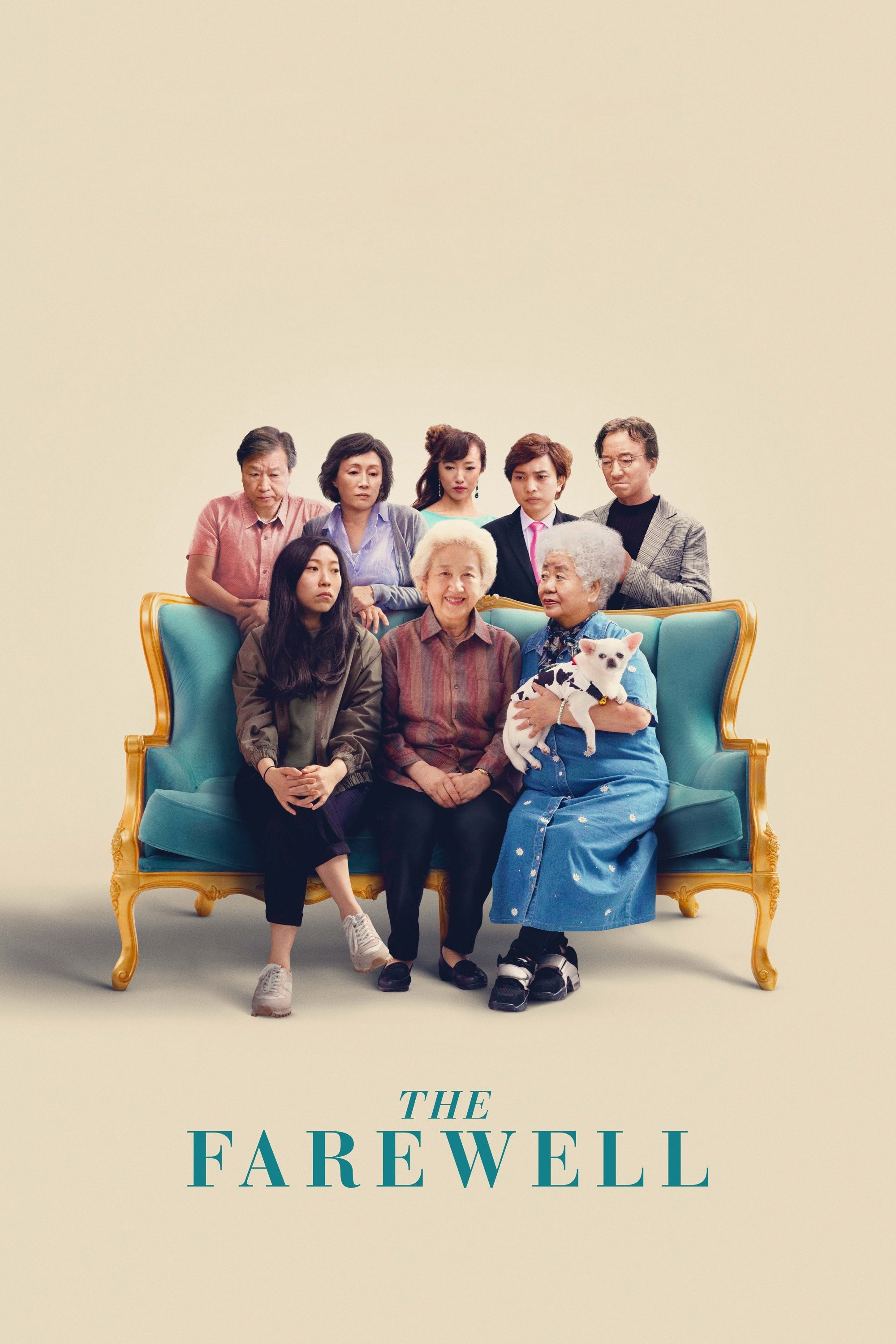
The Farewell poster

The Farewell

2019 · Another family maintains a protective lie, with funny and painful consequences.

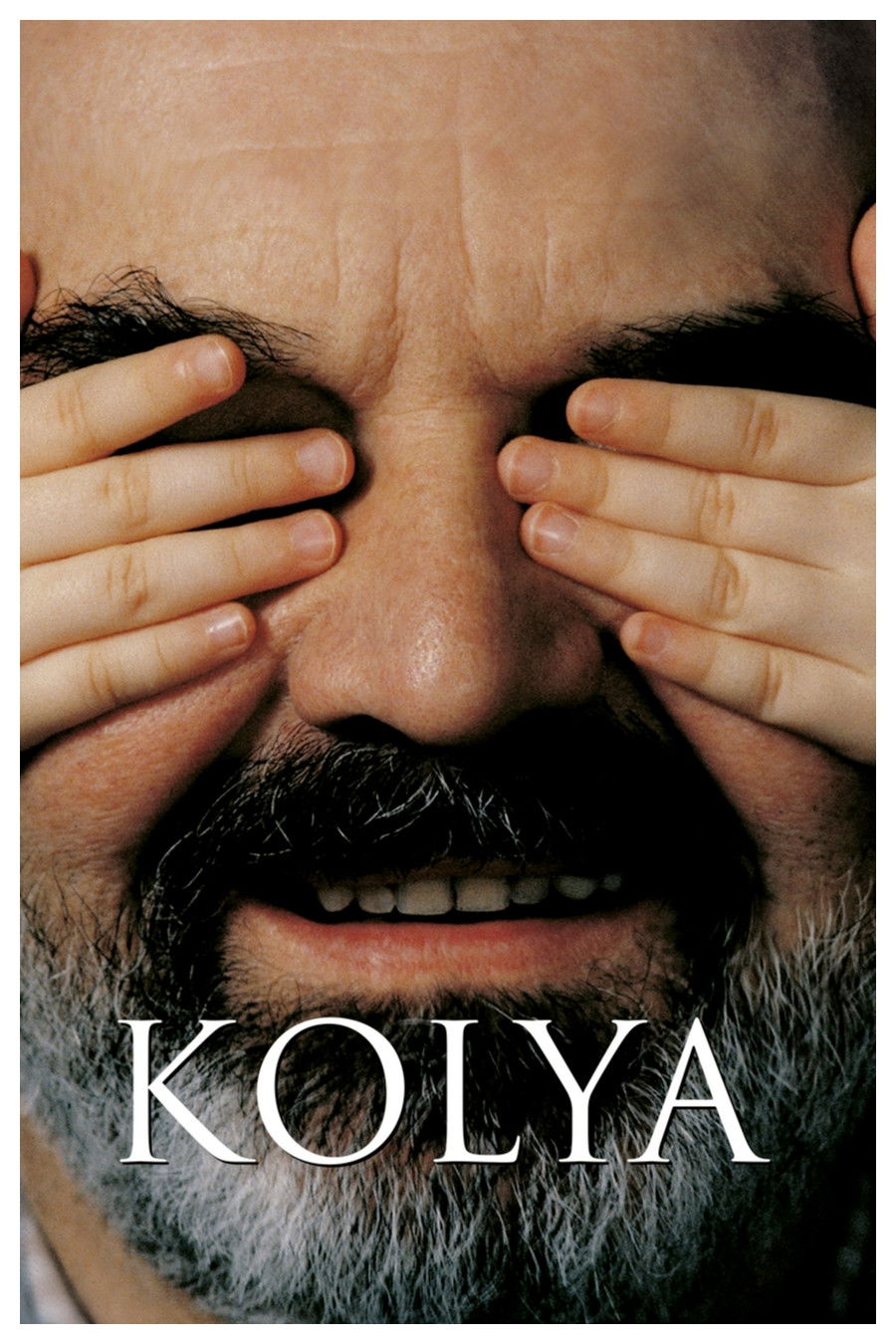
Kolya poster

Kolya

1996 · Political change reaches an awkward household, with humour built around reluctant affection.

Local Hero poster86

Local Hero

1983 · For another community whose habits look expendable to people promising progress.

The President's Last Bang poster

The President's Last Bang

2005 · A much darker political comedy, where official dignity survives almost nothing.

To Be or Not to Be poster

To Be or Not to Be

1942 · A sharper farce about improvising under pressure and borrowing the enemy’s authority.