John Boorman takes sorcery and survival seriously, and we value the strange, forceful films that result. Excalibur earns our recommendation, with a caveat about solemn dialogue and too little time for its people.
Fi1m perspective
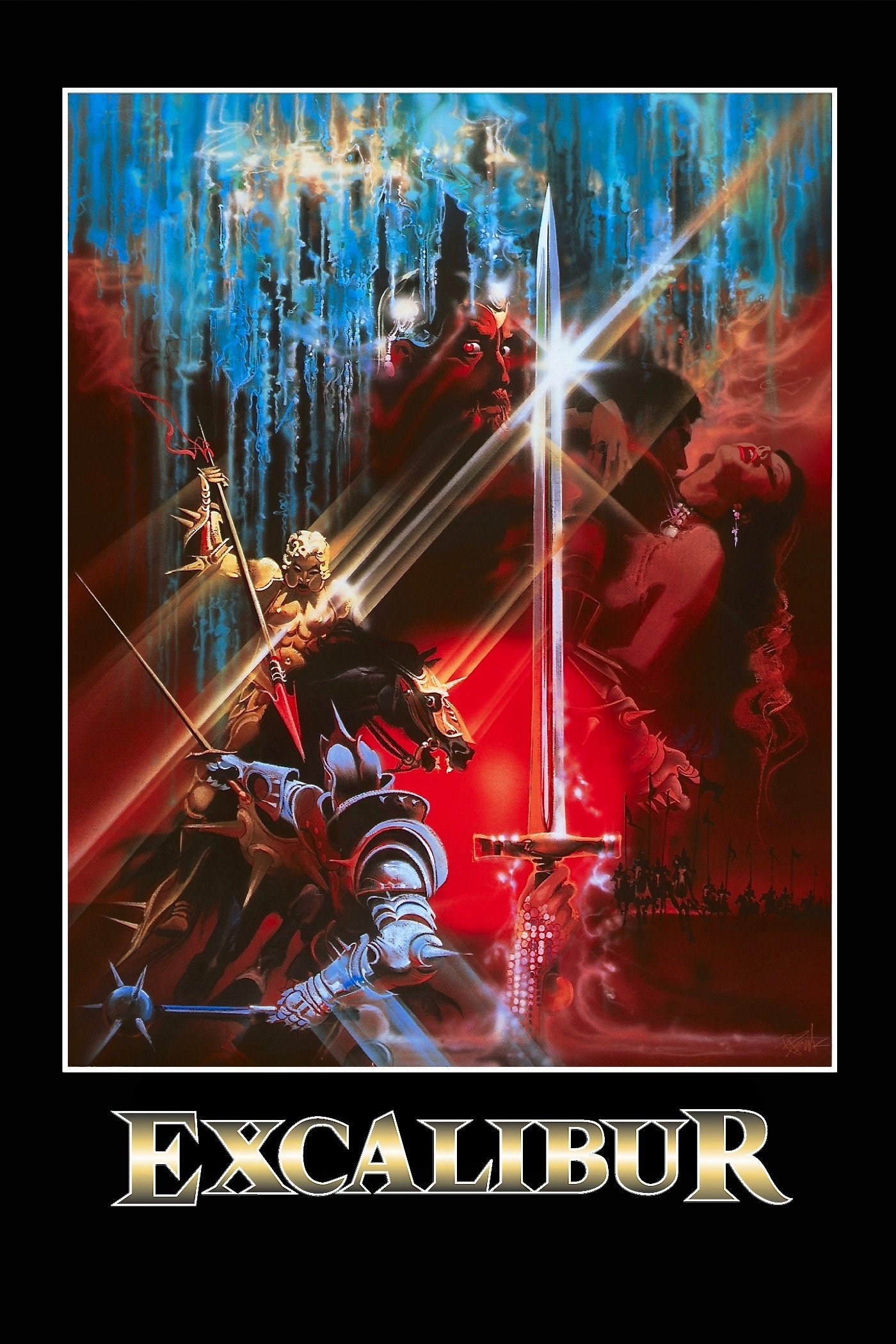
In Excalibur (1981), bloodshed and sorcery receive the same grave attention, with no joke to let us off taking the legend seriously. Boorman and co-writer Rospo Pallenberg work from Thomas Malory, treating sex, magic and royal authority as equally urgent concerns. It is involving fantasy, though some of the dialogue sounds burdened by everything it has to convey.
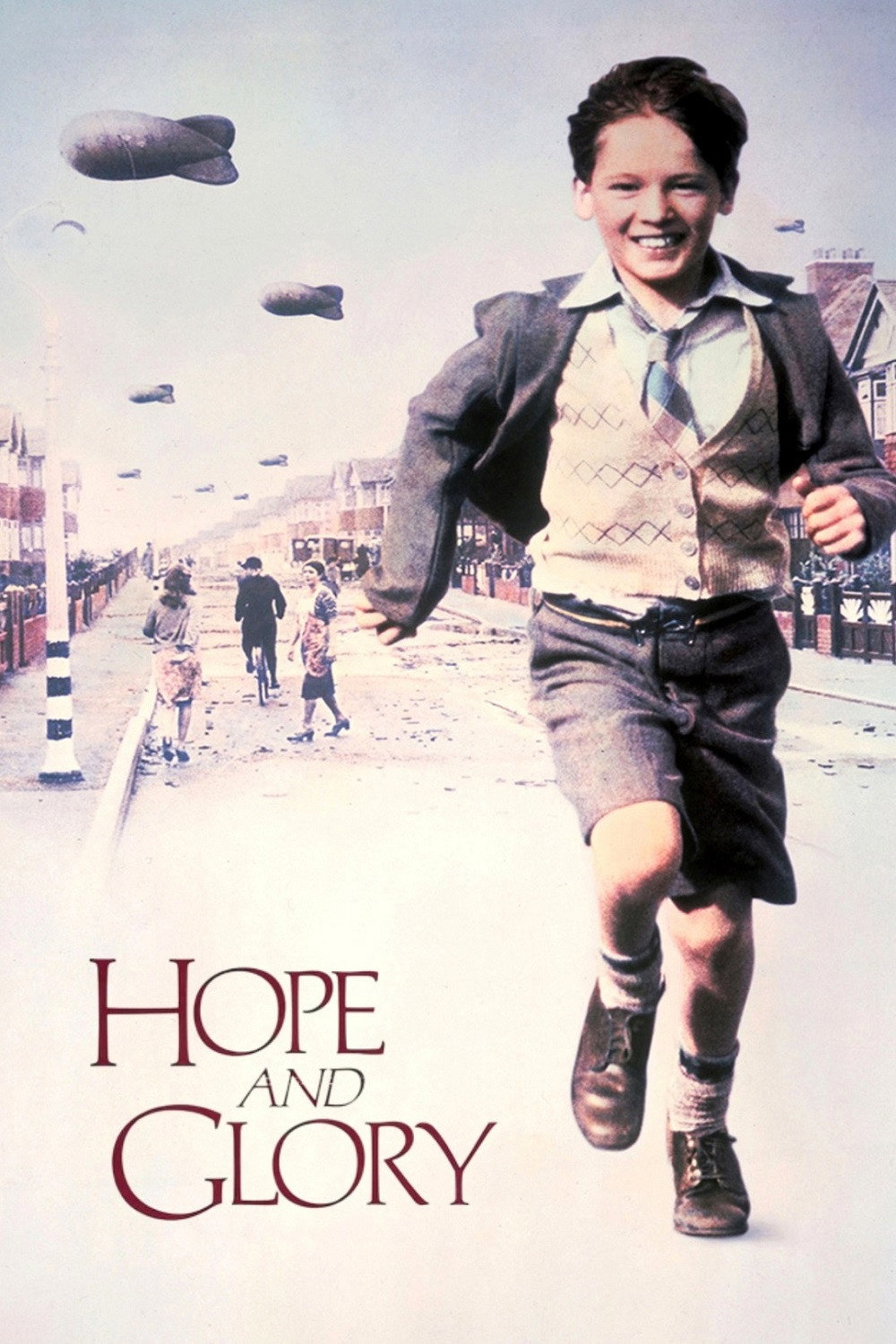
That taste for strangeness runs through the stylised crime of Point Blank (1967), which established his Hollywood career. Deliverance (1972) took him into survival drama and the encounter between civilisation and nature. The science fiction of Zardoz (1974) gave his interest in myth another setting. Such ambition could become unwieldy, particularly in the uneven tone of Exorcist II: The Heretic (1977). Yet the turn towards the semi-autobiographical Hope and Glory (1987), about childhood during the Blitz, matters too: Boorman could find a subject in remembered experience without reaching for another legend.
Alex Thomson's photography helps Excalibur sustain that strangeness, while editors Donn Cambern and John Merritt keep the spectacle moving. There is force in that pace, but not always enough time for us to get to know the people between the large events. We were stirred by the ceremonial music, which gives Boorman's emphatic staging the gravity it needs. Trevor Jones's score shares the soundtrack with Orff and Wagner, and the scale of the sound suits a director unwilling to make this material modest. It can also become overbearing.
That is where we would put the limit on our enthusiasm. The scale works when it makes the magic feel dangerous; it is less useful when a speech is already labouring to be profound. Nicol Williamson and Helen Mirren are good reasons to stay with Excalibur, although the storytelling could give its people more room. Begin there if fantasy is yours, and allow a little patience for the speeches.
Biography
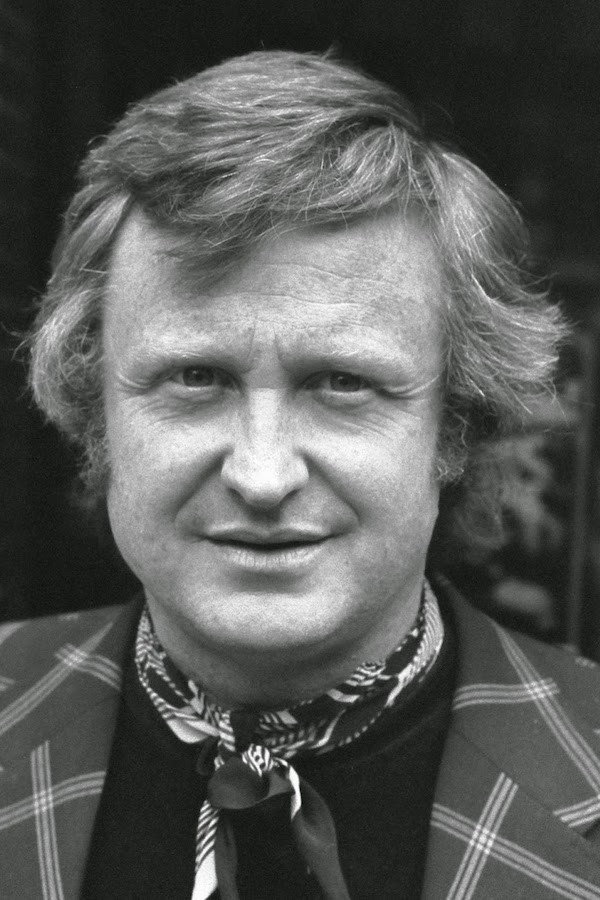
John Boorman is a British film director, screenwriter and producer. Born on 18 January 1933 in Shepperton, Middlesex, England, he began his career in television, directing documentaries for the BBC before making his feature debut with Catch Us If You Can (1965). He gained international recognition with Point Blank (1967) and Deliverance (1972).
Boorman directed, co-wrote and produced Excalibur (1981), an adaptation of Arthurian legend filmed in Ireland. His other notable films include Zardoz (1974), The Emerald Forest (1985), Hope and Glory (1987) and The Tailor of Panama (2001). He has received Academy Award nominations for directing Deliverance and Hope and Glory, and was awarded the BAFTA Fellowship in 2004.