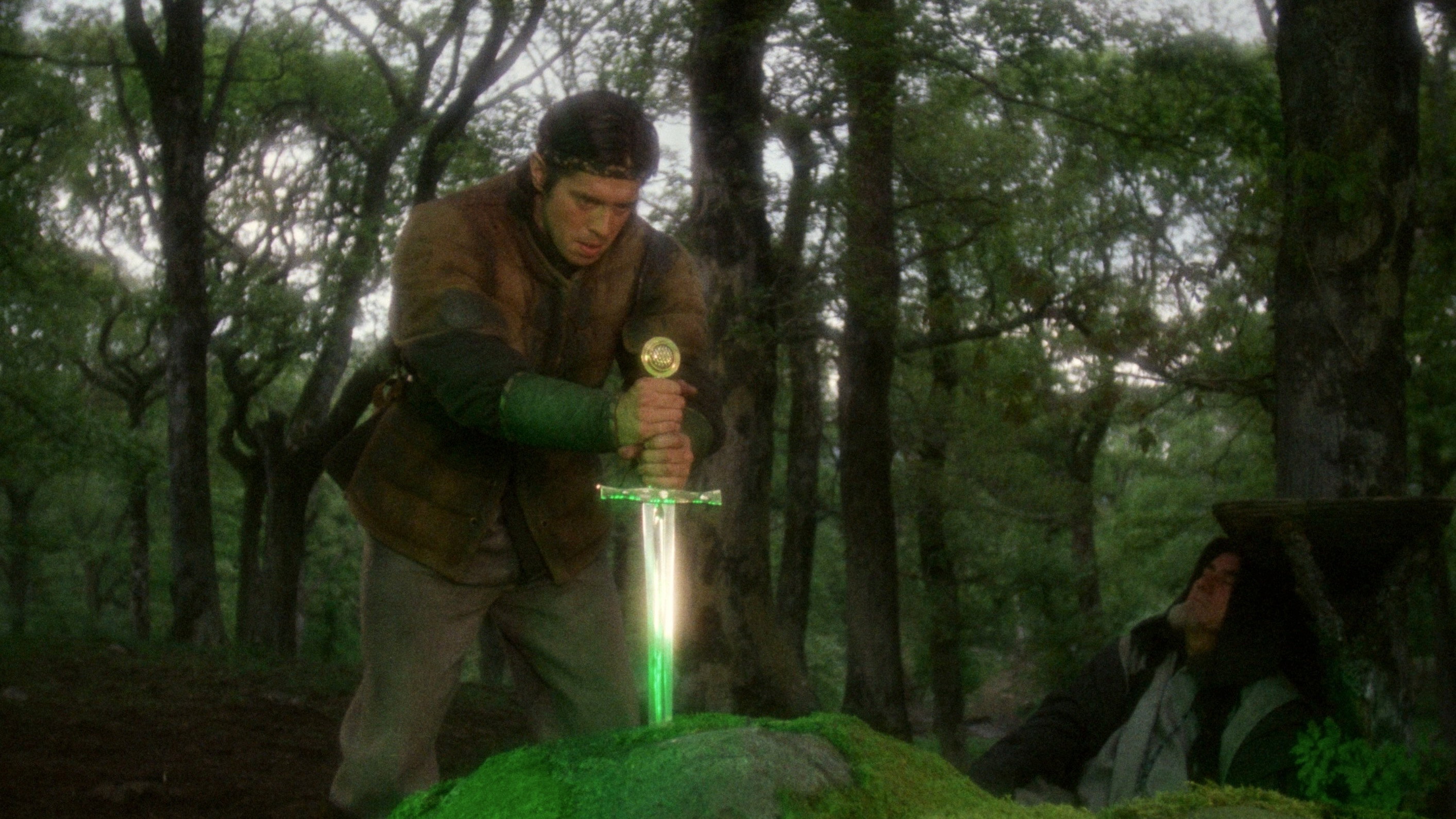
John Boorman’s Excalibur makes an involving spectacle of bloodshed and sorcery, though the people sometimes get lost in the telling. Nicol Williamson, Helen Mirren and Alex Thomson’s photography reward a tolerance for solemn speeches.
John Boorman’s Excalibur asks us to accept its knights and sorcery without a reassuring wink. We recommend it to anyone who wants fantasy to feel strange and dangerous, with a caveat about the hurried storytelling. Working from Thomas Malory, Boorman and co-writer Rospo Pallenberg treat kingship, sex and magic as matters of equally dangerous urgency. That can make the dialogue sound overburdened, but it also gives the film a seriousness that survives its moments of absurdity.
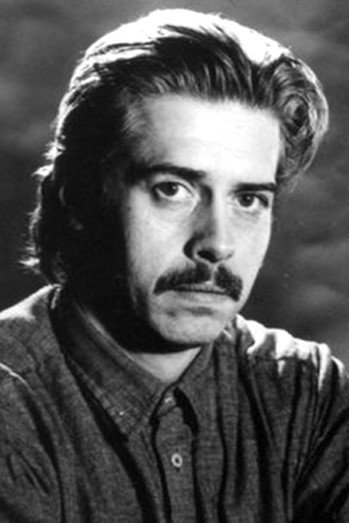
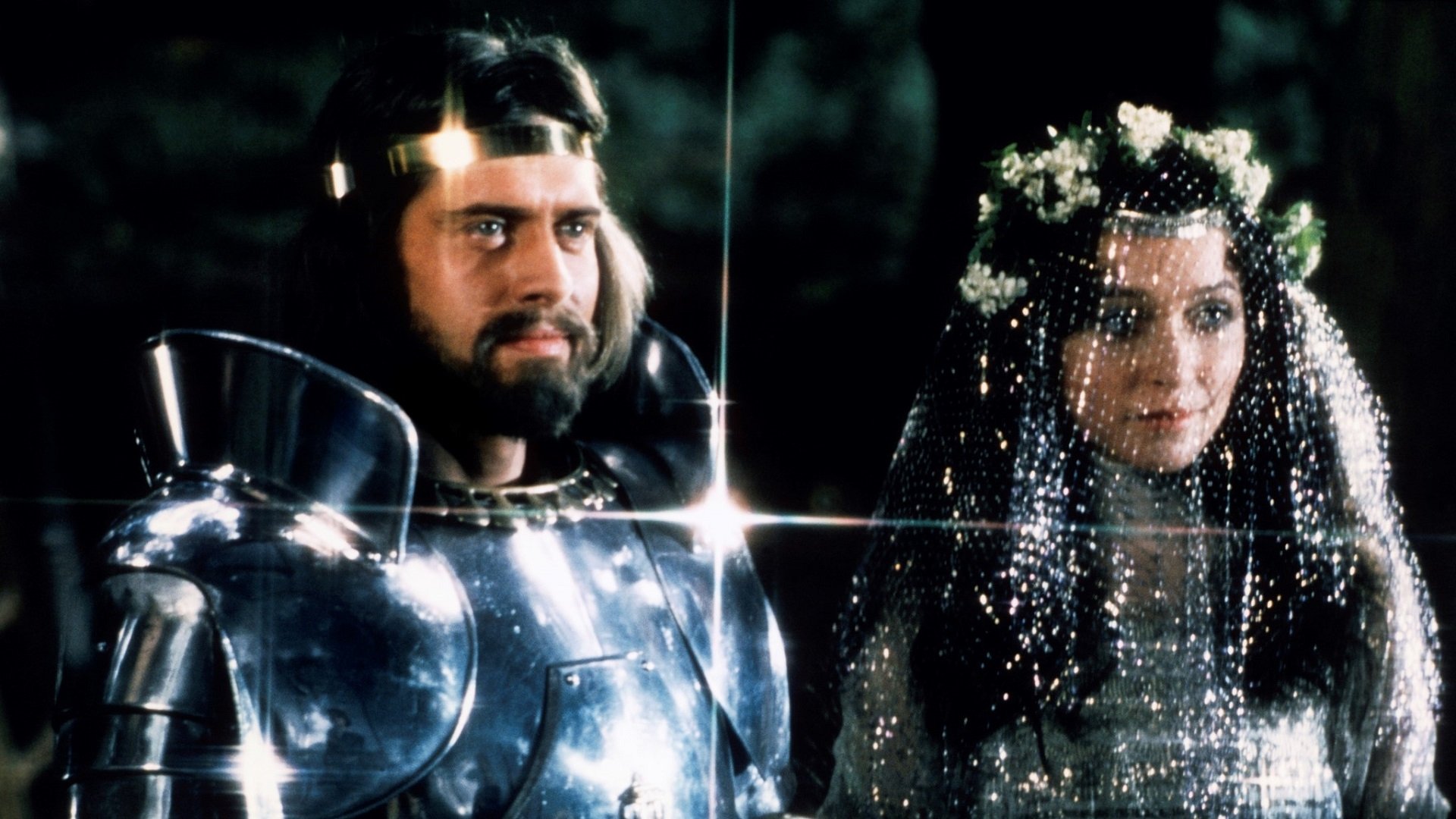
Nigel Terry’s Arthur has to carry the royal dignity while more immediately entertaining figures work around him. The king’s importance is clear, but Terry struggles to make him someone we feel close to. Nicholas Clay and Cherie Lunghi, as Lancelot and Guenevere, encounter a similar difficulty: the weight of the legend can leave little room for an individual person. They are committed performances, though the writing needs more of the small exchanges that would make its grand passions convincing.
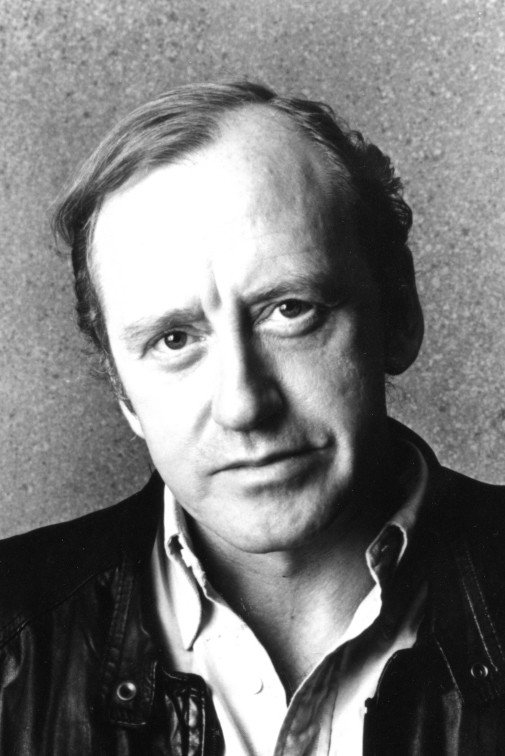
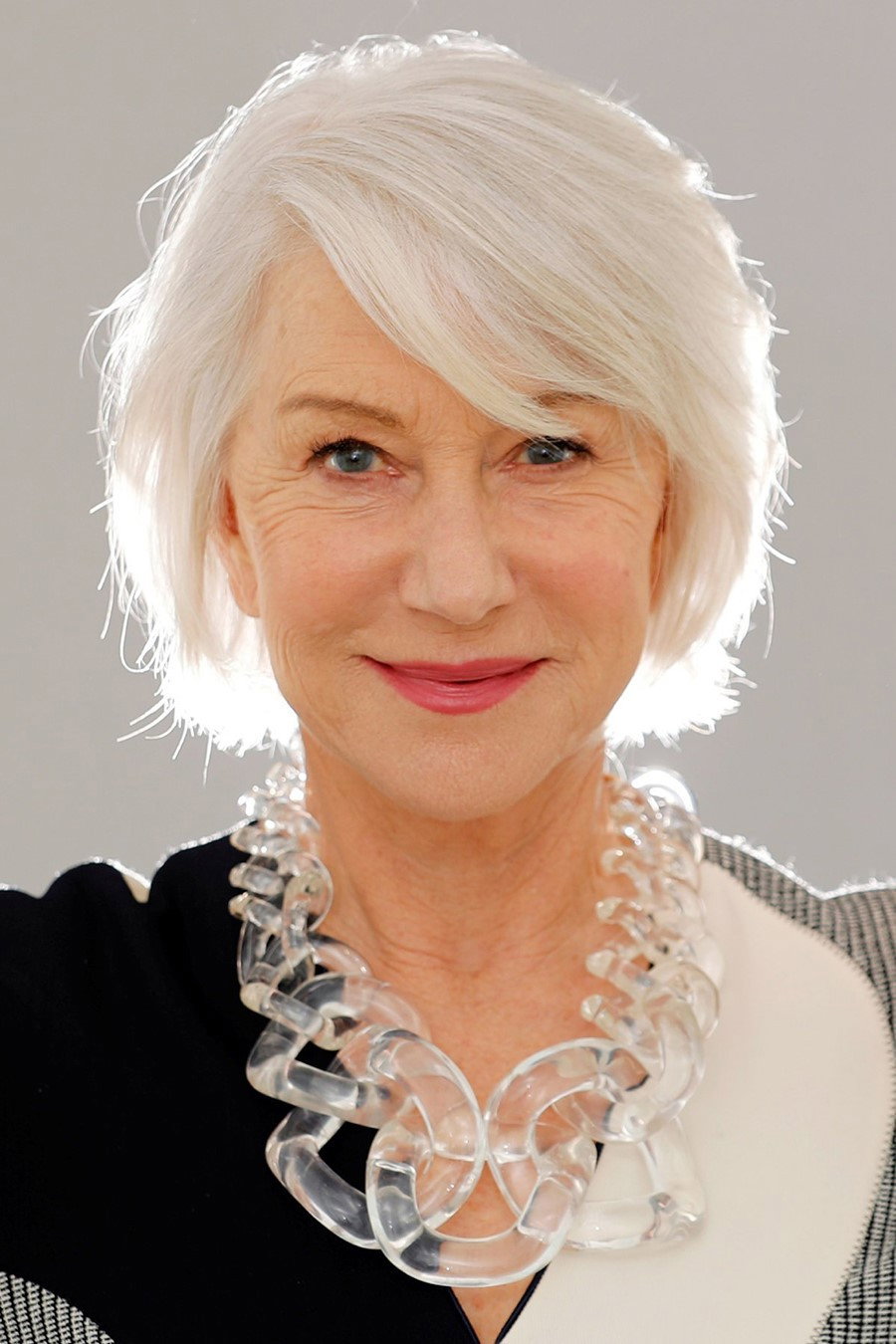
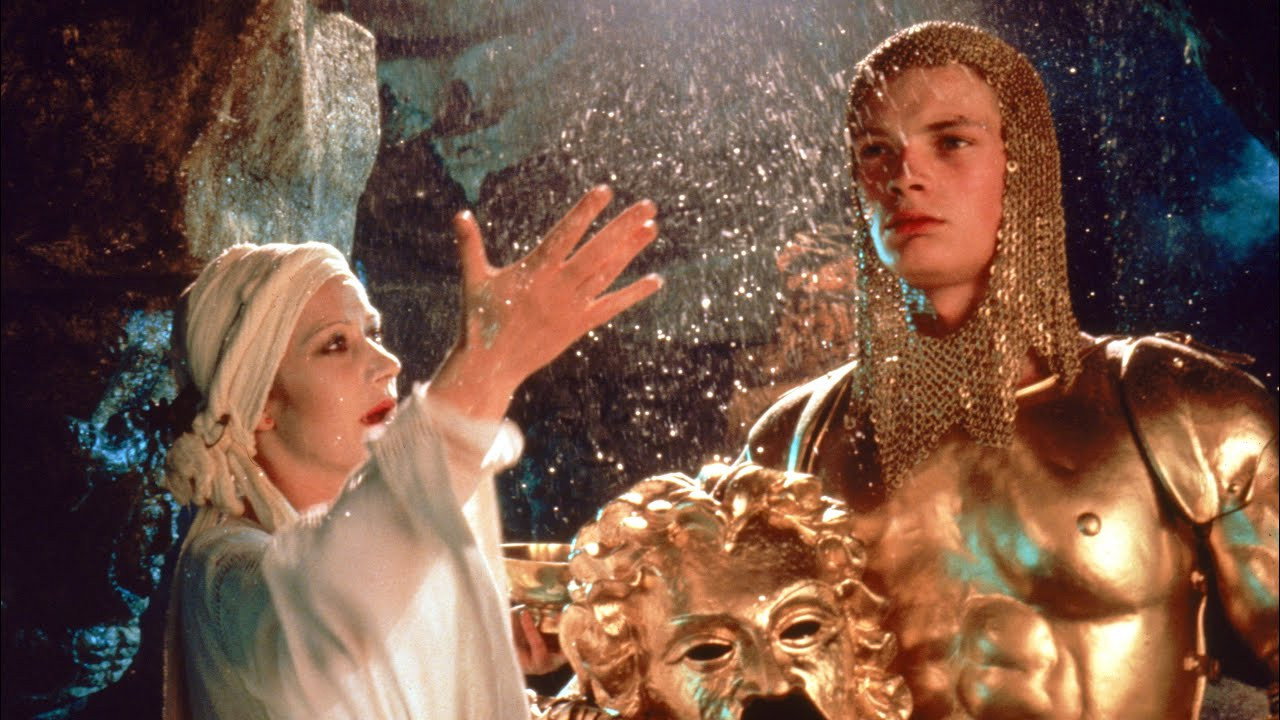
Nicol Williamson’s Merlin is considerably better company. Williamson gives him an eccentric authority, with enough oddness in his delivery to suggest that ordinary conversation is an inconvenience. Helen Mirren’s Morgana brings a welcome precision to a film whose actors are often encouraged towards declamation. Both performances make sorcery interesting before the film has to demonstrate any of it, and both give us someone worth watching between the larger displays.
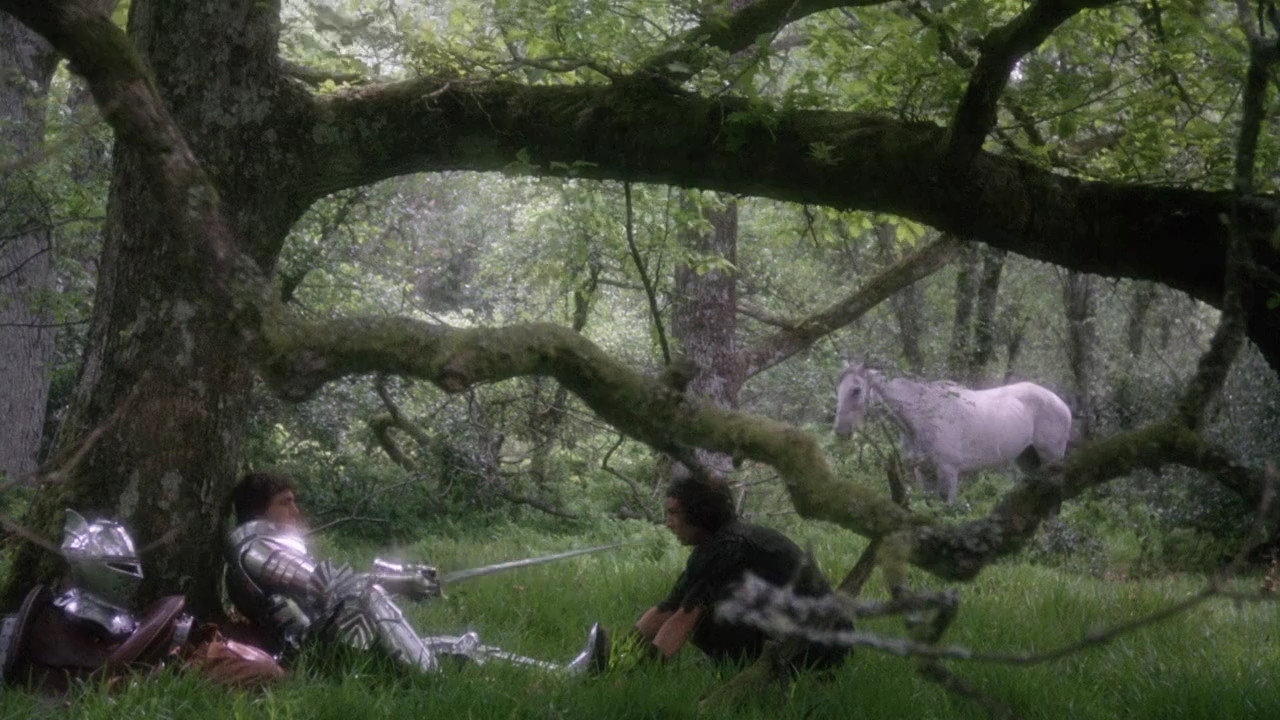
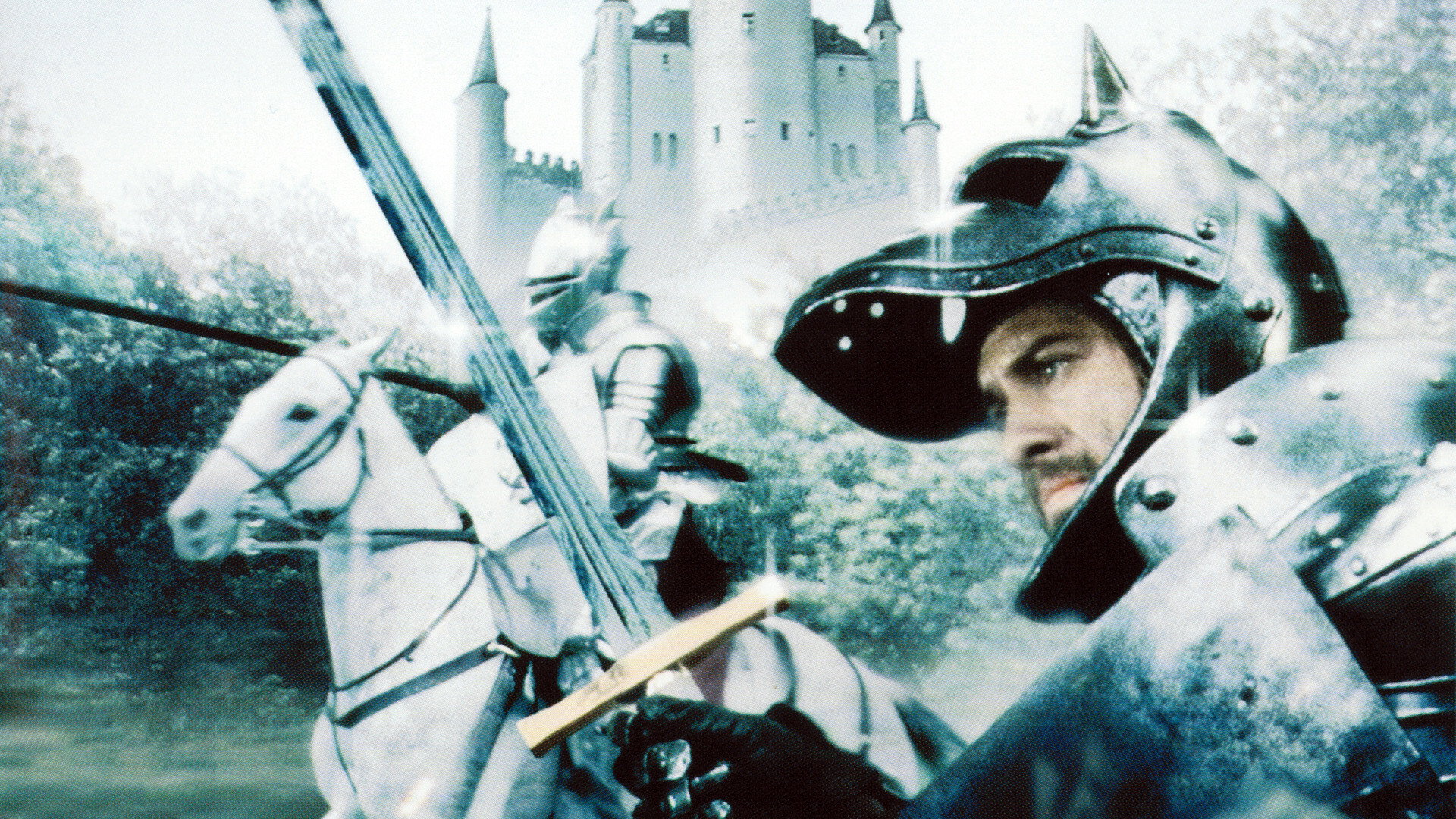
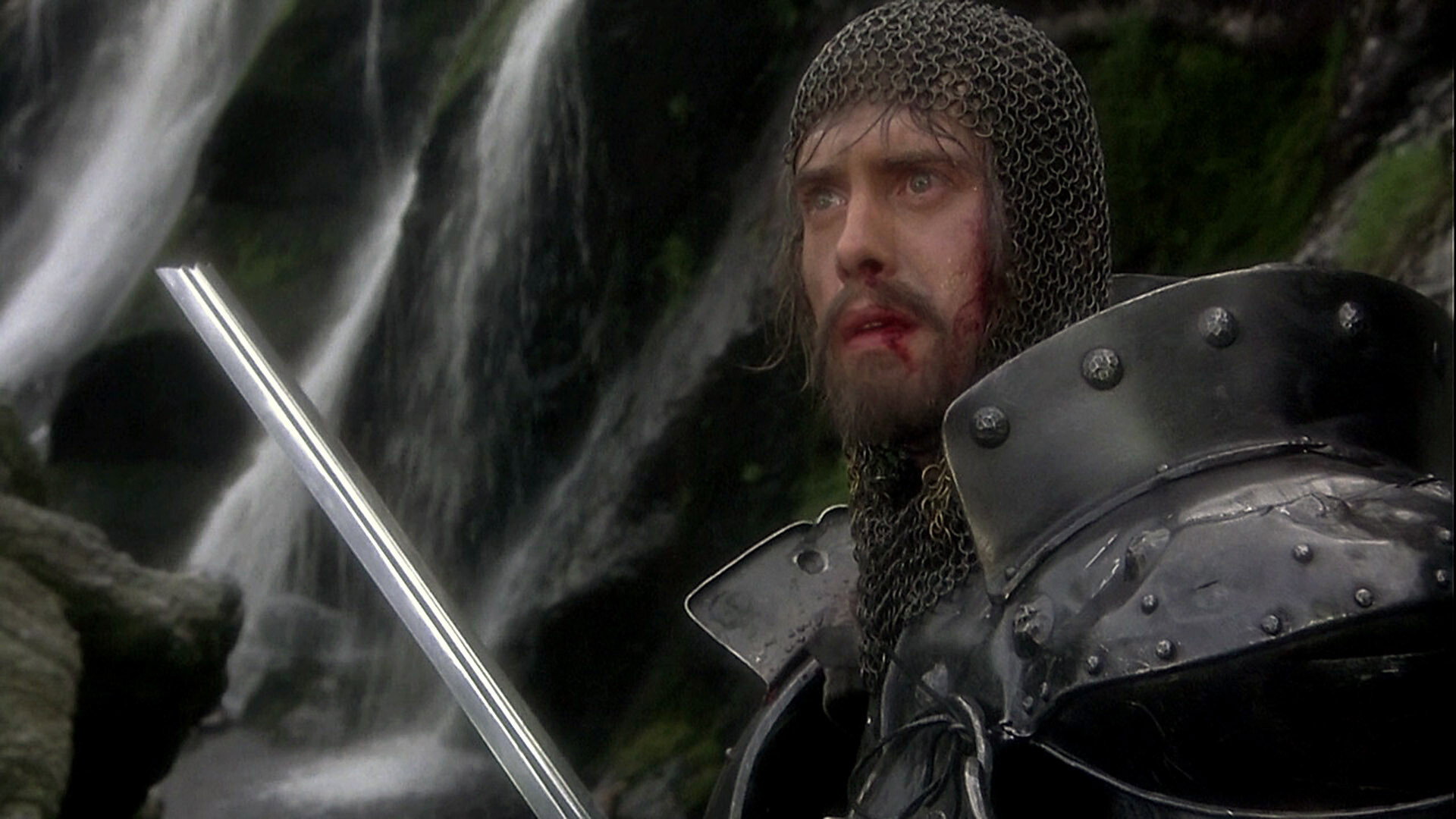
Alex Thomson’s photography makes the natural world seem agitated, as though the settings share the moods of the people passing through them. We were exhilarated by the battles and balls of flame, because the violence has a ferocity that the stiffest dialogue cannot supply. Anthony Pratt’s production design gives the royal world an artificial grandeur that fits this heightened telling. Bob Ringwood’s costumes contribute to that effect, making the figures imposing even when the performances are less expressive.
Editors Donn Cambern and John Merritt keep the images moving rather than inviting us to settle in and admire them. The pace gives the spectacle force, although the storytelling sometimes feels as if an important human interval has been cut away. Trevor Jones’s music shares the soundtrack with Orff and Wagner, and the scale of the sound suits Boorman’s refusal to play anything small. It can be overbearing, but the ceremonial weight of the music makes sense alongside such emphatic staging.
The critical consensus is considerably cooler than we are, with complaints about muddle, grandiosity and a failure to move the audience. The muddle is real, particularly when another hurried passage interrupts our involvement with the characters, but we think those objections undervalue the film’s physical excitement. As fantasy, it understands that magic ought to unsettle the people living with it. The exaggerated performances and insistent music help sustain that unease, even when the story is not as clear as it should be.
At 141 minutes, this is a substantial commitment to a kind of fantasy that offers little relief from its own convictions. We would have welcomed more time with Arthur as a person, even if it meant less spectacle. There is still considerable pleasure in a film so willing to let violence, desire and enchantment feel dangerous. Choose it for the sorcery and the battles, and allow the occasional speech to pass without demanding that it sound like conversation.