Film review

Exorcist II: The Heretic

1977 · Directed by John Boorman · 1h 58m · MPA R

In a sentenceThe locusts have more life in them than the people

Horror

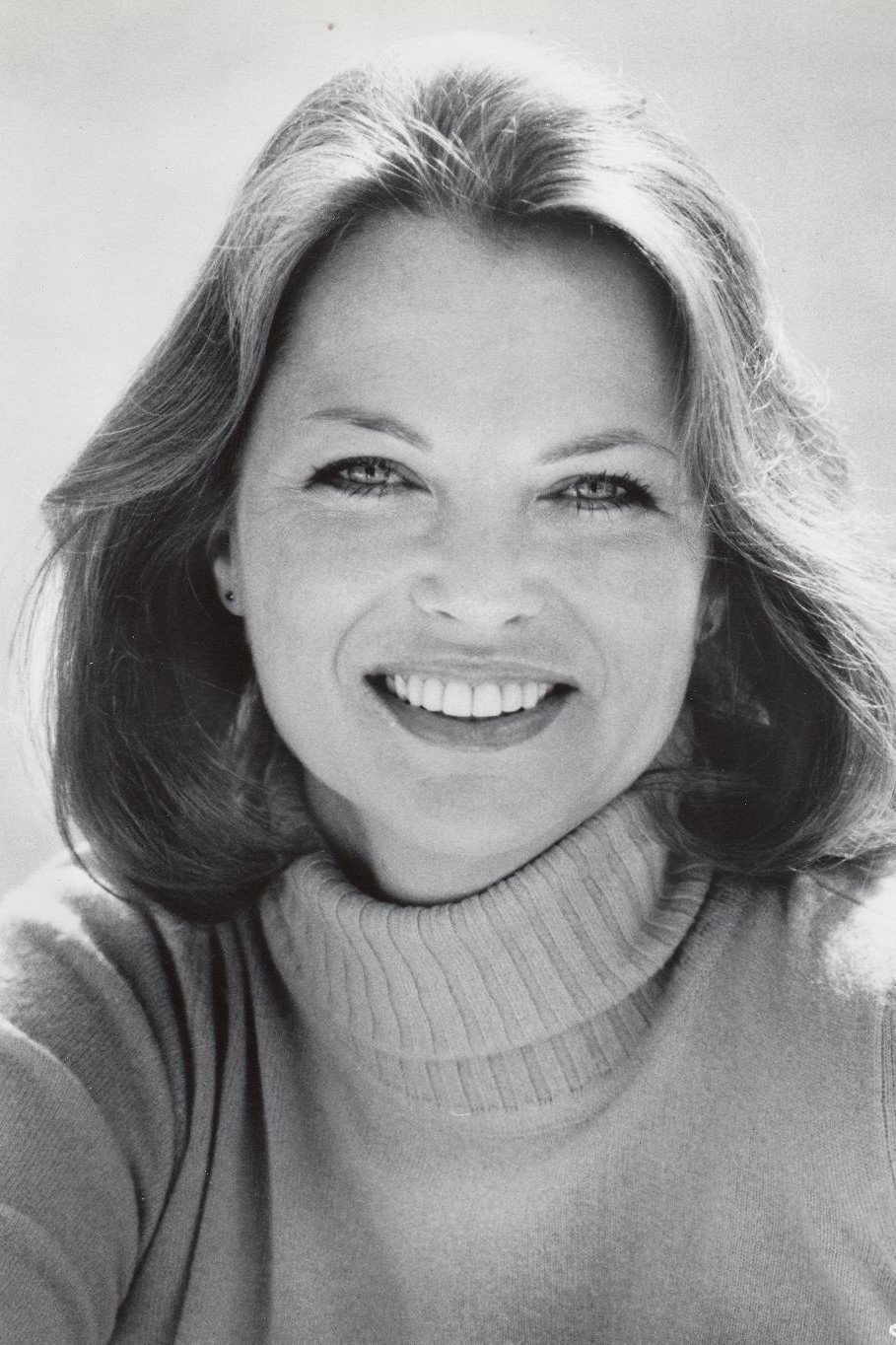
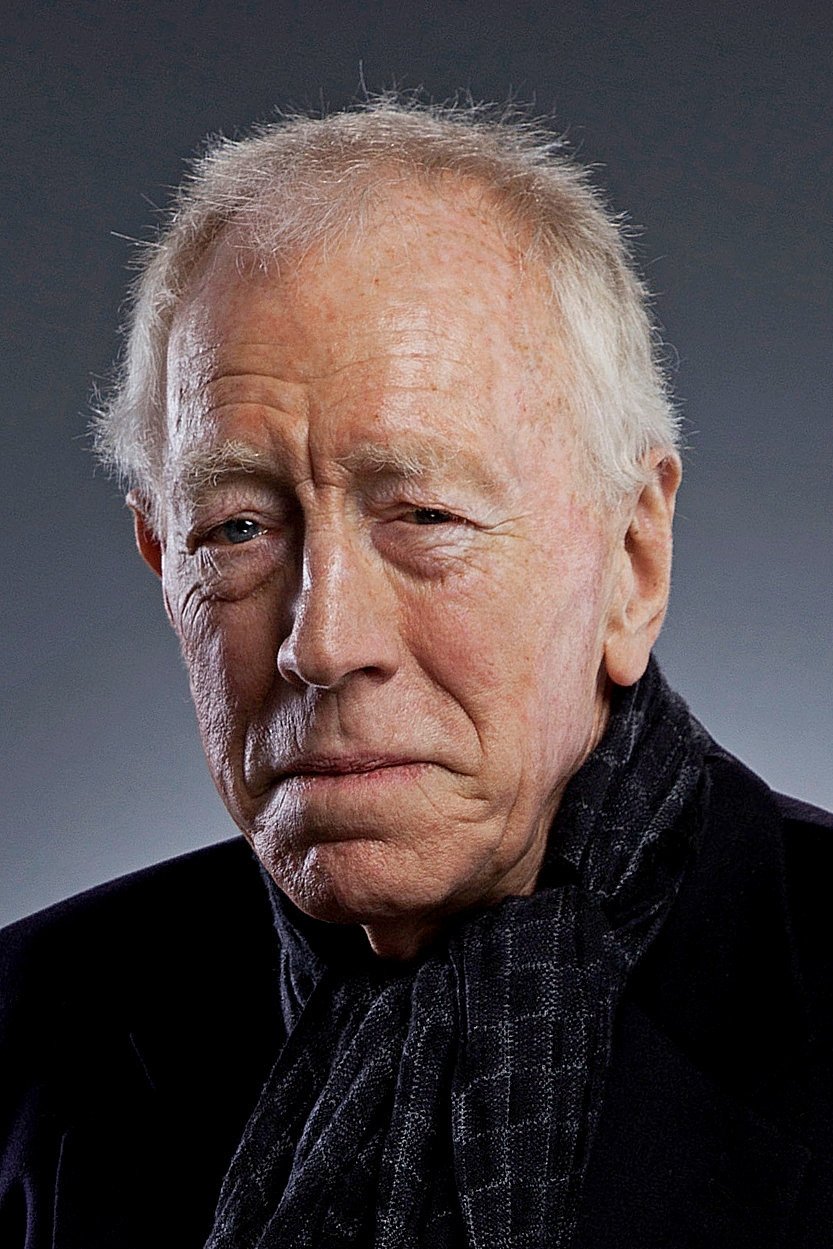
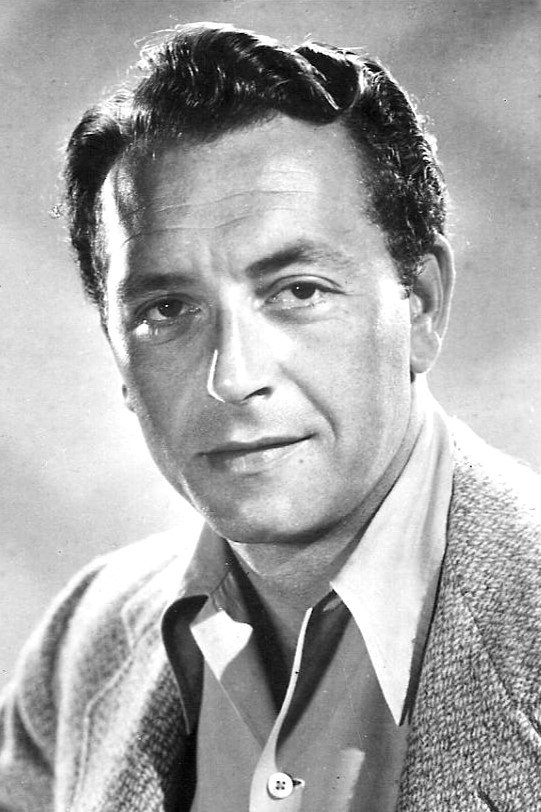
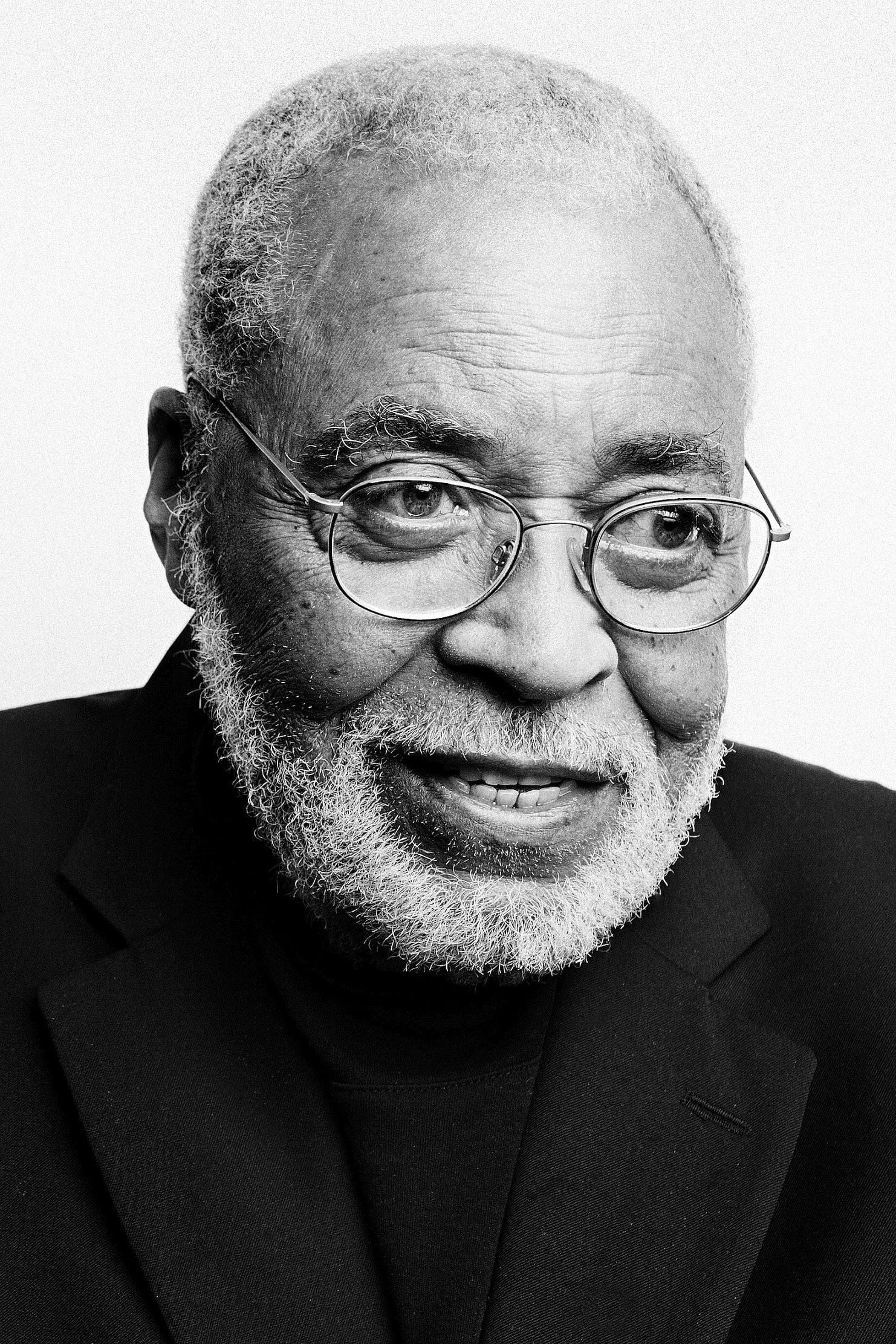
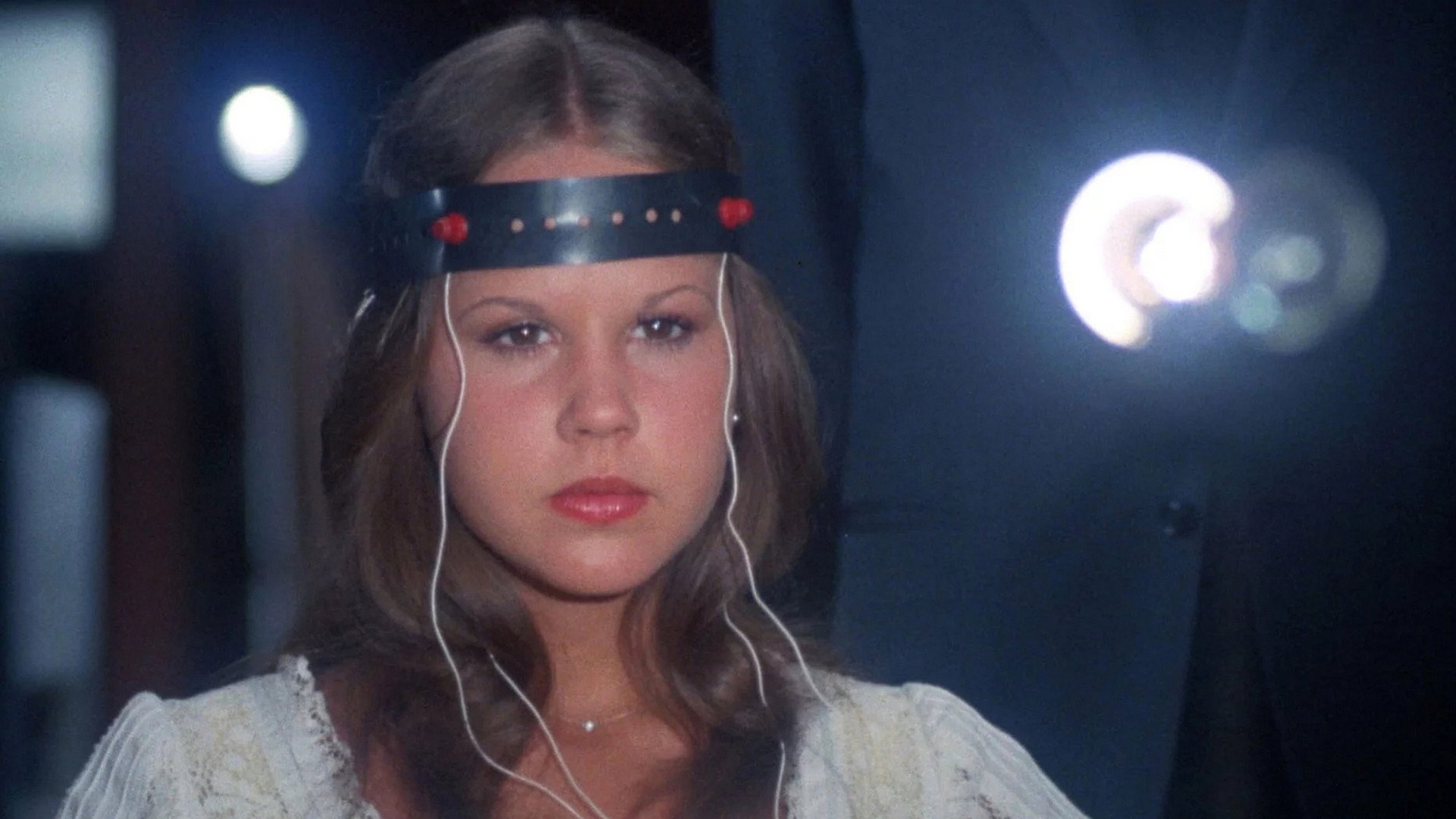
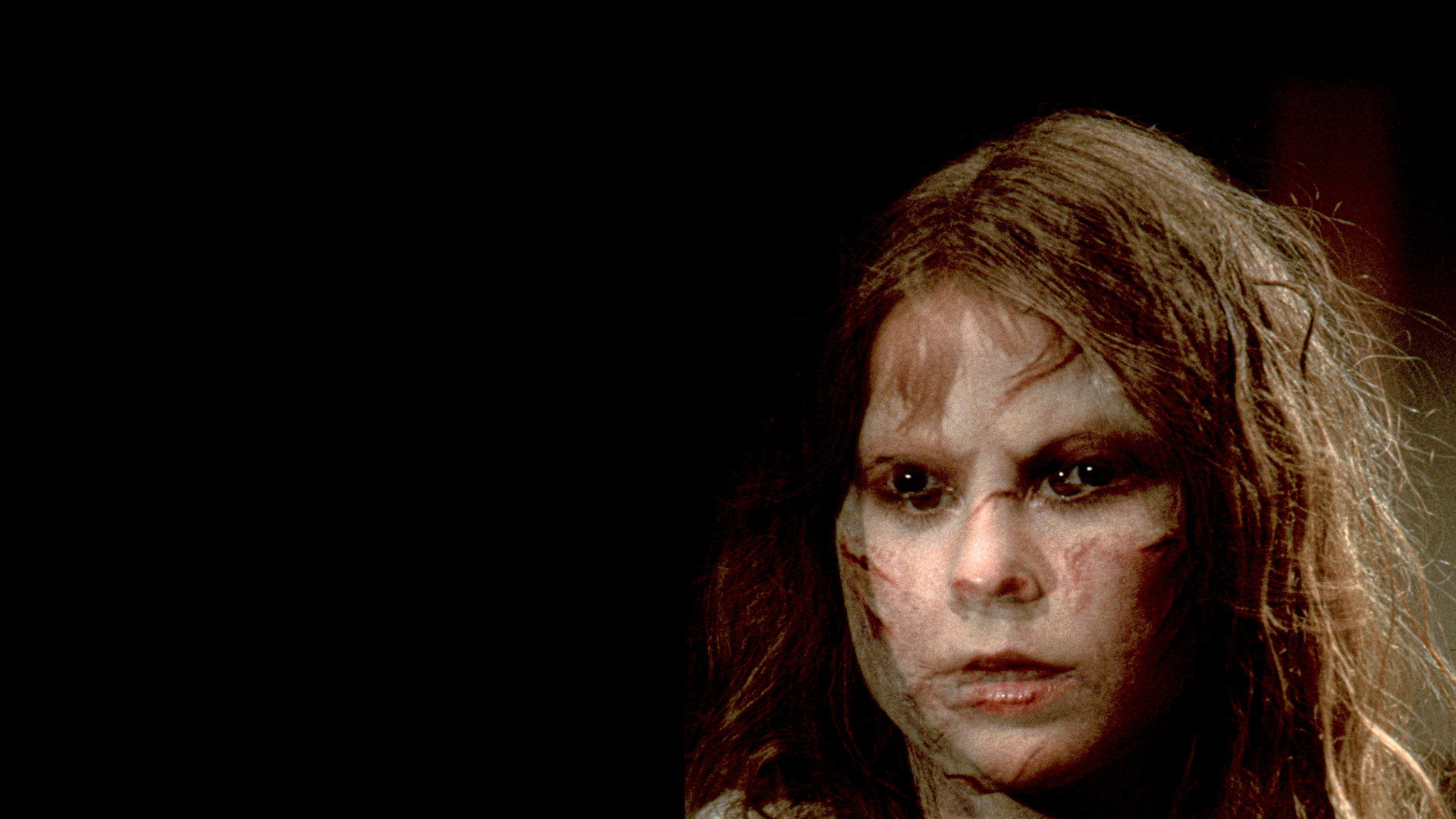
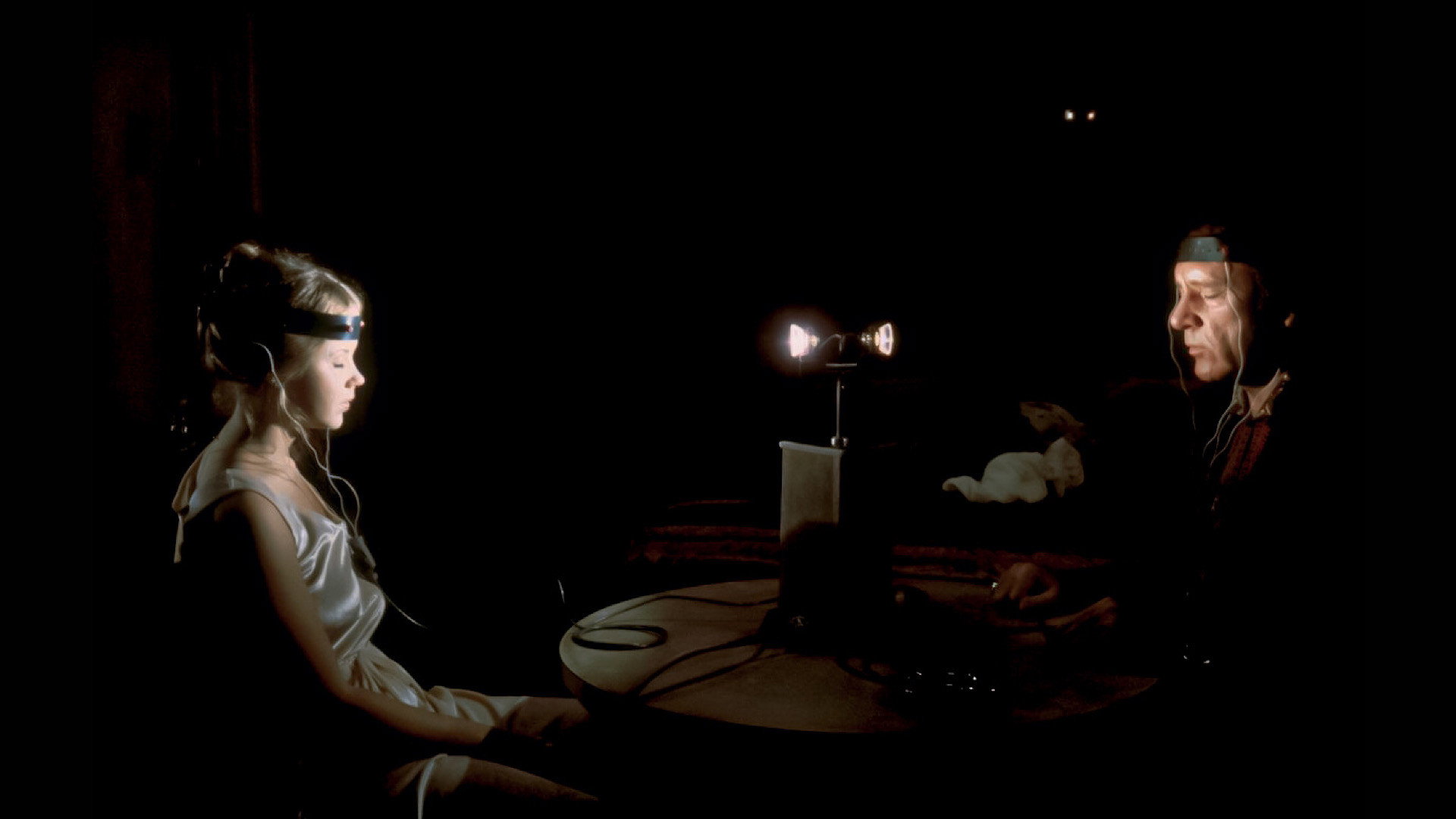
Four years later, Regan MacNeil (Linda Blair) is at the centre of a question about memory: what does she remember? Father Philip Lamont (Richard Burton) and Dr. Gene Tuskin (Louise Fletcher) are among the figures in her story. Sharon Spencer (Kitty Winn) and Father Lankester Merrin are also present, alongside Older Kokumo (James Earl Jones) and The Cardinal (Paul Henreid). The horror sequel returns to Regan with medical and religious figures among its characters, and the past still at issue.

Plays from YouTube when you press play; nothing loads from them until then.

Fi1m review

John Boorman’s horror sequel has strange images and an Ennio Morricone score worth hearing. Its muddled storytelling and solemn performances make it a poor choice for anyone hoping to be frightened.

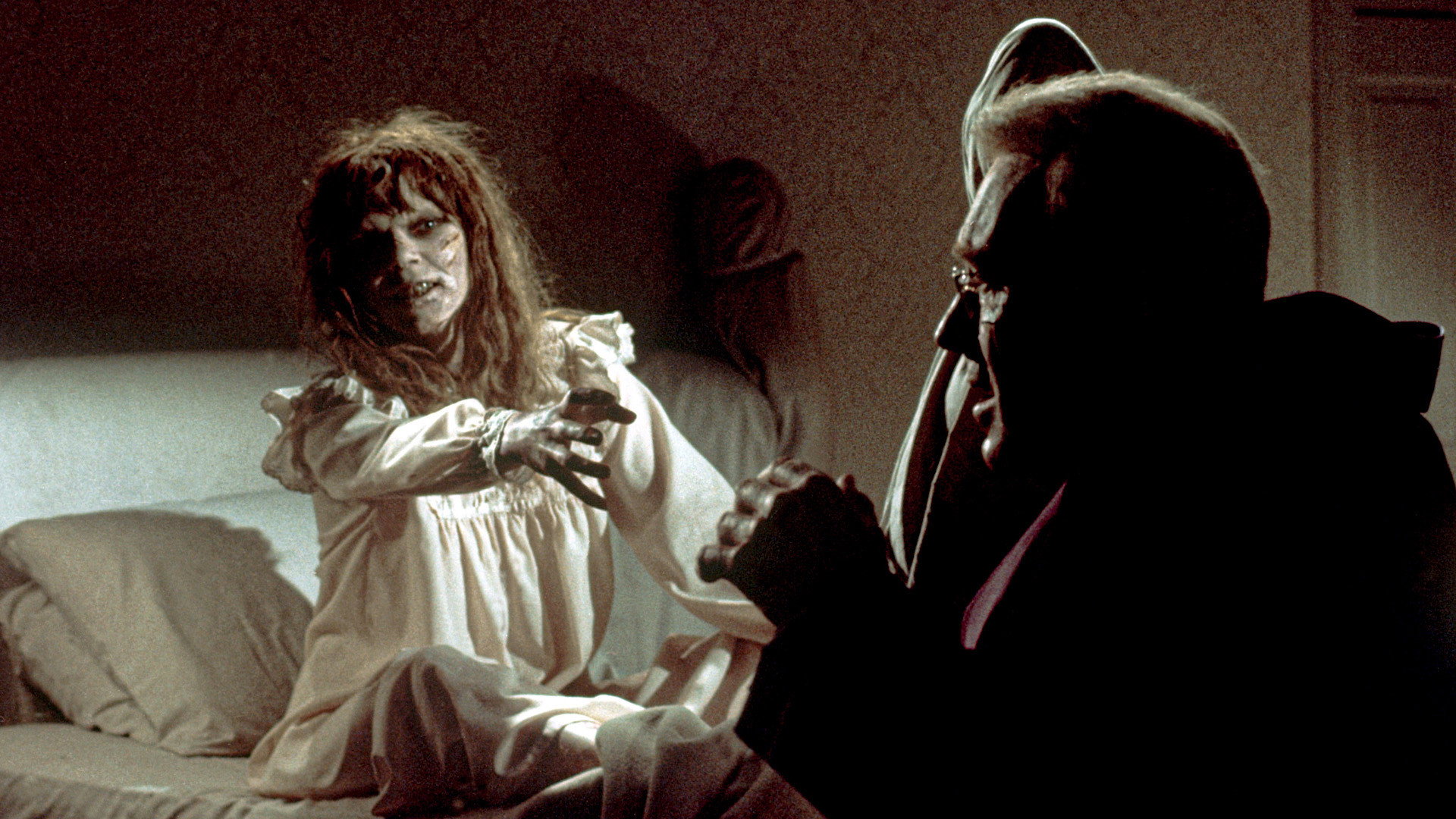
John Boorman approaches Exorcist II: The Heretic with a seriousness that would be welcome if the film could make its ideas clear. He wants horror to accommodate spiritual speculation and extravagant images, and there is something worth pursuing in that ambition. The result is poor: a confusing, ponderous film with occasional sights and sounds that suggest what might have been possible. Most critics have little patience with it, and the striking passages are not enough to persuade us they are wrong.

The screenplay is credited to William Goodhart and Rospo Pallenberg, and its central difficulty is making one idea follow another. The religious and metaphysical material is treated as important before it is made comprehensible, leaving us waiting for a clear reason to care. We were bored by the long stretches in which the images stay busy but the story barely seems to move. There is material here for a strange, searching horror film, but too little sense of what matters from one scene to the next.

Richard Burton plays Father Philip Lamont with a gravity that gives the film some human weight, though it also makes the confusion harder to forgive. Linda Blair, as Regan MacNeil, seems weighed down by the surrounding solemnity, while Louise Fletcher’s Dr. Gene Tuskin scarcely loosens the mood. These performances need a clearer dramatic purpose before their seriousness can mean much to us. Linda Blair’s tap-dancing sequence introduces a different kind of spectacle, but it does not make the surrounding film feel any less stiff.

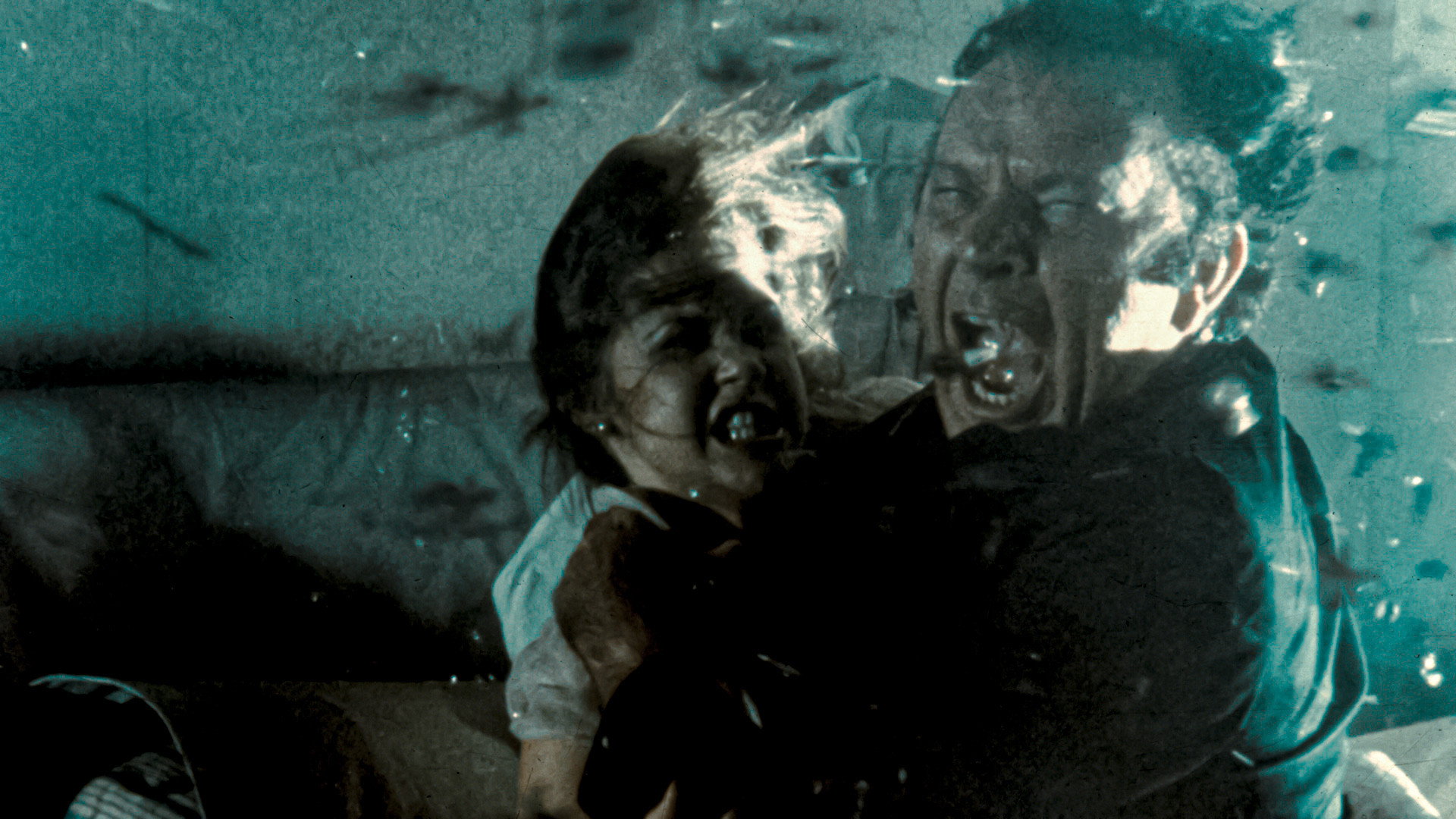
William A. Fraker’s cinematography gives the African sequences a scale and strangeness that the talk cannot supply. The locust photography is particularly arresting: for once, the film has something concrete to hold our attention, and we felt a brief flicker of the unease we had been waiting for. Richard Macdonald’s production design makes the African settings feel remote from everyday life, which suits the film’s spiritual speculation. Yet the elaborate surroundings keep drawing attention away from characters who already struggle to interest us.

Editors Tom Priestley and John Merritt have an unenviable task in joining this material into a coherent progression. Their cutting does not establish a dependable rhythm, and the transitions leave too much work to the audience without making that work rewarding. We do not need every question answered, particularly in a film so willing to venture into the inexplicable. But when the immediate purpose of a scene is difficult to grasp, confusion keeps interrupting whatever tension has begun to form.

Ennio Morricone’s music is the strongest reason to stay. Its mixture of liturgical and African themes supplies an energy and sense of spiritual disturbance that the drama seldom earns for itself. The score helps the African passages feel like more than a diversion, suggesting connections that the writing cannot make convincing. It also makes the stiffness of the performances more noticeable, since the music achieves so much of the urgency they are straining to convey.

Within horror, there should be room for a sequel willing to risk this much oddness, and John Boorman deserves credit for attempting something beyond another exercise in familiar shocks. That goodwill wears thin across 118 minutes that so rarely frighten or involve us. Admirers of expressionistic horror may find enough in the locusts, the African imagery and Ennio Morricone’s music to justify their curiosity. For an evening built around being scared, we would choose something else.
Critical consensus AI synthesised

37
Positive
1
Mixed
1
Negative
4

Most critics find Exorcist II: The Heretic confused and unsuccessful, though several acknowledge striking images and an earnest attempt to take the material somewhere stranger. Praise centres on the visual invention, particularly the African sequences and locust photography, rather than the storytelling or performances. Empire also singles out Ennio Morricone’s score, with its mixture of liturgical and African themes, as a substantial pleasure amid the incoherence.

The disagreement is over how much those qualities compensate for the muddle, and the spread is wide. Slant Magazine offers the clearest defence, finding fascination in the film’s metaphysical ambition and expressionistic approach while accepting that the execution falls short. The harsher reviews find little substance beneath the busy imagery, describing an experience that fails to frighten or engage; even the more receptive accounts tend to concede that its interesting material never forms a coherent whole.

Slant Magazine
3 October 2018 · Niles Schwartz
70*

The critic describes the film as a visually scrumptious mess and fascinating work by a visionary filmmaker, praising its ambitious metaphysical and expressionistic approach while noting its execution falls short.

Read the full review →
Empire
15 May 2006 · Kim Newman
60*

It is a famously disastrous follow-up that has never won many admirers, though it now looks like the best of the generally disastrous Exorcist sequels for offering a lot of interesting material jumbled together in a frankly incoherent manner. The African sequences are singled out for their astonishing sights and sounds, including incredible landscapes and an impressive plague of demon mosquitoes, along with the terrific music score mixing liturgical and African themes from Ennio Morricone.

Read the full review →
Time Out
10 September 2012 · DP
40*

The critic notes that the film was substantially recut after its original version was derided but remains easy to see why it provoked jeers. Boorman treats the material with engaging intensity and delivers visual coups such as the locust photography, though it will mainly appeal to Dennis Wheatley fans.

Read the full review →
The AV Club
16 May 2007 · Nathan Rabin
10*

The critic labels the film a fiasco, calling it a muddled, semi-coherent campy romp that fails as both horror and thoughtful cinema despite a few visually striking sequences.

Read the full review →
The New York Times
18 June 1977 · Vincent Canby
10*

The film is a desperate, heavy and lugubrious concoction that denies the power of the original exorcism story. It is marked by spectacular fatuousness, with little happening amid busy visuals and cold, unengaging elements including the performances and plot.

Read the full review →
Den of Geek
20 June 2013 · ★½ · Jim Knipfel
30

The critic concludes the film is really fucking awful after repeatedly watching it in hopes of finding hidden merit. He highlights the director's confusing approach and singles out Linda Blair's tap-dancing sequence as the most mind-numbingly terrifying (in the worst sense) part of the movie.

Read the full review →

Cast

Stills

If you liked this, try…

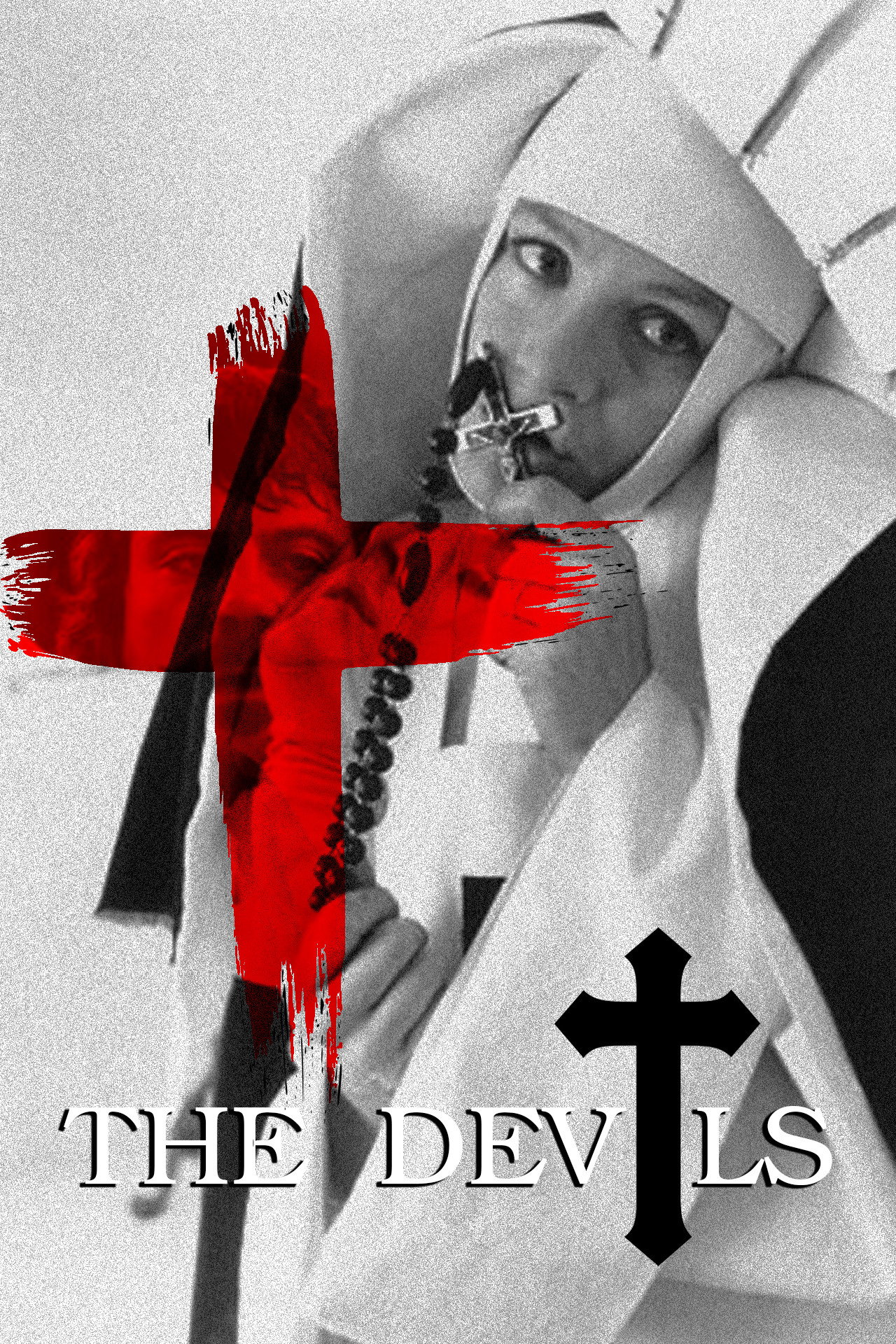
The Devils poster

The Devils

1971 · For religious horror with the anger and concentration missing here.

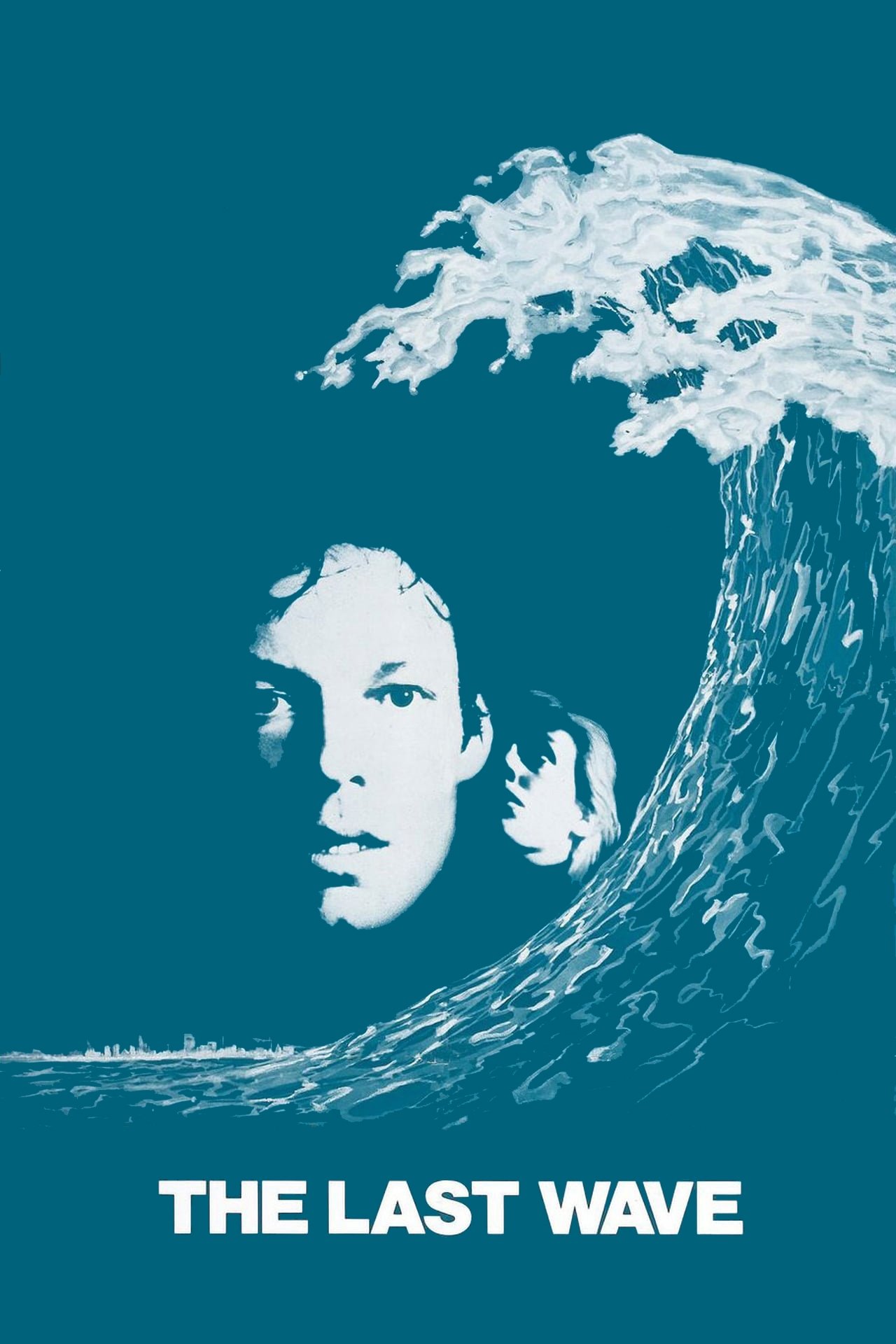
The Last Wave poster

The Last Wave

1977 · Strange images and spiritual unease build towards a far more persuasive dread.

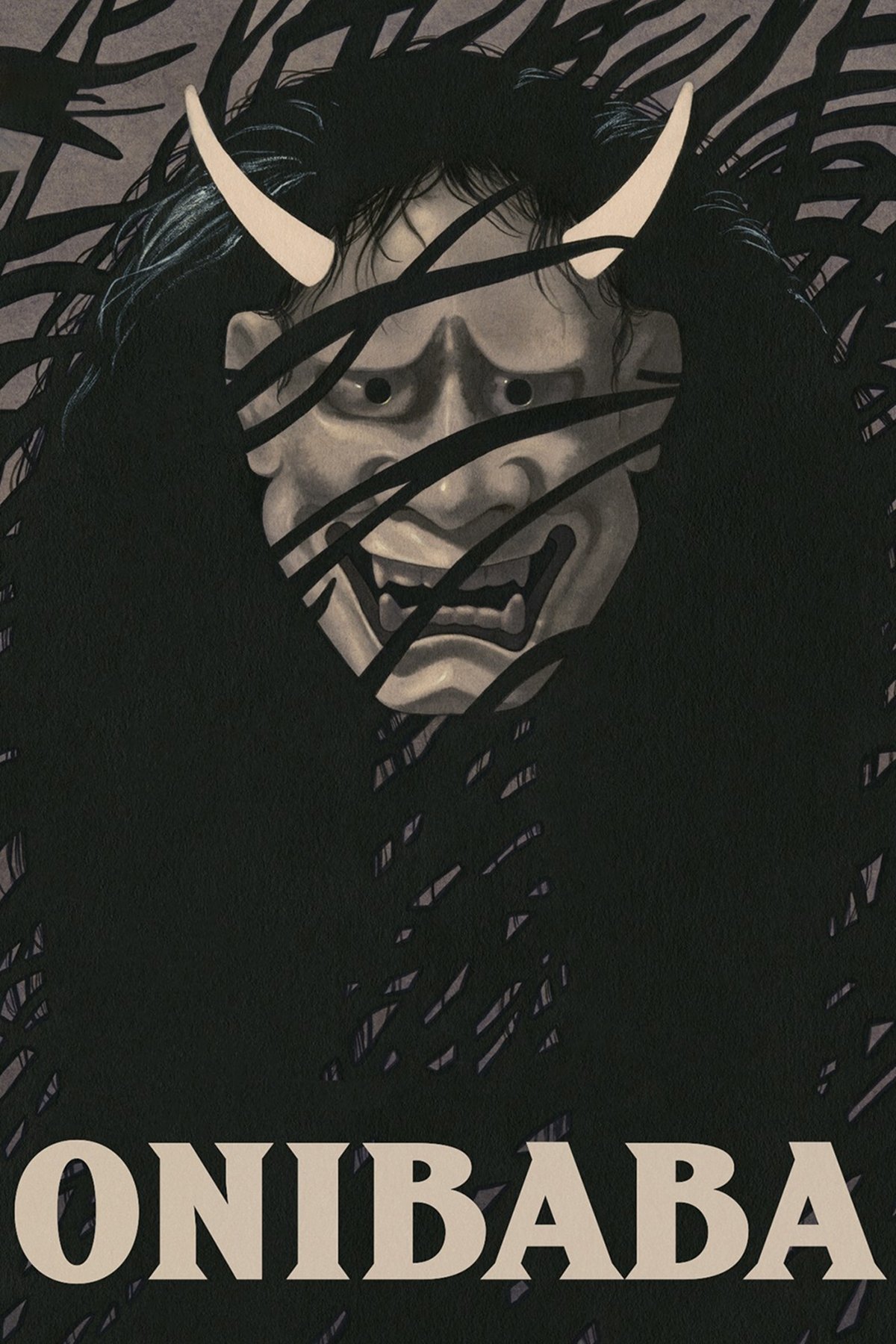
Onibaba poster

Onibaba

1964 · An unnerving choice for anyone drawn to faces, landscapes and superstition.

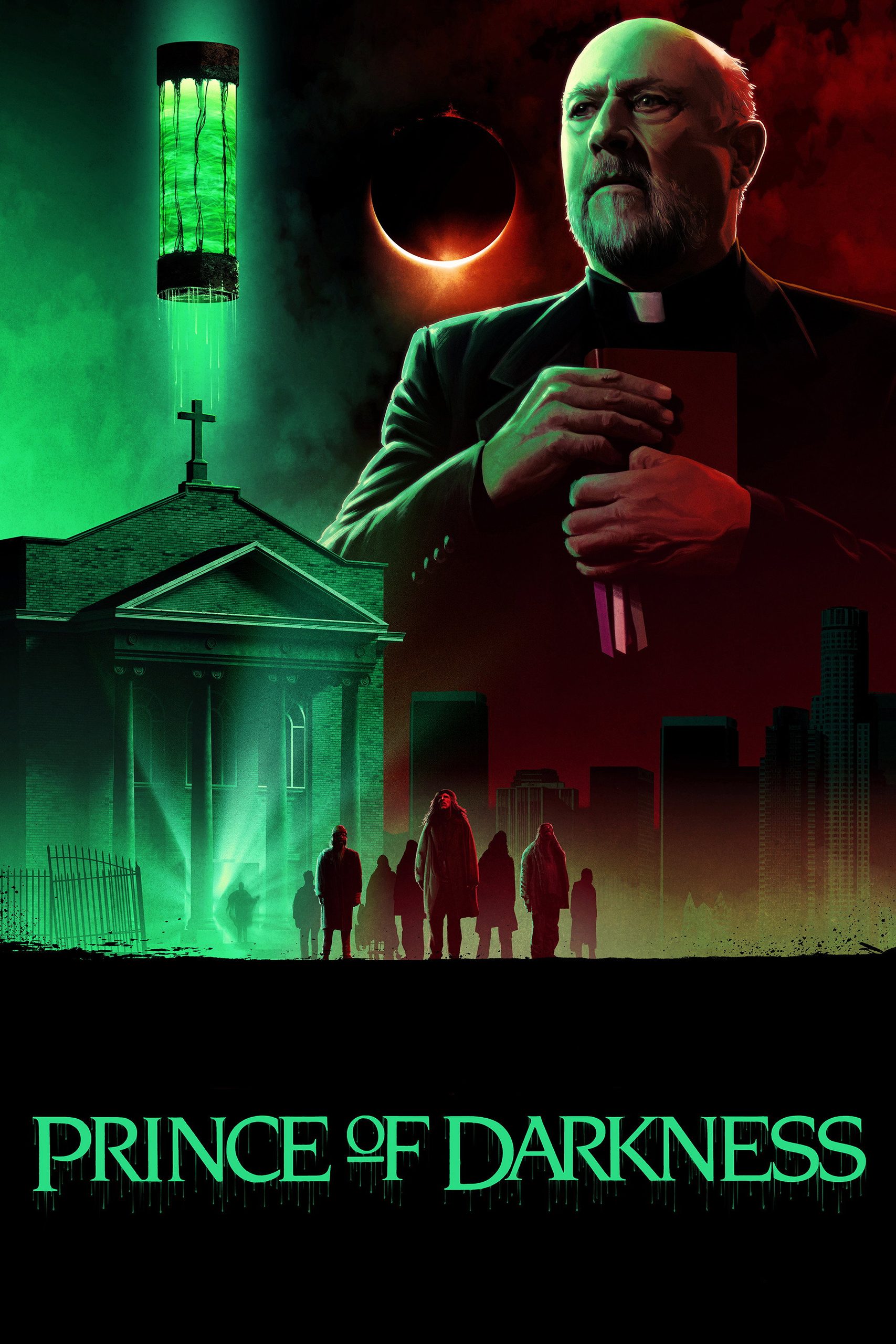
Prince of Darkness poster

Prince of Darkness

1987 · Another collision of science and faith, with a much firmer grip on suspense.

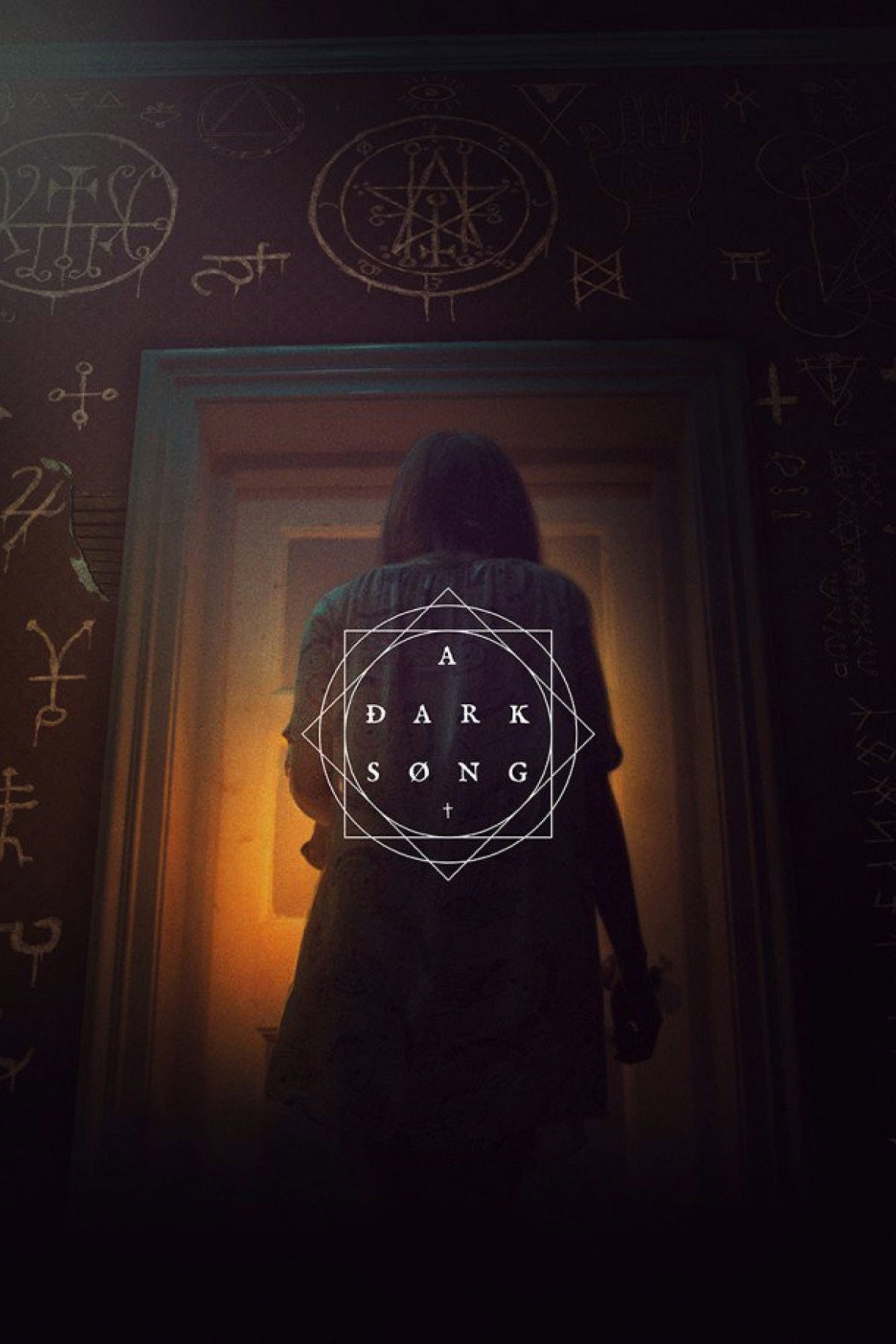
A Dark Song poster

A Dark Song

2016 · Ritual, grief and stubborn belief make a smaller, more unsettling evening.