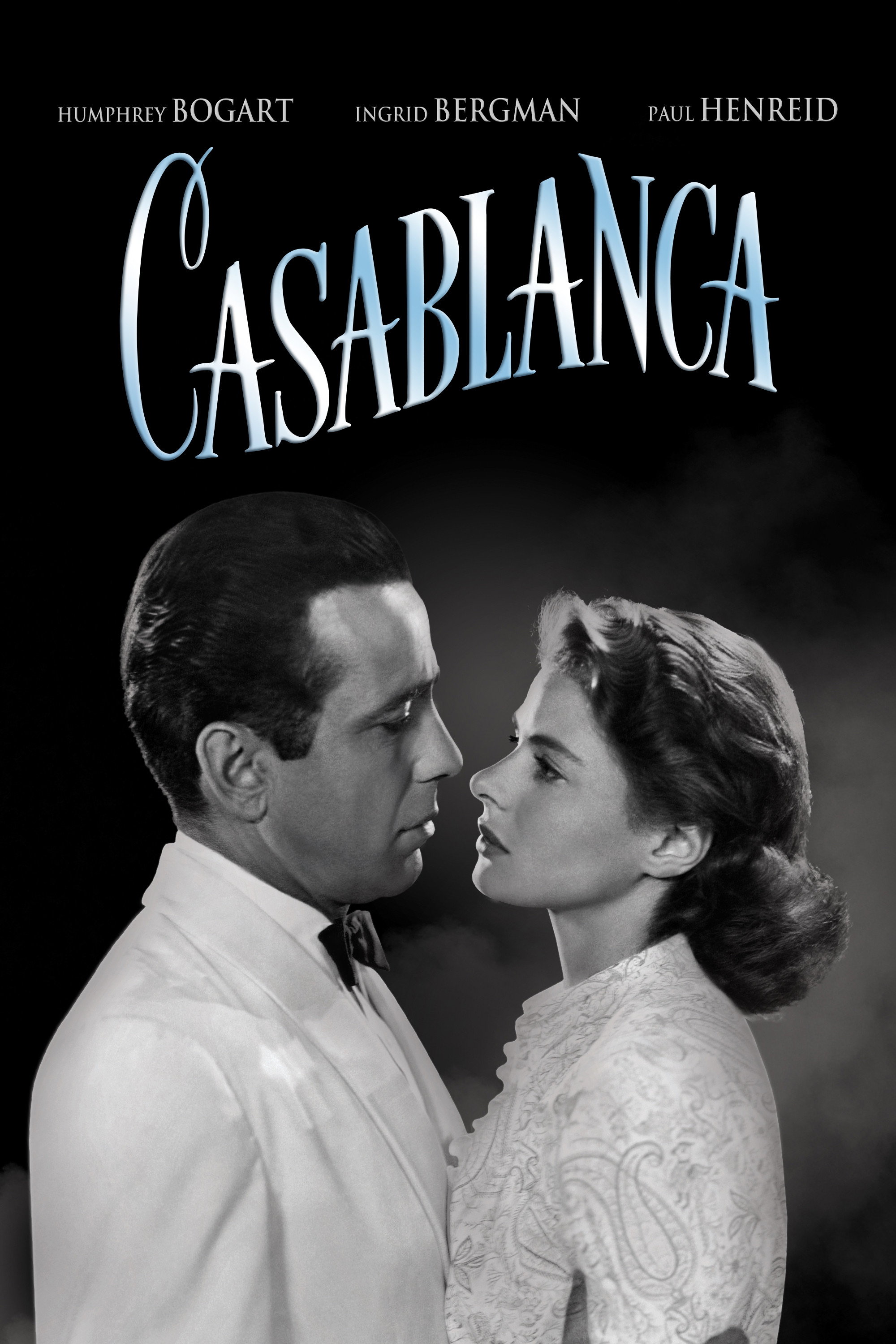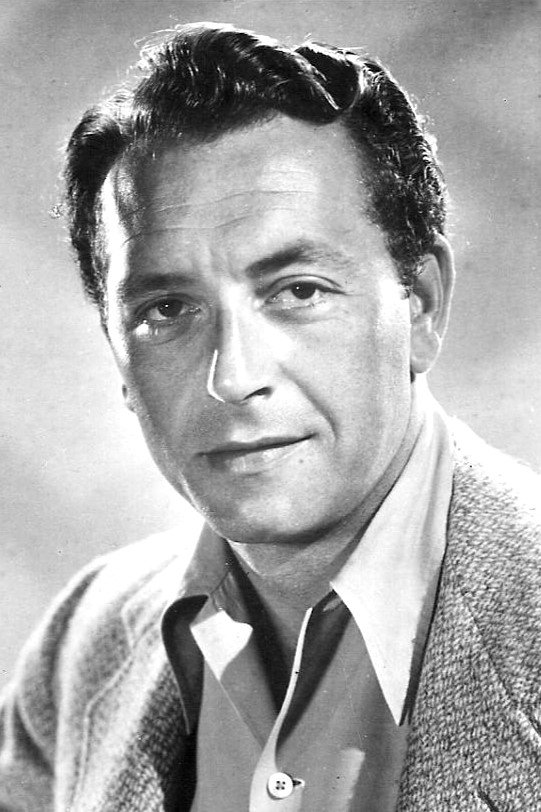
Paul Henreid gives the romantic rival a dignity that makes taking sides uncomfortable. We value his restraint, especially in Casablanca, though the familiar elegance can leave us wishing for a less composed man.
Fi1m perspective
Paul Henreid does not make Victor Laszlo's decency look negotiable. In Michael Curtiz's Casablanca (1943), that matters more than it might in a less persuasive romance. Bogart and Bergman make their longing hurt, and Henreid supplies a reason not to treat their wishes as the only ones that count. We were moved by his steadiness, because he makes Laszlo's claim on our sympathy feel as serious as theirs. It is a quietly effective performance in a film we recommend without allowances for its age.
Laszlo is a supporting hero, a difficult assignment when the romantic leads already have our attention. Henreid's quiet dignity keeps the character from becoming merely an obstacle to be cleared away. We need to believe there is something worth choosing in him, and he gives us that without demanding that we find him the more exciting man. His composure can make him seem remote, but making Laszlo more ingratiating would hardly improve matters. Henreid lets us take a little time to appreciate him.
Before that Hollywood image settled, the British films included Goodbye, Mr. Chips (1939) and Night Train to Munich (1940). Now, Voyager (1942), opposite Bette Davis, established the romantic leading man, with the gesture of lighting two cigarettes and handing one to her doing much of the work. The appeal is specific: Henreid makes a small courtesy feel intimate without abandoning his good manners. Beside Laszlo, that performance helps explain why the sophisticated European gentleman became such a persistent assignment for him.
Typecasting as the suave European narrowed the later film work; Henreid also turned to television directing, notably on Hitchcock series. The recurring polish is our reservation about his acting: when a part asks only for elegance, there is less to discover after the entrance. We would choose Now, Voyager for a closer look at how much he could communicate through a simple gesture. Start with Casablanca, though, and do not be too quick to wish Laszlo out of the way.
Biography
Paul Henreid was an Austrian-American actor and director. Born Paul Georg Julius von Hernreid in Trieste, then part of Austria-Hungary, on 10 January 1908, he trained for the theatre in Vienna and made his stage debut in 1933 under Max Reinhardt.
He appeared in British films including Goodbye, Mr. Chips (1939) and Night Train to Munich (1940) before moving to the United States. His best-known film roles were Jeremiah 'Jerry' Durrance in Now, Voyager (1942) and Victor Laszlo in Casablanca (1942). He later directed episodes of Alfred Hitchcock Presents and The Alfred Hitchcock Hour, as well as the films Dead Ringer (1964) and Operation Crossbow (1965). Henreid died in Santa Monica, California, on 29 March 1992.