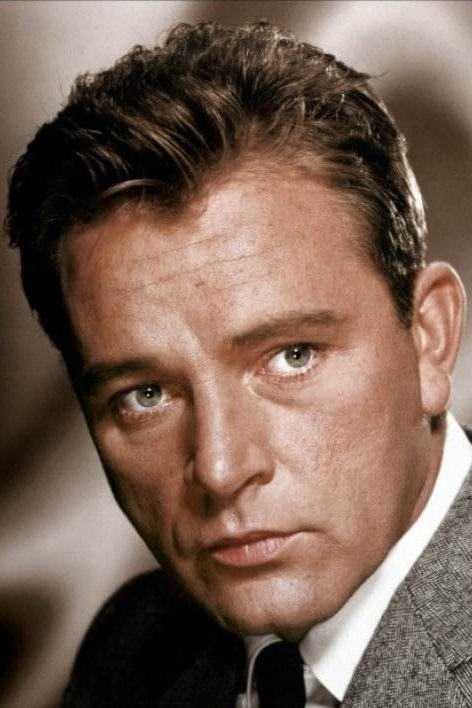
Richard Burton could make an intelligent man's exhaustion audible in a measured line. We value the weakness beneath that formidable voice, though his solemnity could also make a muddled film harder to sit through.
Fi1m perspective
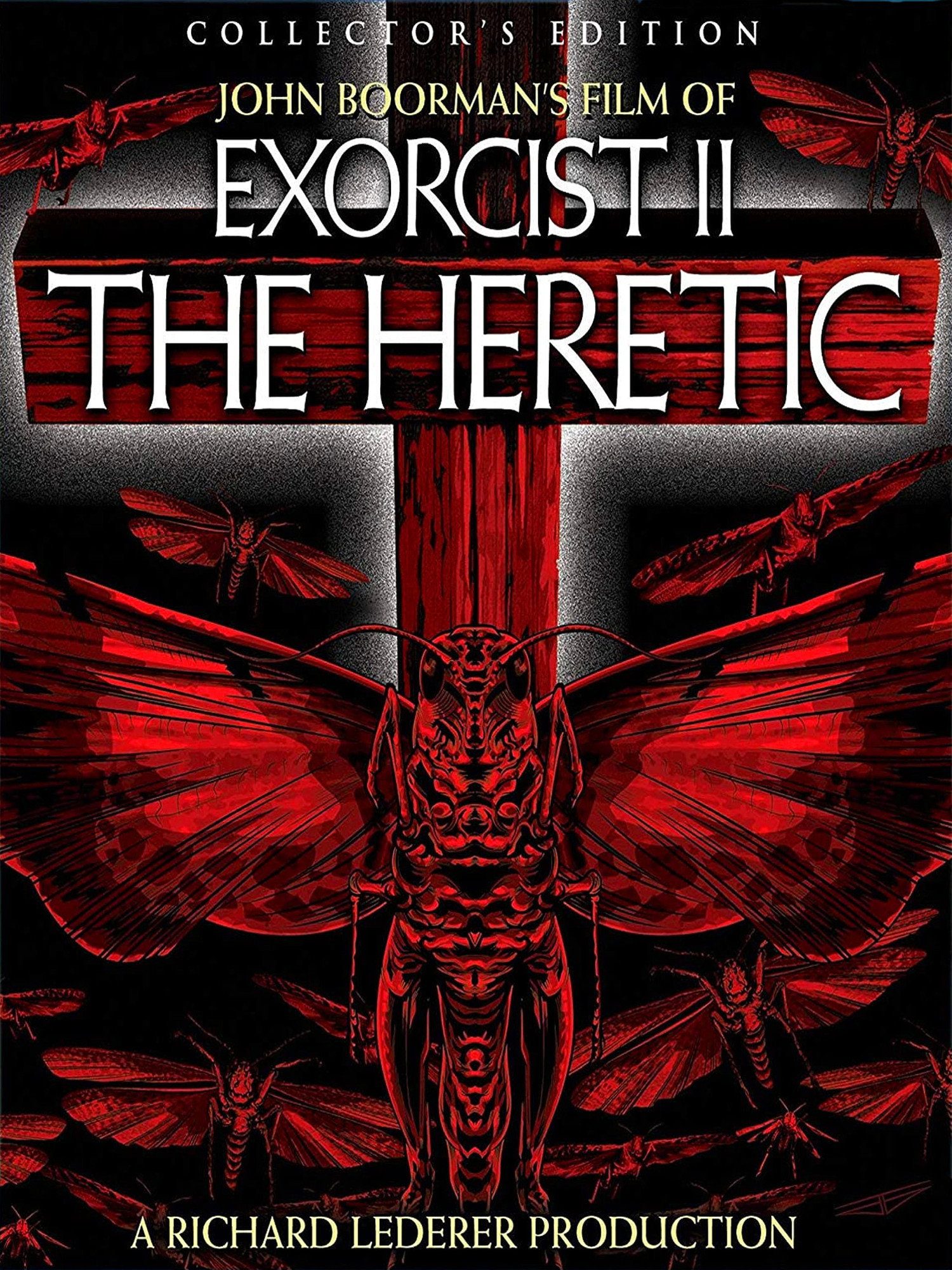
Richard Burton brings considerable gravity to Father Philip Lamont in Exorcist II: The Heretic (1977), and John Boorman's sequel badly needs it. He gives the muddled horror a little human weight. His seriousness encourages us to look for a clear dramatic purpose that the film never supplies. It is a poor film, and his effort makes its stiffness harder to forgive.
The voice was a powerful baritone, capable of measured weariness as well as grand declamation. His Hollywood breakthrough came with My Cousin Rachel (1952) and The Robe (1953), before Cleopatra (1963) paired him with Elizabeth Taylor. The thread worth following is his recurring casting as articulate, intelligent men who are cynical or exhausted. Burton could suggest weakness beneath their forcefulness without making them seem any less formidable.
In Becket (1964), he plays Thomas Becket opposite Peter O'Toole, with ample room for the intensity developed on stage. The Spy Who Came In from the Cold (1965), with Burton as Alec Leamas, gives him scope for weary understatement. Who's Afraid of Virginia Woolf? (1966), in which he plays George, draws on his ability to suggest vulnerability beneath anger. These parts give us reasons to attend to the man speaking, beyond the pleasure of hearing him speak.
In Exorcist II, however, Linda Blair's Regan MacNeil seems weighed down by the same solemnity, while Louise Fletcher's Dr Gene Tuskin scarcely lightens it. Burton has little contrast to work against. We were frustrated by his Lamont, because the conviction in his playing only made the muddled storytelling more distracting. Ennio Morricone supplies a score worth hearing, but Burton's gravity cannot make this a persuasive horror film. Giving the priest such seriousness commits him to material that does not reward the attention.
His final film role was O'Brien in Nineteen Eighty-Four (1984). We would not make Boorman's priest the measure of an actor who could convey both force and uncertainty so clearly. Start with Becket for the vocal authority, then Who's Afraid of Virginia Woolf? for the weakness and anger he could show together.
Biography
Richard Burton (born Richard Walter Jenkins Jr.) was a Welsh actor. He was born on 10 November 1925 in Pontrhydyfen, Wales, and died on 5 August 1984 in Céligny, Switzerland.
He made his film debut in The Last Days of Dolwyn (1949) and appeared in The Robe (1953), Cleopatra (1963), The Spy Who Came In from the Cold (1965), Who's Afraid of Virginia Woolf? (1966), Where Eagles Dare (1968) and Exorcist II: The Heretic (1977) as Father Philip Lamont. He also provided narration for Zulu (1964) and played O'Brien in Nineteen Eighty-Four (1984). Burton received seven Academy Award nominations and won BAFTA, Golden Globe and Tony Awards.
He was appointed CBE in 1976. Burton was married to actress Elizabeth Taylor twice.