Film review

The Wages of Fear

1953 · Directed by Henri-Georges Clouzot · 2h 34m · MPA PG-13

In a sentenceNitroglycerine turns out to be a convincing reason to pay attention to road maintenance

DramaThrillerAdventure

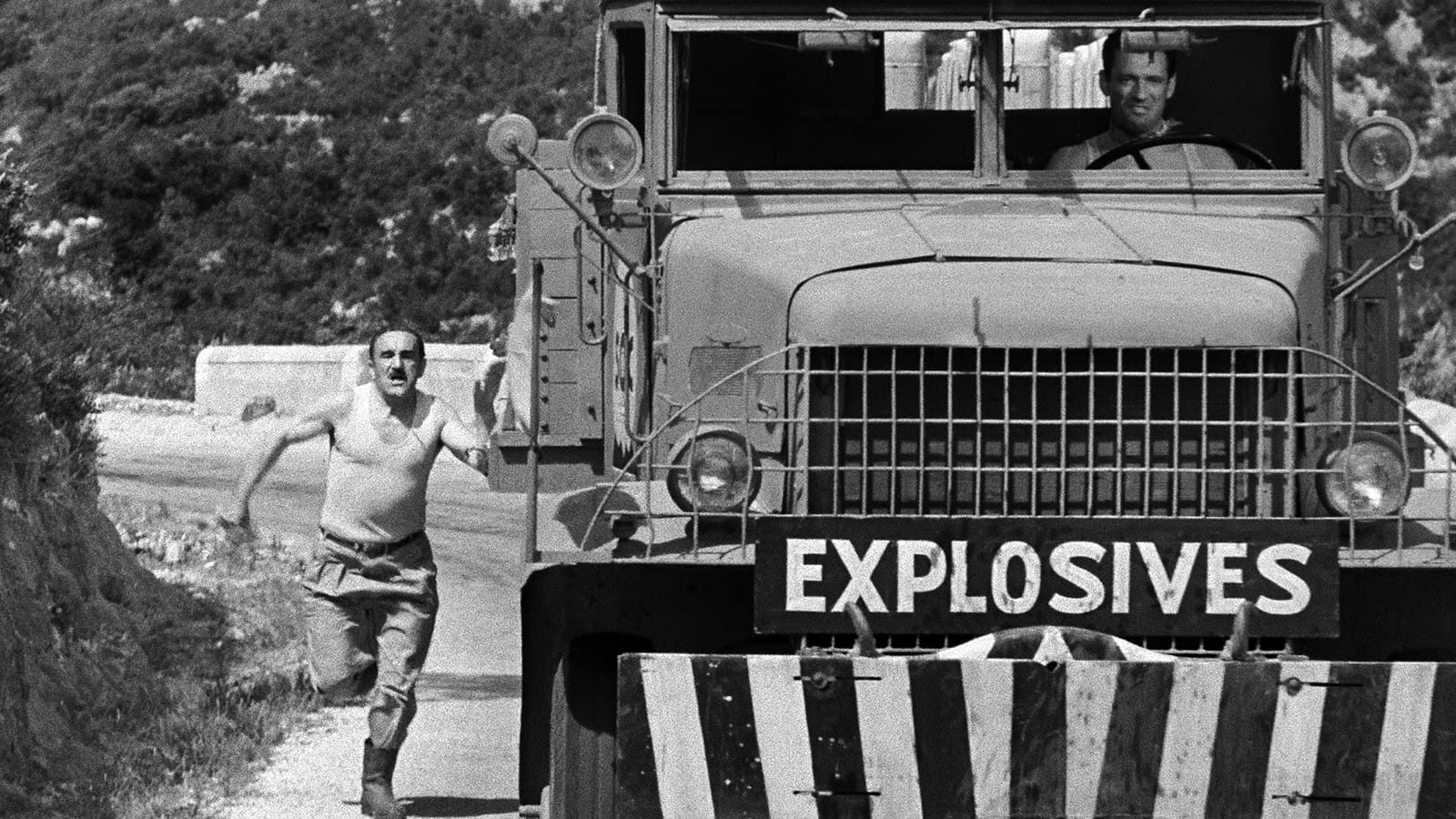
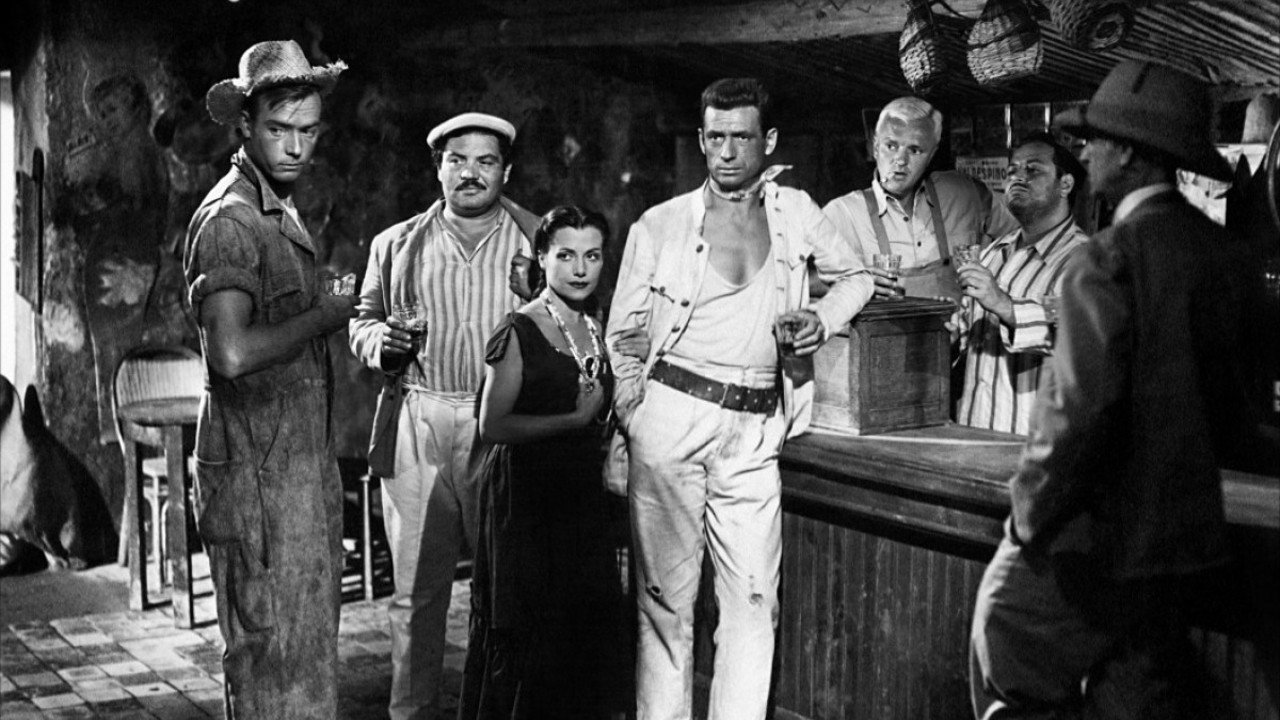
In a tropical town, four desperate men take on a job driving trucks loaded with nitroglycerine over hazardous roads. Mario Livi (Yves Montand) is joined by Mr. Jo (Charles Vanel), Bimba (Peter van Eyck) and Luigi (Folco Lulli). They have to get the cargo through without a jolt setting it off. Before they set out, their relationships take shape in the town, where having little to lose makes the work seem possible. Once the trucks are loaded, the condition of the road and the nerve of the men at the wheel become inseparable concerns.

Plays from YouTube when you press play; nothing loads from them until then.

Fi1m review

Henri-Georges Clouzot makes a truckload of nitroglycerine frightening enough to justify every cautious mile. We recommend this hard, patient thriller, though its long wait in town tests the nerves rather differently from the journey.

The Wages of Fear is a thriller about driving carefully, and Henri-Georges Clouzot makes the need for care almost unbearable. Trucks have to carry nitroglycerine over roads that would be troublesome with an empty load. The danger is easy to understand, so we can spend our attention on the men obliged to manage it. We recommend it without hesitation, with one warning: it takes a long time to get out of town.

The opening stays with men who have almost nothing, in a tropical town that offers little reason for confidence. Henri-Georges Clouzot and Jérôme Géronimi, adapting Georges Arnaud’s novel, make their relationships worth watching before putting them under strain. We need to know how these men judge one another, because that judgement will matter when each needs somebody else to keep his nerve. Even so, the waiting goes on longer than it needs to. At 154 minutes, the film could spare some of this preliminary misery without making the men’s predicament any less clear.

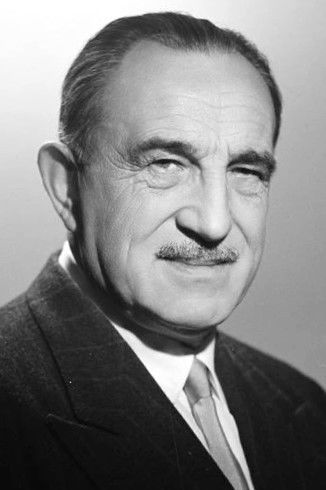
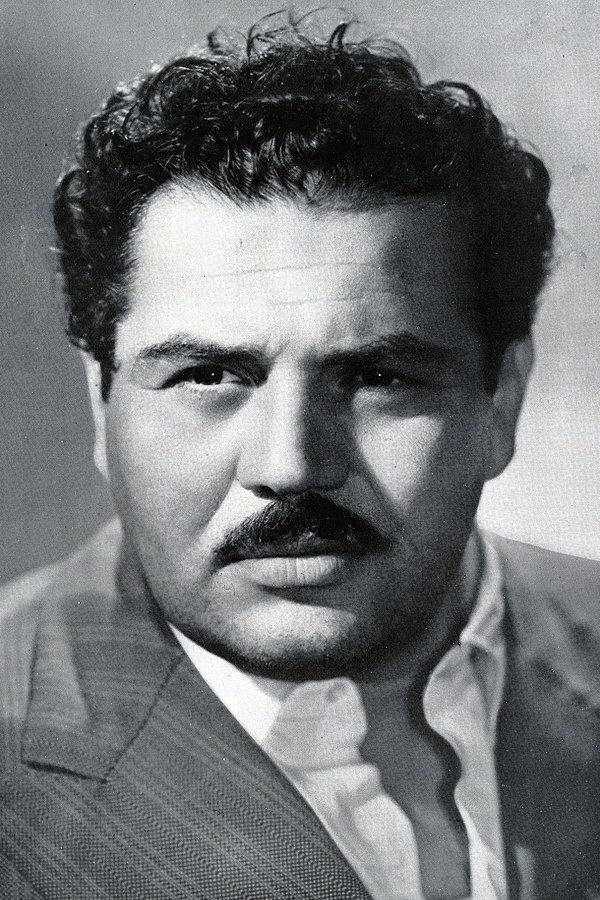
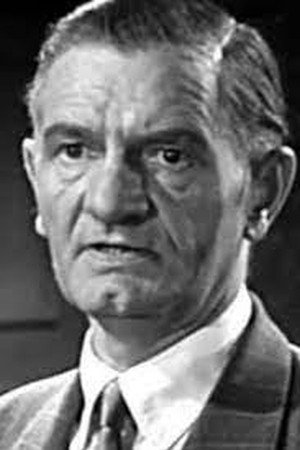
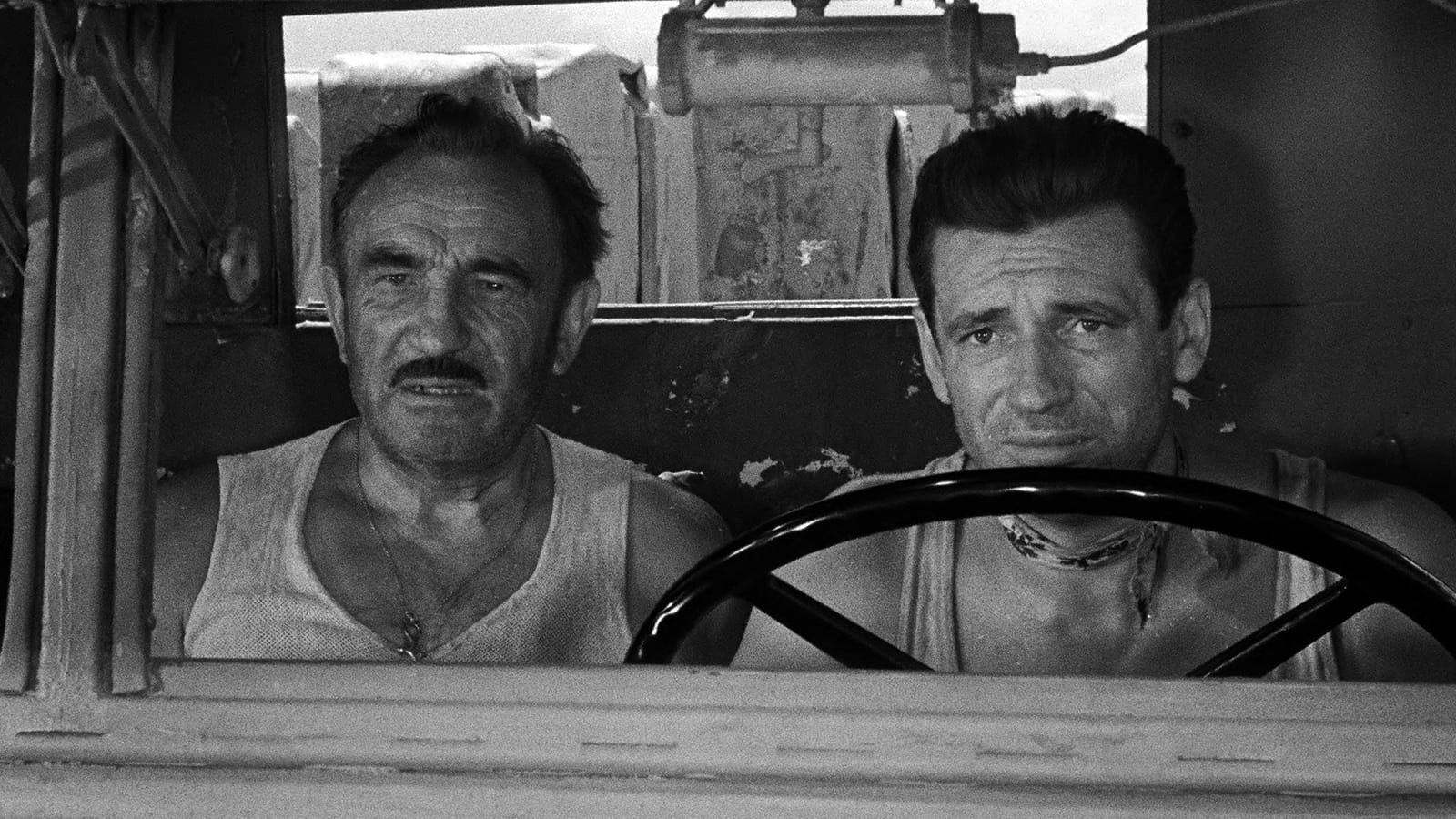
Yves Montand and Charles Vanel give the film its most absorbing human friction as Mario Livi and Mr. Jo. Their performances make us watch how much effort goes into appearing dependable, especially when another man is watching. Charles Vanel is particularly good at making fear seem embarrassing as well as frightening. Peter van Eyck’s Bimba and Folco Lulli’s Luigi keep the group from becoming merely a contest between its two most prominent personalities. We watch all four for signs of competence, and become anxious whenever confidence seems to be doing duty for it.

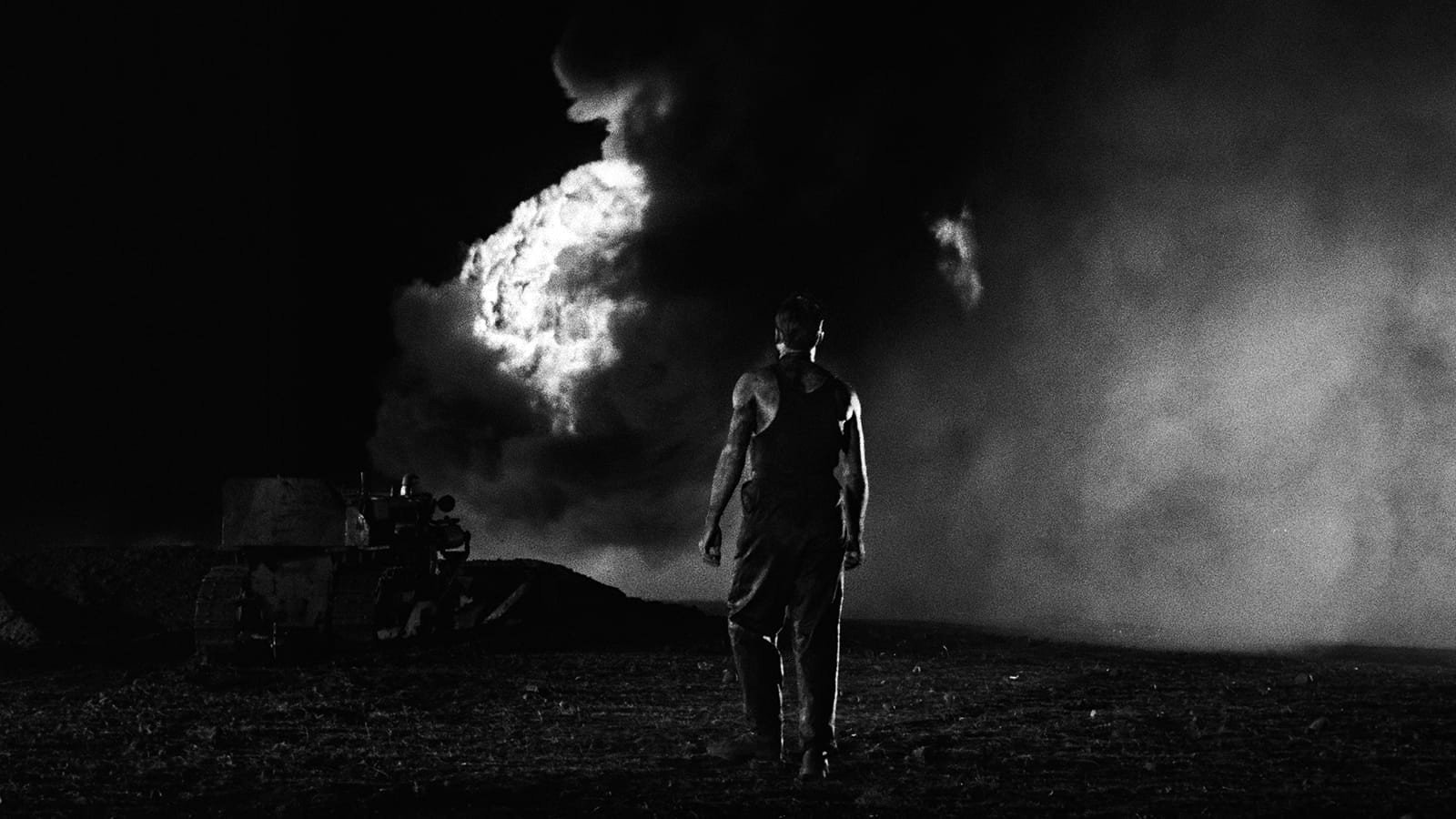
Armand Henri Julien Thirard’s photography makes the rough terrain legible enough for us to worry about it. We look at the road as drivers would, assessing what a surface might do to the load. The editors, Henri Rust, Madeleine Gug and Étiennette Muse, allow the practical business of moving the trucks to occupy an extraordinary amount of attention. A difficult passage is allowed to remain difficult; a cut does not conveniently get the men through it. We have time to understand what they are attempting and how carefully they must proceed.

We found ourselves dreading an ordinary bump in the road. The cargo is so unstable that the act of driving, repeated and examined, becomes enough to frighten us; there is no need to introduce a fresh threat every few minutes. Georges Auric’s score has less work to do than the knowledge of what is in the trucks. Keeping us concerned about the same danger for so long is a considerable achievement. Our attention stays on the road and the men responsible for negotiating it.

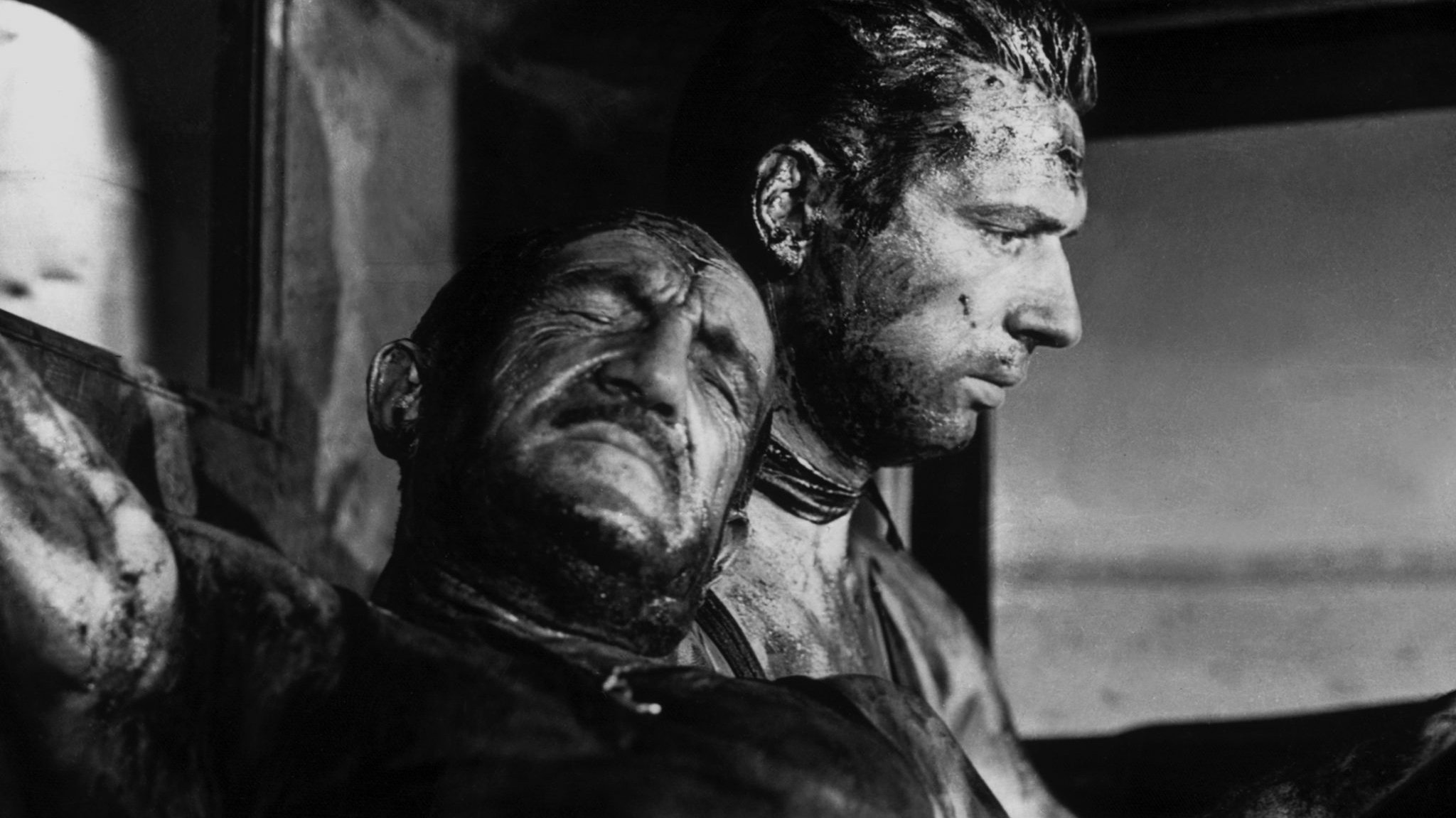
The harshness extends beyond the journey. These men are available for dangerous work because desperation has made refusal difficult, and the film gives that fact as much weight as their courage. We understand its anger about exploitation because we have spent time with the people who must do the work. There is something troubling, too, in how readily we settle down to enjoy watching them accept an intolerable risk. The lengthy introduction gives us ample reason to question how freely they have chosen it.

There are thrillers that offer relief through a burst of action; here, we keep hoping the driving will become uneventful. That changes how we watch, making a small practical difficulty worth the attention usually reserved for a confrontation. The long opening remains a reservation, but the driving earns the time it takes. Give it an uninterrupted evening, with somebody who will appreciate being made this uncomfortable.
Critical consensus AI synthesised

89
Positive
15
Mixed
0
Negative
0

The reviews are unanimously positive, with praise centred on Clouzot’s control of suspense as desperate men transport nitroglycerine over hazardous roads. Most critics find the tension inseparable from the character work: fear, courage and strained loyalties make each obstacle matter. The editing, carefully paced set pieces and performances draw repeated approval. Many also stress the film’s bitterness about human nature and capitalism, finding considerably more than an exercise in making an audience nervous.

The differences concern emphasis more than verdict, though enthusiasm ranges from solid approval to outright acclaim. Some critics foreground the political anger; others concentrate on masculinity, psychological breakdown or the mechanics of suspense. Reservations are scarce: The New Yorker notes early raggedness caused by cuts, while praising the acting and the truck journey’s mounting pressure. Several other reviews explicitly admire the extended character-building opening as essential preparation for what follows.

Radio Times
★★★★★ · David Parkinson
100

The tension is unbearable in this nail-biting adventure of trucks carrying nitroglycerin over rough terrain; it is also a cynical study of human nature and a suspenseful condemnation of capitalism.

Read the full review →
Slant Magazine
6 December 2011 · ★★★★/4 · Budd Wilkins
100

The critic lauds the film’s taut tension, pure-cinema set pieces, and existential nihilism, noting its focus on fragile group dynamics and anti-capitalist satire. He singles out the psychological depth in character breakdowns and the bleak ending as particularly powerful.

Read the full review →
The Times
28 December 2018 · ★★★★★ · Kevin Maher
100

This is a high-concept masterpiece and peerless European thriller built on a simple propulsive premise of trucks carrying nitroglycerine. The character work is rich and Clouzot’s directorial touches are ingenious; it is unmissable.

Read the full review →
Empire
1 January 2000 · Patrick Peters
90*

The critic describes it as a superbly structured thriller that shows Clouzot as a master of audience manipulation like Hitchcock with a strong political conscience. They single out the famous hazardous truck journey across treacherous terrain and the character-driven opening for praise.

Read the full review →
Los Angeles Times
7 March 1991 · Mark Chalon Smith
90*

Smith calls Clouzot's accomplishment remarkable, turning a simple bumpy truck ride into an existential adventure with mundane obstacles that test ingenuity and courage. He praises the film's division into character development and thrilling action, expert editing, and revelatory cinematography.

Read the full review →
RogerEbert.com
6 March 1992 · Roger Ebert
90*

Ebert praises the restored complete version's extended suspense sequences as among cinema's greatest, focusing on the perilous nitro truck journey over hazardous roads and the characters' desperation. He highlights Clouzot's technical mastery in key sequences and the film's ironic, non-Hollywood ending that underscores human frailty.

Read the full review →

Cast

Stills

Awards

BAFTA Film Awards, 1955

Won
Best Film

Berlin International Film Festival, 1953

Won
Golden Bear

Cannes Film Festival, 1953

Won
Palme d'Or

If you liked this, try…

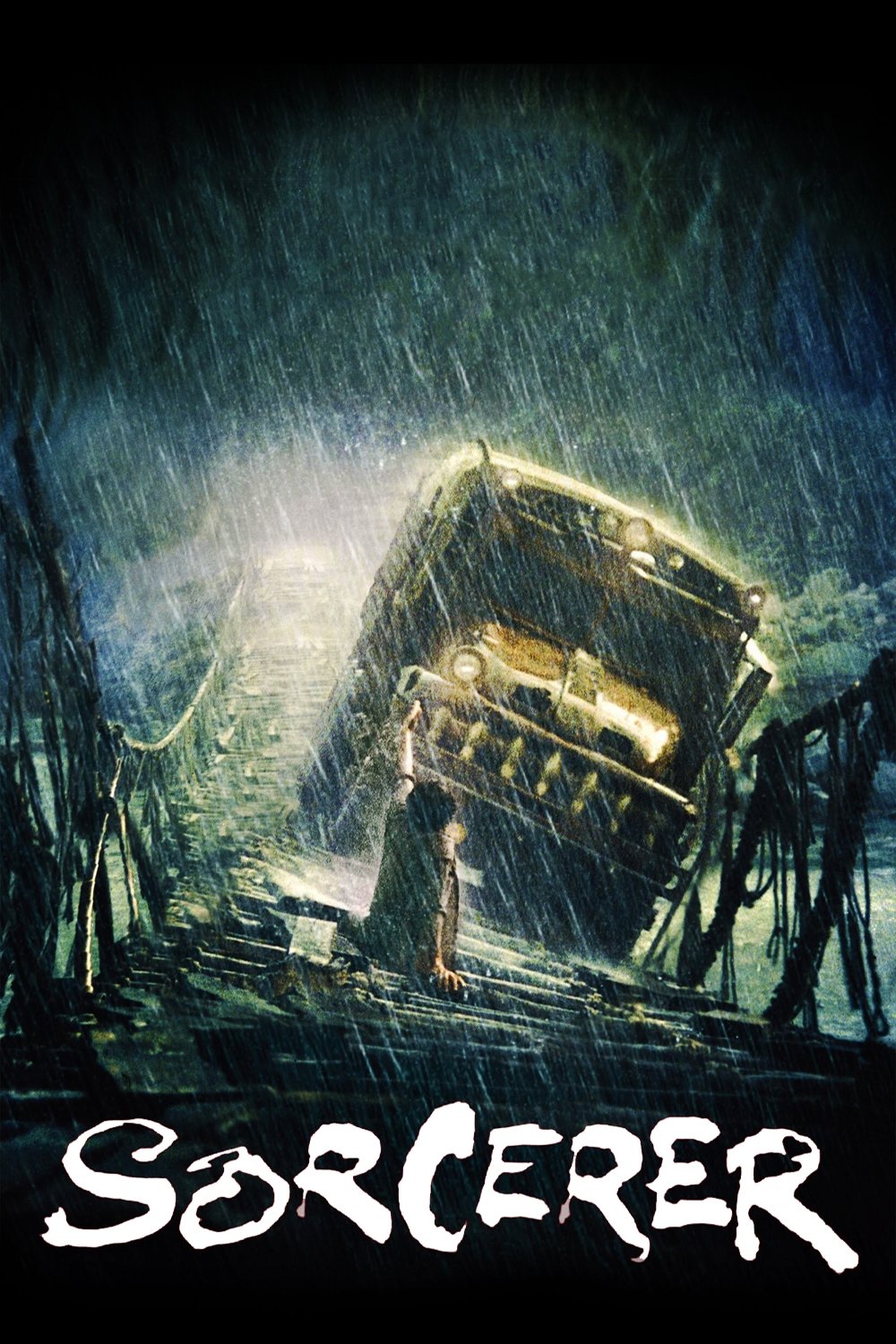
Sorcerer poster

Sorcerer

1977 · Another hazardous cargo journey, with exhausted men and machinery pushed beyond sense

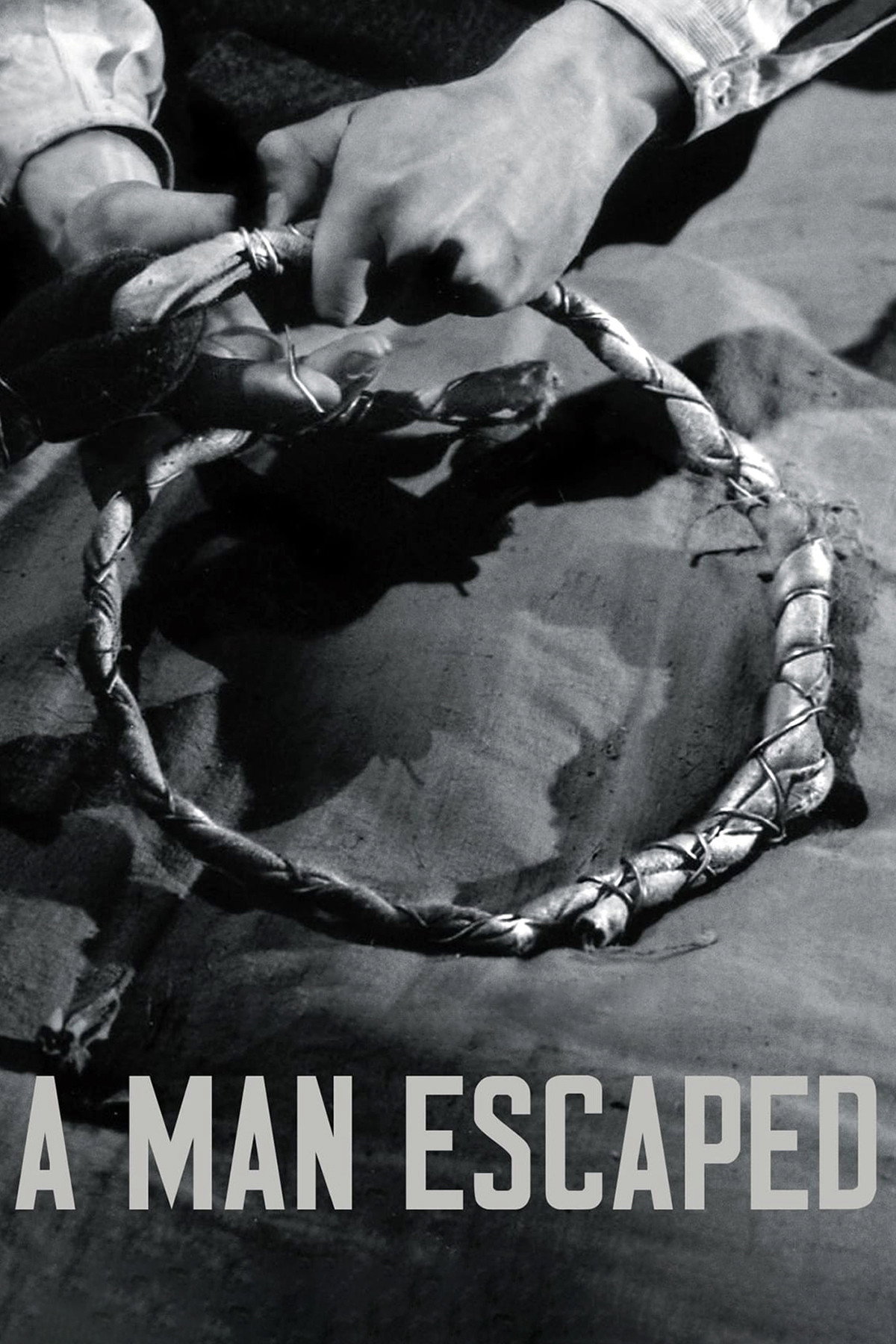
A Man Escaped poster

A Man Escaped

1956 · Patient attention to practical tasks makes each small movement a source of suspense

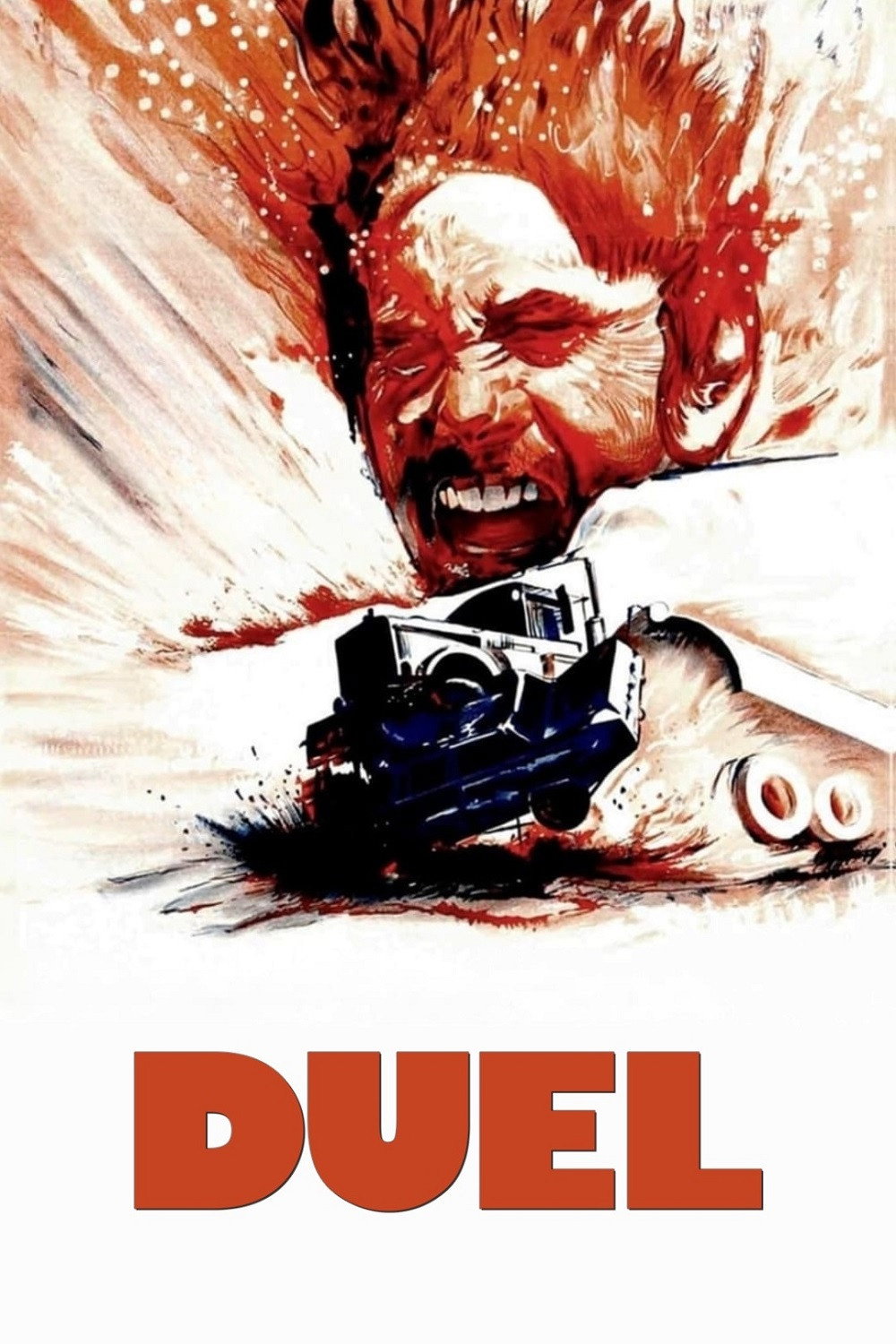
Duel poster

Duel

1971 · A truck, an exposed driver, and ample reason to dread the open road

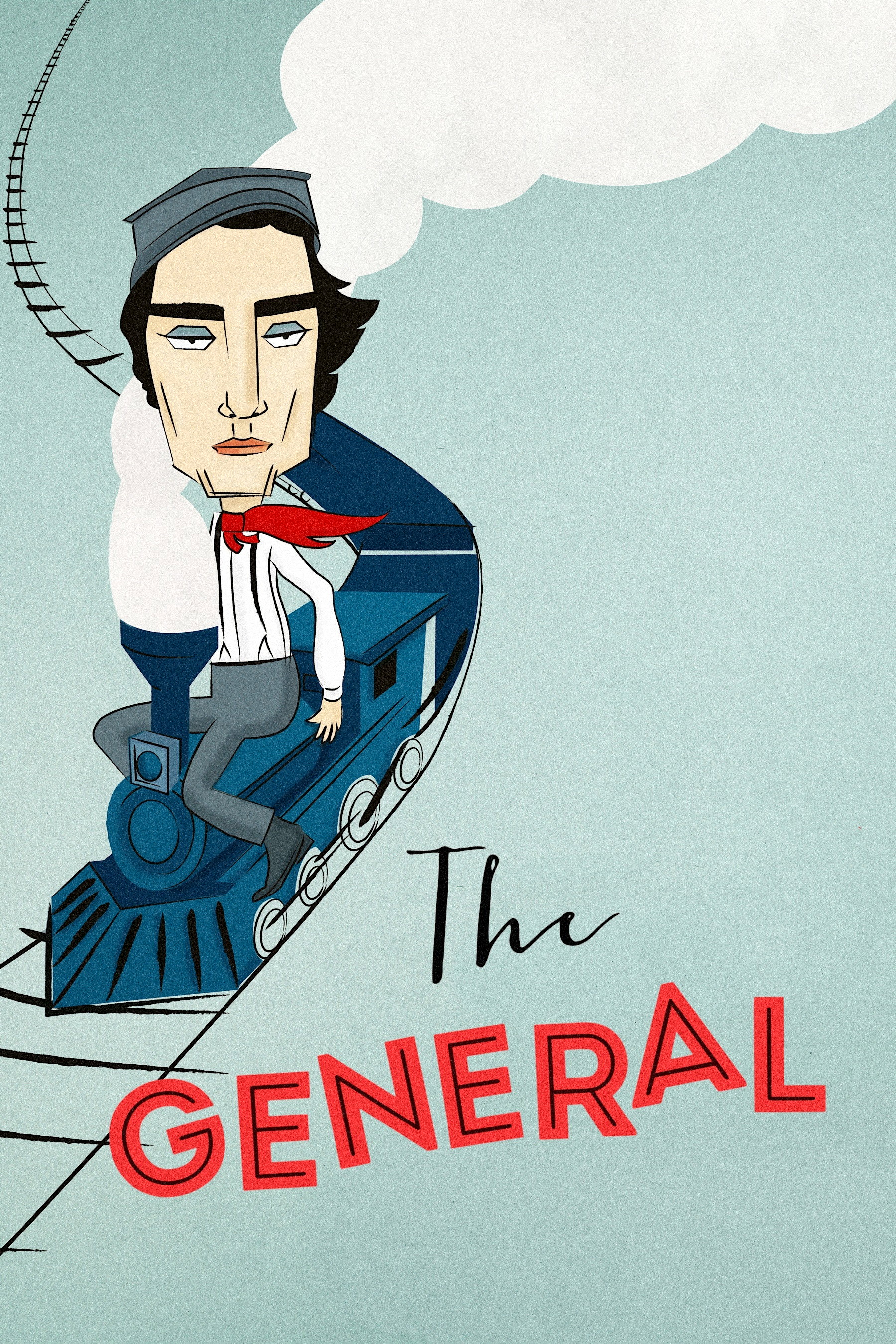
The General poster

The General

1926 · A much kinder evening, with machinery and physical precision supplying the suspense

A Hard Day poster

A Hard Day

2014 · One practical disaster follows another, with nerves steadily replacing the initial amusement