Film review

The General

1926 · Directed by Clyde Bruckman, Buster Keaton · 1h 19m · MPA NR

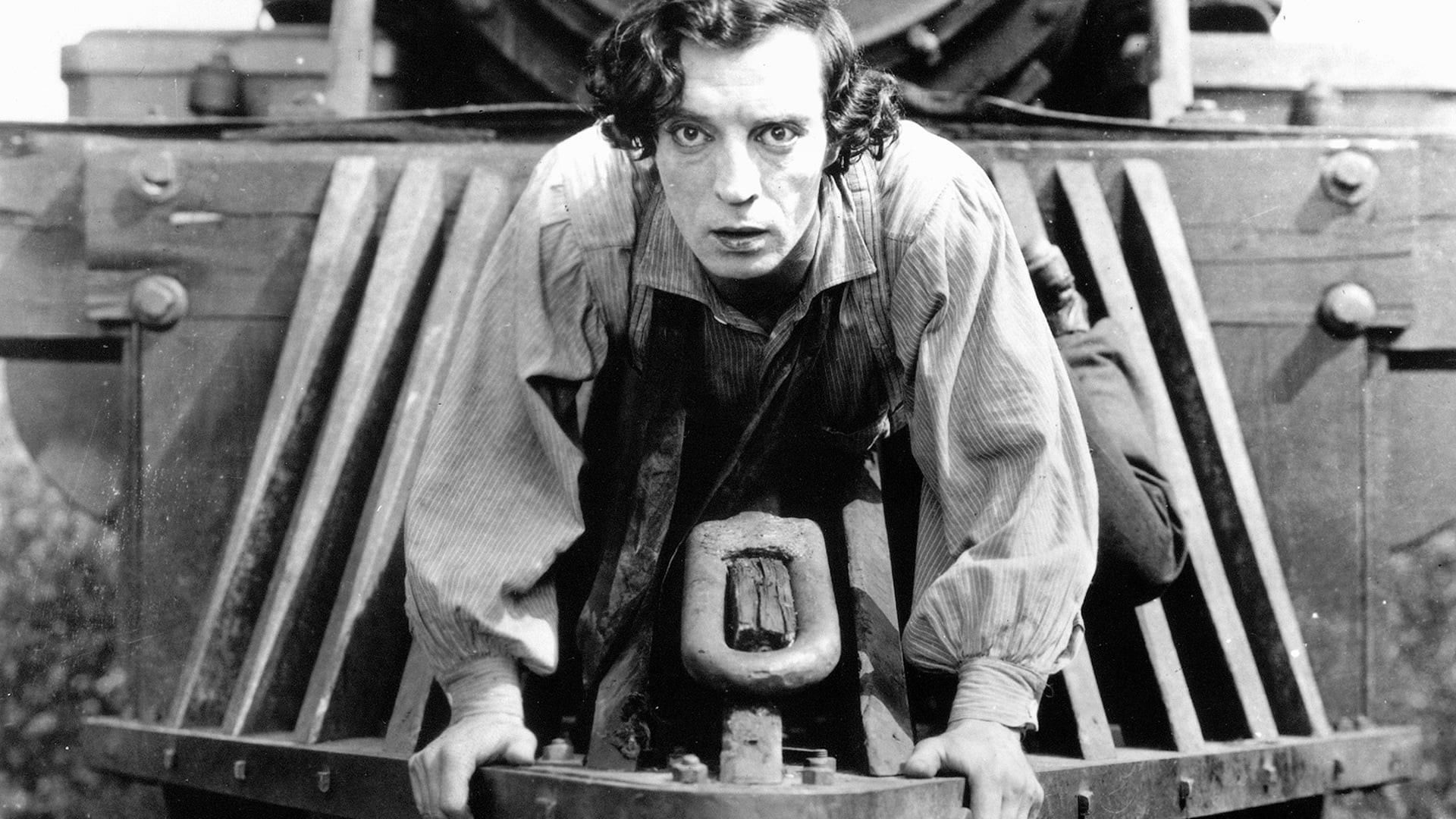
In a sentenceBuster Keaton pursues a stolen train with the expression of a man correcting a small administrative error

ComedyWarRomance

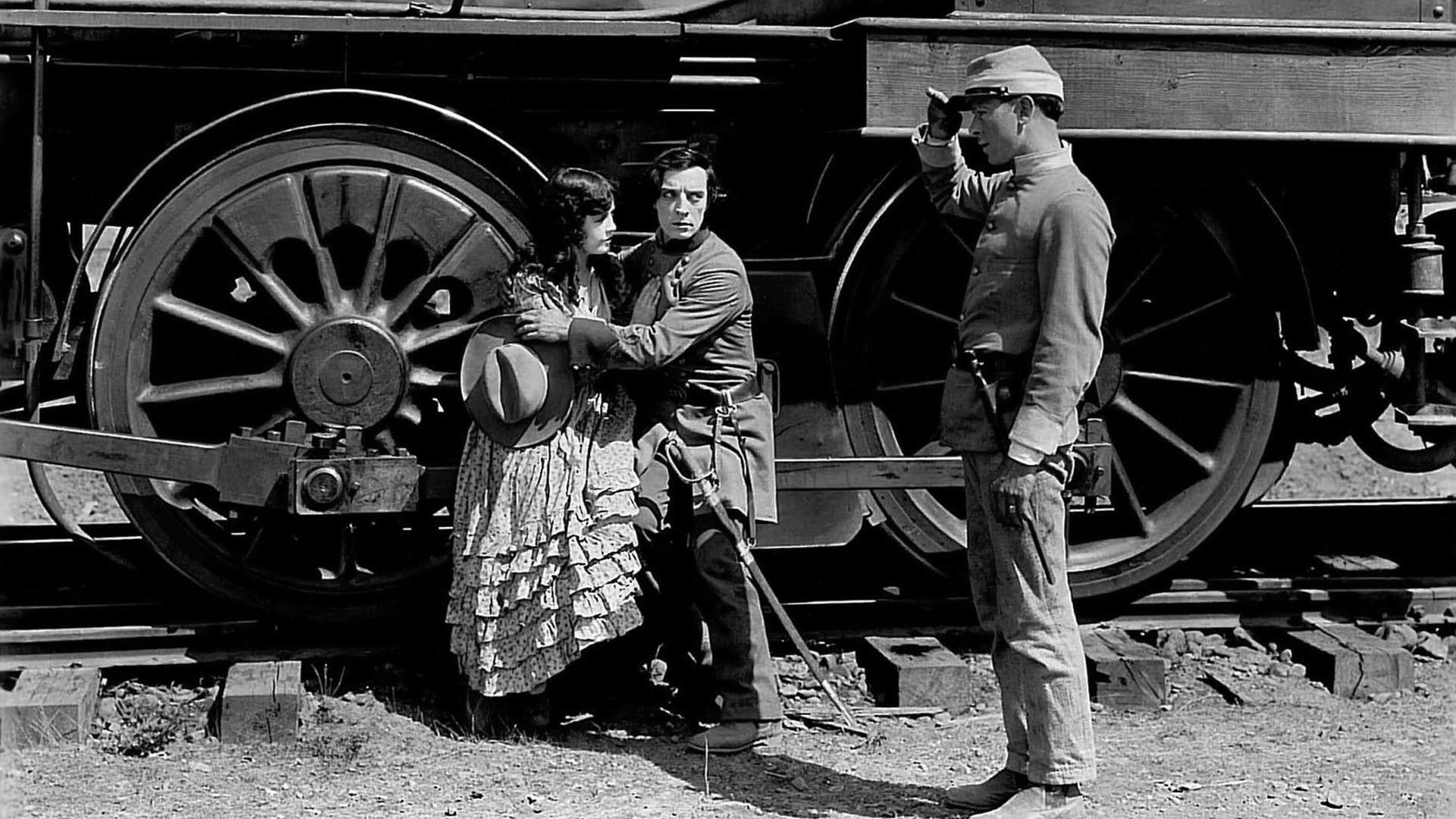
During the Civil War, Johnnie Gray (Buster Keaton) sets off after his stolen locomotive and his fiancée, Annabelle Lee (Marion Mack). He wants both back, but his pursuit takes him along a railway caught up in the fighting. Captain Anderson (Glen Cavender) is among the military men involved in the conflict. Johnnie must keep up with the train while contending with the machinery and the soldiers around it. His attachment to Annabelle and the engine gives him a reason to press on, despite the war obstructing his route.

Plays from YouTube when you press play; nothing loads from them until then.

Fi1m review

Buster Keaton makes a stolen locomotive worth worrying about as much as the people aboard. The General is a superb action comedy whose railway ingenuity easily outweighs its thin romance.

The General puts a stolen locomotive at the centre of a rescue and finds enough trouble along the tracks to sustain an excellent comedy. Directors Buster Keaton and Clyde Bruckman understand the pleasure of watching someone do a difficult job while circumstances keep making it harder. Their Civil War chase gives Johnnie Gray little chance to stand back and consider his position. He has an engine and a fiancée to recover, and his concentration on those tasks supplies much of the humour.

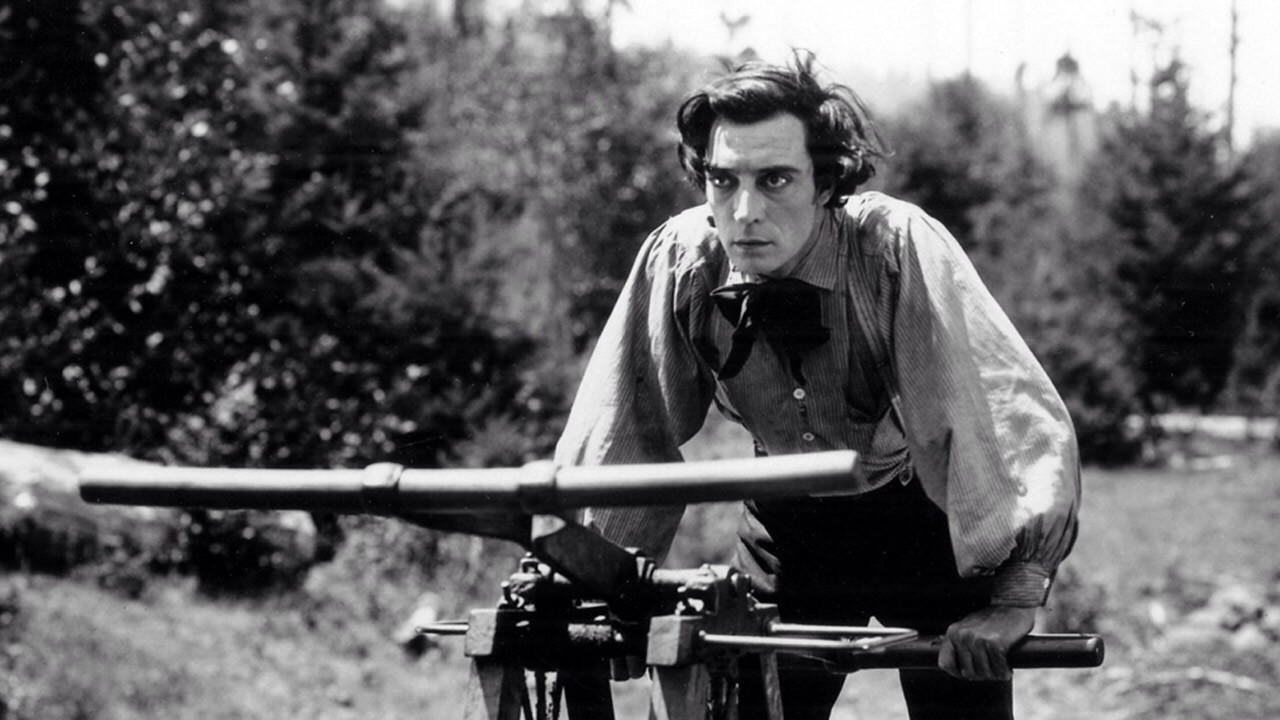
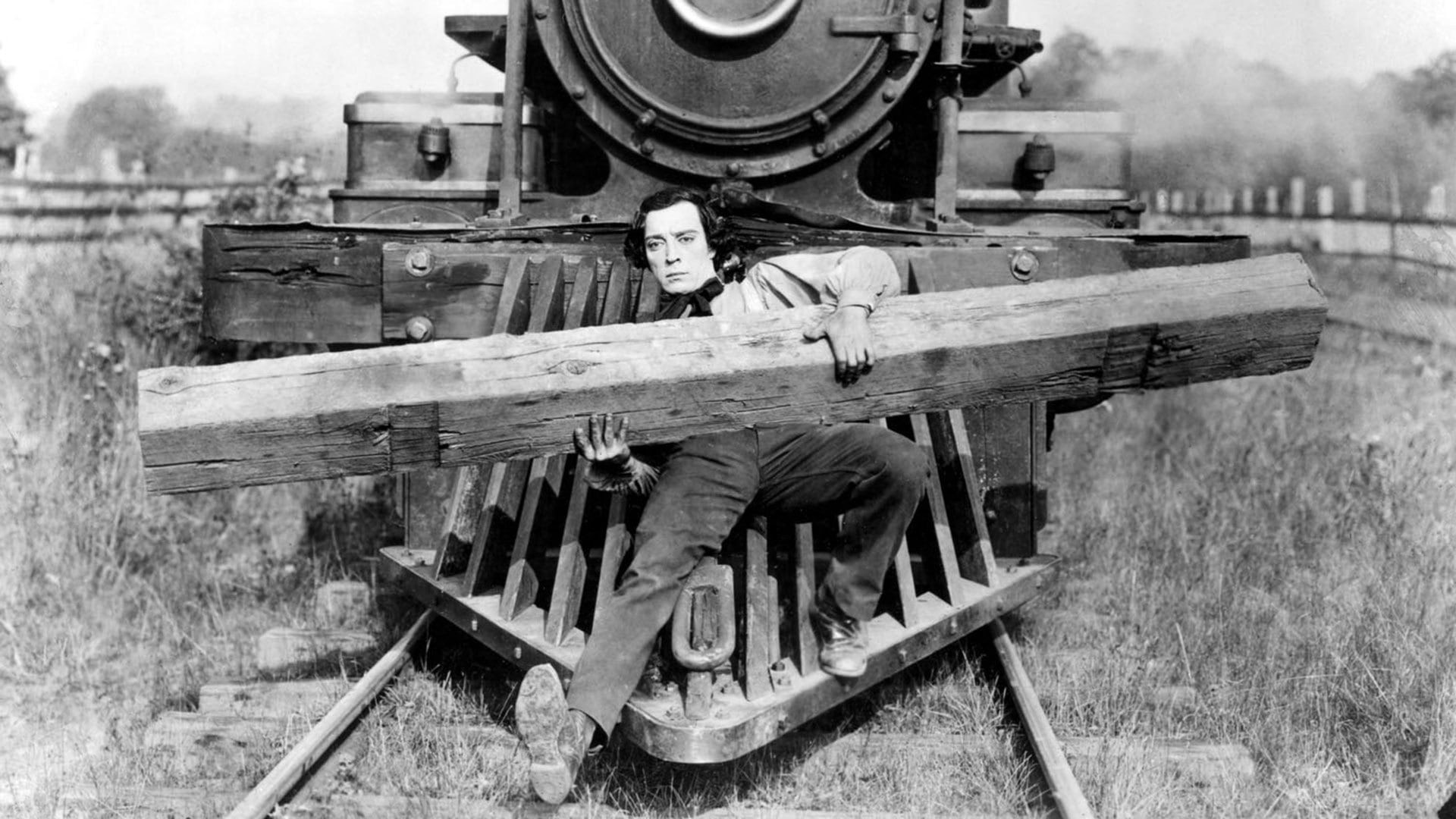
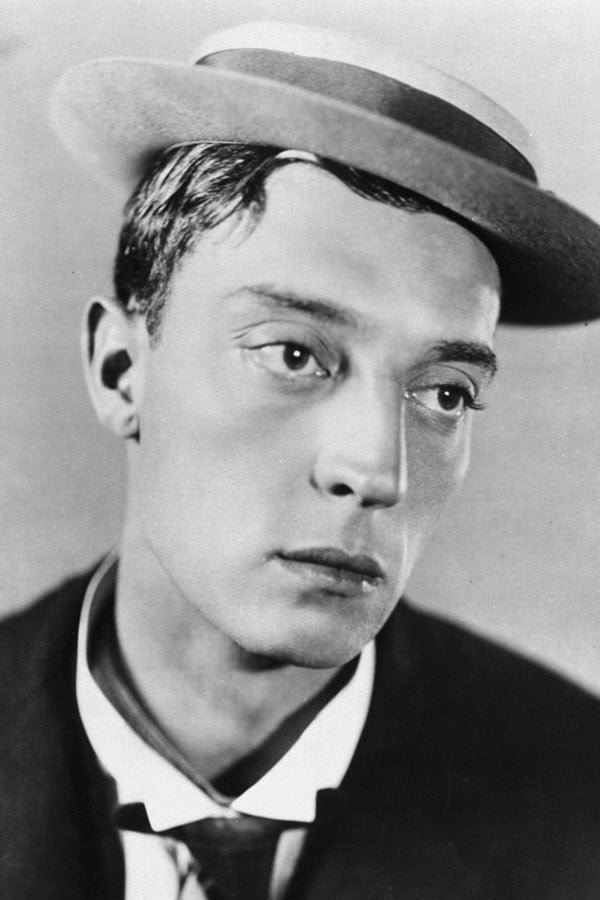
Buster Keaton plays Johnnie with a seriousness that makes the physical comedy feel necessary. The still face never asks us to applaud the cleverness of a gag; the body is occupied with surviving it. His attention to the locomotive makes the machinery interesting in itself, because he appears to understand what it needs even when events have got beyond him. We believe in that competence, which makes it more disconcerting when something goes wrong.

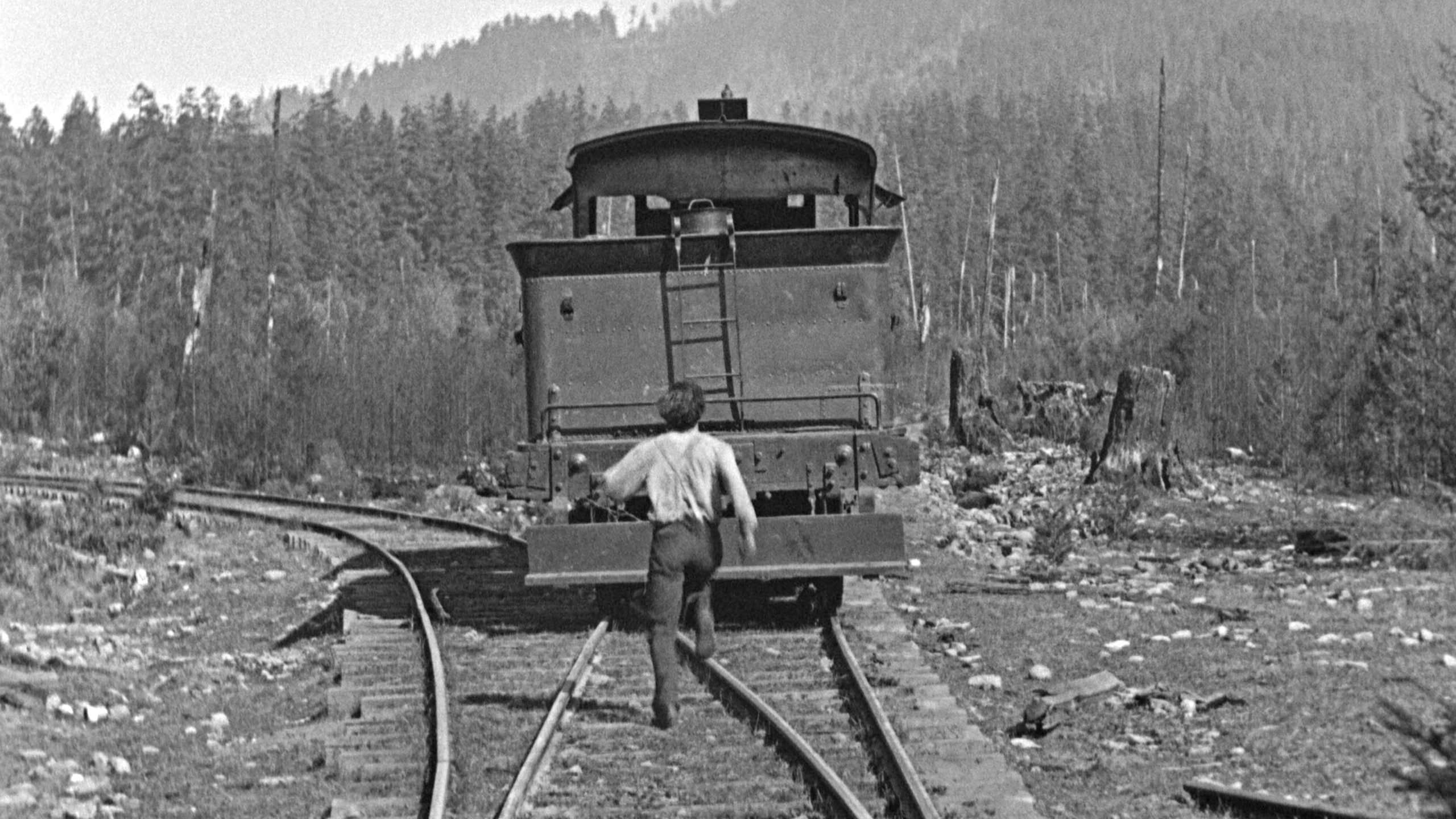
Cinematographers Devereaux Jennings and Bert Haines make the railway action easy to follow without making it feel safe. The framing allows us to judge the size of the locomotive against the person trying to master it, and that difference supplies much of the tension. The location work gives the chase space, with distance that has to be covered rather than wished away between cuts. We held our breath during Buster Keaton’s train stunts: seeing his body working against that machinery made the risk difficult to dismiss.

Sherman Kell and Buster Keaton’s editing keeps the sequence of problems clear. We can understand why a practical decision causes further trouble, so the chase does not need to pause and explain each new predicament. The cutting also lets a joke finish before pushing Johnnie towards the next demand on his attention. Over 79 minutes, the repeated business of pursuit gives the film a firm rhythm, though its insistence can make the quieter human exchanges feel like interruptions.

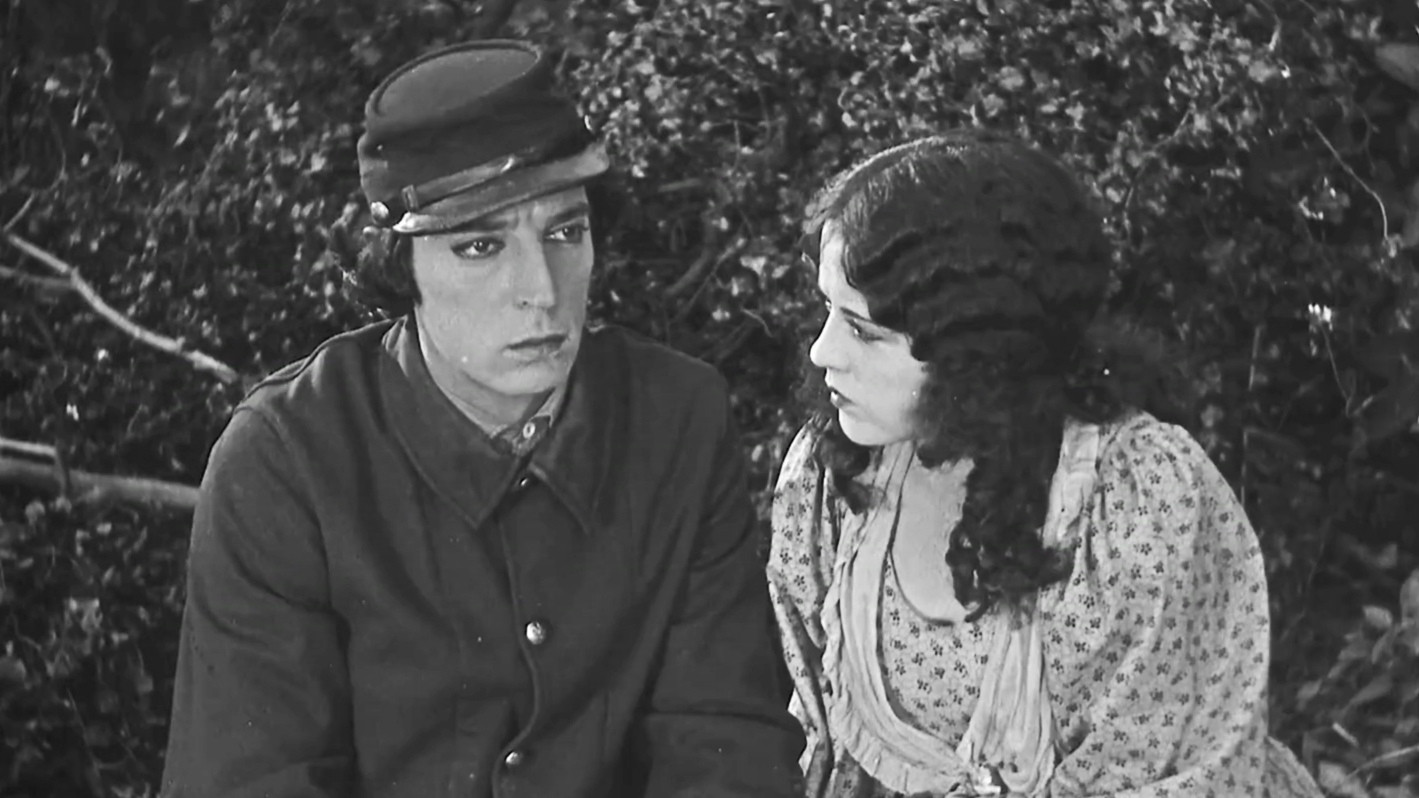
The screenplay by Buster Keaton and Clyde Bruckman gives Marion Mack less to work with as Annabelle Lee. Her character’s ineffectiveness provides comic trouble, but repeatedly making the woman an obstacle to the capable man limits how much interest the romance can hold. Marion Mack gives the partnership enough sincerity to stop it becoming merely a nuisance. Even so, we spend more time attending to Johnnie’s engine than wishing the couple a moment together, and the film has largely arranged that preference for us.

What distinguishes this from routine action comedy is how often the excitement and the laugh arrive through the same physical problem. The film does not have to stop the pursuit to insert a joke about it. Nor does Johnnie become so capable that the difficulties cease to matter. There is pleasure in understanding the railway well enough to anticipate disaster, then watching a man whose expression suggests he would prefer simply to get on with his work.

The film asks us to pay attention to where things are, and that is a welcome demand. Letting our eyes wander towards a second screen would cost us the pleasure of watching the problems develop. There is no homework required, and no obligation to admire it for its age. Give it the largest screen in the house and put the telephone somewhere else.
Critical consensus AI synthesised

84
Positive
13
Mixed
0
Negative
1

Most critics greet The General with strong enthusiasm, with praise concentrated on Buster Keaton’s physical performance and the construction of the train chases. The reviews repeatedly single out his dangerous stunt work, precise timing and ability to build elaborate comedy around machinery while keeping his expression composed. Several also stress how well the action and comedy work together: the gags sustain the pursuit rather than interrupt it. The Civil War setting and location work receive praise for giving the slapstick scale and a convincing backdrop.

The spread is wide, but dissent is isolated: thirteen reviews are positive and one is negative. Variety’s contemporary review rejects the central chase as elementary and finds the comedy unsuccessful. The New Yorker’s early response is milder than the later acclaim, describing a quiet, pleasant diversion. Reservations do not form a shared complaint; the main difference is between measured enjoyment and wholehearted admiration.

Time Out
21 January 2014 · ★★★★★ · Tom Huddleston
100

The film is the perfect chase movie, never bettered. Keaton's stone-faced pursuit of his stolen train and fiancée features breathtaking set-pieces and stunts amid Civil War action and character comedy.

Read the full review →
The AV Club
9 December 2009 · A · Emily St. James
95

The film is the defining 1926 classic and perhaps the first action comedy, making great use of Keaton’s physicality, location work, and framed calamity in its train-chase setpieces that still hold up. It offers the best case for Keaton over Chaplin through its elaborate construction and visceral gags that build to something greater, marking its place in cinematic history and influencing modern action films.

Read the full review →
Empire
1 January 2013 · Simon Braund
90*

The critic calls it one of the greatest screen comedies ever made and Keaton's magnum opus. They single out the perfectly choreographed gags, impeccable timing, and Keaton's nimble stunt work set against an authentic Civil War backdrop.

Read the full review →
IndieWire
14 July 2014 · Max O'Connell
90*

This is presented as a Criticwire Classic of the Week retrospective on the Buster Keaton film. The piece celebrates it as a landmark silent comedy with enduring appeal and technical brilliance in its action sequences.

Read the full review →
Los Angeles Times
19 September 1991
90*

The critic regards the film as Keaton's finest, praising its jitterbug pace and layered classic scenes. He singles out the energetic comic style and hazardous stunts for praise in this retrospective piece.

Read the full review →
RogerEbert.com
31 May 1997 · Roger Ebert
90*

The critic calls the film a masterpiece of silent comedy and one of the greatest films ever made. He singles out the elaborate train chases and dangerous stunts performed by Keaton himself for praise.

Read the full review →

Cast

If you liked this, try…

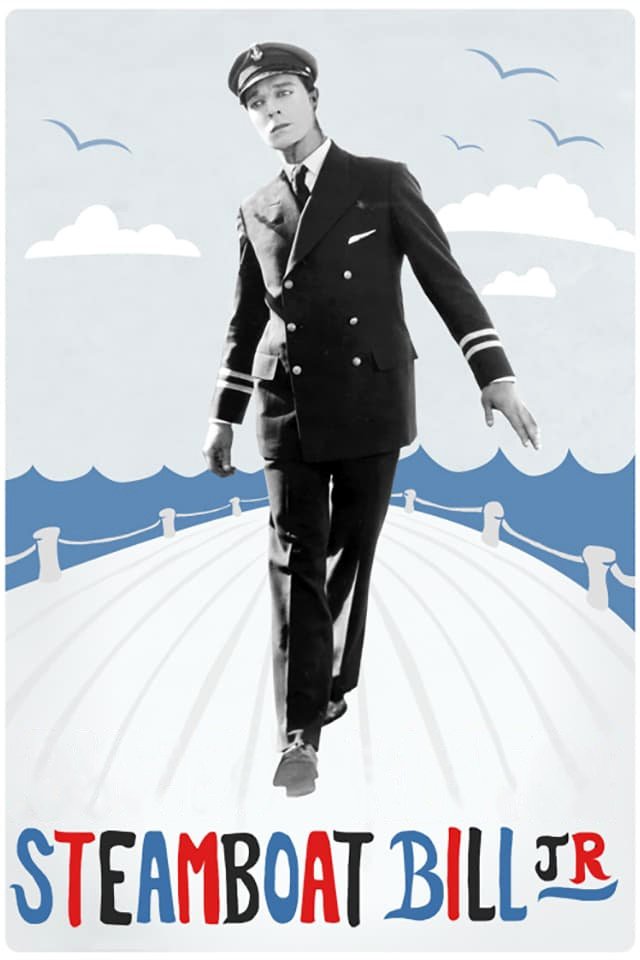
Steamboat Bill, Jr. poster

Steamboat Bill, Jr.

1928 · Another chance to watch a practical man cope with thoroughly unreasonable physical demands.

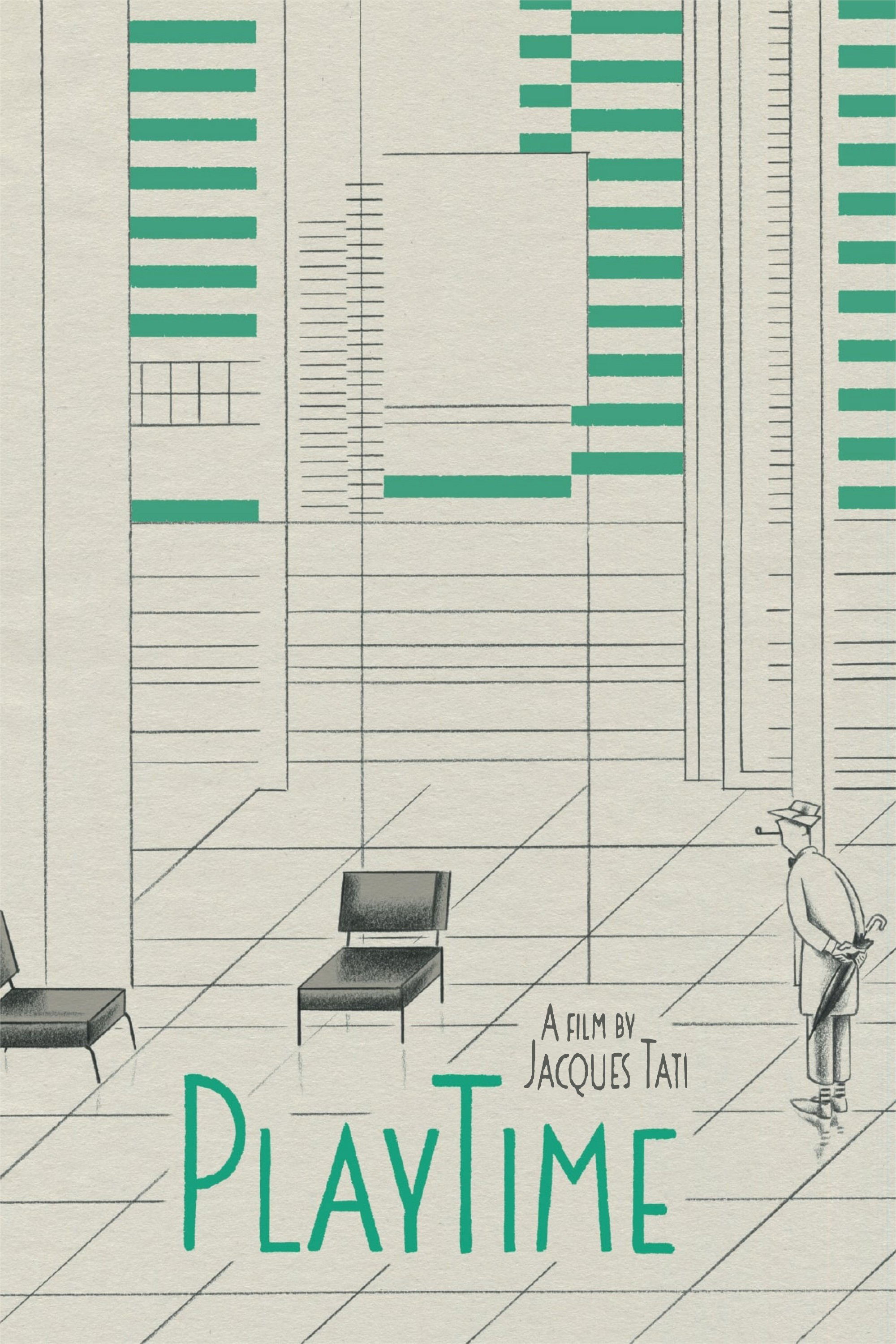
PlayTime poster

PlayTime

1967 · Uncooperative buildings replace locomotives, with patient framing that makes small human errors funny.

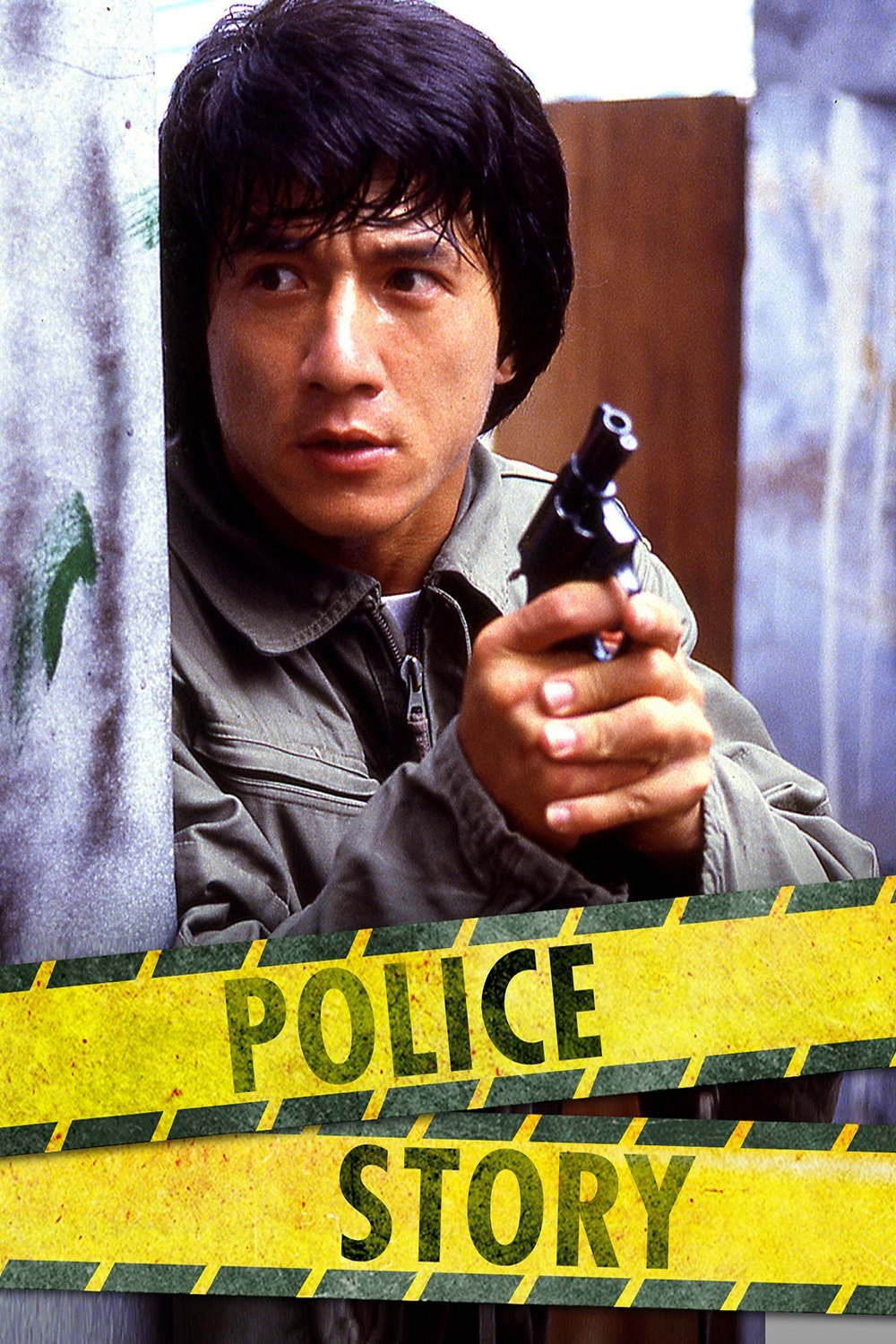
Police Story poster

Police Story

1985 · For physical comedy that lets danger remain visible, even while the jokes land.

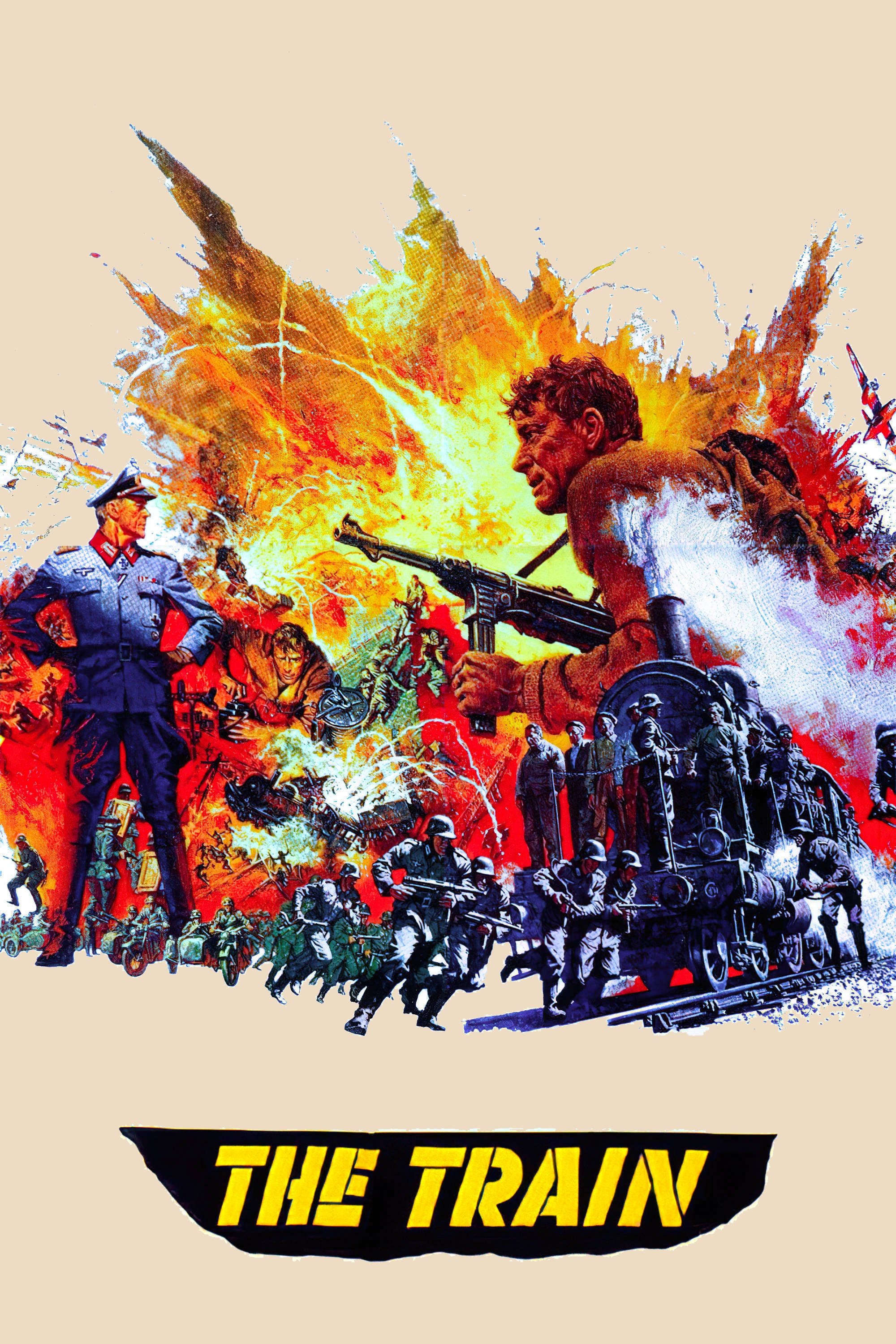
The Train poster

The Train

1964 · A grimmer railway pursuit, with machinery and geography given the same close attention.

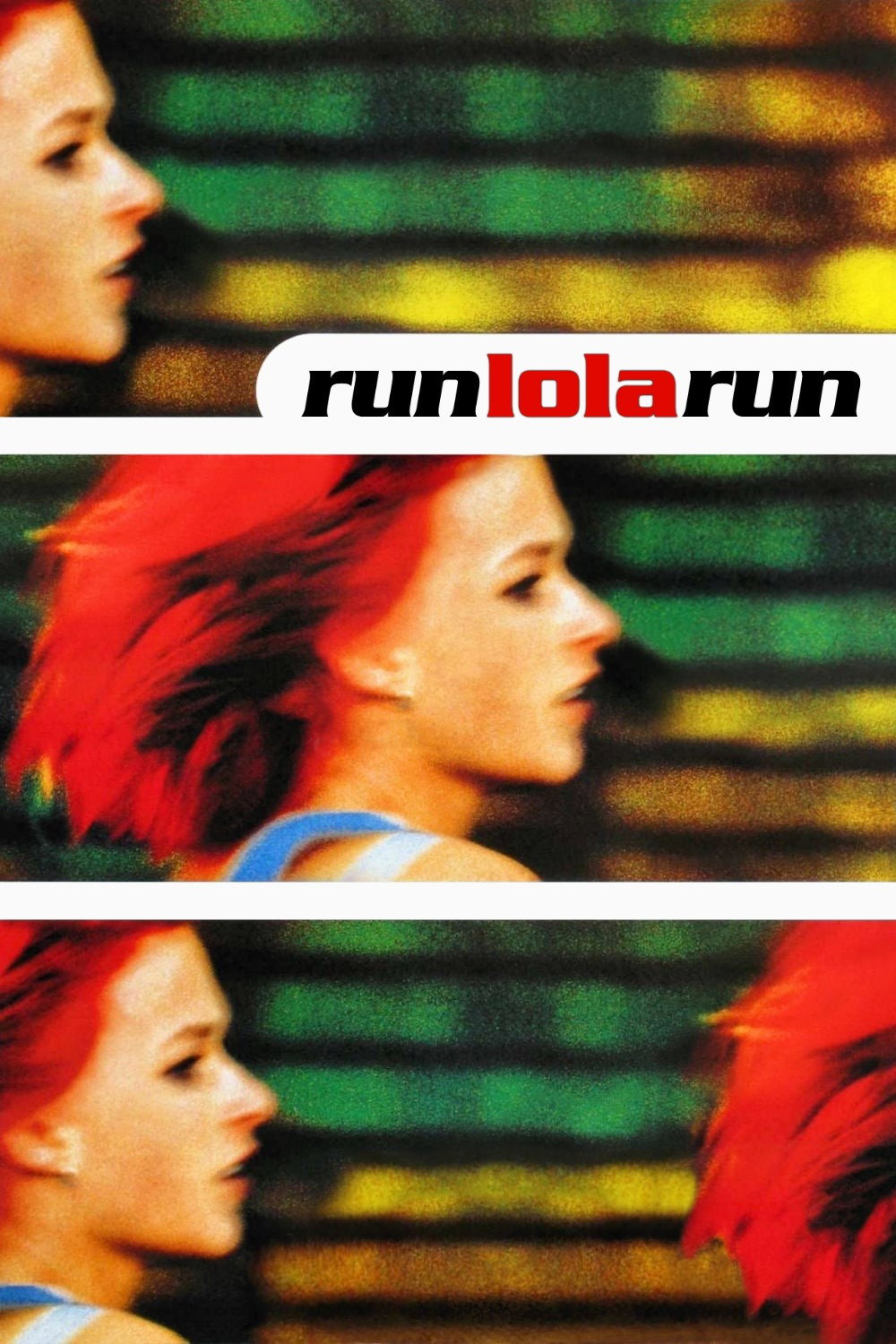
Run Lola Run poster82

Run Lola Run

1998 · A faster, noisier chase, equally alert to the consequences of a missed connection.