Tom Tykwer’s sprinting thriller is funny, inventive and carried by Franka Potente’s determination. Its thoughts about chance are thin, but the cutting and techno score make even the contrivances enjoyable.
Run Lola Run is a thriller about having almost no time, and Tom Tykwer is sensible enough to keep it to 80 minutes. Lola has twenty minutes to save her boyfriend, and the film tries three versions of her attempt. Tykwer keeps the camera moving and shifts between different kinds of image, giving the simple rescue story plenty to occupy the eye. It is a brisk, funny thriller we recommend warmly, though some of the plotting is too convenient.
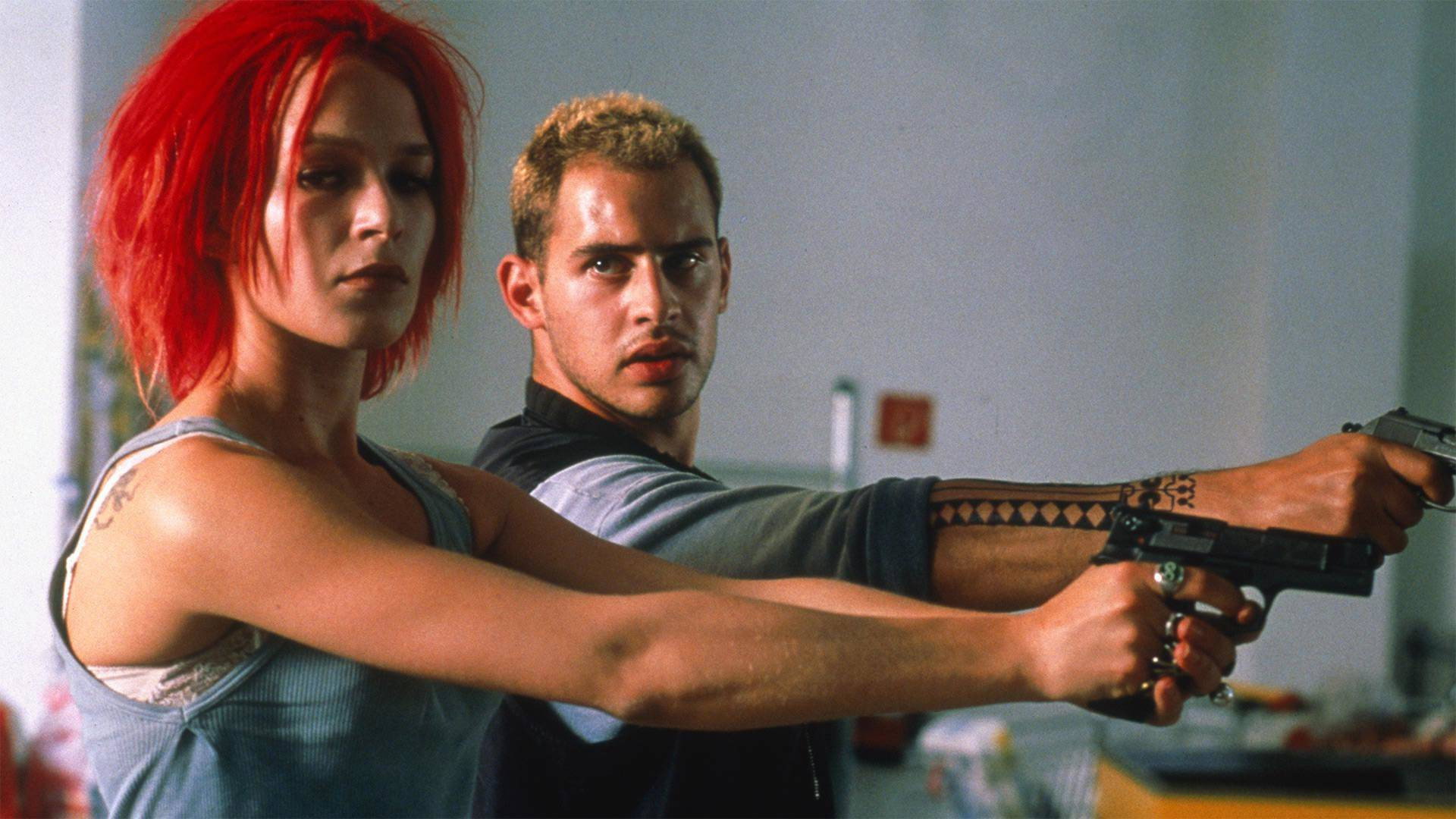
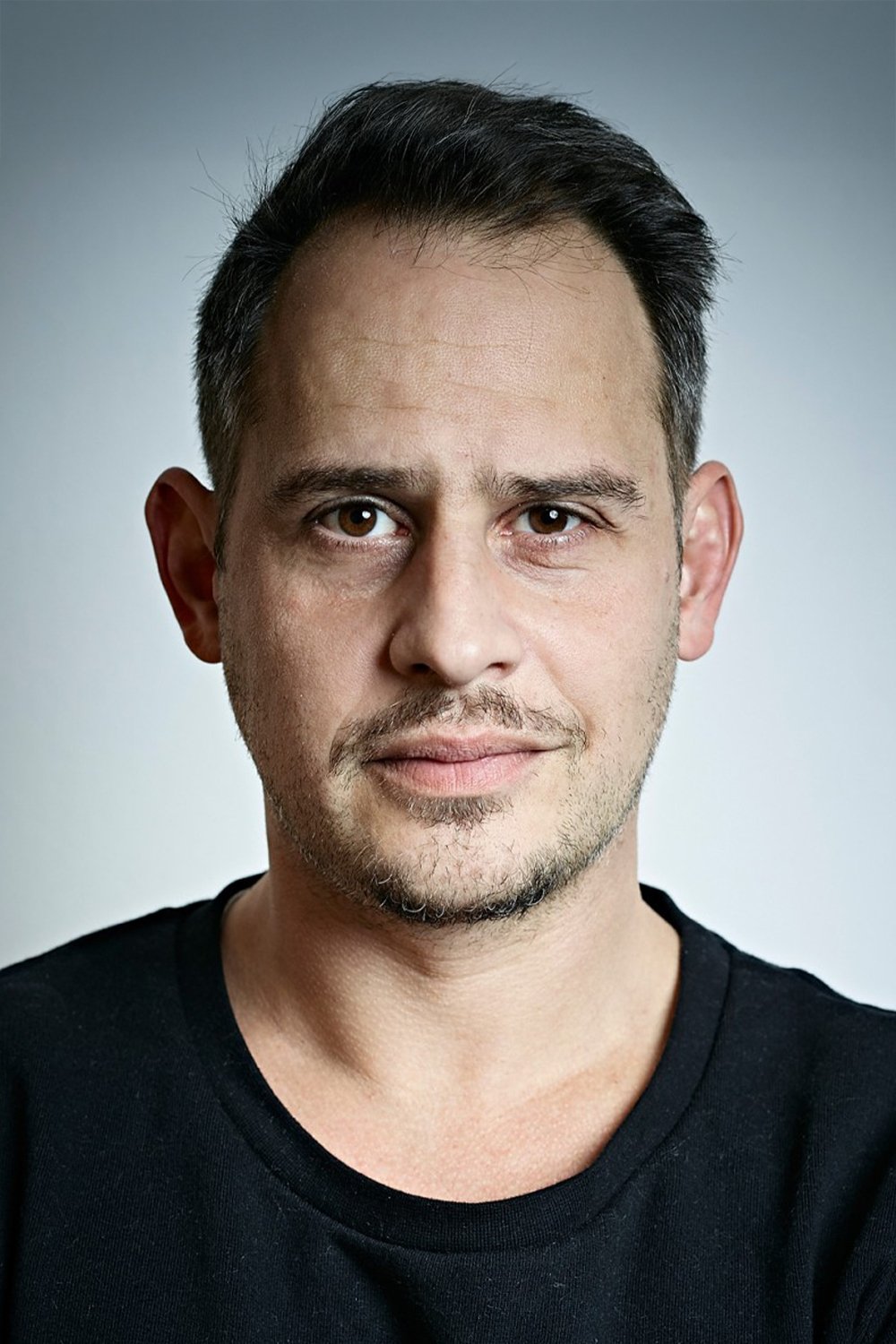
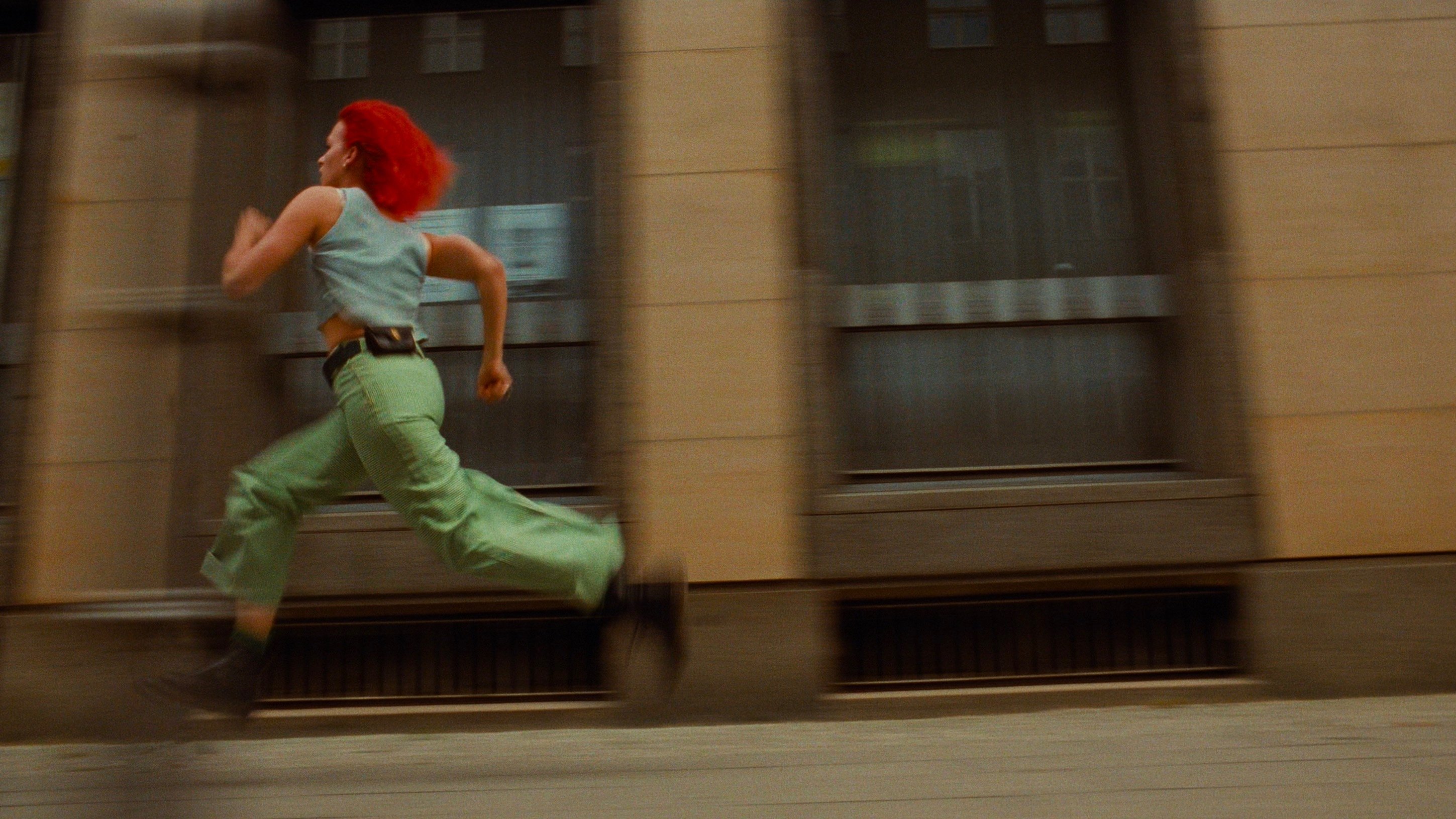
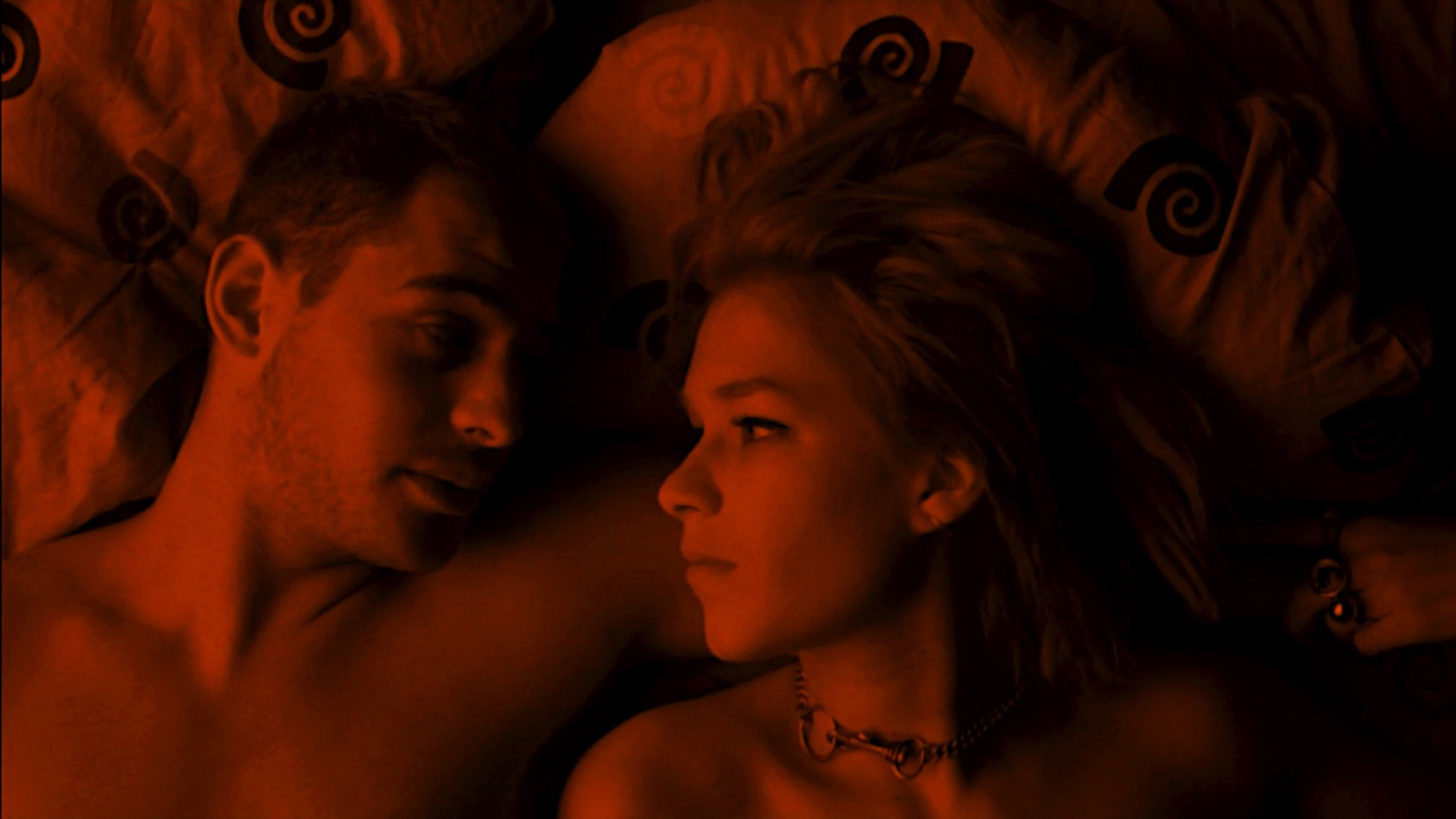
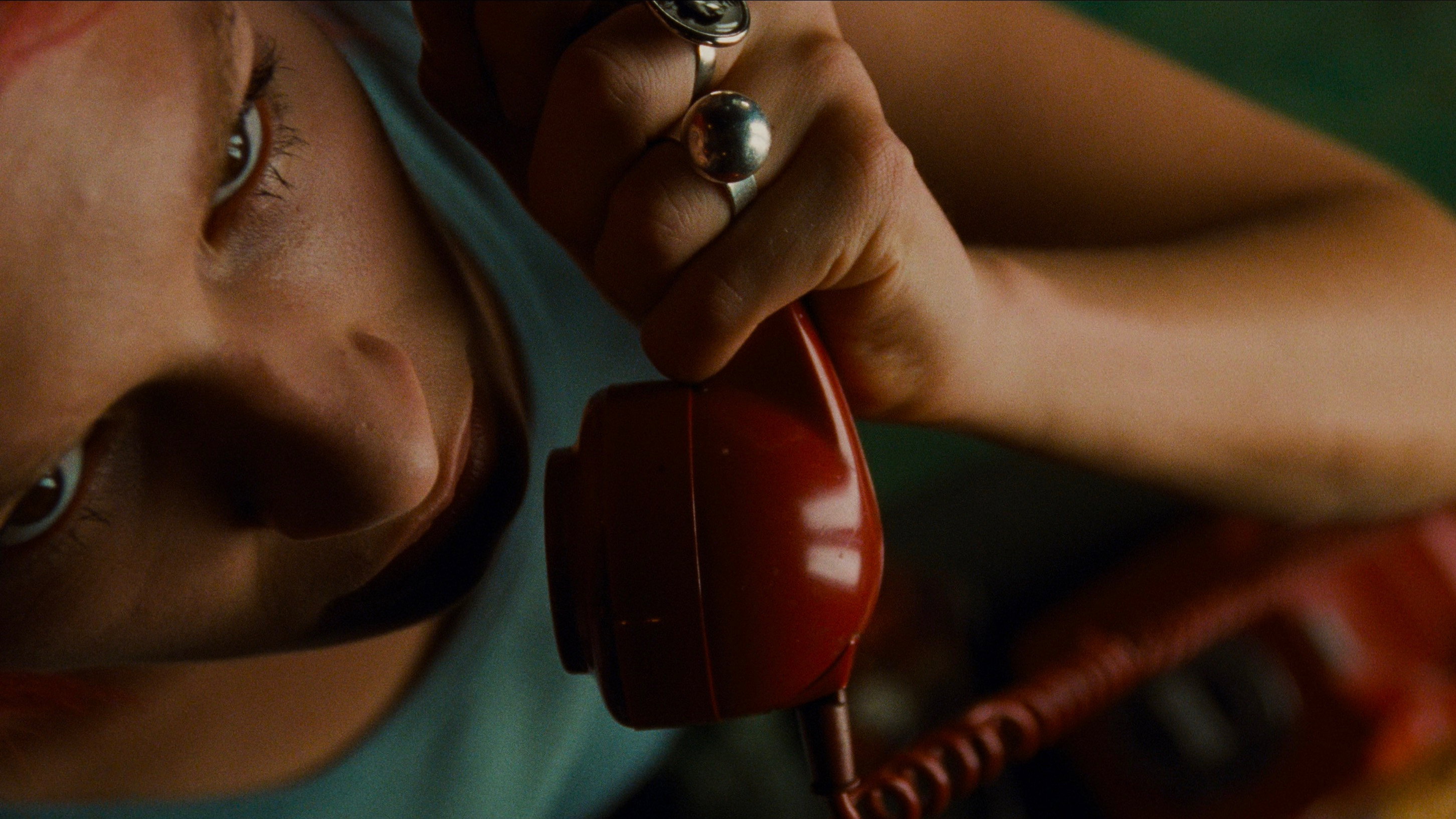
Franka Potente makes Lola’s determination credible without asking for much time to explain it. There is something affecting about the sheer effort of her running, especially in a film so pleased with its own cleverness. We were anxious for her. Potente makes the need to reach Manni, played by Moritz Bleibtreu, feel immediate enough that the editing tricks cannot distract us from her predicament. The central relationship is sketched economically, and for this particular race that is enough.
Frank Griebe’s cinematography keeps Lola clear amid Tykwer’s looping camera movements. The movement is showy, but it suits the urgency of her task. Editor Mathilde Bonnefoy gives the repeated runs a rhythm that makes small differences worth watching for. Repetition can be an efficient way to drain suspense; here the cutting gets us looking for what has shifted before we have time to complain about going round again. The changes remain easy to follow amid the mixed-media interruptions.
The techno score by Reinhold Heil, Johnny Klimek and Tykwer does a considerable share of the pushing. Its insistence makes the running feel urgent, and the music works closely enough with Bonnefoy’s cutting that neither becomes background. Alexander Manasse’s production design registers more quietly: Berlin remains a place to get across while the camera and soundtrack demand attention. We remember Lola’s movement through those surroundings more clearly than the surroundings themselves.
The trouble comes when Tykwer’s screenplay asks its variations to carry much weight as thoughts about fate. Small changes producing large consequences is an engaging idea, but the scenarios are too visibly arranged to make it feel like much of a discovery. Some of the ingenuity amounts to moving events into a more convenient order. The three versions can also weaken one another, since returning to the starting point gives us permission to relax about what has happened. The film’s warmth and wit keep this from becoming a cold exercise, but they cannot quite make the contrivances disappear.
Measured against a chase thriller’s basic duties, though, it does almost everything we want. The objective is clear, the lead is someone we care about, and the rhythm keeps us alert to changes instead of simply wearing us down. The pop-video manner is conspicuous, but Tykwer knows that style needs a person at its centre. Potente gives the film that person, which matters more than any claim it might make for the importance of its ideas.
It is worth giving these 80 minutes your full attention. The small changes are part of the pleasure, and a distracted viewing would flatten them into more of the same running. Leave the philosophical interrogation until afterwards; Lola has enough to do.