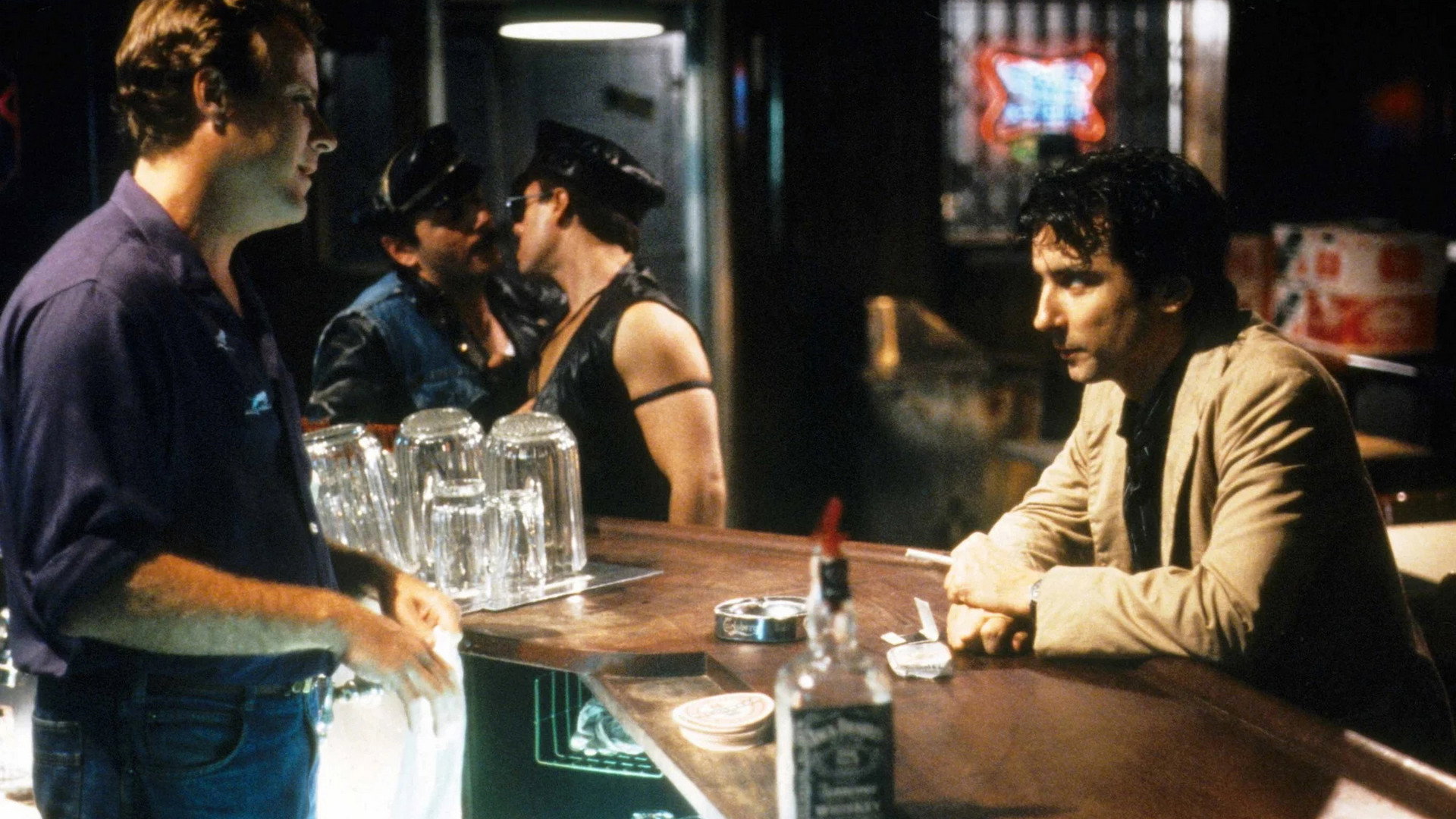
Martin Scorsese’s After Hours is a sharply made, unnerving comedy, well worth its 97 minutes. The women sometimes seem to exist chiefly to frighten Griffin Dunne, but the performances and restless camera keep the predicament funny.
After Hours is a funny, nasty little film about losing the confidence to deal with the next person who approaches. Martin Scorsese takes an anxious man’s passage through New York and makes the city feel increasingly impossible to negotiate. We recommend it, though its habit of making women the source of trouble deserves more scrutiny than the film gives it. At 97 minutes, it has room to exhaust Paul Hackett without quite exhausting us.
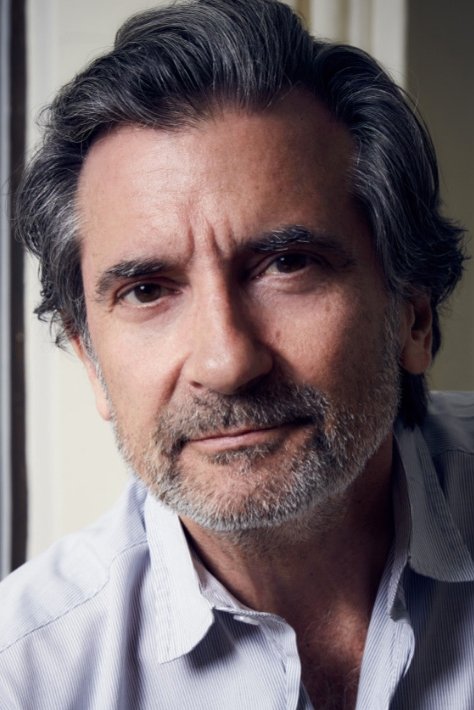
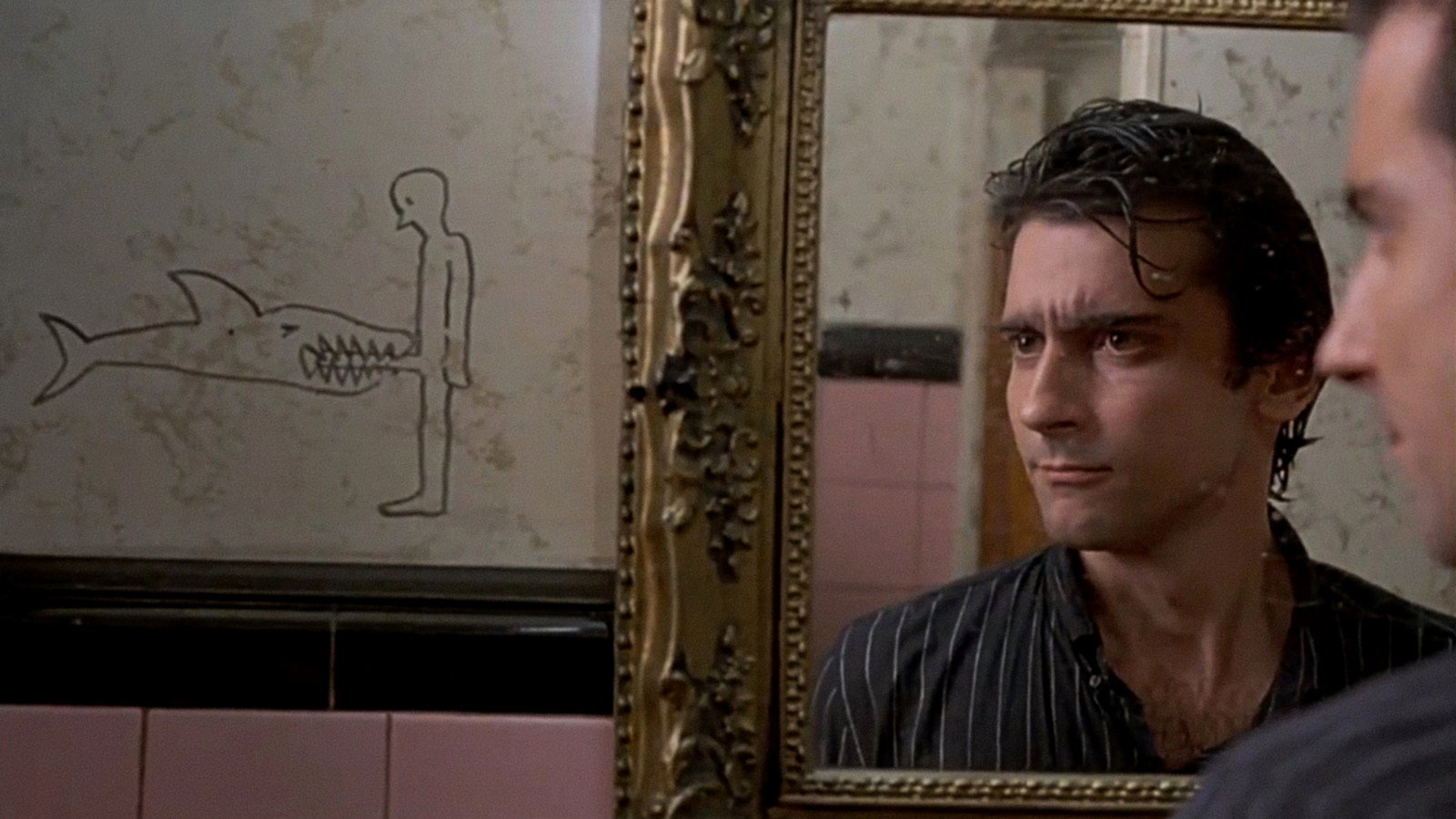
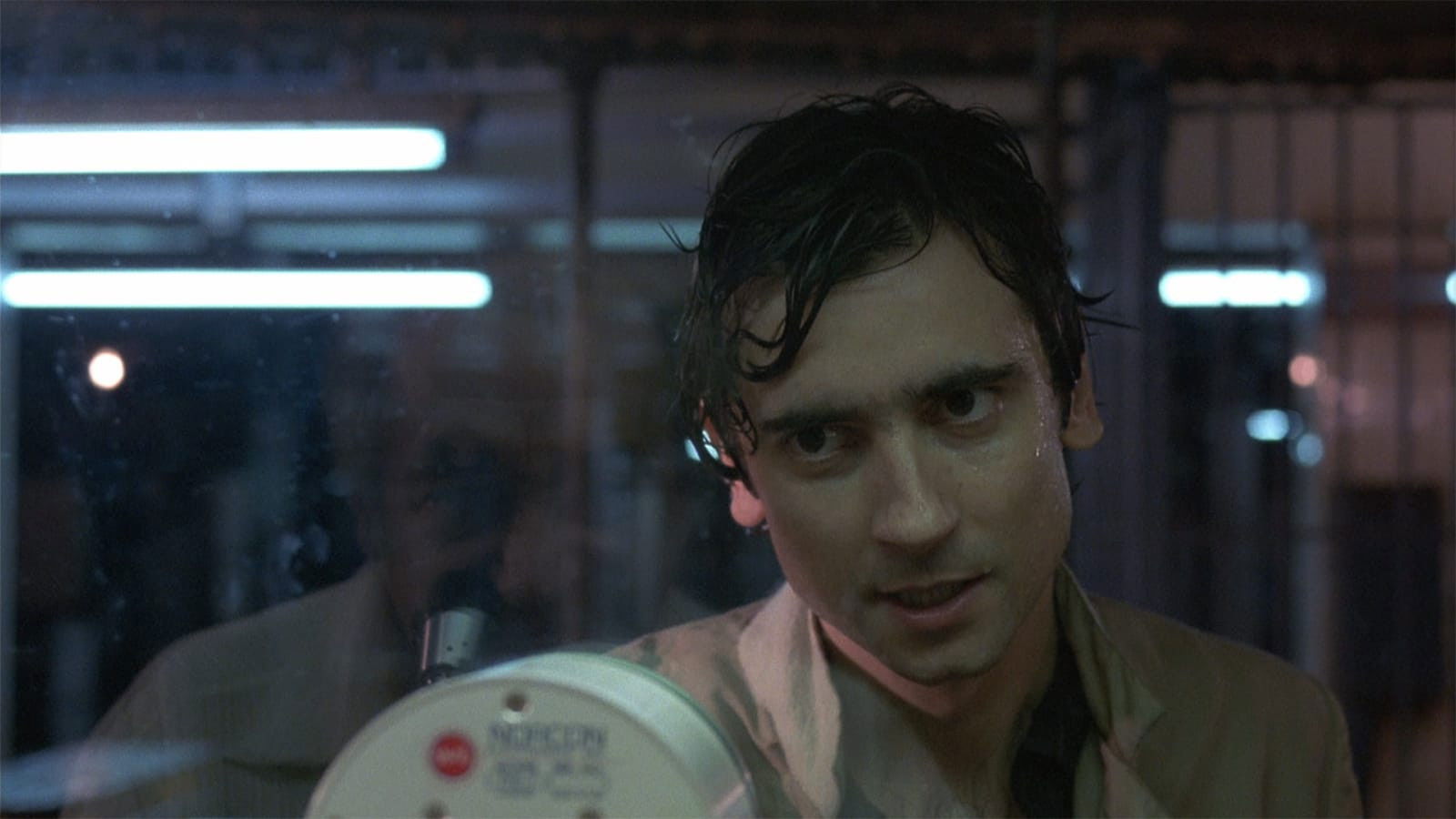
Griffin Dunne is essential to keeping us interested, giving Paul a recognisable mixture of anxiety and wounded expectation. He remains someone we can identify with even as the people around him become harder to understand. Joseph Minion’s script keeps putting that response under pressure through coincidences that would be intolerable in a straightforward thriller. Here, the unfairness is funny because Paul still seems to expect the next encounter to make sense. Dunne lets the supporting cast do the more flamboyant work; his anxious reactions keep us watching for the consequences.
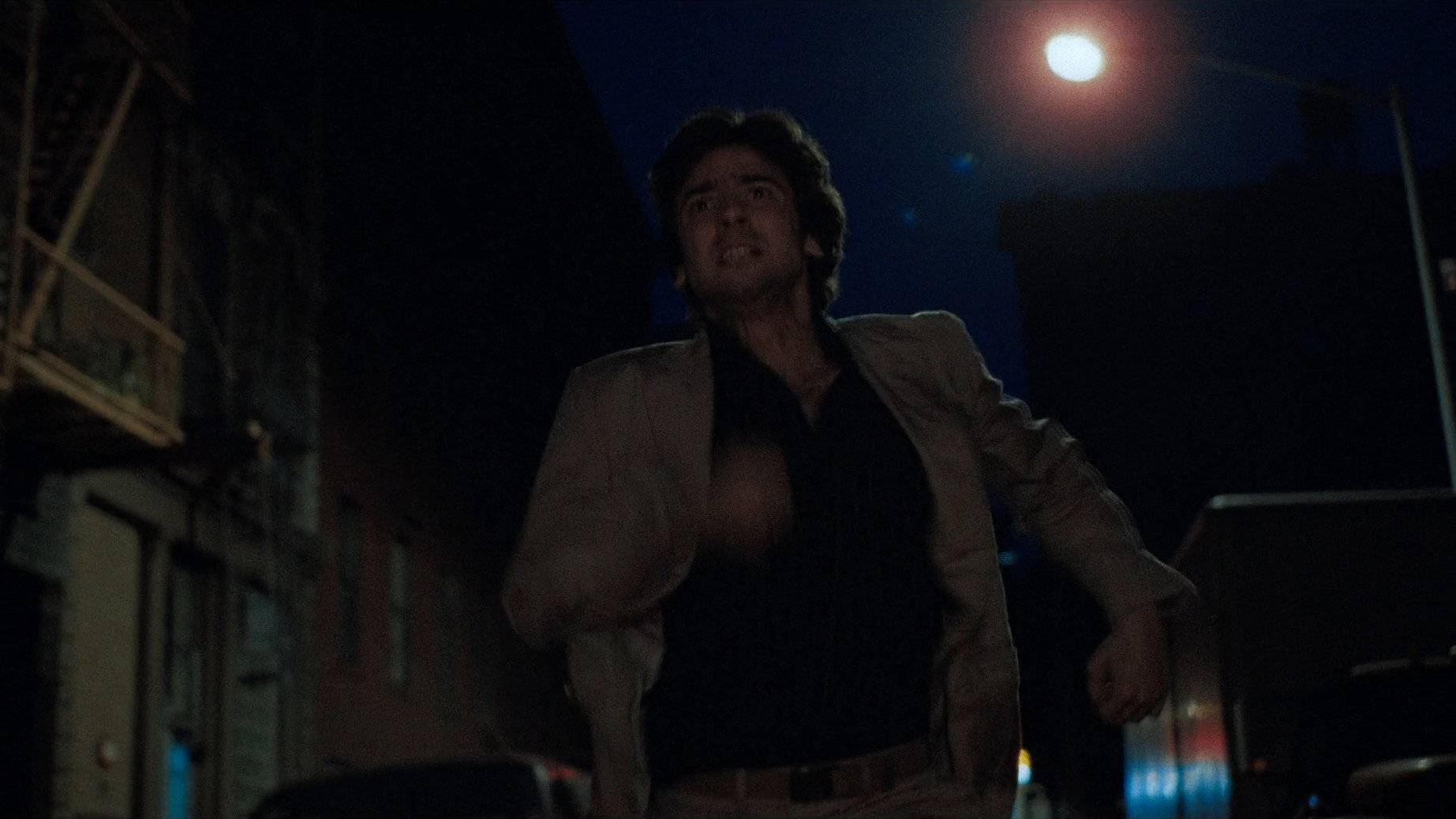
Michael Ballhaus’s moving camera makes a substantial contribution to Paul’s discomfort. It is impatient, pressing ahead when a steadier view might allow us to feel settled, and the movement makes even an encounter on the street feel like an intrusion. We laughed at Dunne’s mounting distress, then felt uncomfortable about how readily we had joined in. His reactions remain recognisably human while Ballhaus makes the people around him seem harder to get away from. The comedy survives even when the persecution has stopped seeming remotely reasonable.
Thelma Schoonmaker’s editing helps sustain that pressure across a story built from separate encounters. The joins need to feel like further bad luck, and they usually do; the film rarely gives us time to settle before demanding another adjustment. Jeffrey Townsend’s production design helps make the city feel unfamiliar without detaching it entirely from everyday life. We need to recognise the surroundings for Paul’s inability to cope with them to be funny, and Townsend gets that balance right.
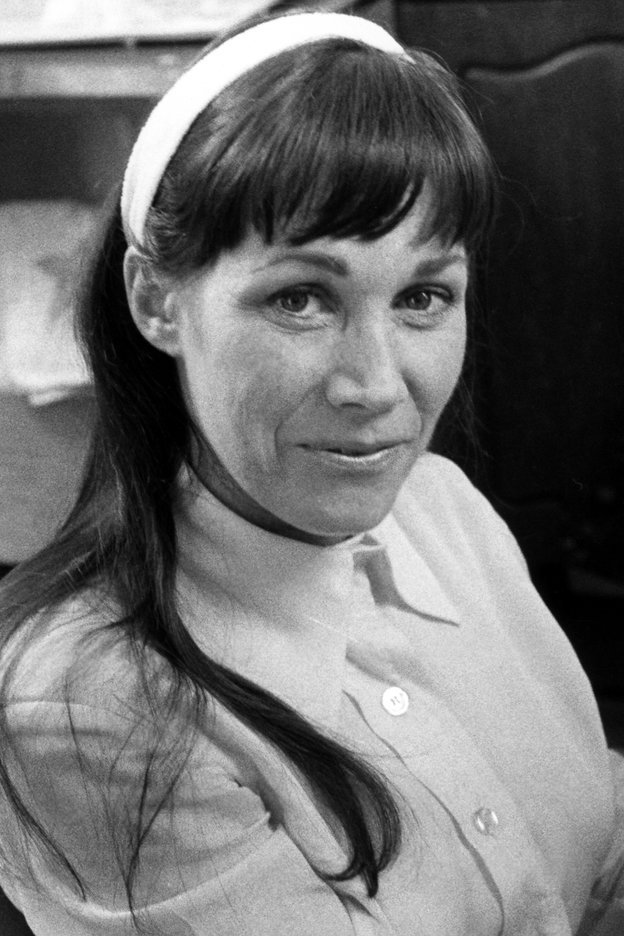
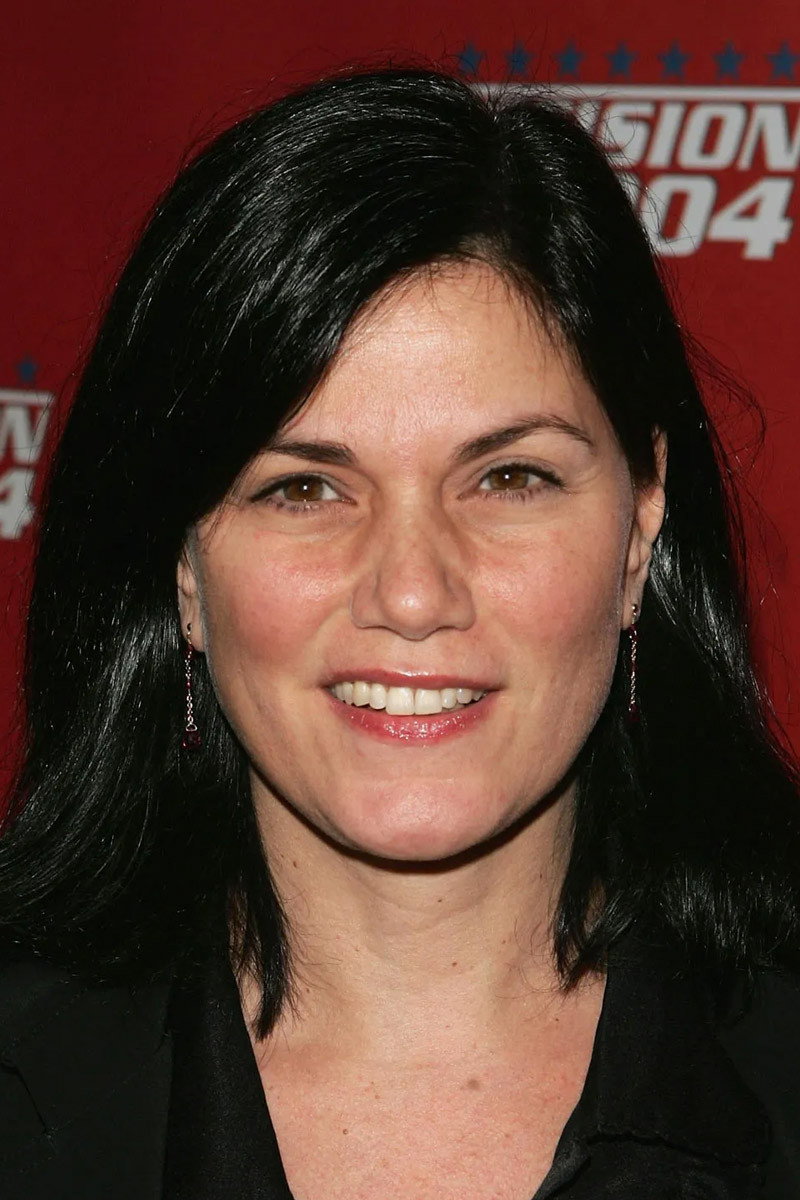
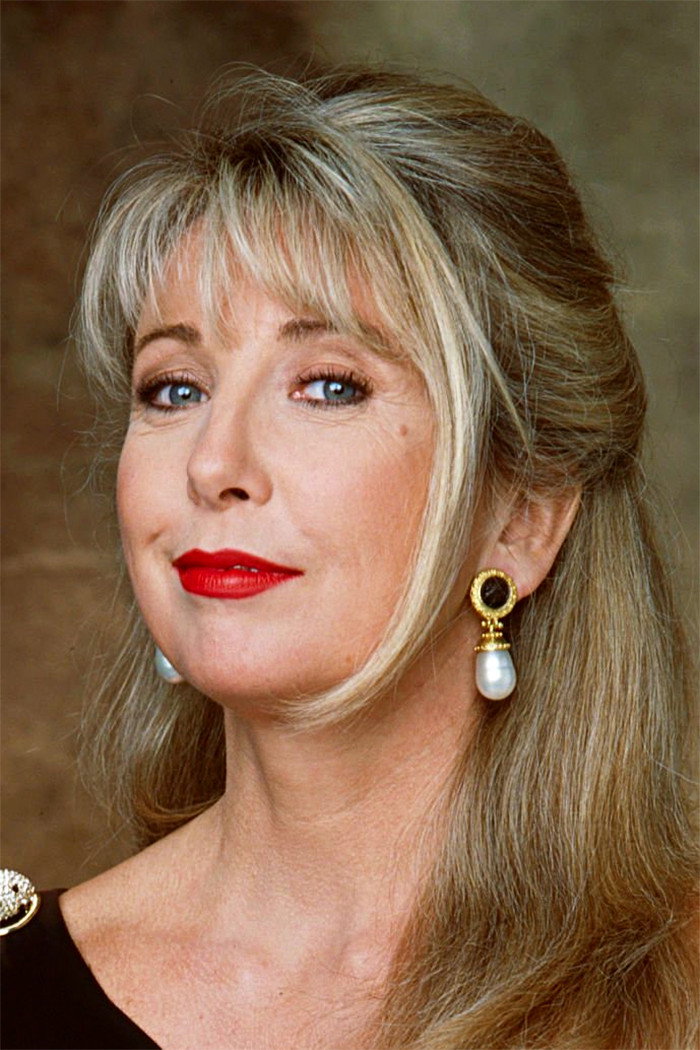
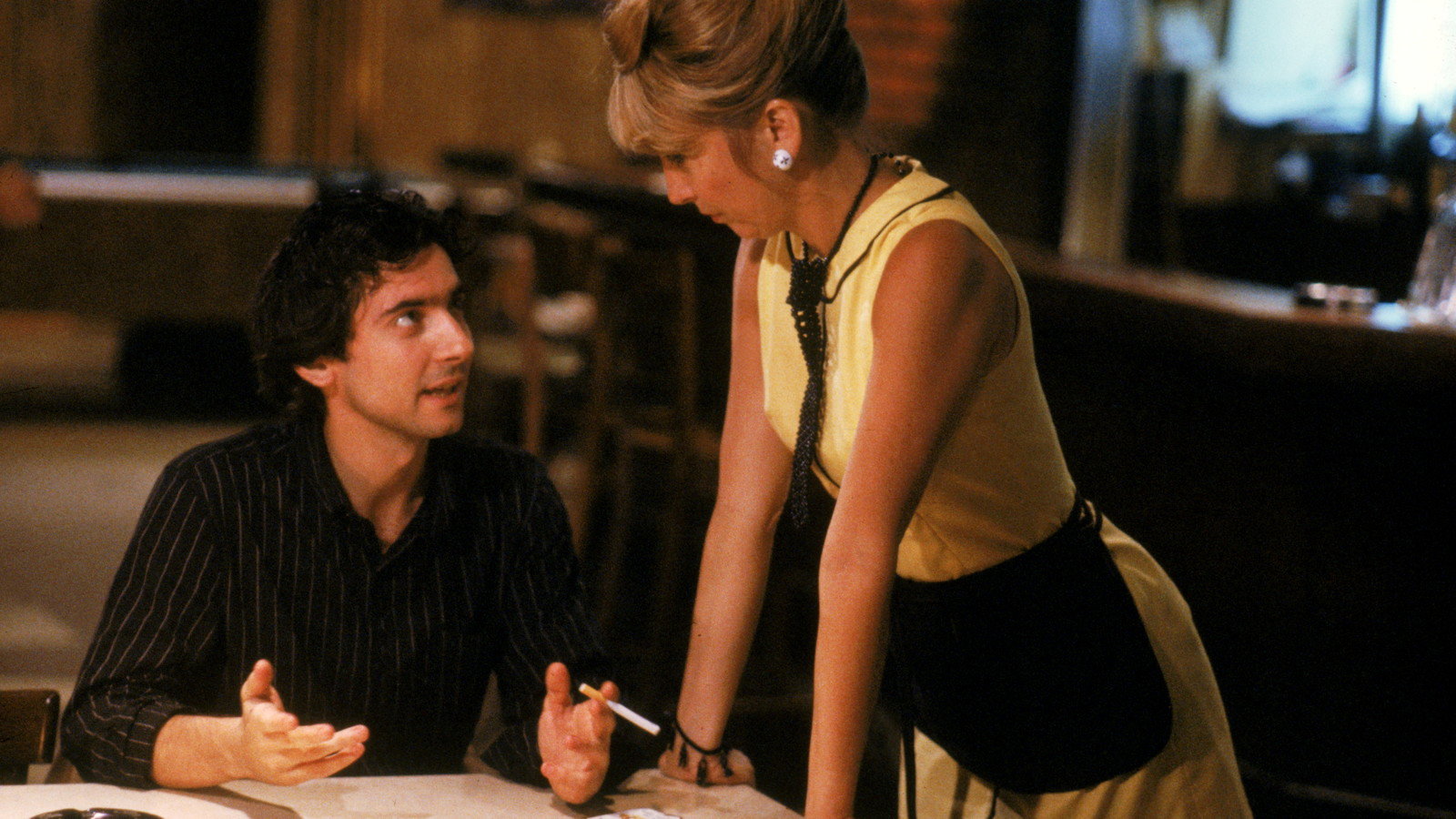
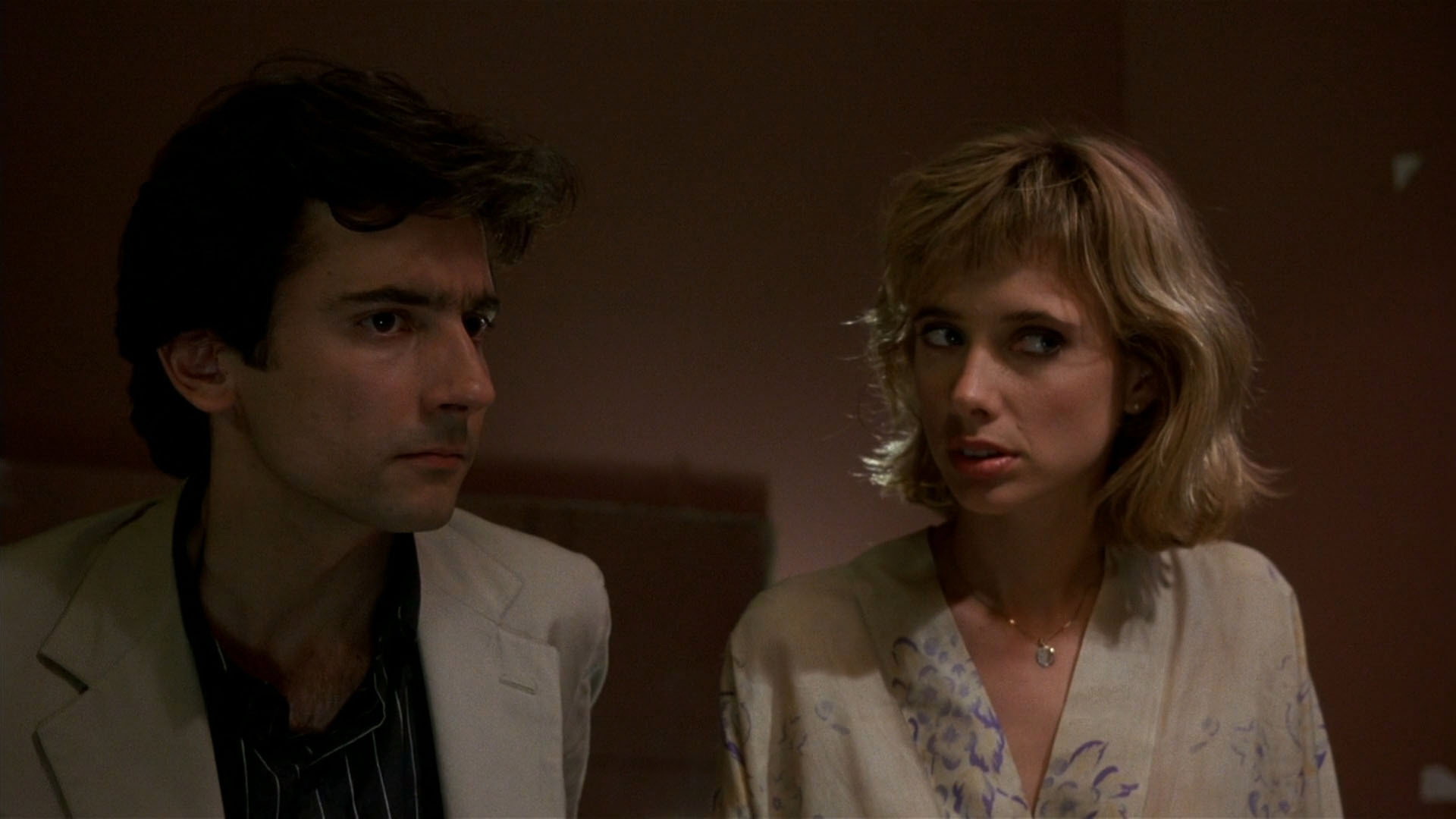
Howard Shore’s music supports the unease without making the comic timing feel overexplained. The supporting players supply enough disturbance on their own, and Scorsese allows their performances to put Paul on the defensive. Rosanna Arquette, Linda Fiorentino and Teri Garr help prevent the succession of encounters from becoming monotonous. Still, too often the women seem to have been put there principally to punish Paul, and their liveliness cannot excuse every instance.
The other weakness is repetition. Minion can make a coincidence feel like a personal insult, but the accumulation sometimes reveals how little freedom anyone has beyond delivering Paul’s next setback. We occasionally start waiting for another mishap instead of attending to the person in front of him. This is where the complaints about arbitrary plotting have force: the script’s workings become too easy to notice, and its people briefly seem expendable.
As a black comedy, it understands how close embarrassment can sit to fear, and how quickly sympathy can turn into laughter. Scorsese keeps finding new comic uses for Dunne’s alarm, even when the sequence of mishaps threatens to become predictable. There is enough life in the acting to make us welcome the next interruption, however little Paul wants it. We would not prescribe it for anyone already nervous about going out.