The Coens make a funny, disquieting comedy about a man who keeps asking reasonable questions. Michael Stuhlbarg gives the suffering weight, although the broader caricatures sometimes make the cruelty too easy.
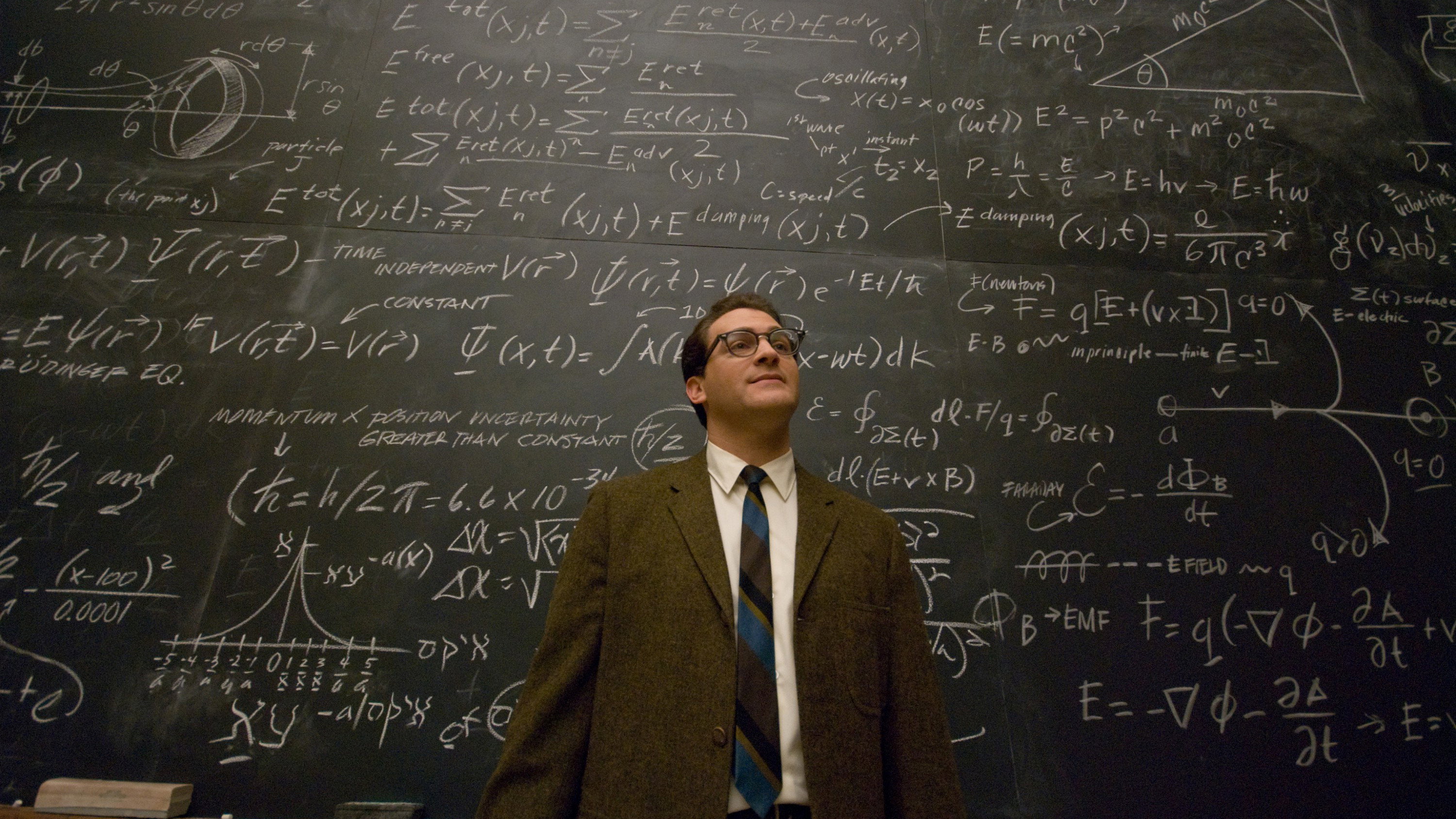
A Serious Man is a sharply funny, troubling film, and we recommend it with one reservation: the Coens occasionally make Larry Gopnik’s tormentors too easy to laugh at. Joel Coen and Ethan Coen write and direct a comedy about a physics professor who cannot get a satisfactory explanation for what is happening to him. In this Jewish Minnesota suburb, family, work and religion all provide people who are ready to talk. Help is harder to come by. Michael Stuhlbarg plays Larry, and keeps us interested in each fresh attempt to make himself understood.
The temptation with this sort of story is to keep increasing the misfortunes until the man at the centre exists simply to suffer them. The Coens do something more uncomfortable: they let us understand why Larry thinks an explanation should exist. His dealings with a student who tries to bribe him put that expectation under particular strain. We laughed at the attempted bribe, then felt anxious for Larry. Stuhlbarg makes having to respond look like another unfair demand.
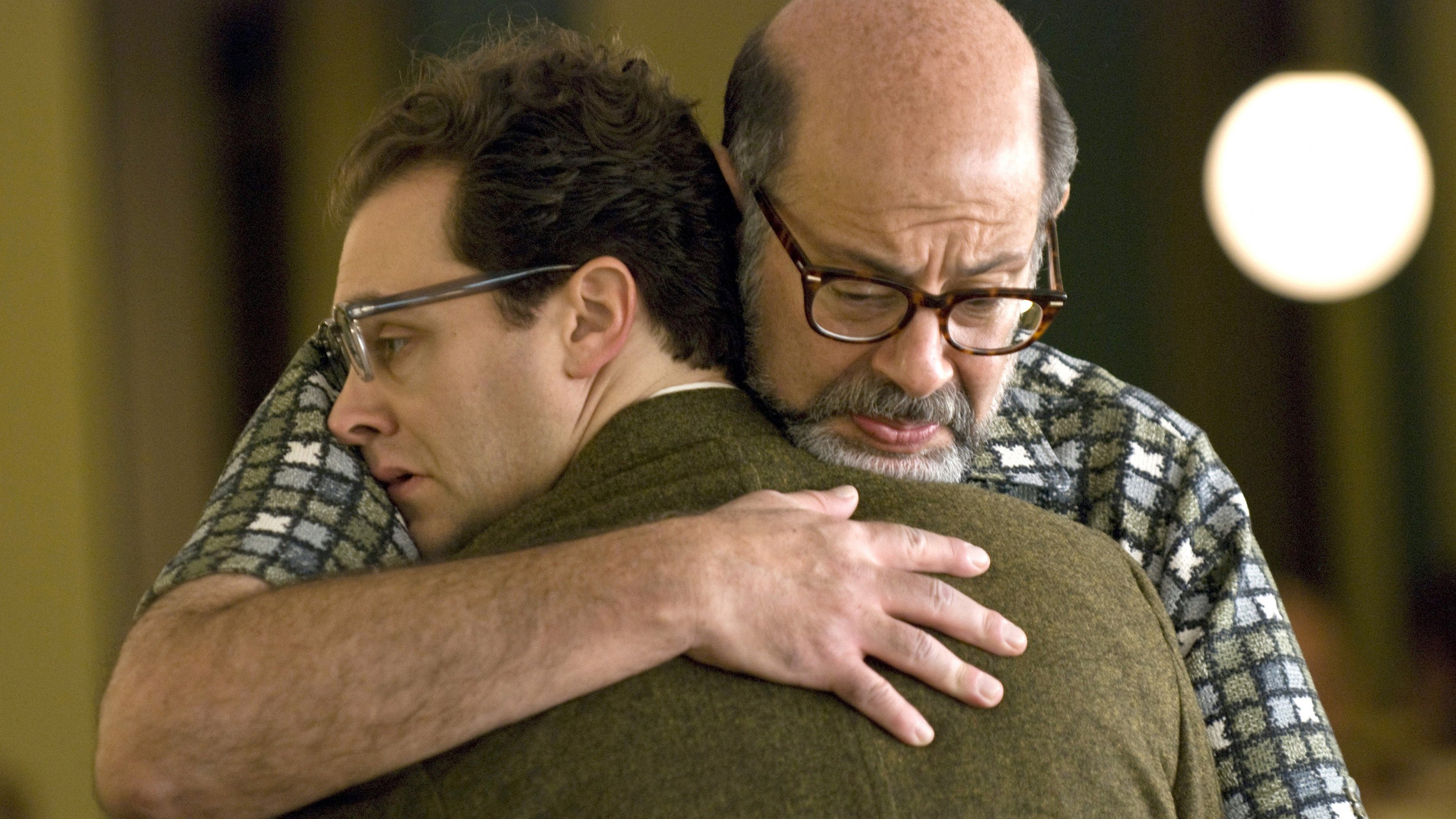
Fred Melamed’s Sy Ableman is so pleased with his own manner that we begin to dread his contributions. His delivery makes conversation feel like something Larry must endure without being allowed to object. Melamed takes his time, which gives Stuhlbarg plenty of opportunity to register the strain of listening. Larry’s hopefulness matters here, because a permanently defeated man would make these exchanges predictable. Stuhlbarg keeps trying to understand the people around him, and makes that effort look tiring without asking for our automatic sympathy.
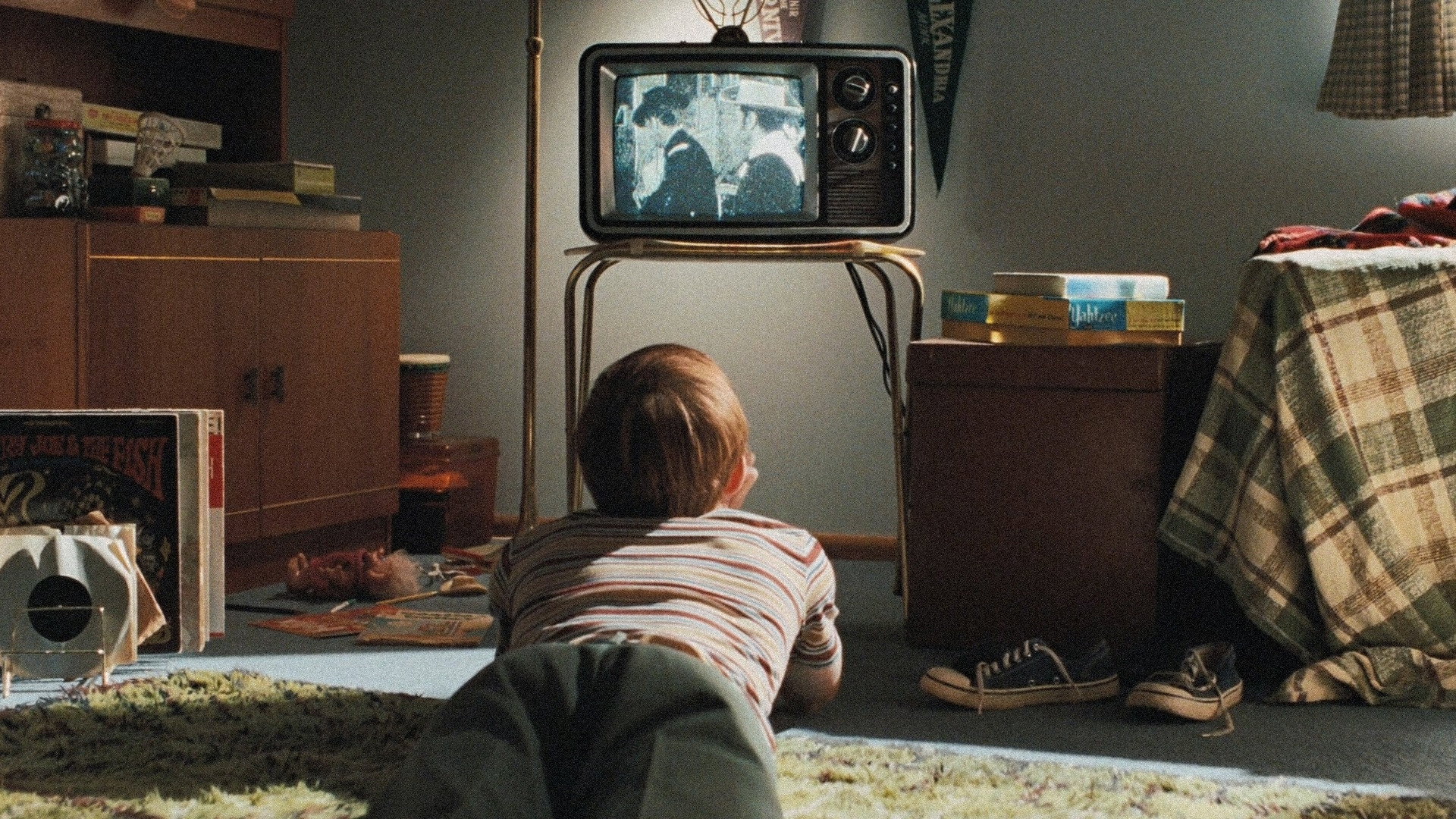
Roger Deakins gives the suburban setting a bleakness that makes Larry’s anxiety seem entirely reasonable. These are places where he ought to feel secure, and the photography offers little reassurance. Jess Gonchor’s production design makes the period setting feel inhabited, with homes and workplaces belonging to a community whose habits are firmly established. That sense of ordinary life carrying on is oppressive: Larry’s difficulties have not made the familiar surroundings any more accommodating.
Carter Burwell’s score contributes to the discomfort, giving Larry’s troubles a gravity that the jokes could otherwise take away. The Coens’ editing is just as important, judging how long Larry can be left to absorb what someone has said before embarrassment becomes wearisome. At 106 minutes, the film has room for hesitation without becoming slack. Its rhythm makes us share Larry’s frustration while still wanting to hear what the next supposed source of wisdom might offer, even when experience should have discouraged us.
The weakness comes when the supporting figures are drawn so broadly that Larry has too little to push against. The Coens sometimes seem satisfied with a funny manner or an absurd response, and those jokes can make the surrounding community feel conveniently obtuse. In a film so interested in difficult questions, we want more of the people answering them to present a serious challenge. This limits its sympathy, particularly when religious counsel becomes another source of exasperation and the person offering it is reduced to a comic obstacle.
As a black comedy, it is unusually willing to let suffering remain upsetting after we have laughed. Larry is recognisable because he keeps expecting the next conversation to improve matters, and Stuhlbarg makes that expectation painful to watch. There is plenty to argue about afterwards, particularly how much patience Larry deserves and how much his advisers owe him. Watch it with someone who does not need the discussion settled before bed.