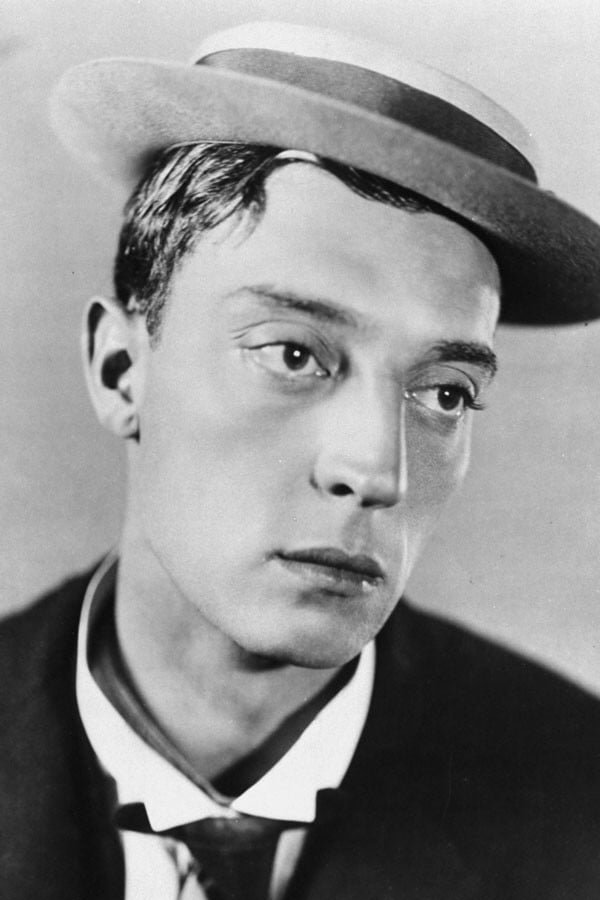
We recommend Buster Keaton for the care he takes over a joke: where he stands, when he moves, how long he waits. His serious face makes the mistakes funnier without making the man contemptible.
Fi1m perspective
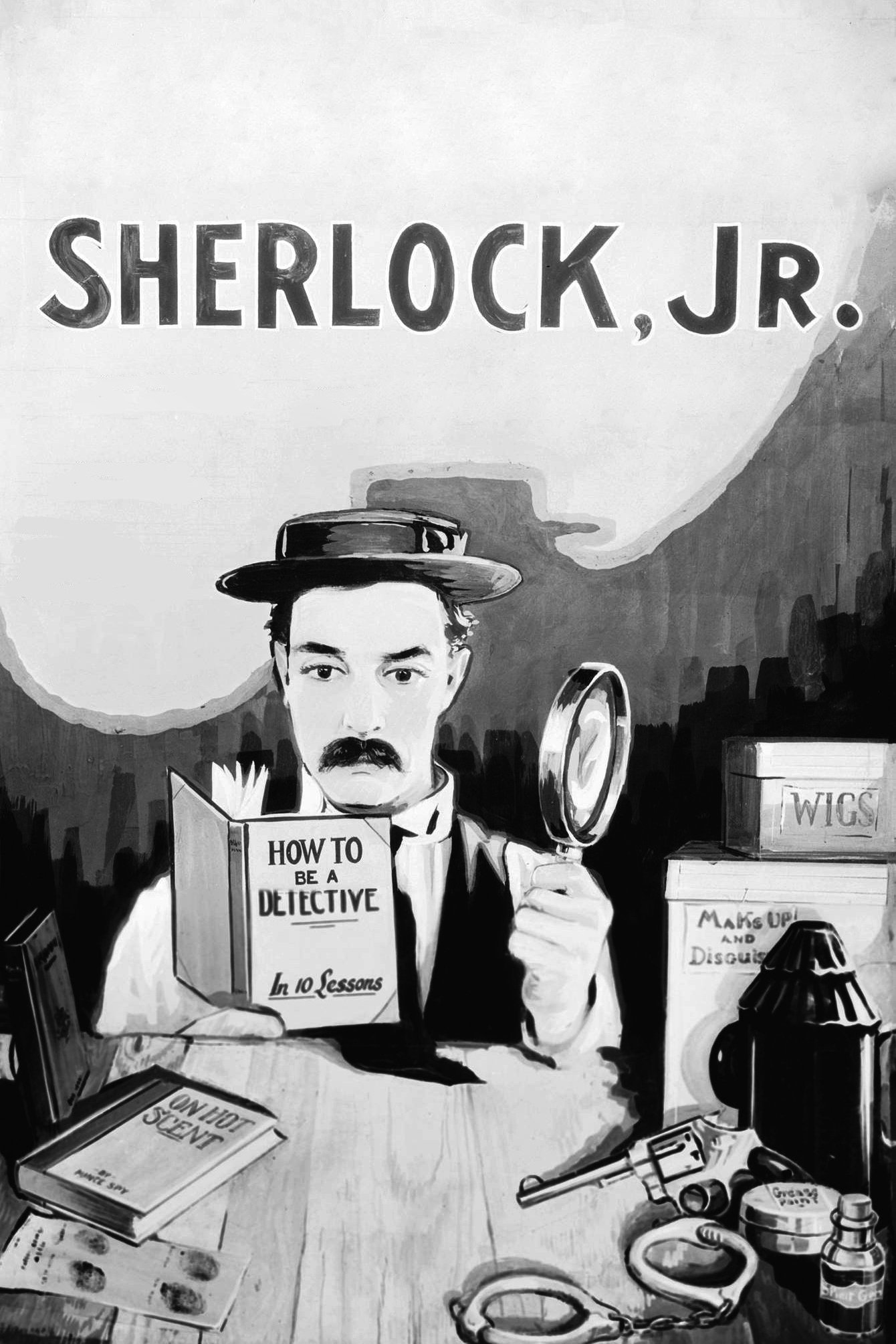
In Sherlock Jr. (1924), Buster Keaton's would-be detective follows his quarry at an absurdly small distance. We laughed aloud because he gives this useless surveillance the concentration of a man doing everything correctly. His face offers no encouragement to join in. He holds still long enough for us to see the mistake, and never looks as though he has noticed it himself. The care he takes makes it difficult not to wish him well, even when the job plainly requires someone else.
As director and editor of Sherlock Jr., Keaton also makes the cut itself a source of trouble. A change of image sets a fresh problem, with just enough time for us to understand it before the next movement begins. The jokes depend on our looking closely, but he gives us a fair chance to keep up. At 45 minutes, the film has room for elaborate business without wearing it out. The courtship is thin, a limitation worth admitting in a film whose visual jokes otherwise justify every minute.
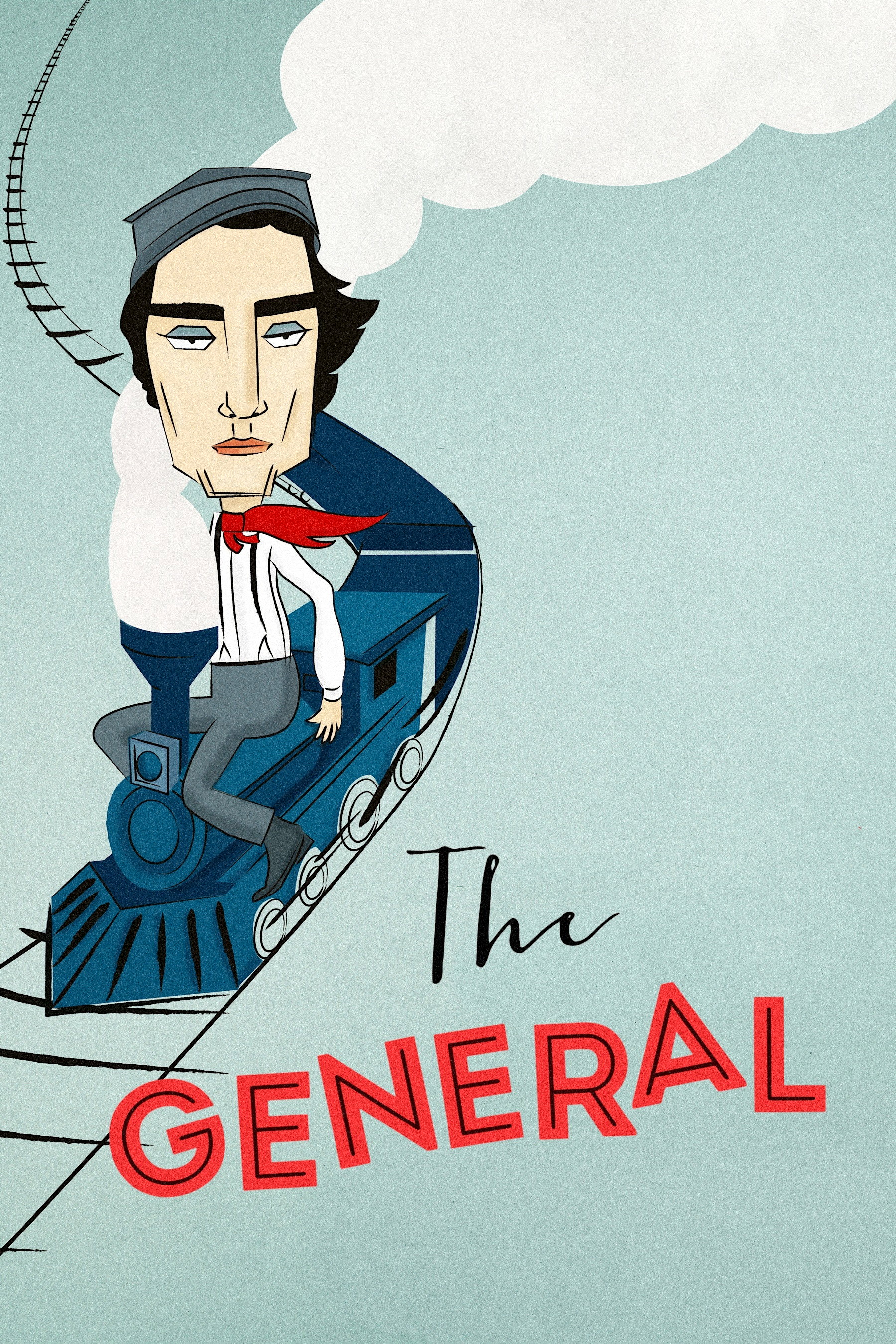
One Week (1920), his first independent short, had already established the domestic chaos and precise physical comedy. He moved into features from 1923, during the years of his own unit with producer Joseph M. Schenck. The locomotive chase of The General (1926) combined action and gags with meticulous period detail. His regular collaborators included cinematographer Elgin Lessley and co-director and gag man Edward F. Cline. The long takes and carefully arranged bodies, props and sets matter because we need to see how the whole joke works.
The move to MGM in 1928 cost Keaton creative control, and the sound comedies suffered from studio interference and formulaic scripts. We would not choose those films simply because his name is on them. His deadpan expression matters, but Sherlock Jr. shows how much depends on the space around him and the time allowed for each action. Remove that care and a serious face has considerably more work to do. Start with the projectionist playing detective, and give the jokes the attention he has put into them.
Biography
Buster Keaton was an American actor, director, producer, editor and screenwriter. He directed, produced, edited and co-wrote Sherlock Jr. (1924), in which he also appeared as the Projectionist and Sherlock Jr. He directed, produced, edited, co-wrote and starred as Johnnie Gray in The General (1926).
Keaton is known for his silent comedy features, including Our Hospitality (1923), The Navigator (1924), Seven Chances (1925), Steamboat Bill, Jr. (1928) and One Week (1920). He was born on 3 October 1895 in Piqua, Kansas, and died on 1 February 1966.