Film review

Sherlock Jr.

1924 · Directed by Buster Keaton · 45m · MPA NR

In a sentenceBuster Keaton treats following a suspect as though leaving any space between them would be a dereliction of duty

ActionComedyMystery

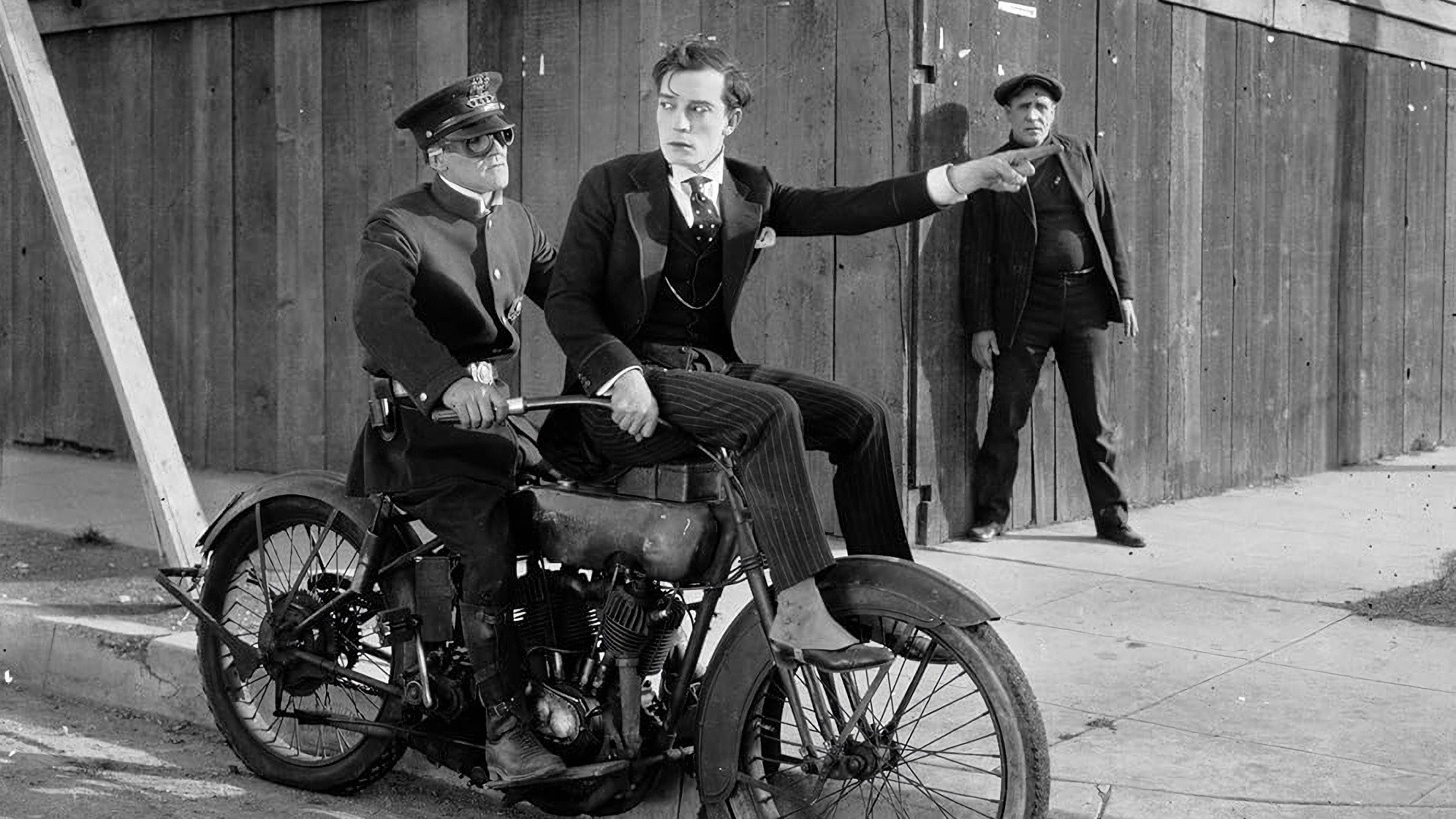
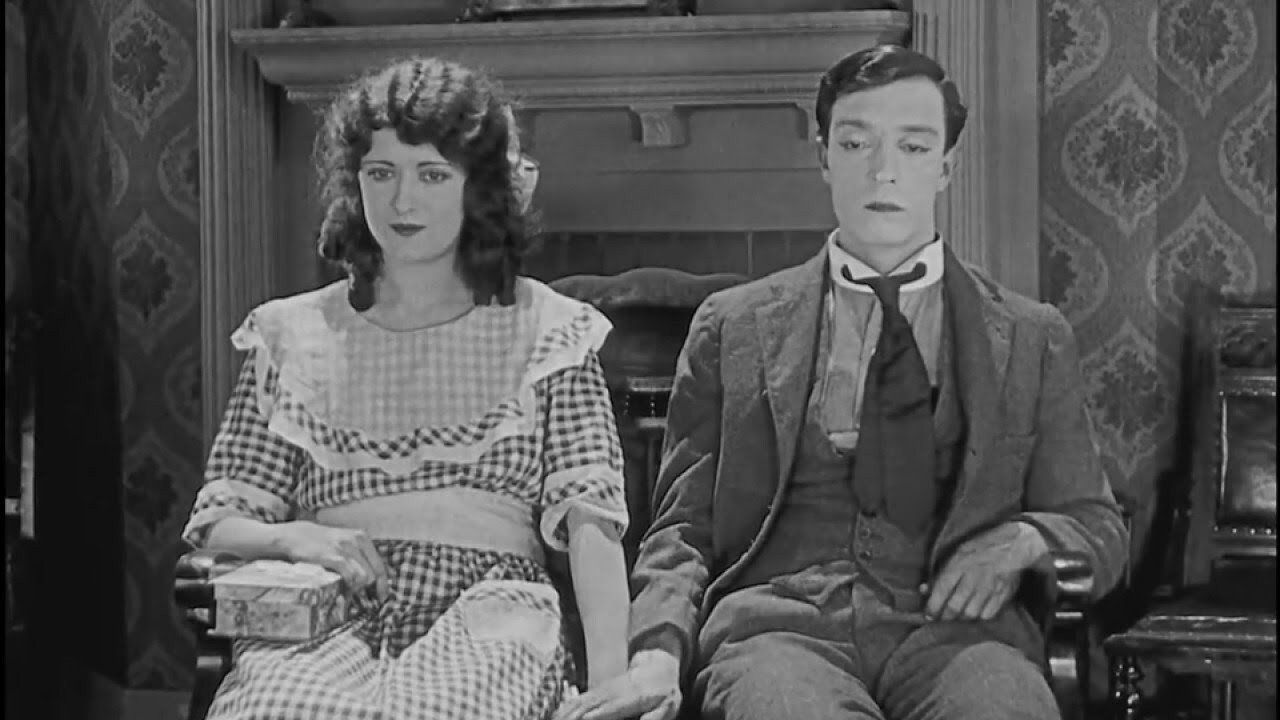
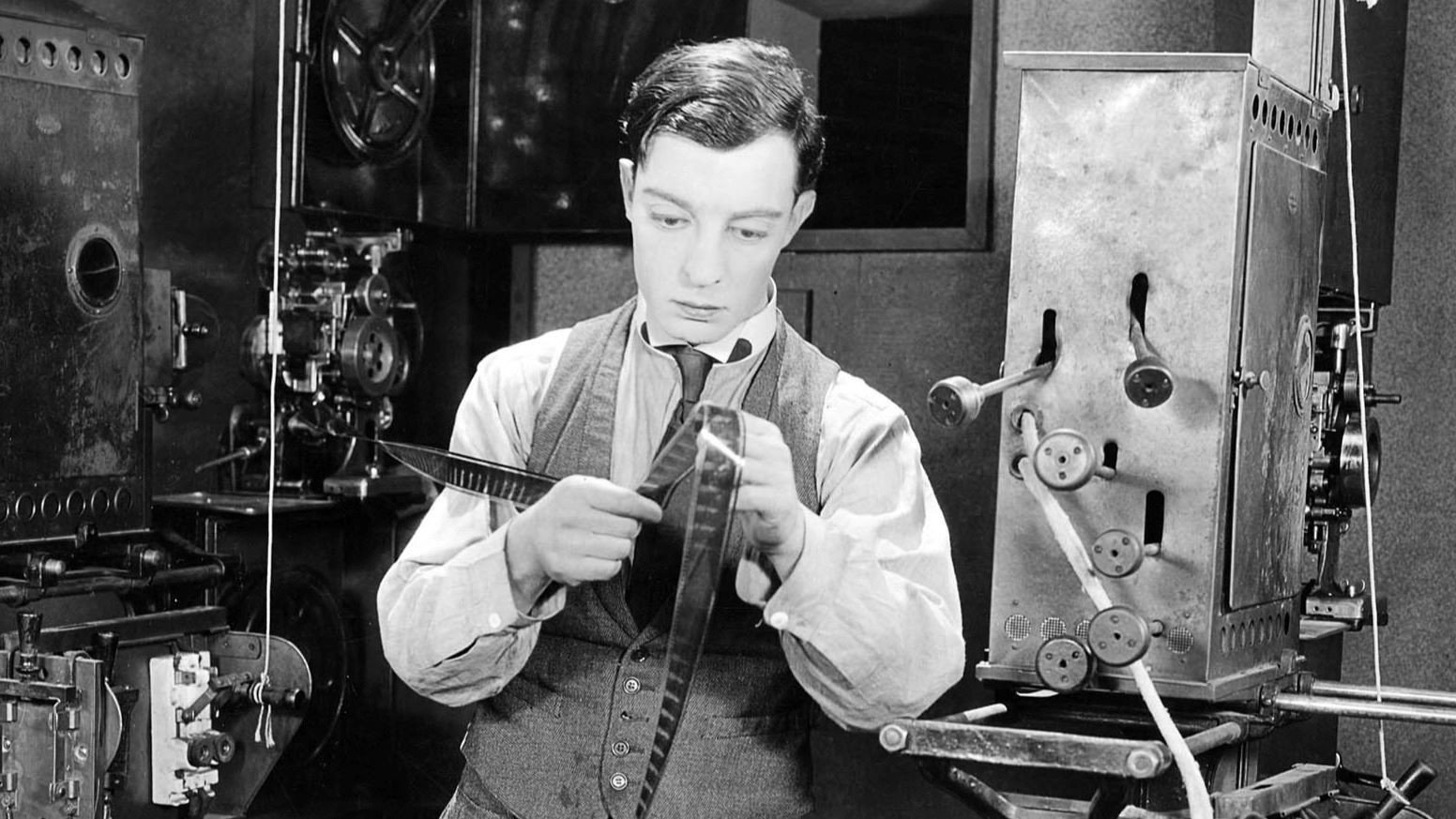
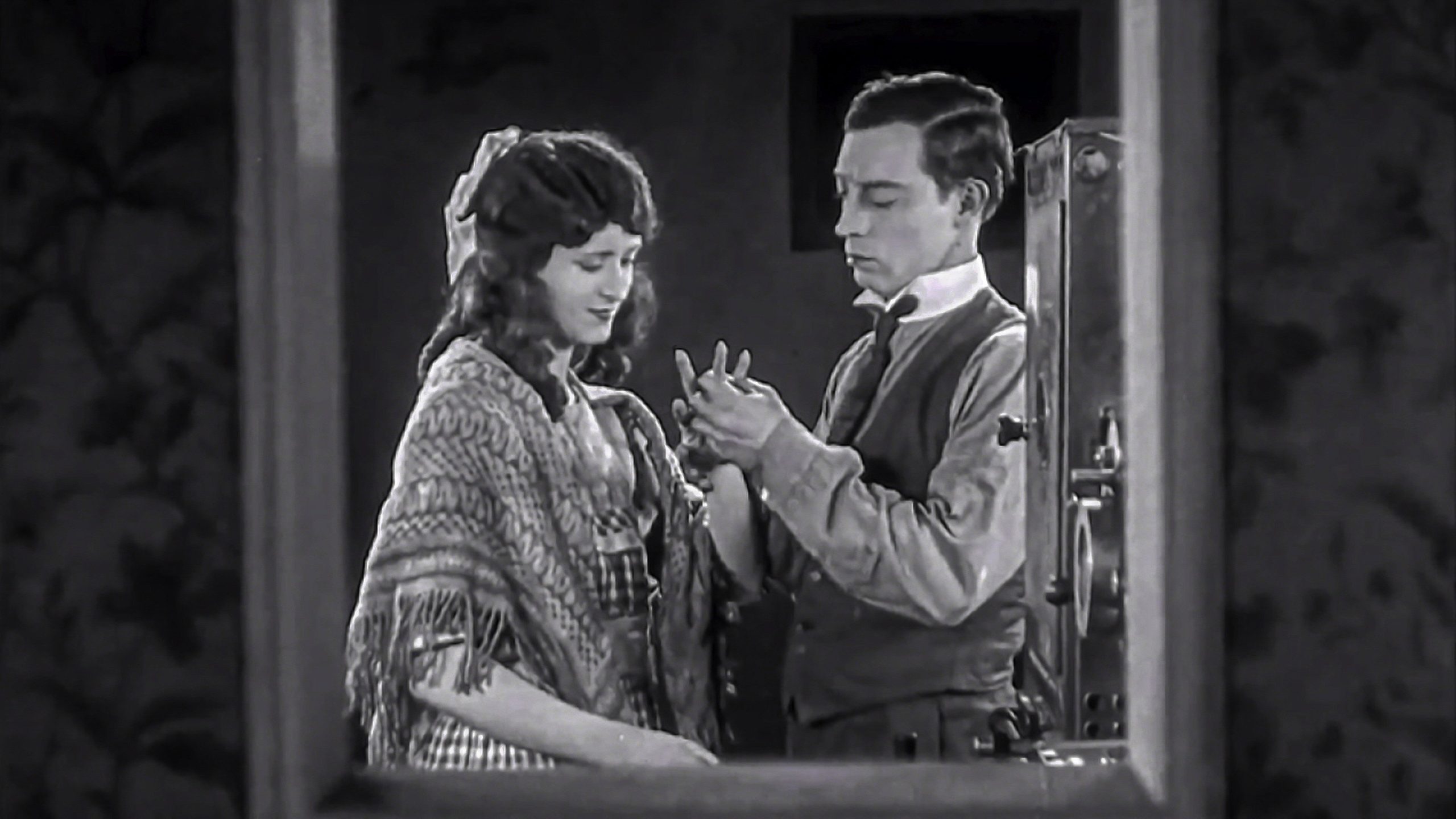
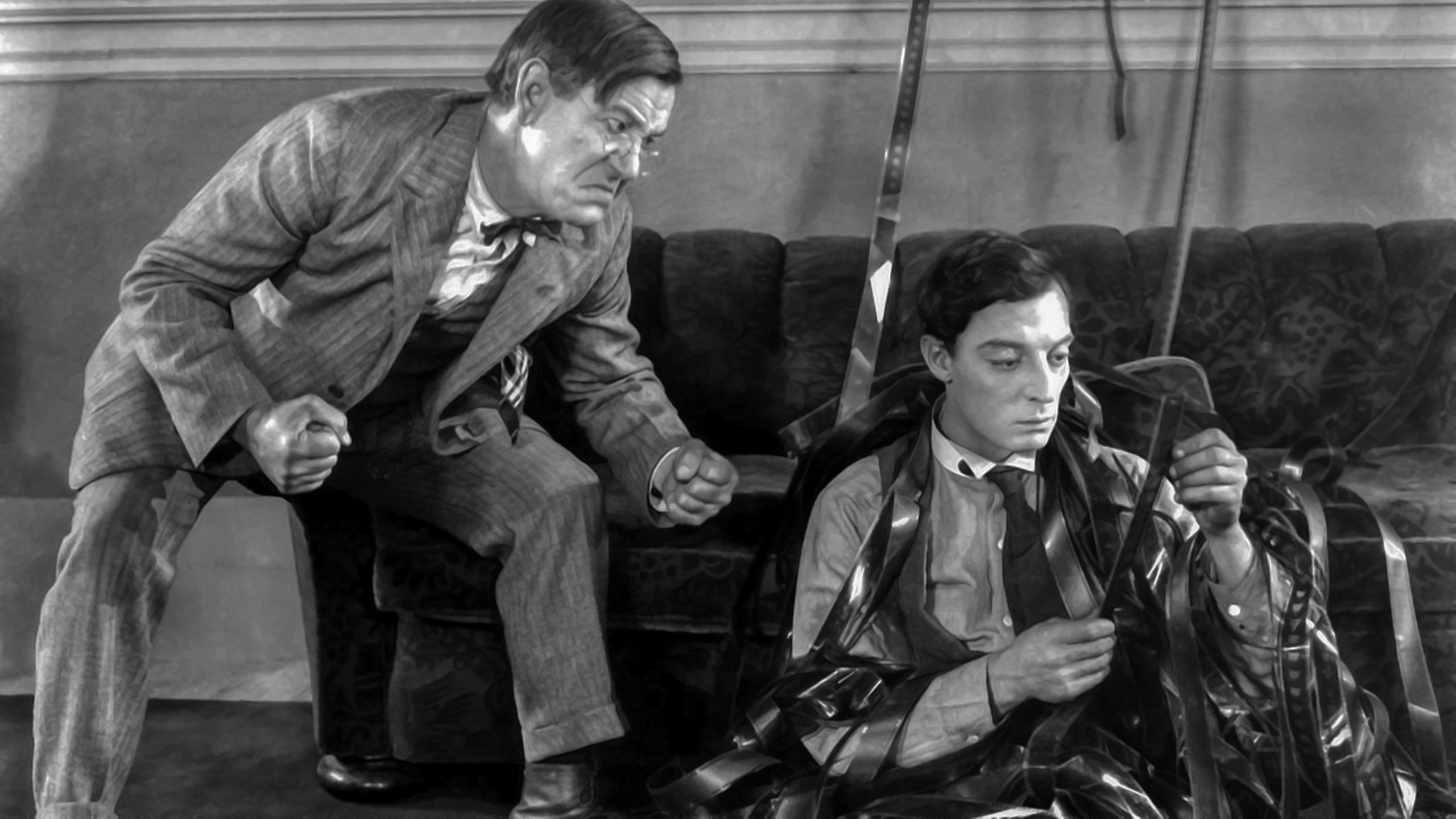
A cinema projectionist (Buster Keaton) has romantic hopes centred on The Girl (Kathryn McGuire), with The Girl’s Father (Joe Keaton) also part of his off-screen life. He wants to try his hand at detective work, and the business of following someone gives him an opportunity to practise. His pursuit leaves little distance between himself and the person he is watching, which complicates the task of keeping an eye on someone unnoticed. His job at the cinema keeps him close to the adventures unfolding on a screen, while his own attempts to distinguish himself prove more difficult.

Plays from YouTube when you press play; nothing loads from them until then.

Fi1m review

Buster Keaton makes a superb detective comedy in which the smallest movement can earn a large laugh. The courtship is thin, but the visual jokes justify every minute of its modest length.

Sherlock Jr. is a superb physical comedy that rewards the simple business of looking closely. Buster Keaton directs and stars as a projectionist whose ambitions exceed his standing. At 45 minutes, the film gives its elaborate jokes enough time to develop without wearing them out. It asks us to pay attention to where a person stands, how he moves and what he has failed to notice. The pleasure is in watching someone try to manage situations that require rather more competence than he possesses.

The close pursuit is a good example: our would-be detective follows with a diligence that defeats the purpose of following. We laughed aloud because the gap between pursuer and pursued is so absurdly small. Buster Keaton gives the business the concentration of a man who believes he is doing everything correctly. His stillness is important, allowing us to enjoy the mistake without an expression instructing us to find it funny. He seems to expect his patience to be rewarded, which makes it difficult not to wish him well.

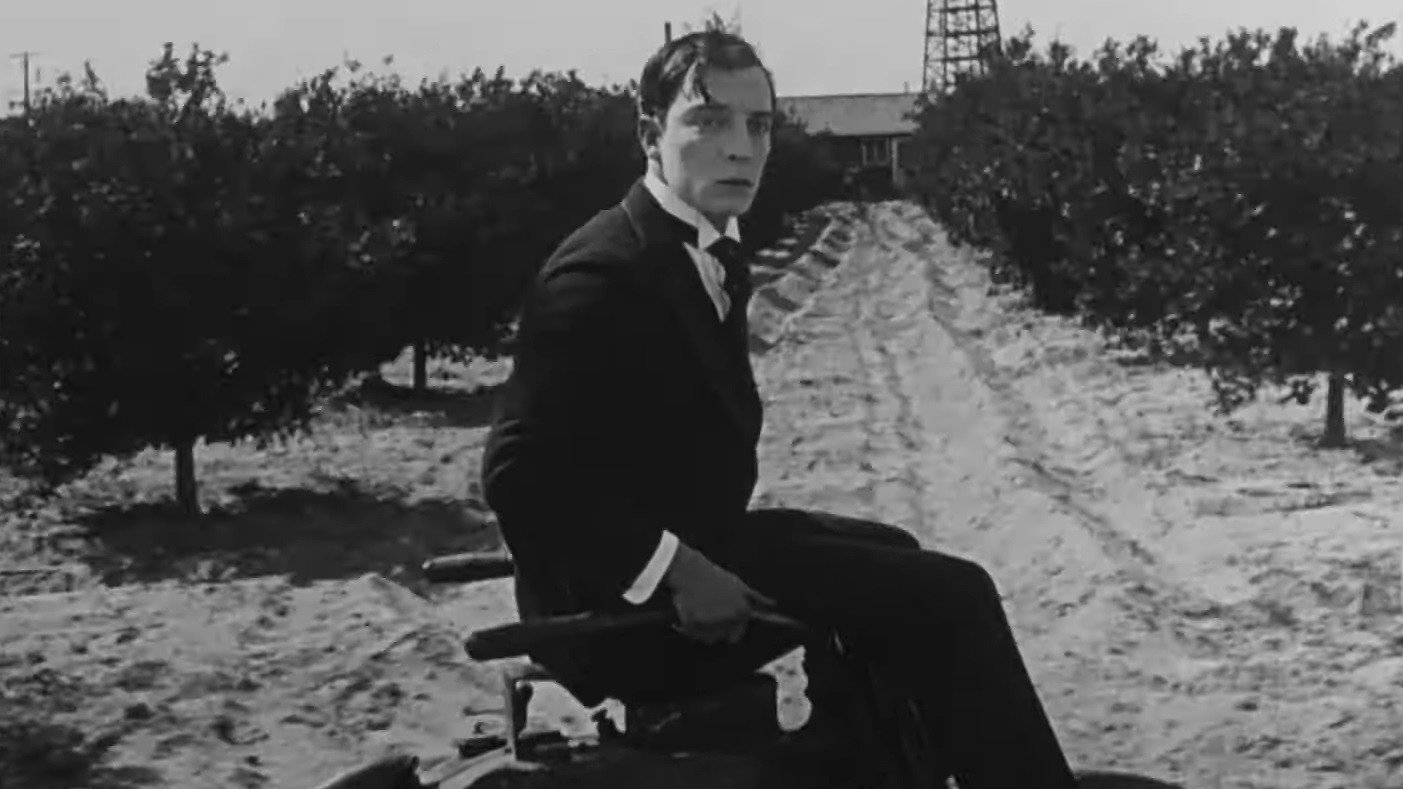
Byron Houck and Elgin Lessley make the physical comedy easy to read even when the photography starts playing tricks. We can register a movement, anticipate its consequences and enjoy having that expectation upset. There is considerable skill in making an impossible predicament clear enough for an audience to judge the attempted solution. The images do that work without drawing attention away from the performer. However elaborate the illusion, there is still a person trying to work out what to do with his body.

Buster Keaton also edits, and the cutting supplies difficulties as readily as it supplies laughs. A change of image can force a fresh adjustment, so that we become alert to the cut itself. The montage makes the changing rules of screen action funny without requiring an explanation. The timing leaves just enough space for us to understand the new problem before the next movement begins. Each joke has been allowed the time it needs, including the pause in which we catch up.

The joins in Clyde Bruckman’s screenplay remain visible. The detective business and the play with screen illusion do not always feel like parts of the same story. Kathryn McGuire has limited room as The Girl, whose romantic importance exceeds the attention paid to her as a person. That makes the courtship rather thin, though it never holds up the comedy for long. We would have welcomed a little more for her to do.

Within detective comedy, the attraction here is the business of trying to investigate: the watching, the following, the effort to look capable. There is enough affection for that effort to keep the ingenious staging from becoming merely a display of skill. The film is content to let us spot a mistake before its hero does, then wait for him to catch up. That wait can be as funny as anything he does once he understands his predicament. Give it your full attention; a distracted glance can miss the preparation that makes the next joke work.

Critical consensus AI synthesised

80
Positive
10
Mixed
0
Negative
1

Most critics greet Sherlock Jr. with strong enthusiasm, praising Keaton’s physical precision and the ingenuity of its filmmaking. The praise clusters around the dream sequence, where a projectionist enters the screen and must adjust to rapidly changing locations. Reviews find both comic pleasure and an exploration of cinematic illusion in its editing and trick photography. Keaton’s stunt work, command of movement and stillness, and carefully timed gags draw similarly broad approval.

The spread is wide, but the disagreement is concentrated in one review. Variety dismisses most of the comedy as tired and finds the chases wanting, while still admiring the passage into the projected film. Elsewhere, reservations are narrower: /Film finds the narrative somewhat patchwork, without losing enthusiasm for the result. The Guardian’s qualified response concerns an added REM soundtrack more than the original film. The consensus is firmly positive, with technical invention the clearest point of agreement.

Empire
26 June 2006 · David Parkinson
90*

Buster Keaton's third and shortest feature ranks among his best as an ironic study of fantasy and reality, life and art, and a film about film. The critic singles out the dream sequence's masterclass in comic montage and technical assurance for praise.

Read the full review →
Los Angeles Times
31 December 2009 · Kenneth Turan
90*

Turan calls Sherlock Jr. one of the most sublime comedies of all time, highlighting Keaton's mastery of movement and stillness in a style that is as intellectual as it is physical. The review singles out the film's demonstration of why Keaton is a purely American film genius.

Read the full review →
RogerEbert.com
10 November 2002 · Roger Ebert
90*

Ebert hails Buster Keaton as the greatest silent clown for his unmatched courage and physical daring in films like Sherlock Jr., where he faces extraordinary risks with grace under pressure. The review singles out Keaton's inventive physical comedy and optimistic determination amid chaos as standout elements.

Read the full review →
Slant Magazine
4 December 2010 · Bill Weber
90*

It calls Sherlock Jr. a clockwork tour de force and perhaps Keaton’s most delightful creation, praising its playful structure, eye-popping gags, and confirmation of the filmmaker’s maturing craft in a lean 45-minute package.

Read the full review →
The Hollywood Reporter
29 August 2024 · Thomas Doherty
90*

The piece celebrates the film's ingenious gags, trick photography, and stunt work while highlighting its meta exploration of how audiences engage with screen imagery as a prescient meditation on imagination and media.

Read the full review →
Time Out
4 November 2014 · TM
90*

Keaton's third feature is an incredible technical accomplishment and an almost Pirandellian exploration of cinematic reality. The projectionist daydreams himself into the screen, where rapid montage creates perils; the timing in the chase sequence is a technical marvel.

Read the full review →

Cast

Stills

If you liked this, try…

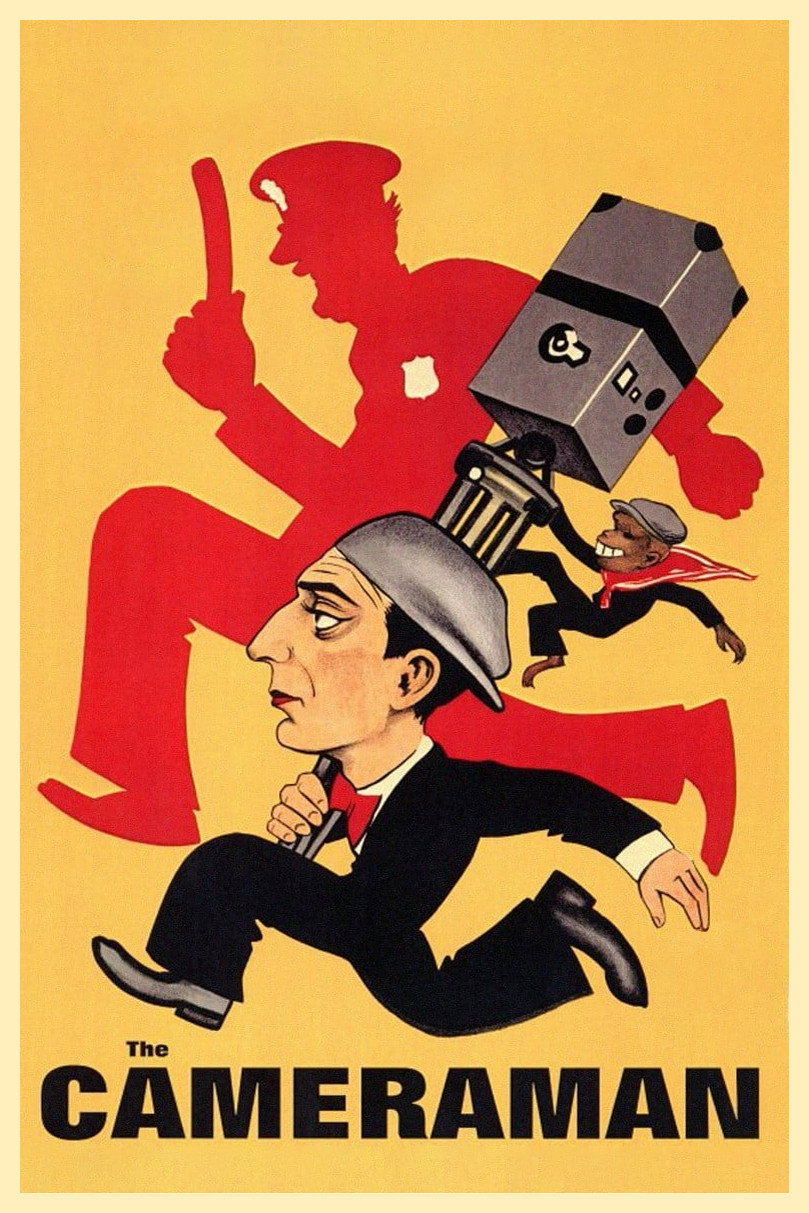
The Cameraman poster

The Cameraman

1928 · More patient courtship and physical mishaps, with work once again complicating romance.

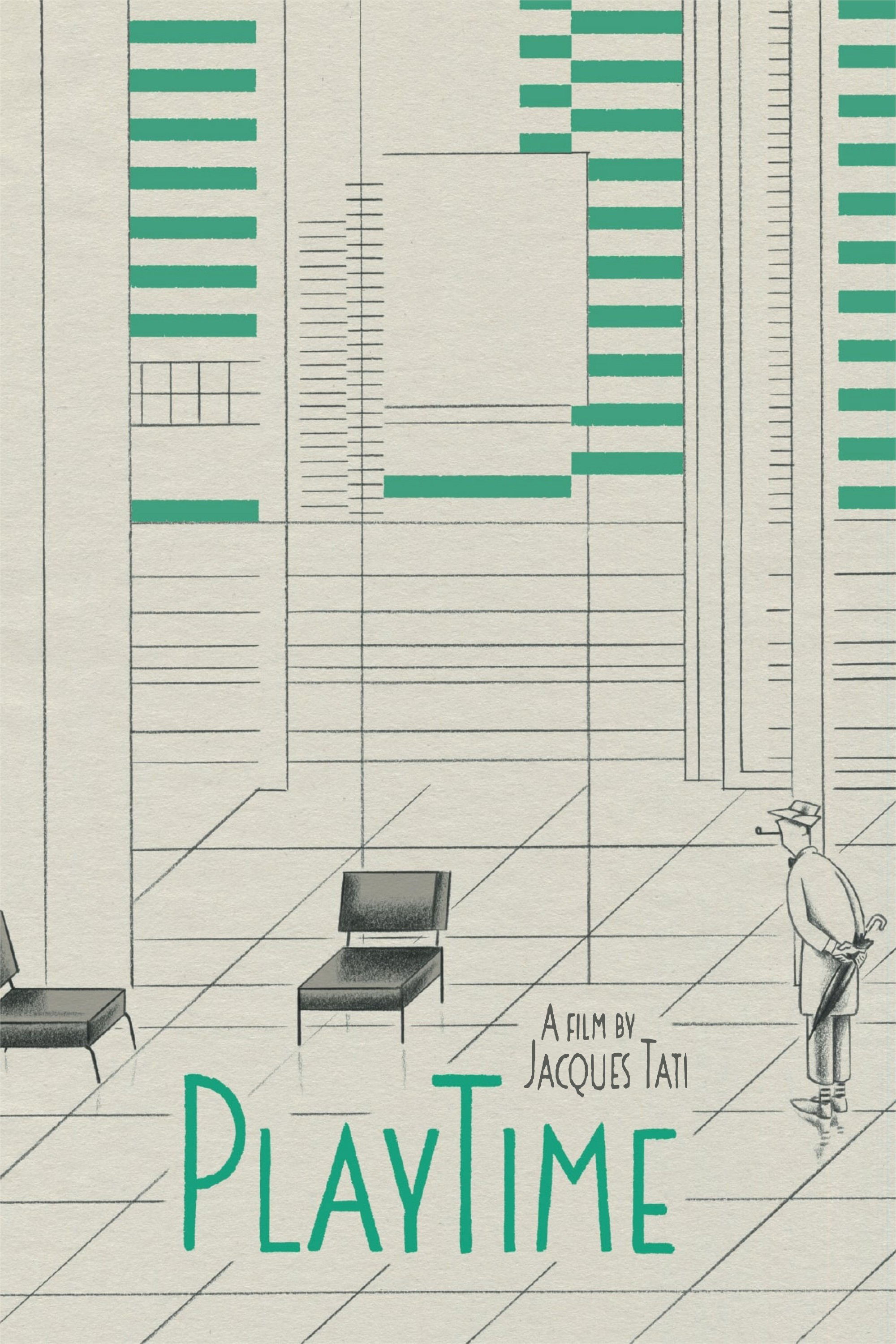
PlayTime poster

PlayTime

1967 · For the pleasure of finding the joke somewhere nobody thought to look.

The Purple Rose of Cairo poster84

The Purple Rose of Cairo

1985 · Another cinema dreamer discovers how awkward it is to want the screen’s promises.

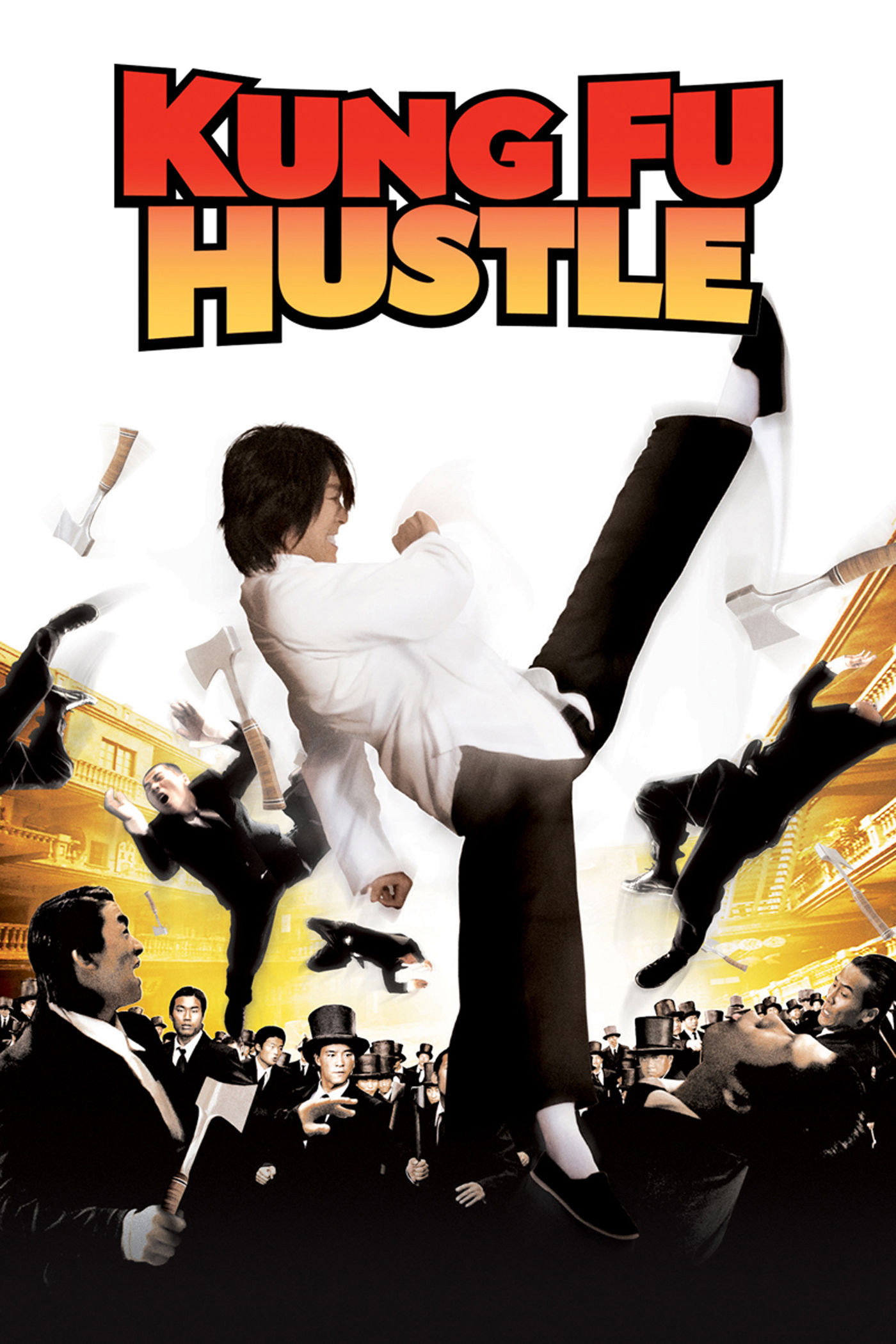
Kung Fu Hustle poster

Kung Fu Hustle

2004 · Elaborate physical comedy where impossible movement follows surprisingly strict comic rules.

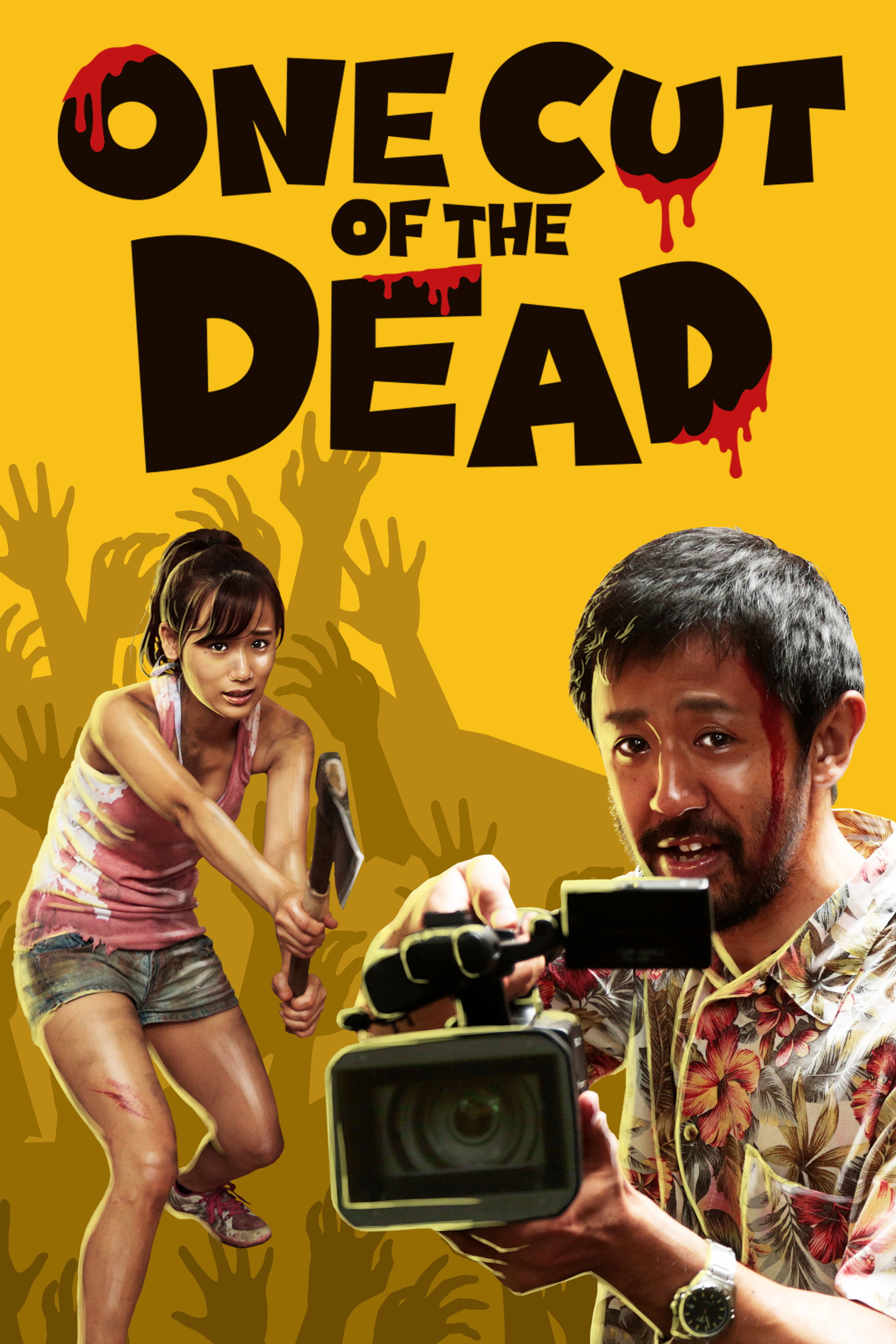
One Cut of the Dead poster

One Cut of the Dead

2017 · Film-making becomes a practical nightmare, with comic timing worth paying close attention to.