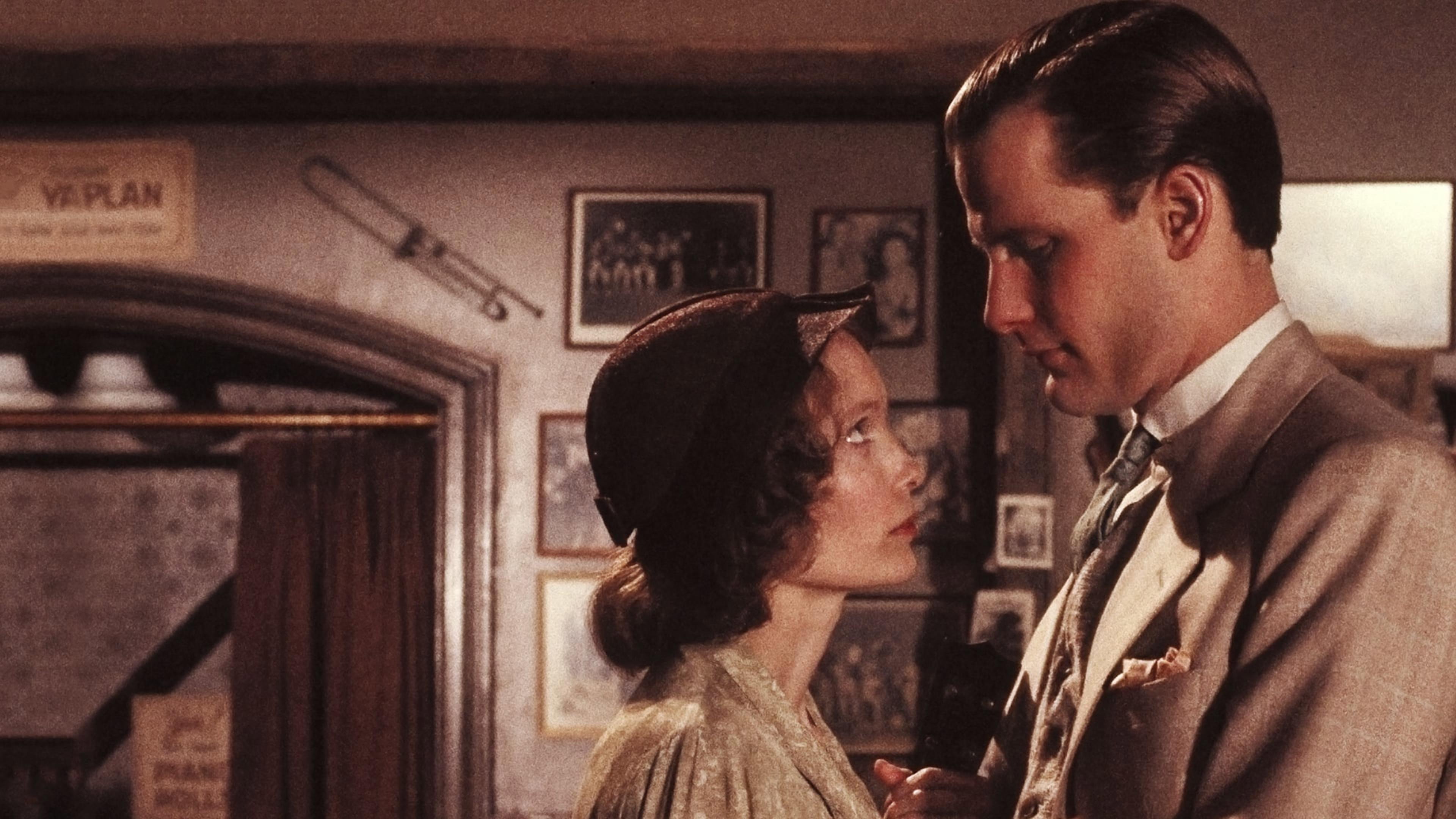
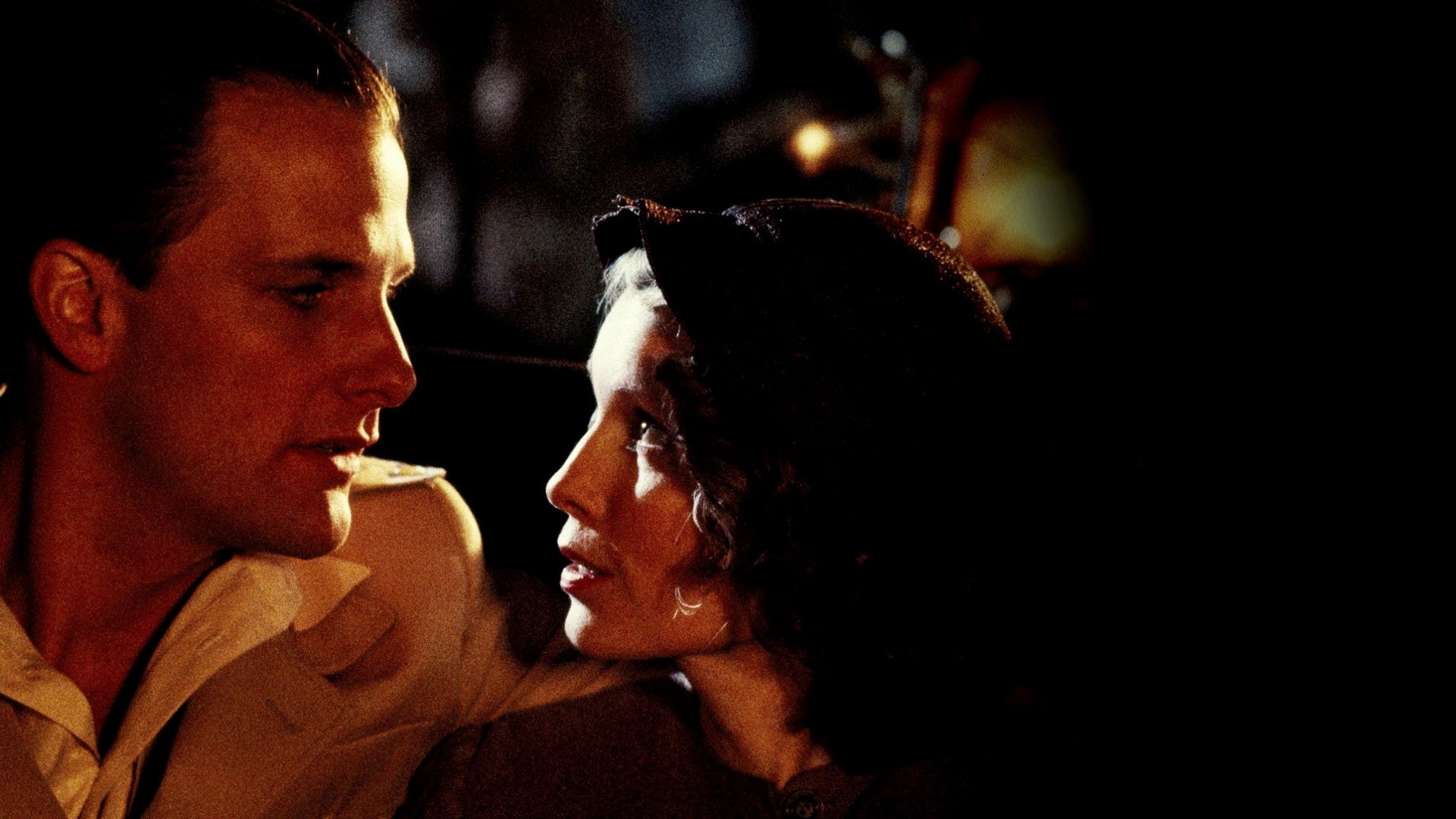
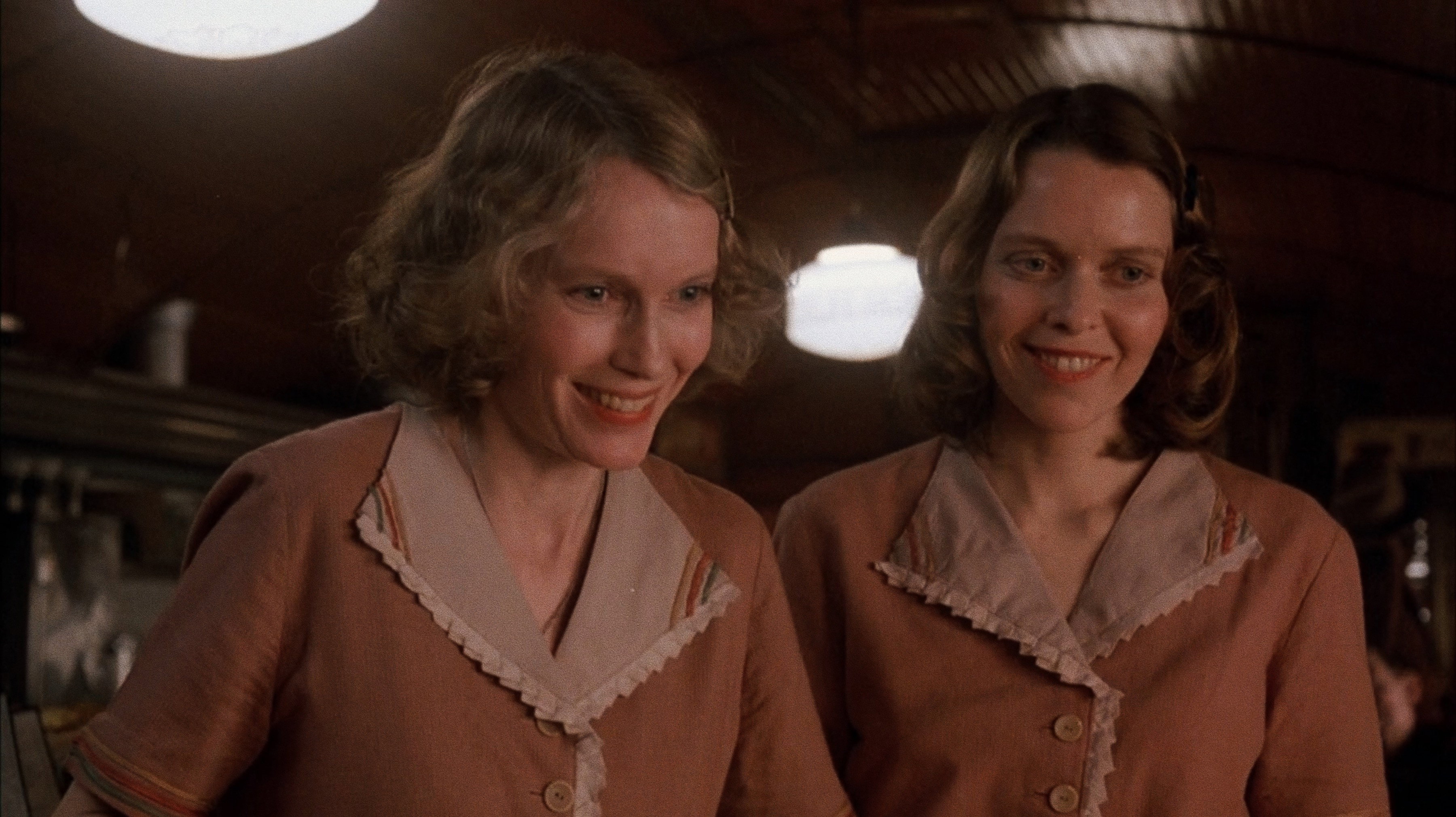
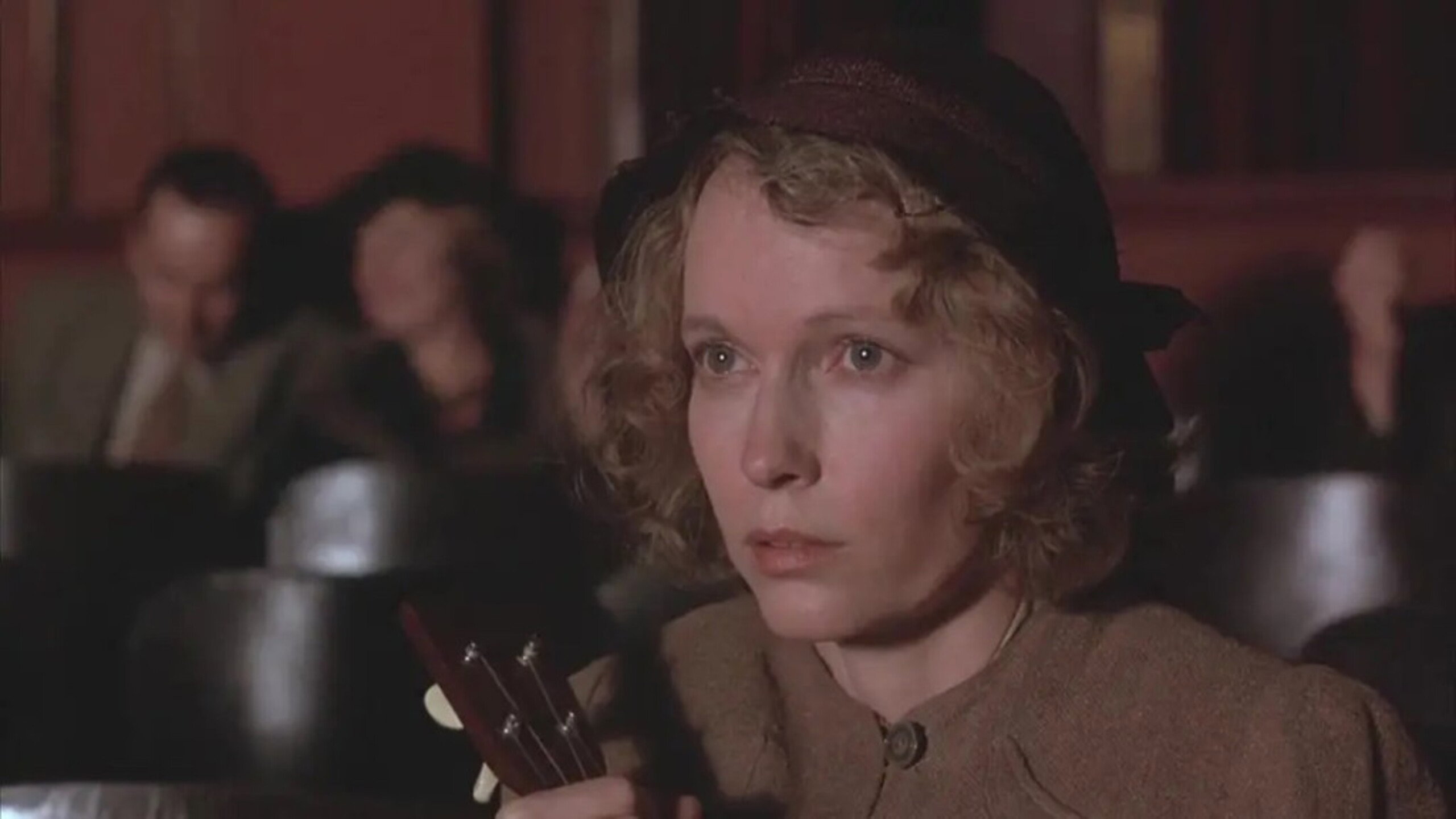
Woody Allen’s fantasy comedy is funny, tender and worth taking seriously, with Mia Farrow making its impossible romance matter. The people around her can feel thinly written, but her need to escape is painfully convincing.
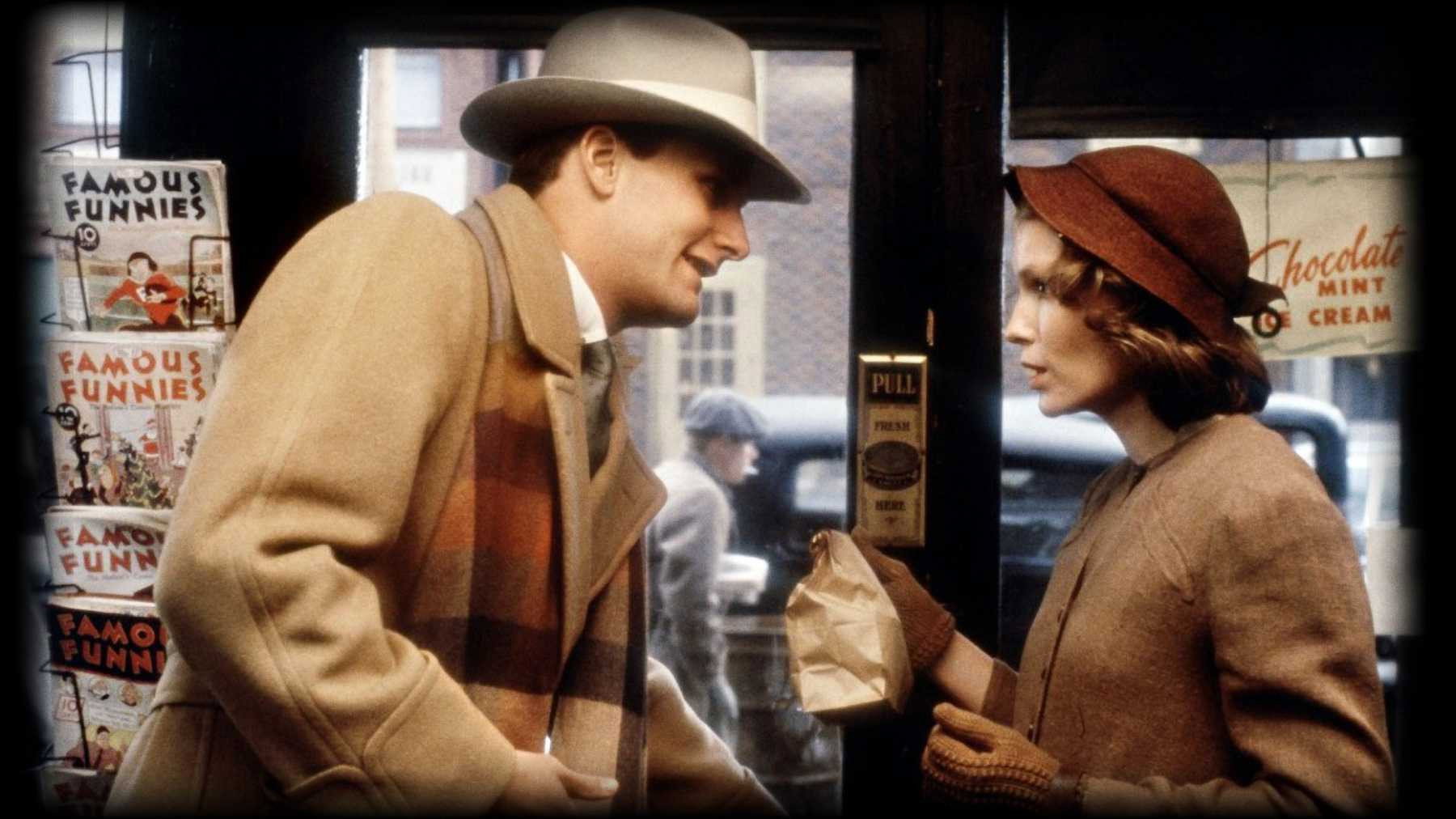
The Purple Rose of Cairo is an affecting fantasy comedy which takes its heroine’s unhappiness seriously without forgetting to be funny. Woody Allen, writing and directing, gives Cecilia a wish that anyone devoted to films can recognise: someone from the screen might notice her back. It is an excellent premise for a joke. What makes the film worth our time is how much that attention means to a woman whose ordinary life offers her so little.
Farrow gives Cecilia a vulnerability that never becomes an invitation to feel superior to her. Her reliance on films has the urgency of a need, and she plays it without pleading for our sympathy. We were moved when the character stepped off the screen to meet her. The impossible encounter matters because Farrow has made her attachment to the screen convincing before it happens.
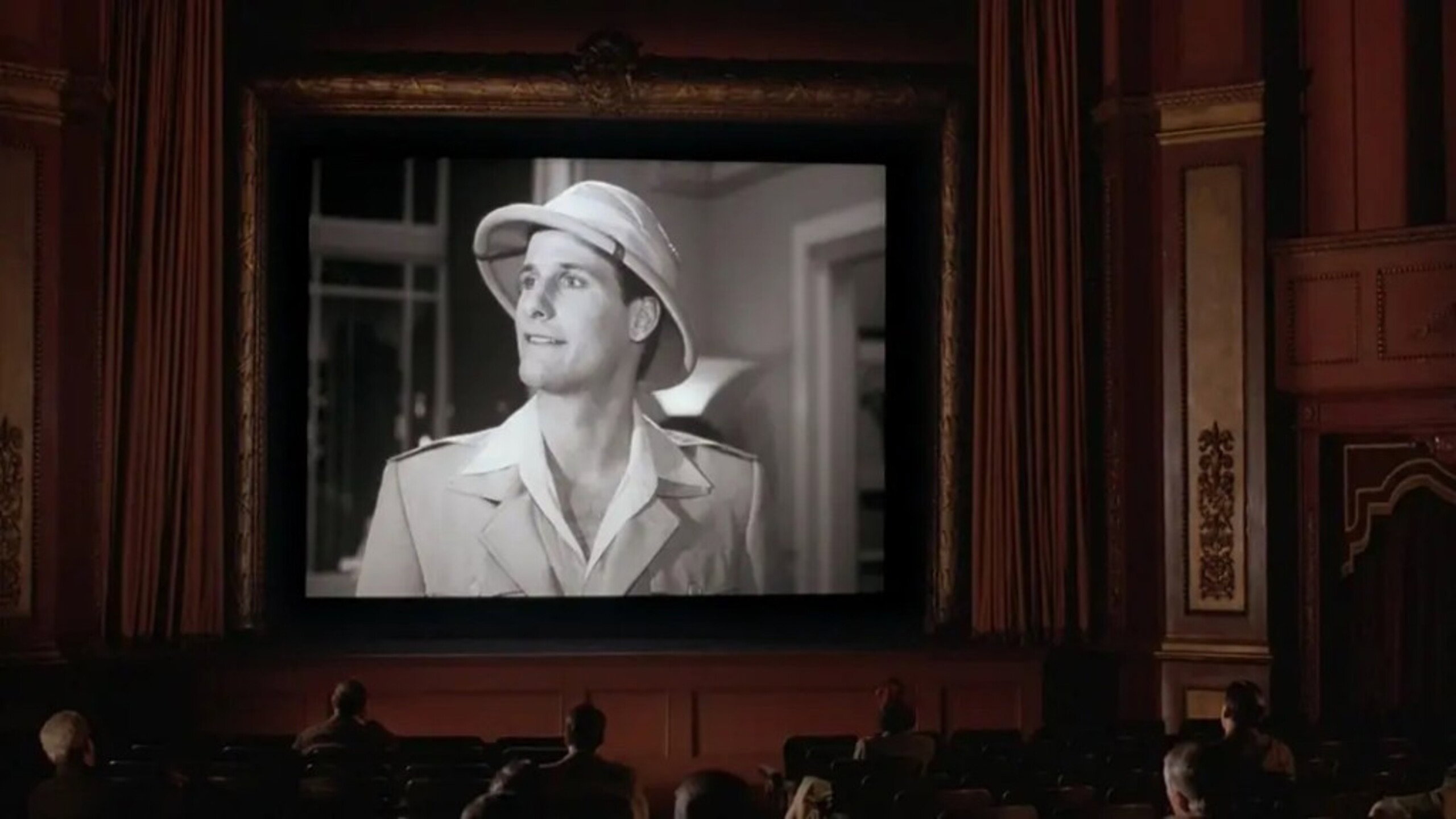
Jeff Daniels, playing Tom Baxter and Gil Shepherd, has a harder comic assignment than the premise initially suggests. He has to make fantastic emotions understandable without explaining the joke, and his directness is a considerable asset. Allen gets further laughs from the characters left inside the film, who have to respond to the departure. Their predicament gives the fantasy a practical inconvenience we can recognise, even when the situation is impossible.
Gordon Willis’s photography gives Farrow enough attention to keep Cecilia central to all this cleverness. We remain interested in her even while waiting to see what the impossible situation permits next. Stuart Wurtzel’s production design makes the Depression setting feel like somewhere she needs to escape, which is more useful here than period charm. There is pleasure in the setting, but it never cancels out the reasons she seeks refuge in a cinema.
Susan E. Morse’s editing keeps the reactions of the characters left on screen from feeling like a separate comedy bolted to Cecilia’s romance. Dick Hyman’s music supports the romantic feeling without bullying us into it. The film runs 82 minutes, a length which leaves little room for the premise to wear out its welcome. That restraint matters in a fantasy whose possible complications could keep a writer busy for much longer.
The weakness is in Allen’s writing of the people around Cecilia, who can feel like examples supplied to illustrate her predicament. Once their purpose is clear, there is not always much else to discover about them. That limits how much we care about anyone beyond the central relationship. The supporting characters are amusing company, but the film asks little more of them. We wanted Allen to give those parts some of the complications he allows her.
As a romantic fantasy, the film is unusually attentive to the need that makes the fantasy attractive. Cecilia’s pleasure in films is never treated as a habit she should simply grow out of, and that generosity matters. Allen can be slight here, but he is careful with her feelings. See it for Farrow, and allow for a supporting world that is less fully imagined than she is.