Will Ferrell’s restrained performance and his warmth with Maggie Gyllenhaal make this romantic fantasy worth an evening. Marc Forster’s film is funny and affecting, though its literary cleverness gets fussy and its answers too tidy.
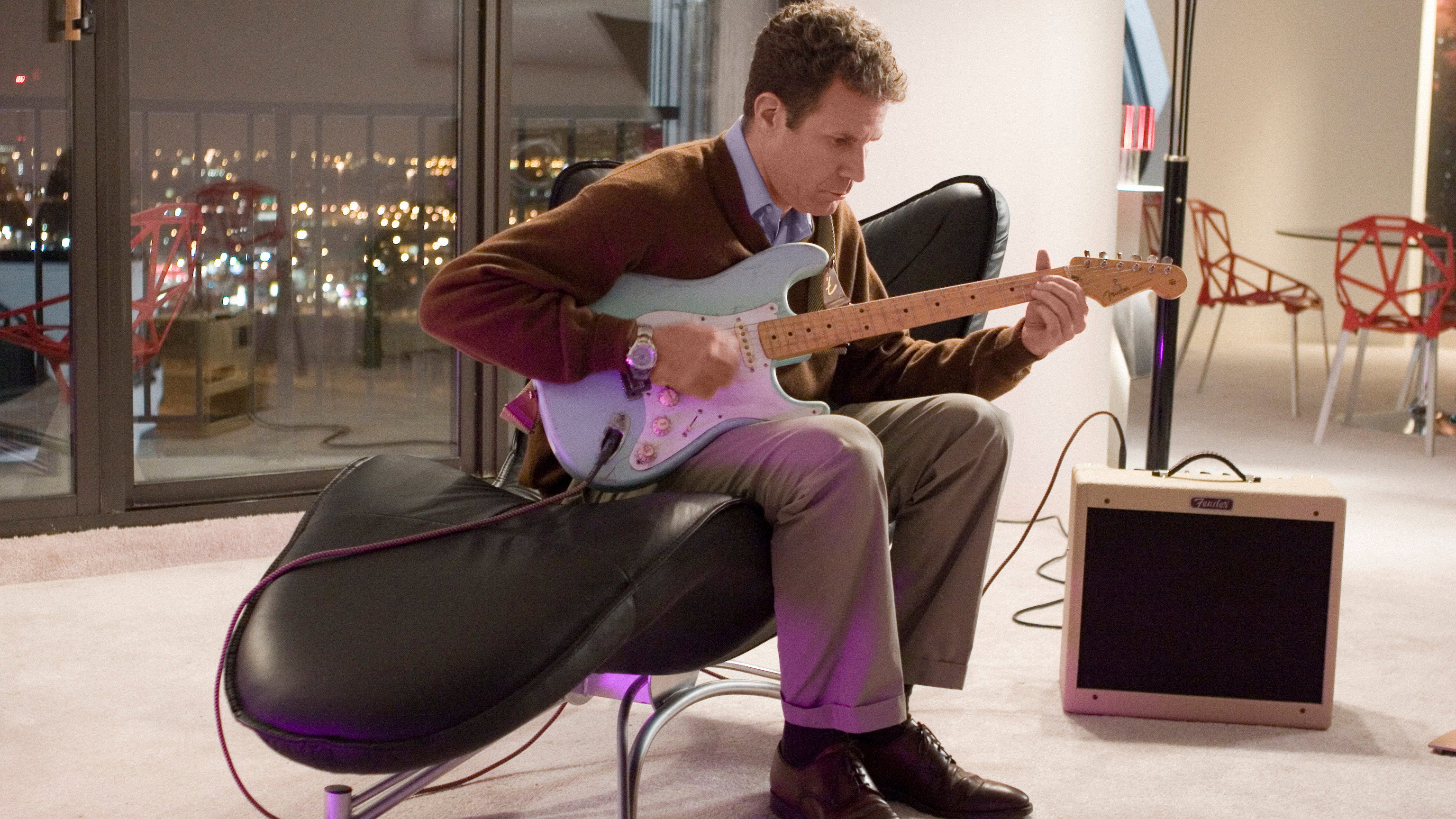
Marc Forster’s Stranger Than Fiction is a funny, tender romantic fantasy that gets rather pleased with its literary cleverness. We recommend it for Will Ferrell, whose reserve keeps the film human when Zach Helm’s screenplay threatens to turn it into an exercise. The questions concern who gets to shape a life and what responsibility comes with telling a story. They are worth asking, but the film is better when Harold Crick has something personal at stake. Falling in love gives Ferrell plenty to work with.
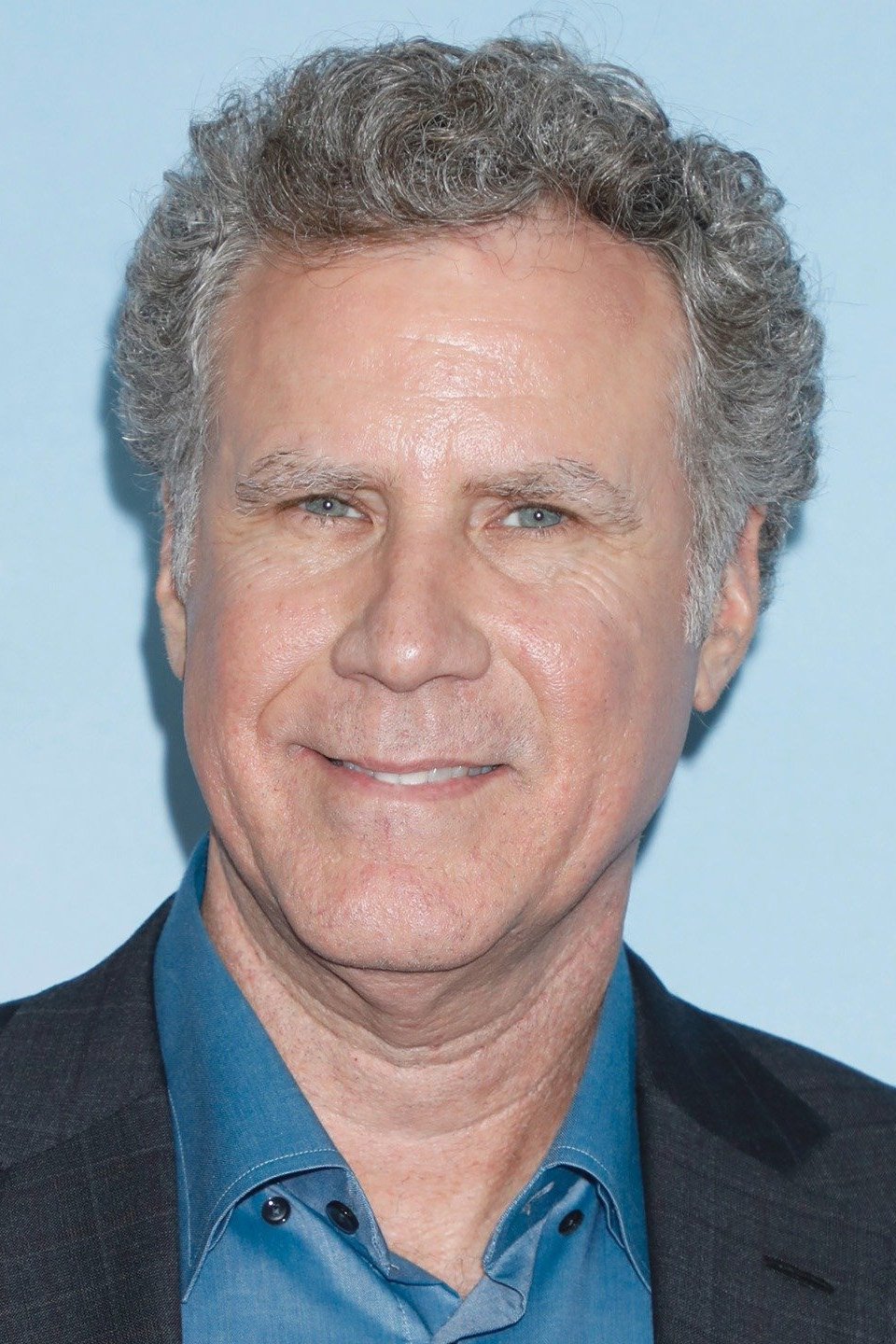
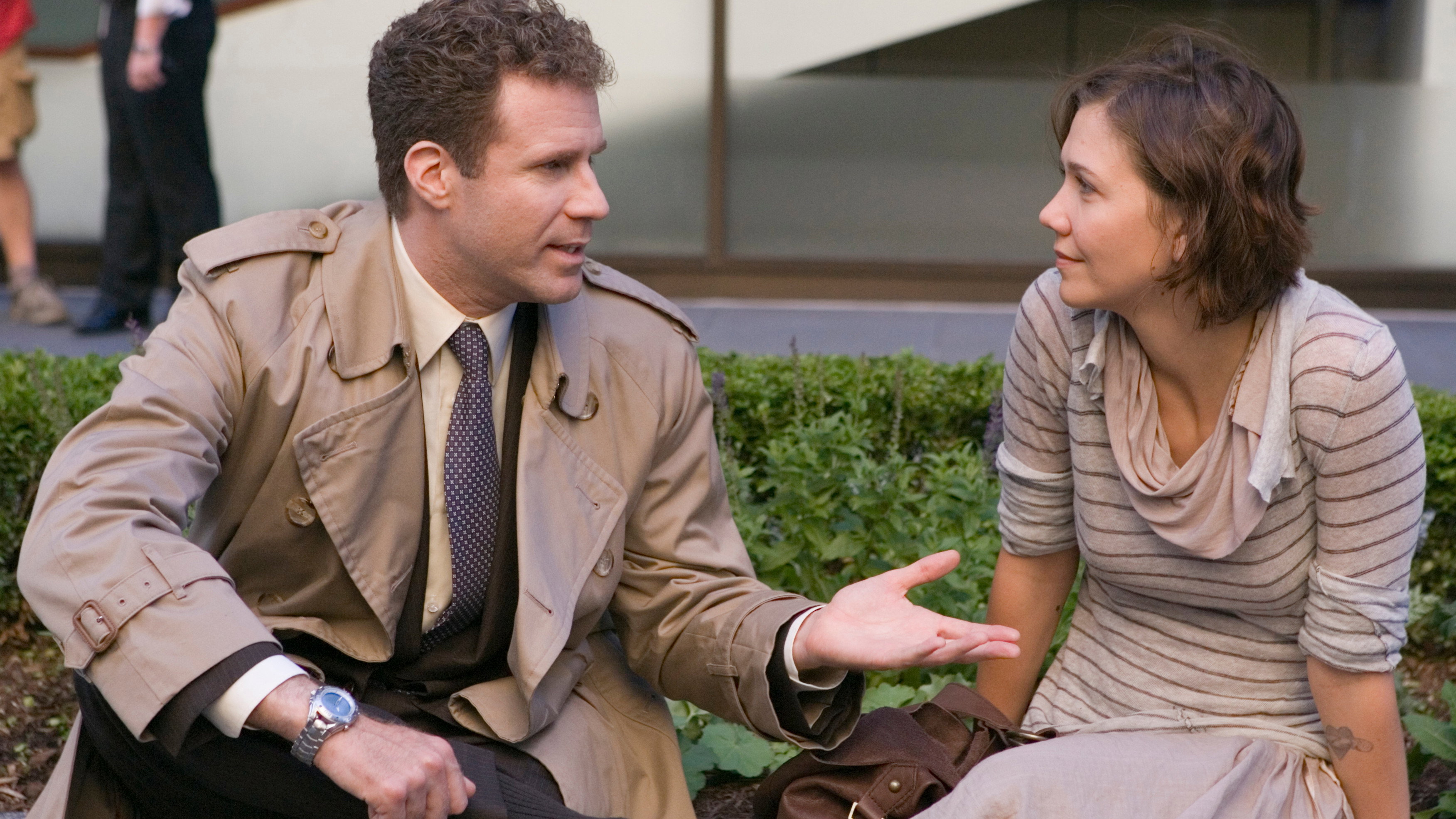
Ferrell plays Harold’s uncertainty without signalling that he finds any of this ridiculous. His shyness has weight, and the muted performance makes the romantic scenes with Maggie Gyllenhaal’s Ana Pascal unexpectedly affecting. We were moved by Harold’s awkwardness with Ana: Ferrell makes the effort of getting close to someone feel difficult, and Gyllenhaal makes it worth the attempt. Their warmth stops the romance feeling like a reward handed out for enduring the philosophical business. Forster is right to trust them without demanding a larger comic performance.
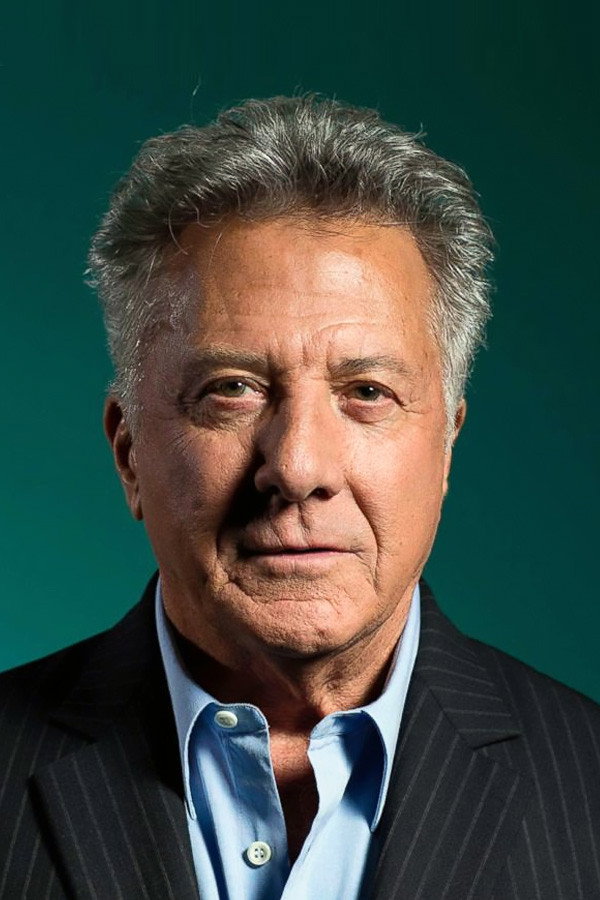
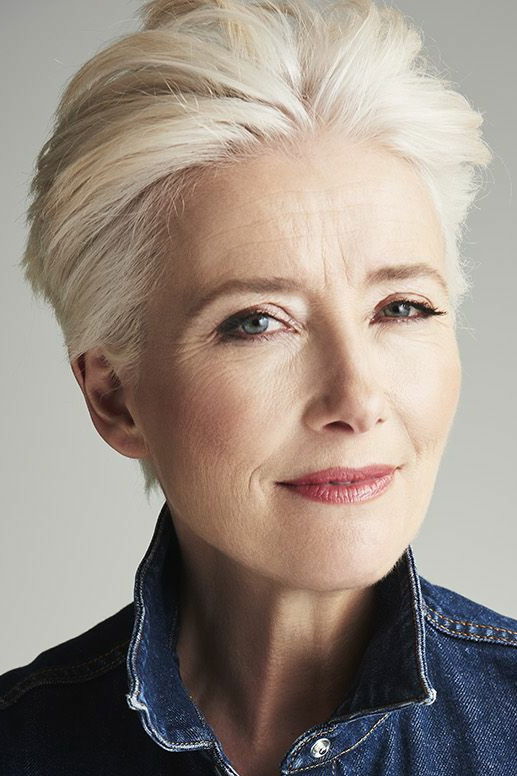
Emma Thompson, as Karen Eiffel, supplies a more forceful sort of comedy, and her performance gives the film some welcome bite. She can make its literary preoccupations entertaining even when the writing risks making them solemn. Dustin Hoffman’s Professor Jules Hilbert is useful as the film’s internal critic, bringing a questioning intelligence to material that occasionally needs someone to challenge it. With performers this assured, Helm’s dialogue can be sharp without everyone seeming to wait for applause.
The visual fuss is harder to forgive, because Ferrell is already doing enough to hold our attention. Roberto Schaefer’s cinematography can feel over-arranged beside that plain, unshowy acting. Kevin Thompson’s production design adds to the distraction; we kept wanting to concentrate on Harold without admiring how carefully the picture around him had been put together. There is pleasure in the care taken, but Forster too often treats an interesting idea as something that needs further decoration.
Matt Chessé’s editing is more persuasive, keeping the comedy brisk enough that the questions about identity do not turn every scene into a discussion group. The pace gives the actors room without allowing the film to become ponderous. Britt Daniel and Brian Reitzell’s music helps the shifts between romantic warmth and unease feel less laboured. Holding comedy, anxiety and romance together is a substantial part of the job here, and the pacing and music do it well.
Helm’s script causes the larger difficulty: it complicates the premise beyond what the characters need, then seems anxious to reassure us about the questions it has raised. We do not need a romantic fantasy to provide a watertight theory of fiction. But a tidy answer does not quite satisfy after the film has made Harold’s uncertainty so affecting. The writing becomes too concerned with making everything fit, and some of its earlier curiosity gets lost in the process.
As a romantic comedy, it has the important advantage of making us want to spend time with its couple. The affection is earned through performance, even where the screenplay makes things too neat. Ferrell’s earnestness allows Forster a degree of sweetness that a broader performance might have made unbearable. Give it an evening if a shy romance appeals, and allow the literary discussion to be a little less convincing.