Film review

The Truman Show

1998 · Directed by Peter Weir · 1h 43m · MPA PG

In a sentenceThe fake advertisements are funny until we remember somebody has to live between them

ComedyDrama

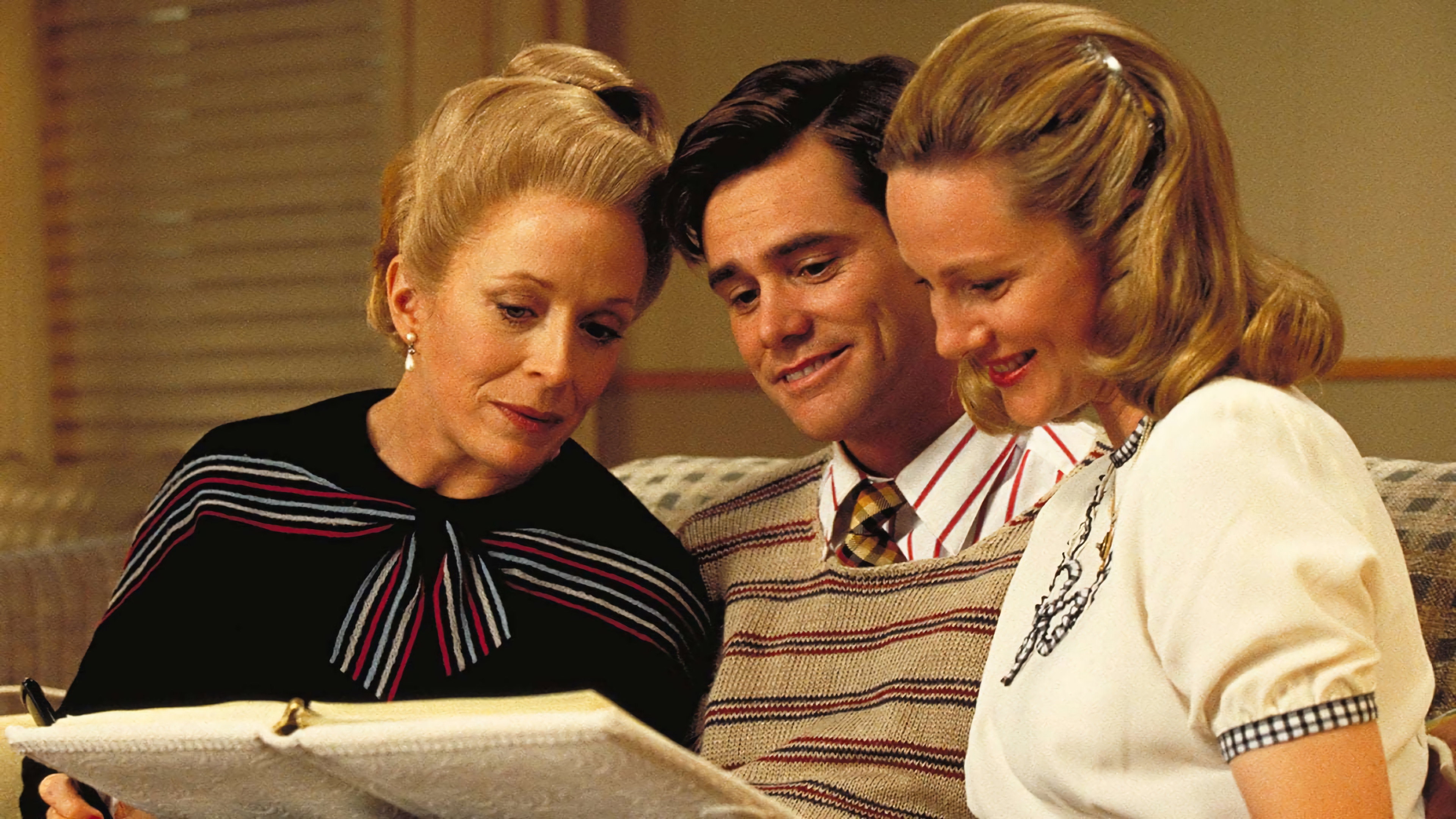
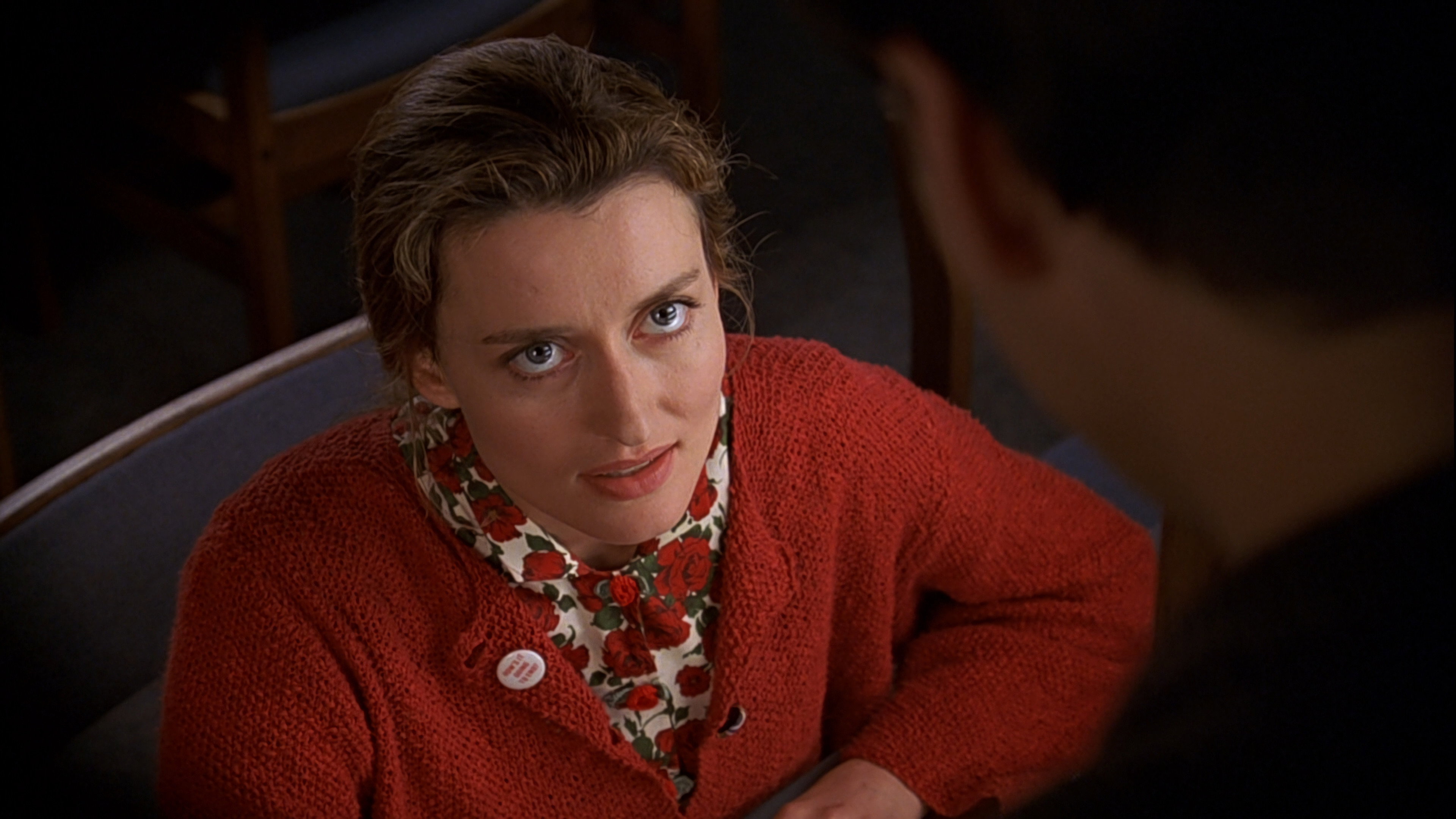
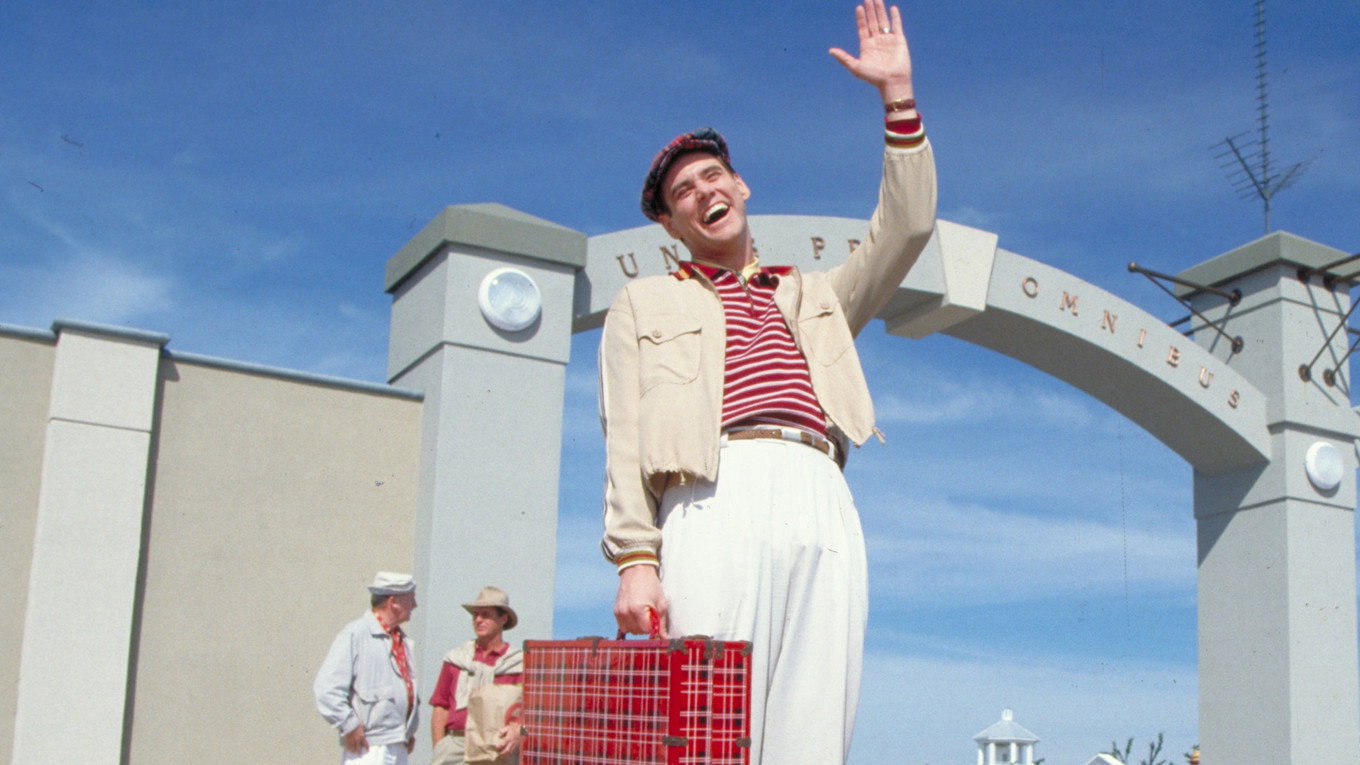
Truman Burbank (Jim Carrey) is on television without knowing it. His life provides the material for a programme whose audience knows more about him than he does. As he starts to question what he sees, the people around him become harder to trust. Laura Linney plays Meryl Burbank, Noah Emmerich plays Marlon and Natascha McElhone plays Lauren Garland, with Ed Harris as Christof. Directed by Peter Weir and written by Andrew Niccol, the film follows Truman’s attempts to make sense of his surroundings, while asking what it means to turn someone else’s private life into entertainment.

Plays from YouTube when you press play; nothing loads from them until then.

Fi1m review

Peter Weir’s comedy about a life turned into television is funny, unsettling and carried by Jim Carrey’s vulnerable performance. It makes blame too easy to assign, but the hurt beneath its clever premise is hard to dismiss.

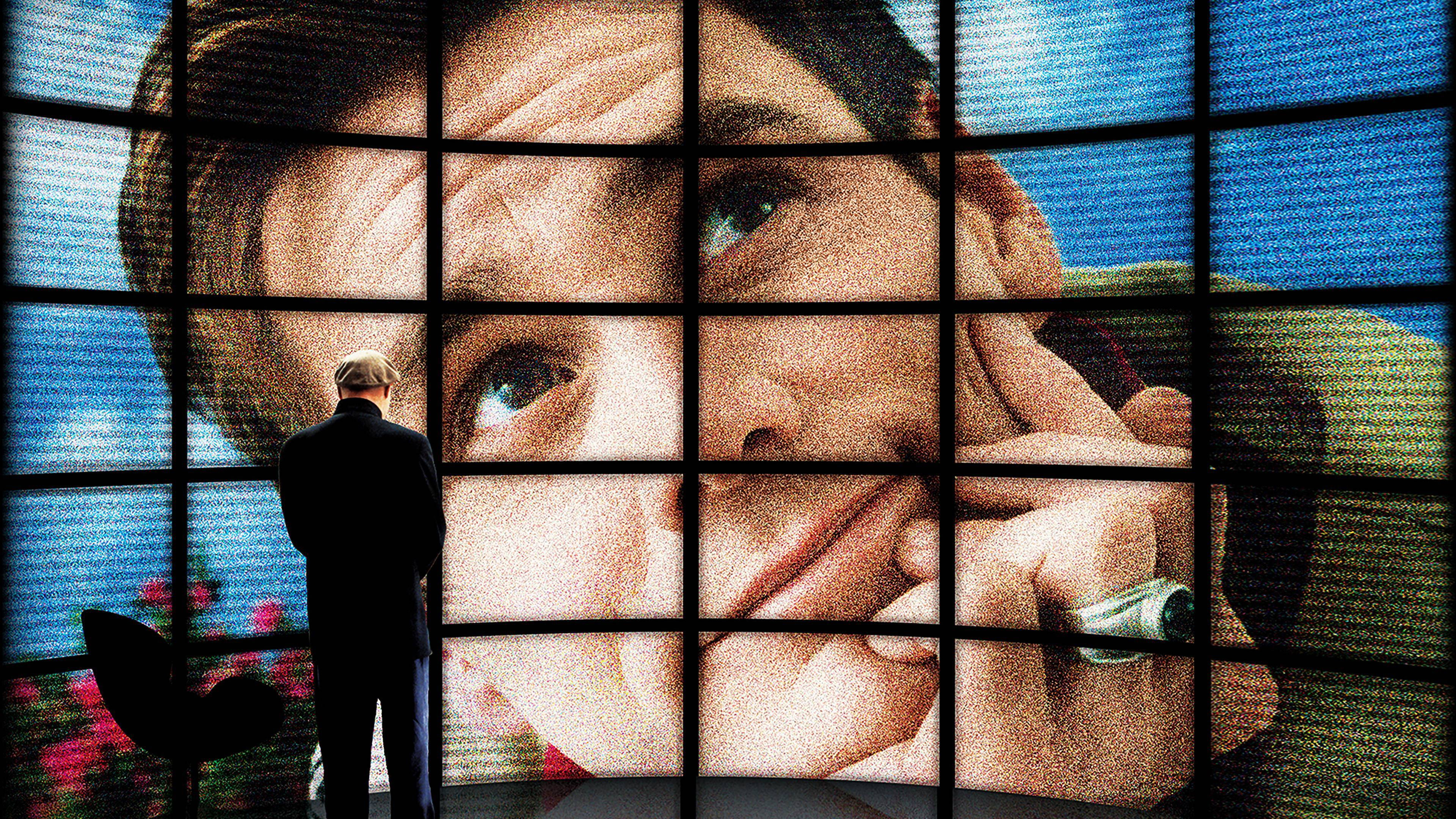
We recommend The Truman Show warmly, with one reservation: its account of who is responsible becomes too tidy. Peter Weir’s comedy about a life turned into television is funny and upsetting because it keeps its attention on the person being watched. Writer Andrew Niccol begins with a cruelty that sounds almost harmless when described as an idea for a programme. Jim Carrey’s Truman Burbank is on television without knowing it.

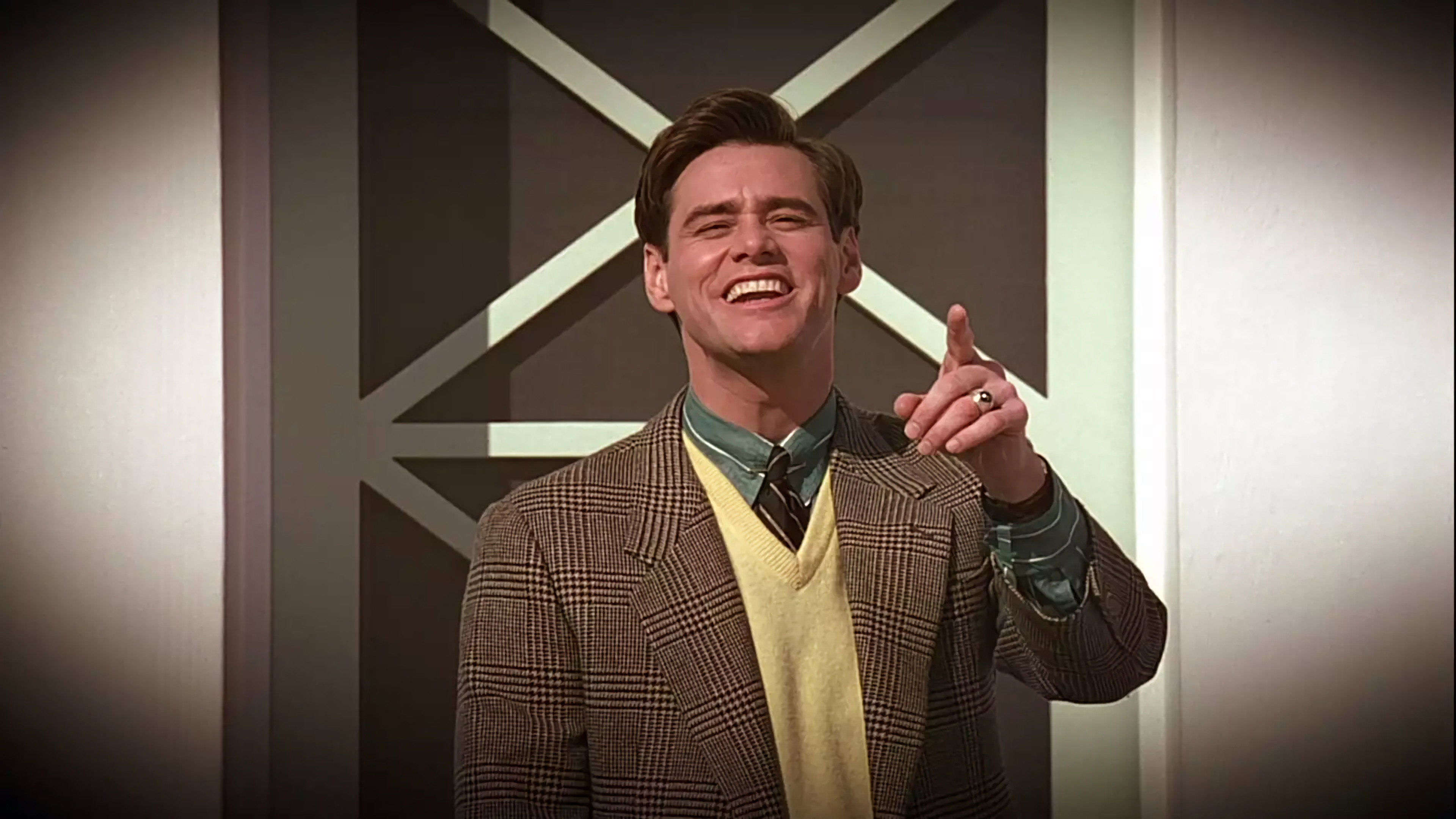
Carrey gives Truman enough comic energy to make him enjoyable company, then lets uncertainty interrupt it. He does not discard the comedy when the part asks for fear. His restraint matters: we can still see the eagerness beneath the suspicion, and his vulnerability never feels like an actor asking for credit for being serious. We want him to understand what is happening around him because the performance makes his confusion painful to watch.

The fake advertisements made us laugh, then made us uncomfortable. A sales pitch is a poor substitute for a conversation, especially when the person listening expects affection. Laura Linney and Noah Emmerich are sharp as Meryl and Marlon, giving the relationships enough apparent warmth for Truman’s growing uncertainty to hurt. Weir lets the awkwardness linger rather than using the advertisements as quick jokes.

Peter Biziou’s cinematography keeps the images polished and controlled, with little room for anything to seem accidental. Dennis Gassner’s production design makes that neatness feel increasingly oppressive. The fake advertisements do not need a separate visual style to look at home here, which is part of the trouble. The careful finish helps us understand why Truman might have trusted what he saw.

William M. Anderson and Lee Smith’s editing keeps the explanations from overwhelming the comedy, and 103 minutes is a sensible length for an idea this concentrated. There is enough time to register Truman’s discomfort before the film moves on to another reason for it. Burkhard von Dallwitz’s music gives his predicament a tenderness that the sharper jokes might otherwise crowd out. It is effective, though there are moments when Carrey has already made the feeling plain and the music need not press it.

The script’s identifiable villain also makes the film easier to take than its subject warrants. Ed Harris plays Christof with a calm authority, but Niccol gives us too convenient a place to direct our anger. That allows the appetite for watching other people’s lives to escape some of the scrutiny it deserves. Harris holds our attention, even when the writing has made our response to him rather straightforward.

A lesser comedy about television could be content to make its viewers feel clever for recognising the tricks. Weir keeps returning to the pain of being denied a private life, and Carrey gives that pain a recognisable human scale. For a satire with such an elaborate premise, it is unusually attentive to the person having to live through it. See it for Carrey, and resist the temptation to have another screen running beside him.
Critical consensus AI synthesised

84
Positive
6
Mixed
1
Negative
0

Most critics respond warmly to The Truman Show, praising its media satire and the feeling it gives to questions about privacy, control and reality. The strongest agreement concerns Jim Carrey: the reviews repeatedly single out his restraint, warmth and vulnerability alongside his comic energy. Peter Weir’s direction also draws praise for making an ambitious premise accessible, while the film’s intelligence and attention to character help explain its broad appeal.

The reservations concern how fully the story follows through on its ideas. The Hollywood Reporter finds the ending short of the emotional weight the premise demands. The Independent offers the clearest dissent, arguing that an identifiable villain simplifies the questions being raised and that the film sometimes manipulates its audience. Even that more guarded response admires Carrey and Weir. The spread is therefore largely between enthusiasm and qualified praise, with disagreement over the storytelling rather than the central performance.

Radio Times
★★★★★ · Alan Jones
100

The critic hails the film as an ingenious, dazzling and sophisticated satirical comedy drama about media omnipotence, flawlessly executed with ambitious cinematic brilliance and strong performances from the cast.

Read the full review →
Time Out
21 July 2014 · TCh
90*

The critic calls it the best comedy since Groundhog Day and praises it as more than a savvy satire on media saturation, describing it as a moving metaphysical fable and a modern classic.

Read the full review →
Total Film
9 October 1998
90*

The film is a thoughtful, intelligent, character-driven masterpiece and a rare mainstream crowd-pleaser that respects the audience's intelligence. The critic singles out Jim Carrey's warm, vulnerable, and understated central performance for particular praise.

Read the full review →
Empire
1 January 2000 · Adam Smith
85*

Peter Weir's end-of-millennium masterpiece is a witty, prescient fable about media saturation, privacy, and the corruption of watching others' lives. It highlights the powerful image of a camera lens at the centre of a toddler's mobile as summing up the theme of betrayal.

Read the full review →
The Guardian
9 October 1998
80*

The film is cleverly conceived and brilliantly executed as a witty exercise in media satire, with Jim Carrey delivering an impressive performance that blends comic energy and existential depth. It excels in its satirical touches, ingenious explanations for implausibilities, and allegorical exploration of control and reality.

Read the full review →
The Hollywood Reporter
27 April 1998 · Michael Rechtshaffen
80*

The critic calls the film a cleverly conceived and masterfully executed satire of media manipulation and reality TV, praising Weir's direction, Niccol's script, and Carrey's nuanced performance. It notes strong production values and supporting turns but finds the ending lacks sufficient emotional weight for the story's scale.

Read the full review →

Cast

Stills

Awards

Academy Awards, 1999

Nominated
Best Director
Nominated
Best Supporting Actor
Nominated
Best Writing, Original Screenplay

Hugo Awards, 1999

Won
Best Dramatic Presentation

European Film Award for Best Non-European Film, 1998

Won
European Film Award for Best Non-European Film

If you liked this, try…

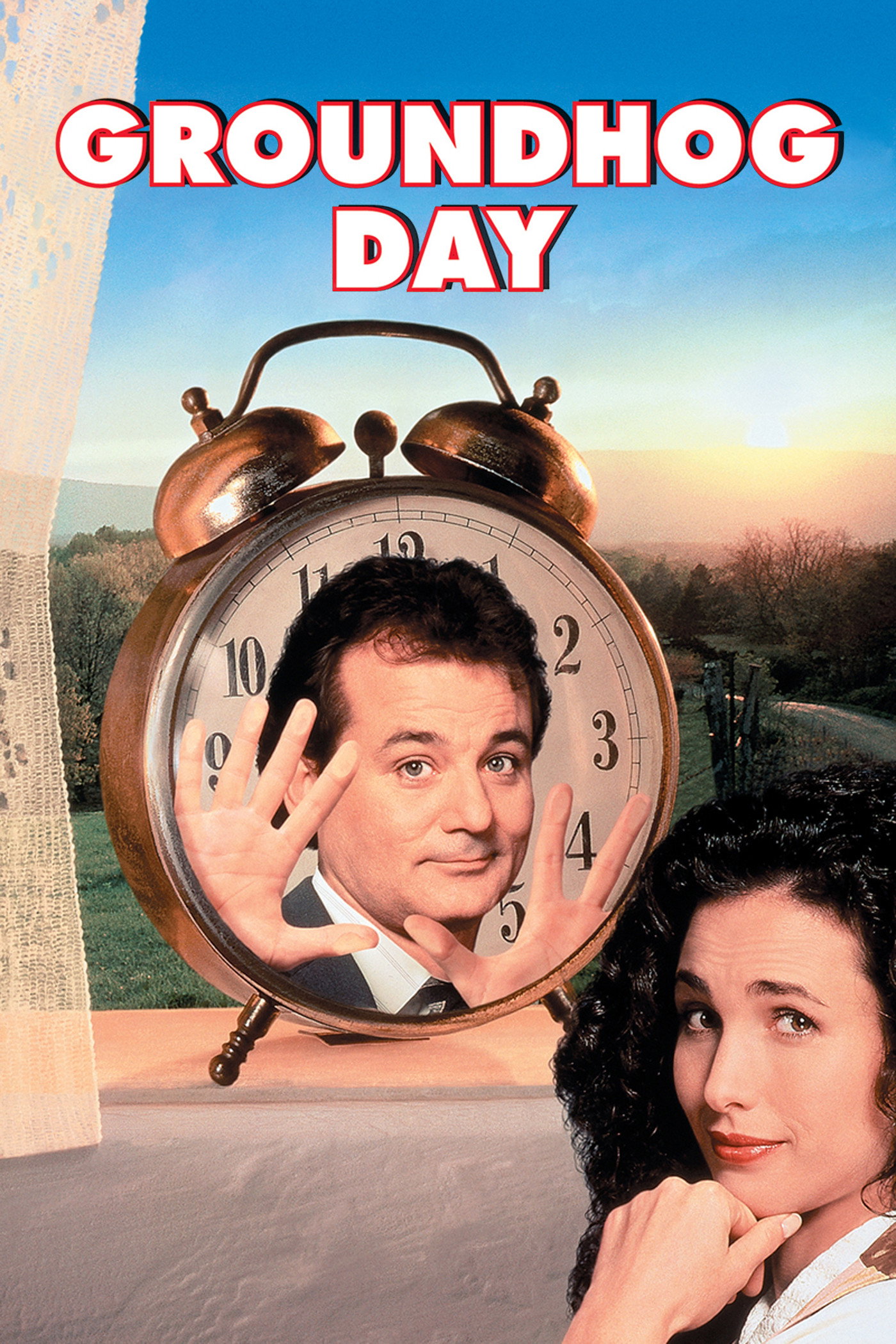
Groundhog Day poster

Groundhog Day

1993 · Another comic lead finds fear and tenderness inside an apparently simple premise.

The Prisoner poster

The Prisoner

1967 · A stranger television nightmare about control, identity and a community that discourages questions.

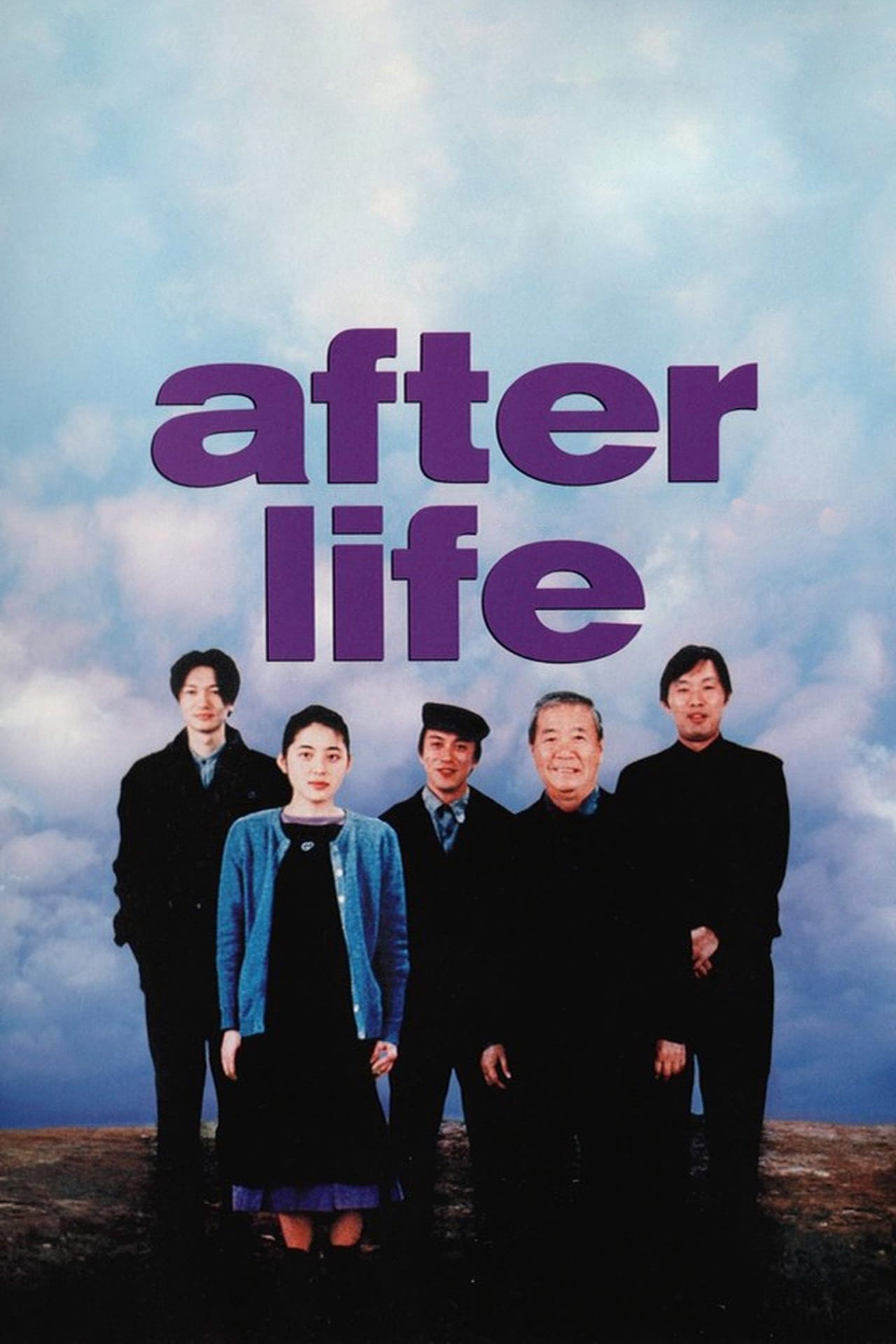
After Life poster

After Life

1998 · A quieter fantasy about ordinary lives, recorded images and who chooses what survives.

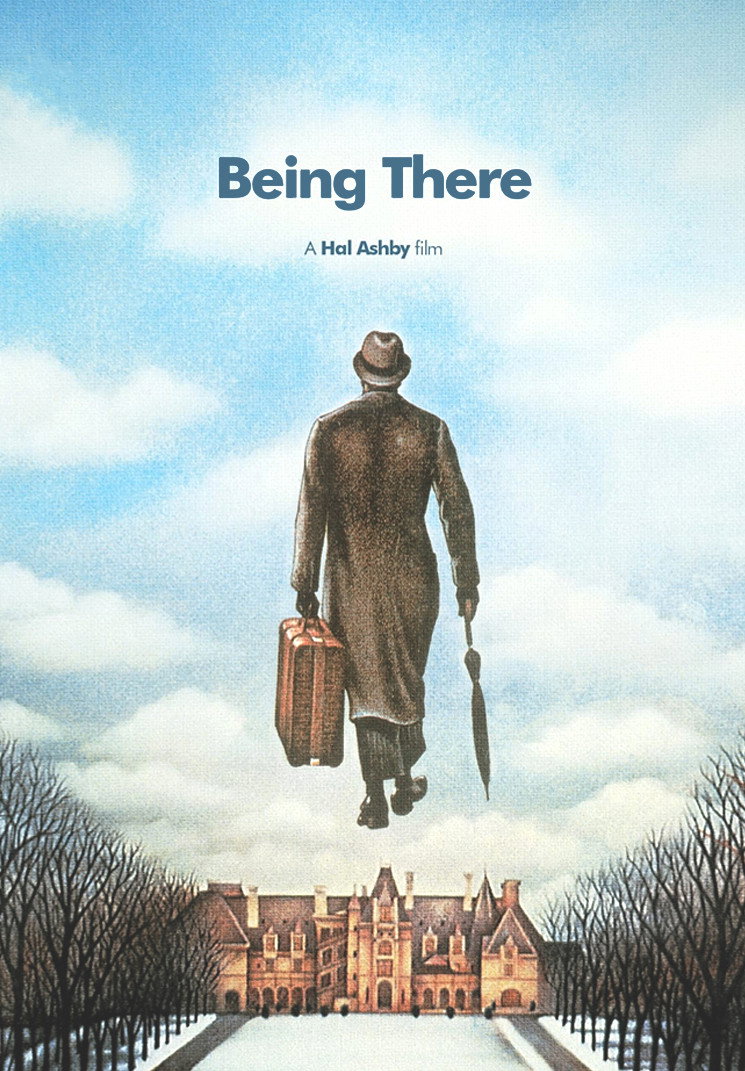
Being There poster

Being There

1979 · Another gentle central performance surrounded by people projecting their own meanings.

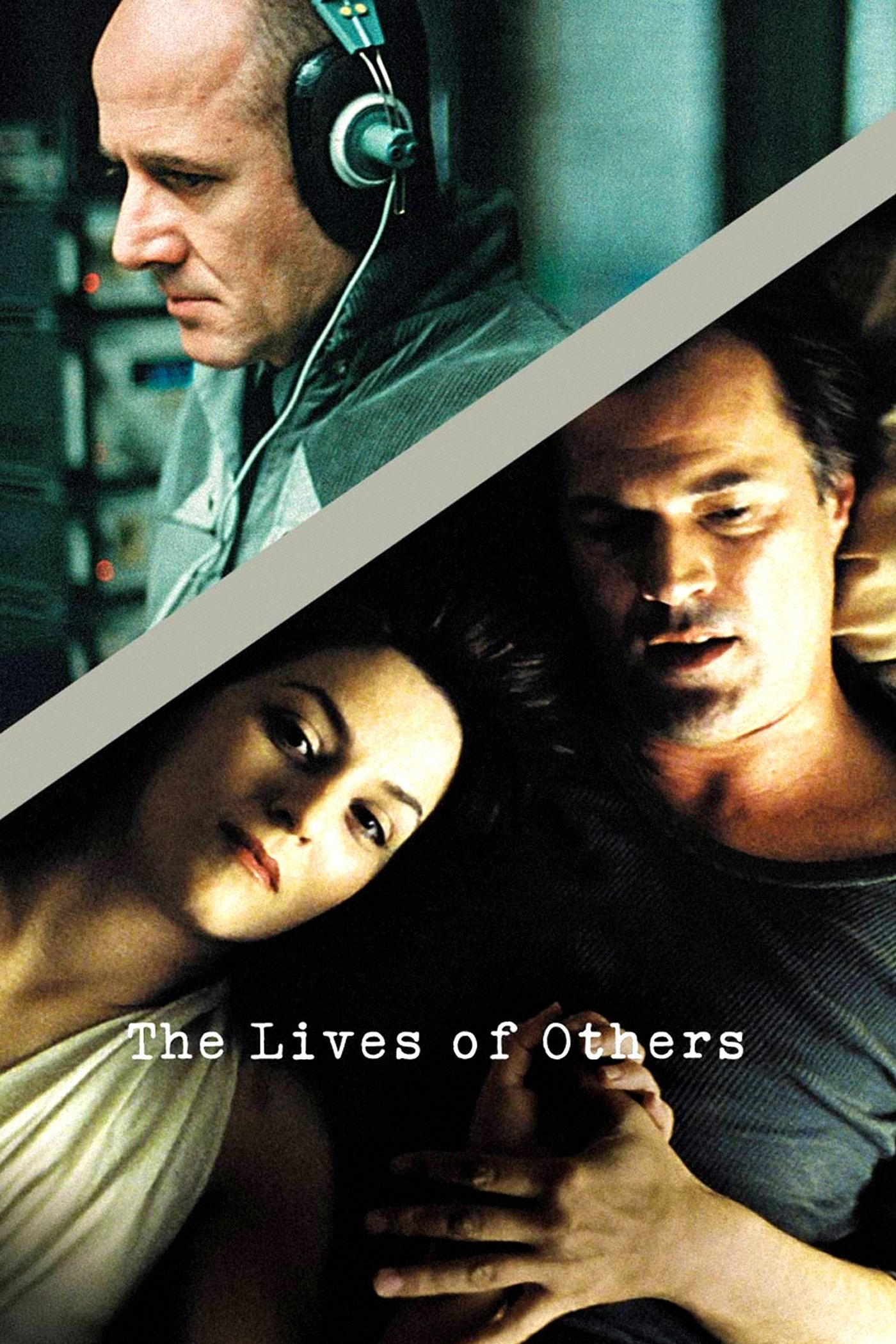
The Lives of Others poster

The Lives of Others

2006 · For surveillance treated as an intrusion into relationships, with considerably less comedy.