Film review

Groundhog Day

1993 · Directed by Harold Ramis · 1h 41m · MPA PG

In a sentenceBill Murray discovers that spending every day with Bill Murray is not necessarily a privilege

RomanceFantasyComedy

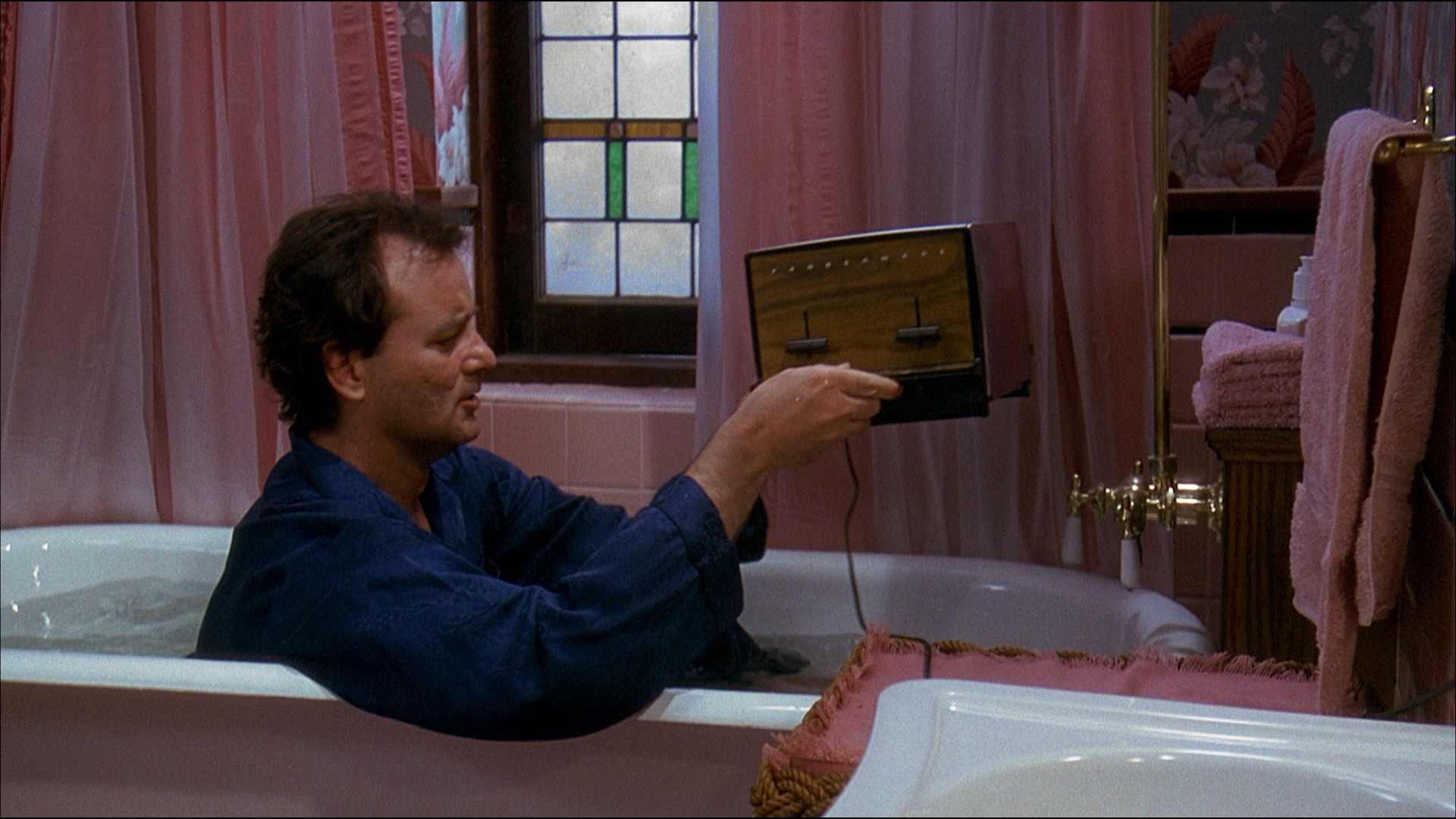
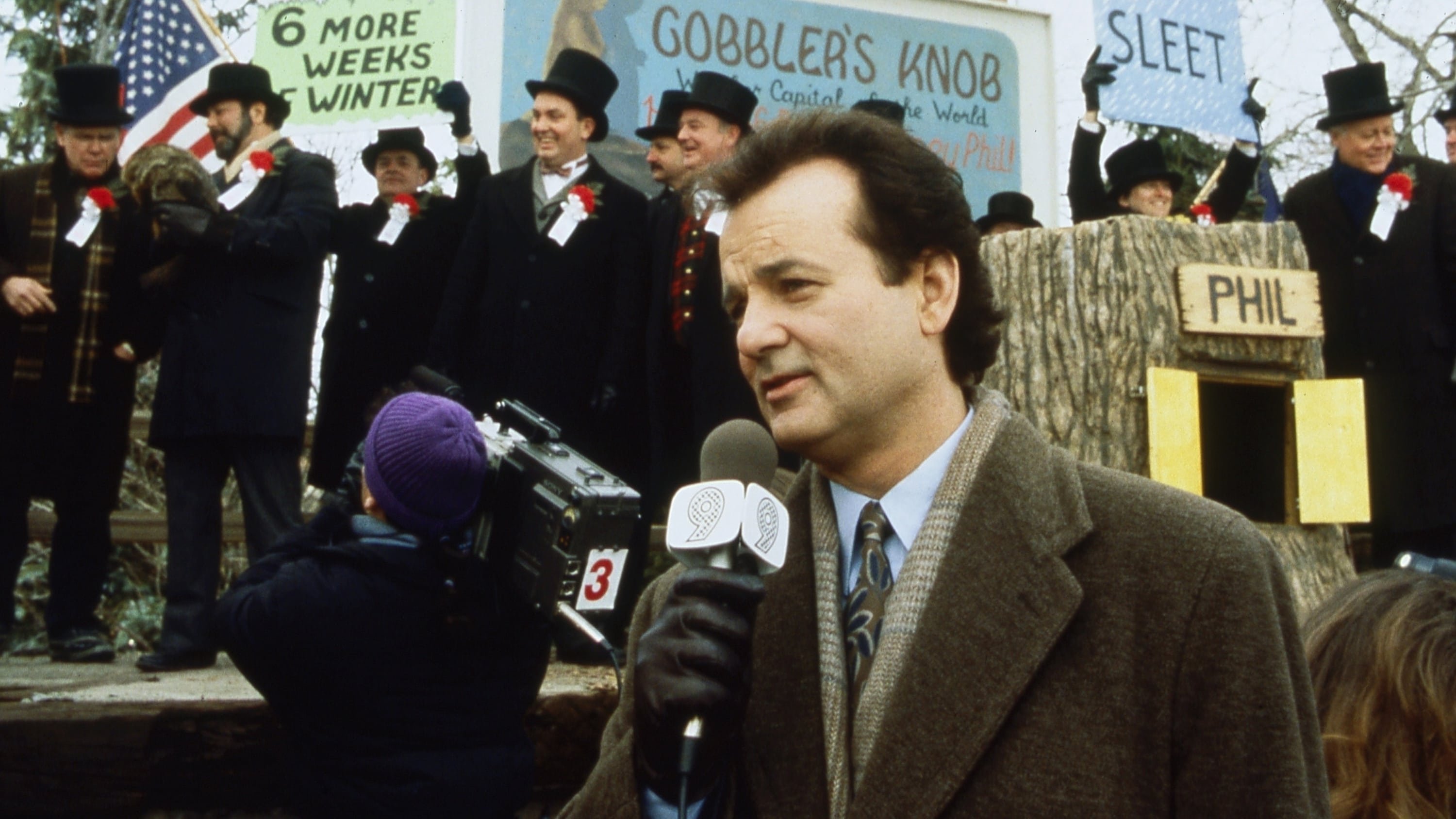
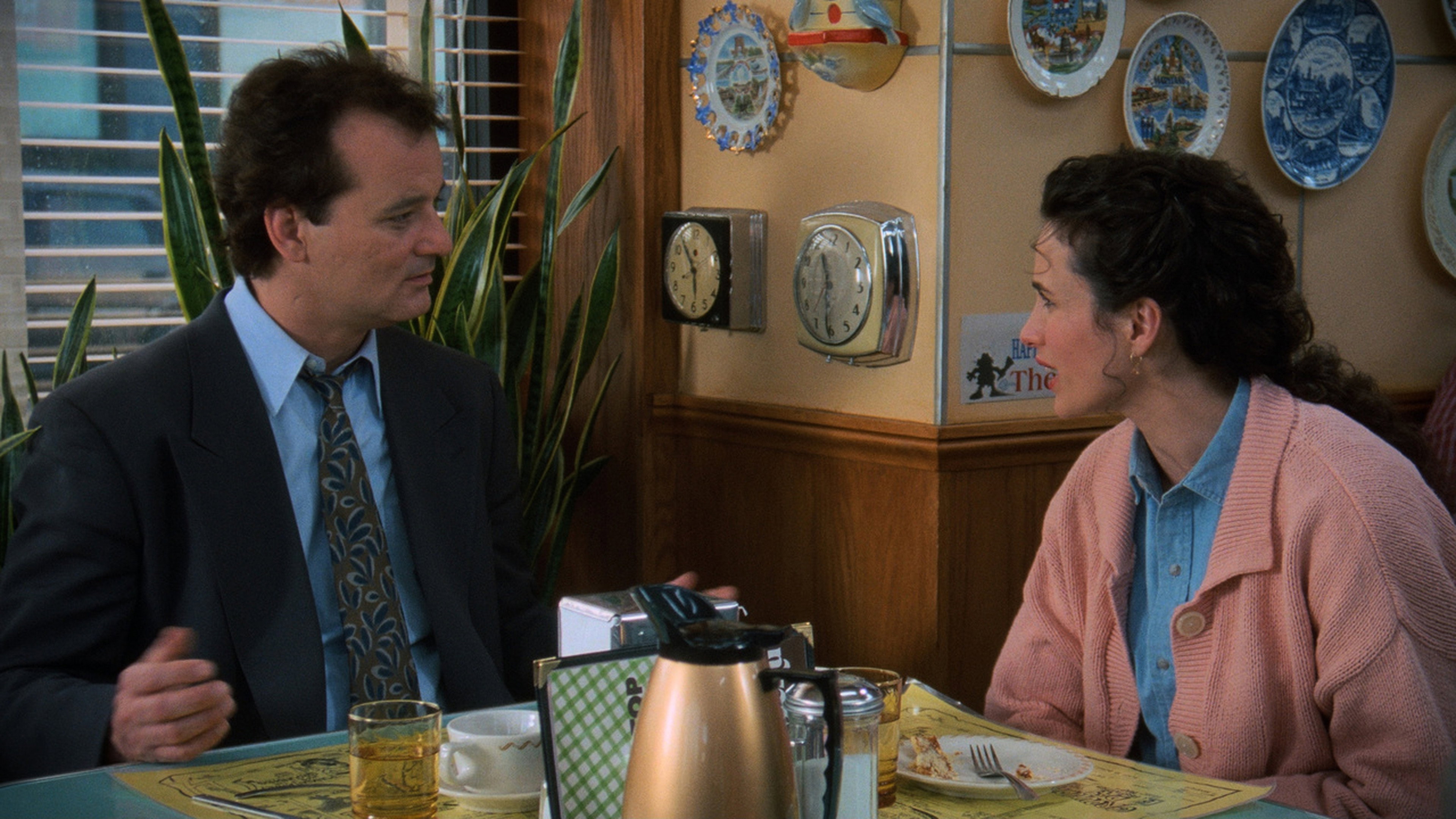
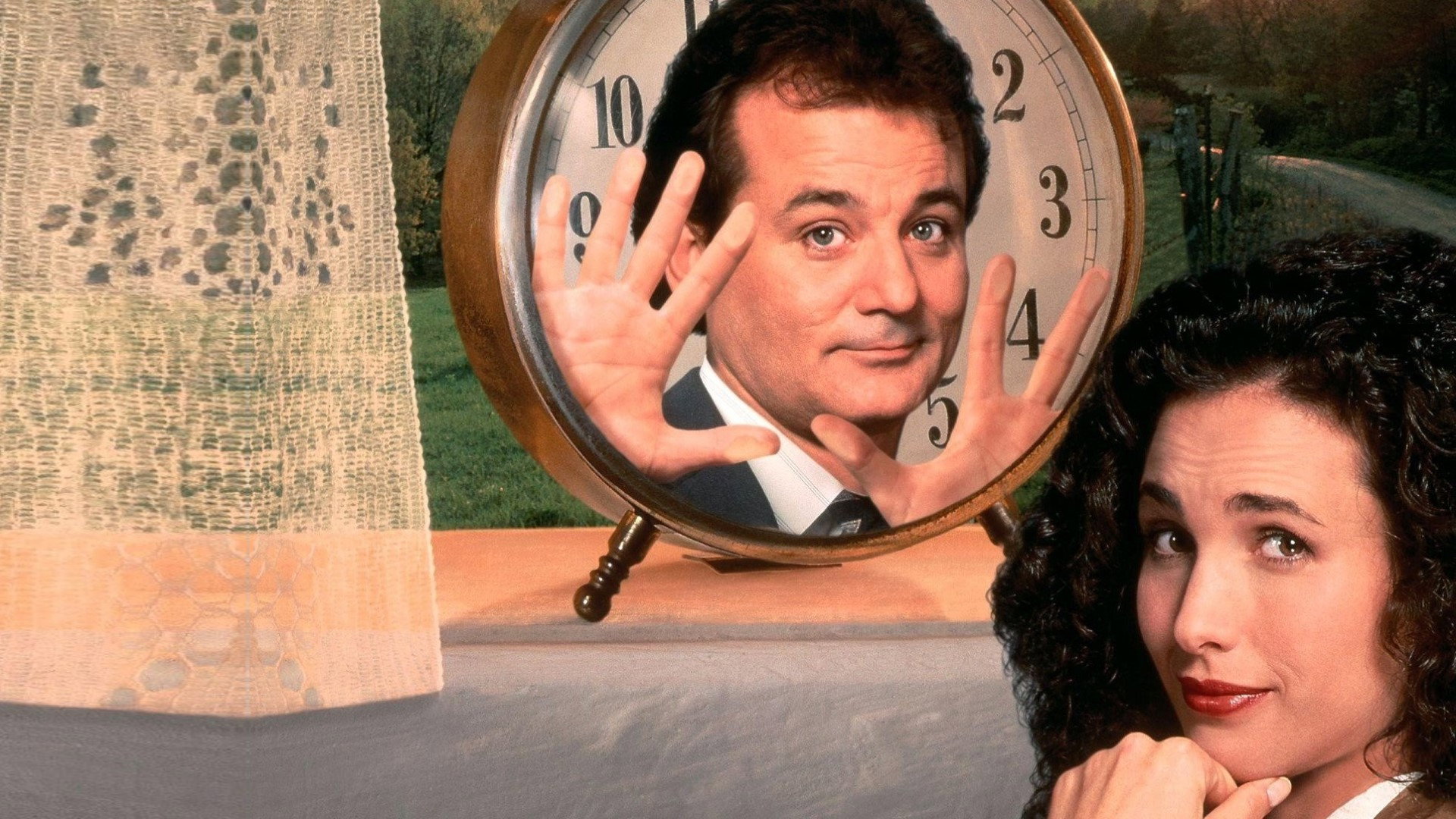
Phil Connors (Bill Murray) is a weatherman with little patience for other people. Finding himself trapped in a small town, living the same day repeatedly, he has to endure familiar encounters without the prospect of moving on to tomorrow. Phil begins to test what he can do with a day that keeps returning, while his interest in Rita Hanson (Andie MacDowell) brings romance into his predicament. Harold Ramis directs a comedy about a man given more time than he knows what to do with. The cast also includes Stephen Tobolowsky as Ned Ryerson.

Plays from YouTube when you press play; nothing loads from them until then.

Fi1m review

Harold Ramis makes a repeating day sustain a funny, unsettling comedy, with Bill Murray’s sourness doing much of the work. The romance is a little too obliging, but this is worth anyone’s evening.

Groundhog Day is a superb comedy about an unpleasant man who cannot get through a day and be done with it. Harold Ramis gives the idea room to become funny, troubling and tender without treating it as an excuse for a lecture. Phil Connors, the weatherman played by Bill Murray, cannot get past the day he is living. The film is interested in what he might do with that situation, and how long his customary contempt can remain entertaining even to him.

Murray is crucial because he makes Phil’s contempt so easy to enjoy. His deadpan reactions to the repeated day made us laugh, then feel oddly lonely; being stuck with this man begins to look wearing for Phil as well. The sourness never seems like a performance put on for the audience’s approval, though Murray knows exactly how amusing it can be. He lets us see the exhaustion in it without suddenly asking us to forget the unpleasantness. That makes the quieter passages feel consistent with the jokes.

Danny Rubin and Ramis’s screenplay gives Phil room to test the possibilities of his predicament. It keeps asking what he will try, and what difference another attempt might make. Ramis wisely avoids explaining the mechanics at length, leaving the behaviour to hold our attention. Pembroke J. Herring’s editing makes the recurring situations easy to recognise while keeping our attention on what has changed. At 101 minutes, it seldom lets familiarity slow the comedy.

John Bailey’s cinematography gives the small-town surroundings an ordinary, unforced appearance, a sensible choice for a fantasy that depends on familiar things becoming oppressive. David Nichols’s production design helps the place feel lived in, without making its inhabitants’ lives look absurd merely because Phil disdains them. Both serve the comedy without competing with Murray for attention. George Fenton’s music is less restrained about encouraging tenderness, and occasionally we would prefer to hear less of it. The actors are usually doing enough already.

Stephen Tobolowsky’s Ned Ryerson supplies a welcome comic challenge to Murray: Phil’s exasperation becomes funnier when another performer is allowed to be just as insistent. Andie MacDowell brings warmth to Rita Hanson, and the film benefits from having someone who does not seem to share Phil’s enjoyment of his own cleverness. The romance is the weaker business. Rubin and Ramis arrange too much of her part around his improvement, leaving MacDowell less to work with. She keeps Rita likeable without entirely solving that problem.

A romantic comedy about an objectionable man becoming more considerate can be a fairly smug proposition. What distinguishes this one is how much amusement Ramis is willing to find in the objectionable part, and how patiently Murray lets us tire of it. The sweetness costs the film some bite, but it does not make the earlier laughter feel dishonest. We would recommend it to almost anyone; a taste for fantasy is not required, though a tolerance for other people’s bad moods may help.
Critical consensus AI synthesised

84
Positive
9
Mixed
0
Negative
0

Most critics are strongly positive about Groundhog Day, with praise clustering around Bill Murray’s sardonic performance and Harold Ramis’s light handling of the time-loop premise. The reviews credit Murray with making a grouchy protagonist engaging, while Ramis keeps the repetition varied without burdening the comedy with explanations. The script’s inventive use of the predicament also draws approval, alongside a warmth that many critics find compatible with the sharper jokes.

The differences concern how comfortably that warmth sits with the cynicism, and how consistently the film sustains its comic momentum. The Independent finds the sentimentality intrusive, while Variety identifies uneven tone and pace but welcomes the warmth and singles out Stephen Tobolowsky’s supporting performance. The Hollywood Reporter enjoys the romance with Andie MacDowell despite credibility concerns. These are reservations within a positive consensus rather than outright dissent: enthusiasm ranges from affectionate approval to emphatic praise.

Radio Times
★★★★★ · David Parkinson
100

The review calls it a contender for the best comedy of the 1990s and highlights Bill Murray's career-best performance as the weatherman trapped in the loop. Ramis is noted for using every cinematic trick to keep the one-gag concept fresh and full of life.

Read the full review →
Time Out
22 September 2024 · ★★★★★ · GA
100

The critic praises the film's rigorous exploration of its time-loop premise and the way the script covers every nuance of the protagonist's predicament. Ramis is commended for directing with a light touch that allows Bill Murray ample space for his mix of sarcasm and smarm.

Read the full review →
Empire
1 January 2000 · Caroline Westbrook
90*

Groundhog Day stands as one of the finest comedies of the 1990s, remaining fresh and original thanks to its simple yet brilliant concept. The critic singles out Bill Murray's career-best performance and director Harold Ramis's focus on hysterical set-pieces without over-explaining the premise.

Read the full review →
Los Angeles Times
12 February 1993 · Kenneth Turan
85*

The critic describes the film as a gentle, small-scale effort that is the most endearing of Murray and Ramis's careers. He singles out the warmth and charm that make the sentimentality palatable through Murray's comic hostility.

Read the full review →
The New York Times
14 March 1993 · Janet Maslin
80*

The critic calls it one of the season's most entertaining films thanks to Bill Murray's likable cynicism in the time-loop story. She singles out the endearing romance and social absurdity while noting it remains a light comedy about a groundhog.

Read the full review →
RogerEbert.com
12 February 1993 · ★★★/4 · Roger Ebert
75

The critic finds the film lovable and sweet as a story of self-redemption for a grouchy weatherman trapped in a time loop. He singles out the original premise and Bill Murray's performance for making the comedy work despite its formula elements.

Read the full review →

Cast

Stills

Awards

Hugo Awards, 1994

Nominated
Best Dramatic Presentation

MTV Movie Award for Best Comedic Performance, 1993

Nominated
MTV Movie Award for Best Comedic Performance

Saturn Awards, 1993

Nominated
Best Costume

If you liked this, try…

The Apartment poster

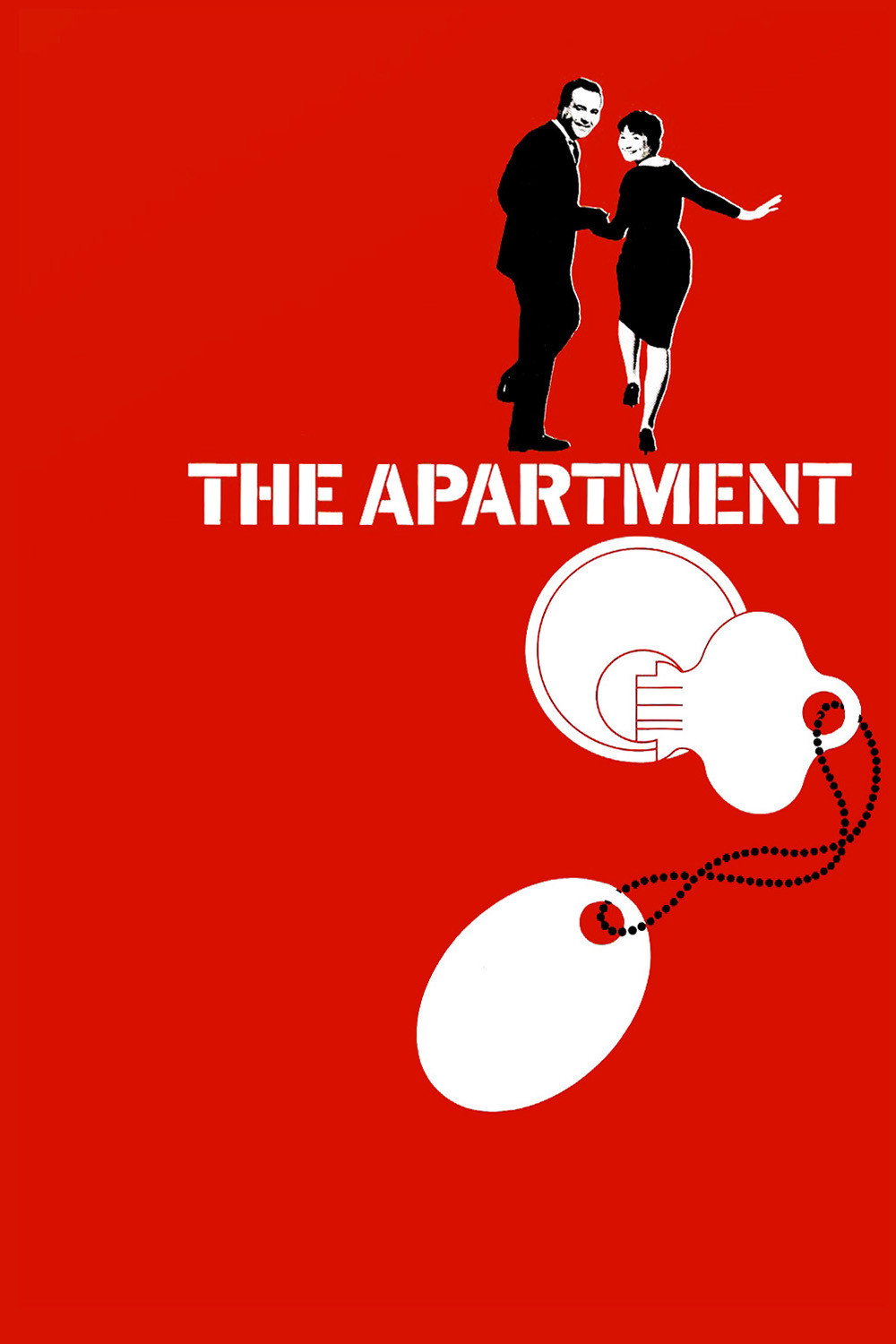
The Apartment

1960 · Another sharp comedy whose warmth survives some fairly appalling male behaviour

A Matter of Life and Death poster92

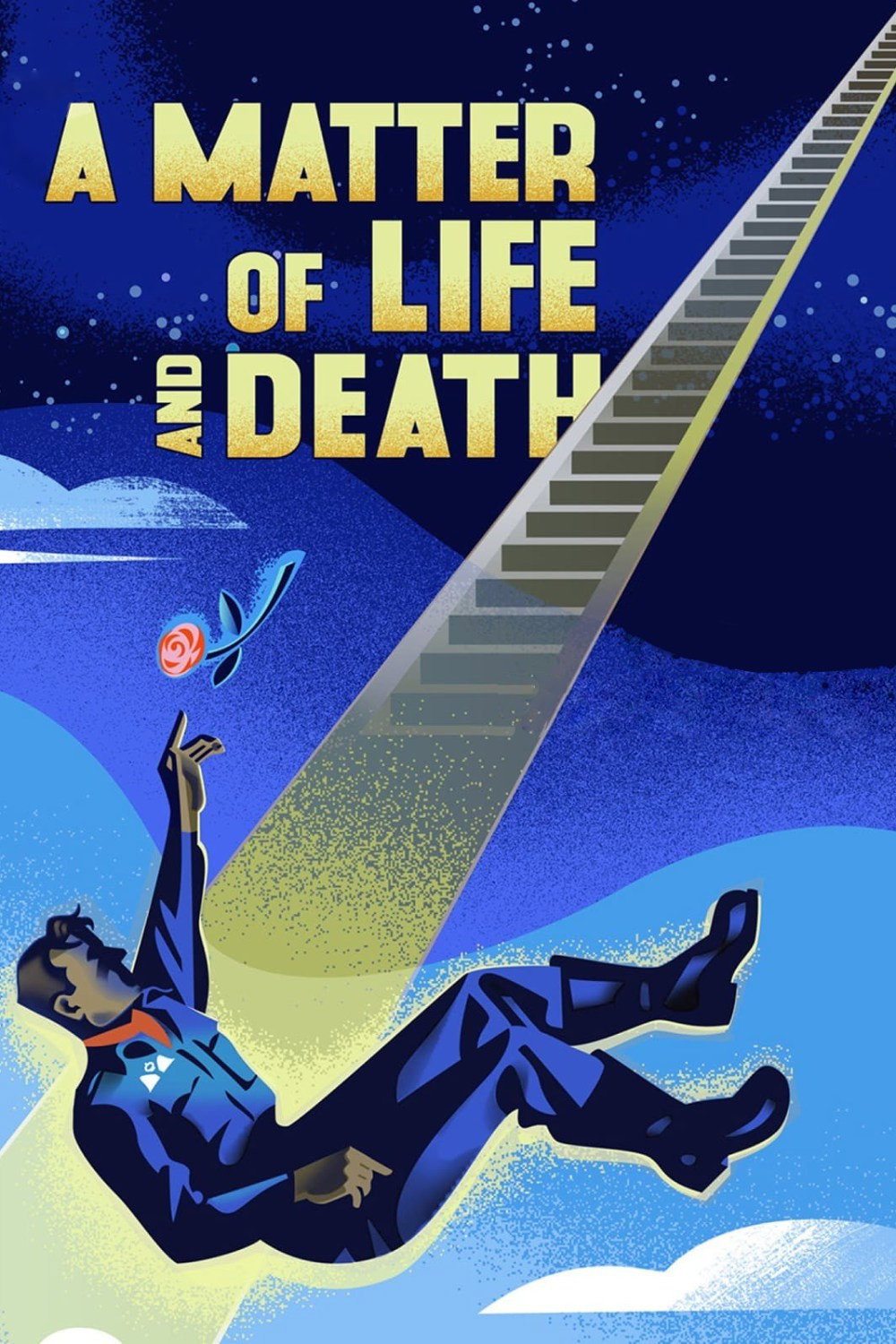
A Matter of Life and Death

1946 · For romance under impossible conditions, with wit keeping the solemnity manageable

After Life poster

After Life

1998 · Another patient fantasy asking which parts of an ordinary life are worth keeping

Palm Springs poster

Palm Springs

2020 · A brasher romantic comedy about repetition, boredom and the nuisance of self-knowledge

Céline and Julie Go Boating poster

Céline and Julie Go Boating

1974 · A longer, stranger comic fantasy that makes repetition an invitation to play