Harold Ramis made broad comedies that could take human behaviour seriously without stopping the jokes. We rate him highest in Groundhog Day, where his patience with Bill Murray lets an unpleasant man become worth our time.
Fi1m perspective
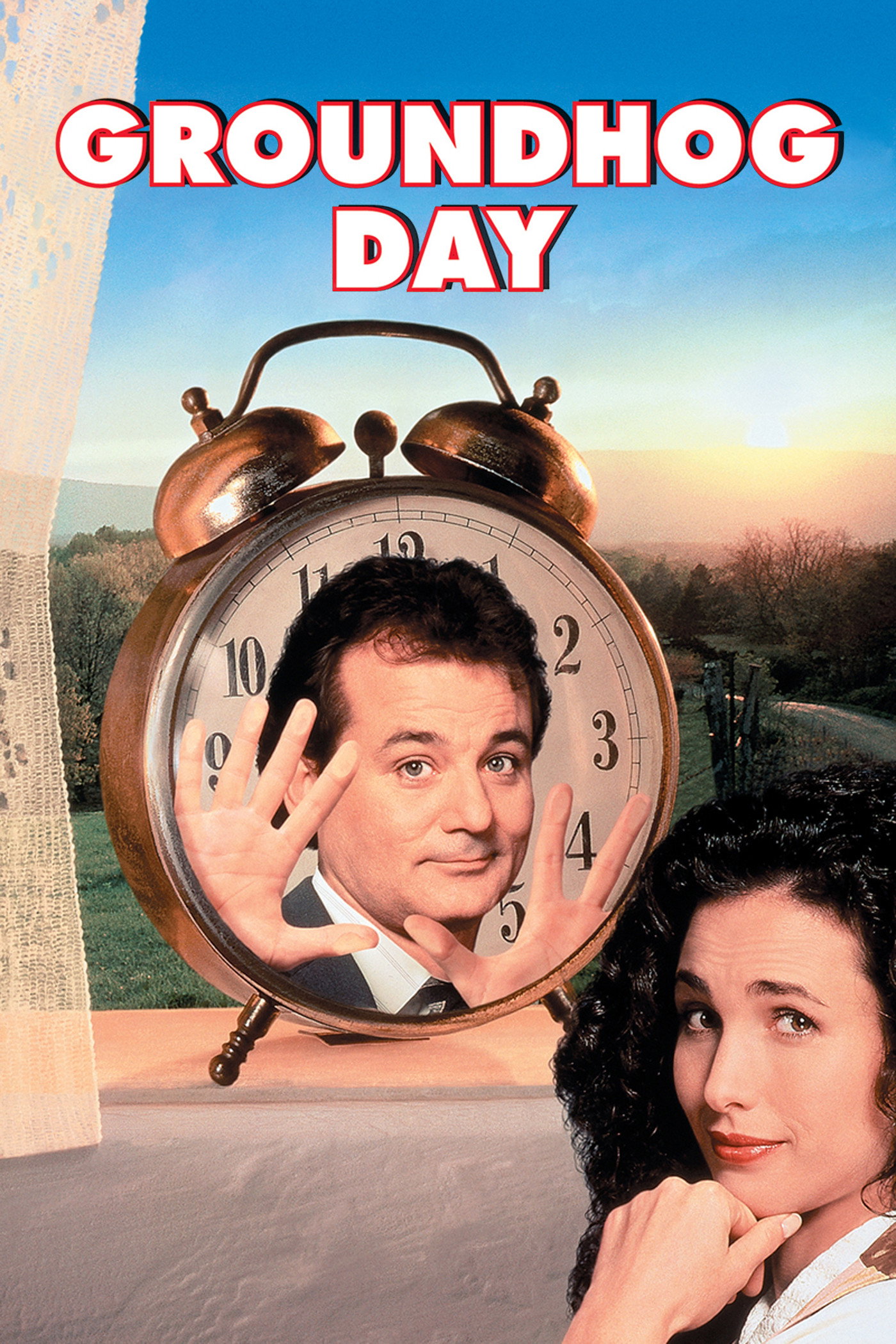
In Groundhog Day (1993), Bill Murray's Phil Connors has to contend with Stephen Tobolowsky's insistent Ned Ryerson. Ramis lets both men be funny, rather than treating the supporting performer as someone merely there to set up the star. We laughed at Phil's exasperation because Tobolowsky is allowed to be every bit as persistent as Murray is dismissive. We trust Ramis most when he gives actors that much room and still keeps the situation clear.
His early films made that irritation a group activity. He co-wrote National Lampoon's Animal House (1978), then made his feature directing debut with Caddyshack (1980), establishing an appetite for ensembles and people unwilling to respect authority. His work with Murray continued through Stripes (1981) and Ghostbusters (1984), which Ramis co-wrote and appeared in as Egon Spengler. Groundhog Day brought that collaboration to a more concentrated test: one man's sourness, given nowhere else to go.
The crucial decision in Groundhog Day is to leave the mechanics of the repeating day largely alone. Ramis and fellow screenwriter Danny Rubin concentrate on Phil's next attempt to use his predicament, rather than explaining why it is happening. Editor Pembroke J. Herring makes each recurrence recognisable while directing attention to the changed behaviour, so repetition rarely feels like delay. Ramis lets the comedy become troubling without announcing that we ought to take it seriously; Murray's contempt stays funny long enough for us to begin tiring of it.
The tenderness is less secure. Andie MacDowell gives Rita Hanson warmth, but Rubin and Ramis arrange too much of her part around Phil's improvement. We are asked to care about her while being given too little sense of what she wants for herself. The romance softens the film more than it needs to, though it never makes the earlier laughter seem like something to apologise for.
Analyze This (1999) gave Ramis another useful comic partner in Robert De Niro. Its gangster-therapy premise let him put a dramatic actor to comic use, a strength that survived beyond his work with Murray. The later directing was less consistently inventive, with Year One (2009) a less persuasive reason to seek him out. Start with Groundhog Day, allowing for a romance rather more accommodating than its hero deserves.
Biography
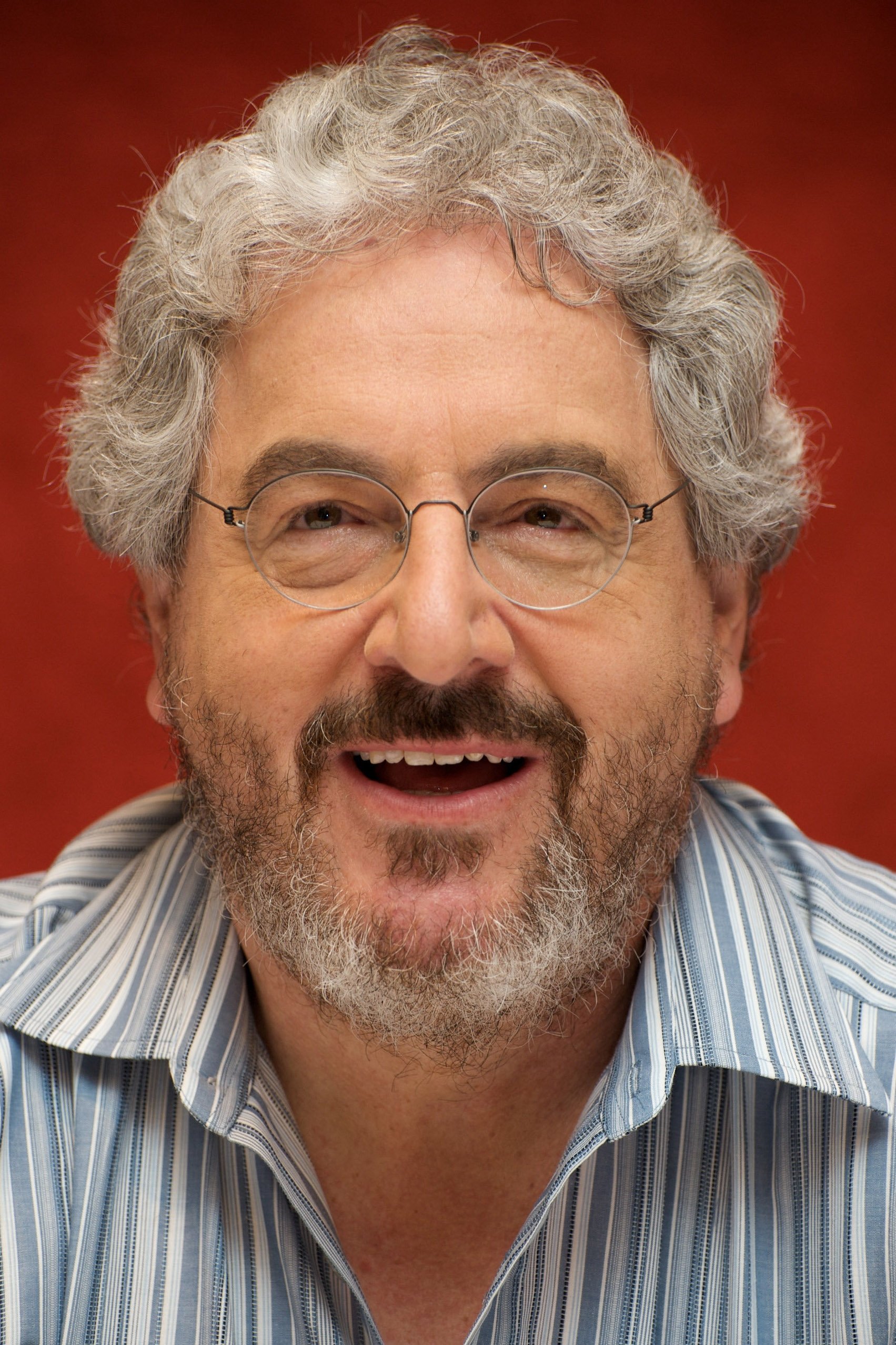
Harold Ramis was an American actor, writer and director known for his work in comedy films. Born in Chicago, Illinois, he began his career with the Second City improvisational troupe before becoming head writer and performer on the television series SCTV.
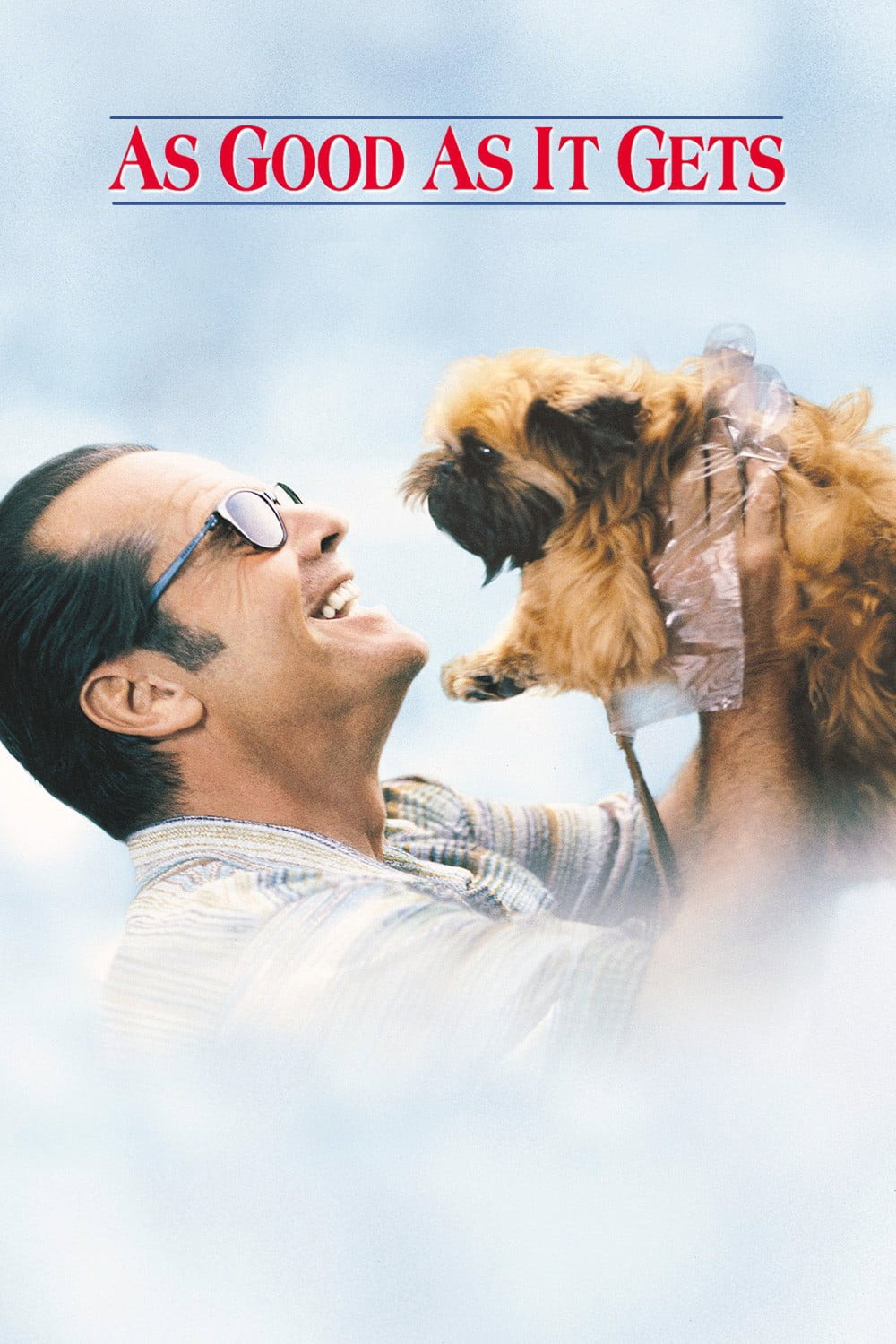
He co-wrote National Lampoon's Animal House (1978) and went on to direct Caddyshack (1980). Ramis wrote, directed and produced Groundhog Day (1993), in which he also appeared in a supporting role, and he played Dr. Bettes in As Good as It Gets (1997). Other notable credits include writing and acting in Ghostbusters (1984) and directing Analyze This (1999). He shared a BAFTA Award for Best Original Screenplay for Groundhog Day.
Ramis died in 2014.