Ivan Reitman’s ghost comedy earns its laughs through Bill Murray’s deadpan and the team’s easy conversation. The plotting is slight, and some effects get too much attention, but we recommend it for the company.
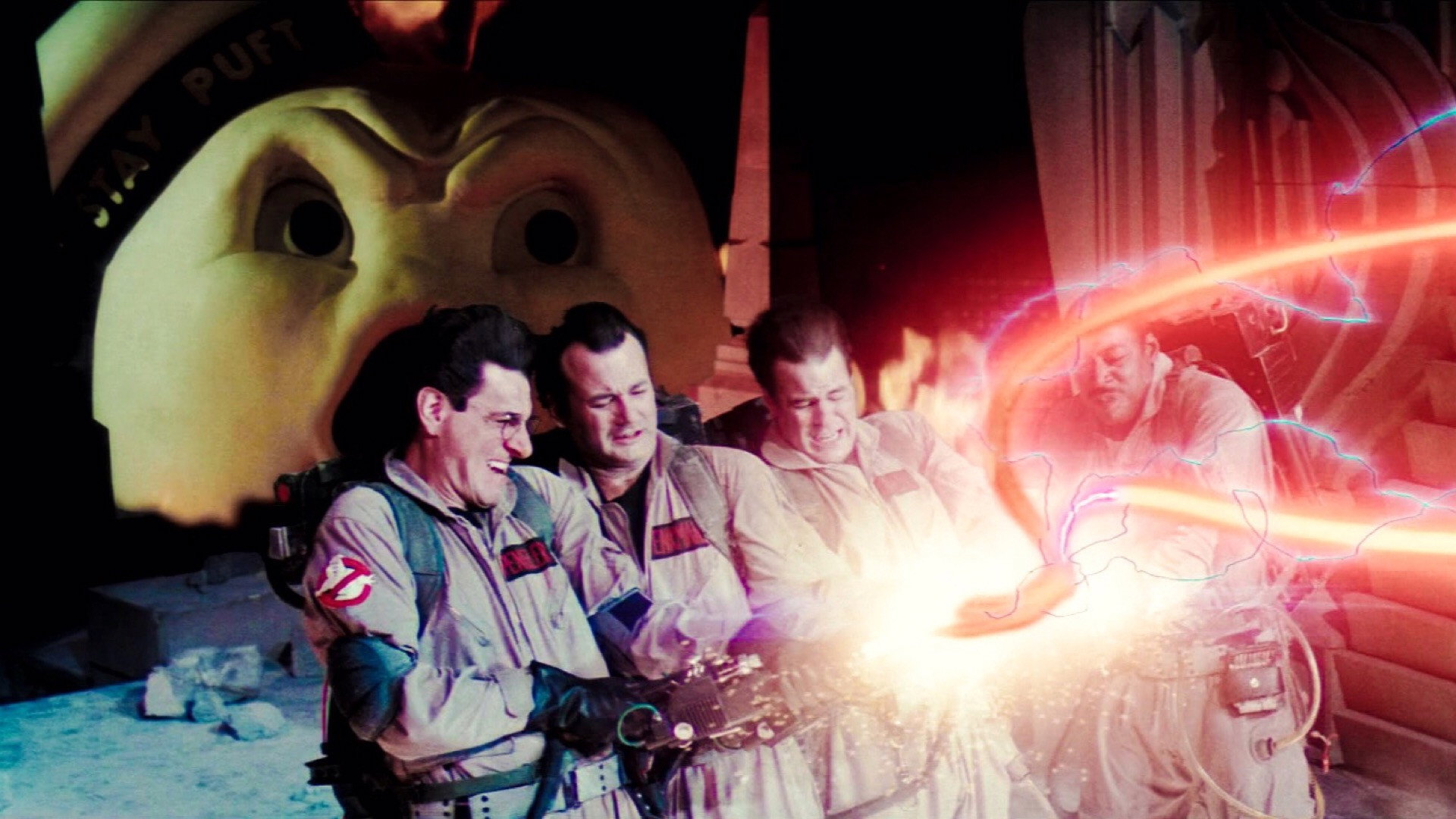
Ghostbusters is a funny, assured supernatural comedy with a story that sometimes gets by on the charm of the people telling it. Ivan Reitman understands how much amusement there is in giving a haunting to men who treat it as a line of work. The ghosts can be alarming, but somebody still has a business to run. The film is most enjoyable when it lets the team talk, and occasionally too eager to interrupt them with effects.
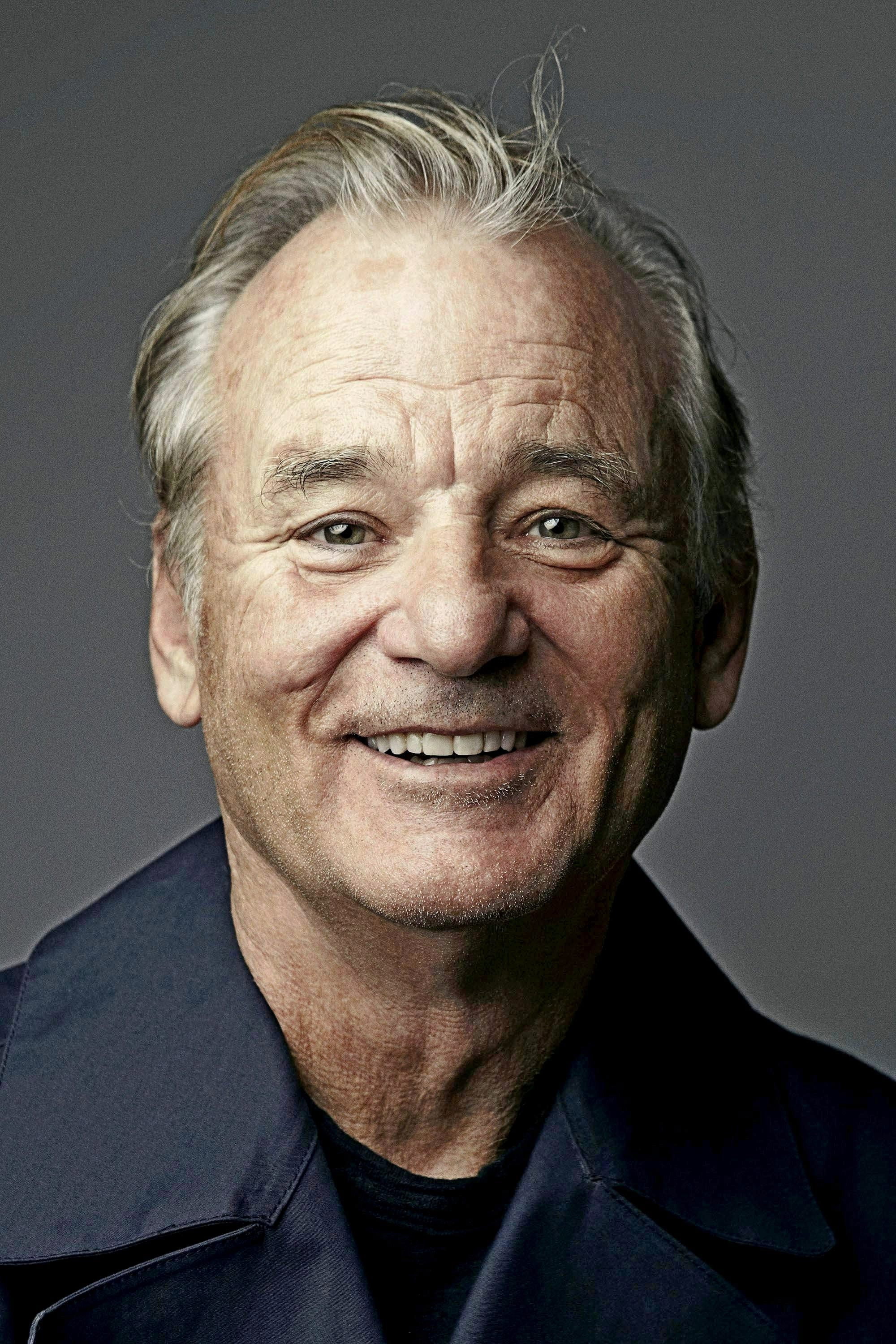
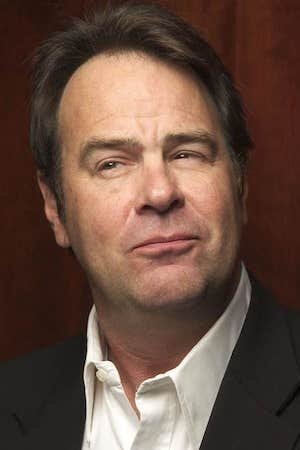
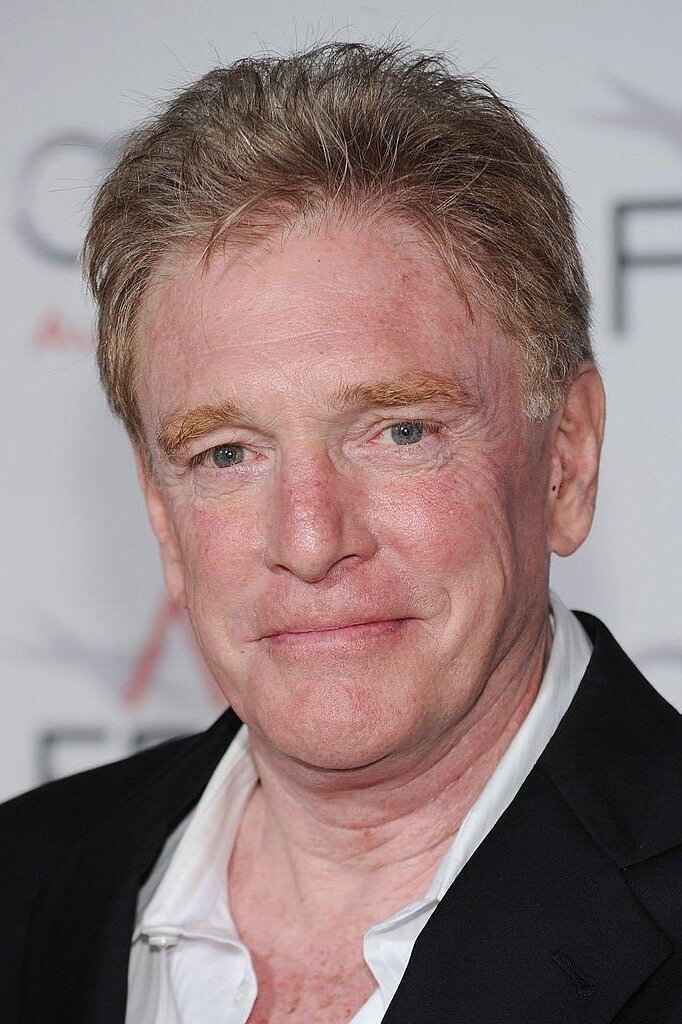
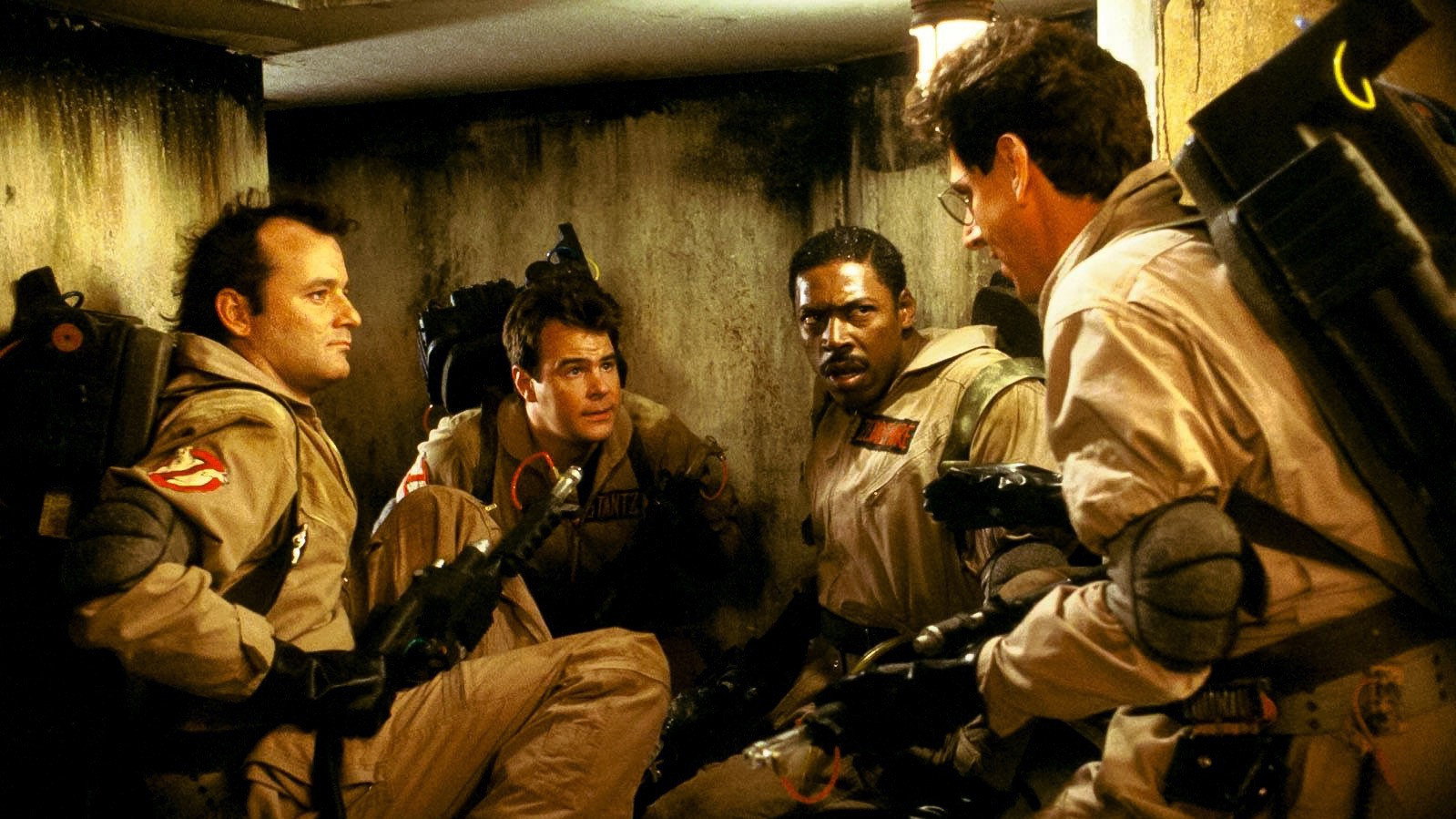
Bill Murray’s Dr Peter Venkman is a dubious person to put in charge, which helps considerably. Murray gives him a deadpan assurance that makes professional competence seem almost beside the point. We laughed at the way his casual delivery unsettles the exchanges with Dan Aykroyd and Harold Ramis; a supernatural emergency cannot quite persuade him to sound impressed. Aykroyd’s Raymond Stantz supplies eager conviction, while Ramis’s Egon Spengler gives his replies a pleasing exactness. Even when the conversation wanders towards the supernatural, they sound like colleagues accustomed to one another.
Ramis and Aykroyd’s screenplay is less attentive to what holds those conversations together. The plotting is thin, and some of the people around the central trio feel useful chiefly because the next stretch requires them. Rick Moranis makes Louis Tully funny enough for this not to matter whenever he is present, but a good supporting performance cannot do all the writing. The weakness is noticeable because the central partnership is so comfortable: it invites an interest in the characters that the script does not consistently reward.
László Kovács’s cinematography gives the ghost story a welcome air of everyday life, so that the people remain interesting even when something unnatural is sharing the image. John DeCuir’s production design makes particular use of the contrast between the team’s working manner and its upscale New York surroundings. These are places where a grubby practical problem is especially unwelcome. That helps the jokes, and gives the effects a setting worth looking at before anything supernatural happens.
Editors David E. Blewitt and Sheldon Kahn keep this mixture moving without rushing the actors. The exchanges have room to find their rhythm, and the action rarely breaks the comic momentum. Elmer Bernstein’s score gives the supernatural material enough weight to make the team’s lack of ceremony amusing. The music helps sustain the ghost story through the comic interruptions.
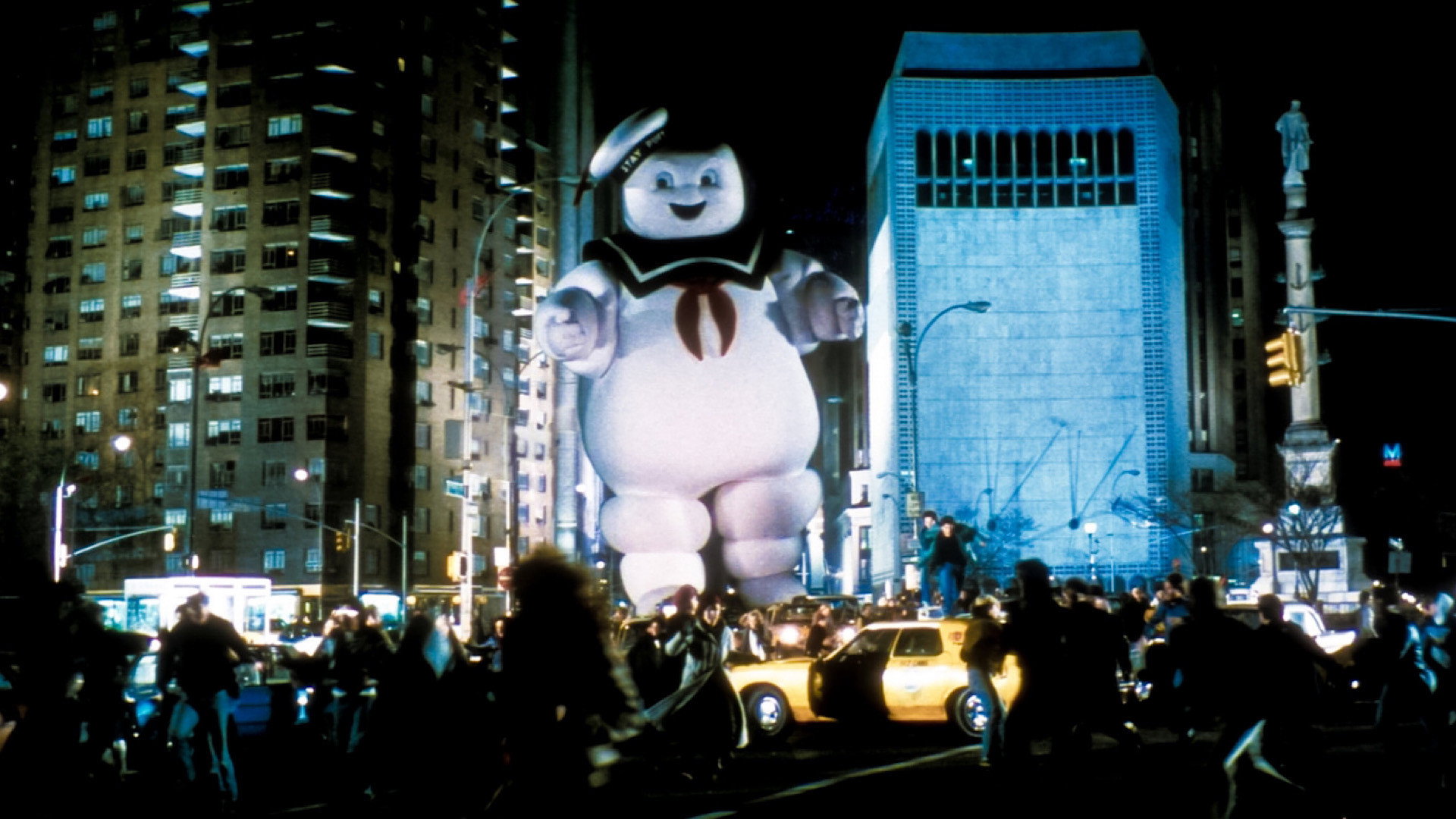
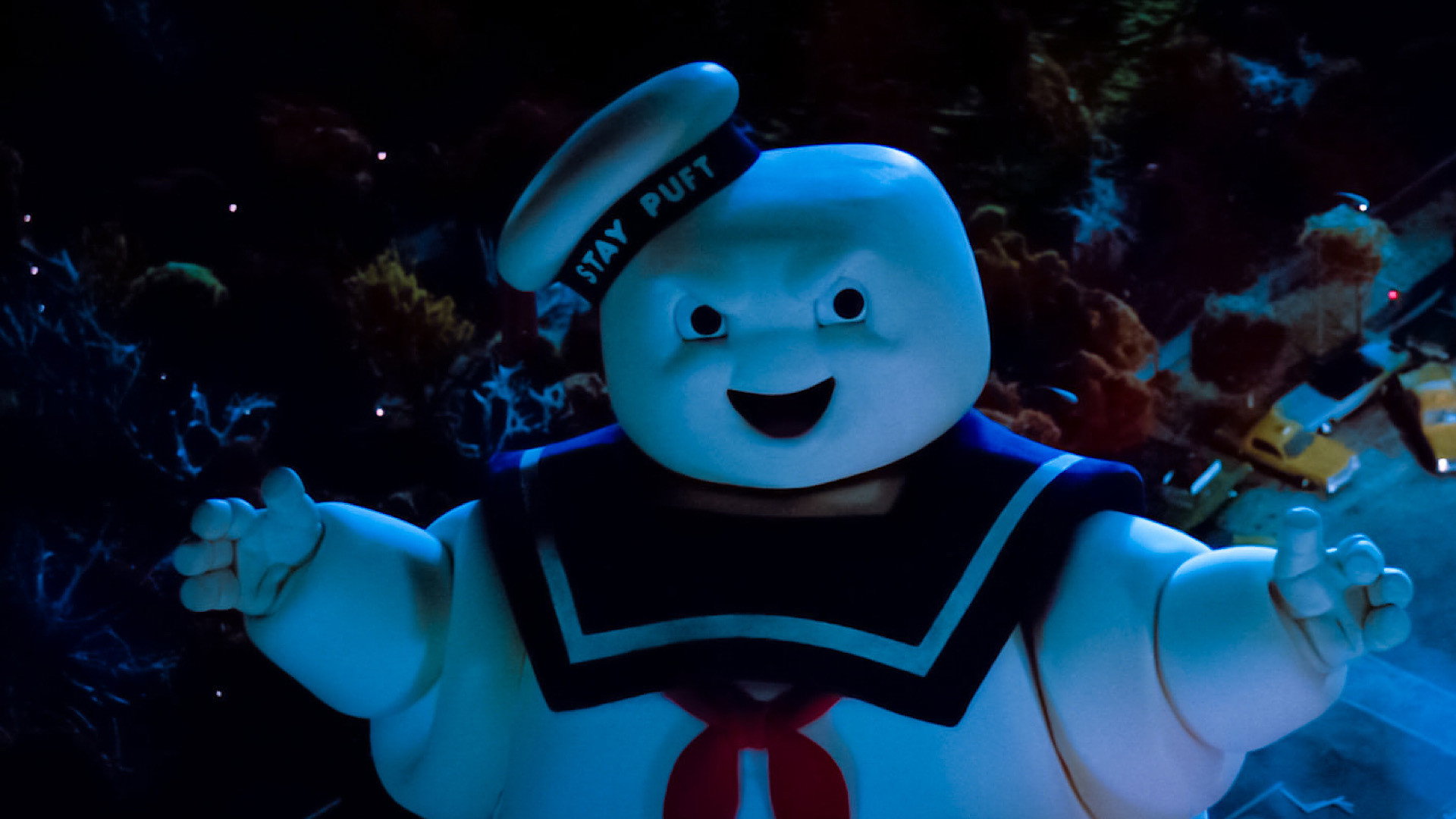
As a horror comedy, the film gets an important thing right: the jokes do not require the ghosts to be harmless. Reitman allows the supernatural spectacle to hold our attention without insisting on a gag every moment. Occasionally he lets it hold that attention too long. The larger effects passages can crowd out the quieter exchanges, which are where this cast is most enjoyable.
There is a satirical pleasure in watching these men turn supernatural disturbance into paid work, though we would not ask the film to provide a thorough account of capitalism. It is much more interested in keeping the company entertaining, and at 105 minutes it seldom tests our patience. The slight plotting is a real limitation, rather than something affection should oblige us to overlook. See it for the actors, and allow for the occasional stretch when the effects get more attention than they deserve.